
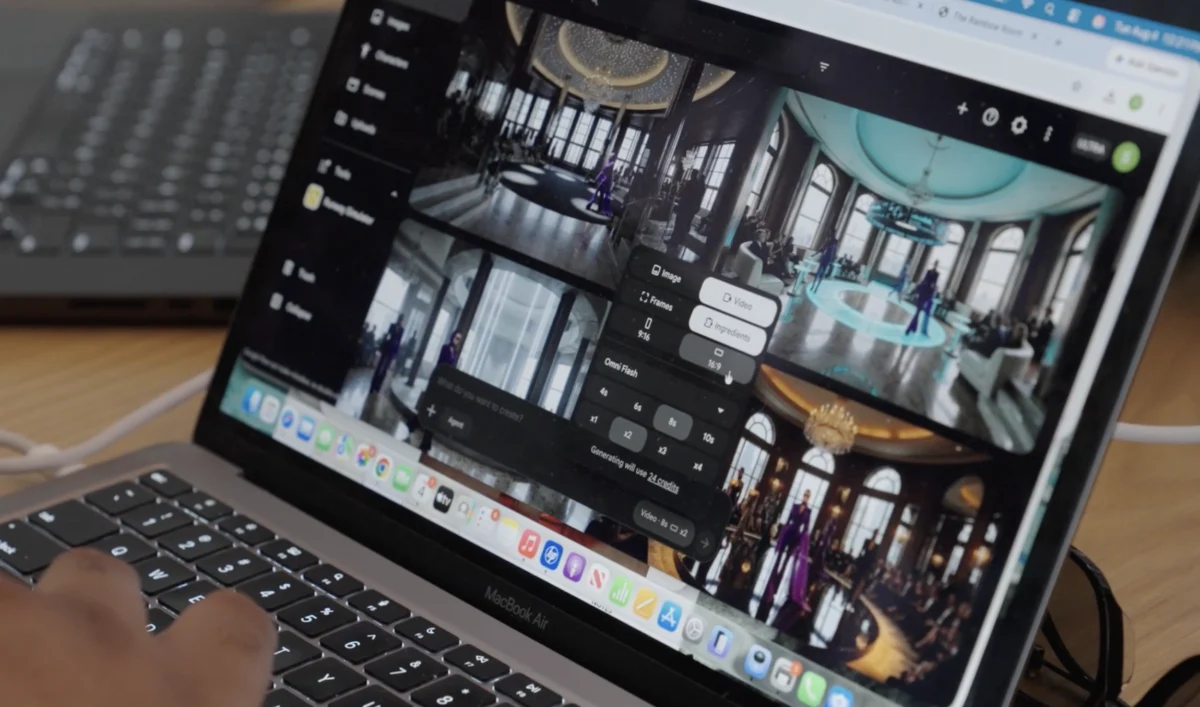
The implications of this collaboration extend far beyond the runway, signaling a move toward a more democratized, technology-enabled creative economy where independent designers can achieve the efficiency of global luxury houses without the prohibitive infrastructure costs.
The Operational Bottleneck in Modern Fashion
For the modern independent fashion designer, the reality of the profession is often at odds with the public perception of the industry. Industry data suggests that for every hour spent on garment design, creative directors spend significantly more time on administrative overhead. A 2023 report on small-to-medium enterprise (SME) fashion brands indicated that logistical coordination, vendor communication, and inventory management consume approximately 60% of a designer’s weekly working hours.
This operational burden is compounded by the high-stakes environment of New York Fashion Week, a biannual event that serves as the industry’s primary stage for global commerce and brand positioning. The pressure to deliver a cohesive collection within a compressed timeline often forces designers to compromise on their artistic vision to avoid cost overruns or production delays. By introducing Google Flow—a platform that allows users to build bespoke tools using natural language—Google is attempting to transform the design studio into a tech-integrated workspace, effectively shifting the burden of logistical complexity from the human designer to a scalable AI assistant.
Chronology of the Collaboration
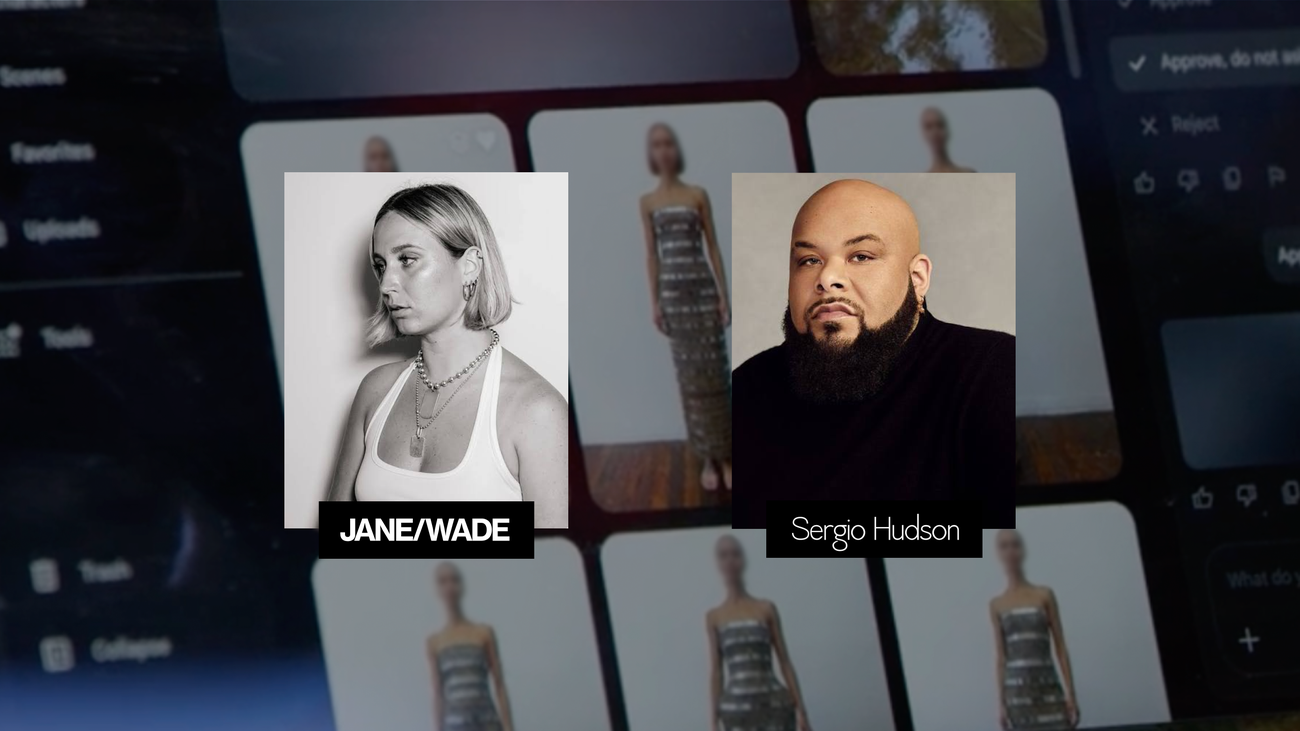
The integration of Google’s technology into the NYFW workflow followed a multi-month development cycle. The initiative began with an internal audit by Google’s Envisioning Studio to identify the most significant "friction points" in the fashion design cycle. By early 2024, the studio had finalized its partnership with Jane Wade and Sergio Hudson, two designers whose distinct needs represented two of the industry’s most common pain points: styling efficiency and production budgeting.
Throughout the spring and summer, engineers and designers engaged in a series of iterative workshops. The goal was not to replace the designer’s intuition but to augment it with data-driven visualization. By September 2024, the tools—dubbed the "Styling Suite" and "Runway Visualization"—were fully deployed and stress-tested in the high-pressure environment of pre-show production. The successful execution of these collections during the September NYFW showcase marked the conclusion of this pilot phase and the beginning of a broader inquiry into how AI can be institutionalized within fashion houses.
Technical Solutions: Styling Suite and Runway Visualization
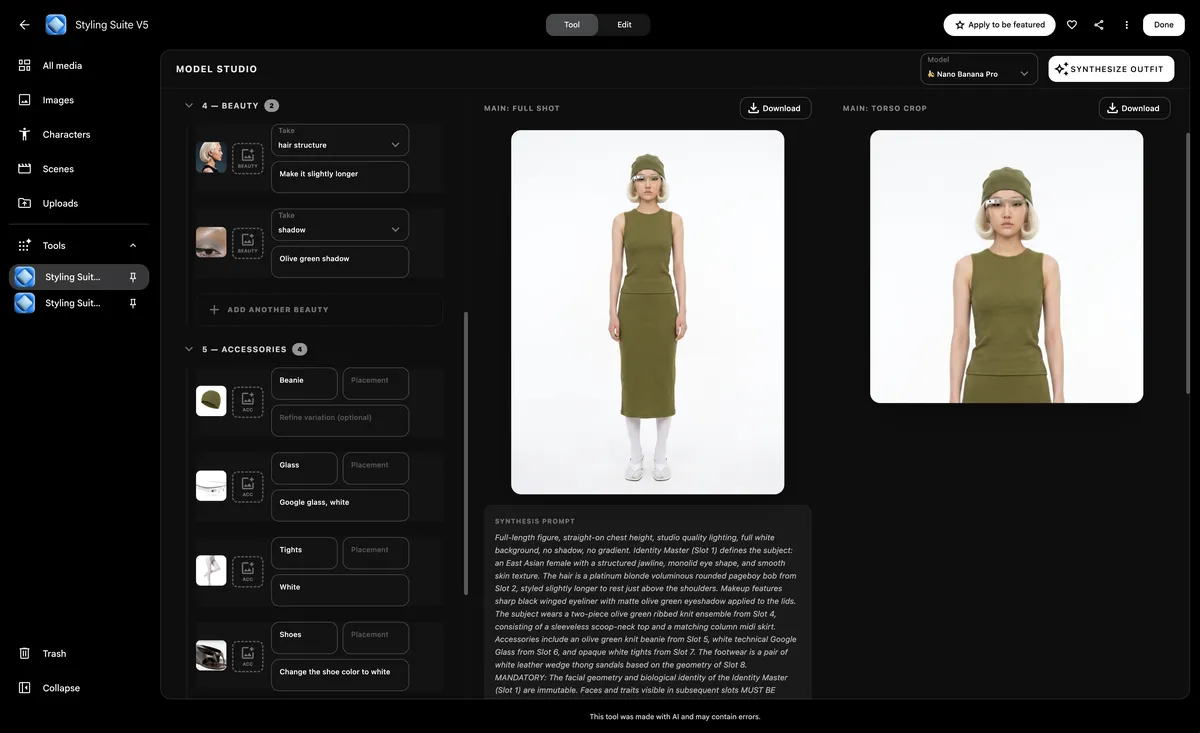
Jane Wade, known for her structural and avant-garde approach to garment construction, utilized the "Styling Suite" to address the inefficiencies of the casting and fitting process. Traditionally, designers must organize physical garment fittings for each model, a process that can span three to four days of intense labor. The Styling Suite allowed Wade to build a virtual repository of her collection, enabling the digital curation of hair, makeup, footwear, and accessories against digital representations of her models.
By simulating the "total look" in a virtual environment, Wade could identify structural imbalances or missing elements in a collection long before the first piece of fabric was cut. This digital-first approach significantly reduced the need for sample iteration, saving not only time but also physical raw materials, which in turn reduces the carbon footprint of the collection’s development phase.

Simultaneously, Sergio Hudson faced a different set of challenges centered on fiscal responsibility and spatial design. For an independent designer, the production of a runway show is a massive capital expenditure. Historically, any change to the set design, lighting, or model choreography required a new 3D rendering from a production team, which is both time-consuming and expensive. The "Runway Visualization" tool provided Hudson with a real-time simulation of his venue. He could swap lighting schemes, adjust prop placements, and map out the specific walking paths for models while simultaneously monitoring how these changes impacted his total show budget. This allowed for creative experimentation that was grounded in financial reality, ensuring that the show’s artistic impact was not diminished by last-minute budget constraints.
Industry Data and Economic Implications
The fashion industry has been historically slow to adopt AI compared to sectors like finance or logistics. However, the current economic climate is forcing a change. According to McKinsey & Company’s "State of Fashion" analysis, the integration of generative AI in design and product development could potentially add between $150 billion and $275 billion to the apparel, fashion, and luxury sectors’ operating profits by 2030.
The Google Flow project highlights a critical trend: the move toward "bespoke AI." Rather than relying on generalized models, designers are beginning to demand tools that are tailored to their specific workflow. The ability to create these tools without formal coding experience—a core feature of the Google Flow platform—is arguably the most disruptive element of this trend. It lowers the barrier to entry, allowing designers with limited technical backgrounds to implement enterprise-level automation in their studios.
Official Responses and Future Outlook
While Google has not released specific performance metrics regarding the percentage reduction in costs for Wade or Hudson, the anecdotal evidence provided by both designers suggests a marked improvement in creative focus. "The goal was to remove the friction," said Yeawon Choi, a UX Designer at Google’s Envisioning Studio. "By allowing the designer to stay in the driver’s seat, we ensure that the AI acts as an extension of their hand, not a replacement for their perspective."
The fashion industry has largely received these developments with cautious optimism. Critics note that while AI can optimize for efficiency, the "human touch" remains the primary value proposition in luxury fashion. However, supporters argue that by offloading the "administrative, factory-like" aspects of the job to AI, designers are actually freed to double down on the creative, human-centric elements of their craft.
As the industry looks toward future seasons, the shift from "pilot mode" to integrated daily practice is the next significant hurdle. Google Labs has indicated that the infrastructure behind Google Flow will continue to evolve, with plans to introduce more complex, generative capabilities that could eventually handle textile pattern creation and predictive trend analysis based on global consumer data.
Broader Impact on the Creative Workforce
The ripple effects of this initiative are likely to be felt across the entire fashion ecosystem. As design houses begin to adopt these tools, the demand for "creative technologists"—professionals who bridge the gap between design and data—is expected to rise. Furthermore, the standardization of these tools could lead to a more sustainable production model, as the ability to visualize and iterate digitally reduces the reliance on physical prototypes, which often end up in landfills.
In conclusion, the partnership between Google and designers like Wade and Hudson serves as a case study for the constructive application of generative AI in high-stakes creative environments. By prioritizing the specific needs of the individual designer and providing a low-code interface for complex problem solving, Google is effectively rewriting the operational playbook for the next generation of fashion labels. The future of the runway, it seems, will be built not just with silk and steel, but with code and connectivity.

