
The modern theater of war is undergoing a radical technological transformation, characterized by the integration of artificial intelligence into tactical hardware. As NATO-aligned nations accelerate the adoption of autonomous systems, Swedish startup Scaleout Systems has emerged as a pivotal player, providing a framework for decentralized machine learning. By enabling drones and field computers to learn from local data without relying on constant cloud connectivity, the company is addressing one of the most critical vulnerabilities in contemporary warfare: the reliance on centralized data infrastructure that can be jammed, intercepted, or destroyed.
Founded in 2018 by a group of researchers from Uppsala University, Scaleout Systems originally carved out a niche in the commercial sector, optimizing machine learning models for heavy-duty industrial vehicles. However, the 2022 invasion of Ukraine served as a catalyst for a strategic pivot. Recognizing that the future of defense lay in "edge intelligence"—the ability to process information at the point of action—the company shifted its focus toward military applications. This transition culminated in their selection for NATO’s Defence Innovator Accelerator for the North Atlantic (DIANA) program in 2025, where they have spearheaded the Federated Aerial Intelligence for Recon (FAIR) project.
The Technical Architecture of Federated Battlefield AI
At the core of Scaleout’s mission is the concept of "federated learning." Traditional AI models require vast datasets to be uploaded to a central server, processed, and then pushed back out to devices. In a combat environment, this approach is fraught with danger. High-latency connections, electronic warfare, and the risk of catastrophic server failure make centralized AI a liability.
Scaleout’s solution allows machine learning models to reside directly on the edge hardware—whether it is a tactical tablet, a drone’s onboard processor, or a portable command workstation. These devices perform "inference" locally, identifying targets in real-time without ever needing to communicate with an external server. When connectivity allows, these devices share selective, anonymized model updates—not raw, sensitive video feeds—with local platoon or company-level computing nodes. These nodes then aggregate the updates to refine the global model before redistributing the enhanced capabilities back to the fleet.
This cycle of continuous, localized improvement is essential for mission success. As CEO Andreas Hellander noted, an AI trained on desert terrain will inevitably fail in an urban or forested environment. By enabling the system to "learn" from the specific visual and sensory data encountered during a mission, the AI remains relevant and highly accurate regardless of the geographic theater.
Chronology of Development and Testing
The company’s trajectory from academic research to military deployment has been marked by a series of rigorous testing milestones:
- 2018: Scaleout Systems is established by Uppsala University researchers, focusing on machine learning for industrial fleet management.
- 2022: The Russian invasion of Ukraine exposes the critical need for resilient, autonomous defense technology, prompting the company to pivot toward defense-grade AI.
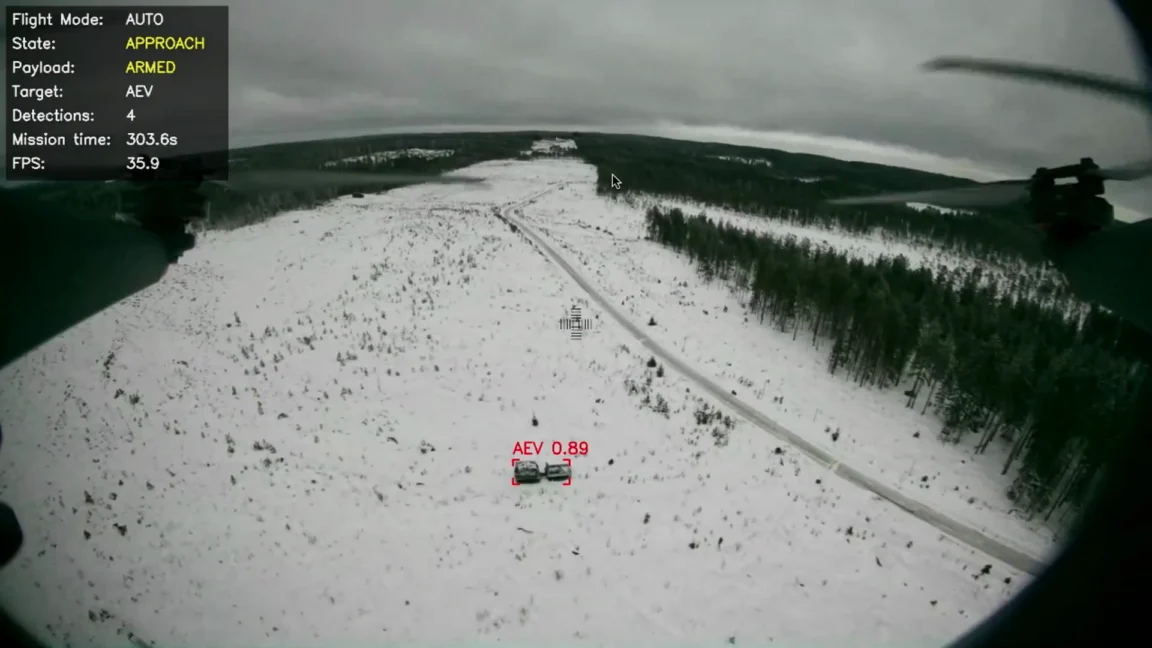
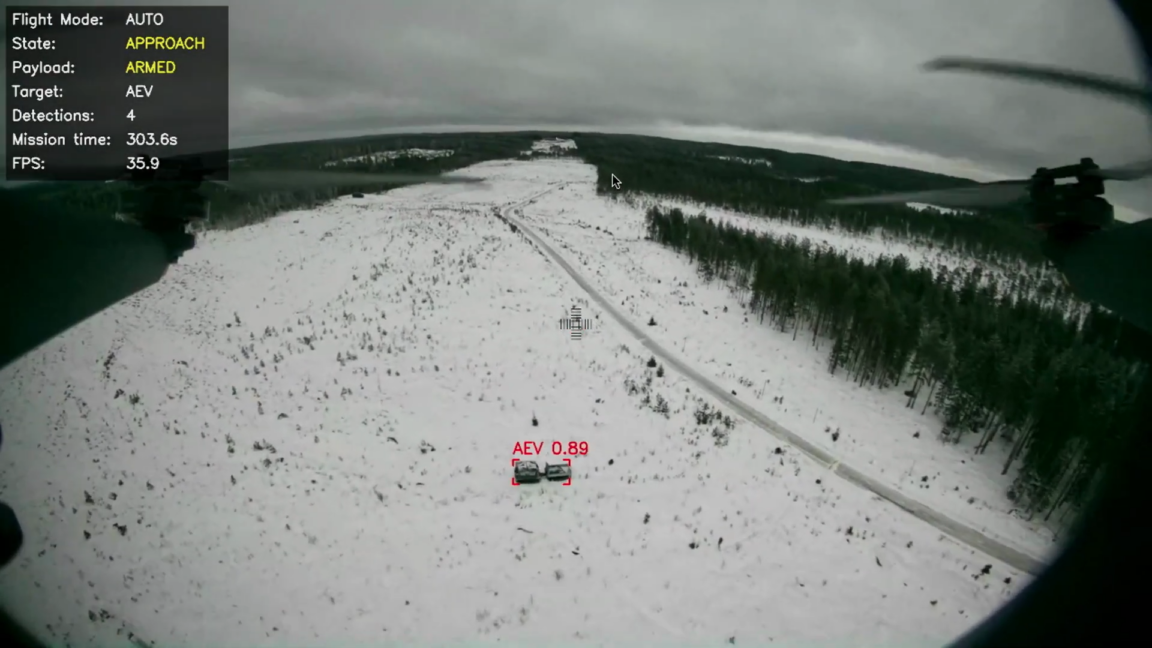
- January 2026: During the Winter Demo 2026 in Sweden, Scaleout showcases its collaboration with the Affordable Loitering Modular Ammunition (ALMA) project. The demonstration features an autonomous kamikaze drone capable of identifying and prioritizing armored targets without human intervention.
- June 2026: A critical field test at a Swedish Air Force base in Uppsala proves that the software can maintain operational integrity during simulated communication blackouts. The system successfully executed inference and active learning while disconnected from central servers, syncing only upon the restoration of the link.
- 2025–2026: Formal integration into the NATO DIANA program allows the startup to standardize its protocols for broader adoption across member states.
The ALMA Project: A Case Study in Autonomous Engagement
One of the most notable demonstrations of this technology is the ALMA project, led by BAE Systems Bofors. The project aims to produce low-cost, modular, autonomous loitering munitions. In recent public demonstrations, an ALMA-equipped drone utilized Scaleout’s onboard AI to autonomously identify, geolocate, and track an armored engineering vehicle.
The system functioned entirely without external processing. While human operators maintained the ability to intervene, the drone’s onboard computer was empowered to make tactical decisions in real-time. This reduces the cognitive load on human soldiers and ensures that the weapon remains effective even in environments where GPS and data links are compromised by sophisticated electronic warfare systems.
Strategic Implications and Operational Resilience
The strategic importance of decentralizing AI cannot be overstated. Recent history, including the destruction of data centers during the ongoing conflict between the United States and Iran, has highlighted the vulnerability of centralized, large-scale computing infrastructure. Militaries that rely on these "single points of failure" risk losing their technological edge at the most critical moments of an engagement.
Furthermore, the rise of "kamikaze" or loitering munitions in the Ukrainian theater has proven that cheap, mass-producible drones are a decisive factor in modern warfare. By embedding intelligence directly into these low-cost platforms, Scaleout is democratizing high-end surveillance and strike capabilities. This shift effectively forces adversaries to counter not just a few high-value platforms, but a swarm of intelligent, autonomous nodes that are collectively learning and adapting to the battlefield in real-time.
Analysis of Global Defense Trends
The adoption of Scaleout’s technology fits into a broader pattern of defense innovation across Europe and North America. Following the realization that commercial frontier models (like those developed by OpenAI or Anthropic) are often too bulky and connectivity-dependent for tactical use, defense agencies are shifting toward "lean" AI. These models are optimized for hardware-constrained environments, such as the embedded processors found in small tactical drones.

This modular approach also fosters interoperability. By using a standardized federated learning platform, NATO member states can theoretically share model improvements across borders without sharing classified raw data. If a platoon in one country encounters a new type of camouflage or a specific tactical maneuver, the resulting model update could, in principle, be deployed to allied units operating in the same sector.
Future Outlook
As the company continues its work with NATO’s DIANA program, the focus will likely shift toward scaling these capabilities to larger, more complex systems. While current testing has focused on drones and forward command posts, the underlying architecture is inherently scalable.
However, the rapid deployment of autonomous lethal systems brings with it significant ethical and regulatory questions. While the military benefits of autonomous target selection are clear, the international community continues to grapple with the "human-in-the-loop" requirement for lethal engagement. Scaleout’s technology provides the capability for autonomy, but the application of that autonomy remains subject to the strict rules of engagement and policy frameworks of the sovereign nations that adopt it.
For now, the focus remains on technical resilience. In an era where the battlefield is increasingly defined by the ability to process data faster than the enemy, Scaleout Systems’ decentralized approach offers a distinct advantage. By ensuring that the AI is as mobile, rugged, and persistent as the troops who use it, the company is helping to define the next generation of defense infrastructure. As the FAIR project progresses, the ability to maintain a technological advantage under conditions of extreme duress will likely become the primary metric by which military AI is judged.

