
In an era where consumer attention is the primary commodity, global brands are re-evaluating the utility of their intellectual property (IP). Traditionally confined to physical products, television advertisements, and seasonal campaigns, IP assets—including characters, logos, and proprietary narratives—are increasingly being repurposed as "digital collectibles." This evolution represents a fundamental transition from passive consumption to active digital ownership, as legacy corporations seek to bridge the gap between their historical catalogs and the emerging Web3 ecosystem. The most forward-looking brands are no longer merely protecting their IP through legal frameworks; they are activating it as "cultural currency" in a digital-first economy.
The shift toward digital assets is not a reactionary move to speculative trends but a calculated extension of brand equity. By converting iconic elements into digital products, companies are opening new engagement channels that deepen customer loyalty and provide tangible ownership to their most invested audiences. This strategic move is supported by robust market projections. The digital collectibles market, valued significantly in the early 2020s, is projected to grow from $11.25 billion in 2025 to over $48.6 billion by 2033. This represents a compound annual growth rate (CAGR) of 20.1%, signaling that the integration of blockchain technology into brand marketing is a long-term structural shift rather than a transient phenomenon.
The Evolution of Digital IP: From Speculation to Utility
To understand the current landscape, it is necessary to distinguish between the speculative "NFT craze" of 2021 and the current phase of IP-powered digital products. Early iterations of digital assets were often disconnected from established brand narratives, focusing instead on high-frequency trading and scarcity. Today, the focus has shifted toward utility and brand integration. Digital collectibles are now defined as IP-powered assets that unlock community engagement, reward long-term loyalty, and create multi-dimensional storytelling layers.
These assets take various forms, ranging from digital twins of physical products to "access keys" for exclusive events. For a brand like Lamborghini, a digital collectible is not just a visual file; it is an entry point into a high-prestige ecosystem. For a consumer-facing giant like McDonald’s, it is a tool for mass-market engagement. The underlying technology—blockchain—serves as the ledger of authenticity, ensuring that the brand’s IP remains protected while allowing it to circulate in a global, 24/7 digital marketplace.
A Chronology of Institutional Adoption
The journey toward mainstream digital IP activation has followed a distinct timeline of institutional experimentation and refinement:
- The Experimental Phase (2020–2021): Early adopters like Nike and Adidas began acquiring digital-native studios or launching limited-edition drops to test the appetite for digital fashion and collectibles.
- The Infrastructure Build (2022–2023): Brands realized that third-party marketplaces often diluted their brand identity. This led to the rise of white-label solutions, where companies like Mattel and McFarlane Toys began building their own dedicated storefronts to control the user experience and maintain brand safety.
- The Mass Integration Phase (2024–Present): Digital assets are now being integrated into traditional marketing funnels. The recent partnership between McDonald’s and the NFT brand Doodles illustrates this. By launching over 100 million limited-edition "McCafé x Doodles" holiday cups across the United States, McDonald’s bridged the gap between a physical beverage purchase and a digital collectibles ecosystem, effectively onboarding millions of "normative" consumers into the digital asset space.
Case Studies in Digital IP Activation
Several industry leaders have already set the blueprint for successful IP activation, utilizing specialized infrastructure to ensure a seamless transition for their customer bases.
Mattel Creations: The Virtual Marketplace
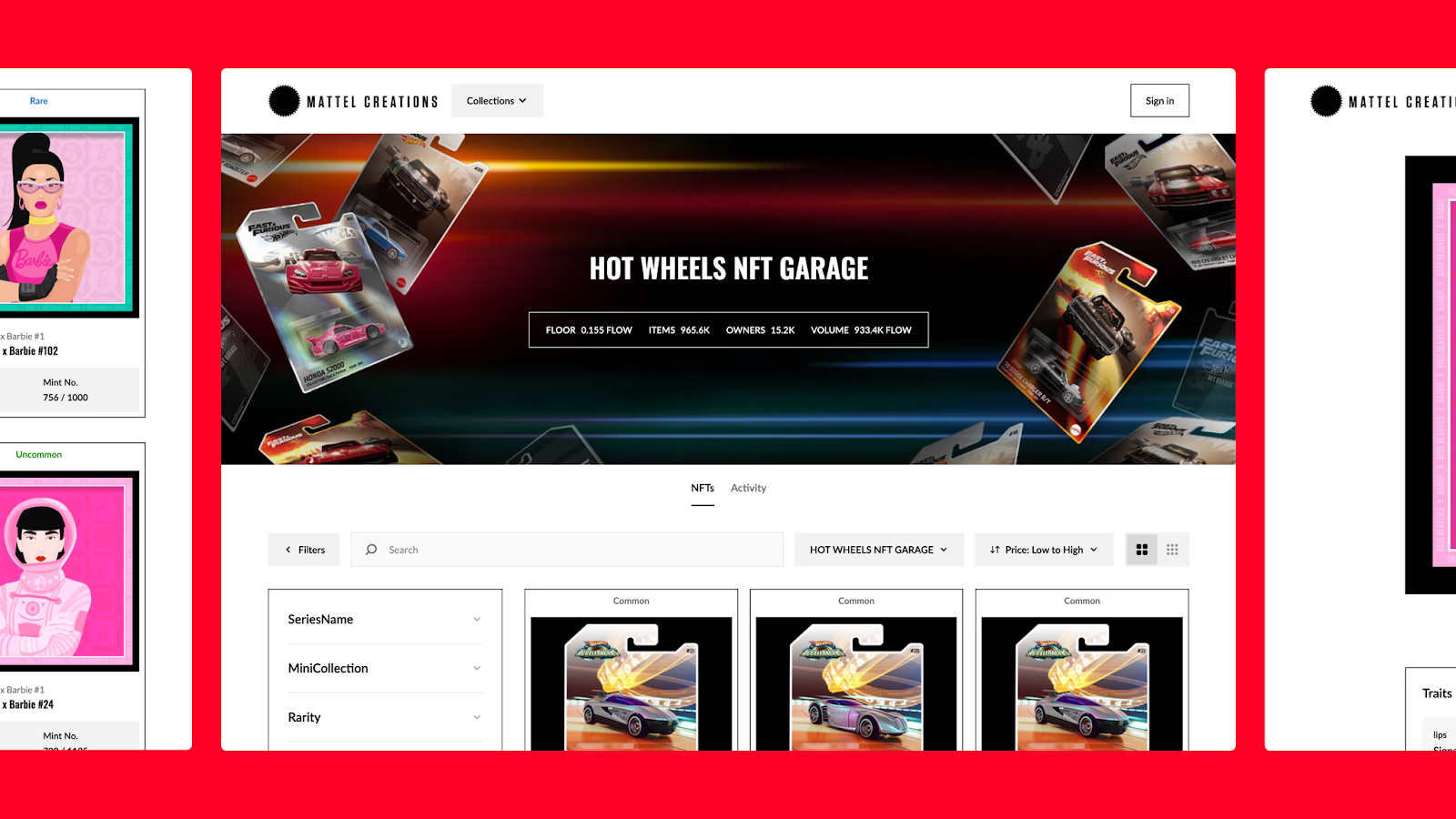
As one of the world’s largest toy manufacturers, Mattel possesses an unparalleled catalog of IP, including Barbie, Hot Wheels, and Masters of the Universe. To activate these assets, Mattel launched the Mattel Creations Virtual Marketplace. Built on the Flow blockchain, the platform was designed with a focus on "frictionless onboarding." By allowing fiat payments (credit card transactions) alongside crypto-native options, Mattel ensured that its traditional fan base could engage with digital collectibles without the technical hurdles typically associated with Web3. This strategy has allowed Mattel to create a secondary market for its IP, where fans can trade digital versions of rare toys, thereby extending the lifecycle of their products.
McFarlane Toys: Engaging the Collector Community
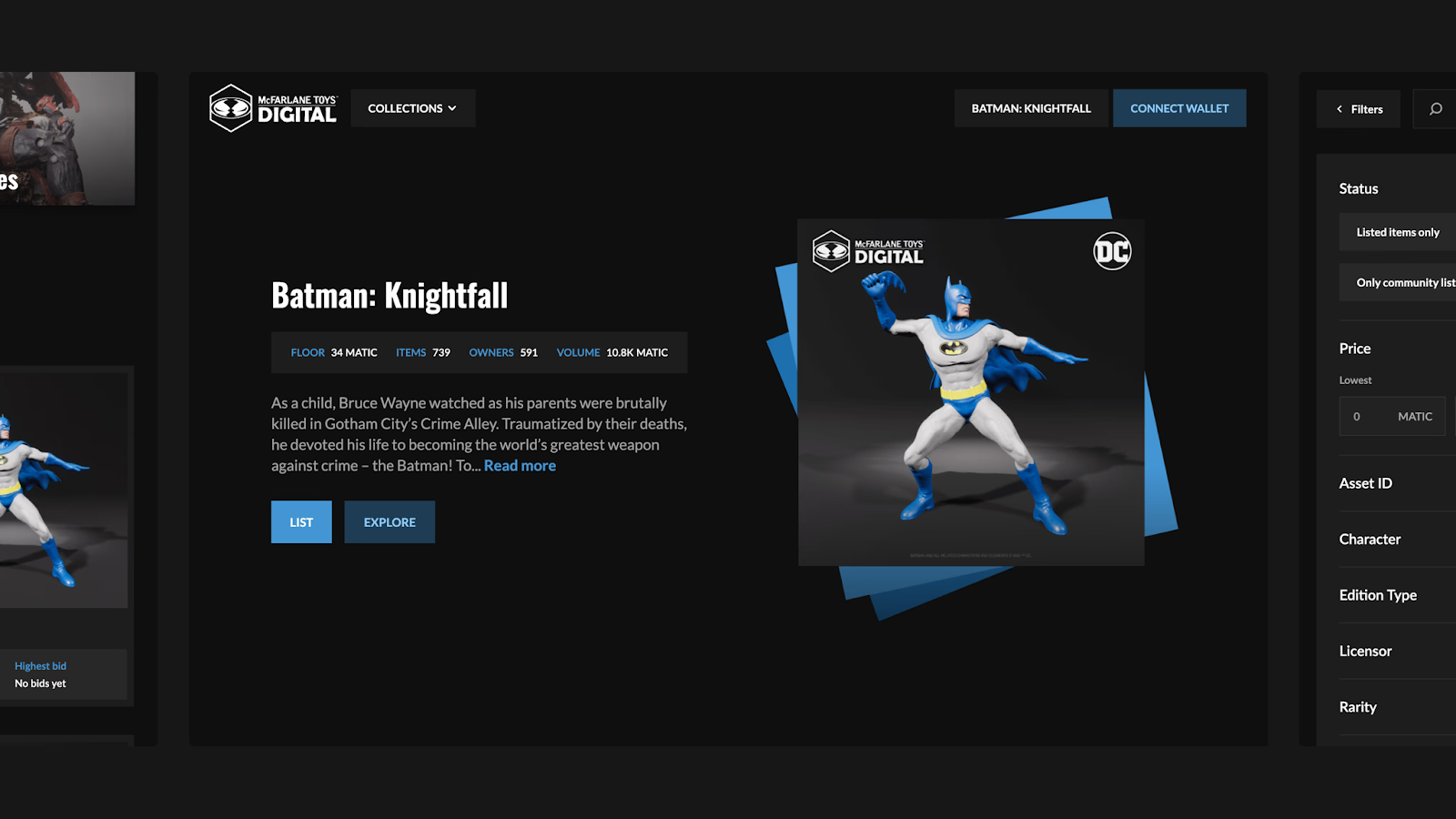
Known for highly detailed action figures and a dedicated collector base, McFarlane Toys partnered with RaribleX to launch a custom digital marketplace on the Polygon blockchain. The objective was twofold: to reach a younger, digitally native audience and to provide existing collectors with a new medium of engagement. By bringing their IP "onchain," McFarlane Toys created a verifiable ecosystem for digital figurines, mirroring the scarcity and collectibility of their physical counterparts.
Lamborghini: Scarcity and Prestige
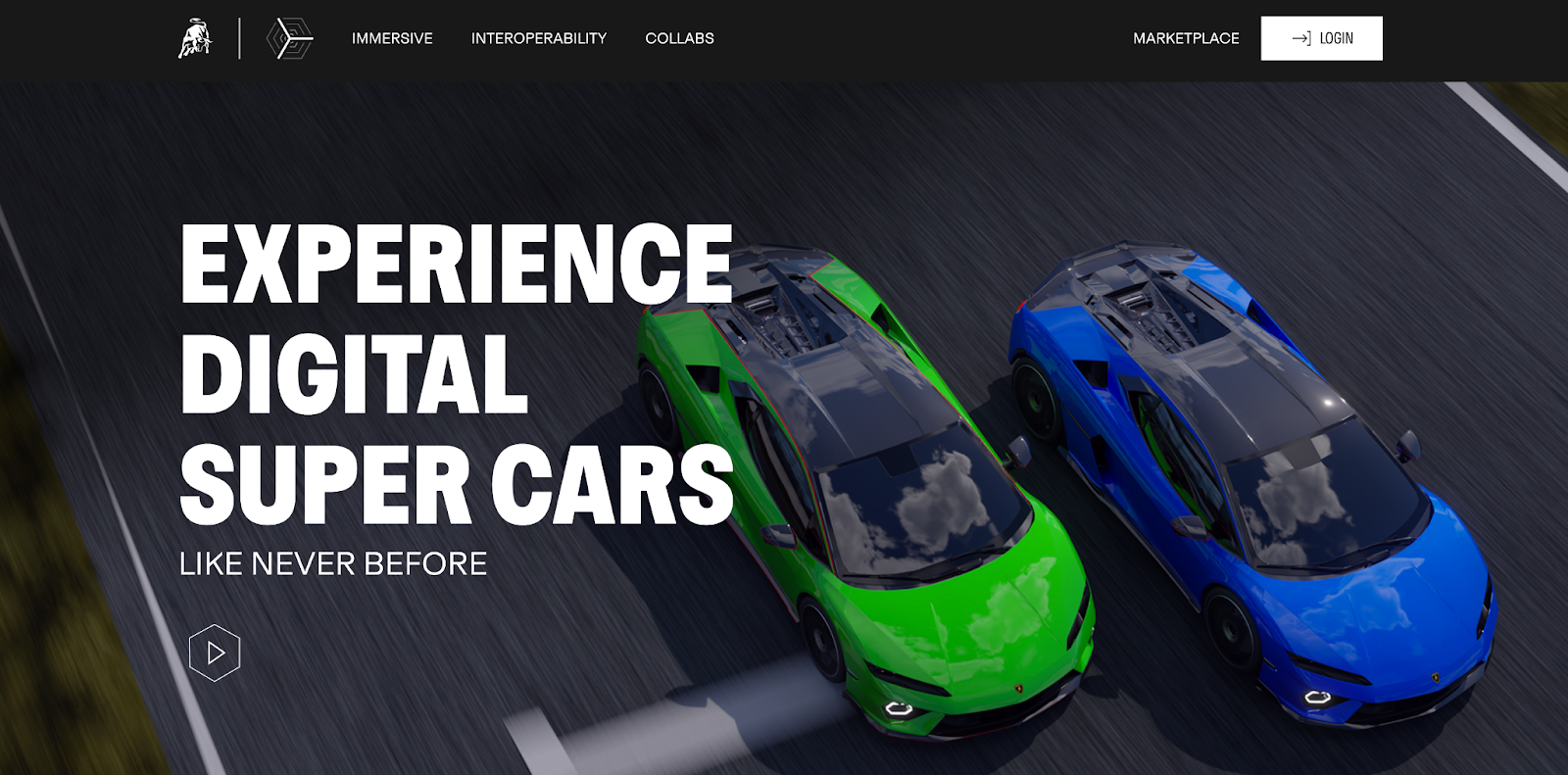
In the luxury sector, digital IP activation is used to reinforce exclusivity. Lamborghini’s digital marketplace, also powered by RaribleX, allows the automotive giant to release digital assets that reflect the engineering excellence and design heritage of the brand. These assets often serve as "digital keys" to exclusive experiences, bridging the gap between the virtual world and the high-performance reality of the brand.
Strategic Framework for IP Digitalization
For brands looking to enter the space, the process requires a structured approach to ensure the digital assets align with the core brand identity. Analysts suggest a five-step framework:
- IP Audit: Organizations must evaluate their existing assets—characters, slogans, legacy logos, and campaign milestones—to identify which elements hold the highest emotional or cultural value for their audience.
- Defining Purpose: The digital collectible must serve a clear function. Whether it is rewarding "super-fans," providing access to gated content, or acting as a loyalty token, the "utility" of the asset is what sustains its value over time.
- Format Selection: Brands must decide whether the IP is best represented as a static image, a 3D animation, an interactive file, or a "phygital" hybrid (a digital asset tied to a physical product).
- Experience Architecture: Maintaining brand safety is paramount. This involves creating a dedicated environment—such as a custom marketplace—where the brand controls the aesthetic, the rules of engagement, and the smart contracts.
- Activation and Lifecycle Management: Launching a digital asset is only the beginning. Successful brands use "limited drops," real-world rewards, and creative marketing hooks to ensure the IP remains relevant in the digital secondary market.
Technical Infrastructure and Brand Safety
The role of infrastructure providers like Rarible has become central to this shift. Unlike open, decentralized marketplaces that host a variety of content, brand-specific marketplaces allow corporations to maintain a "walled garden" approach. This ensures that their IP is not associated with unauthorized or inappropriate content.
Key features of modern digital asset infrastructure include:
- Custom Smart Contracts: Allowing brands to define royalty structures and secondary sale rules.
- Seamless Onboarding: Utilizing "account abstraction" to allow users to sign up via email and pay with traditional currency, removing the need for complex digital wallets.
- Multi-Chain Compatibility: Giving brands the flexibility to launch on blockchains that prioritize speed, low costs, or environmental sustainability (such as Polygon or Flow).
Broader Implications for the Global Market
The move toward digital IP activation has significant implications for the broader economy. First, it introduces a new revenue stream for legacy brands, particularly through secondary market royalties. Traditionally, once a physical product is sold, the manufacturer no longer profits from its subsequent resale. In the digital world, smart contracts allow the original IP holder to receive a percentage of every future transaction.
Second, it redefines the concept of a "loyalty program." Instead of points that expire, consumers hold digital assets that have potential value and can be traded or showcased. This creates a more dynamic relationship between the brand and the consumer, where the consumer is a "stakeholder" in the brand’s cultural success.
Finally, the digitalization of IP is forcing a modernization of intellectual property law. As digital assets cross international borders instantly, the need for global standards in digital ownership and copyright enforcement becomes more pressing.
Conclusion: The Future of Cultural Currency
As the physical and digital worlds continue to converge, the "onchain" activation of intellectual property is becoming a necessity for brand longevity. Digital collectibles represent a new frontier for storytelling, community building, and value creation. By treating their IP as a living digital asset rather than a static relic, brands can ensure their relevance in the 21st-century marketplace.
The data suggests that the transition is well underway. With a projected market of nearly $50 billion by the early 2030s, the question for global brands is no longer whether to enter the digital asset space, but how to do so in a way that authentically reflects their heritage while embracing the possibilities of the future. Your IP is ready; the infrastructure is in place; the digital life of your brand has begun.

