Intellectual property has traditionally served as the foundational bedrock for physical packaging, seasonal merchandising, and localized marketing campaigns. However, as consumer habits migrate increasingly into digital ecosystems, forward-thinking enterprises are discovering that their most valuable assets—ranging from legacy characters and iconic product designs to historical slogans and milestone campaign symbols—represent far more than short-term promotional material. Instead, global brand leaders are treating their creative portfolios as long-term cultural currency, activating these traditional assets in digital formats to forge deeper consumer loyalty, open novel engagement channels, and grant tangible digital ownership to their most dedicated audiences.
This strategic evolution moves far beyond the speculative, hype-driven NFT (non-fungible token) experiments that characterized the early crypto boom of the early 2020s. Today’s brand-driven digital collectibles are calculated extensions of established corporate equity, designed to operate as IP-powered digital products that build robust communities, reward verified customer loyalty, and layer new dimensions onto corporate storytelling. Industry analysts project that the global digital collectibles market is poised for extraordinary expansion, climbing from $11.25 billion in 2025 to over $48.6 billion by 2033, representing a projected compound annual growth rate (CAGR) of 20.1 percent. This anticipated financial trajectory signals that digital collectibles are not a temporary technological novelty, but rather a permanent structural shift in how consumers interact with commercial brands and digital culture.
The Evolution of Brand IP in the Digital Age
The journey of brand intellectual property into the digital domain has undergone a significant maturation phase over the past decade. During the initial wave of blockchain adoption around 2021 and 2022, many corporations rushed to launch speculative digital art projects, often driven by fear of missing out rather than cohesive long-term strategies. Frequently, these early initiatives resulted in disjointed consumer experiences, volatile asset valuations, and a disconnect between the brand’s core identity and the digital tokens being sold.
By 2024 and heading into 2025, however, corporate strategies evolved into sophisticated product deployments. Enterprises recognized that sustainable digital engagement requires treating digital collectibles not as speculative financial instruments, but as authentic extensions of brand heritage. This pivot is exemplified by high-profile cross-industry collaborations, such as the late 2024 partnership between McDonald’s and the prominent digital asset community Doodles. By launching over 100,000 limited-edition McCafé x Doodles holiday cups across participating restaurants in the United States, alongside complementary digital experiences, the fast-food titan demonstrated how legacy physical distribution networks could seamlessly merge with digital-native intellectual property to capture mainstream public imagination.
A Strategic Framework for Digital IP Integration
For organizations seeking to bridge the gap between traditional assets and onchain environments, industry consultants and infrastructure providers advocate for a structured, five-step methodology that eliminates speculative risk and prioritizes brand safety.
-
Comprehensive IP Auditing
The integration process begins with a granular evaluation of existing corporate assets. Brand custodians must catalog what they already own—including legacy logos, proprietary character designs, historical campaign mascots, and iconic product silhouettes. The objective is to identify elements possessing high emotional resonance and established cultural equity that will translate effectively into digital formats. -
Defining Strategic Purpose
Before launching any digital asset, organizations must explicitly define the utilitarian and communicative goals of the project. Whether the objective is to incentivize high-value repeat customers, grant exclusive access to physical or virtual events, generate viral conversation around a major product launch, or capture a younger demographic cohort, purpose dictates form. -
Format Selection
Digital collectibles are not limited to static two-dimensional images. Depending on the brand’s strategic purpose, assets can take the form of short-form animations, interactive three-dimensional digital files, or hybrid products tied directly to real-world merchandise and experiential perks. -
Infrastructure and Experience Building
Security, brand alignment, and user experience are paramount during distribution. Enterprises typically collaborate with specialized Web3 infrastructure providers—such as RaribleX—to deploy custom, white-labeled marketplaces. These bespoke digital storefronts operate under the brand’s visual identity, adhering to internal compliance rules and utilizing dedicated smart contracts that ensure seamless user onboarding and familiar payment methods. -
Intentional Activation
Successful digital IP initiatives rely on measured, highly anticipated product drops rather than continuous, oversaturated supply releases. By tying digital collectibles to tangible utility, such as VIP access or merchandise unlocks, brands can integrate these assets fluidly into broader marketing campaigns.

Real-World Case Studies: Mattel and McFarlane Toys
The viability of this structured approach is underscored by major toy and entertainment conglomerates that have successfully integrated digital marketplaces into their core business models.
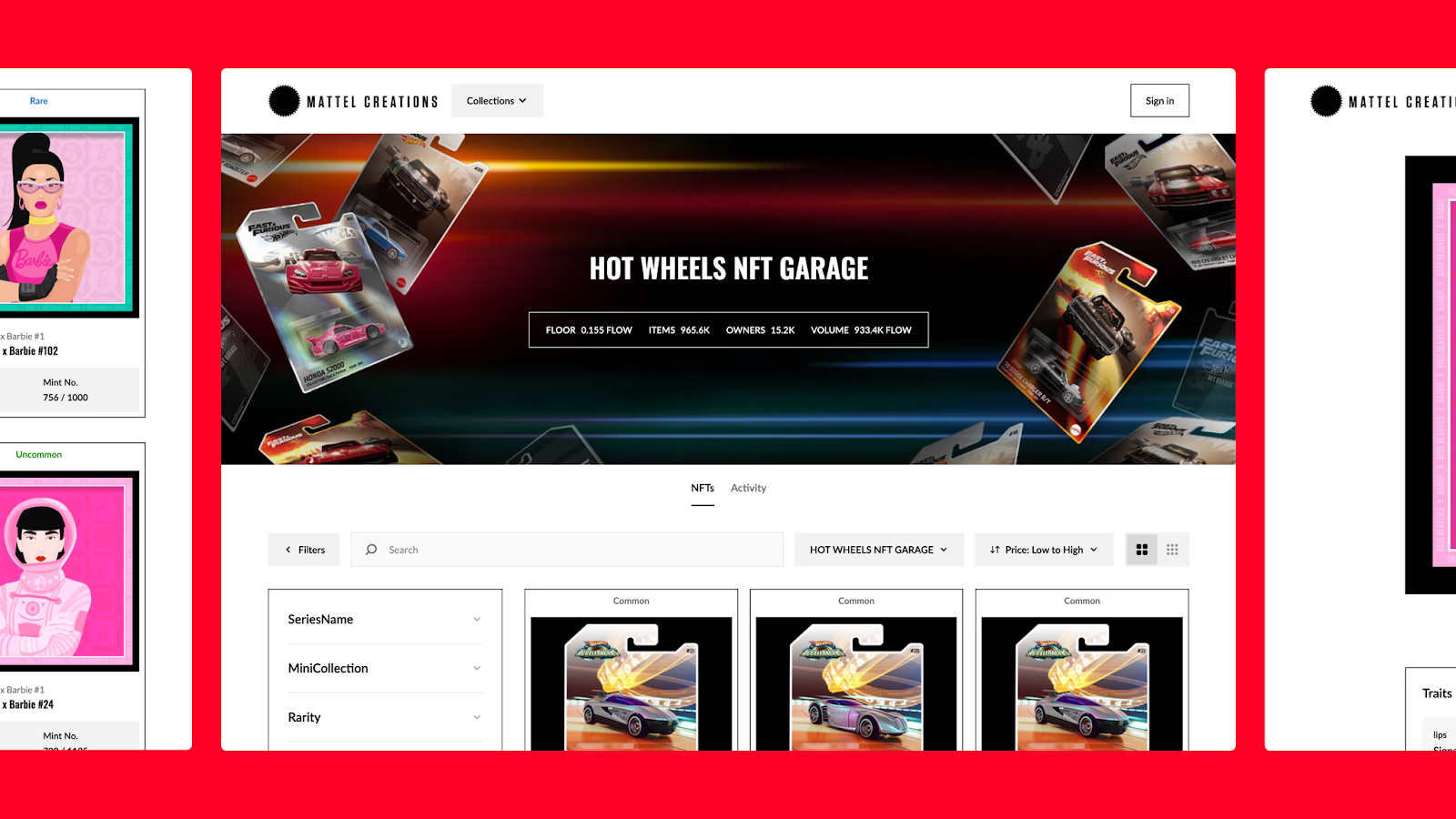
Mattel Creations: Virtual Marketplace
As a titan of physical toy manufacturing and classic intellectual property, Mattel recognized the necessity of expanding its iconic brands—including Barbie, Hot Wheels, and Masters of the Universe—into digital formats. To achieve this without alienating traditional consumers, Mattel partnered with specialized infrastructure providers to launch a dedicated virtual marketplace. Built on the Flow blockchain, the platform was specifically engineered to facilitate seamless consumer onboarding and support standard fiat payment methods, such as credit cards. This technical architecture removed traditional cryptocurrency barriers, allowing mainstream collectors to focus entirely on acquiring and engaging with their favorite legacy brands in a secure, branded environment.
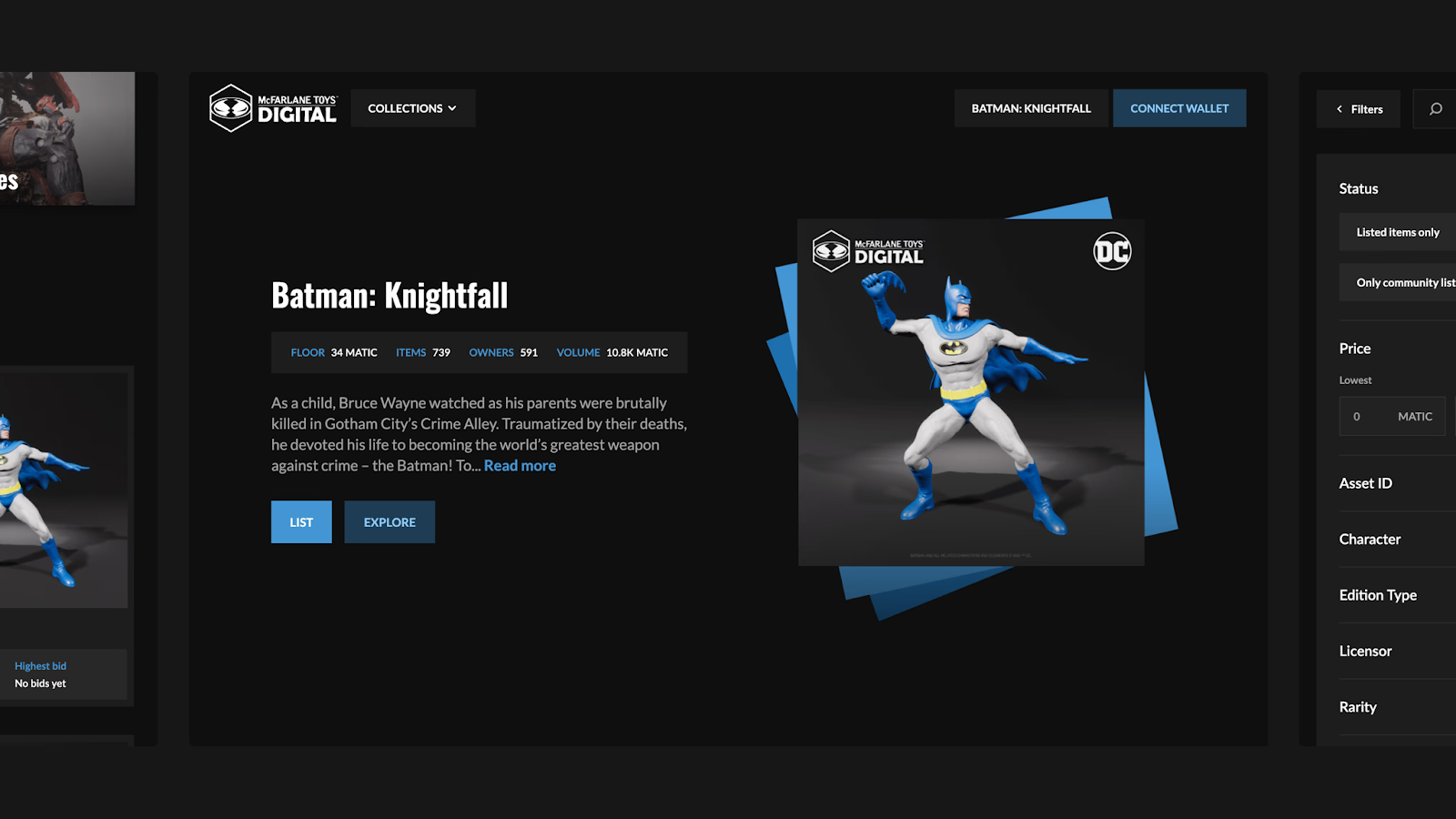
McFarlane Toys Digital Marketplace
Renowned for highly detailed collector figures and deep ties to pop culture franchises, McFarlane Toys adopted a similar strategy by launching a custom digital collectibles marketplace powered by RaribleX on the Polygon blockchain. Bringing their intellectual property onchain allowed the company to cultivate a vibrant, interactive digital community alongside its physical product lines. This dual approach expanded McFarlane’s market reach to digital-native collectors while providing lifelong physical merchandise fans with innovative new layers of brand interaction, gamified collection challenges, and exclusive community perks.
Market Implications and the Future of Cultural Currency
The sustained institutional adoption of digital collectibles carries profound implications for retail, entertainment, and marketing sectors. As digital native generations—Millennials and Generation Z—command an increasingly dominant share of global consumer spending, brand loyalty is no longer won solely through passive advertising. Modern consumers demand agency, participation, and a sense of co-ownership in the cultural narratives propagated by their favorite brands.
By transforming static intellectual property into dynamic digital products, companies establish a direct, disintermediated relationship with their most invested audiences. Furthermore, blockchain-backed digital collectibles provide verifiable scarcity and provenance, opening secure secondary market economies that can generate ongoing royalty revenues for IP holders while rewarding early collectors for their sustained brand advocacy.
As digital infrastructure becomes increasingly invisible and user-friendly, the distinction between physical and digital brand experiences will continue to dissolve. Enterprises that treat their intellectual property as living cultural currency—protected by robust legal frameworks and activated through secure, consumer-friendly digital ecosystems—will define the standard of brand engagement for the decades ahead. The tools to execute this transition are fully mature, offering global brands an unprecedented opportunity to honor their historical legacies while securing their relevance in an increasingly digital future.