
The landscape of software development is undergoing a seismic shift as the industry moves from basic autocomplete features to fully autonomous "agentic" coding. While Anthropic’s Claude Code has recently dominated headlines as a premier command-line interface (CLI) agent, a burgeoning ecosystem of alternatives is emerging to challenge its dominance. These tools, often referred to as coding-agent harnesses, provide the infrastructure—terminal access, file management, and tool integration—necessary for artificial intelligence models to function as active participants in the development cycle rather than passive advisors.
The primary driver behind the search for alternatives is a combination of cost, model flexibility, and privacy. While Claude Code is powered by the highly capable Claude 3.5 Sonnet model, the proprietary nature of the tool locks users into Anthropic’s pricing and ecosystem. In response, developers are turning toward open-source and multi-model platforms that offer greater control over the "harness"—the system surrounding the AI that manages permissions, context windows, and multi-step task execution.
The Evolution of Agentic Coding Environments
To understand the significance of these CLI agents, one must look at the chronology of AI in software engineering. The journey began with Large Language Model (LLM) chat interfaces like ChatGPT, which required developers to copy and paste code back and forth. This evolved into IDE extensions like GitHub Copilot, focusing on real-time autocomplete. The current "agentic" era represents the third wave, where AI agents possess "agency"—the ability to execute terminal commands, run tests, debug errors, and browse the web autonomously to solve complex tickets.
Data from the SWE-bench (Software Engineering Benchmark) suggests that agentic workflows significantly outperform simple chat-based prompts. Agents that can iterate on their own errors and verify their work through a terminal harness show a marked increase in successfully resolving real-world GitHub issues. As this technology matures, the "harness" has become as important as the model itself, leading to the rise of the following seven CLI-based alternatives.
1. OpenCode: The Open-Source Standard for Model Flexibility
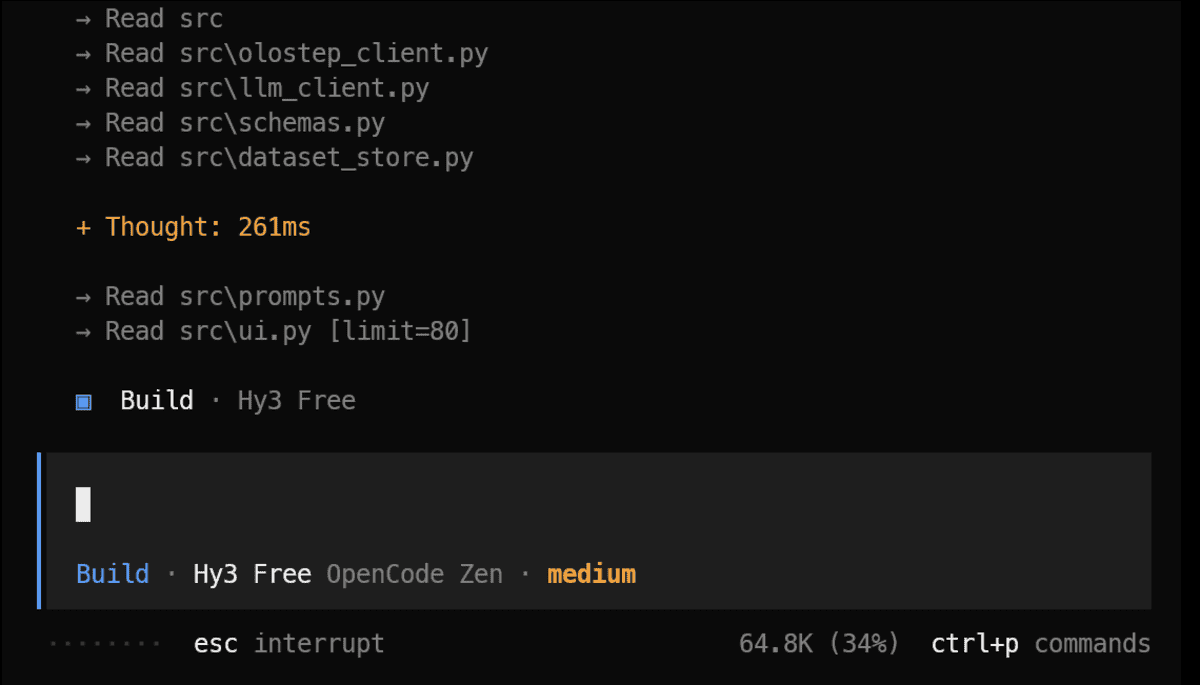
OpenCode has emerged as a leading contender for developers who prioritize transparency and multi-model support. Unlike proprietary systems, OpenCode functions as an open-source agent that integrates across the terminal, integrated development environments (IDEs), and standalone desktop applications.
The technical advantage of OpenCode lies in its automatic loading of language servers. By tapping into existing Language Server Protocol (LSP) infrastructure, the agent gains a deep semantic understanding of various programming languages, allowing for more precise refactoring and bug fixing. Furthermore, OpenCode allows developers to orchestrate multiple sessions simultaneously, creating specialized agents for distinct tasks such as code review or architectural planning. This flexibility ensures that developers are not tethered to a single provider’s uptime or pricing fluctuations.
2. Pi: Prioritizing Extensibility and Token Efficiency
For developers operating in resource-constrained environments or those who prefer a "minimalist" core, Pi offers a lightweight, open-source harness. Pi is designed to keep the system prompt small, which directly translates to lower token consumption and reduced costs when using pay-per-token APIs.
Pi’s architecture is built on a plugin system. Out of the box, it provides basic terminal interaction, but users can expand its capabilities through "skills," reusable prompts, and custom extensions. It currently supports over 15 model providers, including Google’s Gemini, OpenAI’s GPT-4o, and local models via Ollama. A standout feature of Pi is its "branching" capability, which allows a developer to revert to a specific point in a conversation and start a new logic branch without losing the context of the original session—a feature essential for complex debugging where multiple solutions must be tested.
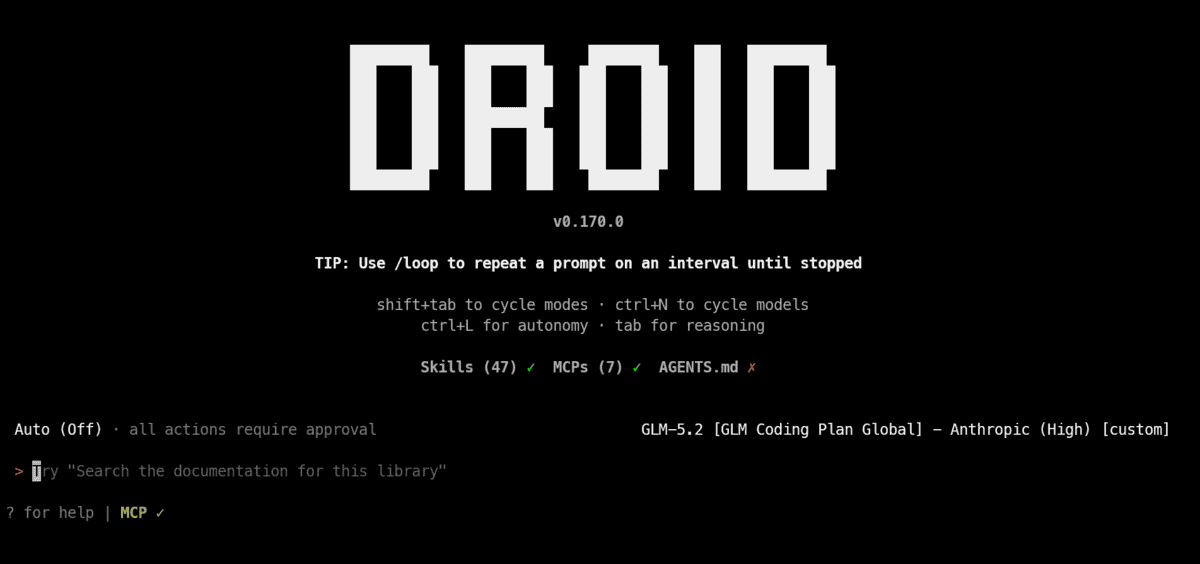
3. Factory Droid: Automation and CI/CD Integration
Factory Droid distinguishes itself by focusing on the broader development workflow rather than just interactive chat. While it offers a robust CLI for manual tasks, its "droid exec" mode is specifically designed for non-interactive execution. This makes it a powerful tool for DevOps engineers looking to integrate AI agents into CI/CD pipelines.
Factory Droid utilizes a concept called "Factory Missions," which decomposes large-scale projects into smaller, manageable sub-tasks assigned to specialized sub-agents. For instance, one agent may be tasked with writing unit tests while another focuses on security audits. This division of labor mimics a human engineering team, providing a layer of verification that is often missing in single-agent systems. Its support for Model Context Protocol (MCP) servers further allows it to connect to external databases and APIs, expanding its reach beyond the local file system.
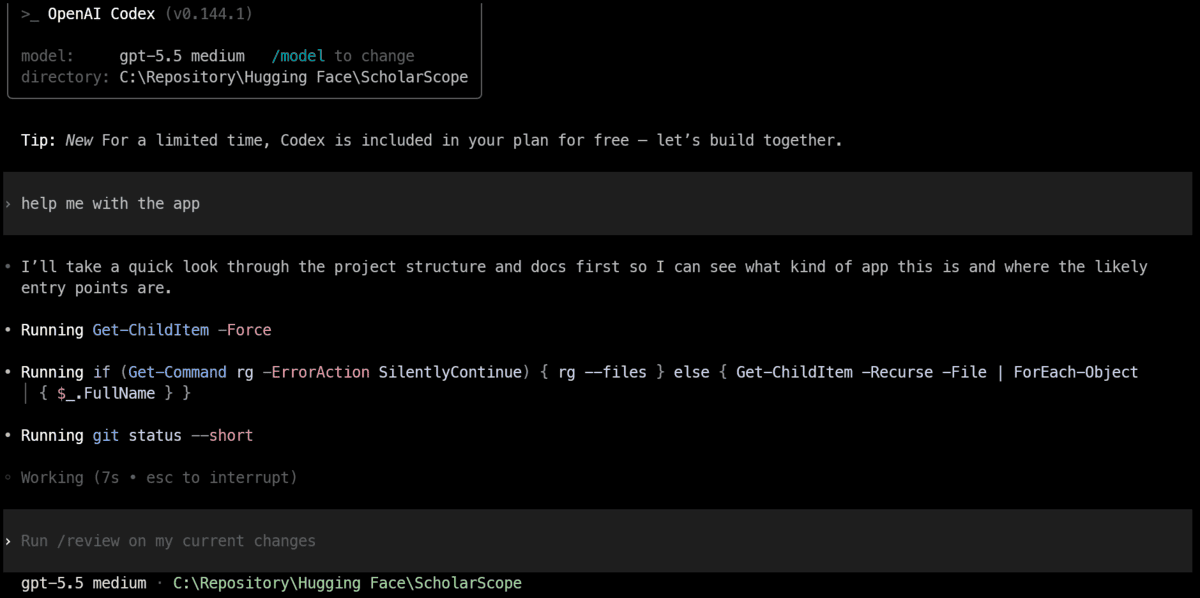
4. Codex CLI: Leveraging the OpenAI Ecosystem
Codex CLI represents OpenAI’s contribution to the agentic terminal space. For developers already invested in the ChatGPT Plus ecosystem, Codex CLI provides a familiar and cost-effective entry point. In many cases, the usage limits included in a standard ChatGPT subscription are sufficient for daily coding tasks, making it a "free" alternative for existing subscribers.
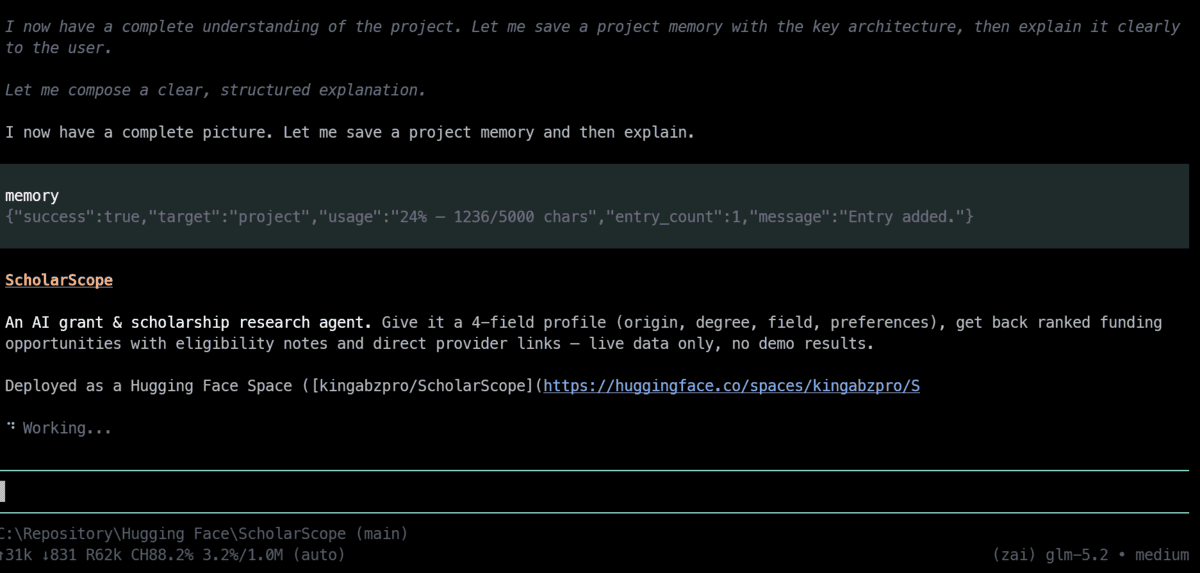
Codex CLI includes a sandboxed environment, a critical security feature that limits the agent’s access to the host machine. This mitigates the risk of an AI accidentally executing a destructive command—a primary concern for enterprises adopting agentic tools. It also supports project-specific instructions, allowing teams to codify their style guides and architectural preferences directly into the agent’s operating parameters.
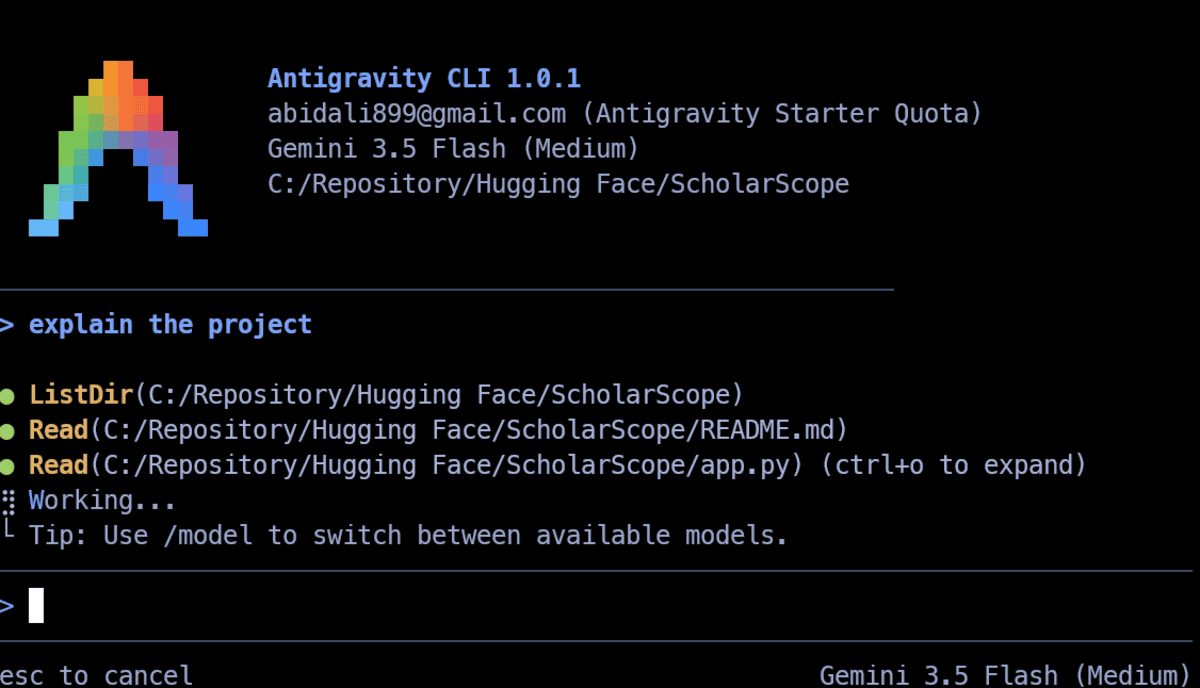
5. Antigravity CLI: Google’s High-Speed Gemini Harness
Antigravity CLI is Google’s answer to the need for a fast, terminal-based coding assistant. Optimized for the Gemini family of models, Antigravity excels in handling large context windows, which is vital for projects with massive codebases. It is particularly well-suited for remote development via SSH, offering a lightweight interface that does not suffer from the latency issues sometimes found in heavy IDE-based agents.
One of the most significant advantages of Antigravity is its multi-agent parallelism. It can research a documentation-heavy problem in the background while simultaneously editing files in the foreground. Because it shares a harness with the Antigravity desktop application, developers can seamlessly transition between a visual interface and the CLI, maintaining a persistent state across both environments.
6. Cline: The Hybrid Approach to Local and Cloud AI
Cline (formerly known as Devins) has gained significant traction in the open-source community for its versatility. It operates both as a CLI and as a plugin for VS Code and JetBrains. Cline is highly regarded for its "Bring Your Own Key" (BYOK) model, which allows developers to swap between high-end models like GPT-4o and cost-effective local models like Llama 3 via Ollama or LM Studio.
Cline’s "headless" execution mode is a favorite among power users who script their development tasks. It includes a built-in browser, enabling the agent to perform end-to-end testing of web applications by interacting with the DOM. The inclusion of a Kanban-style board for task management within the CLI provides a level of organization that helps developers track the progress of complex, multi-file migrations.
7. Goose: A General-Purpose Agent with 70+ Extensions
Goose, developed by Block (formerly Square), is an open-source agent designed to be more than just a coding tool. While it is highly proficient at inspecting files and executing tests, its architecture is built for general-purpose automation. It supports over 70 MCP extensions, allowing it to interact with everything from Slack and Google Drive to specialized data analysis tools.
Goose is particularly valuable for developers who need an agent that can handle the "administrative" side of engineering—writing documentation, analyzing logs, and conducting market research. By supporting a wide array of providers, including Amazon Bedrock and Azure AI, Goose fits easily into enterprise environments that have strict requirements regarding cloud provider lock-in.
Comparative Analysis and Industry Implications
The rapid proliferation of these tools suggests that the "CLI Agent" is becoming the preferred interface for professional developers. According to recent developer surveys, the "context switching" required by GUI-based tools is a significant pain point. By living in the terminal, these agents remain close to the source of truth: the code, the compiler, and the version control system.
| Feature | Claude Code | Open-Source Alternatives (Pi/Cline) | Enterprise Agents (Factory Droid) |
|---|---|---|---|
| Model Choice | Anthropic Only | Multi-model / Local | Multi-model / Private |
| Cost Structure | Per-token / Subscription | BYO Key (Market Rates) | Tiered Enterprise Pricing |
| Customization | Low | High (Plugins/Skills) | High (Custom Workflows) |
| Security | Cloud-based | Local / Air-gapped options | Managed / SOC2 Compliant |
Industry analysts suggest that the next phase of this evolution will focus on "verification loops." As AI agents become faster at writing code, the bottleneck shifts to human review. Tools like Factory Droid and Antigravity are already addressing this by implementing automated testing and peer-review agents that must "approve" a change before it is presented to the human developer.
Security and Ethical Considerations
The rise of agentic coding is not without risks. Giving an AI model shell access—even in a sandbox—poses significant security challenges. Malicious actors could theoretically use "prompt injection" to trick an agent into exfiltrating environment variables or deleting sensitive data. Consequently, the adoption of these tools is currently highest in "low-stakes" environments, with enterprise adoption lagging until more robust governance frameworks are established.
Furthermore, there is an ongoing debate regarding the "de-skilling" of the workforce. If an agent can handle the majority of debugging and boilerplate tasks, senior engineers worry that junior developers may fail to build the foundational knowledge required for high-level architectural thinking.
Final Thoughts and Recommendations
The choice of a Claude Code alternative depends largely on the developer’s specific needs for autonomy versus control. For those seeking a pure open-source experience with the ability to run local models, Pi and Cline represent the gold standard. They offer the most freedom and the lowest long-term cost for high-volume users.
For teams requiring enterprise-grade automation and integration into existing deployment pipelines, Factory Droid and Goose provide the necessary infrastructure to scale agentic workflows across an organization. Meanwhile, developers already paying for OpenAI or Google Cloud subscriptions should explore Codex CLI or Antigravity CLI to maximize the value of their existing investments.
As the technology continues to mature, the distinction between a "coding tool" and a "teammate" will continue to blur. The terminal, once a place for manual command execution, is transforming into a collaborative space where humans and agents work side-by-side to build the next generation of software.

