

In the nascent stages of Web3, the digital wallet primarily served as a straightforward repository for private keys, facilitating transaction signing and token storage. However, as the digital landscape transitions into what is being termed the "Post Web," this rudimentary model is undergoing a profound transformation. The wallet is no longer a peripheral tool but has ascended to become the very nucleus of the user experience, evolving into a dynamic and living interface that meticulously manages identity, permissions, digital resources, and even sophisticated autonomous artificial intelligence agents. This significant evolution, detailed in Chapter 2 of "The Post Web Thesis" by Outlier Ventures, positions the wallet as the central control hub of the emerging "Agentic Web," a converging point for human interaction and advanced intelligent systems.
From Cryptographic Custody to Digital Personhood: A Paradigm Shift
The foundational principle of early Web3 wallets, such as MetaMask and Ledger, revolved around cryptographic custody: "own your keys, own your crypto." This emphasis on direct control over private keys underscored a decentralized ethos. However, the current trajectory of wallet development places identity and composability at the forefront. Wallets are increasingly being envisioned as robust self-sovereign identity frameworks, capable of more than just holding assets. They are poised to anchor an individual’s digital identity, reputation, and agency within a single, verifiable system. This shift signifies a move from mere ownership of digital assets to the establishment of digital personhood.
This evolution is supported by ongoing advancements in decentralized identity solutions. Projects are actively developing standards and protocols that allow individuals to assert verifiable credentials, such as educational qualifications, professional certifications, or even social attestations, directly through their wallets. This creates a rich tapestry of verifiable attributes that can be selectively shared, fostering trust and enabling more nuanced interactions in the digital realm. For instance, a user might grant an application permission to access a verified age credential without revealing their exact birthdate, or a professional might share a verified work history without disclosing specific employers.
The Wallet as a Command Center for the Agentic Web
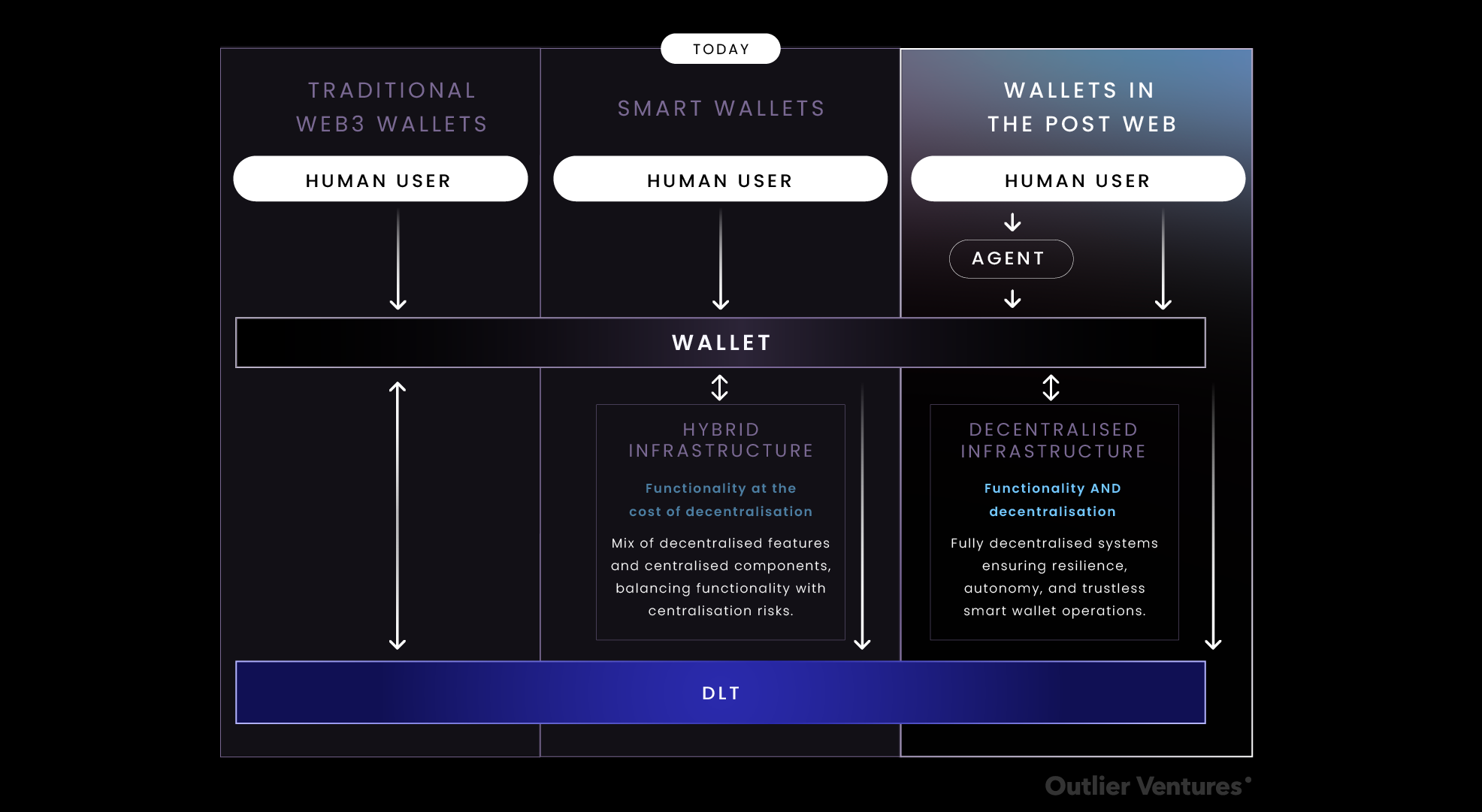
The Post Web thesis posits that the wallet will become the primary interface for an increasingly agentic internet. As artificial intelligence agents become more integrated into our digital lives, capable of performing complex tasks autonomously, the wallet will evolve into their command console. Each agent will connect through a user’s wallet, which will serve as a crucial intermediary, managing permissions, verifying identities, and authorizing actions.
This architecture is designed to ensure that AI agents operate strictly on behalf of users and within defined parameters. The wallet will act as a gatekeeper, ensuring that agents do not act outside the user’s explicit or implicitly granted authority. This introduces a governance layer for digital autonomy, allowing users to delegate tasks and responsibilities to agents while retaining ultimate control and oversight. The process involves intricate loops of permission and verification, ensuring that every agent-initiated action is transparent and auditable.
Resource Orchestration Beyond Assets
In the Post Web, the wallet’s role expands significantly from managing mere digital assets to orchestrating a broader spectrum of digital resources. This includes managing access to decentralized storage solutions, computational power provided by decentralized networks, data streams from various sources, and even participation in Decentralized Physical Infrastructure Networks (DePIN). This functional expansion transforms the wallet into a comprehensive operating system for digital autonomy.
Consider the implications for decentralized cloud computing. A user’s wallet could grant an AI agent permission to access and utilize a portion of decentralized computing resources for training a machine learning model. This access would be managed by the wallet, with parameters set for duration, cost, and performance benchmarks. Similarly, in the context of DePIN, a wallet could manage a user’s contribution of network resources, such as bandwidth or storage, and facilitate the automated distribution of rewards based on verifiable performance data. This level of granular control over digital resources unlocks new possibilities for decentralized applications and services.
Navigating Privacy and Security in an Agentic Ecosystem
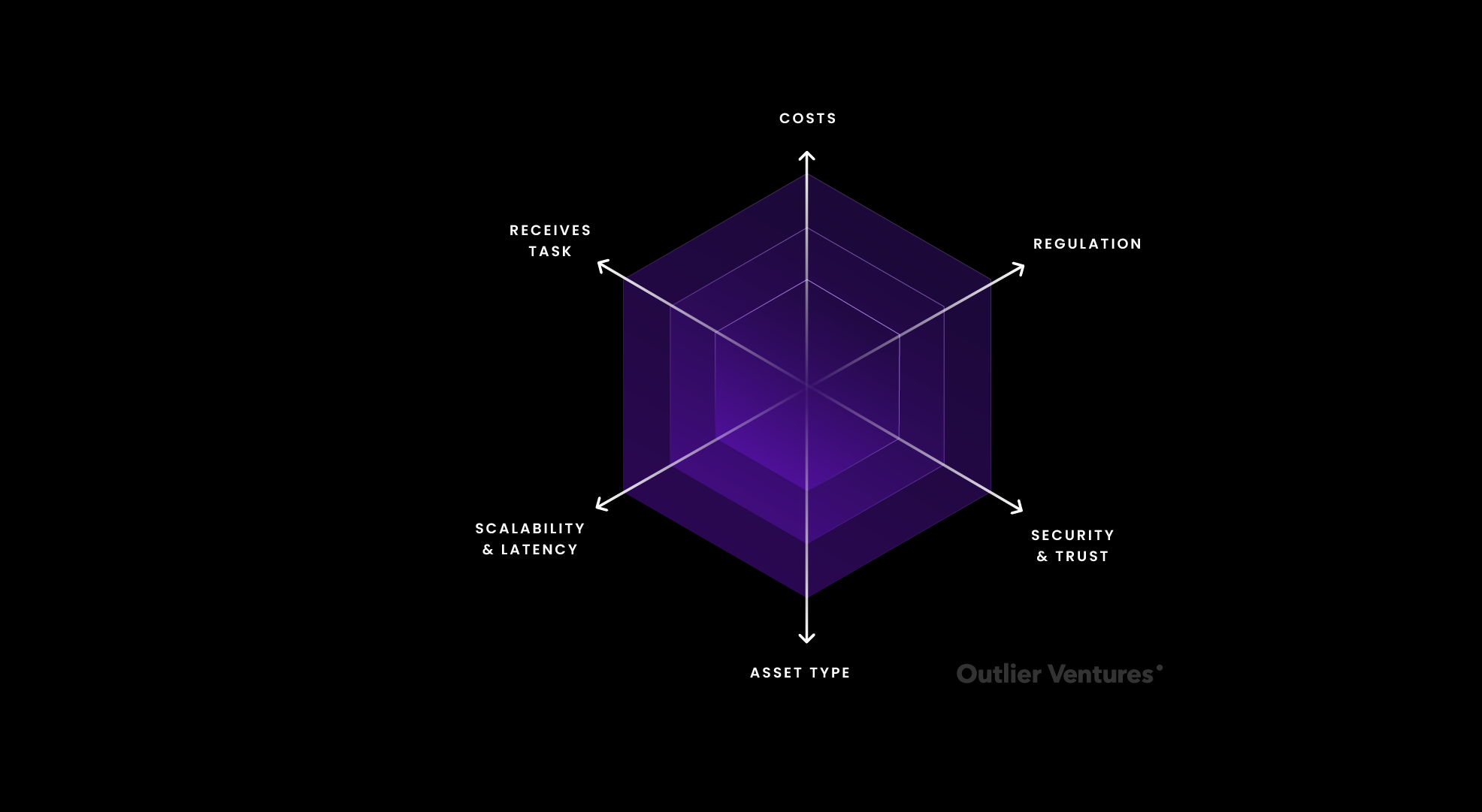
The increasing power and scope of wallet functionalities in the Post Web era inherently bring heightened security and privacy concerns. As wallets evolve to store not only financial assets but also sensitive behavioral data, credentials, and agent connections, robust privacy-preserving mechanisms become paramount. The thesis highlights the adoption of advanced cryptographic frameworks to address these challenges, ensuring trust and user control.
Techniques such as Zero-Knowledge Proofs (ZKPs) are being integrated to allow for the verification of information without revealing the underlying data. For example, a user could prove they are over 18 years old using a ZKP without disclosing their birthdate. Similarly, advanced encryption methods and secure multi-party computation are being explored to enable complex operations and data sharing among agents and services while safeguarding user privacy. This "privacy by design" approach aims to keep users in control of their data and digital interactions, even as they leverage the power of autonomous agents.
The integration of these privacy-enhancing technologies is not merely an add-on but a fundamental architectural consideration. The development of privacy-preserving wallet architectures is crucial for fostering user adoption and trust in an ecosystem where personal data and digital identity are increasingly managed. This proactive approach to security and privacy is a significant differentiator from the less sophisticated security models of earlier digital eras.
The Dawn of Smart Wallets: Enhancing User Experience and Automation
Historically, the user experience of cryptocurrency wallets has been a significant hurdle to mainstream adoption. Cumbersome onboarding processes, the critical risk of losing access to funds due to misplaced seed phrases, and the complexity of managing assets across multiple blockchain networks have presented substantial challenges. However, the emergence of smart wallets is beginning to address these issues, heralding a new era of user-friendliness and enhanced functionality.
Platforms like Safe are at the forefront of this revolution. These smart wallets move beyond basic transaction signing and asset holding to offer a more sophisticated and automated user experience. They enable advanced customization through features such as automated recurring transactions, robust security measures like spending limits and whitelists, and seamless integration with decentralized finance (DeFi) protocols. This automation allows users to pre-define their financial intentions and delegate their execution to the wallet, freeing them from constant manual oversight.
The shift towards smart wallets signifies a move from an era of manual transaction execution to one characterized by intention-based interactions. Users can now articulate their goals – for instance, "secure the best yield strategy with less than 5% risk" or "vote on governance proposals aligned with sustainability initiatives" – and the smart wallet, in conjunction with AI agents, can interpret, route, and execute these intents across various protocols and networks. This transition from task execution to intent negotiation is a key marker in the wallet’s transformation into an intelligent mediator, bridging human purpose with machine execution.
Interoperability and Intent: The Wallet’s Evolving Interface
As the proliferation of AI agents continues, the wallet is solidifying its position as the primary interface for expressing and managing user "intent." Instead of manually approving each individual transaction, users and their agents will articulate higher-level goals. This shift allows for more sophisticated and efficient digital interactions, enabling users to delegate complex workflows and strategic decisions to their digital assistants.
The ability of wallets to interpret, route, and verify these intents across diverse protocols and networks is a testament to their increasing intelligence and interoperability. This sophisticated mediation capability is crucial for navigating the complex, multi-layered architecture of the Post Web. It ensures that user intentions are accurately translated into on-chain actions, facilitating a more fluid and intuitive user experience. This move from granular transaction control to high-level intent management represents a fundamental reimagining of how humans interact with decentralized systems.
Closing Thoughts: The Wallet as the Embodiment of Digital Selfhood
The Post Web fundamentally redefines the concept of a digital wallet. It transcends its original role as a mere digital vault for cryptographic keys and assets, evolving into a living, adaptive interface that is intrinsically linked to identity, ownership, and autonomy. In this new paradigm, the wallet will not simply sign transactions; it will proactively manage digital identity, curate access to decentralized resources, orchestrate autonomous agents, and facilitate complex intent-based interactions.
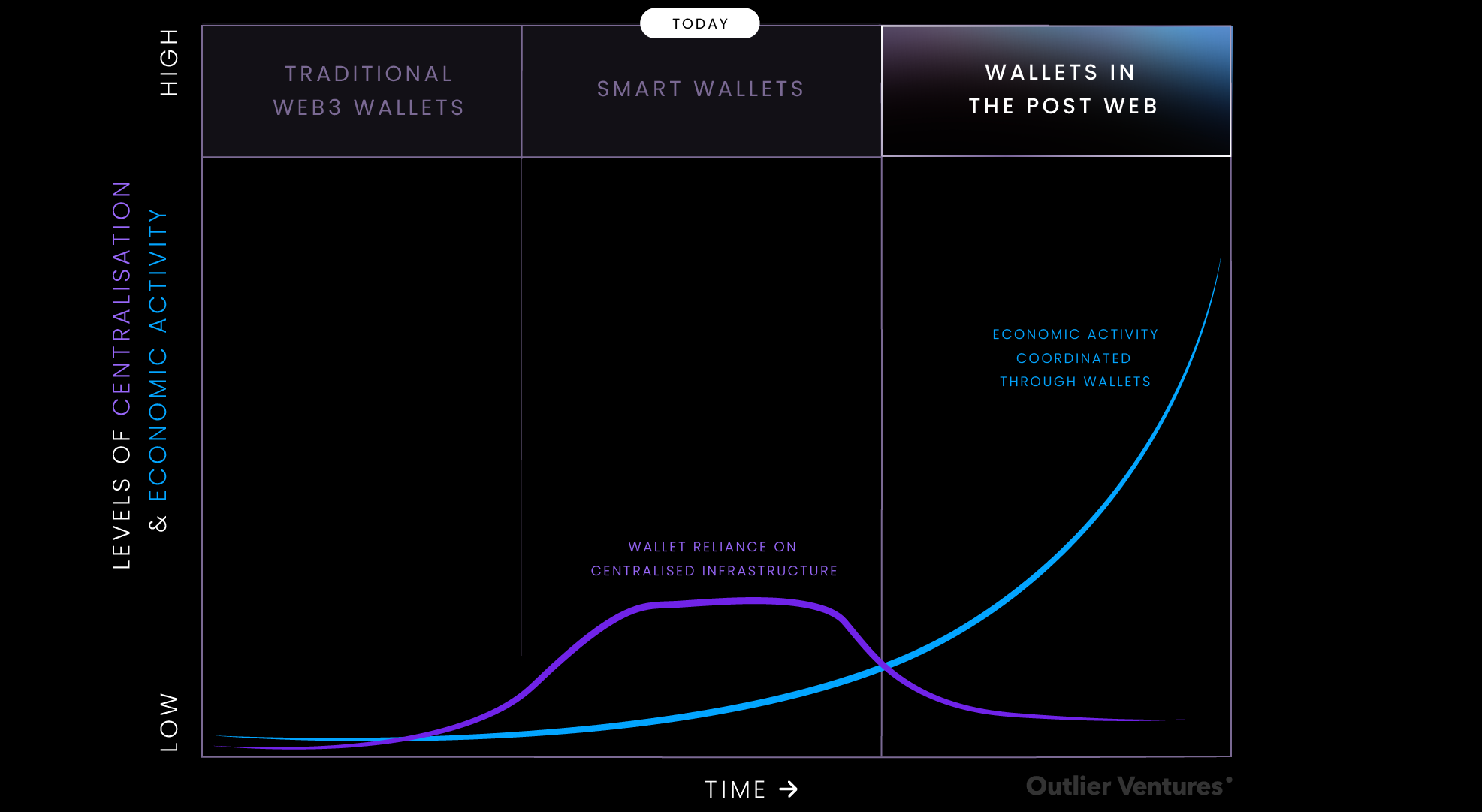
Ultimately, the wallet is becoming the true manifestation of digital selfhood, serving as the nexus of ownership, identity, and agency within the burgeoning agentic economy. Its evolution reflects a broader societal shift towards a more interconnected, intelligent, and user-centric digital future, where personal control and verifiable identity are paramount. The ongoing development and adoption of these advanced wallet functionalities are critical for realizing the full potential of the decentralized web and its associated economic and social transformations.
This comprehensive evolution of the wallet underscores a significant technological and philosophical shift. As detailed in "The Post Web Thesis," the journey from a simple private-key vault to a sophisticated digital persona manager is well underway. The implications for user empowerment, digital governance, and the very nature of online interaction are profound and will continue to unfold as the Post Web ecosystem matures. The continued innovation in this space, driven by entities like Outlier Ventures, promises a future where digital interactions are more intuitive, secure, and aligned with individual intent.

