
In the fast-evolving landscape of decentralized technology, successful go-to-market strategies increasingly rely on the early establishment of robust, active communities. Brands, layer-1 blockchains, and layer-2 scaling solutions are rapidly shifting away from traditional marketing funnels, opting instead to utilize Profile Picture (PFP) non-fungible token (NFT) drops to activate user bases from day one. Far from being mere digital collectibles or speculative internet assets, modern PFP collections are functioning as sophisticated growth hacking instruments, cultural capital drivers, and technical stress tests for emerging blockchain infrastructure.
The Historical Context and Maturation of the PFP Sector
To understand the current utility of PFP drops, one must examine the trajectory of the digital asset market over recent years. Early iterations of avatar-based collections, popularized during the broad market expansion of 2021, primarily focused on speculative trading volumes and exclusive club memberships. However, as the industry matured through subsequent market cycles, web3 builders recognized the limitations of relying purely on financial speculation.
Pioneering projects demonstrated the tangible, real-world utility that could be derived from successful digital collections. For instance, Pudgy Penguins successfully transitioned from a purely online cryptographic asset into a mainstream retail powerhouse, leveraging intellectual property licensing to place physical merchandise on the shelves of major retail giants like Walmart. Similarly, World of Women constructed an intellectual property-centric platform, forging strategic partnerships with major consumer brands and entertainment conglomerates to expand its distribution footprint. Meanwhile, Doodles expanded from a foundational collection of 10,000 avatar images into a comprehensive multi-media entertainment brand, orchestrating high-profile musical collaborations and consumer product integrations with entities like Adidas and recording artist Pharrell Williams.
These milestones signaled a paradigm shift across the industry. Web3 founders and infrastructure providers began to view PFP drops not as isolated digital art projects, but as measurable, highly effective brand activation tools capable of driving distinct commercial outcomes.
Strategic Framework: What Modern PFP Drops Unlock
For emerging Layer-1 and Layer-2 networks, launching a PFP collection acts as a strategic wedge into a broader ecosystem roadmap. It provides a lightweight yet powerful mechanism to incentivize user acquisition, build enduring reputation, and empirically prove that underlying cryptographic infrastructure can handle high-throughput demands under live market conditions.

Market data and industry case studies consistently highlight several core objectives that a well-architected PFP drop can achieve:
- Early User Acquisition: A targeted drop naturally attracts the pioneering cohort of ecosystem participants—individuals who are psychologically and financially inclined to invest early in a network’s long-term vision.
- Kickstarting On-Chain Activity: By tying the acquisition of an asset to practical engagement, collections compel users to actively mint, trade, and interact with nascent decentralized applications and network protocols.
- Momentum Signaling: High public engagement and rapid sell-out metrics serve as a powerful indicator to external developers, venture capitalists, and strategic partners that an ecosystem commands genuine attention.
- Utility and Access Layer: Modern PFPs function as digital keys, systematically unlocking gated features, exclusive developer toolkits, liquidity incentives, and governance rights.
- Long-Tail Retention: By blending financial upside with social community dynamics, these assets maintain user interest and participation long after the initial minting phase concludes.
Real-World Deployments: Case Studies in Ecosystem Bootstrapping
The practical application of this playbook can be observed in several high-profile launches facilitated by specialized launch infrastructure partners such as Rarible. These deployments illustrate how different networks adapt the PFP model to serve their specific technical and community-building mandates.
Building Brand Narrative: After School Club on the Scope Network
When building out the Scope network—a creator-focused NFT marketplace positioned as a fundamental application on the emerging Eclipse chain—developers faced the challenge of establishing deep, trust-based community engagement prior to mainnet deployment. The solution was the creation of the After School Club (ASC) collection.
The strategy hinged on an extended community-building phase that lasted over seven months prior to the official mint. According to project leadership, the team engaged daily with prospective users through dedicated audio-focused AMA (Ask Me Anything) sessions, actively soliciting user feedback and integrating community preferences directly into the collection’s design parameters. This methodology ensured that when the collection went live, it was backed by a fully aligned, highly motivated user base prepared to power the creator marketplace on Eclipse.
Cultivating Hype During Testnet Phases: TrailHeads by Camp Network
For Camp Network, a layer-2 blockchain focused on consumer applications and data integration, generating sustained enthusiasm during the testnet phase presented a distinct challenge. To address this, the network deployed a narrative-driven PFP collection known as TrailHeads.
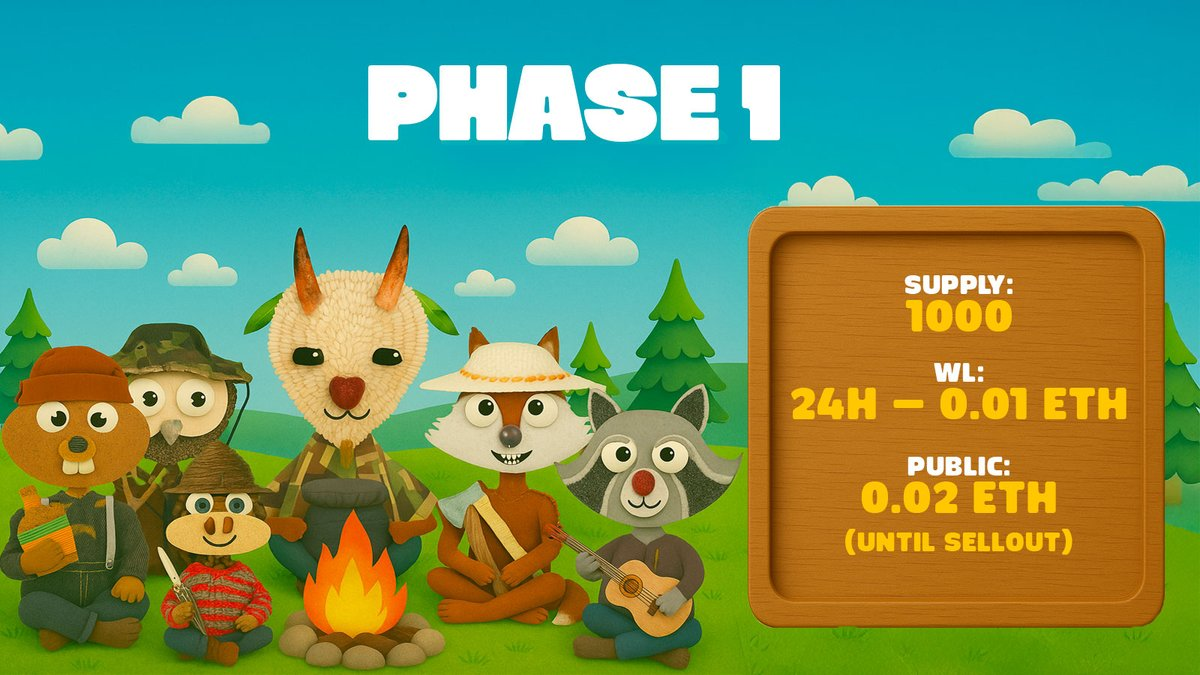
Designed specifically to onboard values-aligned users into the broader Camp ecosystem, TrailHeads served as a foundational element of the network’s roadmap toward mainnet launch. Community leaders noted that the collection successfully sparked widespread creative content generation among holders, effectively bringing community members closer to the core protocol development team. The digital avatars became central fixtures across numerous pre-mainnet promotional campaigns, proving that a narrative-driven PFP drop can effectively sustain attention and engagement even before a network’s infrastructure is fully deployed to the public.
Stress-Testing Cross-Chain Technology: The Composables by Espresso Network
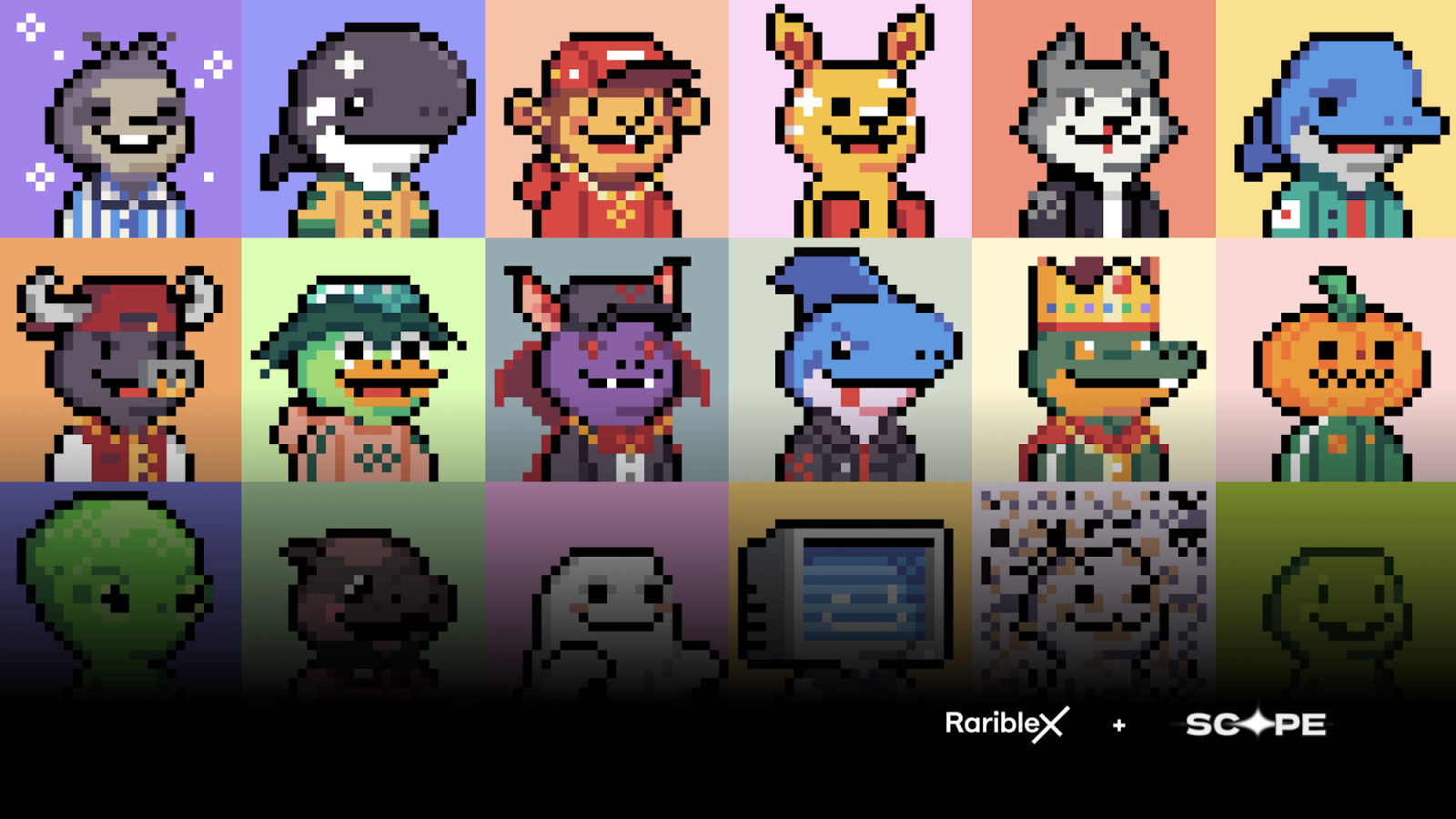
In contrast to collections focused primarily on social narrative or creator economies, Espresso Network utilized its PFP drop—titled The Composables—to actively showcase its sophisticated cross-chain sequencing and interoperability infrastructure.
The primary objective was to activate an early adopter community while simultaneously demonstrating Espresso’s technical capabilities in a live environment through a modular, narrative-driven asset collection. Uniquely, while standard digital collectibles often suffer from severe liquidity and migration friction when moving across different blockchain networks, The Composables were architected to leverage Espresso’s infrastructure for seamless cross-ecosystem mobility. Jill Gunter, Chief Strategy Officer at Espresso Network, emphasized that the initiative served as a practical proving ground for developer tools and interoperability features designed to ease cross-chain fragmentation. The resulting rapid sell-out of the collection provided immediate empirical validation of both the network’s technological thesis and its underlying community demand.
Replicating Success: The Standardized PFP Go-To-Market Playbook
Based on the empirical data and measurable outcomes of these high-profile deployments, industry strategists have distilled a repeatable framework for organizations planning a PFP-led go-to-market campaign:
- Align the Collection with Core Narrative: The artistic and thematic direction of the digital assets must directly reflect the underlying product or chain thesis. Whether emphasizing creator empowerment, developer contribution, or infrastructural interoperability, the drop must visually and conceptually communicate the project’s core value proposition.
- Incentivize Meaningful On-Chain Behavior: Minting should never be treated as the final destination. Successful campaigns utilize the acquired asset as a functional trigger for ongoing participation, such as granting access to exclusive developer channels, interactive quests, or future reward eligibility.
- Integrate Utility from Day One: Developers must carefully consider the functional capabilities of the NFT from inception. Whether the asset acts as a governance pass, evolves dynamically over time, or interacts natively with decentralized applications, demonstrable utility drives sustainable valuation.
- Plan a Post-Mint Retention Roadmap: Long-term viability requires a comprehensive strategy for the post-mint lifecycle. Integrating airdrops, strategic brand partnerships, and dynamic on-chain mechanics ensures that holders remain actively engaged long after initial market hype subsides.
Broader Implications and Industry Outlook
The transition of PFP collections from speculative web3 novelties into programmable go-to-market infrastructure marks a significant maturation point for the digital asset industry. By transforming passive spectators into active, incentivized stakeholders, these cryptographic assets provide early-stage networks and consumer brands with a powerful tool for navigating user acquisition challenges.
As blockchain ecosystems continue to scale and competition for developer mindshare and user liquidity intensifies, the strategic deployment of community-centric digital assets is poised to remain a cornerstone of digital expansion strategies. Organizations that successfully bridge technical infrastructure with compelling community narratives will likely find themselves best positioned to capture enduring market traction in the decentralized economy.

