
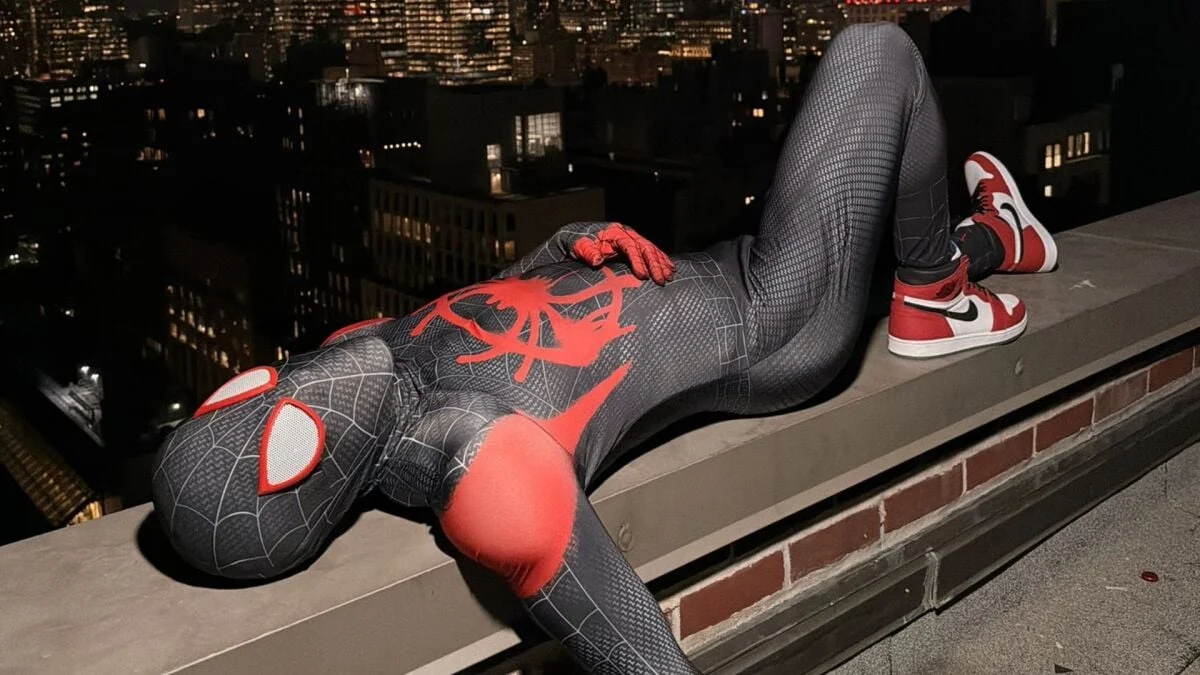
Halloween, celebrated annually on October 31, has transcended its origins as a modest seasonal observance to become one of the most commercially significant and culturally pervasive holidays in the Western world. While the traditional image of the holiday involves children donning costumes to collect confectioneries door-to-door, contemporary celebrations increasingly reflect a multi-generational embrace of creativity, pop culture fandom, and digital expression. As adults increasingly drive the cultural conversation surrounding Halloween—participating in themed events, community gatherings, and large-scale costume parties—the holiday has transformed into a major showcase for artistic design and social media engagement.
Historical Background and the Modern Shift
The roots of Halloween stretch back over two millennia to the ancient Celtic festival of Samhain, a time when people would light bonfires and wear disguises to ward off roaming ghosts. Over the centuries, these customs evolved through the lens of Christian hallowtide observances and the cultural melting pot of North American immigration, ultimately establishing the modern pillars of trick-or-treating, jack-o’-lanterns, and costuming.
In recent decades, however, demographic and economic shifts have redefined how society engages with October 31. According to retail data compiled by organizations such as the National Retail Federation (NRF), adult participation in Halloween festivities has experienced a steady upward trajectory. Consumers now invest billions of dollars annually not only in children’s wear but also in sophisticated adult costumes, pet attire, and elaborate home decorations. This commercial expansion is mirrored in the digital sphere, where platforms like X (formerly Twitter), TikTok, and Instagram serve as virtual runways for showcasing innovative, handmade, and high-budget ensembles.
The Rise of Digital Costuming and Social Media Influence
Today’s Halloween culture is inextricably linked to digital connectivity. Social media platforms have revolutionized how costume ideas are brainstormed, shared, and evaluated on a global scale. In the hours surrounding Halloween night, millions of users turn to online feeds to track trending looks, ranging from nostalgic nods to classic children’s television programs to avant-garde homages to cinematic icons and internet personalities.
Industry analysts note that viral culture has fundamentally changed the stakes of holiday costuming. What was once confined to local neighborhood parties or school gymnasiums is now broadcast to international audiences in real time. Content creators, streamers, and everyday enthusiasts routinely invest months of planning and craftsmanship into outfits designed to capture digital engagement. This trend highlights a broader cultural movement wherein pop culture literacy and DIY craftsmanship intersect, allowing individuals to signal their allegiance to niche fandoms or mainstream entertainment milestones alike.
Chronology of Modern Halloween Festivities
The lead-up to October 31 follows a well-established timeline that dictates both consumer behavior and public events:
- Early September: Retailers launch extensive Halloween displays, and consumers begin conceptualizing costume ideas, heavily influenced by summer blockbusters, streaming television releases, and nostalgic media trends.
- Mid-to-Late October: Community events, corporate costume parties, and specialized pop-up attractions ramp up. Social media platforms experience a surge in preview content, tutorials, and early costume reveals.
- October 31: The culmination of the season, featuring trick-or-treating for younger demographics alongside evening social gatherings, public celebrations, and digital showcases where users upload and critique the year’s top costumes.
- Early November: Retail clearance sales occur alongside data analysis from economic institutions measuring the total retail impact of the holiday season.
Economic Implications and Consumer Spending Trends
The financial footprint of Halloween is substantial, serving as an important economic bellwether for the fourth-quarter retail season. Data consistently demonstrates that consumer spending on costumes, candy, and decorations reaches multi-billion-dollar figures annually. Adult spending frequently matches or exceeds spending on children’s costumes, driven by an adult demographic that views Halloween as an acceptable and anticipated outlet for theatrical expression and social bonding.
Retail experts attribute this growth to several factors, including the expansion of adult-focused Halloween events in theme parks, bars, and community centers, as well as the influence of professional cosplay communities. As the quality of materials, makeup techniques, and specialized accessories becomes more accessible to the general public, the baseline expectation for costume execution has risen dramatically.
Cultural Impact and Societal Reflections
Beyond its commercial value, Halloween acts as an annual mirror reflecting contemporary societal interests. The themes chosen by participants—whether referencing enduring historical figures, celebrated musicians, beloved animation classics, or viral internet phenomena—demonstrate what society values, remembers, and seeks to celebrate.
Nostalgia plays a particularly potent role in modern costume choices. References to classic children’s programming, retro cartoons, and vintage cinematic masterpieces frequently dominate social media discussions, bridging generational divides by inviting older audiences to reconnect with formative cultural touchstones. Simultaneously, contemporary internet culture and the massive reach of digital streamers ensure that modern digital icons share physical space with timeless historical and artistic homages.
As Halloween continues to evolve, its core appeal remains rooted in the universal human desire for transformation, play, and community engagement. Whether observed through traditional neighborhood walks or digital feeds shared across continents, the holiday proves that the impulse to dress up, share a narrative, and celebrate creativity is enduring across all age groups.

