
In the rapidly evolving landscape of Web3, establishing a sustainable go-to-market (GTM) strategy remains one of the most formidable challenges for emerging blockchains, decentralized applications, and digital consumer brands. While traditional tech sectors rely heavily on paid acquisition channels, search engine marketing, and centralized ad networks, the decentralized ethos demands a fundamentally different approach. Increasingly, layer-1 (L1) and layer-2 (L2) networks, alongside ambitious decentralized applications, are turning to Profile Picture (PFP) NFT collections as foundational infrastructure to bootstrap communities, signal project momentum, and incentivize active on-chain participation from day one.
Rather than viewing digital collectibles as mere speculative novelties or digital art experiments, modern Web3 operators treat PFP drops as programmable assets with measurable commercial outcomes. When executed with strategic precision, these collections serve multiple functions simultaneously: they act as a wedge into broader ecosystem strategies, build cultural capital, establish a verified user base, and function as a rigorous stress test for underlying network infrastructure under heavy transaction loads.
The Evolution of PFP Collections from Art to Utility
To understand the current utility of PFP drops, one must examine how the paradigm has shifted over the past several years. Early iterations of generative profile picture collections were largely driven by aesthetic appeal, speculative trading, and exclusive club memberships. However, visionary projects quickly demonstrated that digital avatars could transcend the screen and bridge the gap between digital ownership and physical commerce.
A prime example of this evolution is Pudgy Penguins. What began as a standard 10,000-piece generative PFP collection systematically transformed into a robust retail and intellectual property strategy. By leveraging the cultural equity of their digital avatars, the team behind Pudgy Penguins successfully brokered deals to manufacture physical toys, securing widespread retail distribution in major brick-and-mortar locations such as Walmart. This bridge from on-chain JPEGs to physical retail aisles redefined what token-gated branding could achieve, resulting in remarkable secondary market valuations, including a notable 120 ETH sale—valued at approximately $440,000—for a rare "Ice King" edition in mid-2025.
Similarly, platforms like World of Women utilized their initial drop to build an expansive, IP-centric ecosystem, partnering with mainstream consumer brands, fashion houses, and entertainment platforms to enhance utility and distribute brand equity. Meanwhile, Doodles expanded from a pastel-hued PFP collection into a global entertainment powerhouse, executing multimedia strategies that included animated content, music production, and high-profile collaborations with cultural icons such as Pharrell Williams and global sportswear giants like Adidas.
These milestones underscore a fundamental truth in the modern digital economy: PFP collections are no longer isolated art projects. Instead, they operate as sophisticated brand activation tools capable of driving real-world commerce, fostering deep brand loyalty, and aligning financial incentives between creators and early adopters.
The Strategic GTM Framework: What a PFP Drop Can Unlock
For emerging blockchain networks and protocols, launching a PFP collection is rarely about generating immediate revenue from the mint itself. Rather, it is a calculated deployment of capital and community engagement designed to activate specific growth levers. A well-structured PFP drop typically targets five core GTM objectives:
- Early User Acquisition: A PFP drop naturally attracts the most dedicated cohort of believers—users, collectors, and advocates who are willing to show up early, take on smart contract risk, and actively invest their time and capital into a project’s long-term vision.
- Kickstarting On-Chain Activity: In the absence of native users, networks struggle to prove their technical viability. A minting event forces users to interact with smart contracts, bridge assets, execute transactions, and engage with newly deployed decentralized applications, thereby generating crucial initial transaction volume.
- Signaling Market Momentum: In a crowded landscape of competing layer-2 networks and protocols, attention is the ultimate currency. A successful, highly publicized PFP drop signals to developers, institutional investors, and strategic partners that a vibrant community is actively paying attention.
- Establishing a Utility and Access Layer: Beyond aesthetics, the NFTs serve as digital keys. They are routinely programmed to unlock gated communication channels, exclusive developer toolkits, future airdrops, and special physical or digital rewards.
- Ensuring Long-Tail Retention: By aligning financial upside with social status and community governance, PFP collections mitigate the transient nature of mercenary capital, keeping users engaged long after the initial minting phase concludes.
Real-World Case Studies: How Rarible Powered Major Ecosystem Launches
Recognizing the immense strategic value of these drops, infrastructure providers have stepped in to streamline the deployment process. Rarible, a prominent multichain NFT marketplace and launchpad partner, has played an instrumental role in guiding high-profile networks through complex PFP campaigns. By managing the technical backend, minting mechanics, and frontend interfaces, Rarible has helped emerging ecosystems successfully execute pivotal GTM rollouts. Three distinct case studies from recent network expansions illustrate how varying strategies can achieve remarkable ecosystem success.

Building Brand Narrative: After School Club (ASC) on Scope
When the creators behind Scope set out to launch a creator-focused NFT marketplace positioned as a cornerstone application on the newly deployed Eclipse chain, they needed a narrative that resonated deeply with digital artists and early adopters. The solution was the After School Club (ASC) collection.
The primary objective was simple yet demanding: signal Scope’s technical positioning on Eclipse while building an organic, highly engaged community from the ground up. Rather than rushing to market, the founding team spent over seven months engaging daily with their prospective audience. Through regular Ask-Me-Anything (AMA) sessions, feedback loops, and iterative community design, they ensured the collection reflected what users actually wanted.
Alucard, co-founder of ASC and community lead at the Eclipse Foundation, emphasized the deliberate pacing of the launch: "We’ve been building momentum and trust with our community for over seven months, engaging with them daily through AMAs, gathering their feedback, and truly listening to what they wanted from this collection."
This patient, community-first approach paid immediate dividends. When ASC finally minted on Scope, it did not merely act as a digital art collection; it served as the cultural anchor for the entire Eclipse ecosystem, successfully validating the network’s creator-centric value proposition and driving substantial initial transaction volumes to the newly launched marketplace.
Growing Hype in the Testnet Phase: TrailHeads by Camp Network
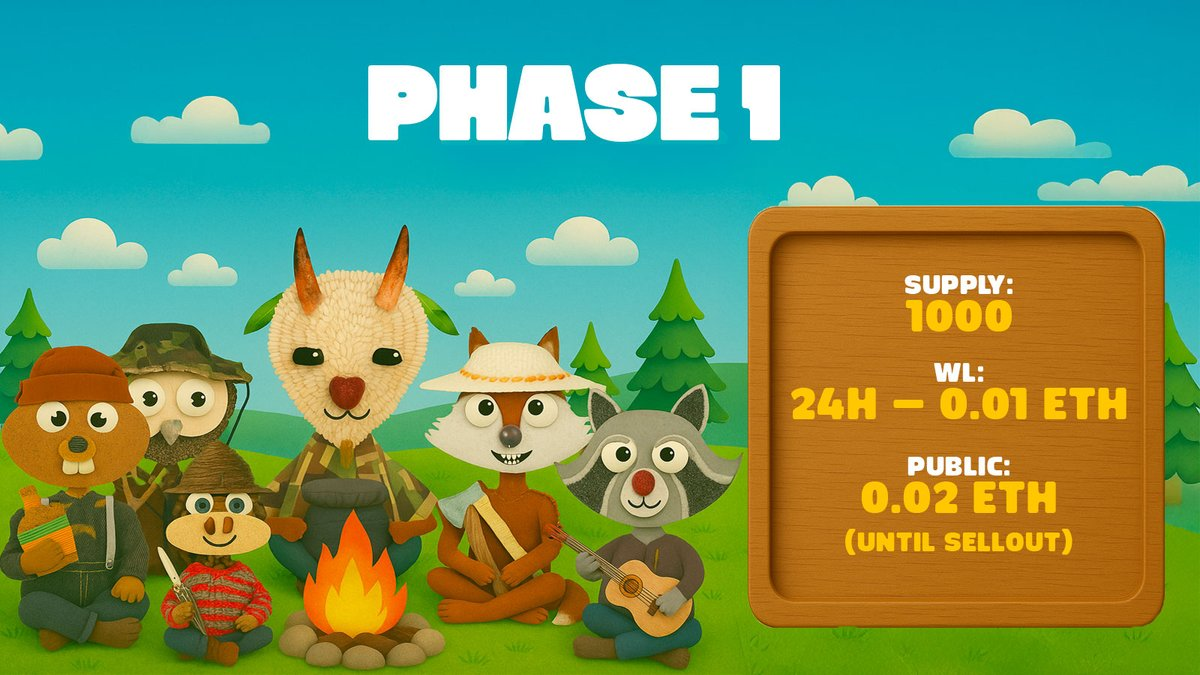
For Camp Network, an emerging blockchain tailored for consumer applications and entertainment data, the challenge was establishing brand awareness and testing network readiness well before the official mainnet launch. To solve this, Camp introduced TrailHeads, a narrative-driven PFP drop specifically engineered to onboard values-aligned users during the testnet phase.
The campaign was designed to transform passive observers into active participants. By tying the minting and holding of TrailHeads to ongoing incentivized testnet campaigns, Camp successfully gamified the user acquisition process. Holders of the collection were granted early access to upcoming features, exclusive community roles, and special governance privileges.
According to Usman, Head of Community at Camp, the collection exceeded expectations in driving ecosystem engagement. "TrailHeads have played a key role in elevating Camp’s brand and community," Usman noted. "The collection has helped bring new users into the ecosystem, sparked a countless number of creative content, and has brought holders closer to the Camp community. They’ve been one of the focal points in our road to mainnet through several campaigns we’ve been running."
The initiative successfully generated thousands of user interactions, validating Camp’s scalability and user-experience parameters under simulated mainnet conditions while establishing a fiercely loyal core community ahead of its broader commercial rollout.
Showcasing Advanced Technology: The Composables by Espresso Network
While many PFP collections are bound to a single blockchain, Espresso Network—a protocol focused on cross-chain sequencing and interoperability—utilized its inaugural PFP drop, titled The Composables, to directly demonstrate its core technical capabilities in real time.
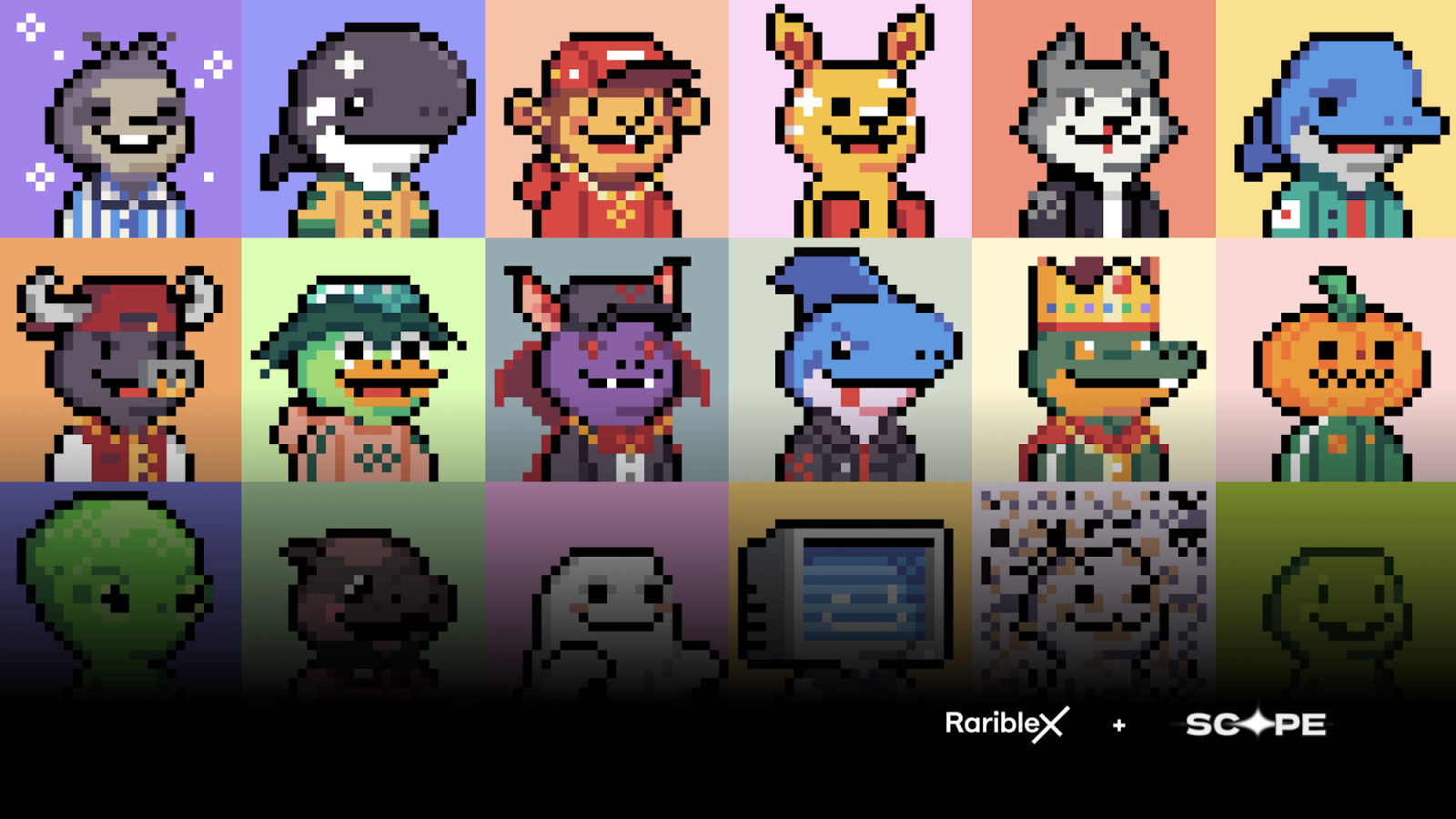
The primary objective for Espresso Network was twofold: activate an early adopter community and visually showcase cross-chain infrastructure in action through a modular, narrative-driven design. Unlike traditional NFTs that remain trapped on a single network once minted, The Composables were architected with cross-chain migration in mind, leveraging Espresso’s underlying sequencing technology to move fluidly across various connected ecosystems.
Jill Gunter, Chief Strategy Officer at Espresso Network, highlighted the technical distinction of the drop during its launch phase. "Unlike most NFT collections—wherein the NFTs are difficult to migrate from one chain to another—the goal with The Composables is to leverage Espresso to get them moving seamlessly throughout the Espresso ecosystem," Gunter stated. "We are excited to be working on products and features that will enable this functionality over the coming months."
The market response was swift and decisive. The collection sold out rapidly, prompting widespread social media engagement across Web3 channels. Rarible, which served as the official launch partner, highlighted the community enthusiasm as the collection hit full capacity, cementing Espresso’s technical narrative through tangible, on-chain proof of concept.
A Replicable Playbook for Future Go-to-Market Campaigns
The collective successes of After School Club, TrailHeads, and The Composables offer a clear, actionable blueprint for protocols and brands preparing to execute a PFP-led GTM campaign. Industry analysts and launch strategists recommend four core pillars for replication:
- Align the Drop with the Core Narrative: The collection must visually and conceptually mirror the underlying product or chain thesis. Whether telling a story about creators, honoring contributors, or showcasing complex infrastructure, the narrative must feel cohesive and authentic.
- Incentivize On-Chain Behavior: Minting should never be treated as a terminal event. Projects must utilize the newly acquired NFTs as immediate triggers for ongoing participation, offering gating mechanisms for alpha channels, exclusive reward eligibility, and interactive ecosystem quests.
- Design for Utility from Day One: Developers must carefully consider the functional utility of the asset—how it interacts with decentralized applications, whether it evolves or mutates based on on-chain actions, and what specific access rights it grants to the holder.
- Plan Beyond the Mint: A sustainable roadmap must be established well in advance of the drop. Long-term engagement requires continuous post-mint activations, strategic partnership perks, dynamic mechanics, and ongoing community-driven initiatives that sustain holder interest over multi-year horizons.
Broader Implications and Market Outlook
As the Web3 ecosystem matures, the strategies governing project launches continue to evolve from speculative hype cycles to deliberate, infrastructure-driven deployments. PFP collections have transcended their origins as digital status symbols, proving themselves to be highly effective, programmable instruments for user acquisition, cultural branding, and community retention.
For new networks and protocols entering an increasingly competitive market, the deployment of a strategic PFP drop offers a proven methodology to cut through market noise. By transforming passive spectators into active, incentivized stakeholders, projects can establish a resilient foundation for long-term growth. As demonstrated by successful collaborations across Eclipse, Camp, and Espresso Network, pairing visionary storytelling with robust technical launch architecture provides a reliable pathway to enduring market traction in the decentralized economy.
