• Home
  • About Us
  • Contact Us
  • Cookies Policy
  • Disclaimer
  • DMCA
  • Privacy Policy
  • Terms and Conditions
Dr Crypton
Secure Your Future in Crypto
Cybersecurity & Hacking

Windows KB5121767 OOB update fixes shutdowns on some Dell PCs

by admin July 20, 2026
written by admin

The resolution comes after Microsoft acknowledged a widespread incompatibility impacting specific Dell systems, which manifested as instability and operational failures for users. The core of the problem stemmed from a conflict between a newly introduced Windows USB-C Connection Manager interface and the Intel Innovation Platform Framework (IPF) Processor Participant driver, a crucial system-level hardware component responsible for managing processor power and thermal performance. This intricate interaction led to a cascade of issues, ultimately necessitating an out-of-band fix from the software giant.

The Genesis of the Glitch: A Technical Deep Dive

The technical conflict that underpinned these issues was first introduced with the June 23, 2026, KB5095093 preview cumulative update for Windows 11. While preview updates are designed to test new features and gather feedback before wider release, this particular update contained a modification to the Windows USB-C Connection Manager interface. This new interface, intended to enhance the functionality and stability of USB-C connectivity across Windows devices, inadvertently clashed with the existing Intel Innovation Platform Framework (IPF) Processor Participant driver.

The Intel IPF Processor Participant driver is not merely a peripheral component; it is a fundamental part of the system’s architecture, deeply integrated into how a computer manages its power states, thermal regulation, and overall performance. It acts as a liaison between the operating system and the processor’s various power-saving and performance-boosting features. When the new Windows USB-C Connection Manager interface attempted to interact with system resources, it encountered an unexpected response from the Intel driver, leading to an incompatibility.

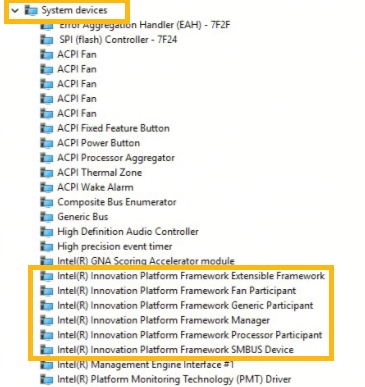
This incompatibility was not immediately apparent to all users or systems. However, on a limited number of Dell devices, the conflict caused the operating system to incorrectly interpret the state or capabilities of the Intel driver. The most visible symptom for affected users was a yellow exclamation mark displayed next to the "Intel Innovation Platform Framework Processor Participant driver" entry within the Device Manager, signaling a driver error or conflict. Beneath this diagnostic warning lay the more severe operational consequences: erratic performance, increased heat generation, rapid battery drain, and, most critically, sudden and uncommanded system shutdowns.

Microsoft’s statement confirmed the specifics, noting: "After installing the June 23, 2026, Windows preview update (KB5095093), a limited number of Dell devices might display a yellow exclamation point in Device Manager next to the Intel Innovation Platform Framework Processor Participant driver. These devices can potentially experience unexpected shutdowns, poor performance, increased heat, and battery drain. This issue was reported by Dell during testing and identified as an incompatibility between the Intel driver and the new Windows USB-C Connection Manager interface introduced in the June 23, 2026, Windows preview update (KB5095093)." This detailed explanation underscored the specific interaction points of the conflict, highlighting the complexity of modern hardware-software integration.
Windows KB5121767 OOB update fixes shutdowns on some Dell PCs

A Chronology of the Event and Microsoft’s Response

The timeline of this incident reflects a rapid identification and response effort by Microsoft, often in collaboration with its hardware partners.

  • June 23, 2026: Microsoft releases the KB5095093 preview cumulative update. This update, while not mandatory, contains the foundational change to the Windows USB-C Connection Manager interface that would later trigger the compatibility issue. Dell, through its rigorous internal testing protocols, identifies the emerging conflict on some of its systems and promptly communicates its findings to Microsoft. This proactive engagement from a hardware partner proved instrumental in early detection.
  • Early July 2026 (Leading up to Patch Tuesday): As the July 2026 Patch Tuesday approaches, Microsoft prepares the KB5101650 cumulative security update for Windows 11 25H2 and 24H2. This security update, when installed on Dell systems already affected by the June preview update’s underlying change, exacerbates or fully triggers the performance and stability issues.
  • Tuesday, July [Date inferred from context], 2026: Microsoft officially acknowledges the issue publicly. Recognizing the critical nature of unexpected shutdowns and performance degradation, the company takes immediate action to prevent further spread. Microsoft implements a safeguard, blocking the distribution of the July 2026 security update (KB5101650) to specifically identified affected Dell systems. This measure was crucial in containing the problem, preventing more users from encountering the instability.
  • Saturday, July [Date inferred from context], 2026: Just three days after acknowledging the problem and implementing the block, Microsoft releases emergency out-of-band (OOB) updates. These critical patches are made available for affected Dell PCs running Windows 11 25H2 and 24H2 (KB5121767), as well as those on Windows 11 Enterprise LTSC 2024 (KB5121768). The rapid deployment of these OOB updates underscores the severity of the issue and Microsoft’s commitment to swiftly resolving critical bugs that impact user experience and system stability.

Affected Systems and Scope of Impact

The issue was specifically observed on "a limited number of Dell devices." While the exact number of affected machines was not publicly disclosed, Dell’s position as one of the world’s leading PC manufacturers, with a significant global market share (often ranking among the top three alongside Lenovo and HP), implies that even a "limited" percentage could translate to thousands, if not tens of thousands, of devices. The problem was confined to systems running Windows 11, specifically versions 25H2 and 24H2, as well as the Enterprise LTSC 2024 variant, indicating a focus on newer Windows 11 builds.

The specificity to Dell systems, despite the underlying driver being from Intel and the OS component from Microsoft, suggests a unique confluence of hardware configurations, driver versions, or system firmware implementations prevalent in certain Dell models that made them particularly susceptible to this incompatibility. This highlights the intricate web of dependencies in modern computing, where the interaction between hardware, firmware, drivers, and the operating system can lead to unforeseen issues.

For users, the impact was significant. Unexpected shutdowns can lead to data loss, corrupted files, and disrupted workflows. Poor performance and increased heat not only degrade the user experience but can also raise concerns about long-term hardware reliability. Battery drain, while less critical, directly impacts the portability and utility of laptop devices. These issues collectively presented a substantial inconvenience and potential risk for the affected user base.

Official Responses and Collaborative Efforts

The resolution of such complex issues typically involves a collaborative effort between multiple technology giants.

Microsoft’s Stance:
Microsoft’s official statements accompanying the emergency updates were clear and concise. For KB5121767, the company stated, "This update addresses an issue affecting a limited number of devices with an Intel Innovation Platform Framework (Intel IPF) driver that could cause changes in performance, power consumption, or system behavior after installing recent Windows updates." They further clarified the target audience: "A limited number of Dell devices that were temporarily prevented from receiving the July 2026 security update KB5101650 can now install this OOB update. This OOB update is only recommended for devices affected by this issue. If your device is not affected, no action is required." This guidance ensured that only systems genuinely experiencing the problem would receive the specialized fix, avoiding unnecessary updates for unaffected machines.

Windows KB5121767 OOB update fixes shutdowns on some Dell PCs

For enterprise environments, Microsoft also provided specific guidance. Devices managed by Windows Autopatch with hotpatch updates enabled were slated to receive this emergency update automatically, streamlining deployment for IT departments. Furthermore, IT administrators leveraging Microsoft Intune were directed to documentation on expediting updates, empowering them to quickly roll out the fix across their organizational fleets. This multi-pronged approach demonstrates Microsoft’s consideration for both individual users and large-scale deployments.

Dell’s Role:
Dell’s early detection of the issue during its testing phase was a critical factor in the swift response. While no direct public statement from Dell was included in the original report regarding the fix, their proactive identification of the problem "during testing" and subsequent reporting to Microsoft showcases a robust quality assurance process and a commitment to customer experience. It is reasonable to infer that Dell collaborated closely with both Microsoft and Intel throughout the diagnostic and resolution phases, providing essential telemetry and system-specific insights. Their early alert likely accelerated the diagnosis and the development of the emergency patches, mitigating what could have been a much larger and more prolonged disruption.

Intel’s Implied Involvement:
As the manufacturer of the affected Intel Innovation Platform Framework (IPF) Processor Participant driver, Intel’s engineering teams would undoubtedly have been involved in understanding the conflict. While not explicitly mentioned in the provided text as issuing a statement, it is highly probable that Intel collaborated with Microsoft and Dell to analyze the driver’s interaction with the new Windows USB-C Connection Manager interface. Such collaborations are standard practice in the tech industry when complex hardware-software incompatibilities arise, ensuring that future driver updates or operating system changes can prevent similar conflicts.

Broader Implications and Industry Context

This incident, though swiftly resolved, highlights several broader implications for the tech industry, users, and IT professionals.

The Perils of Complexity:
Modern computing systems are incredibly complex ecosystems where operating systems, hardware components, drivers, and firmware must all interact seamlessly. Even minor changes in one layer can ripple through the entire stack, leading to unforeseen incompatibilities. The clash between a new USB-C interface and a core power management driver underscores this inherent complexity. It’s a constant balancing act between innovation (new features, improved security) and maintaining compatibility across a vast array of hardware configurations.

The Importance of Preview Programs and Partner Testing:
The fact that Dell identified the issue during its testing of a preview update (KB5095093) demonstrates the critical value of early access programs and robust partner testing. These programs allow manufacturers to proactively identify potential conflicts before updates are broadly released, providing invaluable feedback to OS developers. Without Dell’s vigilance, the July security update could have caused far more widespread disruption before the root cause was even fully understood.
Windows KB5121767 OOB update fixes shutdowns on some Dell PCs

Windows Update Reliability and Trust:
Incidents like this, while ultimately resolved, can chip away at user trust in the reliability of Windows Updates. Historically, Windows updates have occasionally been associated with unexpected issues, ranging from minor glitches to more severe system instability. Microsoft has invested heavily in improving its update mechanisms, including phased rollouts, AI-driven targeting, and enhanced diagnostic tools. The rapid turnaround for this Dell-specific fix demonstrates an improved capability to respond to critical issues, which is vital for maintaining user confidence in the security and stability of their operating systems.

Impact on IT Administration:
For IT administrators managing fleets of Dell PCs, such issues present immediate challenges. Even with expedited deployment options via tools like Windows Autopatch and Intune, identifying affected machines, planning deployment, and potentially troubleshooting individual user issues add to their workload. The need to stay informed about potential update-related problems and to have contingency plans in place is a constant demand in enterprise IT. The "out-of-band" nature of these fixes also means they bypass the regular Patch Tuesday schedule, requiring additional attention and deployment cycles.

Security vs. Stability:
Security updates are non-negotiable in the current threat landscape, where new vulnerabilities emerge daily. Delaying or blocking security updates, even temporarily, introduces a window of exposure to potential cyberattacks. Microsoft’s decision to block the July security update for affected Dell systems was a pragmatic choice to prioritize system stability over immediate security patching for a limited subset of users. However, it underscores the tension between ensuring system stability and maintaining a robust security posture, a challenge that operating system developers continually navigate.

Future Outlook:
Moving forward, this incident will likely reinforce the need for even tighter collaboration between operating system developers (Microsoft), hardware manufacturers (Dell), and component suppliers (Intel). Enhanced testing protocols, earlier sharing of development roadmaps, and more sophisticated compatibility testing matrices will be crucial. The increasing prevalence of USB-C and its evolving capabilities, especially concerning power delivery and alternate modes, suggests that the USB-C Connection Manager interface will continue to be a critical component, requiring careful integration with underlying hardware drivers.

In conclusion, Microsoft’s swift action to release emergency updates for Dell PCs affected by the July 2026 Windows 11 security update demonstrates a robust incident response capability. While the incompatibility between the new USB-C Connection Manager interface and the Intel IPF Processor Participant driver caused significant disruption for a subset of users, the rapid diagnosis, containment, and resolution highlight the continuous efforts by major tech players to ensure system stability and user satisfaction in an increasingly complex digital world. Users who have not yet installed the July 2026 security update and are now installing the emergency fix will be required to restart their devices to ensure the changes take effect, bringing their systems back to optimal performance and stability.

July 20, 2026 0 comment
0 FacebookTwitterPinterestEmail
Bitcoin & Altcoins

Ethereum Core Developers Convene in Svalbard to Forge Path for Glamsterdam Upgrade and Announce Protocol Cluster Leadership Transition

by admin July 20, 2026
written by admin

A pivotal gathering of Ethereum core developers, representing a diverse array of client teams, recently concluded in the remote and starkly beautiful landscape of Svalbard, Norway. This semi-regular "interop" event, designed to foster deep collaboration and synchronize efforts across the Ethereum ecosystem, was dedicated to the critical task of hardening and preparing for the network’s next significant upgrade, codenamed "Glamsterdam." The week-long intensive session yielded several crucial technical milestones and, perhaps more significantly, marked the commencement of a leadership transition within the Ethereum Foundation’s Protocol cluster.

The choice of Svalbard, a Norwegian archipelago situated in the Arctic Ocean, for such a high-stakes technical summit underscores the commitment to focused, distraction-free work. Far from the digital noise and daily pressures of major tech hubs, the developers were able to immerse themselves in the intricate challenges of scaling and securing the Ethereum network. Interoperability events are a cornerstone of Ethereum’s development process, allowing for in-depth technical discussions, code reviews, and the identification of potential issues before they impact the live network. Past interops have been instrumental in the successful deployment of major upgrades, and the Svalbard gathering was no exception, laying essential groundwork for future network enhancements.

Several key achievements emerged from the week’s intense deliberations and collaborative coding sessions. While the specific technical details of these milestones remain under further development and testing, their successful identification and prioritization signal a robust forward momentum. These advancements are expected to address critical aspects of network performance, security, and scalability, all vital for Ethereum’s continued growth and its role in the burgeoning decentralized economy.

Beyond the technical breakthroughs, the Svalbard interop served as a formal handover point for the leadership of the Ethereum Foundation’s Protocol cluster. This transition brings new faces to the forefront of steering the protocol’s strategic direction, building upon the significant contributions of the outgoing coordinators. The Protocol cluster is a vital engine within the Ethereum Foundation, responsible for guiding the research, development, and implementation of core protocol upgrades that define the network’s evolution.

The incoming leadership of the Protocol cluster will be comprised of three distinguished individuals, each bringing a unique set of skills and experiences to the role: Will Corcoran, Kev Wedderburn, and Fredrik. Their collective expertise spans research coordination, cutting-edge engineering, and security, positioning them to effectively navigate the complex landscape of Ethereum’s ongoing development.

Team Evolution: A New Chapter for Protocol Cluster Leadership

The past year has witnessed a significant period of growth and progress for the Ethereum Protocol Cluster, a strategic initiative announced in June 2025. This period has been heavily influenced by the dedicated leadership of Barnabé Monnot, Tim Beiko, and Alex Stokes. Their collective efforts have been instrumental in shaping the trajectory of Ethereum’s development, fostering a collaborative environment, and driving key technical advancements.

Barnabé Monnot and Tim Beiko are set to conclude their tenure at the Ethereum Foundation in the near future, while Alex Stokes will embark on a well-deserved sabbatical. Their contributions to the Protocol cluster have been foundational, establishing robust development tracks and facilitating the successful mainnet deployment of the "Fusaka" upgrade in December 2025. This upgrade was particularly noteworthy for introducing PeerDAS (Data Availability Sampling) and significantly increasing the mainnet gas limit, a crucial step towards accommodating the network’s growing demands and paving the way for even higher limits, potentially reaching 200 million gas and beyond.

The influence of Monnot, Beiko, and Stokes on the Protocol cluster’s structure and operational ethos is expected to endure long after their direct involvement. Their leadership fostered a culture of rigorous technical debate, open communication, and a shared commitment to the long-term vision of Ethereum. The ecosystem expresses profound gratitude for their dedication and eagerly anticipates their future endeavors.

Introducing the New Protocol Cluster Coordinators

The leadership transition within the Protocol cluster is already in motion, with the Svalbard interop providing an opportune environment for seamless knowledge transfer. The remote location facilitated informal discussions and strategic planning sessions between the outgoing and incoming coordinators, ensuring that the momentum towards the Glamsterdam upgrade remains unhindered. This carefully managed transition aims to minimize disruption while maximizing the collective focus on shipping critical upgrades.

The incoming trio brings a wealth of experience and specialized knowledge to the forefront of Ethereum’s protocol development:

  • Will Corcoran: As a Research Coordinator within the Protocol cluster, Will Corcoran possesses extensive cross-team and cross-cluster visibility. His work has encompassed critical areas such as zkVM (Zero-Knowledge Virtual Machine) proving, the development of post-quantum consensus mechanisms, and the implementation of the Fast Confirmation Rule. Corcoran has a proven track record of facilitating community calls, organizing breakout sessions, and orchestrating in-person protocol events, granting him a deep operational understanding of how the various components of Protocol’s efforts interconnect and function cohesively. His experience in bridging research with practical implementation will be invaluable in steering future protocol decisions.

  • Kev Wedderburn: Kev Wedderburn leads the zkEVM team, a highly specialized and rapidly evolving area of blockchain technology. He brings profound expertise at the crucial intersection of theoretical research and practical engineering. Wedderburn is known for his first-principles approach to technical decision-making, ensuring that protocol advancements are built on a solid foundation of sound logic and rigorous analysis. His leadership in the zkEVM space signifies Ethereum’s commitment to leveraging advanced cryptographic techniques for enhanced scalability and privacy.

  • Fredrik: Fredrik holds the crucial role of leading Protocol Security, a paramount concern for any distributed ledger technology. He is also at the helm of the "Trillion Dollar Security" project, an initiative that highlights the immense economic value secured by blockchain networks and the imperative to protect it. Fredrik has been deeply engaged in cross-cluster work, demonstrating a holistic understanding of the protocol’s various facets and their interdependencies. His focus on security will be instrumental in safeguarding the network against evolving threats and ensuring the integrity of future upgrades.

What to Expect: Charting the Course for Future Upgrades

The immediate and overarching objective for the Protocol cluster, under its new leadership, is the successful deployment of the Glamsterdam upgrade. This upgrade is anticipated to introduce further optimizations and features that enhance Ethereum’s performance and user experience. Concurrently, preparations are well underway for subsequent network enhancements, including "Hegotã" and the ongoing advancement of the broader "Strawmap" – Ethereum’s long-term development roadmap.

The ongoing devnets for Glamsterdam are currently live, allowing developers to test and refine the upgrade’s features in a controlled environment. The scoping for Hegotã is also progressing rapidly, with a significant development being the planned inclusion of FOCIL (Full-node Consensus Layer Interface) as a headliner on the client side. This integration is a testament to the collaborative spirit between different layers of the Ethereum stack and a crucial step towards streamlining network operations and improving consensus mechanisms.

The Ethereum community can anticipate regular updates from Will Corcoran, Kev Wedderburn, and Fredrik in the coming weeks and months. These updates will provide further insights into the progress of Glamsterdam, the strategic direction for Hegotã, and the ongoing evolution of the Ethereum protocol as outlined in the Strawmap. The collective expertise and vision of the new Protocol cluster coordinators are expected to usher in a new era of innovation and resilience for the Ethereum network, solidifying its position as a leading platform for decentralized applications and financial innovation.

The Svalbard interop, therefore, represents more than just a technical meeting; it symbolizes a harmonious transition in leadership and a reinforced commitment to the principles of decentralized development and robust protocol evolution. The network’s future scalability, security, and decentralization are being meticulously crafted by these dedicated individuals, ensuring Ethereum remains at the vanguard of blockchain technology. The successful integration of PeerDAS and the strategic increase in gas limits under the previous leadership have set a strong precedent, and the new coordinators are poised to build upon this legacy, driving Ethereum towards its ambitious future. The ongoing work on zkVMs and post-quantum cryptography, championed by the new leadership, indicates a forward-thinking approach to long-term security and technological advancement, crucial for an ecosystem that secures billions of dollars in value.

July 20, 2026 0 comment
0 FacebookTwitterPinterestEmail
Bitcoin & Altcoins

Kraken Introduces Borrow Feature to Empower Everyday Investors and Enhance Trading Flexibility

by admin July 20, 2026
written by admin

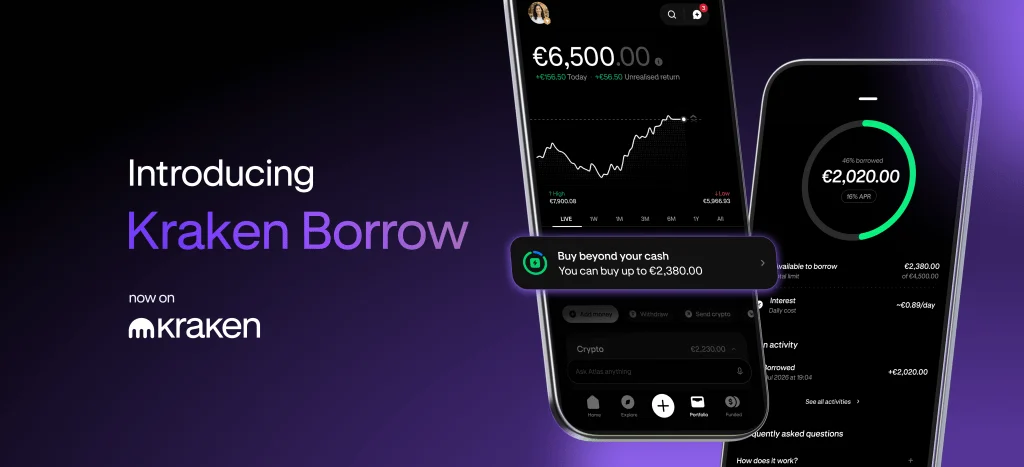
The cryptocurrency investment landscape is perpetually evolving, marked by rapid innovation and an increasing demand for sophisticated yet accessible financial tools. In a move designed to address a common dilemma faced by crypto holders – the need to liquidate existing assets to seize new opportunities – Kraken, a prominent cryptocurrency exchange, has launched Kraken Borrow. This new feature aims to unlock the capital within a user’s existing crypto portfolio, providing immediate liquidity without forcing the sale of long-term holdings.

The Investor’s Dilemma: Opportunity Knocks, Cash Doesn’t Answer

For many cryptocurrency investors, the experience is a familiar one: a strong conviction in a particular asset is met with the emergence of a compelling new investment prospect. However, the absence of readily available cash reserves often creates a frustrating impasse. This situation forces investors into a difficult mental calculation – which of their currently held, presumably valuable, assets should be sacrificed to fund the new venture? The core of the frustration lies not in the lack of a viable opportunity, but in the perceived artificiality of the choice. The inability to act due to a lack of "dry powder" – readily accessible capital – can lead to missed gains and a sense of strategic disadvantage. In an ideal investment scenario, an investor should not be compelled to divest from a long-term position they believe in simply to capitalize on a new, exciting prospect. This is precisely the challenge that Kraken Borrow is engineered to overcome.

Unveiling Kraken Borrow: A New Paradigm for Crypto Liquidity

Kraken Borrow fundamentally alters the traditional approach to crypto trading by extending a user’s purchasing power beyond their existing cash balance. The feature leverages the cryptocurrency already held within a user’s Kraken account as collateral, effectively allowing their portfolio to contribute to every buying decision without necessitating the sale of any assets. This represents a significant shift, transforming a static portfolio into a dynamic source of potential liquidity.

The operational mechanics of Kraken Borrow are designed for intuitive user experience. Investors initiate purchases through the familiar interface on the Kraken platform. The system prioritizes the utilization of the user’s available cash balance first. Should a purchase exceed the available cash, Kraken Borrow steps in to cover the remainder, with the loan secured against eligible assets within the user’s portfolio. Upon transaction confirmation, users are provided with a clear breakdown, distinguishing between the portion funded by cash and the portion covered by the borrowed amount.

A key aspect of Kraken Borrow’s design is its flexibility in repayment. Users have the autonomy to repay their loans on their own terms, without the imposition of rigid repayment schedules or predefined deadlines. This revolving credit-like structure allows for continuous engagement: users can draw funds, repay them, and then draw again as their financial needs and investment strategies evolve. This adaptability is crucial in the fast-paced and often unpredictable cryptocurrency market.

Tailored for the Everyday Investor: Democratizing Crypto-Backed Borrowing

While the concept of crypto-backed borrowing is not entirely novel, its historical accessibility has largely been confined to sophisticated professional traders who are comfortable navigating complex financial instruments and high leverage ratios. Kraken Borrow distinguishes itself by targeting a different demographic: the everyday investor.

The feature is meticulously crafted to cater to a broad spectrum of individual investors. It incorporates a 1x leverage cap, ensuring a more conservative approach to borrowing and mitigating excessive risk. The user interface mirrors the familiar buying screens on Kraken, with the borrowing functionality seamlessly integrated. This approach prioritizes clarity and ease of use over intricate complexity, making it accessible to those who may not possess extensive trading experience.

Whether an investor is a long-term holder seeking to maintain their positions through periods of market volatility or an active trader looking to quickly capitalize on emerging opportunities, Kraken Borrow offers a practical trading tool. It eliminates the need to undergo a steep learning curve associated with more advanced financial products. Throughout the process, collateral and margin levels are clearly defined and transparently communicated, ensuring that the user experience remains understandable from initiation to settlement. This commitment to transparency is paramount in building trust and empowering users to make informed decisions.

Maximizing Portfolio Potential: Putting Your Crypto to Work

The most effective financial tools are those that eliminate unnecessary trade-offs. Kraken Borrow embodies this principle by offering an alternative to the often-forced decision of selling one asset to fund another. With this feature, investors are no longer constrained to choosing solely between holding their existing assets or acting on new investment ideas.

Now, the strategic advantage lies in the ability to do both simultaneously. Kraken Borrow empowers investors to maintain their conviction in their long-term holdings while simultaneously seizing new opportunities as they arise. This dual capability significantly enhances an investor’s agility and potential for growth in the dynamic cryptocurrency market.

Kraken Borrow is currently available within the Kraken mobile application for eligible customers, signifying the company’s commitment to delivering innovative solutions directly to its user base. The rollout is phased, with geographic restrictions in place to comply with regulatory frameworks and ensure responsible service deployment.

Understanding the Mechanics and Risks

Kraken Borrow operates as a crypto-collateralized borrowing feature. It is imperative for users to understand that borrowing inherently involves risk. A primary risk associated with such products is the potential for liquidation. If the Loan Maintenance Ratio (LMR) of a user’s loan falls below the required threshold, their collateral assets may be liquidated to cover the outstanding debt. This scenario can occur during periods of significant price depreciation in the collateralized assets or the borrowed assets.

The interest rates associated with Kraken Borrow are variable. This means that the rate can fluctuate over the life of an open-ended loan, influenced by prevailing market conditions and Kraken’s internal risk management policies. Investors must factor this variability into their financial planning.

An origination fee of 0.5% applies to each loan initiated through Kraken Borrow. This fee is a standard practice in lending and is designed to cover the administrative costs associated with processing and managing the loan.

It is also crucial to note that collateral assets pledged to secure a loan are ring-fenced. This means they cannot be withdrawn from the Kraken platform for the duration that the loan remains active. This measure is in place to ensure the security of the collateral and the integrity of the borrowing facility.

Kraken Borrow is not universally available. The feature is subject to geographic restrictions and eligibility criteria, reflecting the complex and varied regulatory landscape of digital assets globally. Currently, Kraken Borrow is not available in several key markets, including the United States, the United Kingdom, Canada, Australia, the United Arab Emirates, Brazil, or India. Interested users are encouraged to consult the official Kraken support documentation for a comprehensive list of supported jurisdictions and detailed terms and conditions.

Broader Implications for the Crypto Market

The introduction of Kraken Borrow has several significant implications for the broader cryptocurrency market. Firstly, it democratizes access to sophisticated financial tools, bringing them within reach of a wider audience of retail investors. This can lead to increased market participation and potentially greater price discovery as more capital becomes available for investment.

Secondly, by reducing the friction associated with seizing new opportunities, Kraken Borrow could foster a more dynamic and responsive market. Investors can react more swiftly to emerging trends and potentially arbitrage opportunities, leading to increased trading volume and liquidity.

Thirdly, the feature’s emphasis on transparency and a capped leverage ratio addresses some of the concerns surrounding the perceived opacity and high-risk nature of some crypto-related financial products. By providing a structured and understandable borrowing mechanism, Kraken is contributing to the ongoing maturation of the crypto ecosystem.

However, it is also important to acknowledge the inherent risks. As highlighted in the disclaimer, the volatile nature of cryptocurrency markets means that investors can experience significant losses. The potential for liquidation, coupled with variable interest rates, necessitates careful risk management and a thorough understanding of the product’s mechanics.

A Disclaimer on Investment and Taxation

Kraken emphasizes that the materials provided regarding Kraken Borrow are intended for general informational purposes only. They do not constitute investment advice, nor do they represent a recommendation or solicitation to buy, sell, stake, or hold any cryptoasset, or to engage in any specific trading strategy. Kraken does not actively manipulate or influence the price of any particular cryptoasset it offers.

The unpredictable nature of cryptoasset markets can lead to the loss of funds. Investors are strongly advised to conduct their own due diligence and consult with independent financial and tax advisors before making any investment decisions. Tax implications can vary significantly based on an individual’s jurisdiction and the specific transactions undertaken. It is the responsibility of the individual investor to understand and comply with their local tax obligations.

The availability of Kraken Borrow and its terms are subject to change and are contingent upon regulatory approvals and ongoing compliance. Investors are urged to review the most current terms and conditions on the Kraken support website.

July 20, 2026 0 comment
0 FacebookTwitterPinterestEmail
Bitcoin & Altcoins

Solana Policy Institute Urges CFTC to Modernize Regulations for Blockchain Innovation

by admin July 20, 2026
written by admin

The Solana Policy Institute (SPI), a non-profit dedicated to educating policymakers on decentralized networks, has formally submitted its comprehensive response to the U.S. Commodity Futures Trading Commission’s (CFTC) request for public input on barriers to fintech innovation. The submission, made on July 9, 2026, marks a significant intervention in the ongoing dialogue between the burgeoning digital asset industry and established regulatory bodies. SPI’s core argument centers on the urgent need to update antiquated regulatory frameworks to better accommodate the unique operational models of blockchain-based markets and the rise of non-custodial interfaces, such as cryptocurrency wallets.

In its official document, the organization explicitly stated its focus on three key areas where targeted clarification from the CFTC could significantly foster innovation and competition. Crucially, SPI emphasized that these clarifications should not come at the expense of market integrity, customer protection, the financial integrity of transactions, or the Commission’s oversight capabilities. The institute highlighted that the CFTC possesses practical tools already at its disposal, including the issuance of guidance, no-action relief, interpretive relief, and exemptive relief under Section 4(c) of the Commodity Exchange Act (CEA), to achieve these objectives effectively and efficiently.

Rethinking Intermediary Status for Non-Custodial Crypto

A central tenet of Solana Policy Institute’s submission is the assertion that non-custodial front-ends should not be automatically categorized as financial intermediaries. These front-ends, which are essentially software tools that empower users to prepare and submit their own transactions, operate on fundamentally different principles than traditional financial institutions. SPI contends that the CFTC’s current rules, largely designed for a 20th-century financial landscape, fail to recognize the 24/7 nature of on-chain markets, the real-time risk management capabilities inherent in blockchain technology, and the immutable on-chain records that provide unprecedented transparency compared to legacy systems.

Solana Policy Institute has implored the CFTC to establish regulatory frameworks that acknowledge and embrace the distinct operational models of decentralized protocols. The filing states, "The Commission should publish guidance, or otherwise provide durable relief, clarifying that an independent software vendor, technology service vendor, wallet provider, or Front End provider is not required to register as an IB (introducing broker), and that its personnel are not required to register as APs (associated persons), solely because the provider offers non-custodial software that helps users prepare, sign, and submit their own transactions to a registered venue or smart contract protocol." This clarification is vital, as the current ambiguity risks stifling the development and adoption of user-friendly interfaces that are foundational to the decentralized finance (DeFi) ecosystem.

This stance by SPI is not an isolated one; it echoes a broader industry-wide push. Collaborative efforts, including joint comments submitted by organizations like the Hyperliquid Policy Center and Phantom, demonstrate a unified front within the blockchain industry. These groups are actively challenging the imposition of intermediary status on tools and protocols that are inherently non-custodial and designed to empower individual users rather than centralize control. The implications of this regulatory reclassification are substantial, potentially impacting the operational viability and growth trajectory of numerous fintech companies and decentralized applications.

Leveraging On-Chain Data for Enhanced Compliance

The response also specifically highlights the Solana blockchain, recognized for its high transaction throughput and efficiency, urging the CFTC to explore how existing on-chain data can be leveraged to streamline compliance, reporting, and oversight. SPI’s argument is that on-chain transparency, when properly understood and integrated into regulatory approaches, can offer a more robust and efficient compliance framework than traditional, often paper-based, methods. This approach could reduce the burden on market participants and regulators alike, fostering a more agile and responsive financial market.

The CFTC’s request for information was issued on June 26, 2026, directly in response to Executive Order 14405. This significant executive order directed federal regulators to conduct a thorough review of existing rules and regulations that may impede the integration of financial technology (fintech) into the U.S. financial system. Specifically, the order aims to identify and address regulations that hinder fintech partnerships with established regulated entities or create unnecessary obstacles for small and emerging companies within the sector. The agency’s open solicitation of public feedback underscores its commitment to understanding the evolving landscape of financial innovation and its desire to update regulations, guidance, no-action letters, and internal processes to foster advancements in derivative markets, digital asset integrations, and collaborations between fintech companies and future commission merchants (FCMs) and other intermediaries.

A History of Proactive Regulatory Engagement

Solana Policy Institute has established a track record of proactive engagement with regulatory bodies on behalf of the decentralized ecosystem. As a non-partisan, non-profit organization, SPI’s mission is to bridge the knowledge gap between policymakers and the complexities of decentralized networks like Solana. Their involvement in regulatory discussions is not new. In April 2026, SPI submitted comments to the CFTC concerning proposals related to prediction markets, a rapidly growing area within the digital asset space. Furthermore, in May 2026, the organization, in conjunction with the Blockchain Association and other prominent industry players, filed a legal document addressing the taxation of staking rewards, a critical issue for many blockchain network participants.

The institute’s engagement extends to other key regulatory agencies as well. In February 2026, SPI, alongside its partners, submitted comments to the Securities and Exchange Commission (SEC) regarding proposed rules for crypto trading platforms. Their advocacy also encompassed addressing the implementation of the Treasury Department’s GENIUS Act, a legislative proposal aimed at combating illicit finance activities, and proposing methods for detecting such activities within the digital asset space. This consistent and multi-faceted approach demonstrates SPI’s deep commitment to shaping a regulatory environment that supports, rather than stifles, the growth and innovation of blockchain technology.

Implications for the Future of Fintech Regulation

The implications of Solana Policy Institute’s submission and the broader industry’s calls for regulatory modernization are far-reaching. If the CFTC heeds these recommendations, it could usher in a new era of regulatory clarity for fintech companies, particularly those operating in the decentralized space. This could lead to:

  • Accelerated Innovation: Reduced regulatory friction for non-custodial services would empower developers to create more sophisticated and user-friendly applications, potentially driving wider adoption of blockchain technology.
  • Increased Competition: Clearer rules could lower the barriers to entry for new fintech startups, fostering a more competitive landscape and benefiting consumers with more diverse and innovative financial products.
  • Enhanced Investor Protection: While advocating for less burdensome regulation, SPI also emphasizes maintaining market integrity and customer protection. Modernized regulations that leverage on-chain data could potentially offer more effective and real-time oversight than outdated systems.
  • Global Regulatory Alignment: As other jurisdictions grapple with similar regulatory challenges, U.S. actions in this area could set important precedents and influence global regulatory approaches to digital assets.

The CFTC’s request for public input, coupled with submissions from influential organizations like the Solana Policy Institute, signifies a pivotal moment in the ongoing effort to harmonize financial innovation with regulatory oversight. The outcome of these deliberations will undoubtedly shape the future trajectory of fintech and the broader digital asset economy. The institute’s focus on practical solutions, leveraging existing technological capabilities, and advocating for a nuanced understanding of decentralized systems positions its submission as a critical contribution to this evolving regulatory dialogue. The coming months will reveal how effectively the CFTC can adapt its frameworks to the realities of 21st-century financial technology.

July 20, 2026 0 comment
0 FacebookTwitterPinterestEmail
Web3 & DApps

Outlier Ventures and Injective Announce Inaugural Ecosystem Builder Catalyst Cohort, Fueling the Next Wave of Institutional-Grade DeFi Innovation

by admin July 20, 2026
written by admin

The landscape of decentralized finance (DeFi) is undergoing a profound transformation, moving beyond rudimentary token exchanges towards a sophisticated, institutional-grade financial infrastructure. This evolution is characterized by the convergence of sub-second transaction finality, gasless operations, and multi-chain interoperability, fostering an environment explicitly designed for DeFi. This shift signifies not merely an incremental improvement but a fundamental reorientation towards high-performance, purpose-built technology stacks. In a significant development underscoring this momentum, Outlier Ventures and Injective have jointly announced the selection of the inaugural cohort for the Injective Ecosystem Builder Catalyst. This intensive, nine-week virtual accelerator program is dedicated to nurturing and empowering a new generation of founders developing high-growth DeFi and infrastructure projects natively on the Injective blockchain.

The Significance of the Injective Ecosystem Builder Catalyst Cohort

The participating companies in this inaugural cohort represent far more than a collection of nascent applications. They are positioned as the foundational infrastructure that will underpin the next decade of financial innovation. The broader DeFi ecosystem is demonstrably reaching a critical inflection point, with total value locked (TVL) hovering near $140 billion. Concurrently, the burgeoning sector of Real-World Assets (RWAs) has witnessed explosive growth, scaling by over 380% since 2022, according to industry reports. This surge in RWA tokenization highlights a growing demand for bridging traditional financial assets with the efficiency and programmability of blockchain technology.

Founders involved in the Injective cohort are not simply replicating existing financial products. Instead, they are pioneering novel financial primitives, including advanced agentic trading systems and sophisticated on-chain repo markets. These innovations are made possible by Injective’s unique architecture, which provides shared liquidity infrastructure and a distinct technical advantage. The projects are being built within a framework where code, community culture, and capital converge seamlessly onto a single, programmable layer. By 2026, Injective is poised to become the premier destination for founders who require a substantial technical edge. They are leveraging a high-performance architecture to unlock liquidity and establish defensible market positions that were previously unattainable.

Empowering Innovation: A Closer Look at the Cohort

These selected teams are actively engaged in refining products that harness Injective’s native financial modules to achieve unparalleled capital efficiency. Their work spans a diverse range of critical DeFi functionalities:

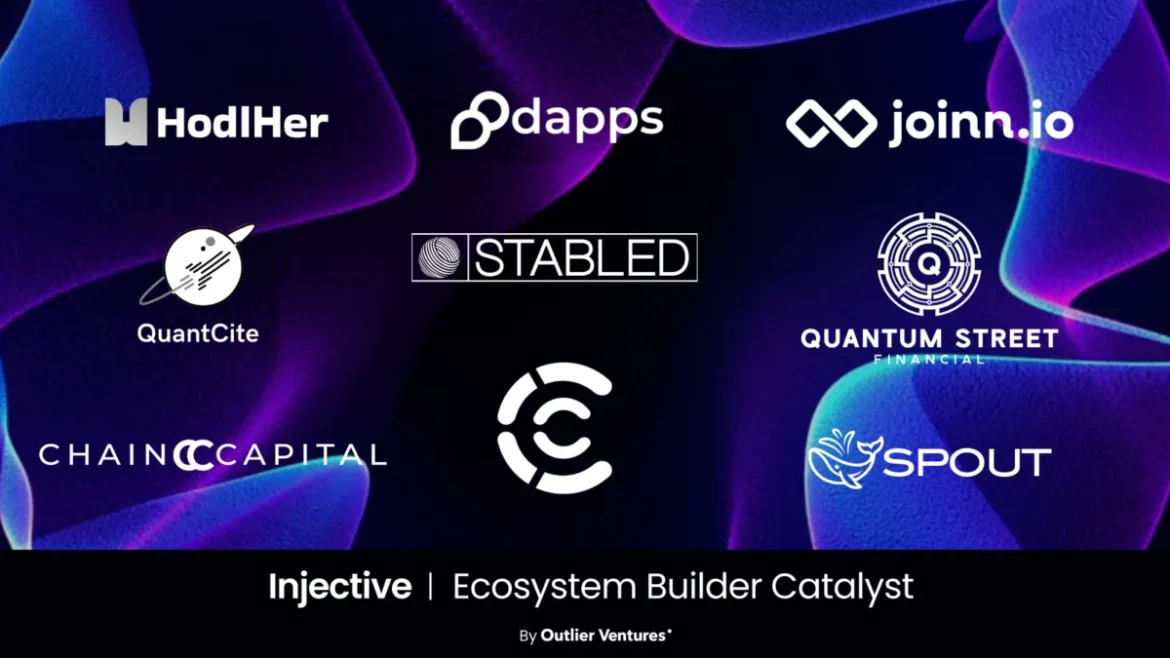
  • QuantCite: This project is developing an institutional-grade Order and Execution Management System (OEMS) coupled with a smart-routing platform. QuantCite aims to unify execution across both centralized exchanges (CEXs) and decentralized finance (DeFi) venues, thereby providing quantitative funds and professional traders with high-performance infrastructure and access to deep liquidity pools. This addresses a critical need for institutional players seeking to navigate the fragmented digital asset market with greater efficiency and reduced operational friction.

    9 Startups Selected for the Injective Ecosystem Builder Catalyst: Scaling the DeFi-First Future
  • Joinn: Joinn is a fintech application designed to assist individuals in emerging markets in protecting and growing their savings. It offers access to stable, yield-generating tokenized financial assets. While providing a user experience akin to a Web2 application, Joinn operates on secure blockchain rails, facilitating gasless and signless transactions across multiple chains. Features such as 24/7 access, integration with a Visa card, and an AI agent are intended to make wealth compounding accessible and effortless for everyday users, democratizing access to sophisticated financial tools.

  • Choice: This decentralized exchange (DEX) and aggregation layer is specifically optimized for the Injective ecosystem. Utilizing a novel routing algorithm that aggregates liquidity from all available venues, Choice is engineered to ensure users achieve optimal swap execution with minimized slippage. This feature is crucial for traders seeking to maximize their returns in volatile markets.

  • Stabled: Stabled is an international payments platform for businesses, focused on enabling instant, compliant cross-border stablecoin transactions. By eliminating the need for traditional banking intermediaries, Stabled aims to minimize foreign exchange losses and reduce settlement delays, offering a more efficient and cost-effective solution for global commerce.

  • Quantum Street: Comprising specialists in capital markets and financial engineering, Quantum Street is dedicated to bringing off-chain assets onto the blockchain. By structuring transactions for cash-flowing businesses, they aim to create tangible utility for stablecoins and significantly accelerate Total Value Locked (TVL) growth within the DeFi ecosystem. Their focus on real-world asset tokenization is a key driver for expanding DeFi’s reach.

  • Spout: Spout is pioneering a new approach to the equities market by enabling the seamless borrowing and lending of U.S. public equities. Through the tokenization of equities and the implementation of a Collateralized Debt Position (CDP) model, Spout facilitates 0% APR margin loans while simultaneously offering lending rates of approximately 10% APY. This innovative model unlocks new avenues for capital efficiency and yield generation within the traditional equity space.

  • Dapps.co: This Web3-native social network aims to restore agency to creators by enabling tokenized communities and on-chain economies. The platform incorporates an AI provenance layer designed to combat low-quality generated content, while simultaneously allowing creators to monetize their work directly through tipping and paid direct messages. This fosters a more equitable and sustainable creator economy.

  • Chain Capital: Chain Capital is developing a platform that transforms illiquid private debt into tradable securities. By tokenizing invoices and receivables, they automate the securitization workflow, aiming to reduce middle-office costs by up to 75%. This provides institutional investors with compliant access to high-yield exposures, unlocking new investment opportunities in the private credit market.

  • HodlHer: Positioned as the world’s first AI-driven Web3 operating system on Injective, HodlHer utilizes unique intelligent personas to assist users, creators, and projects. Its core function is to guide participants through the entire lifecycle from initial perception and reasoning to concrete action, streamlining complex Web3 interactions.

    9 Startups Selected for the Injective Ecosystem Builder Catalyst: Scaling the DeFi-First Future

The Trajectory of DeFi: System Fit and Composability

The organizers of the Injective Ecosystem Builder Catalyst express a strong conviction that the next phase of DeFi will not solely be defined by the proliferation of new assets, but by the fundamental principles of system fit and composability. Injective, they argue, offers functional parity with traditional finance (TradFi) in critical areas such as order books and collateral management. Crucially, it also enables the execution of financial strategies that are simply not feasible within the constraints of legacy financial systems.

Over the course of the nine-week program, these selected companies will benefit from hands-on mentorship, essential legal guidance, and access to ecosystem incentives designed to accelerate their growth and scale their ambitious visions. Outlier Ventures and Injective anticipate that the technologies developed by these startups will become integral to users’ financial lives sooner than many might expect.

Looking Ahead: The Injective Ecosystem Builder Catalyst Demo Day

A key milestone for the participating startups will be the upcoming Injective Ecosystem Builder Catalyst Demo Day. This event will provide a platform for these companies to showcase their progress, demonstrate their innovative solutions, and connect with potential investors, partners, and the broader blockchain community. Interested parties can register for the Demo Day through a dedicated link, signaling the program’s commitment to transparency and community engagement.

The initiative represents a strategic investment in the future of decentralized finance, aiming to cultivate a robust ecosystem of high-performance, institution-ready applications. By focusing on a purpose-built blockchain like Injective, which offers unique technical advantages, the program seeks to accelerate the adoption of sophisticated DeFi solutions and solidify its position as a leader in the evolving global financial infrastructure. The success of these startups will not only contribute to the growth of the Injective ecosystem but also pave the way for a more efficient, accessible, and innovative financial future for all.

July 20, 2026 0 comment
0 FacebookTwitterPinterestEmail
Web3 & DApps

FTX Estate Poised to Distribute Nearly $1 Billion, Pushing Most Creditor Classes Beyond 100% Dollar Recovery, Yet Crypto Market Gains Remain Elusive

by admin July 20, 2026
written by admin

The FTX estate is set to release its fifth tranche of funds to creditors on July 31, distributing approximately $900 million and propelling the majority of creditor classes to achieve cumulative dollar recoveries exceeding their original claims. This significant payout, however, comes with a crucial caveat: the value of these claims is pegged to the cryptocurrency prices recorded at the time of FTX’s bankruptcy filing in November 2022, a period when Bitcoin was trading around $16,000. This valuation methodology means that even with recoveries surpassing 100% in dollar terms, many creditors have effectively missed out on the substantial appreciation of cryptocurrencies since that pivotal moment.

The distributions are being managed by FTX Trading Ltd. and the FTX Recovery Trust, with eligible creditors who met the June 16 record date requirements expected to receive their funds within one to three business days via designated payment processors: BitGo, Kraken, and Payoneer. This latest distribution round sees specific creditor groups reaching notable recovery milestones. International "dotcom" customers (Class 5A) will receive an additional 9% of their claims, bringing their total recovery to 105%. U.S. customers (Class 5B) will also see a 5% uplift, achieving the same 105% cumulative recovery. General unsecured claims and digital-asset loan claims are set to rise to 103%, while the smallest "convenience" claims will reach a cumulative 120%. In parallel, preferred equity holders are slated to receive $18 million, bringing their total disbursements to $95 million.

A Complex Path to Recovery: From Collapse to Payouts

The FTX saga began with a dramatic implosion in November 2022, when an estimated $8 billion shortfall in customer funds plunged the crypto exchange into one of the industry’s most significant bankruptcy proceedings. The ensuing fallout led to the fraud conviction of its founder, Sam Bankman-Fried, and a protracted legal and financial unwinding process. The FTX Recovery Trust has since been instrumental in its mission to claw back assets and liquidate holdings, thereby funding the phased repayment plan that is now nearing its culmination.

Chronology of FTX’s Financial Unraveling and Recovery Efforts

  • November 2, 2022: CoinDesk publishes a report detailing financial concerns at Alameda Research, a crypto trading firm closely linked to FTX, sparking widespread worry about the exchange’s stability.
  • November 6, 2022: Binance, FTX’s rival, announces its intention to sell its substantial holdings of FTX’s native token, FTT, citing recent revelations. This move triggers a sharp decline in FTT’s price and intensifies liquidity concerns surrounding FTX.
  • November 8, 2022: FTX halts customer withdrawals, signaling a severe liquidity crisis. The exchange’s operations are effectively frozen as it grapples with an overwhelming demand for fund redemptions.
  • November 11, 2022: FTX, along with its affiliated trading firm Alameda Research, files for Chapter 11 bankruptcy protection in the United States. Sam Bankman-Fried resigns as CEO, and John J. Ray III, a seasoned bankruptcy administrator, takes the helm of the restructuring.
  • November 2022: The bankruptcy court establishes the FTX Recovery Trust, tasked with identifying, recovering, and liquidating assets to repay creditors.
  • December 2022 – Present: The Recovery Trust embarks on a comprehensive asset recovery program, pursuing legal actions against former executives, investors, and entities that received funds from FTX or Alameda. This includes the sale of various assets, such as shares in Anthropic, a prominent AI company.
  • March 2024: FTX announces its first major distribution to creditors, releasing approximately $2.2 billion.
  • September 2023: The third distribution round sees $1.6 billion allocated to creditors.
  • July 31, 2026: The fifth distribution is scheduled, with nearly $900 million to be disbursed, pushing many creditor classes beyond their initial claim value in dollar terms.

The Dollar Value vs. Crypto Market Reality

The core of the current payout structure lies in the valuation of claims based on the cryptocurrency market’s state in November 2022. At that time, Bitcoin’s price hovered around $16,000, a significant dip from its all-time highs. This fixed valuation means that a creditor receiving "105%" of their claim in dollar terms is still effectively recovering less than the potential value they would have held if their assets had remained in their original crypto form and benefited from the subsequent market upswing.

For instance, a creditor holding $100,000 worth of Bitcoin at the November 2022 price point would have their claim valued at $100,000. A 105% recovery would mean they receive $105,000 in fiat currency. However, if that same $100,000 worth of Bitcoin had been held through the market’s recovery and subsequent bull runs, its value could have potentially surged to several hundred thousand dollars or more, depending on the specific cryptocurrency and the timing of the market’s ascent.

This discrepancy highlights a fundamental challenge in bankruptcy proceedings involving digital assets. The volatility and rapid growth potential of cryptocurrencies create a complex valuation problem, particularly when claims are retroactively pegged to a specific point in time, often during a market downturn or period of crisis.

Payouts and Market Dynamics: Who is Benefiting?

While the FTX estate’s efforts to repay creditors are commendable, the ultimate destination of these funds is a subject of considerable interest. The current distribution rounds, though substantial, are considerably smaller than the $2.2 billion distributed in March and the $1.6 billion from the third round in September. This suggests a tapering of available liquid assets as the recovery process nears its end.

FTX to Send Roughly $900 Million to Creditors in Fifth Distribution, Pushing Most Classes Past Full Recovery

A critical factor influencing the impact of these payouts on the broader crypto market is the identity of the creditors receiving the funds. It is widely understood that a significant portion of FTX claims were acquired by distressed-debt funds and specialized investment firms during the bankruptcy proceedings. These entities often purchase claims at a discount, anticipating a recovery that will yield a profit. Therefore, a substantial portion of the recovered capital may not flow directly back into retail crypto investments but rather into the portfolios of these financial institutions.

This dynamic raises questions about the extent to which these payouts will stimulate demand or influence cryptocurrency prices. If a large volume of recovered assets is immediately converted to fiat or reinvested in traditional financial markets, the impact on the crypto ecosystem could be relatively muted. Conversely, if a significant number of original creditors, who may have retained their claims, choose to reinvest their recovered funds into cryptocurrencies, it could provide a modest boost to market liquidity and sentiment.

The Legacy of FTX: A Cautionary Tale

The collapse of FTX in November 2022 sent shockwaves through the global financial landscape, triggering one of the most high-profile bankruptcies in the history of the cryptocurrency industry. The exchange’s failure, attributed to an $8 billion shortfall in customer funds, exposed deep-seated issues of mismanagement, alleged fraud, and a lack of robust internal controls.

The ongoing recovery efforts, led by John J. Ray III, have been characterized by meticulous asset tracing and aggressive legal action. The estate has successfully recovered billions of dollars through the sale of various holdings, including significant stakes in entities like Anthropic, a leading artificial intelligence company. These efforts underscore the complex and often lengthy nature of large-scale bankruptcy restructurings, particularly in the volatile and rapidly evolving digital asset space.

The FTX case serves as a potent reminder of the inherent risks associated with centralized cryptocurrency exchanges and the critical importance of regulatory oversight, transparency, and sound financial management. As the final distributions are made, the focus will likely shift to the lessons learned from this monumental collapse and the ongoing efforts to build a more resilient and trustworthy crypto ecosystem.

Broader Implications and Future Outlook

The conclusion of the FTX payout process marks a significant milestone in the company’s complex journey through bankruptcy. While creditors are seeing their claims, valued at a specific historical point, being repaid, the broader implications for the crypto market are multifaceted.

  • Market Sentiment: The finality of these distributions could provide a sense of closure for the crypto community, potentially alleviating some lingering negative sentiment associated with the FTX collapse.
  • Distressed Debt Market: The success of the FTX recovery plan will undoubtedly influence the strategies and valuations within the distressed debt market for crypto-related assets.
  • Regulatory Scrutiny: The FTX saga has intensified calls for greater regulatory clarity and enforcement within the cryptocurrency sector. The outcomes of this bankruptcy may inform future regulatory frameworks aimed at preventing similar crises.
  • Investor Confidence: For retail investors, the FTX experience serves as a stark warning about the importance of due diligence, understanding counterparty risk, and the potential for significant losses when investing in digital assets.

The FTX estate’s ability to recover and distribute nearly $900 million in its fifth payout round is a testament to the diligent work of the appointed administrators. However, the core issue of claims being pegged to the depressed crypto prices of November 2022 means that the "recovery" in dollar terms doesn’t fully reflect the lost opportunity for many who were invested in the crypto market’s subsequent rebound. As the dust settles on this chapter, the crypto world continues to grapple with the ramifications of one of its most significant collapses, with ongoing efforts to foster greater stability and trust.

July 20, 2026 0 comment
0 FacebookTwitterPinterestEmail
Cryptography & Privacy

Kerberoasting: The Ancient Vulnerability Still Haunting Modern Networks and Fueling Ransomware Attacks

by admin July 20, 2026
written by admin

The digital security landscape is constantly evolving, with new threats emerging and sophisticated defenses being developed at an unprecedented pace. Yet, amidst this rapid advancement, a peculiar class of vulnerabilities persists – those that seem impossibly outdated yet continue to wreak havoc. One such persistent threat, dubbed "Kerberoasting" by security researchers, represents a stark reminder that even in 2025, foundational elements of network security, some dating back to the early days of computing, can be exploited with devastating consequences. This vulnerability, characterized by its "low tech, high-impact" nature, has recently been implicated in significant cyber incidents, including the May 2024 ransomware attack on the Ascension Health hospital system, bringing its continued relevance into sharp focus.

The Roots of the Problem: A Look at Active Directory and Kerberos

At the heart of many corporate Windows networks lies Microsoft’s Active Directory (AD), a sprawling infrastructure designed to manage user access and resources. AD functions as a centralized authentication service, acting as the gatekeeper that determines who can access what. When an employee’s workstation needs to connect to a network service, such as a file server or an application, AD authenticates the user and facilitates a secure connection. Consequently, AD is a critical component in preventing attackers from expanding their reach within an organization after an initial breach.

The security of this system relies heavily on the Kerberos protocol, a network authentication protocol first introduced in the early 1980s and integrated into AD around 1999. While AD itself is a product of the late 1990s, it continues to support significant portions of its legacy cryptography. This backward compatibility, while often intended to ease transitions, has created a persistent attack vector.

The Kerberos authentication process involves the issuance of "tickets." When a user requests access to a network service, they interact with a Key Distribution Center (KDC), an AD server, to obtain a ticket. This ticket is encrypted using a long-term "password" associated with the service. Ideally, this service password is a strong, randomly generated cryptographic key, managed by Microsoft’s systems and rotated regularly. This ensures that the encrypted ticket is indecipherable to the user receiving it, even if they harbor malicious intent.

The Kerberoasting Attack Explained

The vulnerability exploited by Kerberoasting arises when network administrators deviate from best practices. A common misconfiguration involves associating a network service with an ordinary user account, complete with a human-generated password. Unlike cryptographically strong random keys, human-generated passwords are often susceptible to cracking.

This is where the Kerberoasting attack begins. If an attacker gains a foothold within an enterprise network – perhaps through a phishing email or a compromised employee device, as reportedly occurred in the Ascension Health incident – they can obtain a copy of a ticket encrypted with a service account’s compromised password. Crucially, this ticket can be extracted from the network and subjected to offline cracking attempts. Attackers can then employ dictionary attacks or brute-force methods to guess the service account’s password, leveraging significant computing power. Successful cracking grants the attacker the password for the service account, providing them with complete control over that critical network service. This control, in turn, can be a stepping stone to deploying ransomware, as witnessed in the Ascension Health breach.

The Role of Outdated Cryptography: RC4 and Weak Hashing

The severity of the Kerberoasting attack is amplified by the continued support for outdated and weak cryptographic algorithms within Active Directory. While modern AD configurations can utilize stronger encryption methods like AES with robust key derivation functions (PBKDF2), older systems or those not meticulously configured can fall back to significantly weaker protocols.

Specifically, when a service account is not configured to use a more recent authentication mode, Kerberos may revert to using the RC4 cipher combined with unsalted NT hashes. NT hashes are a legacy hashing algorithm derived from MD4, a single iteration of which is inherently weak and, critically, can be unsalted. The lack of salting means that pre-computation attacks, such as those utilizing rainbow tables, can become viable.

Kerberoasting

The implications of using RC4 and unsalted NT hashes are stark. Security researchers have demonstrated that with modern hardware, such as an NVIDIA RTX 5090 GPU, an attacker can attempt billions of password guesses per second using these older algorithms. This represents a speed increase of approximately 1,000 times compared to cracking tickets encrypted with AES-128 and PBKDF2. This dramatic difference in cracking speed transforms a challenging task into a readily achievable one for cybercriminals.

A Timeline of Exploitation and Neglect

The underlying vulnerabilities that enable Kerberoasting are not new. The technique itself was formally named and presented by Tim Medin in 2014, but the cryptographic weaknesses it exploits have existed for much longer, stemming from the foundational protocols of Active Directory. Despite being known for over a decade, the continued prevalence of these attacks points to a systemic issue: a persistent reliance on legacy systems and configurations, coupled with what appears to be insufficient proactive measures from vendors and slow adoption of security best practices by administrators.

The May 2024 ransomware attack on Ascension Health serves as a recent, high-profile example of this ongoing threat. While the precise initial vector of the Ascension attack is still under investigation, reports suggest a potential link to an employee clicking on a malicious link, a common entry point for initial network compromise. Subsequently, the exploitation of Kerberoasting vulnerabilities is believed to have allowed attackers to escalate their privileges and deploy ransomware across the healthcare system, leading to significant operational disruptions and patient care challenges. This incident underscores the critical need for robust security measures, especially within sensitive sectors like healthcare.

Official Responses and Criticisms

In response to growing concerns, Microsoft has published guidance aimed at helping organizations mitigate Kerberos-based attacks, including Kerberoasting. However, critics argue that this guidance is insufficient and reactive, rather than decisively addressing the root causes.

Microsoft’s recommendations often focus on administrative actions: urging administrators to implement proper automated key assignment, enforce the use of strong, long passwords for service accounts, and, where possible, disable RC4. However, the very fact that these recommendations are still being made in late 2024 and into 2025 highlights that the insecure options remain enabled by default or are easily configurable.

The criticism leveled against Microsoft is that the company has not taken sufficiently aggressive steps to deprecate or outright ban obsolete legacy cryptographic methods that pose clear security risks. Instead of forcing upgrades or completely removing support for insecure configurations, the approach appears to be one of "vulnerability management" – managing the problem rather than eradicating it. This reluctance to fully retire outdated technologies, while understandable from a compatibility standpoint, leaves organizations vulnerable to attacks that exploit well-understood weaknesses.

Broader Impact and Implications

The continued viability of Kerberoasting attacks has far-reaching implications for cybersecurity. It demonstrates a critical disconnect between the rapid evolution of attack methodologies and the pace of security modernization within many organizations. The ease with which attackers can exploit these vulnerabilities, especially when coupled with modern GPU power, means that even moderately sophisticated threat actors can achieve significant network penetration and data exfiltration or encryption.

For businesses, the implications are severe. A successful Kerberoasting attack can lead to:

  • Ransomware Deployment: As seen with Ascension Health, attackers can gain control of critical services and deploy ransomware, leading to operational paralysis, data loss, and substantial financial recovery costs.
  • Data Breaches: Compromised service accounts can grant access to sensitive data stored on network servers, leading to data breaches with significant legal and reputational consequences.
  • Lateral Movement: Attackers can use compromised service accounts to move deeper into the network, gaining access to more valuable systems and escalating their privileges.
  • Extended Downtime: Recovering from such attacks can be a lengthy and complex process, resulting in extended periods of system downtime and disruption to business operations.

The fact that a vulnerability known for over a decade, and rooted in technologies developed in the 1990s, continues to be a primary vector for significant cyberattacks is a cause for concern. It suggests that the cybersecurity industry, including both vendors and end-users, must accelerate the transition away from legacy systems and embrace more robust security architectures. The message from incidents like the Ascension Health attack is clear: clinging to outdated technology, even with the best of intentions for compatibility, creates unacceptable security risks in the modern threat landscape. The era of RC4 and unsalted hashes in critical infrastructure should have ended long ago.

July 20, 2026 0 comment
0 FacebookTwitterPinterestEmail
FinTech Innovations

Entrust Launches Agentic AI Trust Accelerator to Secure the Future of Autonomous Operations

by admin July 20, 2026
written by admin

Entrust, a global leader in identity and data security solutions, has unveiled its groundbreaking Agentic AI Trust Accelerator, a comprehensive program designed to empower enterprises in building the robust identity and trust infrastructure essential for transitioning autonomous artificial intelligence (AI) projects from pilot phases to full-scale production. This initiative addresses a critical gap in the rapidly evolving AI landscape, where the accelerating capabilities of AI agents have outpaced the development of formal governance and security frameworks.

The rapid proliferation of AI agents, capable of performing increasingly complex tasks with minimal human oversight, presents a paradigm shift for businesses across all sectors. However, this transformative potential is currently hindered by a fundamental lack of established protocols for ensuring authenticity, accountability, and secure operation. Entrust’s Agentic AI Trust Accelerator aims to bridge this chasm by providing enterprises with the foundational tools and strategic guidance needed to navigate the complexities of deploying AI agents responsibly.

Bridging the Trust Deficit in Autonomous AI

AI agents, by their very nature, operate with a degree of autonomy that necessitates a sophisticated approach to trust. The core challenge lies in establishing verifiable trust mechanisms that can answer fundamental questions: Who or what is the AI agent? Is it genuinely acting on behalf of an authorized entity? What is the verifiable relationship between the agent and the human or organization it represents? Furthermore, organizations require clarity on who authorized the agent’s actions, the scope of its permissions, and the ability to retrospectively prove its operational history for compliance and auditing purposes.

"AI agents are advancing faster than the trust infrastructure needed to govern them," stated Anudeep Parhar, COO of Entrust. "Enterprises need to be able to trust autonomous actions across business processes, partners, and systems. Whether organizations are experimenting with AI agents, deploying initial use cases, or preparing for broader adoption, they need a trust foundation that can scale with them. The Agentic AI Trust Accelerator brings together customers and partners to develop practical approaches for identity, authorization, cryptographic trust, and accountability that work with their existing platforms. We call this the trust plane for autonomous AI."

This declaration underscores the urgency and strategic importance Entrust places on establishing this "trust plane." It signifies a move beyond theoretical discussions to the practical implementation of solutions that can underpin the safe and effective deployment of agentic AI.

A Legacy of Trust, Reimagined for the AI Era

Founded in 1994 as Entrust Datacard, the Texas-based company boasts a long-standing history of providing advanced fraud solutions centered on identity verification. Operating in over 150 countries, Entrust has consistently empowered its clients to proactively verify customer identities, secure digital connections, combat fraud, and maintain regulatory compliance through continuous monitoring. The Agentic AI Trust Accelerator represents a natural evolution of this expertise, leveraging Entrust’s deep understanding of identity and cryptographic security to address the unique challenges posed by autonomous AI systems.

The program is built upon Entrust’s proven capabilities, translating them into practical applications for AI agent management. By integrating these tools, organizations can gain confidence in their ability to deploy AI agents that enhance operational efficiency while upholding stringent security and compliance standards. The core objective is to enable the verification of identity and the proof of action across diverse systems, partner networks, and complex workflows, thereby fostering a secure and transparent environment for AI-driven operations.

The Four Pillars of the Agentic AI Trust Accelerator

Entrust has structured its Accelerator program around four fundamental pillars, each addressing a critical aspect of AI agent governance:

  1. Identity Verification: This pillar focuses on establishing and verifying the identities of both human users and AI agents. A key element is ensuring that every action taken by an AI agent can be definitively traced back to a responsible individual or entity, creating a clear line of accountability. This goes beyond simple authentication to establishing a persistent, verifiable identity for AI actors.

  2. Authorization and Access Control: Once an agent’s identity is established, this pillar ensures that its operations are strictly confined within predefined boundaries. It involves implementing robust policies and permissions that limit agents to approved roles and functionalities. Crucially, this pillar also incorporates mechanisms for human oversight and intervention when necessary, maintaining a balance between automation and human control.

  3. Cryptographic Assurance: To safeguard the integrity and security of agent operations, this pillar leverages advanced cryptographic techniques. This includes capabilities such as digital signing, which provides irrefutable proof of data integrity and origin, and secure communication protocols to protect sensitive information exchanged by agents. Cryptographic assurance acts as the bedrock of trust in the digital interactions of AI agents.

  4. Accountability and Auditability: This pillar is designed to provide a comprehensive and verifiable record of all agent actions. By generating immutable logs and auditable trails, organizations can meet stringent compliance requirements, facilitate thorough investigations in case of incidents, and demonstrate adherence to regulatory mandates. This ensures that the actions of autonomous systems are transparent and can be scrutinized when needed.

Addressing a Critical Industry Need

The launch of the Agentic AI Trust Accelerator comes at a pivotal moment for businesses grappling with the practicalities of AI adoption. As AI assistants evolve into fully autonomous agents capable of initiating transactions, accessing and processing sensitive data, and making critical decisions with minimal human involvement, the need for robust identity and authorization infrastructure becomes paramount.

For industries like banking, where regulatory scrutiny is intense and the stakes of security breaches are exceptionally high, the ability to definitively verify who is performing an action and to produce an unassailable auditable record of that activity is likely to become a non-negotiable prerequisite for deploying agentic AI at scale. This capability is crucial for maintaining customer trust, preventing financial fraud, and ensuring compliance with a complex web of financial regulations.

Industry Reactions and Future Implications

The announcement from Entrust has been met with significant interest from industry analysts and potential clients. While specific reactions from third parties are not detailed in the initial announcement, the underlying sentiment suggests a recognition of the pressing need for such solutions.

"Agentic AI will reshape how enterprises operate, but trust will determine how quickly organizations can move from experimentation to production," remarked Tony Ball, CEO of Entrust. "Entrust is helping customers build the identity, authorization, and cryptographic foundations required for autonomous systems operating in real-world environments." This statement from the CEO highlights Entrust’s strategic vision, positioning the company as a key enabler of the next wave of enterprise AI transformation.

The implications of the Agentic AI Trust Accelerator are far-reaching. By providing a framework for secure and trustworthy AI agent deployment, Entrust is not only addressing immediate concerns but also contributing to the long-term viability and responsible growth of autonomous systems. This initiative has the potential to accelerate AI adoption across various sectors, including finance, healthcare, manufacturing, and logistics, by mitigating the risks associated with uncharted technological territory.

A Phased Rollout and Collaborative Approach

At its inception, Entrust is adopting a focused approach to the Agentic AI Trust Accelerator, opening the program to a select group of customers, banks, and partners. This phased rollout allows Entrust to refine its offerings based on real-world feedback and to foster deep collaborative relationships with early adopters. This strategy is indicative of a commitment to building solutions that are not only technically sound but also practically relevant and adaptable to the diverse needs of the enterprise.

The program’s emphasis on bringing together customers and partners underscores a belief in the power of ecosystem collaboration. By working closely with its clients and technology partners, Entrust aims to ensure that the trust infrastructure it develops is interoperable with existing enterprise platforms and can evolve in lockstep with the rapidly changing AI landscape. This collaborative model is crucial for addressing the systemic challenges of AI governance and for establishing industry-wide best practices.

The Road Ahead for Autonomous AI

The development and deployment of agentic AI represent a significant leap forward in artificial intelligence. However, the journey from conceptualization to widespread, trusted implementation is paved with challenges, chief among them being the establishment of a secure and verifiable operational framework. Entrust’s Agentic AI Trust Accelerator appears poised to provide a critical missing piece of this puzzle, offering enterprises the confidence and the tools to harness the full potential of autonomous AI responsibly and effectively.

As businesses increasingly look to AI agents to drive efficiency, innovation, and competitive advantage, the demand for robust identity, authorization, and accountability solutions will only intensify. Entrust’s proactive approach, rooted in its extensive experience in identity security, positions it as a key player in shaping the future of autonomous operations and ensuring that the trust plane for AI is built on a solid and secure foundation. The success of this program will likely be a significant factor in determining the pace and breadth of agentic AI adoption across the global enterprise landscape.

July 20, 2026 0 comment
0 FacebookTwitterPinterestEmail
FinTech Innovations

Meta Ventures into Prediction Markets with "Arena" App, Signaling a Bold New Frontier in Digital Engagement

by admin July 20, 2026
written by admin

Mark Zuckerberg is betting that prediction markets are the future, and Meta is poised to make a significant entrance into this burgeoning digital landscape. The New York Times has reported that the tech giant is developing a new smartphone application, internally codenamed "Arena," aimed at bringing the concept of prediction markets to a mainstream audience. This initiative represents a strategic pivot for Meta, seeking to tap into a rapidly growing sector that has already captured the attention of other major tech players and sparked considerable debate regarding its legal and ethical implications.

The Arena app, according to sources close to the project, is envisioned as an independent platform, distinct from Meta’s existing social media ecosystems like Facebook and Instagram. However, these established social networks could serve as powerful conduits, directing users towards engagement with Arena. This integration strategy suggests Meta’s intent to leverage its massive user base to seed and grow its new venture. While the current iteration of Arena is described as an "experimental but a top priority," a peculiar detail has emerged: it will initially operate without real money. Instead, users will earn points by accurately predicting the outcomes of various events, effectively turning it into a sophisticated, gamified prediction platform. This approach allows Meta to explore the mechanics and user engagement potential of prediction markets while potentially navigating some of the immediate regulatory hurdles associated with financial betting. The possibility of integrating real-money transactions at a later stage has not been ruled out, leaving the door open for a more traditional prediction market experience down the line.

The rise of prediction markets over the past year has been nothing short of meteoric. These platforms allow individuals to bet on the likelihood of future events, ranging from political outcomes and economic indicators to pop culture trends. As of April 2026, trading volume on prominent platforms such as Polymarket and Kalshi had reportedly soared into the tens of billions of dollars. This explosive growth has not gone unnoticed by competitors. X, formerly Twitter, has already forged a strategic partnership with Polymarket, officially naming it its prediction market partner last summer. This move by X signals a clear recognition of the lucrative potential and user engagement opportunities inherent in this sector, prompting Meta’s own ambitious development of Arena.

However, the rapid expansion of prediction markets has also been accompanied by a surge in legal challenges and controversies. A particularly high-profile case involved a former high-ranking special forces soldier who was arrested for allegedly using insider knowledge to profit from a prediction market bet related to the operation to capture Venezuelan president Nicolás Maduro. This incident highlights the potential for illicit activities and the critical need for robust oversight. More recently, former Congressman George Santos is under investigation for alleged insider trading on Kalshi, further underscoring the regulatory scrutiny the industry faces. These high-profile cases raise significant questions about market integrity and the potential for manipulation.

Beyond individual legal entanglements, state governments have also begun to take action. Several states have initiated lawsuits against prediction markets, citing alleged violations of existing gambling laws. The legal landscape is further complicated by the current administration’s stance. While the White House has historically embraced the gambling industry, its approach to prediction markets has been somewhat nuanced, with instances of the administration suing states that have attempted to ban or heavily regulate these platforms. This creates a complex and evolving legal battleground, with federal and state authorities often at odds over the classification and regulation of prediction markets.

The Genesis of "Arena": Meta’s Strategic Vision

Meta’s foray into prediction markets is not an isolated event but rather a culmination of a broader strategic vision championed by Mark Zuckerberg. For years, Zuckerberg has expressed a keen interest in decentralized technologies and novel forms of digital interaction. Prediction markets, with their inherent ability to aggregate collective intelligence and incentivize informed decision-making, align with this long-term vision. The development of Arena can be seen as Meta’s attempt to not only capitalize on a growing market but also to shape its future direction and potentially establish itself as a dominant player.

The decision to initially launch Arena as a non-monetary, point-based system is a shrewd strategic move. It allows Meta to sidestep immediate regulatory scrutiny that often accompanies financial betting platforms. By focusing on gamification, Meta can attract a wider audience, including those who might be hesitant to engage with real-money betting. This approach also provides a valuable opportunity to collect data on user behavior, refine the platform’s algorithms, and build a critical mass of engaged users before potentially introducing financial stakes. This phased approach mitigates risks and allows for a more controlled and measured expansion into a complex regulatory environment.

Mark Zuckerberg wants Meta to launch its own prediction market

The internal codename "Arena" itself suggests a competitive and engaging environment, mirroring the dynamic nature of prediction markets. The app’s independence from Meta’s core social media offerings indicates a desire to create a distinct brand identity and potentially attract a user base that may not be actively engaged with Meta’s existing platforms. However, the planned integration points to a strategy of cross-pollination, leveraging the vast reach of Facebook, Instagram, and WhatsApp to drive awareness and adoption for Arena. This symbiotic relationship could prove to be a powerful growth engine for the new app.

A Timeline of Evolving Market Dynamics

The trajectory of prediction markets has been marked by rapid innovation and increasing public awareness. While the concept of prediction markets has existed for decades, the advent of blockchain technology and user-friendly online platforms has democratized access and fueled exponential growth in recent years.

  • Early 2020s: Emergence and growth of platforms like Polymarket and Kalshi, leveraging user-friendly interfaces and the increasing accessibility of online betting.
  • 2024-2025: Significant surge in trading volume, with billions of dollars being wagered on a wide array of future events. Increased media attention and public discourse surrounding the nature and implications of prediction markets.
  • Mid-2025: X (formerly Twitter) partners with Polymarket, signaling a significant endorsement and integration of prediction markets into a major social media platform. This move sparks further interest from other tech companies.
  • Late 2025 – Early 2026: Escalation of legal challenges. High-profile arrests and investigations related to alleged insider trading on prediction markets. State governments begin to actively pursue legal action against these platforms.
  • Spring 2026: Reports emerge of Meta’s internal development of "Arena," a prediction market app, indicating a major tech player’s strategic entry into the space. This development is seen as a response to the growing market and a potential catalyst for further mainstream adoption.
  • June 2026: The New York Times reports on Meta’s "Arena" project, detailing its experimental, non-monetary approach and its potential integration with existing Meta platforms. This report brings Meta’s ambitions into the public spotlight.

This timeline illustrates a rapid evolution from niche platforms to a mainstream phenomenon, accompanied by a parallel increase in regulatory and legal scrutiny. Meta’s entry at this juncture suggests a calculated move to influence the future direction of this rapidly developing industry.

Data and Supporting Evidence: The Scale of the Prediction Market Phenomenon

The financial scale of the prediction market industry is a key indicator of its significance. While precise figures can vary, the reported trading volumes underscore the immense potential for both profit and engagement.

  • Tens of Billions in Trading Volume: As of April 2026, platforms like Polymarket and Kalshi had collectively facilitated trading volumes in the tens of billions of dollars. This figure represents the total value of bets placed on these platforms over a given period, highlighting the substantial financial activity.
  • Exponential Growth: Recent months have seen a significant surge in trading volume, indicating accelerating adoption and interest. This trend suggests that prediction markets are moving beyond early adopters and gaining broader traction.
  • Market Diversity: Prediction markets cover a vast array of topics, from political elections and legislative outcomes to economic forecasts and even cultural events. This diversity appeals to a wide range of users with varying interests and expertise.
  • Partnership Activity: The partnership between X and Polymarket is a concrete example of established tech entities recognizing the value proposition of prediction markets. Such collaborations can significantly boost user acquisition and platform visibility.

These data points collectively paint a picture of a robust and rapidly expanding market, making Meta’s strategic investment in "Arena" a logical, albeit ambitious, move.

Broader Implications and Future Outlook

Meta’s entry into the prediction market space, even with its initial non-monetary approach, carries significant implications for the digital landscape, the future of social media engagement, and the ongoing debate surrounding regulation.

  • Redefining Social Engagement: If successful, Arena could redefine how users interact with information and engage with future events. By incentivizing informed speculation, Meta could foster a more data-driven and analytical approach to understanding current affairs. This contrasts with traditional social media’s emphasis on passive consumption and emotional reactions.
  • Data Aggregation and Insight: The points-based system in Arena will generate a wealth of data on user predictions and their accuracy. This data could provide Meta with unprecedented insights into public sentiment, collective intelligence, and emerging trends, which could be leveraged across its other platforms.
  • Regulatory Precedent: Meta’s approach to Arena, particularly its phased introduction of real-money betting, could set a precedent for how other tech companies navigate the complex regulatory environment of prediction markets. Its success or failure could significantly influence future regulatory frameworks.
  • Competition and Innovation: The presence of a tech giant like Meta will undoubtedly intensify competition within the prediction market sector, likely spurring further innovation in platform features, data analytics, and user experience. This could lead to a more sophisticated and accessible prediction market ecosystem for consumers.
  • Ethical Considerations: The potential for misuse, manipulation, and the ethical implications of incentivizing speculation on sensitive events will remain critical areas of concern. Meta will need to demonstrate a commitment to transparency, fairness, and robust oversight to build trust and mitigate potential negative societal impacts.

The development of Arena marks a pivotal moment, not just for Meta, but for the broader digital economy. As prediction markets continue to mature, the decisions made by major players like Meta will play a crucial role in shaping their trajectory, their societal impact, and their integration into our increasingly interconnected digital lives. The "experimental" nature of Arena today may well be the blueprint for the next generation of digital engagement tomorrow.

July 20, 2026 0 comment
0 FacebookTwitterPinterestEmail
FinTech Innovations

DXC CoreIgnite: Bridging the Fintech Divide for Legacy Banks

by admin July 20, 2026
written by admin

The financial services industry is undergoing an unprecedented transformation, driven by seismic shifts in customer expectations, the proliferation of innovative product offerings, and an increasingly competitive landscape. At the epicenter of this disruption are the technology systems that serve as the crucial conduits between customers and financial services, enabling them to navigate a modern banking experience with seamless efficiency. Traditional, or legacy, banks find themselves at a critical juncture, struggling to keep pace with the sophisticated array of services demanded by digitally native consumers. While agile fintech companies are rapidly introducing solutions such as buy now, pay later (BNPL) schemes, digital asset custody, and streamlined payment processing, established financial institutions are faced with a stark choice: either cling to the legacy infrastructure that has underpinned their operations for decades or embrace new fintech avenues that resonate with today’s evolving customer base.

This dilemma presents a complex, threefold challenge for legacy banks. Firstly, the inherent rigidity of their existing core banking systems often impedes rapid innovation. These systems, built over many years and designed for stability and compliance, can be cumbersome and expensive to modify, making the swift deployment of new digital products a significant hurdle. Secondly, the rapid pace of technological advancement in the fintech sector means that by the time a traditional bank develops and deploys a new digital offering, the market may have already moved on to the next wave of innovation. This creates a perpetual catch-up game, draining resources and potentially eroding market share. Thirdly, the integration of new technologies into established systems carries inherent risks. Banks must ensure that any new service or platform does not compromise the integrity, security, or operational stability of their core banking infrastructure, which handles billions of dollars in daily transactions and millions of customer accounts. This delicate balancing act between innovation and stability has given rise to an existential question for many traditional financial institutions: how can they compete with the agility of fintech companies without jeopardizing the fundamental security and reliability of their core banking operations?

DXC CoreIgnite: An Operating System for Modern Banking

DXC Technology, a global leader in enterprise technology and services, offers a compelling answer to this challenge with its innovative solution: DXC CoreIgnite. This platform functions as an intelligent orchestration layer, effectively acting as an operating system for modern banking. Much like how an operating system like iOS enables a smartphone to access a vast ecosystem of independently developed applications without requiring a complete overhaul of the device’s fundamental hardware, DXC CoreIgnite empowers traditional banks to connect with a rich ecosystem of fintech services. This connectivity is achieved without necessitating the replacement of their existing core banking infrastructure.

The platform facilitates partnerships with leading fintech innovators such as Ripple, Splitit, Aptys Solutions, Euronet, and ArcOne, enabling banks to seamlessly integrate their cutting-edge offerings. DXC CoreIgnite is designed to be invisible B2B infrastructure. Customers interact directly with their existing bank applications, experiencing enhanced functionalities such as digital asset services, buy now, pay later options, and advanced payment capabilities without ever encountering the DXC CoreIgnite branding. For instance, a customer of a tier-one bank could access installment payment services directly through their bank’s app, eliminating the need to create a new account or download a separate application. Similarly, a credit union member could leverage money transfer services, all within the familiar online and mobile banking interface of their credit union.

This strategic approach is built upon DXC’s extensive and proven expertise within the banking sector. The company’s well-established Hogan platform, for example, currently serves 40 major banks globally, managing over 300 million accounts and safeguarding more than $5 trillion in deposits. DXC CoreIgnite effectively extends this trusted and robust infrastructure into the fintech era, providing banks with the critical connectivity required to modernize their services without disrupting the core systems that are the bedrock of their daily operations.

Integrating Digital Assets with Traditional Banking Frameworks

One of the most significant advancements facilitated by DXC CoreIgnite is its integration of Ripple’s sophisticated digital asset capabilities for regulated financial institutions. This partnership unlocks access for banks to a suite of critical tools for engaging with the burgeoning digital asset economy. These include programmable payments, the RLUSD stablecoin, tokenization services, and institutional-grade custody solutions.

For traditional banks, this integration addresses a crucial timing challenge. The development of proprietary blockchain infrastructure would typically involve years of extensive research, development, regulatory navigation, and talent acquisition. DXC CoreIgnite streamlines this process, enabling banks to deploy blockchain technology in production environments with remarkable speed. This bypasses the considerable cost, risk, and time investment associated with building such capabilities from scratch.

The impact of this integration is far-reaching across the institutional spectrum. Tier-one banks can now offer state-of-the-art digital asset services to their corporate clients, enhancing their competitive edge. Regional financial institutions can effectively compete for tech-savvy customers who might otherwise be drawn to crypto-native platforms. Credit unions, often operating with more constrained IT budgets, can provide their members with modern payment options and digital asset access. In each of these scenarios, CoreIgnite empowers these institutions to evolve from mere transaction-recording systems into dynamic revenue-generating platforms.

Furthermore, the platform plays a vital role in preserving and strengthening customer relationships that might otherwise fragment. When customers can access services like buy now, pay later directly through their primary bank’s application, rather than resorting to third-party apps, the bank retains valuable visibility into customer spending patterns. This not only reinforces the customer relationship but also allows the bank to capture transaction economics that would otherwise flow to external fintech providers. This retention of economic value and customer insight is a significant strategic advantage in today’s competitive market.

The Evolving Landscape: DXC’s Vision for the Future of Banking

DXC’s overarching vision for DXC CoreIgnite is to empower global financial services companies to rapidly enhance their technological infrastructure, thereby creating tangible and significant customer value. Sandeep Bhanote, Global Head and General Manager of GrowthX at DXC Technology, articulates this mission clearly: "DXC CoreIgnite allows banks to modernize and innovate without touching the core, connecting capabilities like buy now, pay later, stablecoin, and modern remittance into legacy environments like Hogan, so banks can move at fintech speed without core banking risk."

The next decade of banking will likely be defined by the institutions that successfully modernize their infrastructure while steadfastly maintaining stability. The victors will not necessarily be those with the newest systems, but rather those that most effectively bridge the gap between proven, stable core banking platforms and the innovative fintech capabilities that customers increasingly demand.

DXC CoreIgnite also plays a pivotal role in accelerating the industry’s transition from a phase of experimentation to widespread deployment. Many banks have engaged in blockchain pilots or tested digital asset custody solutions in controlled, sandbox environments. With DXC CoreIgnite, institutions can leverage production-ready infrastructure, enabling them to move rapidly from proof-of-concept to customer-facing services at scale. This pragmatic approach minimizes wasted resources and accelerates the realization of business benefits.

Constructing the Bridge to Tomorrow’s Financial Ecosystem

DXC CoreIgnite represents DXC Technology’s unwavering commitment to assisting global financial services companies in their modernization efforts, ensuring both safety and responsible innovation. The platform’s design is rooted in a fundamental understanding that transformative technological advancement does not always necessitate massive infrastructure overhauls or costly system migrations. Often, the most impactful innovation lies in creating a seamless bridge between what functions effectively today and what customers will demand tomorrow.

With its architecture designed for global scalability and institutional accessibility, DXC CoreIgnite is poised to serve tier-one banks, regional institutions, and credit unions worldwide. The platform democratizes access to sophisticated fintech capabilities that were previously the exclusive domain of the largest institutions with substantial financial and technological resources. This leveling of the playing field allows a broader range of financial entities to participate in and benefit from the digital revolution.

For global financial institutions ready to accelerate their digital transformation roadmaps without undertaking the monumental task of replacing their core systems, DXC CoreIgnite offers a proven and secure path forward. It is a strategy that preserves institutional stability while simultaneously unlocking the potential of fintech innovation. Ultimately, DXC CoreIgnite presents legacy banks with a compelling opportunity to not only compete but to lead in the rapidly evolving fintech landscape, ensuring their relevance and continued success in the digital age. The platform is more than just a technological solution; it is a strategic enabler for the future of financial services.

July 20, 2026 0 comment
0 FacebookTwitterPinterestEmail
Newer Posts
Older Posts

Recent Posts

  • Ethereum Foundation’s Trillion Dollar Security initiative explores native transaction assertions to combat blind signing and outcome uncertainty.
  • Outlier Ventures and Injective Unveil the Injective Ecosystem Builder Catalyst Cohort to Accelerate Institutional-Grade Decentralized Finance
  • Outlier Ventures and Injective Unveil the Injective Ecosystem Builder Catalyst Cohort to Accelerate Institutional-Grade Decentralized Finance
  • Dutch Authorities Arrest Convicted Cybercriminal Linked to ShinyHunters as International Hackers Launch Unprecedented Retaliation
  • Web3 Venture Capital Surges to $7.2 Billion in September 2025 as Late-Stage Deals and Token Megarounds Dominate the Landscape

Recent Comments

No comments to show.
  • Facebook
  • Twitter

@2021 - All Right Reserved. Designed and Developed by PenciDesign


Back To Top
Dr Crypton
  • Home
  • About Us
  • Contact Us
  • Cookies Policy
  • Disclaimer
  • DMCA
  • Privacy Policy
  • Terms and Conditions

We are using cookies to give you the best experience on our website.

You can find out more about which cookies we are using or switch them off in .

Dr Crypton
Powered by  GDPR Cookie Compliance
Privacy Overview

This website uses cookies so that we can provide you with the best user experience possible. Cookie information is stored in your browser and performs functions such as recognising you when you return to our website and helping our team to understand which sections of the website you find most interesting and useful.

Strictly Necessary Cookies

Strictly Necessary Cookie should be enabled at all times so that we can save your preferences for cookie settings.