• Home
  • About Us
  • Contact Us
  • Cookies Policy
  • Disclaimer
  • DMCA
  • Privacy Policy
  • Terms and Conditions
Dr Crypton
Secure Your Future in Crypto
Tech & Startup News

Autonomous Swarm Drones Emerge as the New Frontier in Rapid Response Wildfire Suppression Efforts

by admin July 20, 2026
written by admin

In the rugged terrains of California and the vast wilderness of Alaska, a new vanguard in the battle against wildfires is taking flight. This summer, a series of experimental deployments featuring autonomous drones capable of precision-spraying water and fire retardants has signaled a potential paradigm shift in emergency management. As climate change continues to compress the traditional "fire season" into a perennial threat across the United States, fire agencies and private innovators are looking toward unmanned aerial systems (UAS) to bridge the gap between initial smoke detection and the arrival of heavy aerial tankers.

The concept of using drones for firefighting is not entirely new, but the sophistication of the technology being tested marks a departure from simple reconnaissance. Unlike the surveillance drones used for years to map perimeters, these new platforms are designed for active suppression. They represent a tactical evolution: the "initial attack" phase, where the goal is to snuff out small ignitions before they escalate into the uncontrollable conflagrations that have devastated Western states in recent years.

The CAL FIRE Field Demonstration and Swarm Intelligence

On July 15, the California Department of Forestry and Fire Protection (CAL FIRE) conducted a pivotal field test that showcased the operational viability of autonomous swarms. Working in conjunction with the nonprofit FireWERX and Seneca, a California-based technology firm, CAL FIRE deployed five autonomous drones in a coordinated effort to suppress simulated fire lines. During the demonstration, the fleet successfully delivered between 500 and 1,000 gallons of fire-suppressing foam, demonstrating a level of synchronization previously reserved for high-end military applications.

The core of this demonstration was the Argo-1 drone, developed by Seneca. These units do not operate as isolated tools but as a cohesive "swarm." Each Argo-1 is capable of carrying approximately 100 pounds of payload—whether it be water, foam, or specialized fire retardant. In the July test, the drones worked in groups of four to six, a configuration designed to maximize the saturation of a target area.

The operational flow begins with a human supervisor who identifies a fire’s coordinates and uploads a GPS waypoint to the swarm’s control interface. From that point, the drones operate with a high degree of autonomy. Utilizing a suite of onboard sensors, the drones navigate toward the waypoint and then transition to localized detection mode. They use thermal imaging and infrared sensors to pinpoint the specific heat signature of the fire, allowing them to ignore smoke and visual obstructions that might confuse a human pilot. Once the "hot spot" is identified, the drones calculate the optimal hovering altitude and wind compensation before lining up in a disciplined queue to release their payloads one after the other.

Technical Specifications and the Logistics of Portability

While the payload of a single drone is modest compared to a converted DC-10 airtanker, which can drop up to 12,000 gallons of retardant in a single pass, the Seneca Argo-1 is designed for a different mission profile. The primary constraint of the current generation of firefighting drones is their range and power density. The Argo-1 fleet is currently limited to a round trip of approximately 10 miles, flying at an average speed of 30 miles per hour.

This limited range necessitates a "pre-positioning" strategy. For these drones to be effective, they must be stationed near high-risk areas—such as the wildland-urban interface (WUI)—or transported rapidly via ground vehicles. To facilitate this, Seneca designed the Argo-1 with a focus on field logistics. An empty drone is light enough to be carried by two people, and the physical footprint is small enough that a single unit can fit into the bed of a standard pickup truck with the tailgate down.

This portability allows fire crews to bring a "portable air force" directly to the front lines. In scenarios where terrain is too steep for ground crews or where smoke makes it too dangerous for crewed helicopters to fly low, a swarm of drones can be launched from the nearest accessible road to provide immediate suppression.

The XPRIZE Wildfire Competition and Global Innovation

The momentum behind this technology is being accelerated by the XPRIZE Wildfire competition, an $11 million global incentive designed to push the boundaries of fire detection and suppression technology. The competition challenges innovators to develop systems that can detect a fire across a vast landscape and extinguish it within minutes of ignition.

The involvement of organizations like FireWERX and Seneca in these competitions underscores a growing consensus among experts: the current model of firefighting is struggling to keep pace with "mega-fires." Traditional aerial assets are often grounded during the night or in heavy smoke due to safety regulations for human pilots. Autonomous drones, however, do not share these limitations. They can fly 24/7, operating in "blackout" conditions where visibility is zero, provided their thermal sensors can lock onto the heat source.

Organizers of the XPRIZE emphasize that the goal is not to replace the heroic efforts of human firefighters but to give them a "force multiplier." By automating the suppression of small, remote fires, agencies can reserve their billion-dollar tanker fleets and ground crews for larger, more complex incidents.

Economic and Environmental Drivers of Adoption

The push for drone integration is driven by staggering economic and environmental data. According to the National Interagency Fire Center (NIFC), the United States has seen a marked increase in the frequency of fires exceeding 100,000 acres—often referred to as "megafires." In 2020 and 2021 alone, California saw millions of acres burned, resulting in billions of dollars in property damage and suppression costs.

The "initial attack" window is the most critical period in wildfire management. Data from fire scientists suggests that if a fire can be reached and suppressed within the first 15 to 30 minutes of ignition, the probability of it becoming a major disaster drops exponentially. Currently, the response time for crewed aircraft can be delayed by flight clearances, pilot availability, and the distance from regional airbases. Autonomous drones, pre-positioned in fire-prone corridors, could theoretically respond within minutes of a lightning strike or a transformer failure.

Furthermore, the cost-benefit analysis of drone swarms is compelling. While a single large airtanker costs tens of thousands of dollars per hour to operate, a swarm of electric or hybrid drones represents a fraction of that cost. There is also the human cost to consider; aerial firefighting is one of the most dangerous jobs in the world. Transitioning high-risk, low-altitude maneuvers to autonomous systems significantly reduces the potential for pilot fatalities.

Regulatory Hurdles and the Path to 2026

Despite the success of the summer trials, several hurdles remain before drone swarms become a standard feature of the American landscape. The Federal Aviation Administration (FAA) maintains strict regulations regarding the operation of multiple autonomous aircraft in the same airspace, particularly during active emergency incidents where other crewed aircraft may be present.

Seneca has indicated that its Argo-1 systems will be commercially available starting in 2026. Between now and then, the company and its partners at CAL FIRE will continue to refine the software that manages swarm coordination. One of the primary technical challenges is "deconfliction"—ensuring that drones do not collide with one another or with low-flying helicopters while maneuvering in the turbulent air created by a fire’s heat.

There is also the matter of infrastructure. To be truly effective, these drones will require a network of automated charging stations or "nests" located in remote areas. These stations would need to be ruggedized to withstand the very fires the drones are meant to fight, potentially utilizing solar power and satellite links to remain operational in the event of a grid failure.

A Strategic Shift in Wildfire Management

The successful tests in California and Alaska represent more than just a technological curiosity; they represent a strategic shift. For decades, the philosophy of firefighting was reactive—marshalling massive resources to battle a fire once it had already gained momentum. The emergence of autonomous drone swarms suggests a future that is more proactive and distributed.

By the time Seneca’s drones hit the commercial market in 2026, the landscape of the American West may look even more precarious. However, the data gathered from this summer’s trials provides a glimmer of hope. If a swarm of five drones can deliver 1,000 gallons of foam to a remote ridge in minutes, it may be enough to turn a potential catastrophe into a footnote in a daily sit-rep.

As CAL FIRE and other agencies continue to evaluate the results of the July 15 tests, the focus remains on integration. The goal is a hybrid ecosystem where satellite detection, AI-driven risk modeling, and autonomous drone swarms work in concert with human experts to manage the rising threat of wildfires in a warming world. The era of the "robot firefighter" has moved out of the realm of science fiction and onto the fire lines of the Pacific Northwest and the Sierra Nevada.


July 20, 2026 0 comment
0 FacebookTwitterPinterestEmail
Tech & Startup News

Mashable Expands Digital Footprint with the Launch of Mashable 101 and Enhanced Creator Hub Integration

by admin July 20, 2026
written by admin

Mashable, a global leader in multi-platform media and entertainment, has officially signaled a strategic pivot toward the burgeoning creator economy with the announcement of The Mashable 101, a comprehensive initiative designed to highlight the world’s most influential digital voices through 2026. This expansion, centered around a newly reinforced Creator Hub, represents a significant evolution for the digital-native publication as it seeks to bridge the gap between traditional technology reporting and the decentralized world of social media influence. By integrating specialized verticals such as Tech, Science, Life, Social Good, and Entertainment with a robust commerce engine focused on Deals and Shopping, Mashable is positioning itself as a central node in the modern digital ecosystem.

The centerpiece of this strategy, The Mashable 101, is more than a simple list; it is a curated ecosystem that evaluates creators based on their impact on technology, culture, and social change. As the digital landscape becomes increasingly fragmented, the need for authoritative curation has grown. Mashable’s move to formalize its coverage of creators reflects a broader industry trend where the "individual as a brand" is becoming as influential as the "publication as a brand." This strategic shift is backed by a restructured navigation and user interface designed to streamline the consumer experience across various high-growth sectors, including gaming and social advocacy.

The Evolution of Mashable: From Tech Blog to Cultural Authority

To understand the significance of the Mashable 101 and the Creator Hub, one must examine the publication’s trajectory. Founded in 2005 by Pete Cashmore in a small town in Scotland, Mashable began as a niche blog focusing on social media news. Over the past two decades, it has navigated the volatile waters of digital media, surviving the transition from the "pivot to video" era to the current era of AI-driven search and affiliate-heavy revenue models.

In 2017, Mashable was acquired by Ziff Davis (then J2 Global), a move that integrated the site into a massive portfolio of tech and lifestyle brands. Under this corporate umbrella, Mashable transitioned from a venture-backed startup focused on viral growth to a sustainable media entity focused on high-intent audiences. The current emphasis on the Creator Hub and The Mashable 101 suggests a return to the publication’s roots—social media—but with the sophisticated data analytics and commerce integration that modern digital publishing requires.

The Creator Economy: A Data-Driven Rationale

The decision to double down on creator-centric content is supported by significant economic data. According to reports from Goldman Sachs, the creator economy is estimated to be a $250 billion industry in 2023, with projections suggesting it could reach $480 billion by 2027. This growth is driven by a shift in advertising spend, as brands move away from traditional television and display ads toward influencer partnerships and sponsored content.

By launching the Creator Hub, Mashable is attempting to capture a larger share of this market. The platform serves as a dedicated space for analyzing the business of being a creator, providing insights into platform algorithms, monetization strategies, and the intersection of technology and creativity. This is particularly relevant as platforms like TikTok, YouTube, and Instagram continue to evolve their revenue-sharing models, creating a constant demand for expert analysis and reporting.

Furthermore, Mashable’s internal data likely indicates a high level of engagement with "human-interest" tech stories. While traditional hardware reviews remain a staple of the Tech vertical, the most viral and resonant stories often involve the people using that technology to build communities or solve social problems. The Mashable 101 formalizes this interest, providing a structured way for the audience to discover and interact with the leaders of these digital movements.

Strategic Integration of Verticals: Tech, Science, and Social Good

A key aspect of Mashable’s new structure is the intentional overlap between its core content pillars. The navigation menu—highlighting Tech, Science, Life, Social Good, and Entertainment—suggests a holistic approach to reporting.

Tech and Science

In the Tech and Science sections, the focus has shifted from mere product announcements to the broader implications of innovation. As artificial intelligence (AI) and biotechnology become more integrated into daily life, Mashable’s reporting has increasingly focused on the ethics and societal impacts of these advancements. The Mashable 101 will likely include creators who are demystifying these complex topics for a general audience, such as science communicators on YouTube or tech ethicists on Substack.

Social Good

Mashable has long maintained a commitment to "Social Good," a vertical that distinguishes it from more clinical tech publications. This section covers activism, climate change, and corporate responsibility. By linking the Creator Hub to Social Good, Mashable acknowledges that modern creators are often the primary drivers of social movements. From climate activists to mental health advocates, the creators featured in The Mashable 101 are expected to represent a diverse array of causes, aligning with the publication’s historical emphasis on using technology for positive change.

The Commerce Engine: Deals, Shopping, and Games

While editorial content provides the authority, the "Deals" and "Shopping" sections provide the financial sustainability. The modern media landscape has seen a decline in traditional display advertising revenue, leading many outlets to adopt affiliate marketing models. Mashable’s "Shopping" vertical is a sophisticated operation that uses SEO data and consumer trends to recommend products, from the latest tech gadgets to lifestyle essentials.

The integration of "Games" via a dedicated external portal (games.mashable.com) further diversifies the brand’s reach. The gaming industry, which now generates more revenue than the film and music industries combined, is a natural fit for a tech-focused publication. By providing a dedicated space for gaming news and reviews, Mashable is tapping into a highly engaged demographic that is also a primary consumer of creator content. The synergy between gaming, creator culture, and commerce is a cornerstone of the Mashable 101 initiative.

Industry Reactions and Competitive Landscape

The launch of a creator-focused hub and a definitive "101" list has drawn attention from competitors and industry analysts. Media giants like Vox Media (with The Verge) and BuzzFeed have also increased their coverage of the creator economy, leading to a crowded marketplace. However, analysts note that Mashable’s specific focus on "Social Good" and its long-standing reputation in the social media space give it a unique advantage.

"Mashable is going back to its DNA," says one digital media consultant. "They were the first to treat social media as a serious beat. By formalizing the Creator Hub, they are essentially reclaiming their territory in a way that feels authentic to their brand history."

Advertisers have also expressed interest in the Mashable 101. For brands, such lists provide a "vetted" directory of talent for potential partnerships. In an era of "brand safety" concerns, a recommendation from a reputable outlet like Mashable carries significant weight. This creates a multi-stream revenue opportunity: affiliate sales from product recommendations, traditional advertising on high-traffic listicles, and potential event sponsorships related to the Mashable 101 summit or awards.

Future Implications: The Path to 2026

The reference to "2026" in the Mashable 101 project indicates a long-term commitment to this editorial direction. This suggests that Mashable is not viewing the creator economy as a passing fad but as the permanent future of media consumption. Over the next three years, we can expect to see several developments:

  1. AI-Enhanced Personalization: As Mashable gathers more data on how users interact with the Creator Hub, it will likely implement AI tools to provide personalized creator recommendations and shopping deals.
  2. Interactive Content: The Mashable 101 is expected to evolve from a static list into an interactive experience, potentially involving video documentaries, podcasts, and live-streamed events featuring the creators.
  3. Expansion into Web3 and Decentralized Media: As creators explore NFTs, DAOs, and decentralized platforms, Mashable’s Tech and Creator Hub verticals will likely be at the forefront of reporting on how these technologies change the relationship between influencers and their audiences.
  4. Sustainability in Shopping: Given the "Social Good" focus, Mashable’s commerce engine may shift toward highlighting sustainable and ethical products, catering to the values of Gen Z and Millennial consumers.

Conclusion

The expansion of Mashable’s digital ecosystem through The Mashable 101 and the Creator Hub marks a definitive moment in the publication’s history. By aligning its editorial expertise in tech, science, and social good with the economic powerhouse of the creator economy and affiliate commerce, Mashable is creating a resilient business model for the mid-2020s.

As the lines between creator, consumer, and journalist continue to blur, Mashable’s role as a curator and analyst becomes increasingly vital. The Mashable 101 is not just a celebration of digital influence; it is a strategic roadmap for how a legacy digital media brand can thrive in an era of constant disruption. Through this initiative, Mashable reaffirms its position as a primary destination for those looking to understand how technology is reshaping our culture, our careers, and our world.

July 20, 2026 0 comment
0 FacebookTwitterPinterestEmail
Artificial Intelligence & Tech

A Beginner’s Guide to Setting Up Claude Code for High Performance Agentic Programming

by admin July 20, 2026
written by admin

The landscape of software development is undergoing a fundamental shift as artificial intelligence transitions from passive autocomplete suggestions to active, agentic collaborators. At the forefront of this movement is Claude Code, a specialized command-line interface (CLI) tool developed by Anthropic. Unlike traditional chatbots that require manual copying and pasting of code, Claude Code operates directly within the developer’s environment, capable of reading files, running terminal commands, and executing complex multi-step tasks. However, the efficacy of this tool is heavily dependent on its initial configuration. While basic installations provide a functional experience, achieving high-performance agentic programming requires a sophisticated setup involving specific configuration files, permission protocols, and automated hooks.

The Evolution of Agentic Development Tools

To understand the significance of Claude Code, one must look at the trajectory of AI-assisted coding. The journey began with basic linting and snippet suggestions, eventually evolving into Large Language Model (LLM) powered tools like GitHub Copilot and Cursor. While these tools significantly reduced boilerplate work, they remained largely reactive. The industry’s move toward "agentic" programming represents a shift where the AI can plan, execute, and verify its own work with minimal human intervention.

Anthropic’s release of Claude 3.5 Sonnet marked a turning point in this evolution. On the SWE-bench Verified benchmark—a rigorous test of an AI’s ability to solve real-world GitHub issues—Claude 3.5 Sonnet demonstrated a state-of-the-art success rate of 49%, significantly outperforming previous models. Claude Code was built to harness this reasoning capability within a native developer workflow. By providing the model with a "Bash" tool and file system access, Anthropic transformed the LLM from a consultant into a collaborator.

Technical Architecture and Installation Protocols

Claude Code is designed to run as a standalone CLI, bridging the gap between the local file system and Anthropic’s cloud-based reasoning engines. The installation process varies by operating system, but the objective remains the same: to establish a secure, authenticated link to the Claude API.

For macOS, Linux, or Windows Subsystem for Linux (WSL) users, the primary installation method is a shell script:
curl -fsSL https://claude.ai/install.sh | bash

Windows users utilizing PowerShell can use:
irm https://claude.ai/install.ps1 | iex

Alternatively, developers who prefer managing their environment via Node.js can install the package globally using npm:
npm install -g @anthropic-ai/claude-code

A critical component of a high-performance setup is the initial launch location. Experienced developers emphasize that Claude Code should always be initialized within a specific project directory rather than a generic home or desktop folder. This scoping ensures that the tool’s project memory and configuration remain relevant to the codebase at hand. Upon the first execution of the claude command, the user is prompted to authenticate via OAuth (for those with Claude Pro, Max, or Team subscriptions) or through an API key associated with an Anthropic Console account.

The Triad of Configuration: CLAUDE.md, settings.json, and .claude

The distinction between a standard setup and a high-performance environment lies in the management of three specific files and directories. These serve as the "long-term memory" and "standard operating procedures" for the agent.

The CLAUDE.md File

The CLAUDE.md file, located at the project root, acts as the primary source of truth for project-specific context. While the LLM has a large context window, it is prone to "forgetting" instructions buried deep in a long conversation history due to a process called compaction. By placing stable rules—such as architectural patterns, naming conventions, and preferred testing frameworks—into CLAUDE.md, the developer ensures these instructions are persistently available to the agent.

The .claude Directory and settings.json

The .claude/ directory contains project-level configurations, while ~/.claude/ (the global directory) applies settings across all projects on a machine. Within these directories, the settings.json file controls the agent’s behavior, defining how it interacts with the system and which permissions it is granted by default. According to Anthropic’s technical documentation, properly configuring these files is the single most effective way to prevent "model drift," where the agent begins to deviate from established project norms over time.

Establishing Security via Permission Modes and Hooks

Security remains a paramount concern when granting an AI agent access to a local terminal. Claude Code addresses this through three distinct permission modes:

A Beginner's Guide to Setting Up Claude Code for High Performance Agentic Programming
  1. Notarized Mode: The most restrictive level, requiring manual approval for almost every action.
  2. Standard Mode: A balanced approach that allows common read operations but asks for permission on writes or executions.
  3. Power Mode: Designed for high-velocity work, this mode trusts the agent with broader execution capabilities, though it still adheres to pre-defined "deny" rules.

To optimize performance without sacrificing security, developers can define explicit rules within settings.json. This allows for the automation of safe, repetitive tasks while maintaining a "deny-first" security posture. For example, a developer might allow the agent to run npm test or npm run lint without prompting, but require a manual "ask" for git push commands. Most importantly, destructive commands such as rm -rf / or access to sensitive files like .env can be explicitly denied, ensuring that even if the model makes an error in reasoning, the system remains protected.

The Role of Tool Hooks

Beyond simple permissions, Claude Code supports "hooks"—automated scripts that trigger before or after a tool is used. A PostToolUse hook is frequently cited by industry experts as a essential for maintaining code quality. For instance, a hook can be configured to run a formatter like Prettier or Black every time Claude edits a file. This ensures that the code produced by the AI is immediately compliant with the project’s style guide, eliminating the need for the human developer to perform manual cleanup.

Furthermore, PreToolUse hooks can act as a sophisticated safety net. By piping the agent’s intended command through a custom script (often written in Python or Bash), the system can inspect the command text for dangerous patterns—such as forced git pushes to the main branch—and block them before execution.

Operational Command Mastery and Workflow Integration

Efficiency in agentic programming is often measured by the developer’s ability to manage the agent’s context and focus. Claude Code includes over sixty built-in commands, but high-performance workflows typically center around a core subset.

Command Category Functionality
/compact Context Management Summarizes history to free up tokens while preserving key decisions.
/plan Execution Strategy Forces the agent to propose a plan for approval before modifying code.
/diff Quality Assurance Provides an interactive view of all changes made during the session.
/code-review Bug Prevention Instructs the agent to self-critique its changes for logical errors.
/rewind Navigation Reverts both code and conversation to a specific previous state.

Experts suggest that beginners focus on mastering /compact and /plan. The former prevents the "context bloat" that often leads to decreased model intelligence during long sessions, while the latter ensures the developer maintains a "human-in-the-loop" oversight role, preventing the agent from pursuing incorrect architectural paths.

Grounding the Agent: The Custom Skill System

A common challenge in agentic programming is "hallucination," where the model claims to have performed an action or describes code that does not actually exist. To combat this, advanced users implement custom "skills." A skill is a specialized instruction set stored in the .claude/skills/ directory.

One of the most effective custom skills is a verification command, often dubbed /truth. By defining this skill, a developer can force Claude to re-read the actual files on disk and run a git diff to compare its internal memory against the physical reality of the codebase. This grounding technique is essential for complex, multi-file refactors where the risk of discrepancy is highest. Because the skill is defined with read-only tool permissions, it provides a trustworthy, objective report on the state of the project.

Scaling Through Subagents and Parallelism

As project complexity grows, a single Claude Code session may become a bottleneck. The tool addresses this through the use of subagents—isolated instances of Claude with their own context windows and specific system prompts.

Subagents allow for a "divide and conquer" approach. For example, a lead session can delegate the task of writing unit tests to a specialized test-runner subagent. The subagent performs the verbose task of exploring dependencies and writing test cases, and then returns only a concise summary to the lead session. This architectural pattern preserves the lead session’s context window for high-level architectural decisions while offloading the "noisy" work to isolated processes.

For enterprise-scale development, Claude Code also supports parallel worktrees. By using the --worktree flag, developers can launch multiple instances of the agent in separate git worktrees. This allows for the simultaneous execution of unrelated tasks—such as fixing a bug in the backend while updating documentation in the frontend—without the risk of merge conflicts or context contamination.

Industry Impact and the Future of the Developer Role

The shift toward high-performance agentic setups like Claude Code is already reflecting in industry data. Reports from early adopters suggest a 30% to 50% increase in developer velocity for routine tasks. However, this transition also necessitates a change in the developer’s skillset. The role is moving away from syntax memorization and toward "agent orchestration" and "architectural oversight."

Security researchers have expressed cautious optimism about these tools. While the risk of an agent executing a malicious command is real, the ability to codify security policies through settings.json and hooks provides a more robust defense than traditional manual code reviews alone. As Anthropic continues to refine the Claude 3.5 family and its successor models, the integration between the reasoning engine and the local development environment is expected to become even more seamless.

In conclusion, Claude Code is not merely a replacement for a chat interface; it is a sophisticated engine for automated engineering. By investing time in the initial configuration of CLAUDE.md, establishing rigorous permission rules, and utilizing advanced features like subagents and custom skills, developers can transition from basic AI usage to a high-performance agentic workflow. The foundation laid in the first twenty minutes of setup determines whether the tool remains a simple assistant or becomes a powerful, autonomous partner in the software development lifecycle.

July 20, 2026 0 comment
0 FacebookTwitterPinterestEmail
Artificial Intelligence & Tech

Unlocking Britain’s next era of productivity: Building a nation of AI trailblazers

by admin July 20, 2026
written by admin

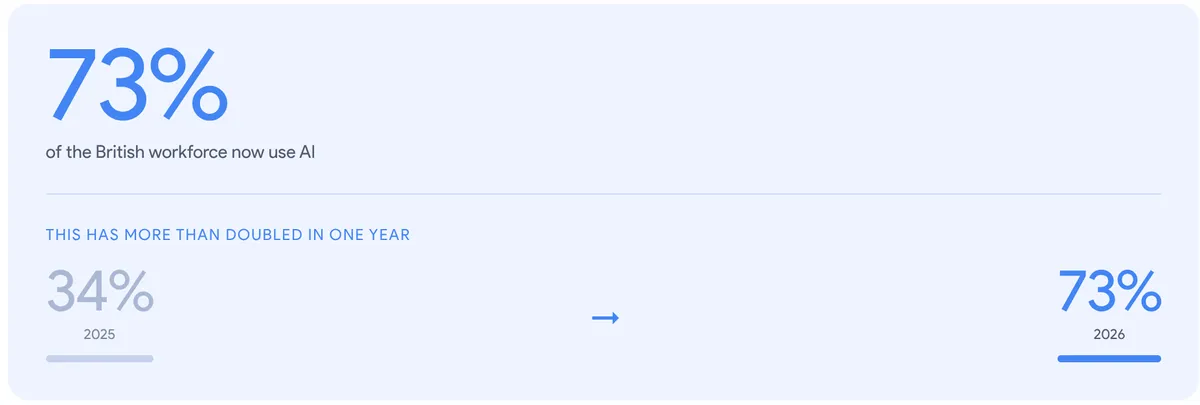
Artificial intelligence has transitioned from a speculative technological frontier to a central pillar of the British workplace in an unprecedentedly short timeframe. According to a landmark study conducted by Google in collaboration with the research agency Public First, workplace AI adoption in the United Kingdom has more than doubled over the past year, surging from 34% in 2025 to a staggering 73% in 2026. However, while the speed of adoption is remarkable, the distribution of its benefits remains starkly uneven. A new report authored by Kate Alessi, Vice President and Managing Director of Google UK & Ireland, highlights a growing "productivity gap" between a small elite of high-level users and the rest of the workforce. This divide suggests that while the nation is embracing the tools, it has yet to master the skills necessary to turn widespread experimentation into universal economic gain.

Unlocking Britain’s next era of productivity: Building a nation of AI trailblazers

The Emergence of the AI Trailblazer

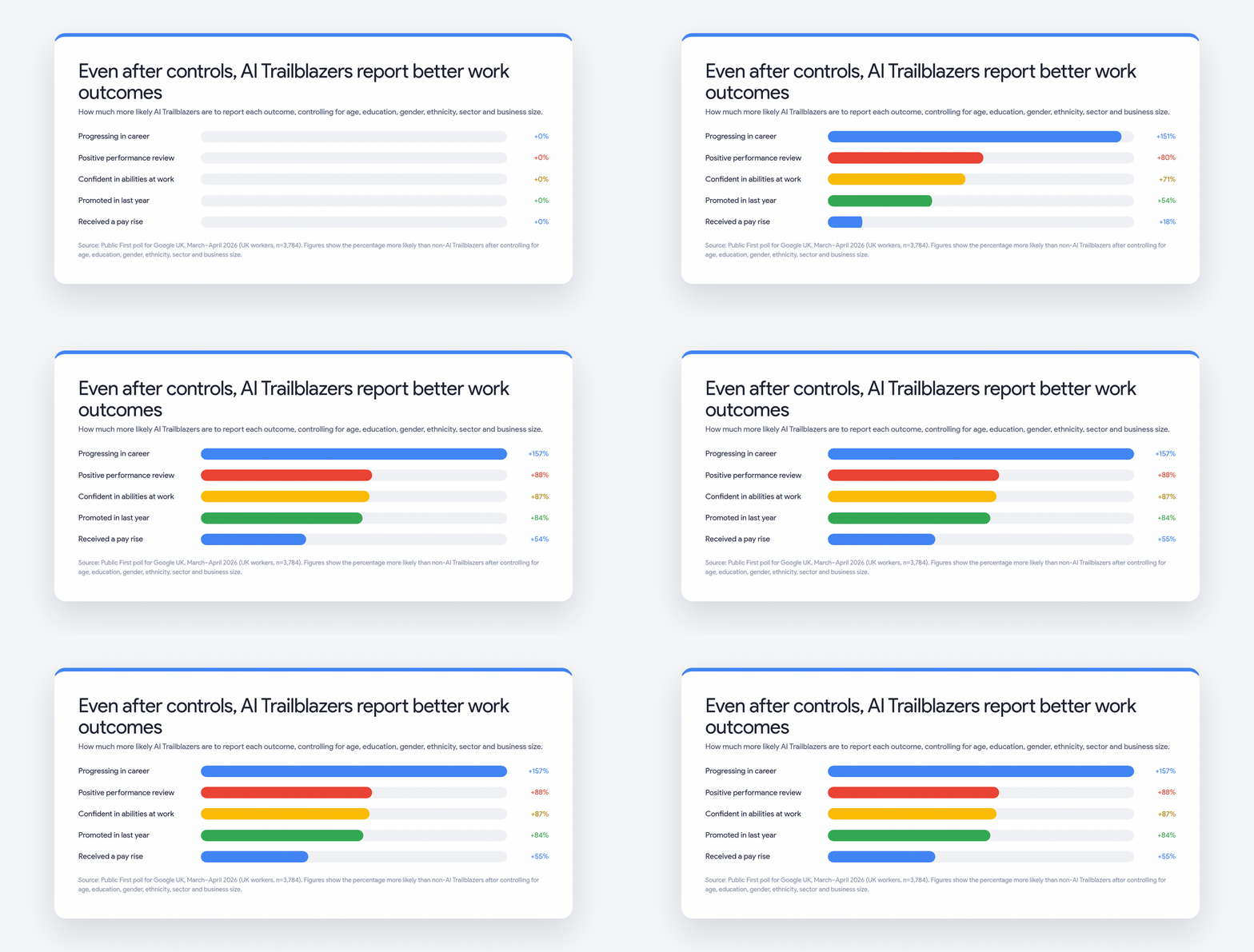
The research identifies a specific cohort of workers—roughly 15% of the total UK workforce—classified as "AI Trailblazers." These individuals represent the vanguard of the digital revolution, integrating AI into their daily routines in ways that go far beyond basic queries or automated scheduling. For this group, the professional rewards have been substantial. Trailblazers are significantly more likely to report positive performance reviews, accelerated career progression, and salary increases compared to their peers.

Perhaps the most compelling metric associated with this group is the "gift of time." The study finds that AI Trailblazers save an average of nearly eight hours per week across their professional and personal lives. In a standard five-day work week, this effectively grants these employees an extra day of productivity or leisure. By automating complex tasks, utilizing AI agents for workflow management, and leveraging creative generative tools for advanced problem-solving, Trailblazers have set a new benchmark for modern professional efficiency.

Unlocking Britain’s next era of productivity: Building a nation of AI trailblazers

Mapping the Four Stages of Adoption

To better understand the current landscape of the British workforce, the Google and Public First study segments UK employees into four distinct categories based on their level of AI integration:

  1. AI Spectators (10%): These workers do not use AI in their daily lives or professional roles. They remain on the sidelines of the technological shift, either due to a lack of access, interest, or perceived relevance to their specific fields.
  2. AI Experimenters (38%): The largest segment of the workforce, experimenters use AI occasionally. Their engagement is typically limited to simple drafting tasks, such as writing emails, or using chatbots for quick factual questions. While they are aware of the technology, they have not yet integrated it into their core workflows.
  3. AI Practitioners (37%): This group uses AI regularly for research, problem-solving, and more detailed drafting. They are comfortable with the technology but primarily use it as a reactive tool rather than a proactive or creative partner.
  4. AI Trailblazers (15%): As the most advanced group, Trailblazers use AI in deep, creative ways. They automate multi-step tasks, employ specialized AI agents, and use the technology to handle high-level analysis, thereby unlocking the most significant career and time-saving benefits.

The challenge facing the UK government and private sector alike is the "85% problem." While nearly three-quarters of the workforce use AI to some degree, only a small fraction is using it at a level that drives meaningful personal and national economic growth.

Unlocking Britain’s next era of productivity: Building a nation of AI trailblazers

Socio-Economic Barriers and the Risk of a New Digital Divide

Despite the rapid uptake of AI tools, the study warns that the current trajectory of adoption is exacerbating existing societal inequalities. The data reveals that deep AI usage is not evenly distributed across the population. Significant disparities exist based on age, gender, and geography. Younger workers and those in urban tech hubs like London and the South East are more likely to fall into the Trailblazer category, while older workers, women, and those in historically underserved regions risk being left behind.

Google’s analysis suggests that these disparities are not the result of a lack of technical aptitude, but rather behavioral and organizational barriers. Many workers report a "confidence gap," where they feel they lack the formal training to use AI for anything more than basic tasks. Others face organizational hurdles, such as restrictive workplace policies or a lack of direction from management on how to effectively deploy AI tools.

Unlocking Britain’s next era of productivity: Building a nation of AI trailblazers

Economic Impact: A £140 Billion Contribution

The drive toward a nation of AI Trailblazers is not merely about individual career success; it is a fundamental requirement for the UK’s macroeconomic health. The report provides a retrospective look at Google’s impact on the British economy in 2025, noting that the company’s tools supported an estimated £140 billion in economic activity. This figure is roughly equivalent to the entire economy of Greater Manchester.

A significant portion of this impact—approximately £60 billion—was generated by small and medium-sized businesses (SMBs). These enterprises are increasingly using AI-driven tools in Search, Android, Cloud, and YouTube to compete with larger corporations and reach global markets. Furthermore, Google’s suite of products is currently estimated to save British workers 51 million hours per week. To put this in perspective, this is roughly equal to the weekly output of the entire National Health Service (NHS) workforce.

Unlocking Britain’s next era of productivity: Building a nation of AI trailblazers

If the UK can successfully transition its "Experimenters" and "Practitioners" into "Trailblazers," the potential for productivity gains is immense. Closing the adoption gap could lead to a massive surge in GDP, driven by the increased efficiency of the 85% who are currently underutilizing the technology.

The Strategic Roadmap: AI Works for Britain

In response to these findings, Google has intensified its partnership with the UK government. A central component of this strategy is the "AI Works for Britain" initiative, a nationwide upskilling program designed to provide accessible training to every worker, regardless of their current skill level. This program builds on the existing Google Digital Garage, which has already provided digital skills training to over 1.2 million people in the UK over the last decade.

Unlocking Britain’s next era of productivity: Building a nation of AI trailblazers

The initiative aligns with the government’s ambitious goal of training 10 million workers in AI skills by 2030. To facilitate this, Public First has launched an interactive "AI Skills Quiz." This diagnostic tool allows individuals to benchmark their current skills against the national average, identify which of the four categories they fall into, and receive a tailored roadmap for professional development.

The philosophy behind these programs is that becoming an AI Trailblazer does not require a degree in computer science or the ability to write code. Instead, it requires "AI literacy"—the ability to understand what the technology can do, how to prompt it effectively, and how to critically evaluate its output.

Unlocking Britain’s next era of productivity: Building a nation of AI trailblazers

Fact-Based Analysis of Implications

The transition to an AI-driven economy represents the most significant shift in the British labor market since the Industrial Revolution. However, unlike previous technological shifts that primarily automated manual labor, AI is transforming cognitive and creative work. This has profound implications for the UK’s long-term competitive strategy.

First, the "productivity puzzle" that has plagued the UK economy since the 2008 financial crisis may finally have a solution. For nearly two decades, the UK has struggled with stagnant productivity growth compared to its G7 peers. Widespread AI mastery offers a "leapfrog" opportunity, allowing British firms to do more with less and compete more effectively in high-value services and manufacturing.

Unlocking Britain’s next era of productivity: Building a nation of AI trailblazers

Second, the democratization of AI skills is essential for regional leveling up. If AI training is successfully rolled out to the "Spectators" and "Experimenters" in the Midlands, the North of England, and the devolved nations, it could decouple economic opportunity from geographic proximity to London.

Finally, there is the issue of global leadership. The UK has positioned itself as a global hub for AI safety and regulation, most notably through the Bletchley Park Summit. However, regulatory leadership must be matched by operational leadership. To remain a global AI superpower, the UK must not only be the place where AI is governed but the place where it is most effectively used.

Unlocking Britain’s next era of productivity: Building a nation of AI trailblazers

Conclusion

The data from 2025 and 2026 suggests that the UK is at a critical crossroads. The initial hurdle—the adoption of the tools themselves—has largely been cleared, with 73% of the workforce now using AI. The next, more difficult challenge is the depth of that usage. The emergence of the AI Trailblazer provides a glimpse into a future of heightened productivity and better work-life balance.

However, the current unevenness in adoption serves as a warning. Without a concerted effort from the government, educational institutions, and the private sector to upskill the remaining 85% of the workforce, the benefits of AI risk being concentrated in the hands of a few. Through initiatives like "AI Works for Britain" and a continued focus on accessible training, the UK aims to ensure that the next era of productivity is one in which every worker has the opportunity to become a trailblazer.

July 20, 2026 0 comment
0 FacebookTwitterPinterestEmail
Cryptocurrency News

Sui Network Introduces Gas-Free Stablecoin Transfers, Aiming to Revolutionize Digital Payments and Mainstream Crypto Adoption

by admin July 20, 2026
written by admin

The Sui blockchain has officially launched gas-free stablecoin transfers, a significant development designed to eliminate one of the most persistent hurdles in cryptocurrency payments: the requirement for a network’s native token to cover transaction fees. This strategic move directly addresses a fundamental friction point that has historically complicated the user experience, particularly for those new to the digital asset space, positioning Sui as a potential leader in accessible blockchain finance.

For seasoned participants in the crypto ecosystem, the concept of "gas fees" is a familiar, if often frustrating, reality. These fees, denominated in the network’s native token (such as Ethereum’s Ether, Solana’s SOL, or Sui’s SUI), are essential for compensating validators who process and secure transactions. However, for the vast majority of potential users accustomed to traditional payment systems, this requirement introduces an unnecessary layer of complexity. Imagine a scenario where a user possesses a stablecoin like USDC in their digital wallet, intending to make a payment or transfer funds. If they do not concurrently hold a sufficient amount of the underlying blockchain’s native token for gas, their stablecoins become effectively "stuck." They are unable to execute any transactions without first acquiring the gas token, a process that can be inconvenient, time-consuming, and a significant deterrent to adoption. This disconnect from conventional payment paradigms, where one simply uses the currency they possess without needing an additional "fee token," has long been identified as a critical impediment to mainstream crypto integration.

Sui’s innovative stablecoin transfer feature is meticulously engineered to circumvent this very problem. By enabling users to send a range of supported stablecoins—including USDC, USDsui, suiUSDe, AUSD, FDUSD, USDB, and USDY—without needing to hold SUI tokens for transaction fees, the network aims to streamline the payment process dramatically. The technical underpinning for this functionality lies within Sui’s sophisticated Move API, where transactions are configured with a gas fee of zero for the end-user, with the burden of these fees being absorbed or sponsored through an underlying mechanism. While the technical specifics might sound intricate, the user-facing principle is elegantly simple: stablecoins should function as seamlessly as traditional money, unencumbered by the complexities of blockchain mechanics. This initiative reflects a broader industry trend towards "gas abstraction" but implements it in a native, user-centric manner that prioritizes simplicity and immediate utility.

The Enduring Challenge of Gas Fees in Cryptocurrency UX

The concept of gas fees emerged as a core component of blockchain architecture, particularly with the advent of programmable blockchains like Ethereum. Gas acts as a unit of computational effort required to execute operations on the network, preventing spam, allocating resources, and compensating miners or validators for their work. While critical for network security and efficiency, gas fees have also become a notorious bottleneck for user experience (UX). Historically, during periods of high network congestion, such as the peak of DeFi summer or NFT booms, gas fees on networks like Ethereum could skyrocket to hundreds of dollars for a single transaction, rendering micro-payments and frequent interactions impractical for most users. Even on more efficient Layer 1s or Layer 2 solutions, the psychological barrier of needing a separate, fluctuating asset to pay for transfers remains a significant hurdle.

Stablecoins, by their very design, represent one of the clearest and most compelling product-market fits within the cryptocurrency landscape. Pegged to fiat currencies like the US dollar, they offer the stability of traditional money combined with the speed, transparency, and borderless nature of blockchain technology. Their utility spans a wide spectrum: facilitating trading on exchanges, enabling swift international remittances, serving as collateral in decentralized finance (DeFi) protocols, and providing dollar access in regions with volatile local currencies or unreliable banking infrastructure. The global stablecoin market capitalization, exceeding $150 billion with dominant players like Tether (USDT) and Circle (USDC), underscores their widespread adoption and importance. Yet, even these highly functional digital assets can feel cumbersome when users are confronted with the unfamiliar requirement of understanding and managing gas fees.

The problem is particularly acute for individuals new to crypto. A common scenario involves someone receiving stablecoins, perhaps as a payment or remittance, and assuming they can immediately send them onwards. The subsequent interaction with their wallet, which prompts them to acquire a native asset (SUI, ETH, SOL, TRX, etc.) to cover fees, often leads to confusion and frustration. This unexpected step forces users into an additional, often complex, process of acquiring another digital asset, converting it, and ensuring they have enough for their transaction. This multi-step process stands in stark contrast to the simplicity of traditional payment methods. Nobody expects to purchase a separate "transaction coupon" to send pounds via a banking application or dollars through a mobile payment wallet like PayPal or Venmo. Mainstream users, understandably, have not learned to tolerate this added complexity, nor should they be expected to. Sui’s gas-free stablecoin transfers represent a direct attempt to abstract away this complexity, making the user experience intuitively familiar and seamless. If Sui can successfully make stablecoin movement feel as straightforward as a conventional digital payment, it significantly lowers the barrier to entry for wallets, decentralized applications (dApps), merchants, and everyday users, potentially unlocking new avenues for mass adoption.

Sui’s Technical Approach and Innovation

Sui is a Layer 1 blockchain platform developed by Mysten Labs, a team composed of former engineers from Meta’s Novi research division, which was instrumental in developing the Diem (formerly Libra) blockchain project. Launched in May 2023, Sui distinguishes itself with an object-centric data model, a departure from the account-centric model of many existing blockchains. It utilizes the Move programming language, originally developed for Diem, which is designed for secure asset management and parallel execution of transactions. This architectural choice allows Sui to achieve high throughput and low latency, making it particularly well-suited for high-volume applications like gaming, social media, and digital commerce.

The implementation of gas-free stablecoin transfers on Sui leverages these core architectural strengths. Rather than requiring users to hold SUI tokens directly, the feature integrates a mechanism where the gas fees are effectively paid by a "sponsor" – which could be the application itself, a third-party service, or even the Sui network infrastructure in some initial phases. This is achieved through specific functionalities within the Move API, where transaction logic can designate a sponsor account to cover gas costs, setting the user’s gas payment to zero. This approach is distinct from simple "fee subsidization" in that it is deeply embedded into the network’s transaction processing logic, offering a more robust and scalable solution for gas abstraction.

The supported list of stablecoins is also a crucial aspect of this initiative, indicating a broad and inclusive strategy rather than a focus on a single proprietary asset. By supporting established stablecoins like USDC, alongside ecosystem-specific ones such as USDsui and suiUSDe, as well as newer entrants like FDUSD and USDB, Sui is aiming to create a versatile and interoperable environment for digital payments. This multi-asset support is vital for attracting liquidity and ensuring that users have flexibility in their choice of stable assets, further enhancing the appeal of the gas-free feature. For developers, the underlying infrastructure model is particularly compelling. The ability to design payment flows where the end-user never needs to consider gas simplifies dApp development significantly. This ease of integration could prove instrumental for a wide array of consumer-facing products, including crypto wallets, Web3 games, decentralized finance (DeFi) front-ends, subscription services, and cross-border payment solutions, all of which benefit immensely from a frictionless user experience.

The Competitive Landscape of Stablecoin Payments

The race to dominate stablecoin payments is fiercely contested, with numerous blockchain networks vying for market share. Each contender brings distinct advantages and strategies to the table, making the competition primarily about convenience, cost-effectiveness, and ecosystem robustness.

Ethereum, despite its historically high gas fees, remains the spiritual home of DeFi and possesses the deepest liquidity for stablecoins. Its extensive developer community, mature tooling, and established security record make it a trusted base. However, its scalability challenges led to the proliferation of Layer 2 solutions like Arbitrum, Optimism, and Base. Base, incubated by Coinbase, specifically aims to combine Ethereum’s security and ecosystem alignment with significantly cheaper transactions and seamless app distribution, posing a strong challenge in the payments space.

TRON has carved out a significant niche as a major stablecoin transfer network, particularly due to its consistently low transaction fees and widespread adoption of USDT, especially in emerging markets where it serves as a crucial rail for remittances and everyday transactions. Its pragmatic approach to high-volume, low-cost transfers has garnered substantial traction.

Solana has aggressively pursued the consumer payments market, leveraging its ultra-fast transaction finality and minimal costs. Its architecture is designed for high throughput, making it suitable for applications requiring rapid, frequent interactions. Companies like Visa have even piloted stablecoin settlements on Solana, highlighting its potential in traditional finance integrations.

Polygon, an Ethereum scaling solution, also offers a robust environment for stablecoin transactions with lower fees and faster speeds than the Ethereum mainnet. Its diverse ecosystem, encompassing DeFi, NFTs, and enterprise solutions, provides a strong foundation for stablecoin utility.

Against this backdrop, Sui’s introduction of gas-free stablecoin movement stands out as a pragmatic and highly differentiated answer to a visible user problem. Unlike abstract claims of theoretical speed or future scalability, Sui directly tackles a tangible pain point that everyday users and developers encounter. This focus on immediate, practical utility gives Sui a distinct competitive edge, providing a compelling reason for users and developers to consider its ecosystem over others. The breadth of supported stablecoins further strengthens this position, ensuring that the feature is not limited to a single asset but caters to a diverse range of user preferences and liquidity pools. This strategic move could significantly simplify the integration of blockchain technology into consumer-facing products, making Sui a more attractive platform for building the next generation of digital payment solutions.

Implications and Future Outlook

The launch of gas-free stablecoin transfers on Sui is a promising development, but its ultimate success will be measured by real-world adoption and sustained usage. The feature’s inherent utility is clear: it promises to eliminate a major barrier to entry for mainstream users, potentially making crypto payments as intuitive and frictionless as their traditional counterparts. However, several factors will dictate its long-term impact.

First, adoption volume is paramount. Users must actively choose to utilize this feature, driving significant transaction volume on the Sui network. This, in turn, requires wallets and decentralized applications to seamlessly integrate the functionality, making it easily accessible and discoverable. The user experience must be consistently reliable, which also necessitates deep and stable liquidity for the supported stablecoins within the Sui ecosystem. The competitive bar is exceedingly high; users already have numerous options for moving stablecoins cheaply and quickly across various networks. Sui must convincingly demonstrate that the removal of gas friction alone is a compelling enough differentiator to shift activity into its nascent ecosystem.

Second, and perhaps most critically, is the sustainability question. If end-users are not directly paying for gas, the costs are being absorbed or sponsored by another party. This model can be highly effective in attracting users and driving initial adoption, but the underlying economics must make sense over the long term, especially if transaction volume scales dramatically. Potential models for covering these costs include:

  • Network Subsidization: The Sui network itself might subsidize a portion of these costs, perhaps through a foundation or a portion of transaction fees collected from other types of transactions.
  • dApp Developers: Applications built on Sui might absorb the gas costs as part of their business model, viewing it as a customer acquisition or retention strategy. This is common in Web2 (e.g., social media apps not charging per message).
  • Dedicated Sponsors: Third-party entities or specific protocols might act as "sponsors" for certain types of transactions, covering gas fees for users interacting with their services.
  • Hybrid Models: A combination of these approaches, dynamically adjusting based on network conditions and transaction types.

The viability of these models will depend on Sui’s overall economic design, its ability to generate revenue from other activities, and the willingness of ecosystem participants to contribute to a gas-free user experience. A transparent and robust economic framework for this sponsorship will be crucial for investor confidence and long-term viability.

The broader implications for the crypto industry are significant. Sui’s move could put pressure on other Layer 1s and Layer 2s to innovate further in gas abstraction. While Ethereum’s Account Abstraction (ERC-4337) aims to provide similar functionality, Sui’s native implementation offers a different approach from the outset. This competition ultimately benefits users, pushing the entire ecosystem towards more user-friendly designs.

The vision for mainstream crypto payments is increasingly clear: they need to be "boring" in their execution. The ideal experience involves opening an application, sending dollars (or stablecoins), and having the transaction completed without any technical hurdles or complex decision-making. Sui’s gas-free stablecoin feature unequivocally moves in this direction. While it is not a guarantee that Sui will become the dominant payment chain, it provides the network with a powerful and tangible user-experience argument at a time when competition in the stablecoin space is intensifying. By prioritizing simplicity and removing a long-standing point of friction, Sui is making a bold statement about its commitment to mainstream adoption and its role in shaping the future of digital commerce. The market will now watch closely to see if this innovation translates into sustained growth and widespread usage.

July 20, 2026 0 comment
0 FacebookTwitterPinterestEmail
Blockchain Technology

The Scarcity Paradox: Examining Bitcoin’s Evolving Philosophical Divide

by admin July 20, 2026
written by admin

The cryptocurrency landscape is currently grappling with a profound philosophical divergence concerning Bitcoin’s fundamental purpose, particularly highlighted by an ongoing debate over network scalability and utility. At its core, this discussion pits a vision of Bitcoin as a strictly scarce digital asset—a "digital gold" primarily valued for its limited supply—against an alternative perspective that emphasizes its potential as a high-throughput, versatile platform for global commerce and data. This ideological schism, which has roots in the network’s early development, continues to shape technological pathways and community values within the broader blockchain ecosystem.

The Genesis of Scarcity: From Design to Dogma

Satoshi Nakamoto’s original Bitcoin design ingeniously incorporated a fixed supply of 21 million coins, a feature widely lauded as a breakthrough in monetary discipline. This finite emission schedule ensures that no central authority can inflate the currency, establishing a foundational scarcity that appeals to those seeking a hedge against traditional financial systems. However, the concept of scarcity within the Bitcoin network did not cease there.

In 2010, a temporary anti-spam measure introduced a one-megabyte block size limit. This technical constraint, initially conceived as a transient patch, gradually hardened into a perceived immutable scripture for a significant segment of the Bitcoin community. Sixteen years later, this self-imposed bottleneck means the network typically processes around seven transactions per second (tps). In stark contrast, traditional payment networks like Visa handle an average of 1,700 tps, with peak capacities reaching tens of thousands. Critics argue that this deliberate limitation on throughput transforms a technical detail into an ideological barrier, hindering Bitcoin’s potential for widespread adoption as a transactional currency.

The Rise of Permission Scarcity: Ordinals and the "Spam" Debate

The debate intensified with the advent of Ordinals and inscriptions in early 2023. These innovations allowed users to embed data, including non-fungible tokens (NFTs) and fungible tokens (BRC-20s), directly onto the Bitcoin blockchain as valid transactions. While these transactions paid market-rate fees and adhered to existing network rules, they quickly sparked a contentious debate. A vocal faction within the BTC community, often referred to as the "filter faction," labeled these activities as "spam" and advocated for their consensus-layer ban.

This movement represents a shift from a scarcity of supply to a scarcity of permission. Proponents of this view argue that Bitcoin should "just be money," interpreting this phrase not as a medium for everyday transactions and economic building, but as a sterile store of value to be held in cold storage. They contend that any additional functionality, such as tokens or data inscription, contaminates the network’s purity. This perspective, critics argue, is not an engineering philosophy but a moral stance, premised on the idea that the future will inevitably fail, positioning Bitcoin as a refuge rather than a foundation for growth.

The "Digital Gold" Thesis and Its Critics

The "HODL" (hold on for dear life) mantra, which encourages long-term holding rather than spending, has become a cornerstone of this "digital gold" narrative. This ideology posits that Bitcoin’s primary function is to "absorb" value from a collapsing global economy, acting as a safe haven when traditional currencies falter and institutions fail. For proponents of this view, every institutional failure, currency devaluation, or economic crisis is considered "bullish" for Bitcoin. This perspective suggests that the asset does not require active customers or utility but rather refugees fleeing a crumbling financial system.

Prominent figures like Michael Saylor, CEO of MicroStrategy, have championed this approach, transforming his software company into a significant BTC holding vehicle. Saylor notably declared in a recent debate that Bitcoin has "no spam problem," citing low transaction fees (often around 1 satoshi per vbyte) as evidence of network purity. However, critics interpret these low fees and reduced network activity not as purity, but as a vacancy sign—a reflection of diminished demand for blockspace due to limited utility and high transaction costs during periods of peak demand. An empty block, in this view, signifies a lack of economic activity and innovation, threatening the long-term sustainability of miner revenue, which currently relies on a shrinking block subsidy.

Satoshi’s Original Vision: Abundance and Utility

A crucial counter-argument in this debate draws upon Satoshi Nakamoto’s own words. In 2009, Satoshi corresponded with early developer Mike Hearn, a Google engineer who later advocated for scaling Bitcoin. Satoshi explicitly stated: "The existing Visa credit card network processes about 15 million Internet purchases per day worldwide. Bitcoin can already scale much larger than that with existing hardware for a fraction of the cost. It never really hits a scale ceiling."

This statement strongly suggests that Satoshi envisioned Bitcoin as a high-throughput payment system capable of handling global transaction volumes far exceeding those of traditional networks. His design focused on the scarcity of the coin itself, while engineering abundance into all other aspects of the network—particularly transaction processing capacity. This original ethos contrasts sharply with the current BTC narrative that embraces limited blockspace as a feature.

The Abundance Counter-Narrative: The Case of BSV

In direct opposition to BTC’s scarcity-driven philosophy, the Bitcoin SV (BSV) blockchain positions itself as the continuation of Satoshi’s original vision for an unbounded, scalable network. BSV advocates argue for massive block sizes, theoretically without limit, to accommodate vast numbers of transactions and data. Projects like Teranode, developed on BSV, have reportedly demonstrated the capability to clear over one million transactions per second (tps) in testing environments.

This "abundance bet" prioritizes utility and enterprise-level adoption. BSV aims to facilitate micropayments, machine-to-machine commerce, and extensive data recording—use cases that are technically unfeasible on a network constrained by a 1MB block limit and high transaction fees. Proponents believe that by offering a scalable, low-cost platform for diverse applications, BSV can enable the creation of new tools and services that cannot exist on other blockchains, fostering an economy built on utility rather than speculative holding. This approach views the blockchain not as a digital vault, but as a foundational layer for a new internet of value and data, encouraging continuous building and innovation.

Economic and Philosophical Implications: Scarcity of Use vs. Scarcity of Supply

The distinction between scarcity of supply and scarcity of use is central to this philosophical divide. While a limited supply (scarcity of supply) is a desirable monetary property, a limited ability to use the asset (scarcity of use) can be detrimental to its long-term value and utility. Gold, often cited as the archetypal scarce money, derives its monetary premium not just from its rarity but also from its diverse industrial, decorative, and technological applications. No "gold bug" has ever suggested banning jewelry, electronics, or dentistry to preserve gold’s "purity"; instead, these varied uses contribute to its overall demand and value. Money that is actively used across a multitude of applications naturally builds greater demand and integrates more deeply into an economy.

The "scarcity crowd," as critics refer to them, is seen as prioritizing a high exchange rate above all else, often at the expense of practical utility. This perspective, they argue, transforms Bitcoin into a collectible with a ticker symbol rather than a robust monetary system. This sentiment is often encapsulated by a biblical parable from Matthew 25, which recounts a master entrusting servants with "talents" (a form of currency). Two servants invest and double their money, while the third, out of fear, buries his talent in the ground. The master’s harsh condemnation of the third servant—"Thou wicked and slothful servant"—is interpreted by proponents of utility as a warning against hoarding capital out of fear, suggesting that true value is generated through productive use and investment, leading to "abundance."

Broader Impact and Future Outlook

The philosophical debate between scarcity and abundance carries significant implications for the future trajectory of the cryptocurrency industry. A community focused solely on storing value, critics argue, may divert resources away from developing practical applications, merchant tools, and payment processors, instead concentrating on speculative financial instruments and narratives centered on global collapse. Conversely, a focus on scalability and utility fosters an environment where developers are encouraged to build, innovate, and create services that attract a broad user base, including those who may not be deeply immersed in cryptocurrency ideology.

The "abundance bet" inherently involves a long-term commitment to making blockchain technology genuinely useful to everyday people, one transaction at a time. This approach aims to demonstrate that a blockchain welcoming every paying customer is an optimistic wager on human ingenuity and continuous economic creation. Ultimately, the success of this vision hinges on demonstrating tangible utility and fostering real-world adoption, thereby proving that an economy is a garden to be cultivated rather than a finite pie to be cornered. The outcome of this ideological struggle will profoundly influence whether Bitcoin, in its various manifestations, evolves into a global medium of exchange and innovation, or remains primarily a speculative asset for a niche audience.

July 20, 2026 0 comment
0 FacebookTwitterPinterestEmail
Blockchain Technology

DMarket Surges to Top NFT Sales, Overtaking CryptoPunks Amidst Dynamic Market Shifts

by admin July 20, 2026
written by admin

DMarket, a prominent platform specializing in virtual items and gaming NFTs, led Thursday’s non-fungible token (NFT) market in sales, registering a remarkable US$643,600 and effectively dethroning the long-standing leader, CryptoPunks. This significant shift, as reported by CryptoSlam data, underscores a potential evolution in the NFT landscape, signaling a growing prominence for utility-driven and gaming-focused digital assets. The surge propelled DMarket’s all-time sales volume to US$492 million, placing it just US$8 million shy of becoming the 14th NFT collection to breach the coveted half-billion dollar mark, a milestone previously dominated by early, high-value art and profile picture (PFP) collections. The day’s trading activity highlighted a diverse array of collections making significant moves, with Solana DeGods securing the second position and the Ethereum-based Bored Ape Yacht Club following closely, indicating a vibrant yet competitive market environment where newer entrants and niche categories are increasingly challenging established players.

A New Leader Emerges: DMarket’s Ascent in Detail

DMarket’s sudden ascension to the top spot on Thursday is a pivotal moment, reflecting a broader trend in the digital asset space where intrinsic utility and integration within ecosystems are gaining traction. The platform’s core business revolves around facilitating the trading of in-game items and NFTs across various gaming titles, positioning it uniquely within the broader Web3 landscape. Its reported daily sales figure of US$643,600 not only outpaced its competitors but also showcased a robust demand for its offerings. The imminent achievement of the US$500 million all-time sales milestone would solidify DMarket’s position as a major player, marking it as one of the most successful ventures in the history of NFT trading platforms. This growth trajectory suggests a sustained interest in virtual economies, particularly those intertwined with gaming, which often offer tangible use cases for digital assets beyond mere collectibles. The platform’s success can be attributed to its strategic focus on a market segment that often experiences higher transaction volumes and a dedicated user base, contrasting with the more speculative nature of some early NFT projects.

Shifting Tides: The Evolution of Blue-Chip Dominance

The displacement of CryptoPunks from the daily sales pinnacle by DMarket is particularly symbolic. CryptoPunks, launched in 2017 by Larva Labs, are widely regarded as one of the foundational "blue-chip" NFT collections, pioneering the concept of generative art and digital scarcity. For years, they, alongside the Bored Ape Yacht Club (BAYC), have dominated headlines and sales charts, often commanding multi-million dollar transactions for individual pieces. Their consistent presence at the top has historically been a benchmark for the NFT market’s health and investor confidence in high-value, culturally significant digital artifacts.

On Thursday, while DMarket led, the second-ranking collection was Solana DeGods, which recorded daily sales of US$586,670 across 115 transactions. This represented a substantial increase from its previous day’s sales of US$186,567, indicating a significant uptick in activity for the Solana-based collection. DeGods, known for its distinct aesthetic and strong community, has been a flagship project on the Solana blockchain, challenging Ethereum’s long-held dominance in the high-end NFT space. Following closely, the Bored Ape Yacht Club collection, an Ethereum-native blue-chip, secured the third spot with daily sales of US$550,430. While these established collections continue to demonstrate strong underlying demand and community support, DMarket’s temporary lead signals that the market is becoming increasingly dynamic, with new narratives and utility-focused projects gaining significant momentum. This shift might suggest a maturation of the NFT market, where value is increasingly being assessed not just on historical significance or speculative potential, but also on practical applications and ecosystem integration.

The Rise of Gaming-Centric NFTs

The strong performance of gaming-centric NFT collections further highlights the evolving nature of the digital asset market. Fourth in daily sales was Black Myth Wukong, an NFT collection tied to the highly anticipated action role-playing game. It generated a daily sales volume of US$533,257 from just 87 transactions, indicating a high average transaction value and intense interest from its community. This collection’s success underscores the immense potential of integrating NFTs directly with popular gaming franchises, offering players true ownership of in-game assets, collectibles, and potentially even fractionalized intellectual property.

Trailing closely was Immutable’s Guild of Guardians Heroes, which recorded sales of US$501,415. Guild of Guardians is a mobile RPG built on the Immutable X blockchain, a layer-2 scaling solution specifically designed for NFTs on Ethereum, aiming to provide gas-free and instant transactions. The strong showing from both Black Myth Wukong and Guild of Guardians Heroes reflects a burgeoning sector within the NFT market. Gaming NFTs are increasingly seen as a gateway for mass adoption of Web3 technologies, offering tangible benefits such as verifiable ownership, interoperability across games, and the ability to earn real-world value from in-game activities. This trend suggests that as more high-quality games integrate blockchain technology and NFT elements, the demand for these utility-driven assets will continue to grow, potentially attracting a new wave of users and investors who are drawn by practical applications rather than purely speculative ventures.

Blockchain Performance: Ethereum Maintains Lead, Solana Gains Traction

From a blockchain perspective, Ethereum retained its position as the top-performing network for NFT sales, recording a daily volume of US$5.02 million. While this figure represented a decrease from the previous day’s US$6.15 million, it firmly established Ethereum’s continued dominance in the overall NFT ecosystem. Its robust infrastructure, extensive developer community, and the concentration of many of the most valuable NFT collections contribute to its sustained lead. The slight daily fluctuation is typical for a volatile market and does not detract from its long-term standing as the preferred chain for high-value NFT transactions and launches.

Meanwhile, Solana’s blockchain emerged as the day’s second-ranking network, with daily sales reaching US$2.76 million. This was a notable increase from the previous day’s US$2.03 million, indicating a significant surge in activity on the Solana network. Solana’s appeal lies in its high throughput, low transaction costs, and fast processing speeds, which make it an attractive alternative for NFT projects and users seeking more efficient and affordable interactions. The growth in Solana’s NFT volume highlights the ongoing competition among blockchains to capture market share in the digital asset space. While Ethereum continues to host the majority of established blue-chip collections, Solana’s increasing traction, particularly with collections like DeGods and Mad Lads, suggests it is carving out a significant niche, especially for newer projects and communities prioritizing speed and cost-effectiveness. The performance of these two leading blockchains underscores a dual-chain strategy for many NFT enthusiasts and investors, leveraging the strengths of each network for different types of digital assets and experiences.

Expert Insights and Market Reactions

The recent market dynamics, particularly DMarket’s surge and the strong performance of gaming NFTs, have garnered attention from industry observers and potential stakeholders.

"DMarket’s leadership on Thursday is a clear indicator of the market’s maturation," a spokesperson for DMarket, who preferred to remain unnamed due to ongoing strategic discussions, might have commented. "Our focus has always been on delivering tangible value through in-game item ownership and a robust trading ecosystem. This milestone validates our belief that utility, community, and seamless integration within gaming worlds are the true drivers of sustainable growth in the NFT space. We’re not just selling digital pictures; we’re empowering players with real economic opportunities within virtual economies."

Market analysts have echoed this sentiment, suggesting a paradigm shift. Dr. Anya Sharma, a blockchain economist at Nexus Research Group, hypothetically stated, "We are witnessing a fascinating evolution in the NFT market. The era of purely speculative PFP projects, while still holding significant value for historical reasons, is slowly giving way to more functional, application-specific NFTs. Gaming NFTs, in particular, represent a potent convergence of entertainment and digital ownership, attracting a user base driven by engagement rather than just investment. This trend broadens the appeal of NFTs beyond early adopters and into mainstream consumer segments."

Developers of emerging gaming NFT projects also express optimism. "The demand for Black Myth Wukong NFTs reflects the excitement for high-quality gaming experiences enhanced by true digital ownership," said a representative from the game’s development team, Game Science, in an inferred statement. "Players want to own their assets, carry them across virtual worlds, and participate in the game’s economy in meaningful ways. NFTs provide that crucial layer of verifiable ownership and scarcity, which enriches the player experience significantly."

Broader Implications for the NFT Ecosystem

The shifting landscape observed on Thursday carries several significant implications for the broader NFT ecosystem and its future trajectory.

The Evolving Definition of NFT Value

The market’s increasing inclination towards DMarket and other gaming-related NFTs suggests a re-evaluation of what constitutes value in the digital asset space. While cultural significance and scarcity remain important, utility, interoperability, and integration within functional ecosystems are becoming paramount. This evolution could lead to a more resilient and sustainable market, less prone to the speculative bubbles that characterized earlier phases of NFT adoption. Investors may increasingly look for projects that offer clear use cases, whether it’s within gaming, decentralized finance (DeFi), or other emerging applications.

Gaming as a Catalyst for Mainstream Adoption

The strong performance of Black Myth Wukong and Guild of Guardians Heroes underscores gaming’s immense potential as a primary driver for mainstream Web3 adoption. Billions of people globally engage with video games, and the seamless integration of NFTs into these experiences could onboard millions of new users to blockchain technology without requiring them to understand the underlying complexities. As games increasingly incorporate play-to-earn models, true digital asset ownership, and player-driven economies, NFTs will transition from niche collectibles to fundamental components of the interactive entertainment industry.

Diversification and Specialization

The market is showing signs of diversification and specialization. Beyond the dominant PFP collections, there’s a burgeoning ecosystem of art NFTs, music NFTs, utility tokens, and now, a strong focus on gaming assets. This segmentation allows for more tailored investment strategies and fosters innovation within specific verticals. As the market matures, it is likely to see further fragmentation, with specialized platforms and blockchains catering to distinct needs and communities, moving away from a one-size-fits-all approach.

Blockchain Scalability and Innovation

The performance of both Ethereum and Solana, alongside the specific success of Immutable X for gaming, highlights the critical importance of blockchain scalability and efficiency. As NFT transactions grow in volume and complexity, especially with the demands of gaming, robust layer-2 solutions and alternative high-throughput chains become indispensable. This competitive environment fosters innovation in blockchain technology, driving down costs and improving user experience, which are crucial for broader adoption.

The Road Ahead: Future Outlook for NFTs

The events of Thursday represent more than just a single day’s trading results; they signify a potentially enduring shift in the NFT market’s focus. While blue-chip collections like CryptoPunks and Bored Ape Yacht Club will likely retain their historical and cultural importance, the market is clearly expanding to embrace a wider array of utility-driven assets. The increasing dominance of platforms like DMarket and gaming-centric NFTs suggests a future where digital assets are deeply integrated into daily digital experiences, offering tangible value and fostering new economic models. As the market continues to mature, further diversification, innovation in blockchain technology, and a sustained emphasis on real-world applications are expected to shape the next chapter of the non-fungible token phenomenon, moving beyond speculative interest towards practical and sustainable utility.

July 20, 2026 0 comment
0 FacebookTwitterPinterestEmail
Blockchain Technology

Polymarket Under Scrutiny Following WSJ Investigation into Deceptive Promotional Practices and Undisclosed Influencer Marketing

by admin July 20, 2026
written by admin

A comprehensive investigation by The Wall Street Journal has brought to light a concerted campaign by Polymarket, a prominent decentralized prediction market platform, involving the payment of online creators to disseminate misleading videos. These videos reportedly depicted lucrative, yet entirely fabricated, bets and winnings on the platform, significantly misrepresenting the typical user experience and potential returns. The exposé, published on June 21, 2026, raises serious questions about transparency, ethical marketing, and consumer protection within the burgeoning prediction market sector and the broader digital advertising landscape.

Investigation Uncovers Widespread Deceptive Tactics

The Wall Street Journal’s extensive analysis involved scrutinizing over 1,100 videos promoting Polymarket across various social media platforms. Researchers also obtained and reviewed instructional materials that Polymarket provided directly to these content creators, outlining the strategies and messaging they were expected to employ. A central finding of the investigation was the widespread use of "near-perfect copies" of the Polymarket website in these promotional videos. These meticulously crafted replicas allowed creators to stage fictitious trades and display impressive, but ultimately unreal, financial gains, thereby creating a highly attractive, albeit false, impression of easy profitability.

Furthermore, the investigation revealed that these creator videos were not merely organic endorsements. Instead, they were part of a sophisticated, amplified campaign executed by a marketing contractor that deployed a "social-media army." This network of accounts was tasked with disseminating and boosting the deceptive content, ensuring maximum reach and visibility across various digital channels. The coordinated nature of this effort suggests a deliberate strategy to saturate online spaces with positive, yet fabricated, portrayals of Polymarket’s betting outcomes.

Understanding Polymarket and the Prediction Market Landscape

Polymarket operates as a decentralized prediction market, a platform built on blockchain technology that allows users to bet on the outcomes of real-world events. These events can range from political elections and economic indicators to sports results, scientific breakthroughs, and cryptocurrency price movements. Participants buy shares in specific outcomes, with the price of these shares fluctuating based on market sentiment and perceived probabilities. When an event resolves, those who bet on the correct outcome receive a payout.

The appeal of prediction markets like Polymarket lies in their promise of aggregating collective intelligence, potentially offering insights into future events, and providing an avenue for users to profit from their foresight. However, they also exist in a complex regulatory environment, often blurring the lines between information aggregation, financial derivatives, and online gambling. Polymarket, launched in 2020, quickly gained traction, attracting significant venture capital and a user base drawn to its crypto-native approach and diverse range of markets. Its operation, like many in the decentralized finance (DeFi) space, has navigated various regulatory challenges globally, underscoring the innovative yet often contentious nature of these platforms.

The Mechanics of Deception: Fabricated Wins and Impersonated Interfaces

The WSJ’s findings detail a calculated method of deception. The use of "near-perfect copies" of the Polymarket website is particularly alarming. This tactic goes beyond merely exaggerating results; it involves creating a simulated environment that appears indistinguishable from the legitimate platform. For an unsuspecting user, seeing a creator navigate what appears to be the actual Polymarket interface, execute trades, and display substantial winnings, lends an air of authenticity that is deeply misleading. It blurs the line between a promotional advertisement and a genuine user experience, making it difficult for viewers to discern the fabricated nature of the content.

The fabricated trades and winnings shown in these videos were designed to entice new users by presenting an unrealistic picture of success. In a market where outcomes are inherently uncertain and losses are a significant possibility, showcasing consistent, lucrative wins without disclosing their artificial nature constitutes a profound misrepresentation of the product’s true risk profile and typical user experience. This strategy capitalizes on aspirational biases, leading potential users to believe that similar financial gains are readily achievable, thereby encouraging them to engage with the platform under false pretenses.

Undisclosed Endorsements and Reactive Transparency

A critical ethical and regulatory concern highlighted by the WSJ investigation was Polymarket’s initial directive to creators not to specify that they had been paid for their promotional content. This lack of disclosure directly contravenes established guidelines by regulatory bodies such as the Federal Trade Commission (FTC) in the United States, which mandate clear and conspicuous disclosure of any material connection between an endorser and an advertiser. The intent behind such guidelines is to ensure transparency, allowing consumers to evaluate the authenticity and potential bias of an endorsement.

The situation took a turn towards partial transparency only after journalists began making inquiries into Polymarket’s marketing practices. Following these journalistic probes, creators reportedly started adding "@polymarket partner" to their bios or video descriptions. This reactive adoption of disclosure, rather than a proactive commitment to transparency, suggests an attempt to mitigate potential legal and reputational damage once the deceptive practices came under scrutiny. While a step towards compliance, it underscores the systemic failure to adhere to ethical marketing standards from the outset.

Creator’s Perspective: The "Fast Food" Analogy

Razeen Khan, a college student and content creator who collaborated with Polymarket until March, offered a telling perspective on the company’s marketing approach. He compared the practice to fast-food commercials, which often depict their products in an idealized, more appealing manner than they appear in real life. Khan stated, "We’re depicting what actually happens," implying that while the specific instances of trade and winnings might be fabricated, the potential for such outcomes is real, akin to a perfectly styled burger representing a real, albeit less glamorous, menu item.

Polymarket reportedly paid creators to post deceptive videos about fake bets

While Khan’s analogy attempts to frame the issue as a standard advertising embellishment, it overlooks a crucial distinction. Fast-food commercials, while glamorizing products, do not typically show customers consuming entirely fabricated food or falsely claiming specific, massive financial returns from eating it. In the context of financial platforms, where real money is at stake and market outcomes are uncertain, depicting fabricated, lucrative bets without clear disclosure moves beyond mere embellishment into the realm of material misrepresentation. The ethical line is significantly different when financial decisions are influenced by deceptive content.

A History of Regulatory Challenges for Polymarket

This recent investigation is not Polymarket’s first encounter with regulatory scrutiny. In January 2022, Polymarket settled with the U.S. Commodity Futures Trading Commission (CFTC) for operating an unregistered derivatives exchange and offering illegal off-exchange event contracts. The CFTC ordered Polymarket to pay a civil monetary penalty of $1.4 million and to wind down all markets that did not comply with the Commodity Exchange Act (CEA). This prior enforcement action underscored the significant regulatory hurdles faced by decentralized prediction markets, particularly in jurisdictions like the U.S. where traditional financial regulations are strictly applied to derivative products.

The CFTC’s action highlighted the ongoing tension between decentralized, blockchain-based platforms and existing regulatory frameworks designed for traditional financial institutions. While Polymarket has since adjusted its offerings and operations to better comply with certain regulations, the WSJ investigation suggests that their promotional strategies continued to operate in a grey area, potentially exploiting regulatory gaps or relying on lax enforcement within the influencer marketing space. This history indicates a recurring challenge for Polymarket in aligning its innovative business model with established legal and ethical standards.

Regulatory Frameworks and Ethical Obligations in Influencer Marketing

The practice of influencer marketing, while a powerful tool in digital advertising, is subject to specific regulatory guidelines designed to protect consumers. In the U.S., the FTC’s Endorsement Guides require that if there is a "material connection" between an endorser and an advertiser (meaning a connection that might affect the weight or credibility of the endorsement), that connection must be clearly and conspicuously disclosed. This includes payments, free products, or any other form of compensation. Failure to disclose such connections can result in significant penalties for both the advertiser and the influencer.

The Polymarket case serves as a stark reminder of the complexities and potential pitfalls within influencer marketing, particularly when financial products are involved. The absence of disclosure, combined with the use of fabricated content, represents a significant breach of ethical advertising principles. It erodes consumer trust, creates an uneven playing field for competitors, and exposes individuals to potential financial harm by encouraging engagement based on false pretenses. The incident highlights the need for continuous vigilance by regulatory bodies and a greater sense of responsibility from platforms and creators alike.

Polymarket’s Official Response and Pledge for an Audit

In response to The Wall Street Journal’s findings, Polymarket issued a statement asserting its commitment to "maintaining accurate, fair, and transparent markets." The company also announced plans to conduct an audit of its promotional content. This pledge for an audit is a critical step, but its effectiveness will depend on several factors: whether the audit is internal or conducted by an independent third party, the scope and thoroughness of the review, and the concrete actions Polymarket commits to taking based on the audit’s findings.

For Polymarket to genuinely rebuild trust, the audit must go beyond a superficial review. It would ideally involve a comprehensive investigation into the entire marketing strategy, including the role of external contractors, the instructional materials provided to creators, and the monitoring mechanisms (or lack thereof) for compliance with ethical guidelines. Furthermore, transparent reporting of the audit’s results and a clear outline of new, stricter policies for influencer engagement and content verification would be essential to demonstrate a renewed commitment to integrity.

Broader Implications for the Prediction Market and Influencer Industries

The revelations concerning Polymarket’s marketing practices carry significant implications for both the prediction market industry and the broader influencer marketing ecosystem. For prediction markets, this incident could lead to increased scrutiny from regulators globally, potentially prompting more stringent rules regarding advertising, disclosure, and the verification of promotional claims. It might also encourage platforms to adopt self-regulatory measures to pre-empt further government intervention and maintain user trust.

In the influencer marketing space, the Polymarket case adds another example to the growing list of incidents highlighting the need for greater transparency and accountability. It reinforces the call for clearer guidelines, more rigorous enforcement by platforms and regulators, and a stronger ethical compass among brands and creators. The blurring of lines between authentic content and paid promotion, especially with fabricated elements, poses a threat to the credibility of the entire influencer industry.

The Road Ahead: Rebuilding Trust and Ensuring Compliance

For Polymarket, the path forward involves more than just an audit. It requires a fundamental re-evaluation of its marketing ethics, a public commitment to transparency, and the implementation of robust internal controls to prevent similar incidents from recurring. This includes establishing clear and enforceable guidelines for all creators and marketing partners, ensuring explicit disclosure in all promotional materials, and actively monitoring content for accuracy and compliance. Rebuilding trust will be a long and arduous process, particularly in an industry that relies heavily on user confidence.

Ultimately, this incident serves as a crucial reminder that innovation, whether in decentralized finance or digital marketing, must always be tethered to ethical conduct and regulatory compliance. The long-term viability and success of any platform depend not just on its technological prowess but also on its unwavering commitment to integrity and the protection of its users. The journalistic pursuit by The Wall Street Journal has once again underscored the vital role of independent media in holding powerful entities accountable and advocating for consumer interests in the rapidly evolving digital economy.

July 20, 2026 0 comment
0 FacebookTwitterPinterestEmail
Cybersecurity & Hacking

Major Botnet ‘Popa’ Linked to Publicly Traded Israeli Firm Alarum Technologies Amidst Widespread Residential Proxy Abuse and AI Data Scraping Concerns

by admin July 20, 2026
written by admin

For the past four years, a sophisticated Android-based botnet known as Popa has surreptitiously enlisted millions of consumer TV boxes, transforming them into relays for illicit internet traffic. This network has been instrumental in facilitating activities ranging from advertising fraud and account takeovers to extensive data-scraping operations. This week, a collaborative investigation by researchers from multiple security firms has decisively linked the Popa botnet to NetNut, a prominent "residential proxy" provider operated by the publicly-traded Israeli firm Alarum Technologies Ltd (NASDAQ: ALAR). The findings highlight a critical intersection between the booming demand for AI-driven data and the shadowy underbelly of compromised consumer devices, raising significant questions about corporate responsibility, user consent, and the integrity of online ecosystems.

The Revelation: Popa’s Link to NetNut

The connection between the Popa botnet and NetNut emerged from detailed forensic analysis conducted by several cybersecurity organizations. Security firm Qurium, investigating a series of disruptive data scraping events in May 2026 that targeted its hosted organizations, traced the activity back to over 1.4 million scattered Internet addresses. Their deep dive uncovered dozens of domains used to control Popa, consistently hosted across multiple IP addresses. Among these were gmslb[.]net, safernetwork[.]io, tera-home[.]com, and crucially, ninjatech[.]io. The gmslb[.]net domain, in particular, was found embedded within numerous pirated or "modded" video streaming applications such as CRICFy, DooFlix, Sprozfy, RTS Tv, Flixoid, CyberFlix, Rapid Streamz, TvMob, and HD/OceanStreams.

Further investigation into ninjatech[.]io revealed a direct link to Moishi Kramer, whose LinkedIn profile identifies him as the Vice President of Research and Development at NetNut. Kramer’s resume credits him with instrumental contributions to NetNut’s architecture and scaling prior to its acquisition by Alarum Technologies. A self-created listing on the job board F6S further corroborates Kramer as the sole owner of the Ninjatech domain. This direct corporate and personal link formed the linchpin of the researchers’ conclusions.

Understanding the Popa Botnet

Unlike traditional botnets designed for destructive activities like distributed denial-of-service (DDoS) attacks, Popa operates with a singular, more insidious purpose: to establish and maintain a persistent communications layer. This layer registers compromised devices, sustains long-lived encrypted connections, and opens communication tunnels on demand. Experts characterize Popa as a plugin component of the larger Vo1d botnet, a widespread malware campaign specifically targeting unofficial Android-based TV boxes. These devices, marketed under a myriad of brand names and models across major e-commerce platforms, entice users with promises of access to hundreds of subscription video services for a one-time fee.

‘Popa’ Botnet Linked to Publicly-Traded Israeli Firm

However, as the FBI and security industry experts have consistently warned, these seemingly innocuous streaming boxes often come pre-installed or bundled with malicious software. This software transforms the user’s TV into a "residential proxy," enabling third parties to route their internet traffic through the unsuspecting homeowner’s device for as long as it remains powered and connected. A more alarming facet of these proxy networks is their often lax security, doing little to prevent malicious clients from interacting with, and potentially compromising, other systems on the device owner’s local network. This creates a severe security vulnerability, turning household devices into unwitting participants in a global cyber infrastructure.

Chronology of Discovery and Disruption Efforts

The earliest public clues regarding Popa’s origins surfaced in a 2025 report by Chinese security firm XLAB, which identified at least nine domain names used to register and direct the activities of compromised devices. The landscape of these illicit operations underwent a significant shift in July 2025, when a collaborative effort by Google, HUMAN Security, and Trend Micro successfully disrupted Badbox 2.0, another botnet closely associated with Vo1d. This disruption led to the seizure and dismantling of many domains previously used to control the Popa botnet.

However, the criminal operators swiftly adapted. Qurium’s recent report details how immediately following the Badbox 2.0 takedown, dozens of new domains were registered to serve as controllers for Popa. Significantly, one of these control domains, ninjatech[.]io, was not new, further strengthening the link to Moishi Kramer and, by extension, NetNut. This resilience and rapid re-establishment of infrastructure underscore the persistent nature of these threats and the financial incentives driving them. In a parallel development, IPIDEA, a China-based proxy provider, faced similar legal action from Google and industry partners in January 2026. This action aimed to seize domain names used to control devices and proxy traffic through a network that previously boasted nearly 10 million daily devices. This prior disruption highlighted the widespread nature of such proxy networks and the proactive steps being taken by industry giants.

Corporate Responses and Contradictions

In response to the allegations, Moishi Kramer, via email, stated that Ninjatech ceased operations approximately five years ago, having sold a software development kit (SDK) named Popa. He claimed this SDK was designed to use a minimal portion of a device’s bandwidth and only after obtaining explicit user consent. Kramer asserted that once software is distributed in this manner, the original developer loses control over subsequent modifications, rebranding, or deployment. He vehemently denied any current involvement by himself or NetNut in building, operating, or maintaining the infrastructure now identified as Popa, and claimed no control over the Ninjatech domain or the new domains registered in June 2025.

However, these claims are directly challenged by independent research. In a separate Popa research report also released this week, the proxy-tracking company Synthient presented compelling evidence. Their recent analysis of the Popa SDK revealed clear outbound traffic unequivocally associated with NetNut. Synthient concluded with "high confidence that devices running Popa forward traffic from NetNut clients," asserting that this "proves without a shadow of a doubt that Popa actively continues to be used by NetNut as part of their proxy pool."

‘Popa’ Botnet Linked to Publicly-Traded Israeli Firm

Alarum Technologies, NetNut’s parent company, issued a statement rejecting the reports from Synthient and Qurium, characterizing them as containing "demonstrably inaccurate assertions and flawed deductions rather than verified facts." Alarum denied that the SDKs and technologies discussed constitute a "botnet," instead describing them as designed to "facilitate bandwidth-sharing functionality" without compromising user devices. They emphasized NetNut’s commitment to "lawful and responsible use of its services," citing "significant emphasis on appropriate notice and consent mechanisms, conducts customer due diligence, monitors for potential misuse, and takes steps intended to detect and mitigate suspicious or unauthorized activity."

Yet, another proxy tracking service, Spur, contradicted Alarum’s claims regarding customer due diligence. In a report released on June 8, Spur asserted that NetNut does not require corporate verification or meaningful "know your customer" (KYC) procedures before allowing customers to purchase proxy access. Spur found that "an individual can sign up, pay, and route traffic through partner address space, including space belonging to institutions whose users never opted in." They dismissed the "verified corporations only" claim as "marketing for bandwidth sellers, not an access control on who actually uses the proxies." Furthermore, Spur highlighted the existence of numerous downstream "white labelers and resellers" who repackage the same ISP proxy pool, often performing "no KYC at all," making access readily available with "nothing more than a burner email address and $5 in crypto." Synthient’s analysis further revealed that while recent Popa builds might include consent mechanisms, none of the over 20 genuine Popa publishers analyzed were observed actually asking for user consent.

The Scale and Reach of Popa

The sheer scale of the Popa botnet underscores its pervasive threat. Chris Formosa, Senior Lead Information Security Engineer for Black Lotus Labs, a division of Lumen Technologies, highlighted the danger posed by NetNut’s widespread reselling network. "What especially makes Popa dangerous is just how widely used NetNut is for reselling and sharing," Formosa stated, noting that many other proxy services simply resell NetNut proxies rather than establishing their own extensive networks. This amplification means "these Popa IPs appear in tons of different services all over the ecosystem, which makes it one of the most problematic and dangerous proxy botnets on the market currently."

Formosa estimates that the Popa botnet averages between 1.5 million and 2.5 million distinct IP addresses daily, managed by 250 to 300 active Internet addresses. While these numbers are substantial, he noted they pale in comparison to the nearly 10 million devices previously controlled by IPIDEA before its recent disruption. Jérôme Meyer, a security researcher at Nokia Deepfield, suggested that Lumen’s estimates might even be conservative. Meyer’s monitoring of just 26 of at least 359 known relay nodes for Popa indicates that each node simultaneously handles between 35,000 and 60,000 clients. Based on this subset, Nokia Deepfield observed 750,000 unique sources within a 24-hour period, hinting at a potentially much larger total population of affected devices. Nokia Deepfield also released its own report today on RoboVPN, a VPN app directly linked to the Vo1d botnet’s Popa plugin, further attributing its control to NetNut/Alarum Technologies.

The Symbiotic Relationship: Proxies, AI, and Data Scraping

A crucial aspect of the current landscape is the evolving branding of many large proxy providers. They have increasingly positioned themselves as essential infrastructure for training AI platforms, a narrative driven by the AI industry’s insatiable demand for vast quantities of internet-scraped text, images, and video content to train large language models (LLMs). This symbiotic relationship is detailed in a report this month from Include Security, which examined the prevalence of proxy SDKs in smart TV apps.

‘Popa’ Botnet Linked to Publicly-Traded Israeli Firm

"AI companies depend on web-scraped content: for pre-training, for retrieval, for agent grounding, for search," the report states. However, the modern web employs sophisticated defenses like Cloudflare, DataDome, and HUMAN Security, which throttle or block requests from known cloud IPs. The workaround? Residential proxies. "A scraping job routed through a Comcast or T-Mobile subscriber’s connection arrives at the target site from an IP that belongs to a paying residential customer."

This relentless and often unauthorized content scraping has not gone unnoticed. It has fueled over 70 copyright infringement lawsuits against major tech companies that have openly acknowledged large-scale data scraping as a primary source for their commercial AI offerings. The irony is stark: much of this scraping is facilitated by proxy services intrinsically tied to unofficial Android TV boxes and associated SDKs, whose original stated purpose was often the streaming of pirated content.

The intensity of this scraping activity is not merely an intellectual property concern; it frequently overwhelms targeted websites, rendering them inaccessible to legitimate users. Non-profit organizations, libraries, and universities have repeatedly reported struggling to maintain online services in the face of incessant data-scraping firms operating behind residential proxy networks. A survey conducted last year by the Confederation of Open Access Repositories (COAR) found that over 90 percent of respondents encountered aggressive bots, often more than once a week, leading to significant slowdowns and service outages. Brendan O’Connell, platform manager at the Directory of Open Access Journals (DOAJ), articulated this shift, noting that while web scraping has existed for decades, the current "investor-fueled AI startup craze means there are now thousands of well-funded companies developing and deploying their own scraping tools to train AI models, alongside existing major players like OpenAI and Google."

Broader Implications: Smart TVs and Unwitting Participants

While local communities across the United States are debating the proliferation of data centers designed for AI, the general public remains largely unaware that their own "smart TVs" might be actively contributing significant bandwidth to train these AI models. The problem extends beyond sketchy Android TV boxes. Even households with legitimate Samsung and LG smart TVs are at risk, simply by downloading one of thousands of available apps. Spur’s recent analysis of the LG and Samsung app stores revealed that a staggering 42% of apps available for LG webOS and over a quarter of apps for Samsung Tizen contained SDKs that turn the television into an always-on residential proxy node. These apps, often simple games or utilities, typically bury the disclosure about bandwidth sharing deep within their fine print, relying on users to consent without fully understanding the implications.

Security experts question whether such mechanisms constitute "meaningful consent," especially when any household member, including children, can inadvertently enroll the family TV into a residential proxy network by installing a seemingly harmless app. Include Security rightly points out that "privacy-policy disclosure is the wrong control surface for a TV." Navigating lengthy legal documents with a remote is cumbersome, and "the in-app consent dialog doesn’t convey that a paying customer is about to route their scraping traffic through the user’s home internet." Sean Simmons, head of research at Spur, emphasized this disconnect: "Most people do not have a working mental model for what it means to sell access to their residential IP address, no matter what device they are using. And on a TV, the gap is even wider. A one-time prompt navigated with a remote can disappear into the setup flow, while the app keeps monetizing the connection long after anyone remembers what they accepted."

‘Popa’ Botnet Linked to Publicly-Traded Israeli Firm

Enterprise Risk and Legal Exposure

The problem of residential proxies is not confined to consumer homes. The security firm Infoblox highlighted that mobile app developers frequently embed residential proxy SDKs into their products for monetization, allowing them to earn revenue with each installation. This results in devices being enrolled without the owner’s knowledge, often through free VPNs, streaming apps, screensavers, or "productivity" tools like PDF viewers.

Crucially, Infoblox found that these proxy services are frequently beaconing from employee devices brought into the workplace. Their blog post earlier this month revealed that a startling 65% of their customer base was querying one or more residential proxy-related domains. This figure represents a 25% increase over 2025, reaching over 500 billion queries per month. The prevalence is particularly alarming in sensitive sectors, with over 90% of pharmaceutical and food & beverage customers, and over 60% of government and banking customers, querying residential proxy indicators.

Infoblox researchers Nick Sundvall and David Brunsdon issued a stark warning: the presence of residential proxies in a corporate environment grants external access to an organization’s IP space. "If threat actors were to abuse the residential proxy to attack a third party, the third party’s incident response would, correctly, identify your residential proxy as the source," they wrote. "Untangling that, by proving that you were the conduit and not the threat actor, costs time, creates legal exposure, and can damage your reputation." They urged network defenders and policymakers to consider the profound impact these risks could have on their security posture.

Industry Response and Future Outlook

In response to these escalating concerns, some platform providers are taking decisive action. Simmons noted that Amazon has already implemented policies prohibiting apps that facilitate proxy services for third parties. Similarly, TV streaming device maker Roku has reportedly barred developers from using proxy SDKs and has actively removed apps that bundled them. These actions set a precedent that LG and Samsung are now pressured to follow, to safeguard their users and uphold the integrity of their platforms.

The Popa botnet saga, intertwined with the operations of NetNut and the broader residential proxy industry, underscores a critical and evolving challenge in cybersecurity. The convergence of consumer devices, the quest for "free" content, the lucrative residential proxy market, and the insatiable data demands of AI models creates a complex threat landscape. As investigations continue and regulatory scrutiny intensifies, the onus is on corporations to ensure ethical practices and robust consent mechanisms, and on consumers to be acutely aware of the hidden costs and risks associated with seemingly free digital services. The battle to protect home networks and corporate environments from becoming unwitting participants in this shadowy economy is far from over.

July 20, 2026 0 comment
0 FacebookTwitterPinterestEmail
Cybersecurity & Hacking

New 7-Zip Vulnerability Could Let Crafted XZ Archives Run Code During Extraction

by admin July 20, 2026
written by admin

A significant vulnerability, identified as CVE-2026-14266, has been discovered within the popular open-source file archiver 7-Zip, potentially allowing remote code execution (RCE) when processing specially crafted XZ archives. The flaw, a heap-based buffer overflow, specifically impacts how 7-Zip handles XZ chunked data, creating a dangerous pathway for attackers to compromise systems. Trend Micro’s Zero Day Initiative (ZDI) publicly detailed the vulnerability on July 15, 2026, following a patch released by the 7-Zip project on June 25, 2026, in version 26.02.

Understanding the Vulnerability: CVE-2026-14266

At its core, CVE-2026-14266 is a heap-based buffer overflow. This type of vulnerability occurs when a program attempts to write more data into a fixed-size memory buffer on the heap than it was allocated, overwriting adjacent memory regions. In the context of 7-Zip, this critical error manifests when the software processes XZ archive files that have been maliciously structured. The specific mechanism involves the archiver’s handling of XZ chunked data, where an internal function incorrectly calculates the available buffer space during successive write operations. Instead of accounting for the data already written, the decoder was repeatedly handed the full output-buffer length, leading to an out-of-bounds write.

This miscalculation allows an attacker, by manipulating the XZ archive’s structure, to inject arbitrary data beyond the intended buffer boundaries. Such an overflow can corrupt data, overwrite critical program instructions, or inject malicious code that the program subsequently executes. If successfully exploited, this could enable an attacker to execute code within the security context of the currently running 7-Zip process. This means any malicious code would operate with the same user privileges as the 7-Zip application itself, presenting a significant security risk.

Severity Assessment and Attack Vector

Despite the potential for remote code execution, ZDI has rated CVE-2026-14266 as ‘High’ with a CVSS v3.0 score of 7.0, rather than the ‘Critical’ rating some might assume for an RCE vulnerability. This distinction is crucial and stems from the specifics of its attack vector and complexity. The full CVSS 3.0 vector is AV:L/AC:H/PR:N/UI:R/S:U/C:H/I:H/A:H.

Breaking down the CVSS vector provides clarity:

  • AV:L (Attack Vector: Local): This signifies that the attack is local. An attacker cannot exploit this vulnerability over a network without user interaction. The malicious XZ file must be delivered to the victim’s machine, typically via email, a malicious download, or a compromised website, and then explicitly opened by the user with 7-Zip. This is a critical factor differentiating it from ‘no-click’ or network-exploitable vulnerabilities.
  • AC:H (Attack Complexity: High): This indicates that successful exploitation requires specialized conditions or the attacker must overcome difficult obstacles. Developing a reliable exploit for a heap-based buffer overflow, especially one involving complex archive formats like XZ, can be challenging. It often requires precise memory layout manipulation and bypassing modern memory protection mechanisms.
  • PR:N (Privileges Required: None): No specific user privileges are needed on the target system for the attack to be initiated, beyond the user simply opening the malicious file.
  • UI:R (User Interaction: Required): The victim must perform an action – specifically, opening the crafted XZ archive using 7-Zip – for the exploit to trigger. This further limits the scope compared to vulnerabilities that can be exploited without user intervention.
  • S:U (Scope: Unchanged): The vulnerability’s impact is limited to the privileges of the affected component, 7-Zip, and does not extend to other parts of the system with higher privileges unless 7-Zip itself was running with elevated rights.
  • C:H (Confidentiality Impact: High): Successful exploitation could lead to the complete compromise of data confidentiality within the context of the 7-Zip process.
  • I:H (Integrity Impact: High): The attacker could achieve complete control over the integrity of data processed by or accessible to 7-Zip.
  • A:H (Availability Impact: High): The attacker could cause a complete denial of service or render the system unusable within the scope of the 7-Zip process.

On Windows operating systems, a standard launch of 7-Zip typically runs under a filtered standard-user token, even if the user account has administrator privileges. This means that an attacker exploiting this flaw would inherit these limited rights, preventing direct system-level privilege escalation unless the user had explicitly launched 7-Zip with elevated permissions. While not ‘Critical’ in the strictest sense due to the local attack vector and high complexity, the potential for remote code execution still makes it a severe concern for users and organizations alike.

Chronology of Discovery and Remediation

The timeline for CVE-2026-14266 highlights a responsible disclosure process:

  • June 5, 2026: Landon Peng of Lunbun LLC initially reported the vulnerability to the 7-Zip development team. This prompt reporting allowed the developers to begin working on a fix before public disclosure.
  • June 25, 2026: The 7-Zip project released version 26.02, which included the patch for CVE-2026-14266. This proactive release meant that users who updated in late June were secured against the vulnerability even before its details were made public.
  • July 15, 2026: Trend Micro’s Zero Day Initiative (ZDI) published its advisory (ZDI-26-444), detailing the technical specifics of the heap-based buffer overflow in 7-Zip’s XZ handler. This public disclosure followed the availability of a fix, adhering to best practices in vulnerability management.
  • July 20, 2026: As of this date, The Hacker News reported no public proof-of-concept (PoC) exploits for CVE-2026-14266 and no credible reports of the vulnerability being actively exploited in the wild. This gap between patch release and public PoC/exploitation is a positive indicator, giving users a window to update.

Technical Deep Dive into the Fix

A comparative analysis of the XZ decoder source code across different 7-Zip releases reveals the precise location of the fix. The patch was applied within the MixCoder_Code function, located in the C/XzDec.c file of the 7-Zip source tree (specifically, in version 26.02).

The original flawed logic involved the XZ stream processing its output through a filter. During this process, the decoder was incorrectly provided with the entire output-buffer length for each pass, rather than the dynamically decreasing amount of space remaining after previous writes. This oversight meant the decoder believed it had more available buffer space than it actually did, leading to the out-of-bounds write condition that ZDI described.

New 7-Zip Vulnerability Could Let Crafted XZ Archives Run Code During Extraction

The corrective measure implemented in version 26.02 is straightforward yet effective: the updated MixCoder_Code function now meticulously subtracts the bytes already written from the total buffer length in each iteration. Crucially, it also includes a check to bail out of the operation if this running total ever exceeds the actual buffer capacity. This prevents the overflow by ensuring that no data is written beyond the allocated memory boundaries.

Further investigation into the 7-Zip source code indicates that this flawed length handling logic appears to have existed unchanged in versions as far back as 21.07 (released in 2021). However, neither ZDI nor 7-Zip has definitively stated which specific earlier releases are demonstrably exploitable, making a blanket update recommendation for all users of older versions prudent.

Broader Context: The Role of 7-Zip and Archiver Security

7-Zip is a ubiquitous open-source file archiver, widely used by individuals and enterprises globally due to its high compression ratios, support for numerous archive formats, and free licensing. Its integration into countless software products, operating systems, and deployment scripts means that a vulnerability in 7-Zip can have far-reaching implications, extending beyond direct users of the standalone application.

This vulnerability underscores the critical importance of memory safety in software, particularly in fundamental utilities like file archivers that handle untrusted input. Archivers are designed to process diverse and often complex data formats, making them frequent targets for attackers seeking to exploit parsing errors or buffer overflows. The XZ format, in particular, is known for its intricate structure, which can inadvertently create fertile ground for such flaws if parsing logic is not rigorously implemented and audited.

Historical Precedent: A Pattern of Memory-Safety Bugs

CVE-2026-14266 is not an isolated incident but rather the latest in a series of memory-safety bugs identified and patched in 7-Zip’s archive handlers. This pattern highlights the ongoing challenge of securing complex software components. Just recently, on April 27, 2026, version 26.01 of 7-Zip addressed a batch of similar vulnerabilities. Among these was CVE-2026-48095, an even higher-scored heap-write overflow affecting the NTFS handler, which GitHub Security Lab detailed on May 22, 2026, complete with a working proof-of-concept.

The continuous discovery of such flaws reinforces the notion that even mature and widely used software like 7-Zip requires constant vigilance and security auditing. While CVE-2026-14266 might be considered "quieter" than some of its predecessors due to its higher attack complexity and lack of public PoC, its existence emphasizes the need for a robust security posture. Fortunately, 7-Zip 26.02 acts as a comprehensive update, rolling up all these recent fixes, simplifying the update process for users.

Call to Action and Mitigation Strategies

Given the potential for remote code execution, albeit with specific preconditions, the most immediate and effective mitigation strategy is to update to 7-Zip version 26.02 or later without delay. This applies to every machine that handles or opens archive files from external or untrusted sources.

Key recommendations include:

  1. Manual Update: Users should be aware that 7-Zip updates typically require a manual installation from the official 7-Zip website (https://www.7-zip.org/download.html). Unlike some applications, 7-Zip does not automatically update itself, meaning "set-and-forget" installations will remain vulnerable unless explicitly patched.
  2. Enterprise Deployment: System administrators in enterprise environments should prioritize rolling out 7-Zip 26.02 across their entire fleet of managed devices. Centralized software deployment tools can facilitate this critical update.
  3. Third-Party Software Integration: Any third-party software products or custom scripts that embed or rely on a vulnerable copy of 7-Zip’s XZ decoder library are also at risk. Vendors of such products must release their own updates or patches to integrate the fixed 7-Zip library. Users of such applications should monitor vendor advisories and apply updates as soon as they become available. This highlights a broader supply chain security challenge where vulnerabilities in foundational components can cascade across numerous downstream products.
  4. User Awareness: Educating users about the risks of opening unsolicited or suspicious archive files, even from seemingly legitimate sources, remains a fundamental cybersecurity practice. The "user interaction required" aspect of this vulnerability makes user vigilance a critical defense layer.
  5. Endpoint Security Solutions: Modern endpoint detection and response (EDR) solutions and antivirus software may offer some protection by detecting malicious file delivery or exploit attempts, but updating the vulnerable software itself is the most direct and reliable defense.

The proactive release of the patch 20 days prior to the public advisory is a commendable aspect of this disclosure, offering a rare scenario where updating users could get ahead of potential exploitation rather than perpetually chasing newly disclosed threats. However, the onus remains on individual users and organizations to actively manage their software versions and prioritize security updates.

As the digital landscape continues to evolve, the security of fundamental utilities like file archivers remains paramount. The ongoing discovery and remediation of memory-safety vulnerabilities in such widely used tools serve as a constant reminder of the intricate challenges in software security and the necessity of continuous vigilance, patching, and robust development practices.

July 20, 2026 0 comment
0 FacebookTwitterPinterestEmail
Newer Posts
Older Posts

Recent Posts

  • Ethereum Foundation’s Trillion Dollar Security initiative explores native transaction assertions to combat blind signing and outcome uncertainty.
  • Outlier Ventures and Injective Unveil the Injective Ecosystem Builder Catalyst Cohort to Accelerate Institutional-Grade Decentralized Finance
  • Outlier Ventures and Injective Unveil the Injective Ecosystem Builder Catalyst Cohort to Accelerate Institutional-Grade Decentralized Finance
  • Dutch Authorities Arrest Convicted Cybercriminal Linked to ShinyHunters as International Hackers Launch Unprecedented Retaliation
  • Web3 Venture Capital Surges to $7.2 Billion in September 2025 as Late-Stage Deals and Token Megarounds Dominate the Landscape

Recent Comments

No comments to show.
  • Facebook
  • Twitter

@2021 - All Right Reserved. Designed and Developed by PenciDesign


Back To Top
Dr Crypton
  • Home
  • About Us
  • Contact Us
  • Cookies Policy
  • Disclaimer
  • DMCA
  • Privacy Policy
  • Terms and Conditions

We are using cookies to give you the best experience on our website.

You can find out more about which cookies we are using or switch them off in .

Dr Crypton
Powered by  GDPR Cookie Compliance
Privacy Overview

This website uses cookies so that we can provide you with the best user experience possible. Cookie information is stored in your browser and performs functions such as recognising you when you return to our website and helping our team to understand which sections of the website you find most interesting and useful.

Strictly Necessary Cookies

Strictly Necessary Cookie should be enabled at all times so that we can save your preferences for cookie settings.