• Home
  • About Us
  • Contact Us
  • Cookies Policy
  • Disclaimer
  • DMCA
  • Privacy Policy
  • Terms and Conditions
Dr Crypton
Secure Your Future in Crypto
NFT & Digital Assets

Rarible and the RARI Foundation launch $100,000 Creator Fund to empower high-impact digital projects and onchain commerce

by admin July 21, 2026
written by admin

The digital asset ecosystem is witnessing a strategic shift toward sustainable creator economies as Rarible, a leading non-fungible token (NFT) marketplace and protocol provider, announced the official launch of the Rarible Creator Fund. Established in direct partnership with the RARI Foundation—the custodial body for the RARI DAO—this initiative earmarks $100,000 in RARI tokens to catalyze the development of high-impact digital projects, established brands, and innovative creators building within the Rarible ecosystem. This move signals a transition from speculative NFT trading toward a structured model of "onchain commerce," where the focus lies on long-term brand equity and community-driven value.

The fund is designed to provide financial and strategic scaffolding for projects that demonstrate significant scale and cultural resonance. According to the official announcement, individual grants of up to $20,000 will be distributed to support curated digital project drops. The primary objectives of the fund are three-fold: to increase the volume of high-quality digital supply onchain, to accelerate the growth of the Rarible ecosystem, and to bolster the RARI DAO treasury through sustainable revenue-sharing models. This program was not a top-down corporate decision but was ratified through a formal RARI DAO governance vote, reflecting a broad community consensus on the necessity of investing in the infrastructure of the creator economy.

Strategic Framework and Eligibility Criteria

The Rarible Creator Fund is specifically tailored for projects that have already demonstrated a degree of market fit or possess strong intellectual property (IP). While the NFT space was historically dominated by independent artists, the new fund aims at "projects with scale." This includes established brands looking to migrate their IP to the blockchain and burgeoning Profile Picture (PFP) communities that have shown the potential for institutional growth.

To provide a benchmark for applicants, the RARI Foundation highlighted several success stories that have previously utilized Rarible’s infrastructure to achieve significant milestones. These include Trailheads, a project known for its innovative community engagement; The Composables, which explored the technical boundaries of modular NFTs; and other notable names such as Bad Bunnz and Hypio. These projects serve as a blueprint for what the fund seeks: creators who view onchain assets not as one-off collectibles but as the foundation of a larger commercial ecosystem.

The selection process is governed by the Creator Fund Working Group, a specialized body tasked with vetting applications based on technical feasibility, market potential, and alignment with the RARI DAO’s long-term vision. This group ensures that the capital is deployed efficiently, favoring projects that can generate a "flywheel effect"—where successful drops lead to increased trading volume, which in turn generates protocol fees that flow back into the DAO treasury to fund future grants.

Contextualizing the RARI Ecosystem and Infrastructure

To understand the significance of this fund, one must look at the evolution of Rarible and its underlying technology. Rarible has transitioned from a centralized marketplace into a decentralized protocol that empowers developers to build their own custom NFT storefronts. Central to this evolution is the RARI Chain, an Ethereum Layer 3 (L3) solution built on the Arbitrum Orbit stack.

Introducing: The Rarible Creator Fund

The RARI Chain was designed specifically to solve the high gas fees and latency issues that have historically hindered onchain commerce. By operating on an L3, creators can mint and trade assets with minimal overhead, making micro-transactions and high-volume drops economically viable. The $100,000 Creator Fund is denominated in $RARI, the native governance token of the ecosystem. This choice of denomination ensures that grant recipients are stakeholders in the very network they are helping to build.

Data from the broader NFT market suggests that while overall trading volumes have stabilized after the 2021-2022 boom, the demand for "utility-centric" and "brand-aligned" NFTs is on the rise. Industry reports indicate that Fortune 500 companies and luxury brands are increasingly looking for "white-label" solutions to host their digital assets. By providing both the technical infrastructure (RARI Chain) and the financial incentive (Creator Fund), Rarible is positioning itself as the premier partner for institutional-grade digital commerce.

A Chronology of Community Governance

The path to the Creator Fund was paved through a series of governance milestones within the RARI DAO. Since its inception, the DAO has moved toward a model of decentralized treasury management.

  1. Late 2023: The RARI Foundation proposed a shift toward incentivizing "quality over quantity," moving away from broad liquidity mining toward targeted creator support.
  2. Early 2024: The launch of the RARI Chain provided the technical playground necessary for high-impact projects to operate without the constraints of Mainnet Ethereum.
  3. Q2 2024: Community discussions began regarding a dedicated grant pool for creators. The proposal emphasized that the DAO treasury, which holds a significant reserve of $RARI tokens, should be used as "working capital" to attract top-tier talent.
  4. Q3 2024: The RARI DAO officially approved the Creator Fund proposal via a Snapshot vote, leading to the formation of the Working Group and the opening of the application portal.

This chronology demonstrates a disciplined approach to decentralization. Rather than depleting the treasury on short-term marketing, the DAO has opted for a structured investment vehicle that requires accountability and proof of impact from its recipients.

The Economic Logic of Onchain Commerce

The Rarible Creator Fund is a manifestation of a broader shift in the digital asset philosophy often referred to as "onchain commerce." Unlike the early days of NFTs, which focused on "isolated drops" and speculative flipping, onchain commerce treats the blockchain as a permanent ledger for commercial activity.

In this model, the NFT is merely the entry point. The real value lies in the sustainable cycle of engagement. When a brand launches a project using a Creator Fund grant, they are integrated into Rarible’s rewards program. This creates a multi-layered benefit system:

  • For Creators: Access to non-dilutive capital (grants) and a low-cost minting environment.
  • For Collectors: Rewards and incentives for holding and trading assets within the ecosystem.
  • For the DAO: A percentage of secondary sales and protocol fees are routed back to the treasury, ensuring the fund can be replenished for the next wave of creators.

Analysis of current market trends suggests that this "closed-loop" economy is the most viable path forward for the NFT industry. By reducing reliance on external market conditions and focusing on internal ecosystem growth, Rarible and the RARI Foundation are building a defensive moat against the volatility of the broader crypto market.

Introducing: The Rarible Creator Fund

Broader Implications for the Creator Economy

The launch of this fund carries significant implications for the competitive landscape of NFT marketplaces. For years, platforms like OpenSea and Blur have competed primarily on liquidity and fee structures. Rarible’s strategy focuses on "vertical integration"—providing the chain, the protocol, and the funding.

This holistic approach addresses the "cold start" problem faced by many digital artists and brands. Even with great IP, the technical and financial barriers to launching a successful onchain project can be daunting. By offering $20,000 grants, Rarible effectively de-risks the experimentation phase for major brands. If a traditional fashion house or a gaming studio wants to explore NFTs, the Creator Fund provides a low-stakes environment to test their concepts on a high-performance L3.

Furthermore, the emphasis on "high-impact" projects suggests a move toward curation. In an era where the market is saturated with low-quality "spam" NFTs, the RARI Foundation is betting that consumers will gravitate toward platforms that host verified, high-quality content. This "flight to quality" is a common maturation phase in any financial or creative market.

Official Responses and Future Outlook

While official statements from the Working Group emphasize the "rigorous standards" of the application process, the sentiment among the RARI community is one of cautious optimism. Early feedback from the DAO suggests that members are eager to see the first cohort of recipients, particularly those who can bridge the gap between Web3 native communities and mainstream consumers.

"Onchain commerce isn’t about isolated drops," the Foundation noted in its communications. "It’s about building an economic system where creators, collectors, and communities all benefit." This philosophy is expected to guide the deployment of the initial $100,000. Should the first phase prove successful, there is potential for the DAO to expand the fund in subsequent quarters, potentially increasing the grant sizes or the total pool as the treasury grows through protocol revenue.

As the digital landscape continues to evolve, the Rarible Creator Fund stands as a case study in how decentralized organizations can function as venture catalysts. By combining community governance with professionalized grant management, the RARI Foundation is not just funding art; it is subsidizing the infrastructure of the future internet. For creators and brands ready to take their place in the next wave of digital commerce, the application window is now open, marking a new chapter in the democratization of onchain finance.

July 21, 2026 0 comment
0 FacebookTwitterPinterestEmail
NFT & Digital Assets

Bridging Art, Technology, and Cardboard: NFTCulture’s Next Evolution and the Launch of Cardcore.xyz

by admin July 21, 2026
written by admin

The digital asset landscape is currently undergoing a significant paradigm shift as the focus of non-fungible tokens (NFTs) transitions from purely aesthetic collectibles to functional, utility-driven assets. In a strategic move to capitalize on this evolution, NFTCulture, a prominent voice in the digital art and blockchain space, has announced its official expansion into the burgeoning sector of blockchain-based Trading Card Games (TCGs). This expansion is marked by the launch of Cardcore.xyz, a dedicated platform designed to serve as a comprehensive hub for the intersection of competitive gaming, strategic collection, and on-chain ownership. Since its inception, NFTCulture has been instrumental in documenting the rise of digital art, providing coverage for high-profile drops on platforms such as SuperRare and Nifty Gateway. However, the organization’s leadership identifies the current market climate as the optimal moment to pivot toward the interactive and high-retention world of digital cardboard.

The Strategic Shift from Digital Art to Interactive Utility

The trajectory of the NFT market over the past four years has been characterized by distinct phases of growth. The initial boom, largely driven by profile picture (PFP) projects and 1/1 digital fine art, established the foundational concepts of digital scarcity and provenance. As the market matured, the demand for "active" utility began to outweigh the appeal of "passive" ownership. While digital art remains a cornerstone of the Web3 ecosystem, market data suggests that gaming-related NFTs are becoming the primary driver of wallet activity and community engagement.

According to industry reports, the global trading card game market was valued at approximately $6.4 billion in 2022 and is projected to reach nearly $11.1 billion by 2030, representing a compound annual growth rate (CAGR) of 7.8%. By integrating blockchain technology, developers are addressing long-standing issues in the traditional TCG space, such as card counterfeiting, lack of transparent secondary market liquidity, and the inability for players to truly own their digital collections in centralized environments like Hearthstone or Magic: The Gathering Arena. Cardcore.xyz enters the market with the intent to bridge these two worlds, providing a sophisticated editorial and analytical lens for this emerging asset class.

Defining the Cardcore.xyz Ecosystem

Cardcore.xyz is positioned as a specialized vertical under the NFTCulture umbrella, focusing exclusively on the mechanics, economy, and culture of NFT-powered TCGs. The platform aims to move beyond the surface-level reporting often found in the crypto space, instead offering deep-dive content tailored to both competitive players and speculative collectors. The scope of coverage includes fully on-chain titles such as Parallel, which has garnered significant acclaim for its high-fidelity art and complex strategic depth, as well as community-centric projects like Rada Quest and Kaidro.

The distinction between these assets and traditional NFTs is a central pillar of the new platform’s mission. Unlike "static JPEGs," TCG NFTs function as playable assets with dynamic utility. Their value is derived not only from rarity but from their "metagame implications"—the card’s effectiveness within a competitive environment and its synergy with other assets. This introduces a layer of "provable scarcity" where the supply of a powerful card is fixed and verifiable on the blockchain, preventing the "power creep" or over-printing issues that often plague physical card games.

A Chronology of NFT Evolution: From Art to Competition

The move toward TCGs is the result of a multi-year evolution within the blockchain space. To understand the significance of the Cardcore.xyz launch, it is necessary to examine the timeline of NFT utility:

  • 2017–2019: The Proof of Concept. The launch of CryptoKitties and early experiments on the Ethereum network proved that unique digital assets could be traded. However, the infrastructure was not yet capable of supporting complex gaming mechanics.
  • 2020–2021: The Art and PFP Supercycle. Platforms like SuperRare and OpenSea saw record-breaking volumes. NFTCulture established itself during this period as a primary source for artist spotlights and drop news. The focus was on "culture" as an aesthetic movement.
  • 2022: The Rise of Play-to-Earn (P2E). Projects like Axie Infinity introduced the concept of gaming utility, but many suffered from unsustainable economic models. This period taught the industry that gameplay and strategy must precede financial incentives.
  • 2023–2024: The Era of High-Fidelity TCGs. Developers began focusing on "fun-first" mechanics, utilizing Layer 2 solutions like Base, Polygon, and Immutable X to facilitate near-instant, gasless transactions. This is the environment in which Cardcore.xyz is launching, catering to a more sophisticated user base that demands quality gameplay alongside ownership.

Analytical Implications: Why TCGs are the Next Frontier

Industry analysts point to several factors that make TCGs a superior vehicle for NFT adoption compared to other genres. First is the concept of "Asset Liquidity." In traditional TCGs, selling a rare card often involves physical grading, shipping, and middleman fees. On-chain TCGs allow for near-instantaneous liquidity through decentralized marketplaces.

Second is the "Social and Competitive Moat." Games like Magic: The Gathering have thrived for decades because of their community and competitive circuits. By applying this to Web3, Cardcore.xyz aims to foster a similar long-term engagement. The platform will provide deck-building strategies, meta-analysis, and interviews with top-tier players, effectively acting as the "ESPN" or "StarCityGames" of the blockchain TCG world.

Furthermore, the integration of "Dynamic NFTs" allows card stats or appearances to evolve based on player achievements or seasonal events. This creates a living ecosystem where the history of a card—who owned it and what tournaments it won—can be permanently etched into its metadata, adding a "prestige" value that is impossible to replicate in physical media.

Anticipated Features and Editorial Direction

The launch of Cardcore.xyz will introduce a suite of features designed to professionalize the coverage of digital card games. According to the announcement, the platform will focus on four primary pillars:

  1. In-Depth Game Reviews: Objective evaluations of new TCG entries, focusing on balancing, economy, and technical stability.
  2. Deck Strategy and Meta-Reports: Regular updates on the "state of the game" for various titles, helping players stay competitive in evolving landscapes.
  3. Market Analysis: Tracking the floor prices and sales volume of key assets, providing data-driven insights for collectors.
  4. Developer and Player Spotlights: Interviews with the architects of these digital worlds and the players who dominate them, ensuring the "human" element of the culture remains at the forefront.

By providing this level of granular detail, NFTCulture intends to attract a demographic that may have been skeptical of the initial NFT craze but values the strategic depth of traditional gaming.

Broader Impact on the Web3 Ecosystem

The expansion into TCGs by a recognized entity like NFTCulture is likely to signal a broader trend of "verticalization" in the NFT media space. As the general "NFT" label becomes too broad to be useful, media outlets are forced to specialize. This move validates the TCG sector as a standalone pillar of digital culture, separate from digital art or virtual real estate.

Observers in the venture capital space have noted that "sticky" gaming communities are the most attractive targets for investment in the current "crypto winter" recovery. TCGs, by nature, require constant engagement and incremental spending, creating a more stable economic base than the boom-and-bust cycles of speculative art trading. Cardcore.xyz is positioned to be the primary gateway for this capital and attention.

Conclusion: Where Culture Meets Competition

The launch of Cardcore.xyz represents a maturation of the NFTCulture brand. It is a recognition that the "culture" of the digital age is not merely something to be looked at, but something to be played, mastered, and truly owned. By bridging the gap between the aesthetic beauty of digital art and the rigorous strategy of competitive card gaming, the new platform seeks to define the next decade of Web3 engagement.

As blockchain technology continues to abstract away its complexities, the end-user experience will increasingly mirror traditional gaming, with the added benefit of decentralized security and player-owned economies. NFTCulture’s move into the TCG space is a bet on this future—a future where the "cardboard" of the past is replaced by the immutable code of the future, one card at a time. The platform invites collectors, gamers, and the "NFT-curious" to participate in this evolution, signaling that the game has only just begun.

July 21, 2026 0 comment
0 FacebookTwitterPinterestEmail
Tech & Startup News

The Global Movement to Restrict Social Media for Children and the Rising Tide of National Bans

by admin July 21, 2026
written by admin

The digital landscape is undergoing a fundamental transformation as governments across the globe shift from a policy of platform self-regulation to one of stringent, state-mandated age restrictions. What began as a series of cautious debates regarding the impact of screen time on adolescent development has rapidly evolved into a coordinated international effort to legally bar children and teenagers from social media platforms. This movement, spearheaded by Australia and followed closely by nations across Europe, North America, and Asia, represents one of the most significant shifts in internet governance since the inception of the World Wide Web.

At the heart of this legislative surge is a growing consensus among policymakers that the current "wild west" of social media is incompatible with the safety and mental well-being of minors. Governments are citing a litany of risks, ranging from the pervasive threat of cyberbullying and predatory behavior to the more systemic issues of algorithmic addiction and the erosion of mental health. As of mid-2026, the list of countries implementing or proposing bans has grown to include more than a dozen major economies, each grappling with the complex balance between protecting children and preserving digital freedoms.

The Australian Blueprint: A Precedent for Global Action

In December 2025, Australia made history by becoming the first nation to enact a comprehensive ban on social media for children under the age of 16. This landmark legislation was not merely a set of guidelines but a rigorous regulatory framework that placed the burden of enforcement directly on the technology giants. The Australian model targets a wide spectrum of platforms, including Facebook, Instagram, Snapchat, TikTok, X (formerly Twitter), Reddit, Twitch, and Kick. Notably, the law excludes utility-based services such as WhatsApp and educational platforms like YouTube Kids, acknowledging the distinction between communicative tools and algorithmically driven entertainment.

To ensure compliance, the Australian government introduced a penalty regime that is among the strictest in the world. Companies found to be in systemic breach of the age restrictions face fines of up to $49.5 million AUD (approximately $34.4 million USD). The legislation specifically mandates that platforms must move beyond simple self-declaration of age—a method long criticized as ineffective—and instead implement robust "age assurance" technologies. This has sparked a secondary industry in digital identity verification, as platforms explore biometric analysis and third-party credentialing to meet the new legal standard.

The European Response: A Patchwork of Age Thresholds

Following Australia’s lead, the European continent has seen a wave of similar proposals, though the age thresholds vary by jurisdiction. France has emerged as a particularly aggressive proponent of these measures. In July 2026, the French government passed a law banning social media access for anyone under 15, with the legislation slated to take effect as early as September 1, 2026. This move was accompanied by a broader educational reform that extends a pre-existing ban on mobile phones in primary and middle schools to include high schools, reflecting a holistic approach to reducing digital distraction in the classroom.

In the United Kingdom, Prime Minister Keir Starmer announced a landmark move in June 2026 to "give kids their childhood back" by imposing a ban for those under 16. The British government has emphasized that this is not just about social media but also about the rising influence of artificial intelligence. Under the proposed UK regulations, AI "romantic companion" chatbots will be restricted to users over 18, addressing concerns about the psychological impact of parasocial relationships between minors and machines. The UK aims to have its enforcement mechanisms fully operational by the spring of 2027.

Other European nations are moving at a similar pace. Austria is finalizing draft legislation to bar children under 14 from social media by June 2026. Denmark, supported by a broad coalition of governing and opposition parties, is targeting an under-15 ban to be implemented by mid-2026, bolstered by a "digital evidence" app designed for secure age verification. Meanwhile, Greece has set a January 2027 deadline for an under-15 ban, specifically citing the "addictive design" of platforms as a primary driver of adolescent anxiety and sleep disorders.

North American and Asian Developments

In North America, Canada has introduced a Digital Safety Bill that seeks to ban social media for children under 16. However, the Canadian approach offers a unique "safe harbor" provision: social media companies can sidestep the ban if they can demonstrably prove that their platforms have implemented rigorous internal policies and technological safeguards to protect young users. This creates a performance-based incentive for tech companies to innovate in the realm of safety rather than facing an outright prohibition.

In Asia, the movement is gaining significant traction in some of the world’s largest digital markets. Indonesia, a country with one of the highest rates of social media penetration globally, announced in March 2026 that it would ban children under 16 from platforms including YouTube, TikTok, and Roblox. Malaysia is following a similar trajectory, with plans to implement an under-16 ban within the current calendar year. These moves in Southeast Asia are particularly significant given the youthful demographic of these nations and the central role that platforms like TikTok play in their daily social and economic lives.

Chronology of the Global Crackdown

The timeline of these legislative actions reveals an accelerating trend:

  • November 2025: Denmark announces parliamentary support for an under-15 ban; Malaysia signals intent for an under-16 restriction.
  • December 2025: Australia officially passes the world’s first under-16 social media ban.
  • February 2026: Spain’s Prime Minister proposes an under-16 ban; Poland and Slovenia begin drafting legislation for under-15 restrictions; German conservatives propose an under-16 bar.
  • March 2026: Indonesia and Austria announce their respective age-based bans.
  • April 2026: Turkey’s parliament passes a bill for an under-15 restriction; Greece announces a January 2027 implementation date.
  • June 2026: The UK and Canada introduce formal legislation for under-16 bans.
  • July 2026: France passes a law for an under-15 ban, including a ban on phones in high schools.

Supporting Data: The Impetus for Regulation

The drive toward these bans is supported by a growing body of data regarding youth mental health. According to various public health studies cited by several governments, the "dopamine loop" created by short-form video content and infinite scroll features has been linked to a 30% increase in reported anxiety levels among teenagers over the last decade. Furthermore, internal documents from major tech platforms, often brought to light by whistleblowers, have suggested that companies were aware of the negative impact of their algorithms on body image and self-esteem but failed to take corrective action.

The economic stakes are also high. The social media industry generates billions of dollars in advertising revenue from younger demographics. Analysts suggest that a global shift toward age-gating could result in a significant contraction of the user base for platforms like TikTok and Snapchat, forcing a pivot in their business models toward older demographics or more strictly moderated "walled gardens" for younger users who fall just above the age threshold.

Technical Challenges and Criticism

Despite the legislative momentum, the implementation of these bans faces significant hurdles. The most prominent challenge is age verification. Critics, including Amnesty Tech and various civil liberties groups, argue that mandatory age checks often require users to provide sensitive government IDs or biometric data (such as facial scans), creating a massive new privacy risk. There are also concerns that children will simply turn to Virtual Private Networks (VPNs) to bypass national firewalls, rendering the bans ineffective and potentially pushing minors toward more dangerous, unmoderated corners of the internet.

Amnesty Tech has labeled these bans an "ineffective quick-fix," suggesting that they ignore the reality that today’s youth are digital natives who require digital literacy and safer platform design rather than outright exclusion. Furthermore, some educators argue that a total ban prevents children from learning how to navigate the digital world in a controlled environment, potentially leaving them more vulnerable once they reach the age of 16 or 18.

Broader Impact and the Future of Digital Governance

The global move to ban social media for children represents a paradigm shift in how society views the responsibilities of technology companies. For years, the "notice and choice" model—where users agree to terms and conditions—was the standard. We are now entering an era of "safety by design," where the state dictates the parameters of who can access digital spaces.

The implications of these bans extend beyond the platforms themselves. They signal a broader trend of "digital sovereignty," where nations are increasingly willing to fragment the global internet to enforce local cultural and safety standards. As these laws take effect over the next two years, the world will be watching to see if they successfully improve youth mental health or if they merely create a new set of digital workarounds.

For the tech industry, the message is clear: the era of self-regulation is over. Platforms must now invest heavily in verification technology and safety moderation or face being locked out of entire national markets. As spring 2027 approaches—the deadline for several major European bans—the digital experience for the next generation is set to look fundamentally different from that of their predecessors. The "open internet" is becoming increasingly gated, with the safety of the youngest users serving as the primary justification for the new barriers.

July 21, 2026 0 comment
0 FacebookTwitterPinterestEmail
Tech & Startup News

Fugitive Master Yachtsman Arrested After Two Decades on the Run While Serving as High-Level Biotech Executive

by admin July 21, 2026
written by admin

The arrest of a man known to the biotechnology industry as Dr. Richard Graydon has sent shockwaves through the corporate and law enforcement communities, revealing a sophisticated, decades-long deception that allowed a wanted fugitive to ascend to the highest echelons of pharmaceutical leadership. On July 16, 2024, the man law enforcement identifies as a long-term fugitive named Fischer was apprehended by the U.S. Marshals Service and the U.S. Coast Guard while sailing a 56-foot vessel on the East River in New York City. The capture marks the end of a more than 20-year pursuit of a man described by investigators as a "master yachtsman" and "internationally connected" individual who had successfully integrated himself into the multi-billion-dollar biotech sector under a series of meticulously crafted aliases.

The apprehension occurred without incident aboard The Silver Lining, a luxury sailing vessel that served as both a mode of transport and a symbol of the suspect’s high-society persona. While the public identity of the man was that of a distinguished oncologist and drug development veteran, his name had appeared on the rosters of America’s Most Wanted and remained one of Rhode Island’s most enduring cold cases. The contrast between his life as a high-stakes executive and his status as a wanted man highlights significant vulnerabilities in corporate vetting processes and the ease with which a determined individual can exploit the prestige of academic and professional credentials.

A Career Built on Fabricated Excellence

The man known as Richard Graydon did not merely hide in the shadows; he operated in the bright lights of the public markets and scientific innovation. In 2017, he began laying the groundwork for his most recent persona by self-publishing a book titled The Genetic Risks of Cancer: The Effects of DNA, Genomics and Inheritance on Aging and Survival. Though the book failed to garner significant traction or reviews on platforms like Amazon, it served as a crucial piece of "social proof" for his fraudulent resume. In the book’s biography, Graydon presented himself as a seasoned oncologist who had served as a Chief Medical Officer (CMO) within the biotechnology and drug development sectors.

By 2022, this persona had become convincing enough to secure a high-ranking position at Atossa Therapeutics, a Seattle-based clinical-stage biopharmaceutical company focused on oncology. In October 2022, Atossa announced the appointment of Richard Graydon as its interim Chief Medical Officer. At the time, Steven Quay, the CEO of Atossa, publicly praised the hire, citing Graydon’s "deep experience in CAR-T cell therapy" as a perfect fit for the company’s strategic shift toward cell therapy opportunities.

The deception reached its zenith in March 2024, when Immix Biopharma, a company specializing in tissue-specific therapeutics, announced it had hired Graydon as its CMO. The press release issued by Immix was a masterclass in credential inflation. It described Graydon as a board-certified hematologist-oncologist with over two decades of experience. Most notably, the company claimed Graydon had previously held leadership roles at global pharmaceutical giants Merck & Co. and Johnson & Johnson.

According to the Immix announcement, Graydon had led the development and regulatory filing processes for seven of the world’s most successful cancer treatments, including Keytruda, Darzalex, Carvykti, and Imbruvica. These drugs represent the pinnacle of modern oncology; Keytruda alone is one of the highest-selling medicines globally, generating billions in annual revenue. Furthermore, Graydon claimed to hold an MD and a PhD from Stanford University and to have completed his medical training at Harvard’s Massachusetts General Hospital—two of the most prestigious institutions in the world.

The Arrest and the Unmasking

Despite the elaborate professional facade, the U.S. Marshals Service had never stopped looking for the man they knew as Fischer. For over 20 years, he had utilized more than a dozen aliases to evade capture, moving across international borders and utilizing his skills as a yachtsman to remain mobile and difficult to track. His profile in the law enforcement database described him as a "world traveler" who was "internationally connected," suggesting that his ability to secure high-level employment may have been aided by a sophisticated understanding of how to manipulate administrative and regulatory systems.

The breakthrough in the case came in mid-July 2024. Law enforcement tracked the suspect to The Silver Lining as it navigated the waters of New York’s East River. The joint operation between the U.S. Marshals and the Coast Guard was executed with precision to ensure that the suspect, known for his maritime expertise, could not flee. Following his arrest, the biotech companies that had employed him were forced to reckon with the reality that their medical lead was a fugitive with no verifiable medical background.

In the wake of the arrest, investigative journalists and industry analysts attempted to verify the claims made in Graydon’s professional biographies. Inquiries made to Stanford University and Massachusetts General Hospital yielded no records of a "Richard Graydon" receiving the degrees or training specified in his resumes. Similarly, the pharmaceutical companies Merck and Johnson & Johnson have not corroborated his claims of leading their most high-profile drug applications.

Chronology of the Deception

To understand the scale of this impersonation, it is necessary to look at the timeline of the suspect’s known movements and professional milestones:

  • Early 2000s: The suspect, identified as Fischer, disappears from Rhode Island, entering a two-decade period of life as a fugitive.
  • 2000s–2010s: The suspect adopts at least 12 different aliases, traveling internationally and honing his skills as a yachtsman.
  • 2017: The alias "Richard Graydon" surfaces with the publication of The Genetic Risks of Cancer. This marks the transition from simple evasion to active professional impersonation.
  • October 2022: Atossa Therapeutics hires Graydon as interim Chief Medical Officer. He is touted as an expert in cell therapy.
  • March 2024: Immix Biopharma hires Graydon as CMO, publishing a resume that includes the world’s most successful oncology drugs and Ivy League credentials.
  • July 16, 2024: U.S. Marshals and the Coast Guard intercept The Silver Lining on the East River. The suspect is taken into custody.
  • July 22, 2024: Immix Biopharma files a report with the Securities and Exchange Commission (SEC) announcing Graydon’s termination.

Corporate and Regulatory Response

The fallout from the arrest was immediate within the corporate sector. Immix Biopharma, which is publicly traded, was required to disclose the termination of its Chief Medical Officer to investors. In its SEC filing, management attempted to downplay the impact of the fraud, stating, "Given his short tenure, management believes there is no material effect on the business." However, the statement did not address the potential reputational damage or the failure of the company’s internal background check protocols.

Atossa Therapeutics, where Graydon served in an interim capacity, has faced similar questions regarding how a man on America’s Most Wanted passed through their vetting process. The biotech industry, which relies heavily on scientific integrity and regulatory compliance, is particularly sensitive to such breaches of trust. The role of a Chief Medical Officer involves overseeing clinical trials, interacting with the Food and Drug Administration (FDA), and making critical decisions regarding patient safety and drug efficacy.

The U.S. Marshals Service issued a brief statement following the arrest, confirming that the suspect was one of Rhode Island’s longest-wanted fugitives. "This arrest is the result of persistent investigative work and the seamless collaboration between federal agencies," the statement noted. While the original charges from 20 years ago remain the primary focus of the legal proceedings, the suspect may now face additional federal charges related to identity theft and corporate fraud.

Broader Implications for the Biotech Industry

The "Richard Graydon" case exposes a significant "blind spot" in the executive recruitment industry. While low-level employees are often subjected to rigorous background checks, C-suite executives are sometimes afforded a level of deference that can lead to lapses in verification. In the biotech sector, where specialized knowledge is paramount, the reliance on "pedigree"—such as claims of Stanford or Harvard degrees—can sometimes supersede the actual verification of those credentials.

Analysts suggest that this incident will likely lead to a tightening of vetting procedures across the industry. Companies may move toward more robust third-party verification services that require primary-source confirmation of every academic degree and past employment claim. Furthermore, the case highlights the risks of the "interim" executive model, where the urgency to fill a role may lead to expedited and less-than-thorough background checks.

The fact that a man with no verifiable medical training was able to hold positions of authority in companies developing cancer treatments raises ethical concerns about the oversight of clinical development. While Immix claimed "no material effect," the presence of a non-physician in a role designed for a board-certified oncologist is a significant deviation from industry standards and safety protocols.

Analysis of a Master Impersonator

Psychological and criminal experts point to the "Richard Graydon" case as a classic example of high-functioning sociopathic evasion. Unlike many fugitives who hide in poverty or isolation, this individual chose to hide in plain sight by assuming a persona of high status. By positioning himself as an expert in a complex, jargon-heavy field like oncology, he was able to use his intelligence to mask his lack of formal training.

His choice of the yachting lifestyle was also strategic. A 56-foot sailing vessel provides a mobile base of operations that can cross maritime borders with less scrutiny than traditional land-based travel. It also provided him with an entry point into wealthy social circles, further insulating him from suspicion. To his neighbors in the marina or his colleagues in the boardroom, he was a successful, educated professional—a "Silver Lining" persona that effectively obscured a two-decade history of flight.

As the legal system begins to process the man known as Fischer, the biotech industry is left to reflect on how a "master yachtsman" managed to navigate the complex waters of pharmaceutical leadership for so long without being detected. The case serves as a stark reminder that in an era of global connectivity, the most effective place to hide may be at the very top of the professional ladder.

July 21, 2026 0 comment
0 FacebookTwitterPinterestEmail
Tech & Startup News

Historic Settlement Approved as Anthropic Agrees to Pay $1.5 Billion to Authors Over Copyrighted Training Data

by admin July 21, 2026
written by admin

In a landmark decision that reshapes the legal landscape for the generative artificial intelligence industry, U.S. District Judge Araceli Martínez-Olguín has granted final approval to a $1.5 billion settlement between the AI startup Anthropic and a massive class of authors. The ruling, finalized in a San Francisco federal court on July 20, 2026, concludes what has been described by legal experts and the court itself as the largest copyright class action settlement in history. The resolution marks a pivotal moment in the ongoing tension between technological innovation and intellectual property rights, establishing a high-stakes precedent for how AI companies must account for the data used to train their large language models (LLMs).

The litigation was spearheaded by lead plaintiffs Andrea Bartz and Kirk Wallace Johnson, who represented a class of thousands of writers whose works were allegedly ingested into Anthropic’s training systems without permission or compensation. At the heart of the dispute was Anthropic’s use of "The Books3" dataset, which contained hundreds of thousands of titles sourced from notorious pirated libraries, including LibGen (Library Genesis) and PiLiMi. While the settlement brings a close to the specific claims regarding the acquisition of these datasets, it leaves several critical doors open for future litigation regarding the actual outputs generated by AI systems.

The Core of the Legal Dispute: Acquisition vs. Application

The legal battle between Anthropic and the creative community was distinct from other high-profile AI copyright cases due to its specific focus on the provenance of the training data. Most ongoing litigation in the AI sector, such as the suits against OpenAI and Meta, focuses on whether the very act of "training" an AI on copyrighted material constitutes a violation of the Copyright Act. In this case, however, the court drew a sharp distinction between the act of training and the method of data acquisition.

In an earlier ruling that remained central to the final order, Judge Martínez-Olguín determined that the computational process of training an AI model—transforming text into mathematical weights and probabilities—generally constitutes "fair use." This interpretation aligns with several other recent federal rulings that view AI training as a transformative process. However, the court found that the illegal downloading of pirated materials to facilitate that training was a separate, actionable offense.

The plaintiffs argued that Anthropic knowingly bypassed legitimate digital storefronts and licensing agreements, instead opting to scrape "shadow libraries" that host pirated content. By doing so, the company avoided the costs associated with lawful data acquisition while building its "Claude" series of AI models. The settlement specifically addresses this "acquisition phase," providing a financial remedy for the unauthorized copying of files rather than a judgment on the AI’s internal logic or its ability to summarize or mimic authorial styles.

Financial and Operational Terms of the Settlement

The $1.5 billion settlement fund represents a massive commitment from Anthropic, a company that has received billions in backing from tech giants like Amazon and Google. Under the terms of the agreement, authors and publishers whose works were identified in Anthropic’s "Works List"—the internal catalog of books used for training—are eligible for significant compensation.

Eligible claimants are set to receive approximately $3,000 per book. This figure is particularly notable in the world of copyright litigation; it is roughly four times the statutory minimum typically awarded in infringement cases where actual damages are difficult to calculate. The scale of participation in the class action has been unprecedented. Court documents reveal that more than 91 percent of eligible works have already been claimed by their respective rightsholders. This accounts for over 440,000 individual books, ranging from niche academic texts to international bestsellers.

Beyond the financial payout, the settlement imposes strict operational requirements on Anthropic. The company is legally mandated to delete the specific pirated files it downloaded from LibGen and PiLiMi. While this does not require Anthropic to "unlearn" the data or delete the resulting AI weights (a process known as "machine unlearning" which remains technically complex and controversial), it prevents the company from maintaining a local repository of the pirated source material for future model iterations.

A Chronology of the Case

The journey to this historic settlement began in early 2024, following the explosive growth of generative AI tools. The timeline of the case reflects the rapid pace of both AI development and the legal system’s attempt to keep up:

  • August 2024: Authors Andrea Bartz and Kirk Wallace Johnson file a class action complaint in the Northern District of California, alleging that Anthropic’s Claude models were trained on pirated versions of their books.
  • December 2024: Anthropic moves to dismiss the case, arguing that training on public data—regardless of the source—is protected under the fair use doctrine.
  • May 2025: Judge Martínez-Olguín issues a partial ruling. She agrees that the training process itself is transformative but refuses to dismiss claims regarding the illegal acquisition of pirated datasets.
  • Late 2025: Discovery begins, revealing internal Anthropic communications regarding the sourcing of "The Books3" dataset. Pressure from investors and the threat of a prolonged trial lead to the start of settlement negotiations.
  • March 2026: A preliminary settlement of $1.5 billion is announced, initiating a period for class members to file claims or object to the terms.
  • July 20, 2026: After reviewing dozens of objections, the court grants final approval, officially closing the case.

Overruled Objections and the Limits of the Court

The path to final approval was not without resistance. The court received 54 formal objections and comments from class members and third-party advocacy groups. Some authors argued that the $3,000 per book was insufficient given the multibillion-dollar valuation of Anthropic. Others demanded non-monetary remedies that would have fundamentally altered the AI industry’s operating model.

Key objections included:

  1. Source Attribution: Some plaintiffs requested that Anthropic be forced to provide citations or attributions whenever its AI generates text that appears to draw heavily from a specific author’s work.
  2. Model Deletion: Radical factions within the class argued that since the models were built on "poisoned" or stolen data, the models themselves (Claude 3, Claude 3.5, etc.) should be deleted entirely.
  3. Expanded Scope: Some sought to include works that were not on the "Works List" but may have been ingested via other web-scraping activities.

Judge Martínez-Olguín overruled all 54 objections. In her final order, she noted that the purpose of a class action settlement is to provide a fair and reasonable compromise, not to satisfy every individual desire for "perfect justice." She specifically addressed the request for model deletion, stating that such a remedy was "disproportionate" and went beyond the scope of the specific claims of illegal acquisition addressed in the suit. The court maintained that the current settlement provided "extraordinary value" to the authors while allowing the technology to continue developing within a more regulated framework.

Broader Implications for the AI Industry and Intellectual Property

The conclusion of the Anthropic case sends a clear signal to the Silicon Valley ecosystem: the "move fast and break things" approach to data scraping has reached its financial and legal limit. While the ruling reinforces the idea that AI training is a transformative "fair use" activity, it establishes that the sourcing of that data must be beyond reproach.

For other AI companies, this settlement creates a "price tag" for past indiscretions. If $3,000 per book becomes the benchmark for unauthorized data use, the potential liability for companies like OpenAI or Meta—who have utilized even larger datasets—could reach tens of billions of dollars. This is likely to accelerate the trend of "data licensing," where AI companies sign multi-year, multimillion-dollar deals with publishers, news organizations, and stock photo sites to secure clean, legal training data.

Furthermore, the judge’s explicit caveat regarding "future harm" is a warning shot to the industry. By stating that the settlement does not release Anthropic from claims "based on the output of AI models," the court has preserved the right of authors to sue if a chatbot generates a derivative work or a verbatim copy of their text in the future. This ensures that the legal battle over AI is far from over; it has simply moved from the "input" stage to the "output" stage.

As the distribution of the $1.5 billion begins, the court will maintain oversight to ensure that the funds reach the authors. For the literary world, the settlement represents a hard-fought victory and a validation of the value of human creativity in an increasingly automated world. For Anthropic, it is a costly but necessary step toward corporate legitimacy as it seeks to compete in a market that is increasingly defined not just by technical prowess, but by ethical and legal compliance.

July 21, 2026 0 comment
0 FacebookTwitterPinterestEmail
Artificial Intelligence & Tech

How to Run the Mythos Enhanced Coding Model Locally with llama.cpp and Pi

by admin July 21, 2026
written by admin

The landscape of artificial intelligence is currently witnessing a significant shift toward local execution, driven by the desire for data privacy, reduced latency, and the elimination of recurring subscription costs. At the forefront of this movement is the Qwythos-9B-Claude-Mythos-5-1M, a specialized reasoning and coding model based on the Qwen architecture. Designed for agentic development and long-context tasks, this 9-billion parameter model represents a "sweet spot" in the current hardware market—small enough to run on high-end consumer GPUs while maintaining the cognitive depth required for complex software engineering. By utilizing the llama.cpp framework and the Pi developer agent, users can now transform a standard workstation into a high-performance, private coding environment.

The Rise of Specialized Small Language Models

The release of Qwythos-9B comes at a time when the industry is reconsidering the "bigger is always better" mantra. While frontier models like GPT-4 and Claude 3.5 Sonnet remain the benchmarks for general intelligence, specialized models in the 7B to 14B range are increasingly outperforming their larger counterparts in specific domains like Python scripting and logical reasoning.

Run the Mythos Enhanced Coding Model Locally with llama.cpp and Pi - KDnuggets

Qwythos-9B leverages the Qwen backbone—a series of models from Alibaba Cloud that has consistently topped open-source leaderboards. The "Mythos" enhancement refers to a specific fine-tuning process aimed at harmonizing creative problem-solving with rigorous coding logic, often emulating the conversational and instructional style of Anthropic’s Claude. Furthermore, the model supports a theoretical context window of up to 1 million tokens, allowing it to "read" entire codebases or long technical documentations without losing track of earlier instructions.

Hardware Requirements and Quantization Strategy

Running a 9B parameter model locally requires a strategic approach to hardware resources. For the most efficient experience, a GPU with high Video RAM (VRAM) is essential. A setup featuring an NVIDIA RTX 4070 Ti Super with 16GB of VRAM allows for the execution of the Q6_K MTP quantization, which offers a near-lossless experience compared to the original FP16 weights.

For developers with 8GB GPUs, such as the RTX 3060 or 4060, the Q4_K_M variant is recommended. Quantization—the process of reducing the precision of the model’s weights—is the technology that makes local LLM execution possible. A 4-bit quantization (Q4) significantly reduces the memory footprint while retaining approximately 95% of the model’s original intelligence, making it the industry standard for consumer-grade local AI.

Run the Mythos Enhanced Coding Model Locally with llama.cpp and Pi - KDnuggets

Step-by-Step Technical Implementation

The deployment of the Mythos-enhanced Qwythos model involves a multi-stage process, beginning with the installation of the llama.cpp engine, followed by model configuration and finally the integration with an agentic interface.

1. Environment Preparation and llama.cpp Installation

The primary engine for running GGUF (GPT-Generated Unified Format) models is llama.cpp. This C++ based inference engine is optimized for both Apple Silicon and NVIDIA hardware. The installation is streamlined through a single command:

curl -LsSf https://llama.app/install.sh | sh

Run the Mythos Enhanced Coding Model Locally with llama.cpp and Pi - KDnuggets

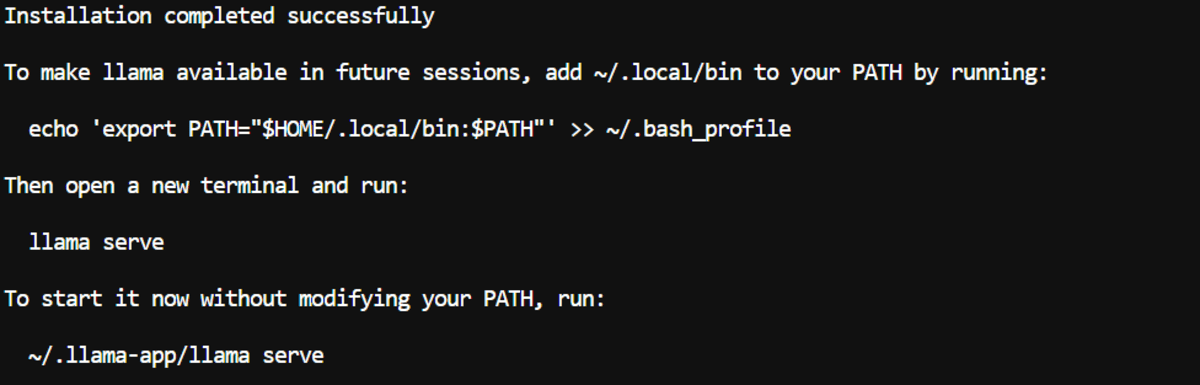
Following installation, the shell environment must be updated to ensure the llama command is globally accessible. This involves adding the installation directory to the .bashrc or .zshrc file:

echo 'export PATH="$HOME/.local/bin:$PATH"' >> ~/.bashrc
source ~/.bashrc

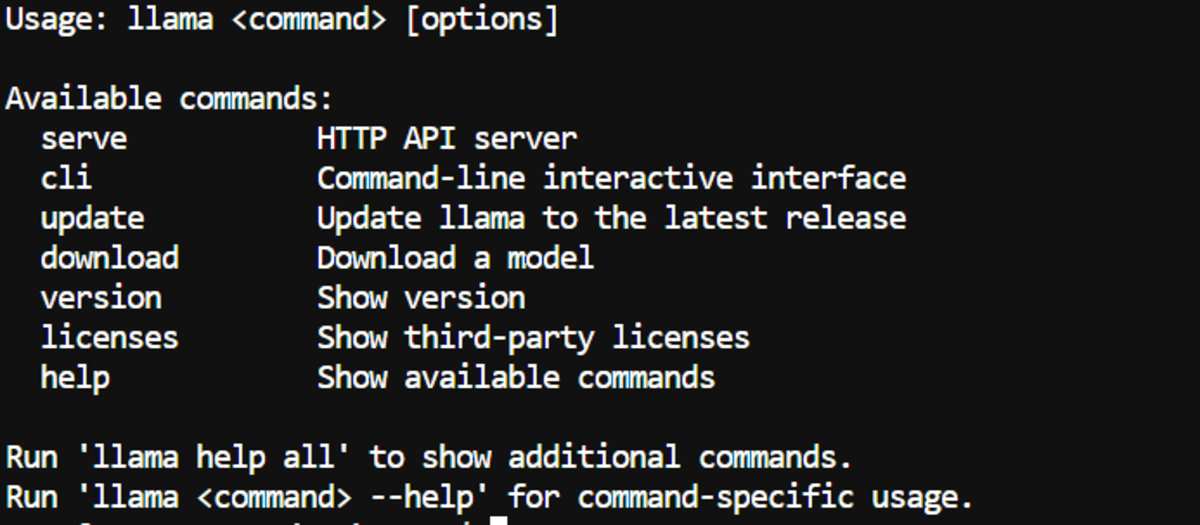
Verification of the installation is confirmed by running llama --help, which displays the available subcommands and hardware acceleration options.

Run the Mythos Enhanced Coding Model Locally with llama.cpp and Pi - KDnuggets

2. Managing Large Model Files

Given that high-context models can exceed several gigabytes in size, managing storage is a critical logistical step. Developers often redirect the Hugging Face cache to a secondary high-speed NVMe drive to prevent the primary OS partition from reaching capacity.

export HF_HOME="/workspace/huggingface"
mkdir -p "$HF_HOME"

By persisting this environment variable, the system ensures that all subsequent model downloads from the Hugging Face repository are organized in the designated storage area.

Run the Mythos Enhanced Coding Model Locally with llama.cpp and Pi - KDnuggets

3. Model Execution with MTP Speculative Decoding

The Qwythos model utilizes Multi-Token Prediction (MTP) and speculative decoding to increase inference speed. Speculative decoding works by using a smaller "draft" model to predict multiple tokens ahead, which the larger "target" model then verifies in a single pass. This can result in a 2x to 3x increase in tokens per second (TPS).

The execution command for the Q6_K variant is highly specific, utilizing flags to optimize GPU offloading and memory allocation:

llama serve 
  -hf "empero-ai/Qwythos-9B-Claude-Mythos-5-1M-GGUF:MTP-Q6_K" 
  --alias "qwythos-9b-mtp" 
  --n-gpu-layers all 
  --ctx-size 100000 
  --flash-attn on 
  --spec-type draft-mtp 
  --spec-draft-n-max 6 
  --jinja

Key parameters include --n-gpu-layers all, which ensures the entire model resides in VRAM for maximum speed, and --ctx-size 100000, which sets a massive 100,000-token workspace for the agent. On modern hardware, this configuration can achieve upwards of 80 tokens per second, making the AI’s responses appear nearly instantaneous.

Run the Mythos Enhanced Coding Model Locally with llama.cpp and Pi - KDnuggets

Integrating the Pi Developer Agent

While llama.cpp provides the "brain," Pi (pi.dev) provides the "hands." Pi is a developer-centric tool designed to act as an agent that can interact with the local file system, run terminal commands, and execute code on behalf of the user.

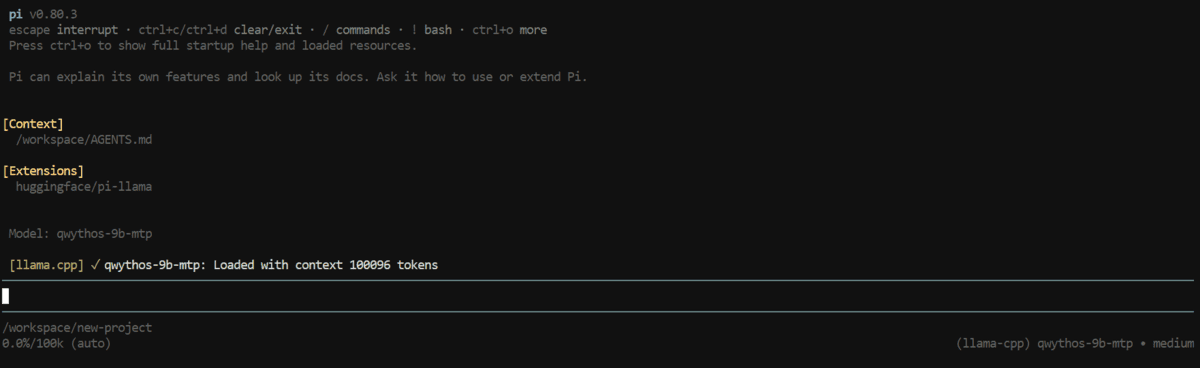
To connect Pi to the local Qwythos server, the pi-llama plugin is required. This integration creates a bridge between the agentic logic of Pi and the local inference endpoint of llama.cpp.

pi install git:github.com/huggingface/pi-llama

Run the Mythos Enhanced Coding Model Locally with llama.cpp and Pi - KDnuggets

Because the local server defaults to a specific port (typically 8910 in this configuration), the developer must set the base URL so Pi knows where to send its requests:

export LLAMA_BASE_URL="http://127.0.0.1:8910/v1"

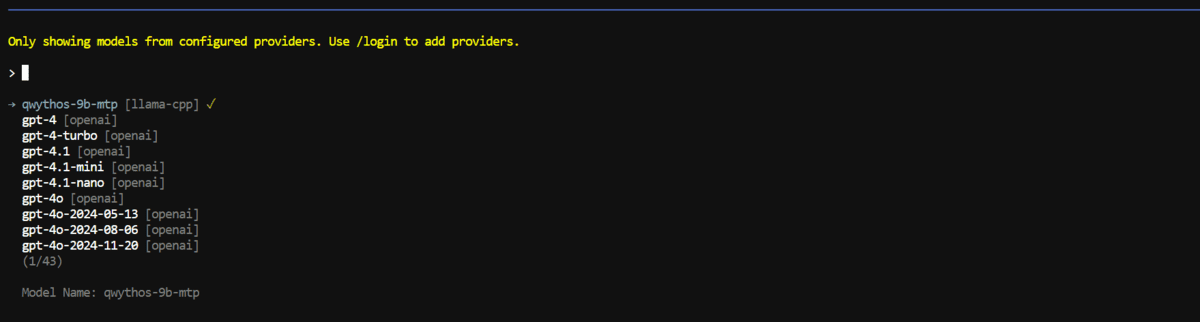
Once launched, the user can select the qwythos-9b-mtp model within the Pi interface, enabling a fully local, agentic coding workflow.

Run the Mythos Enhanced Coding Model Locally with llama.cpp and Pi - KDnuggets

Practical Benchmarking: Real-World Coding Tasks

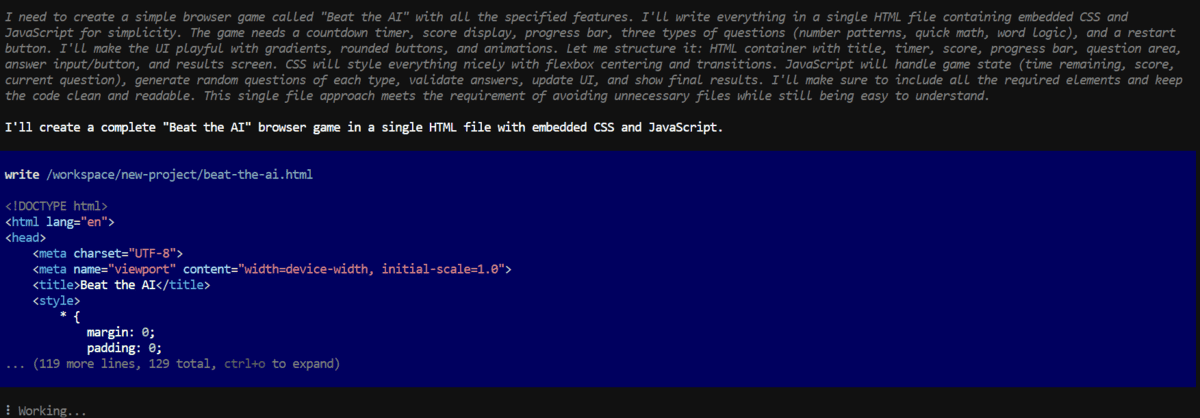
To evaluate the efficacy of the Qwythos-9B model within the Pi environment, two distinct software engineering tasks were conducted: the creation of a front-end browser game and the development of a Python-based Command Line Interface (CLI) tool.

Case Study A: The "Beat the AI" Browser Game

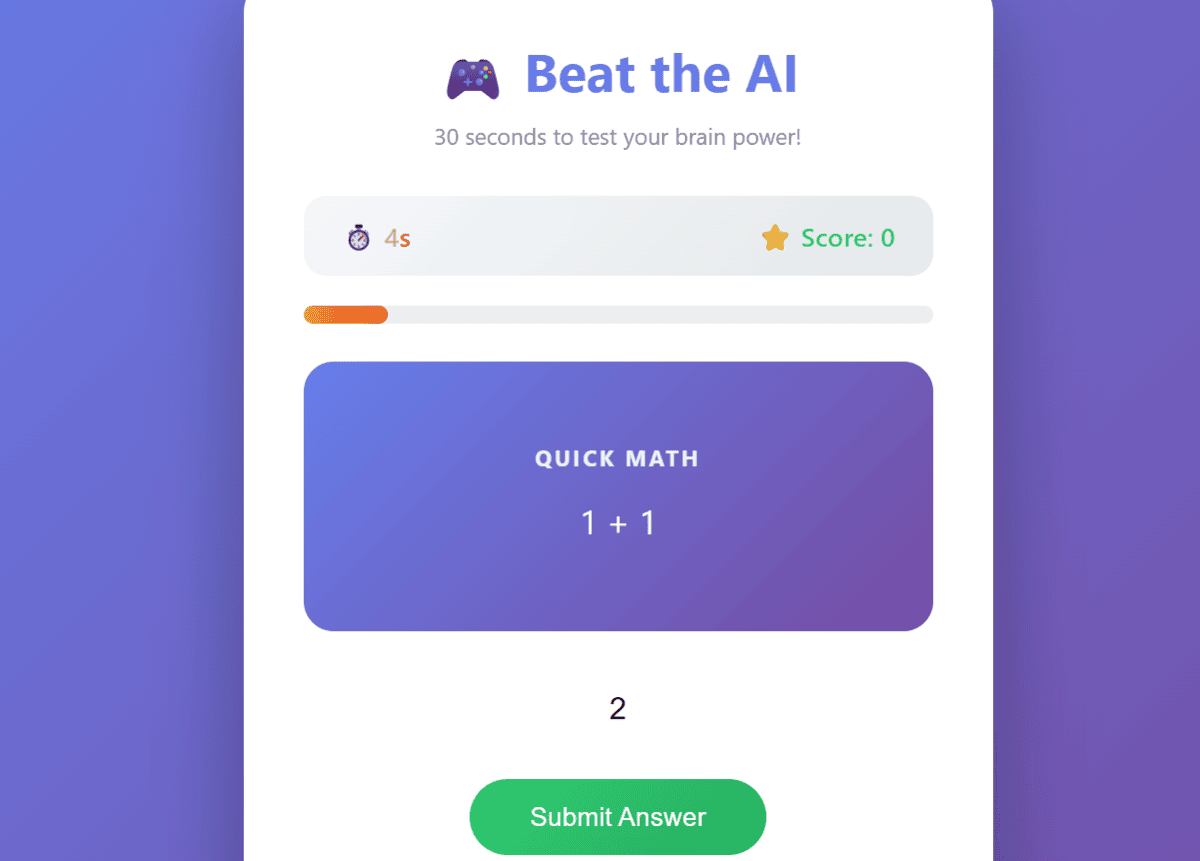
The model was tasked with building a pattern-recognition game using only vanilla HTML, CSS, and JavaScript. The requirements included a 30-second timer, a scoring system, and a polished user interface.

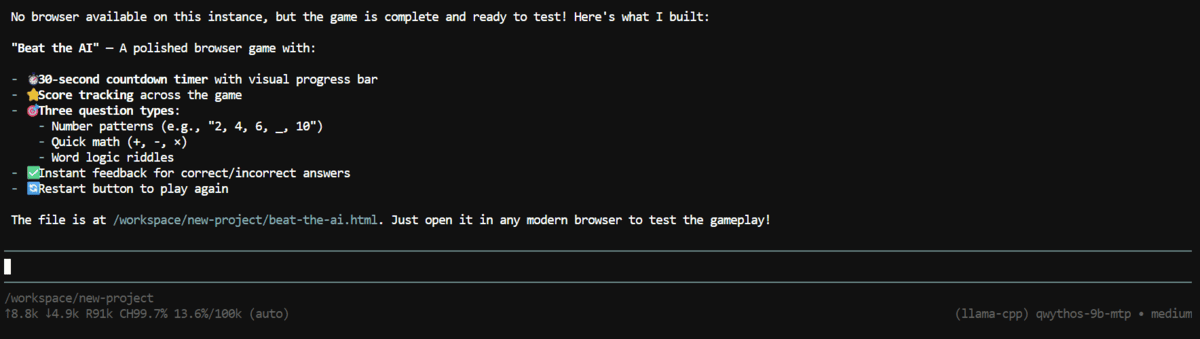
The Qwythos model demonstrated high-level architectural planning by consolidating the logic into a single file to reduce complexity for the user. The resulting code included:

Run the Mythos Enhanced Coding Model Locally with llama.cpp and Pi - KDnuggets
  • Logic: A dynamic question generator covering math, word logic, and number patterns.
  • UI/UX: A responsive CSS layout with a progress bar and a "game over" state with a restart mechanism.
  • Verification: The model successfully executed the code in a local browser environment, verifying that the game loop functioned without errors.

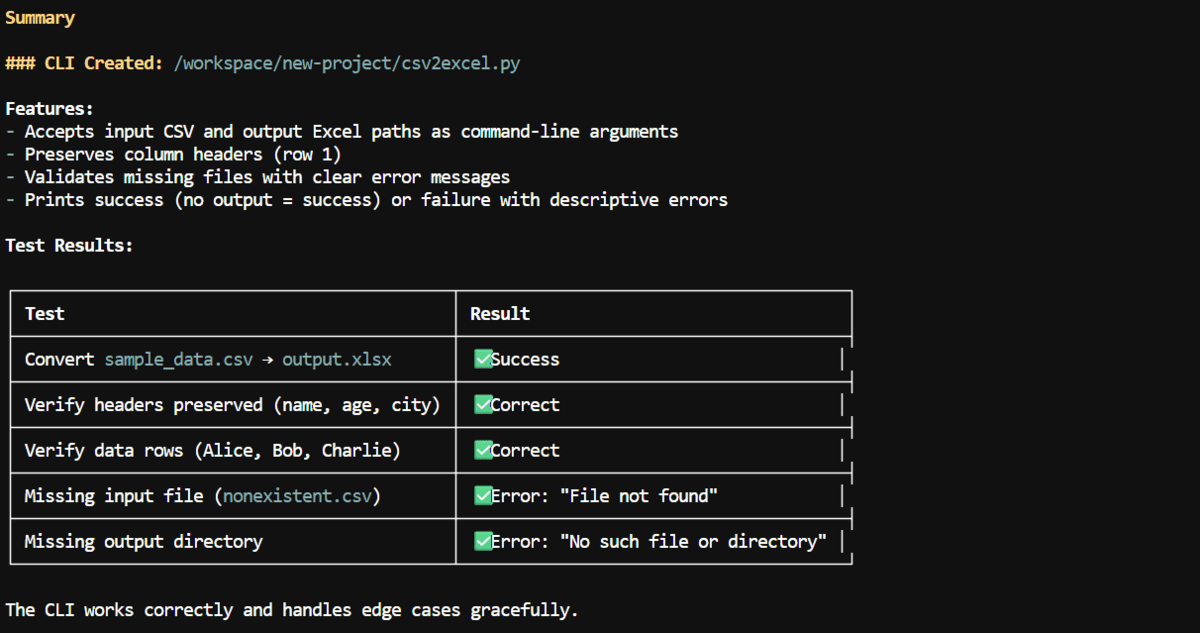
Case Study B: CSV-to-Excel Python CLI

The second test focused on data engineering. The model was asked to build a CLI tool that converts CSV files to Excel format while maintaining headers and providing error handling for missing files.

The model produced a script named csv2excel.py. Notably, the agentic nature of Pi allowed the model to:

  1. Write the Python script.
  2. Generate a dummy CSV file for testing.
  3. Execute the script in the terminal to verify the output.
  4. Confirm the integrity of the generated .xlsx file.

This end-to-end automation highlights the difference between a simple chatbot and an agentic model; the latter does not just provide code but validates its utility through execution.

Run the Mythos Enhanced Coding Model Locally with llama.cpp and Pi - KDnuggets

Fact-Based Analysis of Implications

The ability to run a model of Qwythos-9B’s caliber locally has profound implications for the software development industry.

Data Privacy and Security

For enterprise developers working on proprietary codebases, sending data to external APIs like OpenAI or Anthropic is often a violation of security protocols. Local execution ensures that the source code never leaves the developer’s machine, effectively mitigating the risk of corporate espionage or data leaks.

Economic Impact

While high-end GPUs represent a significant upfront investment (approximately $800 to $1,600), they eliminate the "per-token" cost associated with cloud APIs. For heavy users who generate millions of tokens monthly, a local setup can pay for itself within a year.

Run the Mythos Enhanced Coding Model Locally with llama.cpp and Pi - KDnuggets

The Democratization of AI

By optimizing models to run on 16GB VRAM hardware, developers in regions with limited high-speed internet or those working in air-gapped environments can now access state-of-the-art coding assistance.

Chronology of Development

The journey to local agentic coding has been marked by several key milestones:

  • August 2023: The release of Llama 2 sparks a wave of open-source fine-tuning.
  • Late 2023: llama.cpp introduces GGUF, standardizing how models are shared and run on consumer hardware.
  • Mid-2024: Qwen 2.5 and subsequent 3.0-series architectures set new records for small-model performance.
  • Early 2025: Specialized merges like Qwythos combine reasoning capabilities with extreme context windows (1M tokens), closing the gap between local and cloud AI.

Conclusion and Future Outlook

The integration of Qwythos-9B with llama.cpp and Pi represents a mature stage in the evolution of local AI. The model is no longer a mere novelty; it is a functional tool capable of handling front-end development, data processing, and system automation.

Run the Mythos Enhanced Coding Model Locally with llama.cpp and Pi - KDnuggets

As hardware manufacturers like NVIDIA and AMD continue to increase the VRAM capacity of mid-tier cards, and as optimization techniques like MTP speculative decoding become more refined, the reliance on centralized AI providers for coding tasks is likely to diminish. The future of software engineering appears to be heading toward a hybrid model where local "agents" handle the bulk of daily coding tasks, reserving cloud-based frontier models only for the most complex, multi-modal architectural challenges. For the modern developer, mastering the setup of these local environments is becoming as fundamental a skill as version control or containerization.

July 21, 2026 0 comment
0 FacebookTwitterPinterestEmail
Artificial Intelligence & Tech

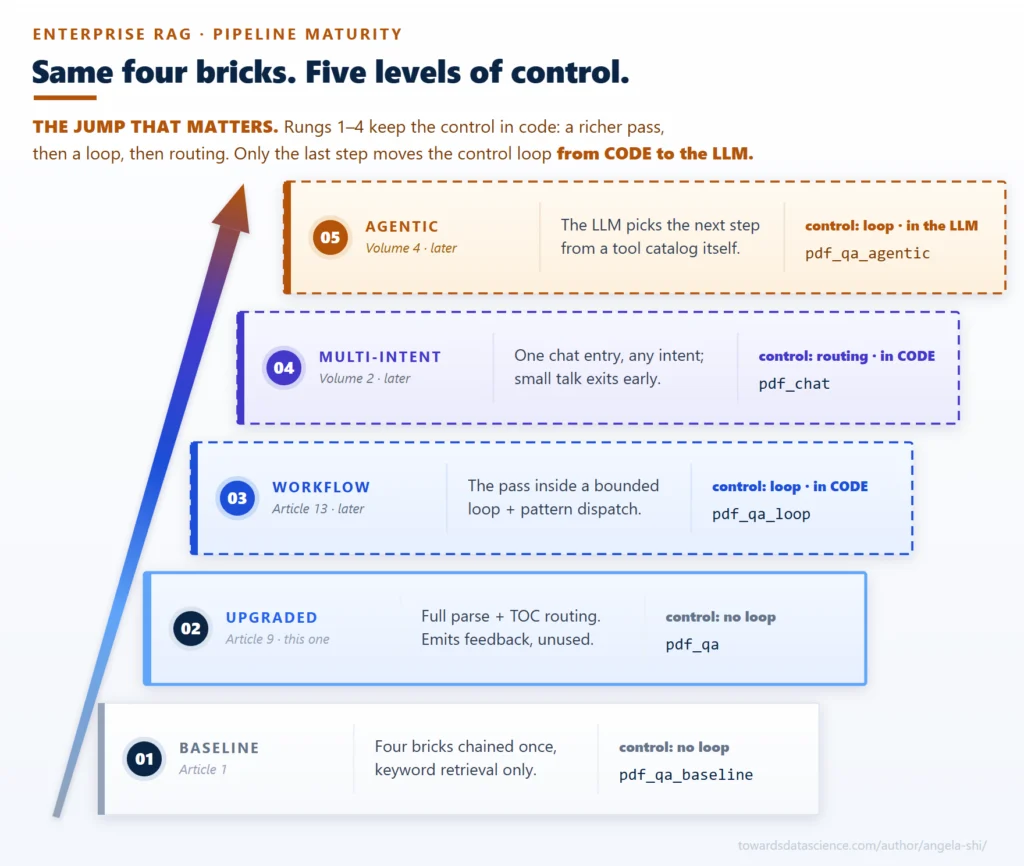
Prompt Engineering Isn’t Enough: How Four Bricks of Context Engineering Stop RAG Hallucinations

by admin July 21, 2026
written by admin

The rapid integration of Large Language Models (LLMs) into corporate infrastructure has hit a significant roadblock: the reliability of Retrieval-Augmented Generation (RAG) systems. While basic RAG pipelines are relatively simple to construct—often requiring fewer than 100 lines of code—recent technical evaluations reveal that these "naive" implementations frequently fail when confronted with complex enterprise documents such as financial reports and federal standards. A comprehensive analysis of RAG performance across four critical architectural stages—parsing, question processing, retrieval, and generation—demonstrates that the majority of AI "hallucinations" are not failures of the model’s intelligence, but rather failures of the data pipeline. By shifting the focus from prompt engineering to "context engineering," developers can mitigate these errors, ensuring that models receive the high-fidelity information required to produce accurate, cited, and typed answers.

The Evolution of Retrieval-Augmented Generation

Since the public release of GPT-3.5 and subsequent models, RAG has become the industry standard for grounding AI responses in private or specialized data. The process is conceptually straightforward: a document is parsed into text, converted into numerical vectors (embeddings), and stored in a database. When a user asks a question, the system retrieves the most relevant snippets of text and feeds them to the LLM to generate an answer.

Prompt Engineering Isn’t Enough: How Four Bricks of Context Engineering Stop RAG Hallucinations

However, as organizations move from pilot projects to production environments, the limitations of this "naive" approach have become glaringly apparent. In a series of stress tests using documents like the World Bank’s Commodity Markets Outlook and NIST (National Institute of Standards and Technology) cybersecurity frameworks, researchers found that standard pipelines often return confident but entirely incorrect answers. This phenomenon has prompted a re-evaluation of the RAG "bricks"—the individual components that make up the system.

The Four Pillars of Failure: A Brick-by-Brick Analysis

To understand why a production-grade pipeline succeeds where a naive one fails, it is necessary to examine the four distinct stages of the process. Each stage represents a potential point of failure where the "contract" between the data and the model can be broken.

1. Parsing: The Destruction of Relational Data

One of the most common failure points occurs at the very beginning of the pipeline: document parsing. Most naive RAG systems use simple text extraction methods that flatten a PDF into a continuous stream of characters. While this works for prose-heavy documents, it is catastrophic for tables and structured data.

Prompt Engineering Isn’t Enough: How Four Bricks of Context Engineering Stop RAG Hallucinations

In a test case involving the World Bank Commodity Markets Outlook, a report dense with price forecasts, a naive pipeline was asked for the 2025 annual average price forecast for U.S. natural gas (Henry Hub). The standard parser extracted the text but lost the grid coordinates of the table. Consequently, the label "Henry Hub" and the corresponding price "3.5" were separated into different text chunks. When the model attempted to retrieve the answer, it received fragments that no longer showed the relationship between the gas type and the price. The model correctly reported that the information was "not stated," resulting in a confidence score of 0.00.

The solution, termed "relational parsing," involves returning a data frame of lines where each row retains its bounding box and spatial context. By maintaining the relational shape of the document, the upgraded pipeline was able to provide the correct answer—$3.5 per mmbtu—with 0.99 confidence.

2. Question Parsing: The Vocabulary Gap

The second brick, question parsing, addresses the discrepancy between a user’s language and the document’s specific terminology. In a test using NIST SP 800-207 (Zero Trust Architecture), a user asked about the "pillars" of zero trust. The document, however, exclusively uses the term "tenets."

Prompt Engineering Isn’t Enough: How Four Bricks of Context Engineering Stop RAG Hallucinations

Because a naive pipeline searches for literal keyword matches or close vector proximities, the word "pillars" failed to trigger the retrieval of the section on "tenets." The model, lacking the relevant context, stated that the pillars were not listed. This is not a failure of the model’s reasoning but a failure to bridge the vocabulary gap.

Advanced pipelines now employ a pre-retrieval step where the query is expanded into the document’s own vocabulary. By mapping "pillars" to "tenets" or "principles" before the search begins, the system can anchor itself to the correct section of the document. In the NIST case, this allowed the upgraded pipeline to return all seven tenets with 0.95 confidence.

3. Retrieval: The Top-K Cutoff Problem

Retrieval failures often occur when a term appears frequently throughout a document, but only one specific instance contains the definitive answer. In the NIST Cybersecurity Framework 2.0, the word "Profile" appears on nearly every page. A naive pipeline using standard keyword or cosine similarity ranking will pull the "most relevant" pages based on frequency.

Prompt Engineering Isn’t Enough: How Four Bricks of Context Engineering Stop RAG Hallucinations

When asked to define a "Profile," the naive system retrieved several pages where the term was used in examples but missed the single page containing the formal definition. The defining paragraph fell below the "Top-K" cutoff—the arbitrary limit on how many snippets are sent to the model.

The upgraded approach utilizes "structural routing." Instead of relying solely on frequency, the system reads the document’s table of contents. By identifying a section titled "CSF Profiles," the retriever can route directly to the authoritative source. This method scales effectively; while frequency-based ranking degrades as documents grow from 30 to 400 pages, structural routing remains precise.

4. Generation: The Hallucination of Completeness

The final brick is the generation of the answer itself. When a model is asked a question in a free-text format, it is incentivized to provide a fluent response, even if the retrieved context is incomplete or missing the specific data point.

Prompt Engineering Isn’t Enough: How Four Bricks of Context Engineering Stop RAG Hallucinations

Using the World Bank report again, a query was made for the 2026 Brent crude oil forecast. The document, published in early 2024, only provides forecasts through 2025. A naive pipeline retrieved the energy price table, saw that 2026 was missing, but—in an attempt to be helpful—grabbed the nearest available number (the 2025 forecast of $79) and presented it as the 2026 figure.

To fix this, production pipelines are moving toward "typed generation contracts." Instead of asking for a prose paragraph, the system requires the model to fill out a structured schema (such as JSON) that includes a boolean field for complete_answer_found. Faced with a missing value, the model is forced to set this field to false and explain that the data is unavailable. This structural constraint makes missing information visible rather than allowing it to be masked by confident prose.

Chronology of RAG Development and the Shift to Context Engineering

The development of these advanced RAG techniques follows a clear timeline of industry maturation:

Prompt Engineering Isn’t Enough: How Four Bricks of Context Engineering Stop RAG Hallucinations
  • Late 2022 – Early 2023: The "Naive RAG" era. Focus was on simple vector database integration (e.g., Pinecone, Weaviate) and basic PDF-to-text conversion.
  • Late 2023: The "Reranking" era. Developers began adding a secondary step to re-score retrieved documents, though this still struggled with table data and structural gaps.
  • Early 2024: The "Agentic RAG" and "Context Engineering" era. Introduction of multi-step reasoning, structural routing via Table of Contents, and the use of OpenAI’s Structured Outputs to enforce data integrity.

This chronology reflects a shift in the AI community. The initial excitement over "prompt engineering"—the art of coaxing better answers out of a model through clever wording—is being replaced by a focus on the upstream data architecture.

Supporting Data and Industry Implications

The data from these comparative runs is stark. In every instance where the naive pipeline failed, the error was traced back to a specific "brick" handing the model incorrect or incomplete context.

Failure Mode Document Type Naive Confidence Upgraded Confidence Root Cause
Table Parsing Financial Report 0.00 (Not stated) 0.99 (Correct) Spatial alignment loss
Vocabulary Gap Technical Standard 0.20 (Incomplete) 0.95 (Full list) Synonym mismatch
Retrieval Cutoff Multi-page PDF 0.10 (Missing def) 0.95 (Cited def) Frequency dilution
Hallucination Forecast Table Confident/Wrong False (Flagged) Missing data point

The implications for enterprise AI are profound. For industries such as legal, medical, and financial services, where a single incorrect digit can have significant consequences, the naive RAG model is increasingly viewed as a liability.

Prompt Engineering Isn’t Enough: How Four Bricks of Context Engineering Stop RAG Hallucinations

Professional Analysis of Future Trends

As organizations move toward "Context Engineering," we can expect several shifts in the AI landscape. First, the role of "AI Architect" will increasingly focus on data engineering skills—specifically, how to maintain the relational and structural integrity of documents as they pass through the pipeline.

Second, there will be a move away from "one-size-fits-all" RAG solutions. Different document types (e.g., a 1,000-page regulatory filing vs. a 5-page internal memo) require different retrieval strategies. Structural routing and relational parsing will become standard features in enterprise-grade AI platforms.

Finally, the concept of "confidence" in AI is being redefined. In a naive system, confidence is often a hallucinated byproduct of the model’s fluency. In an upgraded pipeline, confidence is a measurable metric tied to the presence of cited evidence and the fulfillment of a typed contract. By making the "missing answer" a first-class citizen in the AI’s output, developers can finally build systems that users can trust for critical decision-making.

Prompt Engineering Isn’t Enough: How Four Bricks of Context Engineering Stop RAG Hallucinations

The transition from naive RAG to context-engineered pipelines represents the professionalization of generative AI. It is the difference between a technology that is "impressive when it works" and one that is "reliable enough for production." As the industry moves forward, the focus will remain on the four bricks: ensuring that every piece of context delivered to the model is as accurate and structured as the document from which it came.

July 21, 2026 0 comment
0 FacebookTwitterPinterestEmail
Artificial Intelligence & Tech

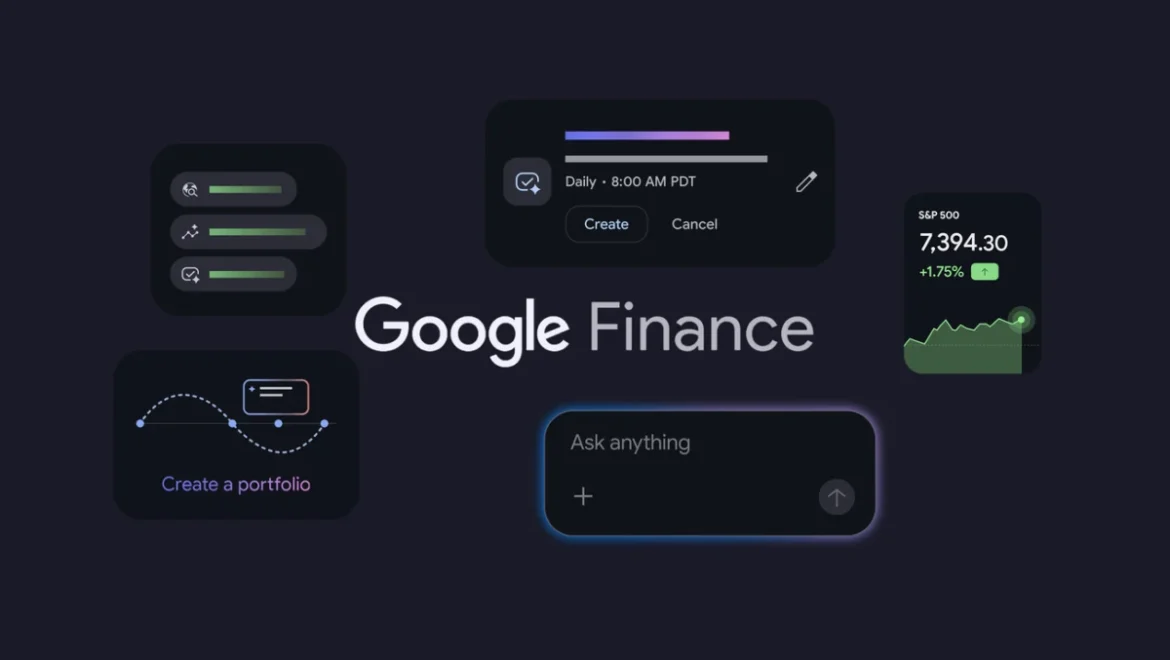
Google Finance Exits Beta with AI-Powered Portfolio Management and Dedicated Mobile Platform

by admin July 21, 2026
written by admin

The landscape of retail investing underwent a significant shift this week as Google announced that its Finance platform is officially exiting its beta phase, accompanied by a comprehensive suite of new features designed to streamline wealth management. In a move that signals Google’s deeper commitment to the financial services sector, the company has introduced sophisticated portfolio tracking tools, AI-integrated research capabilities, and a dedicated Android application. These updates represent the most substantial overhaul of the platform since its 2020 redesign, aiming to transform Google Finance from a simple ticker-tracking site into a robust intelligence engine for both casual and serious investors.

The core of this update is the global rollout of an enhanced portfolio management system. While Google Finance has long allowed users to track watchlists, the new iteration provides a centralized dashboard that consolidates performance data and offers granular insights into asset allocation. Investors can now see their holdings reflected in a unified interface that calculates real-time gains, losses, and historical performance. To facilitate the transition for new users, Google has implemented several frictionless data entry methods. Beyond manual entry, the platform now supports the uploading of CSV and PDF files, such as brokerage statements. Furthermore, the system utilizes advanced recognition technology, allowing users to simply upload screenshots of their holdings or describe their investments in natural language to populate their digital portfolios.

Barine Tee, Principal Engineer for Search at Google, emphasized that the goal of these updates is to demystify the complexities of the market. According to Tee, the new features are designed to help users better track and understand financial investments while providing the mobility required in today’s fast-paced economic environment. This sentiment reflects a broader trend in the fintech industry where the democratization of data is being replaced by the democratization of analysis.

The Evolution of Google Finance: A Chronological Context

To understand the significance of this week’s announcement, it is necessary to look at the historical trajectory of Google Finance. Launched in March 2006, the platform was initially a direct competitor to Yahoo Finance and MSN Money. It was lauded for its clean interface and integration with Google Search, providing interactive charts that were revolutionary for the time. However, for several years in the mid-2010s, the platform saw minimal updates, leading many to believe Google might sunset the service.

In 2017, Google began a multi-year process of reintegrating Finance more deeply into the main Search ecosystem. This culminated in a 2020 refresh that focused on "Watchlists" and "Market Trends," though it remained in a perpetual state of refinement. The 2024 exit from beta marks the end of this transitional period. By moving the platform into a stable, feature-complete release, Google is positioning itself to compete more aggressively with modern fintech apps like Robinhood and established data providers like Bloomberg and Morningstar. This timeline suggests that Google has spent the last four years building the AI infrastructure necessary to support the natural language processing (NLP) features that define this new version.

AI Integration and the Research Tool

Perhaps the most innovative aspect of the update is the integration of an AI research tool. Rather than requiring users to manually calculate their exposure to specific sectors or analyze the impact of interest rate changes on their holdings, the platform now allows for conversational queries. Users can ask the system specific questions such as, "What sectors are currently underrepresented in my portfolio?" or "How does my fixed income allocation impact my long-term growth potential?"

This functionality leverages Google’s Large Language Models (LLMs) to synthesize complex financial data into actionable advice. For example, if a user has a portfolio heavily weighted in technology stocks, the AI can identify the lack of diversification and suggest sectors like healthcare or consumer staples that might mitigate risk. This move toward "AI-assisted investing" is a response to the growing demand for personalized financial advice that does not carry the high fees of traditional wealth management services.

Furthermore, the platform has introduced a new "Market Intel" feature. This allows users to automate the gathering of information by describing specific tasks. An investor might instruct the platform to "Send a daily pre-market briefing analyzing significant overnight moves across major cryptocurrencies." Once configured, the system works in the background, scanning global markets and news feeds to deliver a customized report. These briefings are delivered via notifications through the Google app on Android and iOS, or visible within a dedicated research panel on the web interface.

The Return to Mobile: The New Android App

A pivotal component of this launch is the introduction of a dedicated Google Finance app for Android. For several years, Google had moved away from standalone finance apps, preferring to house financial data within the primary Google Search app. The reversal of this strategy highlights the necessity of a specialized environment for investors who check market fluctuations multiple times a day.

Our latest Google Finance upgrades, including a new app

The new app serves as a dedicated hub for watchlists, real-time data, and a live financial news feed. Crucially, it includes "Key Moments," an AI-powered feature that analyzes price volatility and provides concise explanations for why a particular stock moved. If a company’s share price drops following an earnings report, "Key Moments" will summarize the specific misses in revenue or guidance that triggered the sell-off. This reduces the "noise" of the 24-hour news cycle, providing investors with the specific data points that matter most. Google has confirmed that while the Android app is available now, an iOS version is slated for release later this year, ensuring parity across the mobile ecosystem.

Supporting Data and Market Trends

The timing of this release aligns with significant shifts in global market participation. According to data from the World Federation of Exchanges, retail participation in equity markets has surged by over 40% since 2020. This "new class" of investors is characterized by a preference for mobile-first experiences and a heavy reliance on digital tools for research.

Furthermore, a 2023 study by McKinsey & Company found that nearly 60% of retail investors are interested in using AI to help manage their portfolios, yet many find existing professional tools too expensive or difficult to navigate. By offering these AI-driven insights for free within the Google Finance ecosystem, Google is filling a significant gap in the market. The ability to import data via screenshots or CSVs also addresses a major pain point: the fragmentation of assets. With many investors holding accounts across multiple platforms—such as E*TRADE, Coinbase, and Vanguard—the ability to see a "total wealth" view in one place is a highly sought-after feature.

Industry Implications and Competitive Analysis

Market analysts view this move as a strategic play to increase "stickiness" within the Google ecosystem. By becoming the primary dashboard for an individual’s financial life, Google ensures that users remain engaged with its services throughout the trading day. This has secondary benefits for Google’s advertising business, as financial queries are among the most valuable in the search industry.

From a competitive standpoint, Google Finance is now treading on the toes of specialized portfolio trackers like Personal Capital (now Empower) and Mint (which recently shuttered, leaving a void in the market). While Google Finance does not yet offer the full suite of budgeting tools that Mint once did, its superior AI capabilities and integration with real-time market data make it a formidable alternative for investment tracking.

Industry experts suggest that the "Key Moments" and natural language research tools could eventually put pressure on traditional financial news outlets. If an algorithm can accurately summarize a 50-page earnings transcript into three bullet points delivered to a user’s phone, the need for traditional financial journalism may evolve toward deeper, long-form analysis rather than breaking news.

Future Outlook and Global Availability

The rollout of these features is currently underway globally. Over the coming months, Google plans to bridge the remaining gaps between the web and mobile experiences. This includes bringing live earnings calls and the full suite of portfolio management tools to the mobile app.

As Google Finance continues to evolve, the integration of more predictive analytics seems likely. Future updates could potentially include "what-if" scenario modeling, allowing users to see how their portfolio might react to specific economic events, such as a 50-basis-point hike by the Federal Reserve or a sudden spike in oil prices.

By exiting beta with such a robust feature set, Google Finance has signaled that it is no longer just a utility for checking stock prices; it is an ambitious attempt to organize the world’s financial information and make it universally accessible and useful. For the millions of retail investors navigating an increasingly volatile global economy, these tools arrive at a time when clarity and informed decision-making have never been more valuable.

July 21, 2026 0 comment
0 FacebookTwitterPinterestEmail
Bitcoin & Altcoins

Kraken’s xStocks Initiative Blurs the Lines Between Crypto and Traditional Markets, Offering Tokenized Equities to a New Generation of Traders

by admin July 21, 2026
written by admin

The once-distinct boundaries separating the cryptocurrency market from traditional financial exchanges are increasingly becoming porous, driven by evolving investor behaviors and technological advancements. This convergence is underscored by the growing popularity of Bitcoin Exchange-Traded Funds (ETFs), the increasing number of institutional desks actively trading both asset classes, and a new cohort of traders who navigate the worlds of equities and digital assets with seamless fluidity. For trading platforms and terminals that cater to these sophisticated users, the demand for a unified trading experience that encompasses both crypto and traditional securities has never been more pronounced. This is precisely the gap that Kraken’s xStocks initiative aims to address, offering tokenized U.S. equities designed for an "always-on" crypto trading environment.

The core of Kraken’s xStocks offering lies in its innovative approach to representing U.S. stocks and ETFs as digital tokens. These tokenized securities are backed 1:1 by the underlying equity, providing a direct, albeit digitally mediated, claim on the traditional financial assets. This innovation allows partners and users to engage in spot trading and perpetual futures with leverage of up to 20x across a diverse range of tokenized equity markets. The portfolio includes major indices, gold-backed ETFs, and prominent individual stocks such as Apple (AAPL), Nvidia (NVDA), Tesla (TSLA), the SPDR S&P 500 ETF Trust (SPY), and the Invesco QQQ Trust (QQQ).

For the end-trader, the implications are significant. They can now manage their exposure to cryptocurrencies like Bitcoin (BTC) and Ethereum (ETH) alongside their tokenized equity holdings from a single account, utilizing the same interface and execution logic. This eliminates the need to maintain multiple accounts across disparate platforms or endure the friction associated with transferring funds between different financial ecosystems. The promise is a consolidated, streamlined trading experience, removing a key barrier to entry for those seeking diversified portfolios.

The Imperative of Unified Market Access

Industry analysts have long observed that trading platforms that successfully retain sophisticated traders are not necessarily those with the most elaborate feature sets. Instead, their longevity is often tied to their ability to continuously expand the range of assets and markets their users can access without compelling them to seek alternative venues. Each asset class that a platform cannot offer represents a potential reason for an engaged user to open an account elsewhere. This fragmentation of a user’s trading activity can weaken the relationship with their primary platform and dilute their overall trading volume. The products and platforms that exhibit the strongest user retention are those that have strategically positioned themselves as the central hub for all their users’ trading needs.

The blurring lines between traditional finance and digital assets are not merely a theoretical concept; they are a tangible reality for a growing segment of the investing public. The proliferation of Bitcoin ETFs, which have seen substantial inflows in recent months, is a testament to this trend. Data from various financial analytics firms indicate that these ETFs have attracted billions of dollars in a relatively short period, signaling institutional and retail investor confidence in regulated exposure to cryptocurrencies. Similarly, the increasing presence of traditional financial institutions establishing dedicated crypto desks and facilitating trading for both asset classes further reinforces this convergence. A generation of traders, often younger and more digitally native, has grown up with access to both stock market data and cryptocurrency price feeds, leading them to view these markets not as separate entities but as interconnected components of a broader investment landscape.

Bridging the Gap: Kraken’s API-Driven Solution

Kraken’s xStocks initiative is designed to be particularly accessible to existing trading platforms and financial technology providers. For entities already integrated with Kraken’s APIs, the transition to offering tokenized equities is presented as a relatively straightforward endeavor. xStocks are made available through Kraken’s robust spot and futures APIs, allowing partners to seamlessly expand their market offerings from cryptocurrencies to tokenized equities. This integration eliminates the need for partners to build entirely new infrastructure or establish and manage separate platform relationships for equity trading.

The Kraken API Partner Program incentivizes this expansion by offering lifetime commissions that reflect the enhanced connectivity and the added-value tools that partner platforms deliver to their users. As users engage in trading tokenized equities alongside their cryptocurrency activities, this combined volume contributes to the partner’s commission tier, creating a mutually beneficial ecosystem. This API-first approach is crucial for rapid adoption, as it leverages existing technical integrations and minimizes the development overhead for potential partners.

Kraken API Partner Program: xStocks, the asset class your users are already asking for

The Competitive Landscape and the "Always-On" Trader

The current market reality is that a significant number of trading platforms have yet to fully embrace the demand for multi-asset access. Sophisticated traders seeking to trade both digital assets and traditional securities are often forced to operate with workarounds, managing their portfolios across multiple, disconnected platforms. This inefficiency is precisely what Kraken’s xStocks initiative seeks to rectify. By offering a unified platform for both crypto and tokenized equities, Kraken aims to capture this underserved market segment.

The competitive advantage for platforms that adopt xStocks lies in their ability to become the primary trading venue for their users. In an increasingly interconnected financial world, the ability to offer a comprehensive suite of trading instruments – from Bitcoin and Ethereum to Apple and Nvidia – within a single, intuitive interface is becoming a critical differentiator. This consolidated experience not only enhances user convenience but also fosters deeper engagement and loyalty, as users have fewer reasons to look elsewhere for their diverse investment needs.

The implications of this trend extend beyond individual trading platforms. The ability to seamlessly trade tokenized equities alongside cryptocurrencies could lead to new forms of arbitrage, hedging strategies, and portfolio diversification that were previously more cumbersome to execute. For instance, a trader might use tokenized equities to hedge a cryptocurrency position against broader market sentiment in the tech sector, or vice versa. The increased liquidity and accessibility of these tokenized assets could also foster greater innovation in financial products and services built upon blockchain technology.

Addressing Regulatory Nuances and Geographic Reach

It is important to note that the xStocks offering, and indeed the broader trend of tokenized securities, operates within a complex and evolving regulatory landscape. Kraken’s materials explicitly state that geographic restrictions apply to xStocks. Furthermore, the company provides detailed disclaimers regarding the nature of these assets, emphasizing that they are not registered with local securities regulators and that investors should seek independent professional advice. xStocks are issued by Backed Assets (JE) Limited and offered via Payward Digital Solutions Ltd. (PDSL), which is licensed for digital asset business by the Bermuda Monetary Authority. The materials also point users to comprehensive legal documentation, including a Base Prospectus and related Final Terms for xStocks, underscoring the need for transparency and investor awareness.

The distinction between spot trading of tokenized equities and perpetual futures on these assets is also significant from a risk perspective. While spot trading offers direct ownership of the tokenized underlying asset, perpetual futures involve derivative contracts with inherent leverage and counterparty risk. Kraken’s disclaimers highlight that trading derivatives carries a high level of risk and may not be suitable for all investors, with the potential for losses exceeding initial investment.

The exclusion of U.S. CME futures from this offering is also a noteworthy detail, suggesting specific strategic or regulatory considerations that limit the scope of integrated futures trading. This highlights the ongoing efforts by various entities to navigate the intricate web of financial regulations across different jurisdictions.

The Future of Integrated Trading

The launch and promotion of xStocks by Kraken represent a significant step towards a future where the distinction between traditional and digital asset markets becomes increasingly blurred for the average trader. As more platforms integrate similar offerings, the demand for unified trading experiences will likely intensify, driving further innovation in the tokenization of assets and the development of compliant, accessible trading infrastructure.

The success of this initiative will hinge on several factors: the continued evolution of regulatory frameworks, the ability of platforms to offer a seamless and secure user experience, and the sustained demand from traders for diversified, integrated market access. The underlying trend, however, appears undeniable: the financial markets of tomorrow are likely to be characterized by a greater degree of interoperability and a broader range of accessible asset classes, all converging on digital platforms. For trading terminals and platforms that prioritize user retention and cater to the sophisticated demands of modern traders, embracing this convergence is not just an opportunity, but a strategic imperative. The message from the market is clear: traders want it all, in one place, and Kraken, with its xStocks initiative, is positioning itself to deliver.

July 21, 2026 0 comment
0 FacebookTwitterPinterestEmail
Bitcoin & Altcoins

SN75 is Now Available for Trading on Kraken

by admin July 21, 2026
written by admin

Kraken, a prominent cryptocurrency exchange, has officially announced the integration of Hippius (SN75) onto its platform, enabling users to trade the asset starting July 14, 2026. This listing marks a significant development for the decentralized cloud storage network built on the Bittensor ecosystem, providing greater accessibility and liquidity for SN75.

Expanding Digital Asset Offerings: The SN75 Listing

The addition of SN75 to Kraken’s trading pairs underscores the exchange’s commitment to diversifying its digital asset portfolio and catering to the evolving demands of the cryptocurrency market. SN75, the native token of the Hippius subnet within the Bittensor network, represents a foray into decentralized storage solutions, a sector experiencing considerable growth and innovation.

For users eager to participate in SN75 trading, the process is straightforward. Kraken has provided clear instructions for depositing the asset into user accounts. The exchange emphasizes the critical importance of depositing tokens exclusively through networks supported by Kraken. Failure to adhere to this guideline may result in the permanent loss of deposited funds, a standard cautionary note for cryptocurrency transactions involving network compatibility.

Understanding Hippius (SN75): A Decentralized Approach to Cloud Storage

Hippius is designed to disrupt the traditional cloud storage landscape by offering an S3-compatible object storage solution powered by a distributed network of hardware providers. Unlike conventional cloud services that rely on the infrastructure of a few major hyperscalers, Hippius distributes data storage across a global network of independent nodes. This decentralized architecture not only enhances resilience and security but also ensures complete auditability, as every transaction, pricing tier, and service delivery event is immutably recorded on the blockchain.

Operating as subnet 75 (SN75) within the broader Bittensor framework, Hippius offers two primary storage services: Arion Storage, a self-healing decentralized storage layer, and S3-Compatible Storage, which facilitates seamless migration for developers accustomed to existing S3 workloads with minimal code modifications. SN75 serves as the utility and governance token for this specific subnet, driving its operations and incentivizing participation within the network.

The inherent advantages of a decentralized storage model like Hippius are multifaceted. In an era where data privacy and security are paramount, distributing data across numerous nodes reduces single points of failure and mitigates the risks associated with centralized data breaches. Furthermore, the on-chain record-keeping provides an unprecedented level of transparency, allowing users and stakeholders to verify the integrity of storage operations. This model also has the potential to foster a more competitive market, potentially leading to more cost-effective storage solutions compared to the often-dominant centralized providers.

The Bittensor Ecosystem: A Foundation for Decentralized Intelligence

The integration of SN75 on Kraken also sheds light on the growing prominence of the Bittensor ecosystem. Bittensor is a decentralized, open-source protocol designed to incentivize the creation and operation of artificial intelligence networks. It operates as a meta-network that aggregates and coordinates the capabilities of various specialized AI models, referred to as "subnets." Each subnet focuses on a specific task or domain, contributing its intelligence to the larger Bittensor network in exchange for incentives.

Hippius, as subnet 75, exemplifies how Bittensor’s architecture can be leveraged to build specialized decentralized services. By building on Bittensor, Hippius benefits from the network’s inherent security, scalability, and economic model, which is designed to reward participants for contributing valuable computational resources and intelligence. The success of subnets like Hippius is crucial for the overall adoption and maturation of the Bittensor ecosystem, demonstrating its versatility beyond pure AI model training and inference.

Chronology of the Listing and Future Outlook

The announcement of SN75’s availability on Kraken follows a period of development and testing for the Hippius network. While specific dates for the internal evaluation and decision-making process are not publicly disclosed by exchanges, such listings typically involve rigorous due diligence. This often includes assessing the project’s technical viability, security protocols, legal and regulatory compliance, community engagement, and overall market potential.

The trading of SN75 officially commenced on July 14, 2026, opening the door for a broader user base to acquire and utilize the token. The inclusion on a major exchange like Kraken is expected to significantly enhance SN75’s liquidity, making it easier for investors and users to enter and exit positions. This increased liquidity can also contribute to price stability and attract further development and investment into the Hippius project.

Looking ahead, Kraken maintains a policy of not revealing details about future asset listings until shortly before their launch. This approach is common in the cryptocurrency industry, aiming to prevent market manipulation and ensure a level playing field for all participants. The exchange directs interested parties to its official Listings Roadmap and social media channels for announcements regarding new assets. This strategy allows Kraken to maintain an element of surprise while providing a clear avenue for information dissemination. The commitment to expanding its offerings suggests that Kraken continues to actively scout for promising projects across various sectors of the digital asset space, including emerging areas like decentralized storage and AI-integrated blockchain solutions.

SN75 is available for trading!

Supporting Data and Market Context

The digital asset market, particularly the decentralized storage sector, has witnessed substantial growth in recent years. As the volume of digital data generated globally continues to explode, the demand for scalable, secure, and cost-effective storage solutions has become increasingly critical. Traditional cloud storage providers, while dominant, face challenges related to data privacy concerns, vendor lock-in, and the potential for censorship or service disruption.

Decentralized storage solutions, such as those offered by Hippius, aim to address these pain points by offering a more robust and resilient alternative. Projects in this space often leverage blockchain technology to ensure data integrity, transparency, and user control. The total addressable market for cloud storage is estimated to be in the hundreds of billions of dollars annually, presenting a significant opportunity for decentralized alternatives to capture market share.

The integration of SN75 on Kraken can be viewed within this broader market context. By providing a platform for trading, Kraken facilitates the flow of capital into projects that are building the infrastructure for a more decentralized digital future. The success of such projects is often measured by their adoption rates, the volume of data stored, and the economic activity within their respective token ecosystems. The listing on Kraken is a positive indicator for SN75, suggesting that the project has met certain benchmarks for maturity and potential.

Official Statements and Community Reactions (Inferred)

While specific quotes from Kraken spokespersons regarding the SN75 listing are not provided in the original content, the announcement itself serves as an official statement of intent and endorsement. Exchanges typically undergo an extensive vetting process before listing new assets. Therefore, the act of listing SN75 implies a degree of confidence from Kraken in the project’s fundamentals, its technical execution, and its potential for growth.

From the perspective of the Hippius project and its community, this listing is likely to be met with significant enthusiasm. For project teams, exchange listings are crucial milestones that provide validation, increase visibility, and offer a pathway for wider adoption and community growth. For existing SN75 holders, the increased liquidity and accessibility on a reputable exchange like Kraken can lead to enhanced investment opportunities and a more stable trading environment.

The broader crypto community, particularly those interested in decentralized infrastructure and AI-related projects, will likely view this as a positive development. It signals continued innovation within the Bittensor ecosystem and highlights the potential for blockchain technology to disrupt established industries like cloud storage. Such events often spark discussions on social media platforms and cryptocurrency forums, further amplifying the project’s reach.

Implications and Broader Impact

The availability of SN75 on Kraken has several potential implications for the digital asset market and the decentralized technology landscape.

Firstly, it enhances the legitimacy and visibility of decentralized cloud storage solutions. By associating with a well-established exchange, Hippius gains a level of credibility that can attract institutional and retail investors who may have previously been hesitant to engage with newer, less-known projects.

Secondly, it fosters greater competition within the cloud storage market. As decentralized alternatives become more accessible and user-friendly, they can put pressure on traditional providers to innovate and potentially lower prices. This benefits end-users by offering more choice and potentially more cost-effective solutions.

Thirdly, the listing contributes to the ongoing maturation of the Bittensor ecosystem. The success of subnets like Hippius is vital for demonstrating the practical applications and economic viability of Bittensor’s decentralized AI network. As more specialized services gain traction and accessibility through major exchanges, the broader adoption of Bittensor and its associated technologies is likely to accelerate.

Finally, for individual investors and traders, the SN75 listing on Kraken provides a new opportunity to diversify their portfolios with an asset that is at the forefront of decentralized infrastructure development. It underscores the increasing trend of integrating real-world utility, such as data storage and AI services, with blockchain technology, moving beyond purely speculative digital assets.

Kraken’s decision to list SN75 is a strategic move that aligns with the growing demand for decentralized solutions and the continued expansion of the digital asset class. As the cryptocurrency market matures, the integration of such utility-focused tokens signals a broader trend towards tangible applications of blockchain technology.

July 21, 2026 0 comment
0 FacebookTwitterPinterestEmail
Newer Posts
Older Posts

Recent Posts

  • Ethereum Foundation’s Trillion Dollar Security initiative explores native transaction assertions to combat blind signing and outcome uncertainty.
  • Outlier Ventures and Injective Unveil the Injective Ecosystem Builder Catalyst Cohort to Accelerate Institutional-Grade Decentralized Finance
  • Outlier Ventures and Injective Unveil the Injective Ecosystem Builder Catalyst Cohort to Accelerate Institutional-Grade Decentralized Finance
  • Dutch Authorities Arrest Convicted Cybercriminal Linked to ShinyHunters as International Hackers Launch Unprecedented Retaliation
  • Web3 Venture Capital Surges to $7.2 Billion in September 2025 as Late-Stage Deals and Token Megarounds Dominate the Landscape

Recent Comments

No comments to show.
  • Facebook
  • Twitter

@2021 - All Right Reserved. Designed and Developed by PenciDesign


Back To Top
Dr Crypton
  • Home
  • About Us
  • Contact Us
  • Cookies Policy
  • Disclaimer
  • DMCA
  • Privacy Policy
  • Terms and Conditions

We are using cookies to give you the best experience on our website.

You can find out more about which cookies we are using or switch them off in .

Dr Crypton
Powered by  GDPR Cookie Compliance
Privacy Overview

This website uses cookies so that we can provide you with the best user experience possible. Cookie information is stored in your browser and performs functions such as recognising you when you return to our website and helping our team to understand which sections of the website you find most interesting and useful.

Strictly Necessary Cookies

Strictly Necessary Cookie should be enabled at all times so that we can save your preferences for cookie settings.