• Home
  • About Us
  • Contact Us
  • Cookies Policy
  • Disclaimer
  • DMCA
  • Privacy Policy
  • Terms and Conditions
Dr Crypton
Secure Your Future in Crypto
Bitcoin & Altcoins

SN62 is Available for Trading on Kraken, Bringing Decentralized AI Software Engineering to the Forefront

by admin July 21, 2026
written by admin

Kraken, a leading cryptocurrency exchange, has officially announced the listing of SN62, the native token of the Ridges subnet within the Bittensor ecosystem. This significant development, effective July 21, 2026, marks a pivotal moment for the accessibility of decentralized artificial intelligence (AI) solutions focused on software engineering. The integration of SN62 on Kraken’s platform provides traders and developers with a direct avenue to engage with this innovative technology, potentially accelerating the adoption and advancement of AI-driven software development.

The addition of SN62 to Kraken’s trading pairs underscores a growing trend in the cryptocurrency market: the convergence of blockchain technology with sophisticated AI applications. Ridges, operating as Bittensor’s subnet 62, distinguishes itself by fostering an open, competitive environment for AI agents designed to tackle complex software engineering challenges. Unlike proprietary AI coding assistants, Ridges incentivizes the development and open-sourcing of AI agents through a decentralized network. This approach aims to create a collaborative ecosystem where AI agents continuously learn and improve by competing against an evolving set of coding problems, with their performance meticulously evaluated and recorded on-chain.

The Ridges Subnet: A Decentralized Approach to AI Software Engineering

At its core, Ridges (SN62) represents a novel paradigm for AI development in the software engineering domain. The Bittensor framework, which underpins Ridges, is designed to create a decentralized marketplace for machine intelligence. Within this framework, subnet 62 specifically focuses on the generation and refinement of AI agents capable of solving software engineering tasks. The process involves "miners" submitting their AI coding agents to the network, and "validators" rigorously assessing these agents’ performance against predefined software engineering benchmarks. The most successful agents are then made publicly accessible.

This unique structure offers several key advantages:

  • Collaborative Progress: By incentivizing open-sourcing and on-chain performance verification, Ridges promotes a collaborative environment. AI agents can build upon the successes and learnings of others, fostering more rapid and robust advancements than isolated development efforts.
  • Verifiable Performance: The on-chain evaluation mechanism provides a transparent and immutable record of agent performance. This allows third parties to independently audit and verify the capabilities of any submitted agent, ensuring a high degree of trust and reliability.
  • Integrity in Benchmarking: The requirement for open-sourcing agents prevents "solution hardcoding," a common issue where AI models are trained specifically to pass existing benchmarks without demonstrating true generalized problem-solving ability. This ensures that the evaluated performance reflects genuine engineering competence.

The practical applications of this technology are far-reaching, spanning AI-assisted software development, automated code review processes, and the establishment of robust infrastructure for platforms that integrate agent-driven engineering workflows. The SN62 token plays a crucial role in this ecosystem, acting as the economic incentive that fuels the network and rewards participants for their contributions.

Timeline and Rollout: From Concept to Trading Floor

The journey of SN62 from a conceptual Bittensor subnet to a tradable asset on a major exchange like Kraken involves several stages, reflecting the typical lifecycle of innovative blockchain projects. While specific dates prior to the listing are not detailed in the initial announcement, the process generally includes:

  • Development and Testing: The Ridges subnet and its associated AI agents would have undergone extensive development and rigorous testing phases within the Bittensor ecosystem. This would involve refining algorithms, improving agent performance, and ensuring the robustness of the on-chain evaluation mechanisms.
  • Community Engagement and Validation: As with most decentralized projects, community involvement is paramount. Developers and users would have engaged with the Ridges subnet, providing feedback and contributing to its growth. Validation by the broader Bittensor community would be a key indicator of the subnet’s potential.
  • Listing Application and Due Diligence: For a cryptocurrency to be listed on a reputable exchange like Kraken, it must undergo a stringent application and due diligence process. This typically involves evaluating the project’s technical merits, legal compliance, tokenomics, security protocols, and market demand. Kraken’s team would have assessed SN62’s viability and potential impact on its platform.
  • Public Announcement and Trading Commencement: Following successful due diligence, Kraken would announce the listing, providing users with essential information about the asset and trading instructions. The trading of SN62 officially commenced on July 21, 2026, making it accessible to a global audience.

The deposit process for SN62 on Kraken mirrors that of other digital assets. Users are instructed to navigate to the "Funding" section of their Kraken account, select SN62, and initiate a deposit. Crucially, Kraken emphasizes the importance of depositing tokens only through networks officially supported by the exchange. Deposits made via unsupported networks risk being lost, a standard disclaimer in the cryptocurrency trading space to prevent user error and asset loss.

SN62 is available for trading!

Supporting Data and Market Context

The integration of AI-focused tokens like SN62 into mainstream cryptocurrency exchanges is indicative of broader market trends. The global AI market is experiencing exponential growth, with projections suggesting a significant expansion in the coming years. For instance, various market research reports have forecasted the AI market to reach hundreds of billions, if not trillions, of dollars within the next decade. This growth is driven by increasing adoption across industries, advancements in AI research, and the development of more sophisticated AI applications.

The Bittensor ecosystem itself has garnered considerable attention for its unique approach to incentivizing AI development. Bittensor’s native token, TAO, has seen significant price appreciation and trading volume, reflecting investor confidence in its decentralized AI marketplace model. The success of individual subnets like Ridges, therefore, is closely watched as a testament to the scalability and effectiveness of the Bittensor protocol.

While specific trading volume data for SN62 on Kraken will become available post-launch, the exchange’s decision to list it suggests an anticipated demand. Kraken is known for its meticulous listing process, often prioritizing assets with strong technical foundations, active communities, and clear utility. The availability of SN62 on Kraken is expected to provide liquidity and price discovery for the token, making it easier for investors and developers to acquire and trade.

Official Responses and Future Outlook

Kraken’s announcement, while concise, reflects its commitment to expanding its offerings to include innovative digital assets. The exchange consistently aims to provide its users with access to a diverse range of cryptocurrencies, particularly those at the forefront of technological advancement.

Regarding the future of asset listings, Kraken maintains a policy of discretion. The company stated, "Yes! But our policy is to never reveal any details until shortly before launch — including which assets we are considering." This approach ensures that announcements are made when concrete plans are in place, minimizing speculation and providing clear, actionable information to their user base. All available tokens can be found on Kraken’s official listings page, and future announcements are disseminated through their Listings Roadmap and social media channels. Client engagement specialists are unable to provide information on potential future asset additions.

This policy, while understandable from a business perspective, highlights the dynamic and often unpredictable nature of the cryptocurrency market. However, it also underscores Kraken’s strategic approach to curating its platform with assets that demonstrate significant potential and have a clear pathway to adoption.

Broader Impact and Implications

The listing of SN62 on Kraken has several significant implications for the cryptocurrency and AI industries:

  • Increased Accessibility to Decentralized AI: By making SN62 readily available on a major exchange, Kraken is lowering the barrier to entry for individuals and institutions interested in participating in or benefiting from decentralized AI development. This can democratize access to cutting-edge AI tools and investment opportunities.
  • Validation of Bittensor’s Model: The successful listing of a subnet token like SN62 on a top-tier exchange serves as a strong validation for the underlying Bittensor protocol. It suggests that the decentralized AI marketplace concept is gaining traction and demonstrating tangible value.
  • Stimulus for AI Software Engineering Innovation: With increased liquidity and visibility, SN62’s listing could incentivize more developers to contribute to the Ridges subnet. This, in turn, could accelerate the development of more sophisticated AI agents capable of solving increasingly complex software engineering challenges, potentially impacting the broader software development landscape.
  • Growth in the AI Token Sector: The addition of SN62 to Kraken’s trading pairs contributes to the growing diversity and maturity of the AI token sector within the cryptocurrency market. This can attract further investment and innovation in the intersection of AI and blockchain.
  • Potential for New Use Cases: As AI agents within the Ridges subnet become more advanced and accessible, new and unforeseen use cases in software development and beyond are likely to emerge. This could range from highly personalized coding assistance to fully automated software creation pipelines.

While the long-term impact of SN62 and the Ridges subnet remains to be seen, its listing on Kraken is a clear indicator of the growing importance and integration of decentralized AI technologies within the global digital economy. The continued evolution of such projects promises to reshape how software is developed and how artificial intelligence is leveraged for problem-solving in the future.


July 21, 2026 0 comment
0 FacebookTwitterPinterestEmail
Bitcoin & Altcoins

Ondo Finance Launches Public Beta for Ondo Perps, Offering 20x Leverage on Tokenized Equity Futures to Global Traders

by admin July 21, 2026
written by admin

Ondo Finance has officially unveiled the public beta of Ondo Perps, a groundbreaking platform enabling non-U.S. users to trade perpetual futures on leading U.S. equities, ETFs, and commodities with leverage up to 20x. This significant development marks a pivotal moment in the burgeoning market for tokenized real-world assets (RWAs) and decentralized finance (DeFi) derivatives. The platform’s unique proposition lies in its ability to accept tokenized stocks as collateral, allowing traders to maximize their capital efficiency without liquidating their existing holdings. This innovation addresses a key challenge in traditional and nascent financial markets, offering a more fluid and integrated trading experience.

The launch of Ondo Perps taps into a wave of increasing interest in RWAs and the potential of blockchain technology to revolutionize traditional financial instruments. By bridging the gap between traditional securities and decentralized trading, Ondo Finance aims to provide institutional-grade liquidity and capital efficiency comparable to established derivatives exchanges. The platform’s initial offerings will include perpetual futures contracts on highly recognizable U.S. companies such as Tesla, Apple, and Nvidia, as well as broad market indices like the S&P 500 (US 500) and Nasdaq 100 (US 100), alongside commodities like Oil. This curated selection reflects popular trading instruments within traditional finance, made accessible through a decentralized framework.

A New Era for Tokenized Securities and Perpetual Futures

Perpetual futures, or perps, are derivative contracts that permit traders to speculate on the future price movements of an underlying asset without the obligation to own the asset itself and, crucially, without an expiration date. Unlike traditional futures contracts, which have a set expiry, perpetual futures are designed to be held indefinitely. Price stability and alignment with the underlying asset’s market price are maintained through a mechanism known as "funding rates," which are periodic payments exchanged between long and short positions.

Ondo Perps integrates these established derivative mechanics into the "always-on" environment characteristic of cryptocurrency markets. The platform’s focus on tokenized RWAs means that the underlying assets are representations of actual securities and commodities, held in custody by regulated entities. This backing by tangible assets provides a layer of trust and security, differentiating it from purely speculative crypto derivatives. Ondo Finance’s prior success with Ondo Global Markets, which has tokenized over 430 U.S. stocks and ETFs across prominent blockchains like Ethereum, Solana, and BNB Chain, provides a robust foundation for the Ondo Perps launch. These tokenized securities track total returns, including dividend payouts, offering a comprehensive investment vehicle.

The ability to use tokenized stocks as collateral is a game-changer for traders. For instance, a user holding tokenized shares of Tesla could leverage these assets as margin to open a leveraged position on Nvidia or an S&P 500 ETF. This eliminates the need to sell existing positions to fund new trades, thereby enhancing portfolio efficiency and allowing capital to remain actively engaged across various investment opportunities. This innovative approach to collateralization is a significant step forward in making DeFi more accessible and useful for a broader range of investors, particularly those familiar with traditional asset classes.

A Strategic Launch Amidst Evolving Regulatory Landscapes

The introduction of Ondo Perps arrives at a particularly opportune moment, coinciding with significant developments in the regulatory environment surrounding digital assets and derivatives in the United States. On May 29, the Commodity Futures Trading Commission (CFTC) made a landmark decision by approving the first government-regulated Bitcoin perpetual futures contract in the U.S., offered by Kalshi. On the same day, the CFTC also granted approval for Coinbase to offer perpetual futures to U.S. customers, albeit through an offshore partner.

While these recent regulatory approvals pertain to cryptocurrency-based perpetual futures for U.S. investors, Ondo Perps operates within a distinct regulatory framework. The platform offers perpetual futures on tokenized U.S. equities and commodities, but it is currently accessible only to traders outside the United States. This geographical limitation is due to the fact that these specific types of derivative products, particularly when linked to underlying U.S. securities, are not yet available to everyday American investors through such decentralized channels. The distinction is critical: while the CFTC’s actions signal a growing openness to derivatives in the U.S. crypto space, Ondo Perps is catering to a global audience for tokenized traditional assets.

The broader trend of increasing regulatory clarity surrounding tokenized assets and DeFi is anticipated to fuel substantial growth in the perpetual futures market. Institutional investors, who have historically been cautious about the volatile and less regulated nature of some digital asset markets, are increasingly exploring opportunities in tokenized RWAs. This growing interest, coupled with clearer regulatory guidelines, is expected to drive demand for sophisticated trading instruments like perpetual futures, further solidifying their place in the evolving financial ecosystem.

Incentives and Future Growth

Beyond the core trading functionalities, Ondo Perps is designed to incentivize user participation and engagement. The platform will offer weekly USDC rewards based on trading activity. In the initial week of the public beta, early reward pools are set to distribute $150,000 in USDC, providing a tangible benefit for active traders.

The platform has outlined a multi-pronged approach to rewards, including a referral program that encourages users to bring new traders to the platform. Trading rewards will be distributed based on the volume and intensity of trading activity. Furthermore, Ondo Finance has announced the upcoming introduction of an "Ondo Points" program specifically for perps traders. This program is expected to offer additional benefits and recognition for consistent participation, further fostering a loyal user base and encouraging sustained engagement with the platform. The introduction of such incentive structures is a common and effective strategy in the DeFi space to drive adoption and build network effects.

A Glimpse into the Future of Decentralized Derivatives

The launch of Ondo Perps represents a significant stride towards a future where traditional financial assets and decentralized trading mechanisms converge seamlessly. By providing access to leveraged trading on tokenized equities and commodities, Ondo Finance is democratizing sophisticated financial instruments and making them more accessible to a global audience. The platform’s emphasis on capital efficiency through tokenized collateral is particularly noteworthy, addressing a critical pain point for many traders.

The success of Ondo Perps could pave the way for wider adoption of tokenized RWAs and further innovation in the DeFi derivatives space. As regulatory frameworks continue to evolve and mature, platforms like Ondo Perps are positioning themselves at the forefront of this transformation, offering a glimpse into the future of financial markets – one that is more inclusive, efficient, and accessible than ever before. The combination of real-world asset backing, decentralized infrastructure, and robust trading features suggests that Ondo Perps is poised to become a key player in the global derivatives landscape. The platform’s commitment to liquidity, capital efficiency, and user incentives underscores its ambition to compete with, and potentially surpass, traditional derivatives exchanges in terms of user experience and accessibility for a global clientele. The journey from public beta to full launch will be closely watched by industry observers as a barometer for the growth and maturation of the RWA and DeFi derivatives sectors.

July 21, 2026 0 comment
0 FacebookTwitterPinterestEmail
Web3 & DApps

The Evolving Digital Wallet: From Private Key Vault to the Nexus of Identity and Autonomy in the Post Web

by admin July 21, 2026
written by admin

In the nascent stages of Web3, the digital wallet primarily served as a secure repository for private keys, enabling users to sign transactions and manage their cryptocurrency holdings. However, as the digital landscape transitions into what is being termed the "Post Web," this rudimentary model is rapidly becoming obsolete. The wallet is no longer a peripheral tool but is emerging as the central nervous system of the user experience, transforming into a dynamic, living interface that governs not only assets but also identity, permissions, and even autonomous artificial intelligence agents. This evolution, detailed in Chapter 2 of The Post Web Thesis by Outlier Ventures, positions the wallet as the indispensable control center of the emerging "Agentic Web," a convergence point for human interaction and intelligent systems.

From Cryptographic Custody to Digital Personhood

The foundational principle of early Web3 wallets, exemplified by platforms like MetaMask and Ledger, revolved around cryptographic custody: "own your keys, own your crypto." This emphasis on direct ownership of private keys was paramount in establishing trust and security in a decentralized environment. However, the contemporary digital frontier demands a more sophisticated approach. Identity, reputation, and agency are increasingly taking center stage, with wallets evolving into robust self-sovereign identity frameworks.

As highlighted in The Post Web Thesis, "Wallets are becoming the interface for digital personhood—anchoring identity, reputation, and agency in one verifiable system." This signifies a profound shift from managing mere assets to cultivating a verifiable digital persona. The wallet is now envisioned as a comprehensive digital identity solution, capable of managing a user’s verifiable credentials, social graph, reputation scores, and even consent management for data sharing. This transition means that a user’s wallet is no longer just a vault but a digital representation of themselves, serving as an anchor for their online persona, ownership, and the trust they command.

The Wallet as a Hub for Resource Management and Orchestration

The Post Web envisions a paradigm where wallets are responsible for orchestrating a far broader spectrum of "resources," extending beyond simple digital assets. This includes managing access to decentralized applications (dApps), physical infrastructure networks (DePINs), decentralized storage solutions, and even computational resources. In essence, the wallet is evolving into an operating system for digital autonomy, facilitating seamless interactions across a complex web of networks, protocols, and decentralized infrastructures.

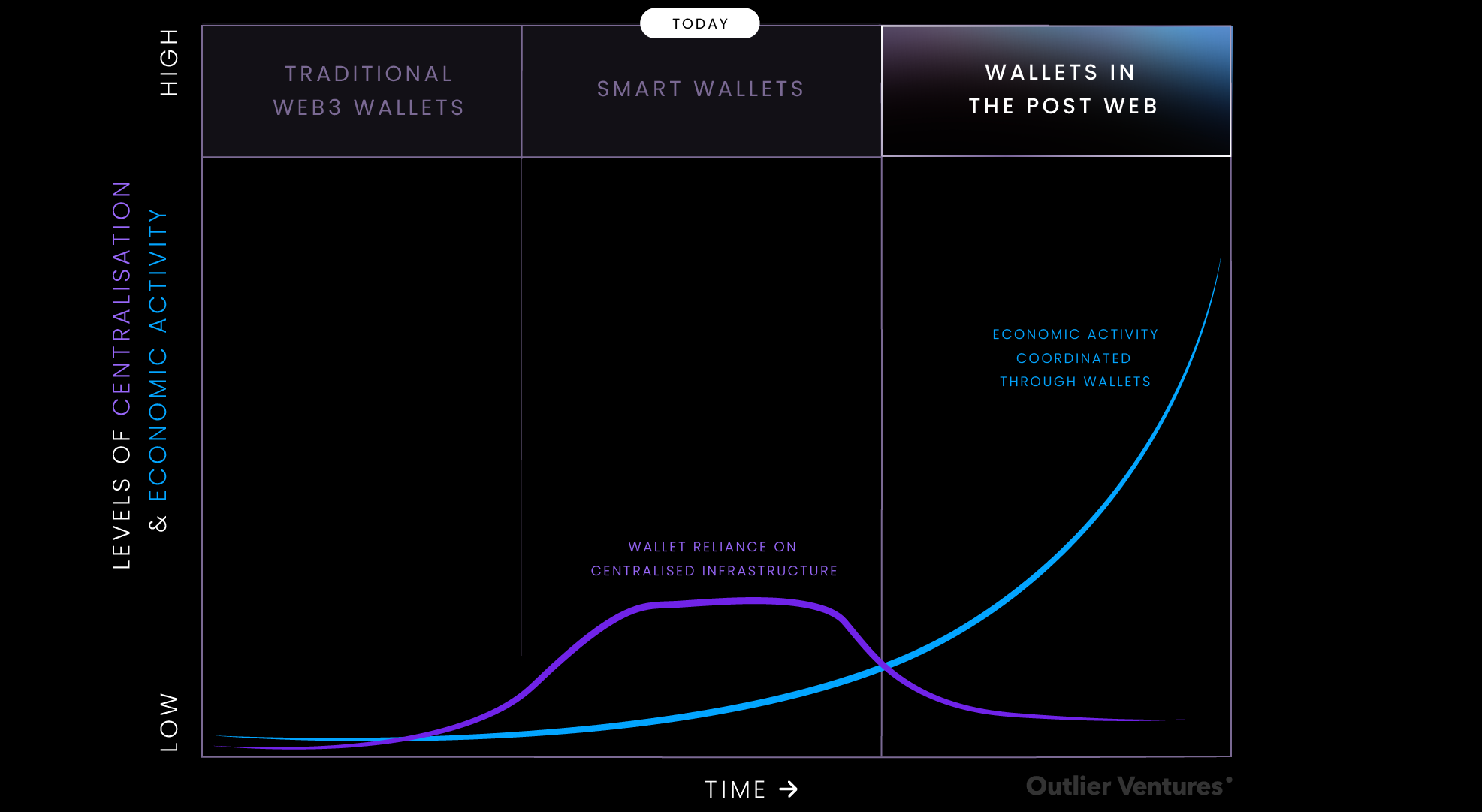
Wallets Are Evolving: From Key Storage to Digital Command Center

This extended functionality positions the wallet as a critical gateway for users to engage with the increasingly interconnected and automated digital world. It becomes the primary point of interaction for accessing and managing a diverse range of digital and even physical resources, thereby empowering users with granular control over their digital footprint and the services they engage with.

Exhibit 18: Navigating AI Agent Transactions and Distributed Ledger Technology

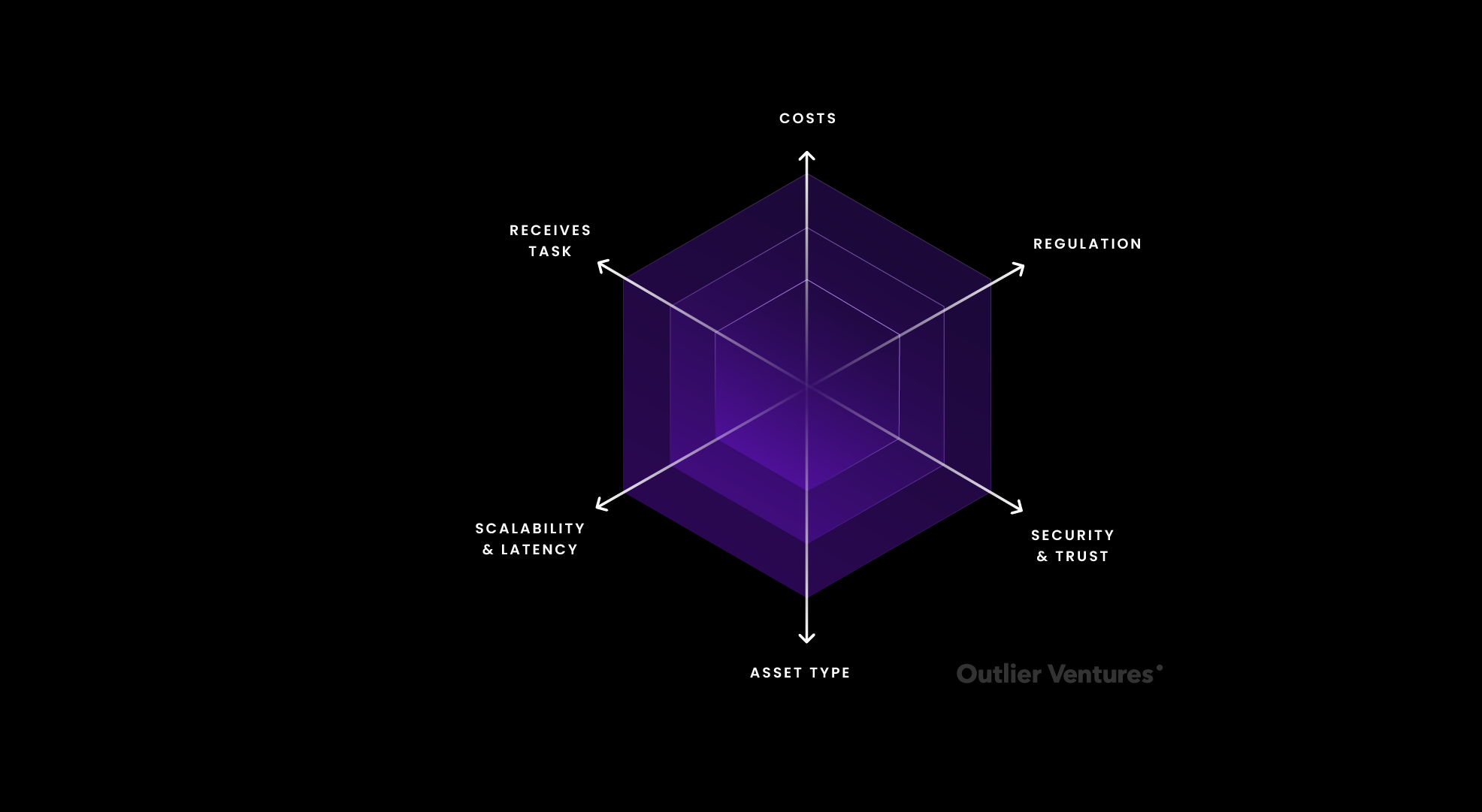
The integration of artificial intelligence into the digital fabric presents new challenges and opportunities for wallet architecture. As AI agents become more prevalent, decisions must be made regarding when and how their transactions interact with distributed ledger technology (DLT). Exhibit 18 from The Post Web Thesis delves into "Vector Considerations Deciding if an AI Agent Transaction Needs to Interact DLT," underscoring the complex decision-making processes involved. This involves evaluating factors such as the nature of the transaction, its impact on the network, privacy implications, and the need for auditable, immutable records.

The ability for wallets to intelligently mediate these interactions is crucial. It ensures that AI agent activities are aligned with user intentions and established protocols, preventing unauthorized or detrimental actions. This nuanced approach to AI integration is a hallmark of the Post Web’s focus on controlled and purposeful automation.

Exhibit 19: The Wallet as the Central Post Web Interface

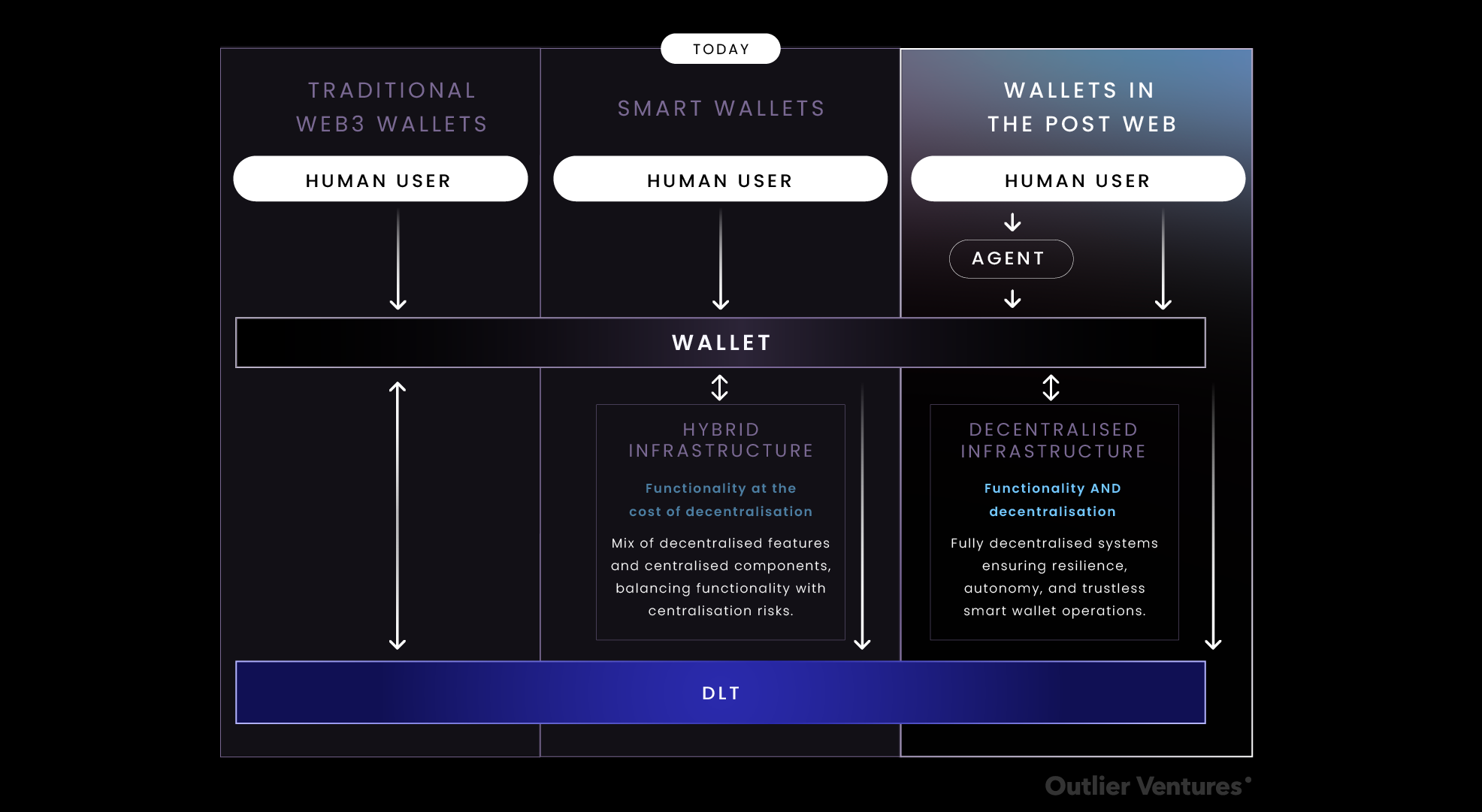
The transformation of the wallet into the primary interface for the Post Web is visually represented in Exhibit 19. This exhibit illustrates how the wallet serves as a central hub, connecting users to various decentralized ecosystems and services. It is no longer just a tool for making payments or holding tokens but a sophisticated platform that orchestrates a user’s entire digital life.

This comprehensive integration means that the wallet will manage a user’s access to decentralized applications, their participation in decentralized autonomous organizations (DAOs), their engagement with DePINs, and their overall digital identity. This central role allows for a more streamlined and intuitive user experience, where the wallet acts as a unified gateway to the decentralized internet.

Wallets Are Evolving: From Key Storage to Digital Command Center

Exhibit 20: The Interplay Between Wallets and Intelligent Agents

The burgeoning field of AI agents is intrinsically linked to the evolution of the digital wallet. Exhibit 20, "The Relationship Between Wallets and Agents," visually depicts how these agents connect through a user’s wallet, creating intricate permission and verification loops. As these "smart agents" become integral to the Post Web, wallets are transforming into their command consoles.

Each agent will interface with a user’s wallet, which will then:

  • Authenticate Agent Actions: Verifying the identity and authorization of the agent.
  • Manage Agent Permissions: Granting or revoking specific capabilities and access levels.
  • Facilitate Agent Transactions: Enabling agents to execute transactions on behalf of the user, within defined parameters.
  • Monitor Agent Behavior: Providing oversight and logging of agent activities.
  • Enforce User Policies: Ensuring that agent actions align with user-defined rules and preferences.

This architectural design ensures that agents operate "on behalf of" users without exceeding their granted authority, establishing the wallet as a critical governance layer for digital autonomy. This controlled delegation of tasks is vital for building trust and ensuring user control in an increasingly automated world.

Prioritizing Privacy and Security in an Agentic Ecosystem

As wallets evolve to encompass not only assets but also sensitive behavioral data, credentials, and agent connections, privacy and security become paramount concerns. The Post Web acknowledges this by emphasizing the implementation of new cryptographic frameworks to maintain user trust. These frameworks include:

  • Zero-Knowledge Proofs (ZKPs): Allowing for the verification of information without revealing the underlying data, thereby protecting user privacy.
  • Homomorphic Encryption: Enabling computations on encrypted data, ensuring that sensitive information remains protected even during processing.
  • Secure Multi-Party Computation (MPC): Facilitating collaborative computation among multiple parties without revealing individual inputs, enhancing data privacy and security.

These advanced cryptographic techniques are designed to embed privacy by design, keeping users in control while enabling verifiable and autonomous operations. This proactive approach to privacy is crucial for widespread adoption and user confidence in the Post Web ecosystem.

Wallets Are Evolving: From Key Storage to Digital Command Center

Smart Wallets: The Present and Future of User Experience

For much of its history, the cryptocurrency space has grappled with a less-than-ideal user experience, often hindered by cumbersome onboarding processes, the risk of permanent fund loss due to misplaced seed phrases, and the complexity of managing assets across multiple blockchain networks. Wallets have, for a long time, been a significant bottleneck for mainstream adoption.

However, the emergence of "smart wallets" marks a significant turning point. Platforms like Safe exemplify this evolution, offering enhanced user experiences and enabling users to automate their intentions. Safe allows for extensive wallet customization, including automated recurring transactions, robust security features such as spending limits and whitelists, and seamless integration with decentralized finance (DeFi) protocols.

As the digital economy shifts from manual execution to intention-based interactions, smart wallets are poised to become the definitive interface between humans and intelligent agents. They serve as the crucial bridge that translates user intent into autonomous on-chain actions, simplifying complex operations and making decentralized technologies more accessible.

Interoperability and Intent: Redefining the Wallet’s Interface

The proliferation of intelligent agents necessitates a new paradigm for wallet interaction: the "interface for intent." Instead of manually signing each individual transaction, users and their agents will be able to express higher-level goals. Examples of such intents include:

  • "Find the best yield strategy under 5% risk."
  • "Vote on governance proposals aligned with sustainability objectives."
  • "Automate my daily energy consumption based on market prices and personal preferences."

The wallet will then intelligently interpret, route, and verify these intents across various protocols and networks. This fundamental shift from task execution to intent negotiation signifies the wallet’s ultimate metamorphosis. It transforms from a simple transactional tool into an intelligent mediator, seamlessly bridging human purpose with machine execution. This capability is critical for unlocking the full potential of autonomous agents and creating a more intuitive and powerful digital experience.

Wallets Are Evolving: From Key Storage to Digital Command Center

Closing Thoughts: The Wallet as the Embodiment of Digital Selfhood

The Post Web fundamentally redefines the concept of a digital wallet. It transcends its original role as a mere storage tool for private keys, evolving into a living, adaptive interface that governs identity, assets, and autonomy. In this new era, a user’s wallet will not simply sign transactions; it will:

  • Manage and orchestrate resources: Beyond just digital assets, it will control access to a wide array of digital and physical services.
  • Facilitate agentic interactions: Serve as the command center for autonomous AI agents, ensuring controlled and authorized actions.
  • Act as a gateway to decentralized services: Provide seamless access to dApps, DePINs, and other decentralized infrastructures.
  • Govern identity and reputation: Anchor a user’s digital persona, credentials, and social standing.
  • Translate intent into action: Interpret user goals and execute them autonomously across various networks.

In this profound evolution, the wallet becomes the true manifestation of digital selfhood. It stands as the nexus of ownership, identity, and agency within the burgeoning agentic economy, empowering individuals with unprecedented control and capability in the digital realm.

Credits and Source Material

This article draws extensively from The Post Web Thesis, Chapter 2: "Turning the Web3 Tech Stack into the Post Web Stack" by Outlier Ventures (2025), with specific references to pages 67-76. The analysis also benefits from insights provided by Andres Acevedo, Investment Manager at Outlier Ventures, regarding the significance of smart wallets.

Outlier Ventures is a prominent venture capital firm specializing in the Web3 ecosystem, known for its research and investment in transformative technologies within the decentralized space. The Post Web Thesis is a comprehensive exploration of the future of the internet, detailing the technological shifts and conceptual frameworks that will define the next generation of the web. Chapter 2, in particular, focuses on the foundational elements of this new paradigm, with the digital wallet identified as a critical component.

Outlier Ventures is actively developing further insights into the future of the decentralized internet, with upcoming publications planned to explore different facets of this technological revolution. The firm encourages engagement with its research and invites individuals to stay informed about these developments.

July 21, 2026 0 comment
0 FacebookTwitterPinterestEmail
Web3 & DApps

Russia’s Parliament Approves Landmark Crypto Law, Balancing Retail Limits with International Trade Opportunities

by admin July 21, 2026
written by admin

Russia’s parliament has enacted its inaugural comprehensive cryptocurrency law, a pivotal piece of legislation that establishes stringent limitations on the digital asset holdings of ordinary citizens while simultaneously paving the way for businesses to engage in international trade settlements using cryptocurrencies. The law, a significant step in Russia’s evolving approach to digital finance, is set to take effect with most of its provisions commencing on September 1st, as reported by the state news agency TASS. This dual-pronged approach signals a strategic intent by the Russian government to control domestic exposure to volatile digital assets while leveraging the potential of cryptocurrencies to circumvent international financial sanctions.

A New Regulatory Framework for Digital Assets

The newly approved law introduces a bifurcated system for cryptocurrency operations within Russia. A key provision dictates that only entities formally registered within a special governmental registry will be authorized to operate cryptocurrency exchanges. This measure aims to bring greater oversight and control to the burgeoning digital asset market. Existing operators will have a considerable grace period, with a deadline of July 1, 2027, set for them to comply with these new licensing and registration requirements. This extended timeline suggests a recognition of the operational complexities involved in transitioning to a regulated environment.

For individual Russian citizens, often referred to as retail buyers or non-qualified investors, the law imposes strict purchase limits. These investors will be restricted to acquiring only the most liquid cryptocurrencies, and their annual purchases will be capped at 300,000 rubles, approximately $3,800 USD, per intermediary. This cap is designed to mitigate the risks associated with speculative trading for the general populace, acknowledging the inherent volatility of many digital assets.

However, a distinction is made for "qualified investors," a category likely to encompass institutional investors and high-net-worth individuals who meet specific criteria. These qualified investors will not be subject to the 300,000 ruble annual purchase ceiling. Despite this exemption, both retail and qualified investors will be required to pass a testing mechanism before they are permitted to engage in cryptocurrency transactions. This testing is presumably intended to ensure a baseline level of understanding regarding the risks and mechanics of digital asset investments.

Facilitating International Trade in Crypto

Perhaps the most consequential aspect of the new law is its explicit allowance for the use of cryptocurrencies in international trade settlements. While the long-standing ban on using crypto for domestic payments for goods and services remains firmly in place, and the advertising of such payments is also prohibited, the legislation carves out a significant exception. This exception permits residents and non-residents to utilize cryptocurrencies for settlements under foreign trade contracts.

This specific provision is widely interpreted as a strategic maneuver by Russia to counter the impact of international sanctions. The European Union, in particular, has been increasingly vocal about Russia’s reliance on cryptocurrencies for international transactions. In April of the current year, the EU enacted its 20th round of sanctions, which specifically targeted Russian crypto activities, citing concerns that "Russia is becoming increasingly reliant on cryptocurrencies for international transactions." The new Russian law appears to be a direct response, aiming to establish an alternative financial infrastructure that is less susceptible to external pressure.

The development of this comprehensive crypto legislation has been a gradual process. For months, Russia has been signaling its intention to formalize its stance on digital assets. The Central Bank of Russia had previously laid out the foundational framework for these regulations in December, indicating a strategic direction that prioritized control over domestic access while exploring international avenues.

Background and Chronology of Russian Crypto Regulation

Russia Passes Crypto Law With $3,800 Retail Cap and Foreign-Trade Carveout

The journey towards this comprehensive law has been marked by several key milestones:

  • December [Previous Year]: The Central Bank of Russia outlines the initial framework for cryptocurrency regulation, signaling a shift towards a more structured approach.
  • [Months Leading Up to July 2026]: Draft legislation and discussions surrounding crypto regulation intensify within the Russian government and State Duma.
  • April [Current Year]: The European Union implements its 20th sanctions package, explicitly targeting Russian crypto activities and highlighting concerns about its use in international transactions. This likely served as a significant catalyst for Russia to expedite its own regulatory framework.
  • July 21, 2026: The State Duma approves the country’s first comprehensive cryptocurrency law.
  • September 1, 2026: Most provisions of the new law are set to take effect.
  • July 1, 2027: Existing cryptocurrency exchange operators must comply with the new licensing and registration requirements.

This timeline illustrates a deliberate and phased approach to integrating digital assets into the Russian financial landscape, balancing concerns about domestic financial stability with the strategic imperative to maintain international trade capabilities.

Analysis of Implications and Potential Impacts

The implications of this new law are far-reaching, both domestically and internationally. Domestically, the strict limits on retail investors suggest a government priority of protecting ordinary citizens from the speculative excesses of the crypto market. This aligns with a broader trend among some nations to shield their populations from potential financial harm associated with nascent and volatile asset classes. The mandatory testing for all investors, regardless of qualification, is a positive step towards fostering financial literacy and responsible investing within the crypto space.

On the international stage, the law’s focus on facilitating crypto settlements for foreign trade is a bold move. It positions Russia as a potential leader in exploring alternative payment rails that bypass traditional banking systems, which are often subject to geopolitical influences. This could be particularly attractive to countries that also face international financial restrictions or are seeking to reduce their dependence on the U.S. dollar for trade.

However, the effectiveness of this strategy will depend on several factors. The global acceptance of cryptocurrencies for large-scale trade remains a challenge, with concerns about volatility, scalability, and regulatory clarity persisting. Furthermore, the extent to which international trading partners are willing to engage in crypto-denominated transactions with Russia will be a critical determinant. The ongoing geopolitical climate and the stance of other major economies will undoubtedly play a significant role in shaping the adoption and success of these provisions.

The dual approach of restricting domestic retail access while enabling international business transactions highlights a pragmatic, albeit controversial, strategy. It allows Russia to maintain a degree of control over its financial system while seeking to mitigate the impact of sanctions and explore new avenues for global commerce. The long-term success of this legislation will be closely watched by regulators and financial institutions worldwide as it navigates the complex and rapidly evolving landscape of digital finance.

Broader Context: The Global Evolution of Crypto Regulation

Russia’s move is part of a larger global trend of countries grappling with how to regulate cryptocurrencies. While some nations have opted for outright bans or severe restrictions, others, like Singapore and Switzerland, have sought to establish themselves as hubs for crypto innovation through clear and supportive regulatory frameworks. The United States has seen a patchwork of approaches, with different agencies offering varying interpretations and regulatory actions.

The challenge for most governments lies in striking a balance between fostering innovation and economic growth, on one hand, and mitigating risks related to financial crime, consumer protection, and market stability, on the other. Russia’s law, with its distinct domestic and international focuses, represents a unique attempt to navigate this complex terrain. The effectiveness of its approach, particularly its reliance on cryptocurrencies for international trade, will serve as a case study for other nations considering similar strategies in an increasingly interconnected and geopolitically charged global economy. The interplay between national regulations, international sanctions, and the evolving nature of digital assets will continue to shape the future of finance.

July 21, 2026 0 comment
0 FacebookTwitterPinterestEmail
Cryptography & Privacy

UK Government’s Secret Order to Apple Sparks Global Encryption Debate and Feature Disablement

by admin July 21, 2026
written by admin

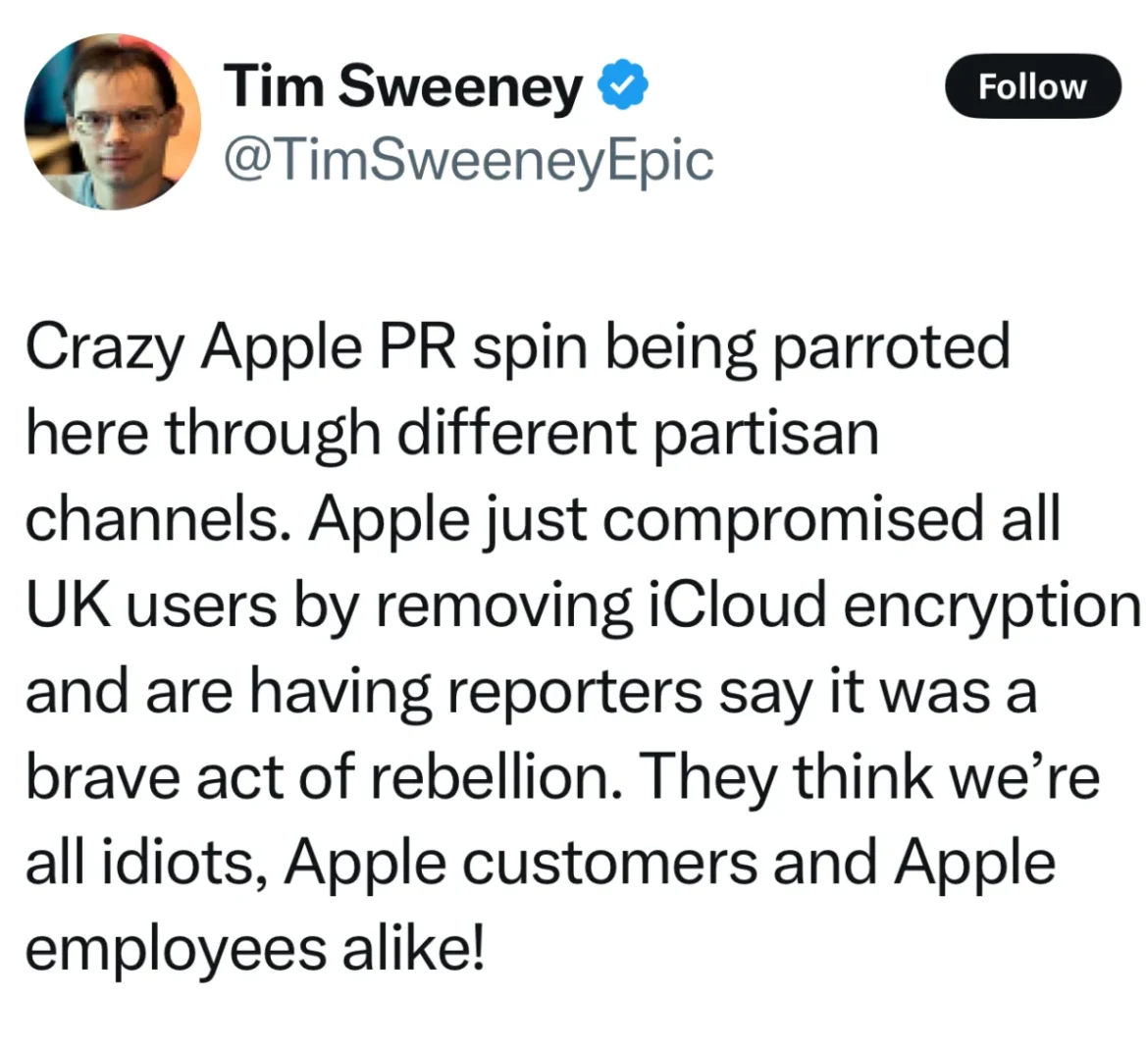
The United Kingdom government issued a secret order to Apple Inc. last month, compelling the technology giant to implement a "backdoor" into its end-to-end encrypted iCloud Backup feature. This unprecedented directive, revealed by The Washington Post, demands a blanket capability for the government to access fully encrypted material, a move with no known precedent in major democracies. In response to this pressure, Apple confirmed on Friday that it would be disabling its Advanced Data Protection for iCloud feature, which provides end-to-end encryption for iCloud backups, for all users in the UK, effective February 21st.

This development represents a significant potential defeat for tech companies in their ongoing efforts to resist being compelled to act as tools for government surveillance against their users. The implications of this order extend far beyond the UK, raising profound questions about the future of digital privacy and security on a global scale.

The Genesis of the UK’s Demand: The Investigatory Powers Act

The UK government’s directive to Apple appears to stem from the framework established by the Investigatory Powers Act of 2016, often referred to as the "Snooper’s Charter." Enacted in 2016, this legislation granted broad powers to intelligence and law enforcement agencies, including the ability to issue "Technical Capability Notices" (TCNs). These notices, which can be kept secret from the public and even from the companies receiving them, empower the government to compel telecommunications operators and internet service providers to make specific changes to their systems.

Three questions about Apple, encryption, and the U.K.

Critics of the Act, even at its inception, voiced concerns that it could be used to secretly undermine security systems, potentially rendering them more vulnerable to cyberattacks. The TCN mechanism, in particular, allows the government to force a provider like Apple to alter the operation of its systems. In the context of end-to-end encryption, this could mean requiring Apple to generate and retain copies of user encryption keys, thereby granting the government direct access to data that would otherwise be inaccessible.

A significant point of contention highlighted by Apple’s legal counsel in a 2024 filing to Parliament is the Act’s apparent lack of clear distinction between UK domestic customers and international users. This ambiguity raises the alarming possibility that a TCN issued to Apple could effectively grant the UK government the authority to dictate the level of digital security available to users worldwide, irrespective of their location. Such a scenario could potentially expose vast quantities of data to state-sponsored malicious actors, as witnessed in recent high-profile breaches, such as the compromise of the US telecom industry. Furthermore, the secrecy surrounding TCNs could force companies into a position of deception, assuring users of their data security while secretly operating under compromised protocols.

Apple’s Stance on Encryption: A History of Resistance and Compromise

Encryption is a cornerstone of modern digital security, a process that transforms data into an unreadable format, accessible only with a specific key. End-to-end encryption (E2EE) takes this a step further by ensuring that only the communicating users possess the keys, making data impervious to interception by third parties, including service providers and governments. While E2EE offers robust protection against data theft, cyberattacks, and sophisticated state-sponsored adversaries, it also presents a challenge for law enforcement agencies seeking lawful access to digital evidence.

Apple has historically navigated this complex terrain by largely favoring the implementation of strong encryption across its services. This commitment has been demonstrated through various initiatives, including the encryption of iMessage and FaceTime by default, and the gradual rollout of Advanced Data Protection for iCloud, which extends E2EE to a broader range of user data stored in the cloud. These moves have not been without controversy, often drawing criticism from law enforcement agencies and government bodies concerned about hindering investigations.

Three questions about Apple, encryption, and the U.K.

Perhaps the most prominent public confrontation occurred in 2016 during the Apple v. FBI encryption dispute. In this landmark case, Apple vociferously resisted a US government demand to create a new software tool that would bypass the security features of an iPhone used by an alleged terrorist. Apple argued that complying with such a request would necessitate weakening encryption across all its devices, thereby creating a universal vulnerability. CEO Tim Cook publicly defended the company’s position in a widely publicized letter, underscoring the potential ramifications of such a backdoor.

However, Apple’s record is not without its complexities. In 2021, the company announced plans to implement client-side scanning of iCloud Photos to detect child sexual abuse material (CSAM). This proposal, which would have involved scanning user data before it was end-to-end encrypted, drew significant backlash from privacy advocates and technical experts who identified potential flaws and the risk of broader government-mandated data scanning. Following intense scrutiny and criticism, the plan was initially paused and subsequently abandoned in 2022.

The UK’s Specific Demand: A Blanket Capability

The Washington Post’s initial report detailed the specific nature of the UK government’s demand: a "blanket capability to view fully encrypted material, not merely assistance in cracking a specific account." This distinction is critical. It implies a request for a systemic change that would grant the government the ability to access encrypted data across the board, rather than a targeted request for access to a particular user’s account. Such a broad demand, if implemented, would fundamentally alter the security posture of Apple’s services for all users within the UK’s purview.

Apple’s Response: Disabling Advanced Data Protection in the UK

Faced with the secret order and the potential ramifications of non-compliance, Apple has opted to disable its Advanced Data Protection for iCloud feature for UK users. This decision, confirmed on Friday, means that users in the United Kingdom will no longer be able to benefit from end-to-end encrypted backups of their iCloud data. The feature will cease to be available for new sign-ups in the UK starting February 21st. The precise handling of existing users’ data remains unclear, but it is anticipated that they may be prompted to downgrade to unencrypted backups or risk losing their data.

Three questions about Apple, encryption, and the U.K.

This action represents a significant departure from Apple’s previous stances on encryption and suggests a strategic move to mitigate the impact of the UK government’s demand. By disabling the feature, Apple effectively renders the UK government’s request for a backdoor into end-to-end encrypted iCloud backups moot for UK users, as the service itself will no longer offer that level of protection.

Global Implications and Future Uncertainty

The situation raises critical questions about the global reach of national security laws and their impact on international technology companies and user privacy. If the UK’s TCN framework can indeed be interpreted to have global implications, it sets a dangerous precedent. It suggests that a single nation could potentially dictate the security standards for digital services used by billions worldwide, irrespective of user location or national sovereignty.

The decision to disable Advanced Data Protection in the UK has predictably drawn criticism from privacy advocates and some users who view it as a capitulation to government pressure. However, Apple’s apparent strategy appears to be one of containment – limiting the impact of the demand to a specific jurisdiction rather than compromising its encryption standards globally.

The future trajectory of this situation remains uncertain. The UK government may choose to relent on its demand, potentially leading to the restoration of Advanced Data Protection in the UK. Alternatively, the government could escalate its efforts, seeking further legal avenues or broader legislative changes. The global community of technology users and policymakers will be closely watching to see how this unfolds, as the case has significant implications for the balance between national security and individual digital privacy in an increasingly interconnected world. The debate over encryption, government access, and user trust is far from over, and this recent development in the UK marks a pivotal moment in that ongoing discussion.

July 21, 2026 0 comment
0 FacebookTwitterPinterestEmail
FinTech Innovations

INETCO Launches AI-Assisted Fraud Investigation Tool to Revolutionize Payment Security

by admin July 21, 2026
written by admin

INETCO, a leading provider of real-time transaction monitoring and payment fraud prevention solutions, has officially launched its new artificial intelligence-assisted fraud investigation tool, BullzAI Investigate. This groundbreaking solution is poised to significantly enhance the capabilities of banks and payment service providers in their ongoing battle against sophisticated financial fraud. By leveraging specialized AI agents, BullzAI Investigate automates the complex and time-consuming process of gathering transaction data, analyzing behavioral patterns, and triaging incoming fraud alerts. The tool then intelligently guides human analysts towards the highest-risk cases, providing them with explainable and auditable risk scores to support swift and informed decision-making.

The AI Revolution in Fraud Detection

The financial services industry faces an ever-evolving landscape of cyber threats. Fraudsters are constantly developing new tactics, making it increasingly challenging for traditional fraud detection systems to keep pace. Manual review of transaction data, while crucial, can be an arduous and resource-intensive process, often leading to delays in identifying and mitigating fraudulent activities. This is where INETCO’s BullzAI Investigate steps in, aiming to bridge this gap with advanced AI capabilities.

The core innovation of BullzAI Investigate lies in its proprietary small language model (SLM), which operates securely within the client’s own infrastructure. This on-premises deployment is a critical feature, ensuring that sensitive transaction data remains protected and compliant with stringent data privacy regulations. The SLM acts as the engine for the specialized AI agents, which are designed to perform a multitude of tasks. These agents meticulously compile vast amounts of transaction data, identify subtle deviations from normal behavioral patterns, and effectively triage a deluge of incoming alerts. This automation liberates fraud analysts from tedious manual review, allowing them to concentrate their expertise on investigating the most critical threats.

Furthermore, BullzAI Investigate incorporates a sophisticated supervised machine-learning cycle. Analyst feedback, a vital component of this process, is continuously fed back into the system. This feedback loop allows the AI to refine its analytical models, improve its accuracy, and adapt to emerging fraud trends over time. This iterative learning process ensures that the tool remains at the forefront of fraud prevention technology, constantly enhancing its ability to reduce false positives and minimize the manual effort required to sift through fragmented transaction data.

Driving Efficiency and Reducing Risk

The implications of BullzAI Investigate for fraud operations are profound. By automating many of the initial investigative steps, the tool significantly accelerates the entire fraud resolution process. INETCO Chief Technology Officer Ugan Naidoo elaborated on the transformative potential of the new offering: "INETCO BullzAI Investigate gives banks and payment service providers an intelligent way to scale the productivity of their fraud operations, reduce false positives, and prioritize high-risk cases. Agentic AI automates the heavy lifting by collating transactions, triaging alerts, and delivering explainable risk scores that support faster, more transparent decisions. Rather than replacing analysts, INETCO BullzAI Investigate serves as an intelligent partner that works continuously behind the scenes, allowing fraud teams to investigate more effectively while human oversight remains firmly in control."

This partnership between AI and human expertise is a key differentiator. BullzAI Investigate is not designed to replace human analysts but to augment their capabilities. The AI handles the initial data aggregation, pattern analysis, and alert prioritization, presenting analysts with a curated and prioritized list of cases. The explainable risk scores provided by the tool empower analysts to understand the rationale behind each recommendation, fostering transparency and trust in the AI’s output. This allows fraud teams to make more informed and confident decisions, ultimately leading to faster and more effective fraud mitigation.

Early deployments of BullzAI Investigate have yielded remarkable results. The company reports a dramatic reduction in fraud investigation times, shrinking them from as long as 30 minutes per case to as little as 20 seconds. This represents an astonishing 97% to 99% reduction in investigation time, translating to reviews that are up to 90 times faster. The precision of the AI’s recommendations has also been highly impressive, consistently hovering around 95%. Such efficiency gains not only reduce operational costs but also minimize the potential financial losses associated with delayed fraud detection.

A Legacy of Innovation: The INETCO BullzAI Platform

BullzAI Investigate is a significant addition to INETCO’s existing INETCO BullzAI cyber fraud prevention platform, which was first introduced in September 2021. The original platform was lauded for its ability to detect and block fraudulent payment transactions in near real-time, often before they were completed, without disrupting legitimate customer transactions. This capability is crucial in preventing financial loss and maintaining customer trust.

The INETCO BullzAI platform has seen successful adoption by financial institutions globally. A notable recent deployment occurred in December, when Saudi Arabian fintech solutions provider Alhamrani Universal integrated the platform to bolster its payment fraud defenses across the Middle East. This implementation was facilitated by INETCO’s global partner, Stanchion Payments, highlighting the collaborative ecosystem that INETCO fosters.

Mario Rouhana, Chief Operations Officer at Alhamrani Universal, shared his positive experience with the INETCO BullzAI platform: "INETCO BullzAI gives us real-time visibility across thousands of self-service and digital payment transactions – revealing which financial institutions and merchants are active, how transactions are performing and where suspicious behaviors or anomalies occur. By understanding the behavioral patterns of every user, terminal, and device, we can scale our business with confidence, respond instantly to emerging threats and reinforce the trust our customers, partners, and regulators place in Alhamrani Universal as a leader in secure digital transformation."

This testimonial underscores the platform’s comprehensive approach to fraud prevention, offering deep insights into transaction flows and user behaviors. The ability to analyze patterns at the user, terminal, and device level provides a holistic view of the payment ecosystem, empowering organizations to proactively address risks.

The Broader Impact on Financial Security

The launch of BullzAI Investigate by INETCO signifies a pivotal moment in the ongoing effort to secure digital payments. As transaction volumes continue to surge globally – with billions of transactions processed annually by companies like INETCO – the need for sophisticated, AI-driven fraud prevention solutions becomes paramount.

According to industry reports, payment fraud losses are projected to continue their upward trajectory, reaching hundreds of billions of dollars annually in the coming years. This stark reality underscores the critical importance of advanced technologies that can not only detect fraud but also provide the tools for rapid and efficient investigation. BullzAI Investigate‘s ability to reduce investigation times and improve accuracy directly contributes to mitigating these escalating losses.

The implications extend beyond direct financial savings. Enhanced fraud prevention builds greater trust in digital payment systems, which is essential for the continued growth of e-commerce and digital banking. When consumers and businesses feel confident that their transactions are secure, they are more likely to engage with digital financial services. This, in turn, fuels economic activity and innovation.

Moreover, the explainable nature of the risk scores provided by BullzAI Investigate is crucial for regulatory compliance. Financial institutions are under increasing scrutiny to demonstrate robust fraud prevention measures. The ability to provide auditable trails and clear justifications for fraud alerts and actions strengthens their compliance posture and facilitates smoother interactions with regulatory bodies.

INETCO’s Enduring Commitment to Payment Security

Headquartered in Vancouver, British Columbia, Canada, INETCO has been a stalwart in the payment processing industry since its founding in 1984. The company’s journey began with a focus on providing end-to-end, secure payment visibility, a foundational element for any effective fraud prevention strategy. Their debut at FinovateSpring in 2015 marked their entry into the broader fintech innovation landscape, showcasing their commitment to evolving with the industry.

Today, INETCO stands as a significant player, monitoring over 100 billion transactions annually. Their solutions are trusted by financial institutions and payment service providers worldwide, underscoring their global reach and impact. The company’s core offerings revolve around real-time fraud prevention, adaptive modeling, and comprehensive payment visibility. The introduction of BullzAI Investigate represents a natural and powerful progression of this mission, leveraging the latest advancements in artificial intelligence to provide an even more robust and intelligent defense against financial crime.

In a world where digital transactions are becoming the norm, the continuous innovation in fraud prevention is not just a business advantage, but a necessity. INETCO’s BullzAI Investigate is a testament to this ongoing evolution, offering a sophisticated, AI-powered solution that promises to reshape how financial institutions approach and combat payment fraud, thereby safeguarding the integrity of the global financial ecosystem.

July 21, 2026 0 comment
0 FacebookTwitterPinterestEmail
FinTech Innovations

Forward Financing Secures $525 Million in New Funding, Boosting Small Business Capital Access to Nearly $700 Million

by admin July 21, 2026
written by admin

Forward Financing, a prominent provider of capital solutions for small businesses across the United States, announced on July 16, 2026, that it has successfully secured $525 million in new financing. This substantial influx of capital significantly elevates the company’s total committed funding capacity to an impressive nearly $700 million, positioning it for expanded support of the nation’s entrepreneurial ecosystem. The newly acquired funding comprises a $350 million variable funding note (VFN) facility and a $175 million asset-backed securitization (ABS).

A Strategic Financial Maneuver to Fuel Growth

The recent financing transactions are designed to strategically refinance Forward Financing’s existing warehouse facility. Coupled with the company’s inaugural ABS issuance, which was successfully completed in December 2025, these new arrangements bring its overall funding capacity to the significant figure of nearly $700 million. This move underscores a robust expansion of the company’s financial firepower, enabling it to meet the escalating demand for accessible and timely capital among small and medium-sized businesses (SMBs) nationwide.

Forward Financing has established itself as a key player in the alternative lending space, offering a streamlined digital experience that facilitates rapid approval processes and the same-day disbursement of funds. Since its inception in 2012, the company has been instrumental in empowering American entrepreneurs, having disbursed a cumulative total of $5.2 billion in funding to over 97,000 businesses. This extensive track record highlights its deep commitment to fostering small business growth and resilience.

Leadership Commentary on Strategic Importance

Jason Mullins, President and CEO of Forward Financing, articulated the strategic significance of this financial milestone. In a press release, Mullins stated, "This new transaction expands our funding capacity and strengthens our ability to deliver fast, reliable financing to the entrepreneurs and business owners we serve." His remarks emphasize the direct impact of this capital infusion on the company’s core mission: to be a dependable partner for businesses seeking to navigate growth, manage cash flow, and seize opportunities.

Christopher Chiou, Chief Financial Officer at Forward Financing, further elaborated on the implications of the financing. He noted that the transactions reflect a strong vote of confidence from institutional investors, underscoring their belief in the company’s robust portfolio and proven business model. Chiou explained, "These transactions diversify our funding sources, strengthen our balance sheet, and provide a scalable capital foundation to support our continued growth." This diversification of funding is crucial for long-term stability and operational flexibility, allowing Forward Financing to weather economic fluctuations and maintain its lending operations.

A Chronology of Financial Expansion

Forward Financing’s journey toward this substantial funding capacity has been marked by a series of strategic financial maneuvers:

  • December 2025: The company announced its inaugural asset-backed securitization, a significant step in diversifying its funding sources and accessing capital markets. This event marked the initial foray into ABS, laying the groundwork for future issuances.
  • September 2024: Forward Financing revealed a substantial increase in its credit facility, which was expanded from $250 million to $450 million. This enhancement provided greater flexibility and capacity for its revenue-based financing offerings.
  • July 2026: The culmination of these efforts is the recent $525 million financing package, bringing the total committed funding capacity to nearly $700 million. This latest development represents a significant leap forward, enabling the company to serve an even larger segment of the small business market.

This consistent expansion of its funding base demonstrates Forward Financing’s proactive approach to capital management and its commitment to scaling its operations to meet the evolving needs of small businesses.

Supporting Data and Broader Economic Context

The role of accessible capital for small businesses is a critical component of the broader U.S. economy. Data from PYMNTS has consistently highlighted the challenges and opportunities faced by Main Street businesses. A report from June 2026 indicated that small businesses in growing service categories often require sophisticated financial tools to manage recurring payments, card acceptance, invoicing, and cash flow visibility. The ability to secure timely financing directly impacts a business’s capacity to invest in these essential operational areas.

Furthermore, a PYMNTS Intelligence report, "Why Main Street Is Splitting: The Data Behind Small Business Winners and Losers," revealed an interesting economic trend. Historically, Main Street businesses often outpaced the broader economy. However, over the 12 months concluding in September 2025, they slipped behind the overall pace of U.S. business growth. This trend underscores the importance of robust support mechanisms, such as those provided by Forward Financing, to help Main Street businesses regain momentum and thrive in a competitive landscape.

The challenges faced by small businesses extend beyond just capital access. They often require integrated solutions for operational efficiency and market reach. In recognition of this, Visa announced in February 2026 the launch of its new platform, "Visa & Main." This initiative is designed to provide small business owners with access to capital, tools to reach customers, and support for adopting modern business technologies. Such broader ecosystem developments further emphasize the critical need for comprehensive support for the SMB sector.

Implications for the Small Business Landscape

The $525 million financing secured by Forward Financing has several key implications for the small business lending market and the broader economy:

  • Increased Lending Capacity: The most immediate impact is the significantly enhanced ability of Forward Financing to provide loans to a greater number of small businesses. This can translate into more businesses having access to the funds they need for expansion, inventory, operational improvements, or working capital.
  • Competitive Landscape: A well-capitalized Forward Financing can exert greater competitive pressure on other lenders, potentially leading to more favorable terms for small businesses seeking capital. It also encourages innovation in lending products and services to meet diverse business needs.
  • Economic Stimulus: By facilitating business growth and stability, Forward Financing’s expanded capacity can contribute to job creation and local economic development. Small businesses are often significant employers, and their success has a ripple effect throughout communities.
  • Investor Confidence: The successful ABS issuance and VFN facility demonstrate strong investor confidence in Forward Financing’s credit quality and risk management. This can pave the way for further securitization and investment in the SMB lending sector.
  • Technological Advancement: As a digital-first lender, Forward Financing’s growth is often tied to its ability to leverage technology for efficiency and customer experience. Increased capital allows for continued investment in these platforms, further streamlining the lending process for businesses.

The digital experience offered by Forward Financing, which can lead to instant approval and same-day fund delivery, is particularly valuable for small businesses that operate with tight cash flow cycles and require immediate access to capital. This speed and efficiency are often critical differentiating factors in a competitive lending environment.

Future Outlook and Forward Financing’s Role

With nearly $700 million in committed funding capacity, Forward Financing is well-positioned to capitalize on the ongoing demand for small business capital. The company’s commitment to a digital-first approach, coupled with its expanded financial resources, enables it to serve a wide spectrum of businesses, from sole proprietorships to larger SMBs.

The company’s focus on providing fast, reliable financing aligns with the critical needs of entrepreneurs who are often characterized by their agility and need for rapid decision-making. As the U.S. economy continues to evolve, the role of small businesses as engines of innovation and employment remains paramount. Forward Financing’s strategic financial maneuvers are a testament to its dedication to supporting this vital sector, ensuring that entrepreneurs have the financial backing necessary to thrive and contribute to the nation’s economic vitality. The ongoing success of companies like Forward Financing is crucial for maintaining a dynamic and resilient small business landscape in the United States.

July 21, 2026 0 comment
0 FacebookTwitterPinterestEmail
FinTech Innovations

Anthropic Navigates Turbulent Month of Record Business Adoption, IPO Filings, and Government Mandated Model Pullback

by admin July 21, 2026
written by admin

The artificial intelligence landscape, perpetually in motion, witnessed a whirlwind month for AI pioneer Anthropic, marked by unprecedented business adoption, strategic financial maneuvers, and a sudden, government-imposed restriction on its most advanced models. While the company concluded May by eclipsing OpenAI in business spending market share for the first time, according to data from expense management platform Ramp, and advanced its plans for an Initial Public Offering (IPO) following a reportedly profitable quarter, June brought an abrupt regulatory challenge that forced the withdrawal of its cutting-edge AI offerings.

The dual narrative of surging commercial success and governmental scrutiny paints a complex picture of Anthropic’s current standing. The company’s recent financial disclosures reveal a robust demand for its AI solutions within the enterprise sector, a testament to the growing integration of advanced AI into business operations. Simultaneously, the abrupt halt to its most powerful models underscores the evolving regulatory environment and the inherent tensions between rapid AI development and national security concerns.

A Record-Breaking May for Business Adoption

May proved to be a banner month for Anthropic in terms of business engagement. Ramp’s comprehensive analysis of business spending on AI services revealed that Anthropic, for the first time, surpassed OpenAI in market share for corporate expenditures. This shift signifies a growing preference among businesses for Anthropic’s AI capabilities, particularly its Claude models, which have garnered a strong reputation for their efficacy in complex tasks such as coding and data analysis.

Further bolstering Anthropic’s impressive financial performance, the company reportedly secured $65 billion in funding at a valuation of $965 billion by the end of May. This significant capital infusion, which also outpaced OpenAI’s recent funding rounds, positions Anthropic for substantial growth and innovation. The valuation reflects strong investor confidence in the company’s trajectory and its potential to lead the AI market.

Adding another significant milestone, Anthropic is reportedly moving forward with plans for an Initial Public Offering (IPO), having filed confidential paperwork at the beginning of June. This strategic move is widely believed to be driven by the company’s anticipation of its first-ever profitable quarterly earnings, a critical benchmark for public market readiness. The prospect of an IPO suggests Anthropic is confident in its long-term financial viability and its ability to compete effectively as a publicly traded entity.

Government Intervention and the Mythos Pullback

The momentum of May was abruptly interrupted by a directive from the Trump administration on Friday, June 7th. The administration issued a letter demanding that Anthropic ban non-Americans, including its own employees, from accessing its most advanced AI models: the limited-release Mythos 5 and its publicly accessible counterpart, Fable 5. This directive effectively compelled Anthropic to immediately withdraw these state-of-the-art models from the market.

The White House invoked an obscure export control directive to justify the ban, though the precise reasons for this aggressive action remain somewhat unclear. Whispers within the industry suggest that the primary concern revolved around the perceived security vulnerabilities of Fable 5. Reports indicate that hackers were allegedly able to easily bypass the model’s guardrails, which were specifically designed to prevent unauthorized access to the powerful capabilities of Mythos.

Mythos itself has been positioned by Anthropic as a potentially dangerous tool due to its exceptional ability to identify security flaws within software code. The company had previously acknowledged these risks, marketing the model as such and implementing restrictions on its public release. The subsequent ban, therefore, can be seen as an escalation of concerns surrounding the potential misuse of such potent AI capabilities.

A History of Tensions with the Trump Administration

This latest regulatory challenge is not an isolated incident for Anthropic. The company has a well-documented history of friction with the Trump administration, particularly concerning its ethical stance on AI deployment. Anthropic famously refused to permit the government to utilize its models for mass surveillance of American citizens or for the development of fully autonomous weapons systems.

These ethical objections led to a significant escalation in March, when the Trump administration officially designated Anthropic as a "supply-chain risk." This designation, while potentially impacting government contracts, did not appear to hinder Anthropic’s commercial success. In fact, Ramp’s data suggests a curious correlation: the period following the "supply-chain risk" designation coincided with Anthropic’s strongest month for business adoption.

Ara Kharazian, lead economist at Ramp and the compiler of the business-spending AI data, offered an intriguing perspective on this dynamic. He posited that the government’s actions, particularly the very act of singling out Anthropic’s models for their potent capabilities, may inadvertently enhance the company’s allure. "If anything, it’ll probably boost them," Kharazian stated. "Anthropic’s best month on record, as far as business adoption, was the month that the Department of Defense labeled them a supply-chain risk. There’s a lot of aura that comes with your model specifically being named too dangerous to use."

Analyzing the Impact of the Model Pullback

Ramp’s extensive data, which tracks spending from over 70,000 businesses, provides valuable insights into Anthropic’s commercial performance, though it lacks the granularity to precisely quantify the financial hit from the withdrawal of Mythos and Fable 5. Nevertheless, the available data clearly indicates a substantial and growing business reliance on Anthropic’s Opus models.

In May, Anthropic’s share of AI subscriptions purchased by businesses climbed to 41%, a notable increase of 2.5 percentage points from the previous month. This growth allowed Anthropic to overtake OpenAI, which held 39.5% of the market share for AI subscriptions among Ramp’s clientele, a figure that remained largely stagnant month-over-month. It is important to note that OpenAI continues to maintain a significant lead in overall consumer usage, according to separate data from Sensor Tower.

Beyond subscriptions, a substantial portion of enterprise spending on AI is directed towards API calls, which facilitate token usage for various tasks, including extensive coding activities. Anthropic’s Claude Code has garnered a reputation as a particularly powerful AI tool for software development. While Ramp’s data cannot always distinguish specific model usage, in approximately one-third of observed transactions where model details were discernible, businesses predominantly opted for various iterations of Claude Opus, with a particular emphasis on its later versions. Opus models, which preceded Mythos, remain openly accessible and are evidently a cornerstone of Anthropic’s enterprise offerings.

Anthropic had only recently released Opus 4.8 in late May, introducing new dynamic workflow tools that likely contributed to its continued popularity. In contrast, Mythos had a very brief market presence, having been made available to limited users only as of April. Fable 5, the public-facing version of Mythos, was shut down after a mere few days of availability.

Implications for Anthropic’s Future

The immediate impact of the government’s directive on Anthropic’s IPO aspirations remains uncertain. Public market investors typically exhibit caution towards companies embroiled in controversies with government entities. However, the underlying strength of Anthropic’s business adoption, particularly with its Opus models, suggests a resilient core business. The data clearly indicates that Anthropic’s currently available AI models are more popular with businesses than ever before.

The drawn-out saga involving Anthropic, its powerful AI models, and the Trump administration highlights the complex interplay between technological innovation, commercial interests, and national security imperatives. As AI capabilities continue to advance at an unprecedented pace, the regulatory frameworks governing their development and deployment will undoubtedly face increasing scrutiny and adaptation. Anthropic’s journey through this turbulent period serves as a compelling case study in navigating these evolving challenges. The company’s ability to maintain its trajectory of innovation and business growth, while adhering to increasingly stringent regulatory demands, will be a key determinant of its long-term success in the fiercely competitive AI arena. The market will be watching closely to see how Anthropic weathers this storm and what the future holds for its groundbreaking AI technologies.

July 21, 2026 0 comment
0 FacebookTwitterPinterestEmail
FinTech Innovations

Bernstein Elevates Robinhood Price Target to $160, Citing Strong Growth Prospects in Prediction Markets and Tokenized Assets

by admin July 21, 2026
written by admin

Financial analysts are increasingly expressing optimism regarding Robinhood Markets’ (NASDAQ: HOOD) strategic pivot, with a significant upgrade from Bernstein underscoring this growing confidence. The prominent research firm recently boosted its 12-month price target for Robinhood shares to $160 from $130, while reiterating an "Outperform" recommendation. This upward revision signals strong expectations that newer, dynamic revenue streams, particularly in the burgeoning prediction markets and tokenized asset sectors, are poised to deliver more substantial growth than the company’s established cryptocurrency trading segment.

Robinhood’s stock saw a notable surge, closing the trading day at over $106 per share, marking an impressive gain of more than 7%. This positive market reaction reflects a broader investor sentiment that the fintech giant is successfully transforming itself beyond its origins as a straightforward retail brokerage and cryptocurrency trading platform. Bernstein’s analysis highlights Robinhood’s deliberate expansion into forward-looking financial arenas that are projected to significantly outpace the growth of its more conventional operations.

Prediction Markets Emerge as a Key Growth Driver

The prediction markets segment, in particular, has emerged as a standout performer in Bernstein’s analysis. Analysts anticipate that this area could surpass cryptocurrency revenue contributions as early as the current fiscal quarter. Projections indicate that prediction markets could generate approximately $150 million in revenue for the second quarter, driven by high-volume activity on platforms such as Rothera.

The long-term outlook for prediction markets is even more ambitious. Bernstein forecasts that this segment’s revenue could climb to an impressive $1.7 billion by 2028. This projection represents a substantial compound annual growth rate (CAGR) of 64%. Several factors are expected to fuel this accelerated trajectory. The increasing prevalence of major sporting events, the development of regulatory-compliant structures, and Robinhood’s inherent ability to leverage its extensive user network for competitive pricing and enhanced accessibility, including exclusive discounts for premium subscribers, are all anticipated to contribute significantly.

The appeal of prediction markets lies in their ability to offer users a novel way to engage with and speculate on the outcomes of various events, from sports and politics to economic trends. As regulatory frameworks become clearer and platforms become more sophisticated, the addressable market for such products is expected to expand considerably. Robinhood’s established user base, which has demonstrated a propensity for engaging with new and innovative financial products, provides a strong foundation for capturing a significant share of this growing market. The company’s technological infrastructure and commitment to user experience are also critical components in its potential to dominate this nascent but rapidly evolving sector.

Cryptocurrency Trading Faces Cyclical Headwinds

In contrast to the optimistic outlook for prediction markets, the cryptocurrency trading segment is currently facing near-term challenges stemming from reduced industry-wide trading volumes. This slowdown in the crypto market, which has been a significant revenue generator for Robinhood, has prompted a recalibration of expectations.

Bernstein has adjusted its 2026 cryptocurrency revenue projections downward by 49%. However, the firm interprets this current softness not as a fundamental, long-term decline but rather as a cyclical phase within the broader cryptocurrency market. Despite the revised projections, the potential for recovery and future growth in the crypto space remains a consideration for the firm. Nevertheless, the current environment allows prediction markets to clearly stand out as the fastest-growing area for Robinhood, with the potential to capture a larger proportion of the company’s transaction-based income in the immediate future.

The volatility inherent in the cryptocurrency market is a well-known factor, and periods of reduced activity are not uncommon. Factors such as evolving regulatory landscapes, macroeconomic shifts, and investor sentiment all play a role in influencing trading volumes. Robinhood’s experience in navigating these cyclical trends in the crypto market will be crucial as it continues to diversify its revenue streams. The company’s ability to maintain its user base and adapt its offerings to changing market conditions will be key to its long-term success in this segment.

Tokenization and Broader Financial Innovation

Adding another significant layer of opportunity for Robinhood is the burgeoning field of tokenization, which involves representing real-world assets and equities on blockchain technology. Robinhood’s ongoing developments in blockchain technology, including the establishment of its own dedicated chain, are enhancing its capabilities in decentralized finance (DeFi) and the management of on-chain assets.

The broader market for these tokenized products is projected for dramatic expansion. Current estimates place the market at around $35 billion, with forecasts suggesting it could grow to between $2 trillion and $4 trillion by 2030. This immense potential market size creates substantial headroom for Robinhood to capture new revenue and user engagement. The ability to tokenize a wide array of assets, from fractional ownership of real estate to intellectual property rights, opens up new avenues for investment and liquidity.

Beyond tokenization, Robinhood is exploring complementary innovations that further broaden its total addressable market. These include advancements in perpetual futures trading, the development of AI-driven trading agents, and the creation of compute-linked products. Collectively, these initiatives have the potential to tap into a fee pool estimated to be worth over $70 billion. The integration of artificial intelligence into trading strategies, for example, could offer users more sophisticated tools and insights, potentially attracting a new demographic of investors and traders. The exploration of perpetual futures and other derivatives can also enhance Robinhood’s appeal to more experienced market participants.

Valuation and Future Outlook

The revised price target of $160 from Bernstein is firmly grounded in forward-looking financial projections. These projections incorporate a 2028 earnings-per-share (EPS) estimate of $4.56, which notably surpasses current street consensus. This EPS forecast is paired with a consistent 35-times multiple, reflecting the firm’s confidence in Robinhood’s anticipated revenue diversification and sustained earnings momentum through the end of the current decade.

This valuation methodology suggests that Bernstein views Robinhood as a company undergoing a significant transformation, moving towards a more diversified and resilient business model. The firm’s assessment implies that the market may currently be undervaluing the potential of Robinhood’s emerging business segments. By assigning a premium multiple based on future earnings, Bernstein is signaling its belief that the company’s strategic initiatives are well-positioned to drive substantial shareholder value. The consistent multiple suggests that Bernstein expects Robinhood to maintain its growth trajectory and profitability over the long term, justifying a higher valuation compared to companies with less diversified revenue streams.

Investor Scrutiny Ahead of Q2 Earnings

As Robinhood prepares to release its second-quarter financial results later this month, market participants will be closely scrutinizing its performance, particularly in these newly emerging categories. The company’s ability to demonstrate tangible progress and strong user adoption in prediction markets and its tokenization initiatives will be critical in validating Bernstein’s optimistic outlook.

The company’s strategic shift towards becoming a multifaceted financial platform, seamlessly blending traditional brokerage services with cutting-edge financial products, positions it for greater resilience in the face of market fluctuations. This diversification strategy aims to reduce reliance on any single revenue stream, thereby mitigating risks associated with market volatility in specific asset classes. For investors, this updated assessment from Bernstein signals the potential for asymmetric upside as Robinhood continues to capitalize on its product development efforts beyond its foundational crypto trading and traditional investing services. The market’s reaction to Robinhood’s upcoming earnings report will likely provide further insights into the effectiveness of its diversification strategy and the market’s perception of its future growth potential. The successful execution of its product roadmap and its ability to attract and retain users in these new ventures will be paramount to achieving the ambitious targets set by analysts like Bernstein.

July 21, 2026 0 comment
0 FacebookTwitterPinterestEmail
FinTech Innovations

Bank of America Enhances Customer Service with Generative AI Integration into EricaAssist

by admin July 21, 2026
written by admin

Bank of America is significantly bolstering its customer service capabilities through the strategic integration of generative artificial intelligence (AI) into its internal tool, EricaAssist. This advanced AI functionality is designed to empower the bank’s approximately 18,000 customer service employees, enabling them to address client inquiries with unprecedented speed and efficiency. The move represents a substantial investment in leveraging cutting-edge AI to enhance both employee productivity and the overall customer experience.

Empowering Frontline Staff with Advanced AI

EricaAssist, a desktop widget that operates alongside bank employees as they interact with customers, has been a key tool for providing real-time information access. Previously, the system assisted employees by quickly retrieving customer data, such as their tenure with the bank and the primary reason for their call. This functionality alone has been credited with shortening average call handling times by nearly a minute per interaction.

The newly deployed generative AI capabilities represent a significant evolution. These enhancements enable EricaAssist to go beyond simply presenting information; it can now analyze the ongoing customer conversation and proactively suggest the most appropriate next steps or recommendations for the employee. This "in-the-moment" assistance is crucial for resolving complex issues and providing personalized service, areas where human agents previously had to juggle listening, information retrieval, and decision-making simultaneously.

"We have more capabilities to understand what’s going on in the conversation," explained Tom Ellis, Chief Information Officer and Head of Consumer Technology at Bank of America, in an interview. "And then to take that conversation, summarize what’s going on, and then make recommendations back." This sophisticated understanding of conversational context is a hallmark of generative AI, allowing the system to process nuanced language and infer customer needs more effectively.

Bank of America upgrades customer service employee tool

A Strategic Investment in AI and Technology

Bank of America’s commitment to technological advancement is underscored by its substantial annual investment. The $3.5 trillion-asset institution dedicates approximately $14 billion each year to technology, with a significant portion, around $4 billion, earmarked for new initiatives, including the development and deployment of AI technologies. This strategic allocation reflects a broader industry trend of financial institutions recognizing AI as a critical driver of operational efficiency, competitive advantage, and enhanced customer engagement.

The integration of generative AI into EricaAssist is part of a larger vision to continually enhance digital tools for both employees and customers. The bank plans to roll out additional capabilities to EricaAssist, with employee feedback playing a central role in shaping its future development. This collaborative approach ensures that the technology effectively addresses the real-world challenges faced by customer service representatives.

The Evolution of Erica and EricaAssist

Erica, Bank of America’s customer-facing AI-powered virtual assistant, has been a prominent feature for customers since its initial launch. It provides a digital channel for managing accounts, making payments, and accessing financial insights. EricaAssist, on the other hand, operates behind the scenes, serving as an intelligent co-pilot for the bank’s human workforce.

The distinction is important: while Erica empowers customers directly, EricaAssist empowers the employees who are directly interacting with customers. This two-pronged approach allows Bank of America to optimize its digital and human service channels in tandem. The introduction of generative AI to EricaAssist marks a pivotal moment in this strategy, bridging the gap between AI’s analytical power and the empathetic, problem-solving skills of human agents.

Tangible Benefits and Future Implications

The immediate impact of these generative AI capabilities is expected to be seen in "tangible benefits in resolution time and customer experience," according to Ellis. By reducing the cognitive load on employees and providing immediate, relevant support, the bank anticipates a smoother and more efficient customer service process. This could translate into shorter wait times, more accurate resolutions, and a generally more positive interaction for customers.

Bank of America upgrades customer service employee tool

The ability for EricaAssist to summarize conversations and suggest recommendations means that employees can dedicate more mental energy to understanding the customer’s emotional state and building rapport, rather than being bogged down by administrative tasks and information retrieval. This human element, amplified by AI, is crucial for customer loyalty and satisfaction in the competitive financial services landscape.

Bank of America plans to expand the application of EricaAssist to support additional servicing scenarios and business lines later this year. This phased rollout suggests a deliberate strategy to test and refine the AI’s performance across various use cases before a broader deployment. The success of this initiative could serve as a blueprint for other large financial institutions looking to harness the power of generative AI in their customer service operations.

Broader Industry Context and Analysis

The financial services industry is at the forefront of AI adoption, with many institutions exploring how these technologies can transform their operations. Generative AI, in particular, offers unique capabilities for natural language processing, content creation, and complex problem-solving, making it a natural fit for customer-centric roles.

The investment by Bank of America in AI, as evidenced by its substantial technology budget and the specific focus on EricaAssist, aligns with global trends. Reports from industry analysts consistently highlight AI as a key investment priority for banks seeking to improve efficiency, personalize customer experiences, and mitigate risks. For instance, a recent report by Gartner predicted that by 2026, generative AI will be a factor in 70% of customer service interactions, a significant leap from current levels.

The implications of such advancements extend beyond mere efficiency gains. By freeing up human agents from repetitive tasks, AI can enable them to focus on more complex, strategic, and relationship-building activities. This shift could lead to a more fulfilling work environment for employees and a more sophisticated, empathetic service experience for customers.

Bank of America upgrades customer service employee tool

Furthermore, the data generated through these AI-enhanced interactions can provide invaluable insights into customer behavior, preferences, and pain points. This data can then be used to further refine AI models, improve product development, and tailor marketing efforts, creating a virtuous cycle of continuous improvement.

However, the deployment of AI in customer service also raises important considerations regarding data privacy, security, and ethical AI usage. Financial institutions must ensure robust safeguards are in place to protect sensitive customer information and that AI systems are developed and deployed in a fair, transparent, and unbiased manner. Bank of America’s emphasis on employee feedback and phased implementation suggests a cautious and responsible approach to integrating these powerful new technologies.

The journey of EricaAssist, from an information retrieval tool to a generative AI-powered recommendation engine, exemplifies the rapid pace of technological innovation in the financial sector. As AI continues to evolve, its role in shaping the future of banking customer service is poised to become even more profound, promising a future where technology and human expertise converge to deliver exceptional customer experiences. The success of Bank of America’s initiative will undoubtedly be closely watched by its peers and stakeholders across the industry.

July 21, 2026 0 comment
0 FacebookTwitterPinterestEmail
Newer Posts
Older Posts

Recent Posts

  • Ethereum Foundation’s Trillion Dollar Security initiative explores native transaction assertions to combat blind signing and outcome uncertainty.
  • Outlier Ventures and Injective Unveil the Injective Ecosystem Builder Catalyst Cohort to Accelerate Institutional-Grade Decentralized Finance
  • Outlier Ventures and Injective Unveil the Injective Ecosystem Builder Catalyst Cohort to Accelerate Institutional-Grade Decentralized Finance
  • Dutch Authorities Arrest Convicted Cybercriminal Linked to ShinyHunters as International Hackers Launch Unprecedented Retaliation
  • Web3 Venture Capital Surges to $7.2 Billion in September 2025 as Late-Stage Deals and Token Megarounds Dominate the Landscape

Recent Comments

No comments to show.
  • Facebook
  • Twitter

@2021 - All Right Reserved. Designed and Developed by PenciDesign


Back To Top
Dr Crypton
  • Home
  • About Us
  • Contact Us
  • Cookies Policy
  • Disclaimer
  • DMCA
  • Privacy Policy
  • Terms and Conditions

We are using cookies to give you the best experience on our website.

You can find out more about which cookies we are using or switch them off in .

Dr Crypton
Powered by  GDPR Cookie Compliance
Privacy Overview

This website uses cookies so that we can provide you with the best user experience possible. Cookie information is stored in your browser and performs functions such as recognising you when you return to our website and helping our team to understand which sections of the website you find most interesting and useful.

Strictly Necessary Cookies

Strictly Necessary Cookie should be enabled at all times so that we can save your preferences for cookie settings.