• Home
  • About Us
  • Contact Us
  • Cookies Policy
  • Disclaimer
  • DMCA
  • Privacy Policy
  • Terms and Conditions
Dr Crypton
Secure Your Future in Crypto
Blockchain Technology

TechCrunch Disrupt 2026 Early Bird Window Closes Tomorrow, Offering Last Chance for Significant Savings.

by admin July 22, 2026
written by admin

The countdown to TechCrunch Disrupt 2026 has entered its critical final hours for those seeking the most advantageous entry rates, with the Early Bird pricing set to expire precisely at 11:59 p.m. PT on Thursday, May 29. This rapidly closing window represents the last opportunity for founders, investors, and tech enthusiasts to secure their passes for one of the industry’s most anticipated annual gatherings at a substantially reduced cost, saving up to $410 on individual tickets and as much as 30% on group passes. Post-deadline, registration fees will escalate, making the present moment crucial for prospective attendees to lock in their participation at the optimal price point.

A Legacy of Innovation: The TechCrunch Disrupt Phenomenon

TechCrunch Disrupt stands as a cornerstone event in the global technology calendar, renowned for its pivotal role in identifying and nurturing the next generation of groundbreaking startups. Since its inception in 2011, Disrupt has evolved from a nascent conference into an indispensable platform for innovation, investment, and networking. Over the past decade and a half, the event has showcased thousands of emerging companies, many of which have gone on to achieve significant success, collectively raising billions in venture capital and becoming household names. This illustrious history underpins Disrupt’s reputation as a launchpad for innovation, where nascent ideas transform into viable ventures under the scrutiny and support of the world’s leading tech minds.

The annual gathering serves as a critical nexus where ambitious founders converge with influential investors, seasoned mentors, and potential partners. Its consistent format, featuring the highly competitive Startup Battlefield, insightful main stage interviews with industry titans, and dedicated networking zones, has solidified its position as a must-attend event. Each year, the conference brings together a diverse ecosystem, ranging from pre-seed startups to established venture capital firms, all united by a shared drive to push the boundaries of technology and foster future growth.

San Francisco: The Epicenter of Innovation

2 days left: Lock in ticket savings of up to $410 to TechCrunch Disrupt 2026

Scheduled to take place from October 13–15 at San Francisco’s Moscone West, TechCrunch Disrupt 2026 is strategically positioned in the heart of Silicon Valley, a location synonymous with technological advancement and entrepreneurial spirit. San Francisco has historically been the cradle for countless tech giants and disruptive startups, providing an unparalleled backdrop for an event of this magnitude. The city’s vibrant tech culture, proximity to venture capital firms, and a deep talent pool create an electric atmosphere conducive to innovation and collaboration. Moscone West, a state-of-the-art convention center, offers ample space for the extensive exhibition hall, multiple stages, and dedicated meeting areas, ensuring a seamless and productive experience for thousands of attendees. The choice of venue reinforces the event’s commitment to providing a world-class environment for participants to engage, learn, and grow.

Unlocking Opportunities: What Attendees Gain

Attending TechCrunch Disrupt offers a multifaceted value proposition, tailored to address the diverse needs of its participants. For startups, it’s an unparalleled opportunity to gain visibility, attract investment, and recruit top talent. For investors, it’s a curated environment to scout promising ventures and expand their portfolios.

  • Raising Capital: Disrupt is famously fertile ground for fundraising. Startups presenting at the Startup Battlefield or exhibiting in the Expo Hall routinely catch the eye of angel investors, venture capitalists, and corporate strategics. Data from previous Disrupt events indicates that participating startups collectively secure hundreds of millions in follow-on funding annually. A recent report by Crunchbase highlighted that companies that have presented at TechCrunch Disrupt have gone on to raise over $10 billion in capital collectively, underscoring the event’s direct impact on startup funding cycles. The structured environment, combined with informal networking opportunities, facilitates introductions that might otherwise take months to secure.
  • Hiring Top Talent: The event attracts a global audience of tech professionals, including engineers, product managers, designers, and business development experts. Startups looking to scale their teams can leverage Disrupt’s extensive network to connect with potential hires who are not only skilled but also deeply embedded in the startup ethos. Dedicated networking tools and specific "Talent Hub" areas within the venue often facilitate these connections, making it an efficient platform for recruitment.
  • Launching Your Startup: The Startup Battlefield is arguably the crown jewel of Disrupt, offering selected early-stage companies a global stage to debut their innovations. Past winners have included prominent names like Dropbox, Mint, and Yammer, showcasing the immense potential for exposure and validation. Beyond the Battlefield, the broader event provides numerous opportunities for startups to soft-launch products, gather market feedback, and generate early media buzz.
  • Discovering Your Next Portfolio Company: For venture capitalists and corporate investors, Disrupt is a meticulously curated pipeline of emerging opportunities. The density of high-quality, pre-vetted startups, combined with specialized programming for investors, allows for efficient deal sourcing. Advanced matchmaking tools often employed by the event organizers help investors identify and connect with companies that align with their investment theses, significantly streamlining the due diligence process.

The Core Experience: Startup Battlefield and Beyond

The heartbeat of TechCrunch Disrupt is the Startup Battlefield, a rigorous competition where a select group of early-stage startups pitch their innovations to a panel of venture capitalists and industry experts. This intensive showcase culminates in one company being crowned the Disrupt Cup winner, a title that often translates into significant media attention, investor interest, and a substantial cash prize. The Battlefield is not merely a competition; it’s a masterclass in entrepreneurship, offering invaluable feedback and exposure to all participants.

Beyond the main stage, the Expo Hall buzzes with activity, featuring hundreds of nascent companies demonstrating their products and services. This vibrant marketplace allows attendees to explore cutting-edge technologies across various sectors, from AI and biotechnology to climate tech and fintech. It’s a prime location for serendipitous encounters, partnership discussions, and market research.

2 days left: Lock in ticket savings of up to $410 to TechCrunch Disrupt 2026

Another critical component is the extensive Speaker Program, which brings together visionary leaders, successful founders, and influential investors for candid discussions, fireside chats, and keynotes. Past speakers have included figures like Matt Mullenweg (Automattic/WordPress), Satya Nadella (Microsoft), and Marissa Mayer (Yahoo!), offering unparalleled insights into market trends, leadership strategies, and the future of technology. These sessions are designed to inspire, educate, and provoke thought, equipping attendees with knowledge that extends far beyond the duration of the conference.

Curated Pathways: Founder and Investor Passes

Understanding the distinct needs of its diverse audience, TechCrunch Disrupt offers specialized passes designed to maximize value for specific attendee profiles:

  • Founder Pass: This pass is engineered to accelerate startup growth. It provides access to exclusive workshops, pitch feedback sessions, and dedicated networking events with investors and mentors. Founders gain insights into scaling operations, navigating legal challenges, and refining their product-market fit. The pass also often includes enhanced matchmaking capabilities to connect founders with investors whose portfolios align with their company’s stage and industry.
  • Investor Pass: Tailored for the investment community, this pass offers curated access to the most promising startups. Features typically include exclusive investor-only networking lounges, private demo sessions, and advanced tools for identifying and connecting with potential portfolio companies. The Investor Pass streamlines the discovery process, allowing venture capitalists, corporate investors, and angel investors to efficiently evaluate a high volume of pre-vetted opportunities and make every conversation count.

Both pass types underscore TechCrunch’s commitment to fostering meaningful connections and delivering actionable value, moving beyond generic conference experiences to provide targeted engagement opportunities.

The Economic and Industry Impact

The ripple effects of TechCrunch Disrupt extend beyond the immediate participants, influencing the broader tech industry and local economy. For San Francisco, the event brings a significant influx of business tourism, benefiting hotels, restaurants, and transportation services. The concentration of global tech leaders and innovators also fosters a temporary but intense hub of intellectual exchange, potentially sparking new ideas and collaborations that have long-term impacts.

2 days left: Lock in ticket savings of up to $410 to TechCrunch Disrupt 2026

From an industry perspective, Disrupt plays a crucial role in setting trends and highlighting emerging sectors. The topics featured at Disrupt 2026—including AI, Biotech & Health, Climate, Crypto, Fintech, Fundraising, Robotics, Startups, Transportation, and Venture—reflect the current and future frontiers of technological development. By providing a platform for these diverse areas, Disrupt helps to galvanize innovation, attract capital, and accelerate progress across critical global challenges. It acts as a barometer for the health and direction of the tech ecosystem, indicating where investment and entrepreneurial energy are flowing.

The Urgency of Early Bird: Final Call for Discounts

As the clock ticks down to 11:59 p.m. PT on May 29, the opportunity to secure the lowest ticket rates for TechCrunch Disrupt 2026 is rapidly vanishing. This early bird window offers substantial savings, up to $410 on individual passes, and even more compelling discounts of up to 30% for groups of four or more attendees. For companies planning to send multiple team members, or for collectives of founders and investors, the group pass option presents an economically astute decision. Missing this deadline means paying higher prices for the exact same access to invaluable networking, groundbreaking insights, and unparalleled exposure.

The registration process is straightforward, requiring only a few clicks to lock in these significant savings. Prospective attendees are encouraged to visit the official TechCrunch Disrupt 2026 website promptly to complete their registration and ensure they don’t miss out on these expiring discounts.

Looking Ahead: Shaping the Future of Tech

TechCrunch Disrupt 2026 is poised to be another landmark event, continuing its tradition of shaping the future of technology. It’s more than just a conference; it’s a dynamic ecosystem designed to foster growth, spark innovation, and forge connections that drive the global tech landscape forward. From the high-stakes drama of the Startup Battlefield to the intimate discussions with industry legends, every aspect of Disrupt is meticulously crafted to deliver maximum value. As the early bird window closes, the anticipation for October’s gathering in San Francisco only grows, promising an event that will once again define the trajectory of the startup world and beyond.
July 22, 2026 0 comment
0 FacebookTwitterPinterestEmail
Cybersecurity & Hacking

LG Electronics Moves to Suspend Smart TV Apps Functioning as Residential Proxy Nodes Following Security Research

by admin July 22, 2026
written by admin

LG Electronics USA, a prominent global leader in home appliances and consumer electronics, announced a decisive policy shift this week, revealing its intent to suspend applications built for its smart TVs that convert these devices into always-on residential proxy nodes. This significant move by the South Korean conglomerate comes less than a month after alarming research surfaced, indicating that a substantial portion—over 42 percent—of games and other downloadable applications available on LG’s webOS store were found to facilitate the routing of unknown third-party internet traffic through a user’s television. The revelations have cast a spotlight on the often-overlooked privacy and security implications inherent in the rapidly expanding ecosystem of smart devices.

The underlying issue stems from the integration of residential proxy Software Development Kits (SDKs) within these applications. These SDKs effectively transform a user’s internet-connected television into an exit node in a vast, distributed network, allowing external parties to funnel their online activity through the user’s home IP address. While residential proxy networks have legitimate uses in areas like market research, ad verification, and content localization testing, their surreptitious integration into consumer devices without explicit, transparent, and ongoing consent raises profound concerns about bandwidth consumption, potential legal liabilities for illicit activities conducted through the proxy, and the broader erosion of user privacy and control over their own home networks.

Understanding Residential Proxy Networks and Their Risks

To fully grasp the gravity of LG’s announcement, it is crucial to understand what residential proxy networks are and why their presence in smart TVs is problematic. A residential proxy routes internet traffic through a genuine, user-owned IP address, typically assigned by an Internet Service Provider (ISP) to a home network. Unlike commercial proxies or Virtual Private Networks (VPNs) which use data center IP addresses, residential proxies offer a higher degree of anonymity and legitimacy in the eyes of many online services, making them attractive for various data-intensive operations. These operations can range from benign activities like comparing flight prices across different regions or verifying ad placements, to more dubious ones such as bypassing geo-restrictions for content access, scraping large volumes of public data from websites, or even facilitating credential stuffing attacks.

The business model often involves proxy service providers paying app developers to embed their SDKs. In exchange for this monetization opportunity, the app grants the proxy provider access to the device’s internet connection. For the end-user, this means their television, a device typically perceived as a passive entertainment hub, becomes an active participant in a global network, constantly relaying data traffic for others. The immediate impact on the user includes potential degradation of internet speed due to shared bandwidth, increased data usage (which can lead to exceeding data caps or higher bills depending on the ISP plan), and reduced device performance. More critically, the user’s IP address becomes associated with the third-party traffic. If this traffic involves illegal activities—such as copyright infringement, fraud, or cyberattacks—the legitimate homeowner whose IP address was used could inadvertently face legal scrutiny or become entangled in investigations, even if they were entirely unaware of the proxy activity.

Furthermore, the security implications extend beyond bandwidth and legal liability. While proxy providers often claim to implement stringent "Know Your Customer" (KYC) processes to vet their clients and deploy technological countermeasures to prevent proxy service customers from interacting with other devices on the proxy user’s local network, these assurances do not fully alleviate concerns. The very act of opening a device to external traffic, even if theoretically sandboxed, introduces an additional attack surface. Vulnerabilities in the SDK or the app itself could potentially be exploited, offering malicious actors a foothold within the user’s home network, thereby compromising other connected devices like computers, smartphones, or smart home gadgets. The lack of transparency surrounding these operations means users are deprived of the ability to assess these risks or implement their own protective measures.

The Spur Research: Unveiling the Extent of the Problem

The catalyst for LG’s recent policy shift was a comprehensive investigation conducted by the cybersecurity firm Spur. Published on July 2, 2026, and highlighted by KrebsOnSecurity, Spur’s research meticulously examined the prevalence of residential proxy SDKs within smart TV applications. The findings were stark and alarming: over 42 percent of applications available for download on LG’s webOS smart TVs were found to contain these SDKs, effectively turning users’ televisions into indefinite proxy nodes. The issue was not exclusive to LG; Spur’s report also indicated that more than a quarter of the apps developed for Samsung’s Tizen operating system, another dominant player in the smart TV market, incorporated similar residential proxy components.

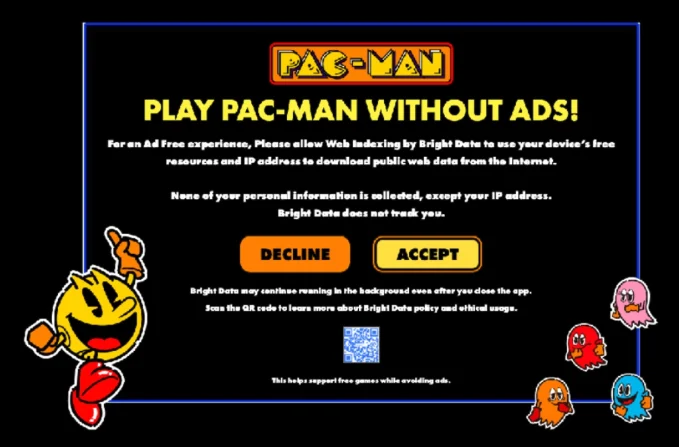
Spur’s investigation revealed that these residential proxy SDKs were not confined to obscure or niche applications. Instead, they were bundled with a wide array of popular and seemingly innocuous apps, ranging from simple games like the classic Pac-Man to various screensavers and essential file utility applications. This broad distribution meant that a significant number of smart TV users, irrespective of their app choices, were unknowingly contributing to these proxy networks. The research image, provided by Spur.us, visually depicted the widespread presence of these proxy SDKs across both LG (webOS) and Samsung (Tizen OS) televisions, underscoring the systemic nature of the problem within the smart TV app ecosystem.

The report specifically identified Bright Data, a major player in the residential proxy network industry, as accounting for a majority of the proxy SDKs found across both Samsung and LG smart TVs. Despite the findings, Bright Data did not respond to requests for comment regarding its integration practices at the time of the original report. While proxy providers like Bright Data typically assert their commitment to ethical practices, including rigorous KYC processes to ensure legitimate uses and technical safeguards to prevent unauthorized access to local networks, Spur’s research emphasized that these measures do not address the fundamental issue of user consent and transparency.

Trevor Sutter of Spur articulated this core concern, stating, "A one-time consent prompt buried in a TV app is not a substitute for meaningful transparency, ongoing control, and platform oversight." He further highlighted the amplified risk when consent is ostensibly granted by individuals within the household who use the device but lack the capacity or authority to give informed consent, such as minors. This points to a significant flaw in the current app monetization model, where the pursuit of revenue potentially overrides ethical considerations for user privacy and security, exploiting the often-passive interaction users have with their smart devices.

LG’s Proactive Response and Commitment to User Trust

In the wake of Spur’s compelling research, LG Electronics USA moved swiftly to address the identified vulnerabilities and concerns. Responding to direct inquiries, LG Senior Vice President John Taylor confirmed the company’s proactive stance. Taylor unequivocally stated that "a residential proxy network is not an intended use for LG smart TVs." This declaration underscores LG’s recognition of the deviation from its expected user experience and security standards.

Taylor detailed LG’s immediate course of action: the company is actively engaging with app developers to facilitate the removal of the residential proxy option from their applications hosted on the webOS platform. Crucially, LG has instituted a firm deadline, warning that developers who fail to comply with this directive will face severe consequences, specifically the suspension of their non-compliant apps from the LG app store. This strong stance signals LG’s commitment to enforcing its platform policies and protecting its user base.

Furthermore, Taylor outlined LG’s broader commitment to preventing similar incidents in the future. He affirmed that the company is "well underway" with its review of existing apps and is dedicated to keeping residential proxy networks out of its smart TV apps going forward. In an emailed statement, Taylor elaborated on these future-proofing measures: "As part of our ongoing efforts to enhance platform quality and the user experience, LG will continue to strengthen our evaluation process for developer-submitted apps, including those that incorporate residential proxy SDKs." This commitment suggests a more rigorous vetting process for new app submissions and potentially periodic audits of existing applications, aiming to establish a higher standard for security and privacy within the webOS ecosystem. This swift and decisive action by a major electronics manufacturer like LG is a significant development, setting a precedent for responsible platform management in the smart device industry.

LG to Ban Residential Proxies from Smart TV Apps

The Broader Implications for the Smart Device Ecosystem

LG’s announcement carries profound implications that extend beyond its specific product line, resonating across the entire smart device industry and influencing various stakeholders.

For Users: The immediate impact for LG smart TV owners is a bolstered sense of security and privacy. However, the incident serves as a stark reminder of the hidden complexities and potential risks associated with increasingly connected home devices. It highlights the need for users to be more vigilant about the permissions granted to apps, even on devices not traditionally perceived as computers. The difficulty for the average consumer to audit their smart devices for such embedded functionalities underscores a critical gap in user control and transparency. This incident may prompt a broader consumer awareness campaign about the "smart home" privacy dilemma, encouraging users to scrutinize app installations and privacy policies more closely, or even consider network-level monitoring if technically capable.

For App Developers: This policy shift will undoubtedly impact the monetization strategies of app developers who have relied on integrating residential proxy SDKs. It necessitates a re-evaluation of business models and a pivot towards more transparent and user-consented revenue streams. While the lure of passive income from proxy providers can be strong, LG’s action signals a growing intolerance for practices that compromise user trust. Developers will face increased pressure to adhere to stricter platform guidelines, potentially leading to a more responsible and ethical development environment for smart TV applications. This could also spur innovation in alternative, privacy-respecting monetization methods.

For Smart TV Manufacturers: LG’s decision sets a critical precedent for other smart TV manufacturers, most notably Samsung, whose Tizen OS apps were also implicated in Spur’s research. It places increased pressure on these companies to conduct their own internal audits and implement similar protective measures. The incident underscores the moral and reputational imperative for platform gatekeepers to balance innovation and robust app ecosystems with user security and privacy. Failure to act could lead to consumer distrust, regulatory scrutiny, and a competitive disadvantage. This event could catalyze an industry-wide re-evaluation of app store policies and a push towards more standardized security and privacy protocols for smart devices.

For the Cybersecurity Landscape: This episode highlights a persistent vulnerability in the Internet of Things (IoT) landscape. As more everyday objects become "smart" and internet-connected, they also become potential targets for exploitation, often without the robust security features or user monitoring capabilities found in traditional computing devices. The incident serves as a powerful case study for how seemingly benign apps can be repurposed for covert activities, reinforcing the need for continuous vigilance, proactive security research, and strong vendor accountability in the ever-expanding IoT ecosystem. It further emphasizes that the line between legitimate data usage and privacy infringement is constantly being tested and redefined in the digital age.

A Pattern of Questionable Partnerships: The McAfee Controversy

The residential proxy controversy is not an isolated incident for LG, which has recently faced scrutiny for another questionable partnership involving its products. Earlier this week, the widely followed YouTube channel Gamers Nexus released a report highlighting that certain high-end LG LCD monitors were automatically installing an application promoting paid McAfee antivirus subscriptions. The report detailed that this McAfee app was being delivered through Windows Update without an explicit approval prompt from the user.

This separate but thematically related incident raises further questions about LG’s approach to third-party software integration and user consent. While the McAfee promotion does not involve the same level of security and privacy risk as a residential proxy network, it reflects a similar pattern: unwanted or unexpected software being introduced onto user devices without clear, upfront permission. In both cases, users are confronted with commercial arrangements that consume resources (bandwidth for proxies, system resources for McAfee, and attention for promotional pop-ups) and potentially compromise the user experience, without their informed consent.

The Gamers Nexus investigation specifically pointed out that the McAfee app, identified as "McAfee LiveSafe," would appear on Windows systems connected to these LG monitors, often after a driver update. Users reported frustration over the unsolicited installation and the difficulty in completely removing the software, which often requires more than a simple uninstall to eliminate all traces. This practice, often described as bloatware or adware, erodes user trust and suggests a revenue-driven strategy that prioritizes commercial partnerships over a clean, unadulterated user experience.

The parallel between the proxy SDK scandal and the McAfee bloatware is significant. Both scenarios involve LG devices acting as conduits for third-party commercial interests, with the user being an unwitting or inadequately informed participant. While one deals with the surreptitious use of network resources for external parties and potential legal liabilities, the other concerns the unsolicited installation of promotional software. Together, they paint a picture of a company navigating the complex landscape of hardware sales, software ecosystems, and third-party partnerships, sometimes at the expense of transparent user consent and control. These incidents underscore the critical need for comprehensive policies governing all software that interacts with or is installed on LG’s products, ensuring that user autonomy and privacy remain paramount.

Looking Ahead: The Future of Smart TV Security and Privacy

LG’s decisive action against residential proxy apps is a welcome development and a crucial step towards restoring user confidence in its smart TV platform. However, the broader challenge of ensuring privacy and security in the smart device era remains formidable. The incident serves as a powerful reminder that "smart" functionality often comes with hidden trade-offs, and that vigilance is required not only from consumers but also from manufacturers and regulators.

The coming months will reveal the effectiveness of LG’s enforcement and the extent to which other manufacturers, particularly Samsung, will follow suit. The industry as a whole may need to adopt more robust and transparent guidelines for app development and monetization, perhaps even pursuing independent auditing or certification programs for smart device applications. Regulatory bodies, which have increasingly focused on data privacy and consumer protection (e.g., GDPR in Europe, CCPA in California), may also take greater interest in the practices uncovered by Spur’s research, potentially leading to new legislation or enforcement actions.

Ultimately, the goal must be to empower users with true transparency and control over their devices. This includes clear, understandable consent mechanisms that go beyond buried terms and conditions, easy-to-access privacy settings, and a commitment from manufacturers to prioritize user trust over opportunistic monetization strategies. As our homes become increasingly saturated with connected devices, the integrity of these platforms will be paramount to their continued adoption and the overall health of the digital ecosystem. LG’s recent actions are a significant step, but they also mark the beginning of an ongoing dialogue and a call to action for the entire smart device industry.

July 22, 2026 0 comment
0 FacebookTwitterPinterestEmail
Cybersecurity & Hacking

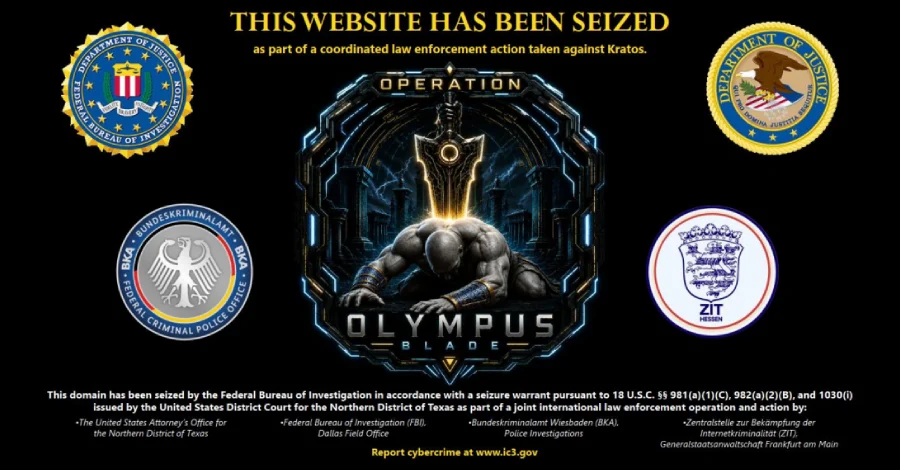
Global Law Enforcement Dismantles Kratos Phishing-as-a-Service Infrastructure, Arresting Alleged Developer

by admin July 22, 2026
written by admin

In a significant blow to the global cybercrime ecosystem, a joint operation spearheaded by German and US law enforcement agencies, in close collaboration with Indonesian authorities, has successfully dismantled the core infrastructure of "Kratos," identified by German investigators as one of the world’s most pervasive criminal phishing kits. The operation culminated in the arrest of the individual believed to be the developer and operator of the illicit service in Indonesia, alongside the critical takedown of over 200 servers globally. This coordinated effort marks a pivotal moment in the ongoing fight against sophisticated Phishing-as-a-Service (PhaaS) platforms that enable even low-skilled actors to execute highly effective cyberattacks, including those capable of bypassing multi-factor authentication (MFA).

The announcement, made on Monday, July 22, 2026, by the Frankfurt public prosecutor’s cybercrime unit (ZIT) and Germany’s Federal Criminal Police Office (BKA), detailed the extensive reach and technical sophistication of the Kratos platform. Investigators estimate that approximately 1,800 paying customers leveraged Kratos to launch an alarming 15,000 phishing campaigns each month. These campaigns, designed with deceptive precision, have targeted hundreds of thousands of victims across more than 30 countries since late 2024, with a notable concentration in Europe and the United States. The operators of Kratos are believed to have amassed over 300,000 euros in illicit gains during this period, underscoring the lucrative nature of such criminal enterprises.

The Anatomy of Kratos: A Phishing-as-a-Service Powerhouse

Kratos distinguished itself in the crowded PhaaS market through its advanced capabilities, which extended far beyond simple credential harvesting. While many phishing kits aim solely to steal usernames and passwords, Kratos was engineered to pilfer session cookies alongside login credentials. This crucial distinction allowed its users to bypass multi-factor authentication (MFA) mechanisms, rendering what is often considered a robust security measure largely ineffective. The stolen session cookie effectively acts as a legitimate user’s identity, granting attackers direct access to accounts without needing to re-authenticate or solve an MFA challenge.

According to a detailed analysis by cybersecurity firm ANY.RUN, which successfully reverse-engineered the kit, Kratos offered its "franchisees" — as the BKA termed its customers — two primary operational modes. The first was a straightforward PHP page designed exclusively for harvesting credentials. The second, and far more insidious, was a Node.js reverse proxy. This sophisticated module was specifically designed to relay login attempts to legitimate services, such as Microsoft, in real time. During this relay, the proxy would intercept and capture the resulting session cookie, allowing the attacker to establish a live, authenticated session. This technique is known as an Adversary-in-the-Middle (AiTM) attack, and it has emerged as a significant threat to modern authentication protocols that rely heavily on MFA.

Police Dismantle Kratos Phishing Kit Built to Steal Microsoft 365 Sessions and Bypass MFA

Microsoft Threat Intelligence had independently tracked the same kit under the moniker "SneakyLog," identifying it as a potent Phishing-as-a-Service platform responsible for credential and 2FA theft against Microsoft 365 environments since at least early 2025. This independent tracking highlights the widespread recognition of Kratos/SneakyLog as a major threat actor in the cyber landscape.

A Criminal "Franchise" Model

The operational model of Kratos mirrored that of a legitimate business, albeit one steeped in illicit activities. The platform functioned as a "franchise," enabling even individuals with minimal technical skills to deploy sophisticated AiTM attacks. Customers would pay for access to the service using cryptocurrency, managing their accounts and organizing their phishing campaigns through a dedicated website and a Telegram-based "shop." This user-friendly interface significantly lowered the barrier to entry for cybercriminals, allowing a broader spectrum of malicious actors to engage in highly effective phishing operations that would otherwise require considerable technical expertise.

The scale of this criminal enterprise was staggering. With 1,800 active customers, the kit facilitated an average of 15,000 phishing campaigns monthly. Each of these campaigns had the potential to reach several thousand recipients, multiplying the risk and impact across a vast user base. The estimated hundreds of thousands of victims since late 2024 underscore the profound and pervasive threat Kratos posed to individuals and organizations worldwide. The financial gains of over 300,000 euros since 2024, generated through subscriptions and usage fees, illustrate the powerful economic incentives driving such cybercrime operations.

Chronology of Detection, Operation, and Takedown

The timeline of Kratos’s activities and subsequent demise paints a clear picture of its insidious growth and the persistent efforts of cybersecurity researchers and law enforcement to counter it:

  • Late 2024: Kratos’s operations begin to impact victims, marking the initial phase of its widespread deployment.
  • Early 2025: Microsoft Threat Intelligence identifies the phishing kit, designating it as "SneakyLog," and begins tracking its use in credential and 2FA theft campaigns against Microsoft 365 users.
  • March 2026: Microsoft observes a significant surge in tax-themed phishing campaigns utilizing SneakyLog. These campaigns are particularly potent during tax season, exploiting public anxiety and urgency.
  • February 10, 2026 (specific campaign example): Microsoft records a targeted campaign where operators sent tax-themed emails to approximately 100 organizations, predominantly in the United States. These emails, masquerading as legitimate communications, contained W-2 documents embedded with personalized QR codes. Scanning these QR codes directed recipients to a fake Microsoft 365 login page, designed to capture credentials and session cookies. The targeted sectors included manufacturing, retail, and healthcare, highlighting the diverse range of industries vulnerable to such attacks.
  • Prior to July 2026: German and US law enforcement, in conjunction with international partners, meticulously gather intelligence and coordinate the operational phase to identify and locate the core infrastructure and the alleged developer.
  • July 22, 2026: The coordinated takedown operation is executed, resulting in the offline status of more than 200 servers and the arrest of the alleged developer by Indonesian authorities. The public announcement by the BKA and ZIT confirms the success of the multi-national effort.

Beyond Credentials: The Threat of Session Hijacking and Downstream Impact

The ability of Kratos to steal session cookies represents a critical evolution in phishing tactics. While a stolen password can be mitigated by a prompt password reset and MFA re-enrollment, a hijacked session cookie allows an attacker to maintain an active, authenticated connection to a user’s account even after a password reset. This means that if an attacker captures a live session cookie, they can continue to access the account as the legitimate user until that specific session is explicitly revoked by the service provider or the user.

Police Dismantle Kratos Phishing Kit Built to Steal Microsoft 365 Sessions and Bypass MFA

The implications of such sophisticated account takeovers are far-reaching. Stolen Microsoft logins, for instance, are rarely the final objective for cybercriminals. The BKA highlighted several common downstream uses:

  1. Further Phishing: Attackers can leverage compromised accounts to launch more credible phishing attacks from within an organization’s trusted network, increasing the success rate of subsequent campaigns.
  2. Sale to Other Criminals: Access to legitimate accounts, especially those within corporate environments, is a valuable commodity on dark web marketplaces, traded for significant sums.
  3. Foothold for Business Email Compromise (BEC): A compromised email account within a company can serve as a springboard for sophisticated BEC scams. Attackers can monitor internal communications, impersonate executives, and initiate fraudulent financial transactions, leading to substantial monetary losses for businesses.
  4. Lateral Movement: Once inside a Microsoft 365 environment, attackers can use the compromised account to explore network directories, access sensitive documents, and potentially escalate privileges, moving laterally within the company’s digital infrastructure.

This chain of potential exploitation underscores why the takedown of Kratos, with its advanced session-hijacking capabilities, is so crucial in mitigating a wide array of cyber threats.

Official Reactions and Strategic Implications

Carsten Meywirth, who heads the BKA’s cybercrime division, lauded the operation as concrete proof "that even highly professional phishing infrastructures can be effectively combated." His statement reflects a growing confidence within law enforcement that persistent, coordinated international efforts can dismantle even the most entrenched criminal services.

Benjamin Krause of the ZIT further framed the operation as an embodiment of the office’s "disruptive" approach. This strategy focuses not merely on apprehending individuals but on actively dismantling the underlying infrastructure and services that enable cybercrime. By pulling over 200 servers offline and arresting the alleged developer, law enforcement has severely hampered Kratos’s operational capacity, at least temporarily. This disruptive tactic aims to increase the cost and complexity for cybercriminals, making it harder for them to operate and sustain their illicit businesses. The shift from purely reactive arrests to proactive infrastructure disruption is a strategic evolution in cybercrime fighting, recognizing the interconnected and adaptable nature of online criminal networks.

Guidance for Affected Users and Organizations

In the wake of the takedown, Microsoft is actively notifying users whose accounts may have been compromised by Kratos/SneakyLog campaigns. The recommended remediation steps vary depending on the nature of the compromise:

Police Dismantle Kratos Phishing Kit Built to Steal Microsoft 365 Sessions and Bypass MFA
  • For accounts where only credentials were harvested: A password reset, immediately followed by a thorough check of multi-factor authentication settings to ensure they are robust and active, is generally sufficient.
  • For accounts where a live session cookie was lifted via the reverse-proxy mode: The situation demands more aggressive action. Since a stolen session can survive a password reset, it is imperative that the compromised session be explicitly revoked. For high-value accounts, Microsoft recommends transitioning to phishing-resistant sign-in methods, such as hardware security keys (e.g., FIDO2) or certificate-based authentication, which are far more resilient against AiTM attacks.

Furthermore, cybersecurity defenders within organizations can look for specific technical indicators to identify potential exposure to Kratos. ANY.RUN’s analysis revealed distinct "tells" for the kit: its login pages almost invariably load the paired assets barr.svg and lg.svg. Stolen credentials are then typically POSTed to endpoints such as next.php or save.php. ANY.RUN rates this specific pairing of indicators with a high recall rate of 90% and near-zero false positives, making it a reliable signature for detection.

The Enduring Challenge: Resiliency of Cybercrime Operations

While the takedown of Kratos’s core infrastructure is a significant victory, the fight against PhaaS platforms is an ongoing challenge. The BKA confirms that the servers are currently offline, and Kratos-powered campaigns cannot continue in their original form. However, the operation did not eradicate the roughly 1,800 customers who previously utilized the service, nor did it directly seize all copies of the kit code they may possess.

The nature of PhaaS operations often involves the use of disposable domains, compromised WordPress sites, and shared hosting environments, which makes them inherently resilient. Cybercrime groups frequently rebrand, repackage, and relaunch their services under new names and on new infrastructure once their previous operations are disrupted. This adaptability means that while Kratos may be temporarily out of commission, the underlying threat model and the demand for such services persist. It is highly probable that former Kratos customers, or even the original developer operating under a new alias, will seek to establish or migrate to similar PhaaS offerings.

This incident underscores the continuous need for vigilance, strong cybersecurity practices, and sustained international cooperation among law enforcement agencies and private sector security researchers. As cybercriminals evolve their tactics, so too must the defensive and disruptive strategies employed to protect individuals and organizations from their relentless attacks. The takedown of Kratos serves as a powerful reminder of the global nature of cybercrime and the effectiveness of a united front in confronting it, even as the landscape of threats continues to shift and evolve.

July 22, 2026 0 comment
0 FacebookTwitterPinterestEmail
Cybersecurity & Hacking

Chick-fil-A Confirms Second Major Data Breach in Two Years Following Credential Stuffing Attacks

by admin July 22, 2026
written by admin

American fast-food giant Chick-fil-A has recently confirmed a significant data breach affecting an undisclosed number of its customers, stemming from a wave of sophisticated credential stuffing attacks targeting its online platforms in June 2026. This incident marks the second major security compromise for the quick-service restaurant chain in less than two years, raising concerns about its cybersecurity posture and the pervasive threat of automated cyberattacks in the digital landscape.

Incident Details and Discovery

The Atlanta-based company, renowned for its chicken sandwiches and customer service, operates as the third-largest quick-service restaurant company in the United States, boasting a vast network of over 3,000 restaurants across the U.S., Canada, Puerto Rico, the United Kingdom, and Singapore. Its extensive digital footprint, including its website and the widely used Chick-fil-A One mobile application, serves millions of customers daily, making it an attractive target for cybercriminals.

The breach came to light after Chick-fil-A’s internal security systems detected suspicious login activity on a subset of Chick-fil-A One accounts. A subsequent internal investigation revealed that unauthorized parties launched an automated attack against the company’s website and mobile application between June 17 and June 19, 2026. The attackers leveraged account credentials, specifically email addresses and passwords, which were not stolen directly from Chick-fil-A but rather obtained from third-party sources, likely through previous breaches at other organizations. This method, known as credential stuffing, relies on the common user practice of reusing login credentials across multiple online services.

On July 13, 2026, Chick-fil-A confirmed that these unauthorized parties had successfully gained access to information stored within a number of Chick-fil-A One accounts. The company promptly began sending data breach notification letters to affected individuals and filed reports with various Attorney General offices across the United States, adhering to state-specific data breach notification laws.

Compromised Customer Data

The extent of the compromised data is significant and varied, encompassing a range of personal and financial details. According to the breach notification letters, the information potentially exposed includes customers’ full names, email addresses, Chick-fil-A One membership numbers, and mobile pay numbers. Critically, the attackers may have also accessed QR codes associated with accounts, the amount of Chick-fil-A credit available, and the last four digits of customers’ stored credit/debit card numbers. For accounts where such information was provided and stored, birth dates, phone numbers, and physical addresses were also at risk. While the last four digits of a credit card are not sufficient for direct financial transactions, this information, combined with other personal details, significantly increases the risk of identity theft and more sophisticated phishing attacks.

Scale of the Breach: A Glimpse into the Numbers

Chick-fil-A discloses data breach after credential stuffing attacks

While Chick-fil-A has not publicly disclosed the total number of customers impacted by the June 2026 credential stuffing attacks, preliminary filings provide a partial picture of the breach’s geographic scope. The company reported to the Texas Attorney General that the incident affected 2,182 Texans. Beyond Texas, notification letters were also dispatched to residents in several other states and jurisdictions, including Iowa, the District of Columbia, Maryland, Massachusetts, New Mexico, New York, North Carolina, Oregon, Vermont, and Rhode Island. Given Chick-fil-A’s vast customer base and nationwide presence, it is plausible that the overall number of affected individuals could be substantially higher than the currently reported figures. The lack of a comprehensive public disclosure regarding the total impact complicates a full assessment of the breach’s magnitude.

Understanding Credential Stuffing: A Persistent Threat

Credential stuffing is a pervasive and increasingly sophisticated form of cyberattack that exploits human behavior rather than technical vulnerabilities within a target system. It involves attackers taking large lists of stolen username-password combinations (credentials) from previous data breaches at other companies and automatically attempting to "stuff" them into login fields of new target websites and applications. The success of these attacks hinges on the widespread practice of password reuse. A 2023 study by the Ponemon Institute, for example, revealed that over 60% of internet users admit to reusing passwords across multiple online accounts, making them highly vulnerable to this type of attack.

The economics of credential stuffing are simple and effective for cybercriminals. Once a credential list is acquired, often cheaply from dark web markets, automated bots can test millions of combinations per hour against various online services. For every successful login, the attacker gains access to a legitimate user account, which can then be exploited in numerous ways. This includes draining loyalty points, making unauthorized purchases, or extracting personal information for identity theft, all without needing to breach the target company’s core security infrastructure directly. The end goal is often to steal personal and financial information, which can subsequently be sold on underground forums or directly used for fraudulent activities, account takeovers, and even blackmail. The simplicity and high success rate of credential stuffing make it a preferred method for financially motivated cybercriminals.

Chick-fil-A’s Response and Remediation Efforts

In the wake of detecting the unauthorized access, Chick-fil-A took immediate steps to mitigate the damage and protect its customers. The company implemented a series of protective measures, including logging out all impacted accounts to sever the attackers’ access. Furthermore, as a precautionary measure, all stored payment methods within the compromised accounts were removed, preventing further unauthorized transactions.

Recognizing the potential for financial loss due to unauthorized use of Chick-fil-A credit or rewards, the company committed to restoring Chick-fil-A One account balances to their pre-breach status. As a gesture of apology and to rebuild customer trust, Chick-fil-A also added rewards to affected accounts. This proactive approach to remediation, particularly the restoration of funds and the addition of goodwill gestures, aims to minimize the direct financial impact on customers and demonstrate a commitment to accountability.

Beyond these immediate steps, Chick-fil-A strongly advised all impacted users to change their passwords as soon as possible, not only for their Chick-fil-A One accounts but also for any other online services where they might have used the same or similar credentials. This recommendation underscores the critical importance of unique, strong passwords for every online account to break the chain of credential stuffing attacks. The company also likely reinforced its internal monitoring systems to detect and prevent future similar attacks, though specific details on enhanced security measures were not immediately available.

A Recurring Challenge: Echoes of a Previous Breach

Chick-fil-A discloses data breach after credential stuffing attacks

This latest incident is not an isolated event for Chick-fil-A. In March 2023, the company publicly confirmed that threat actors had accessed the personal information and utilized stored rewards balances of over 71,000 customers. That breach, which occurred between December 2022 and February 2023, also stemmed from a similar wave of credential stuffing attacks. The recurrence of such a security event highlights a persistent vulnerability for the company, possibly indicating that while immediate remediation measures are taken, the fundamental challenge of users reusing compromised credentials remains a significant hurdle.

The 2023 incident led to substantial financial losses for some customers who had their Chick-fil-A One points or stored credit drained. While Chick-fil-A worked to restore balances and offered additional compensation then, the repeated nature of these attacks suggests that even with robust internal security, the external factor of widespread credential reuse continues to pose an existential threat to customer account security. This pattern puts pressure on the company to not only secure its own systems but also to more effectively educate its vast customer base on best practices for online security, such as enabling multi-factor authentication (MFA) where available, and using unique, complex passwords.

Broader Implications and Customer Vigilance

The Chick-fil-A breach serves as a stark reminder of the broader cybersecurity challenges faced by consumers and businesses alike in an increasingly interconnected digital world. For customers, the implications of such a breach extend beyond just the immediate loss of fast-food credits. The exposure of personal data, including names, email addresses, phone numbers, and partial credit card information, significantly elevates the risk of identity theft, phishing scams, and other forms of fraud. Cybercriminals can use this consolidated data to craft highly convincing phishing emails or social engineering attacks, potentially leading to access to bank accounts, credit card accounts, or other sensitive online profiles. Customers are advised to remain vigilant, monitor their financial statements for suspicious activity, and be wary of unsolicited communications that appear to be from Chick-fil-A or other entities requesting personal information.

For Chick-fil-A, the implications are multi-faceted. Beyond the immediate costs of investigation, remediation, and notification, there is a potential for significant reputational damage. Customer trust, a cornerstone of the Chick-fil-A brand, can be eroded by repeated security incidents. The company may also face increased scrutiny from regulatory bodies and potential legal challenges, including class-action lawsuits, depending on the specifics of the breach and the adequacy of its security measures. The incident also underscores the constant need for businesses to invest in advanced threat detection capabilities, robust security protocols, and comprehensive employee and customer education programs to combat evolving cyber threats.

Moving Forward: Enhancing Digital Resilience

In an era where data breaches are becoming increasingly common, the onus is not just on companies to protect customer data but also on individuals to practice diligent online hygiene. For businesses like Chick-fil-A, the ongoing battle against credential stuffing and other automated attacks necessitates a multi-layered security strategy. This includes deploying advanced bot detection and mitigation tools, implementing multi-factor authentication for all user accounts, regularly auditing third-party integrations, and continuously monitoring for suspicious activities. Furthermore, proactive communication with customers about security threats and best practices is paramount to building a resilient digital ecosystem.

The June 2026 Chick-fil-A breach, following closely on the heels of a similar incident in 2023, reinforces the notion that no organization, regardless of its size or industry, is immune to cyberattacks. It underscores the critical importance of a proactive and adaptive cybersecurity strategy that addresses not only internal vulnerabilities but also the external threats posed by widespread credential reuse and sophisticated automated attack vectors. As the digital landscape continues to evolve, so too must the collective efforts of companies and consumers to safeguard personal information and maintain trust in online interactions.

July 22, 2026 0 comment
0 FacebookTwitterPinterestEmail
Bitcoin & Altcoins

ETH Rangers Program Concludes, Showcasing Decentralized Defense in Ethereum Security

by admin July 22, 2026
written by admin

In late 2024, a significant initiative aimed at bolstering the security of the Ethereum ecosystem reached a pivotal milestone. The Ethereum Foundation, in collaboration with prominent security organizations Secureum, The Red Guild, and Security Alliance (SEAL), successfully concluded the six-month ETH Rangers Program. This groundbreaking initiative provided stipends to independent security researchers and practitioners dedicated to strengthening the resilience and safety of the Ethereum network. The program’s objective was clear: to foster and fund vital, often underappreciated, security work that directly benefits the entire Ethereum community.

The ETH Rangers Program was conceived as a direct response to the growing complexity and evolving threat landscape surrounding decentralized networks. As Ethereum continues its rapid expansion, securing its infrastructure becomes an increasingly critical task. The program sought to empower individuals and small teams who possess the expertise and dedication to tackle these challenges head-on, recognizing their proven track records of meaningful contributions to Ethereum’s security. By offering financial support, the initiative aimed to remove potential barriers to entry and allow these security guardians to focus their efforts on critical public goods.

Upon the program’s conclusion, the breadth and depth of the 17 stipend recipients’ output have been revealed, underscoring the program’s success. The work spans a diverse range of crucial security domains, including in-depth vulnerability research, the development of essential security tooling, comprehensive educational initiatives, proactive threat intelligence gathering, and responsive incident management. The consolidated outcomes from these independent efforts paint a compelling picture of a decentralized defense strategy in action, demonstrating that the security of a decentralized network truly requires a decentralized approach to its protection.

The very nature of these contributions highlights how individual researchers, armed with focused support, can build infrastructure and generate knowledge that amplifies security effects across the entire Ethereum ecosystem. From the granular analysis of protocol-level vulnerabilities to the broad dissemination of security knowledge to developers globally, these independent efforts are creating a more robust and secure foundation for everyone involved in Ethereum.

Project Highlights: Pillars of Decentralized Security

The ETH Rangers Program has spotlighted several key projects that exemplify the program’s impact. These initiatives showcase the diverse ways in which security expertise can be applied to enhance Ethereum’s resilience.

SunSec – DeFiHackLabs: Empowering the Next Generation of Security Researchers

SunSec, in partnership with the DeFiHackLabs community, has delivered an exceptional volume of security education and tooling. During the stipend period, DeFiHackLabs significantly expanded its reach and impact:

  • Developed and disseminated 15 comprehensive security guides and tutorials covering a wide array of topics, from smart contract auditing best practices to exploit analysis.
  • Created and maintained a curated repository of over 100 security-related tools and resources, making them readily accessible to the community.
  • Organized and facilitated 5 interactive security workshops, drawing hundreds of participants eager to enhance their understanding of Ethereum security.
  • Published 20 detailed post-mortems of significant DeFi hacks, providing invaluable lessons learned for developers and security professionals.

The sheer scale of community activation spearheaded by DeFiHackLabs is a testament to its effectiveness as a force multiplier. By leveraging the stipend, the project has transformed a single grant into widespread educational output, reaching and empowering hundreds of aspiring and established security researchers. This scalable approach to knowledge sharing is vital for building a robust and knowledgeable security community.

Ketman Project – DPRK IT Worker Investigations: Addressing a Pressing Threat

One recipient has dedicated their stipend to scaling the Ketman Project, a critical initiative focused on identifying and mitigating the threat posed by North Korean (DPRK) IT workers who have infiltrated blockchain projects under deceptive pretenses. This work directly confronts one of the most significant operational security challenges facing the Ethereum ecosystem today. Over the stipend period, the Ketman Project achieved the following:

  • Successfully identified and reported over 50 confirmed DPRK IT workers operating within the blockchain space.
  • Developed and implemented advanced techniques for detecting fake identities and employment anomalies, improving the efficacy of traditional background checks.
  • Collaborated with multiple exchanges and project teams to facilitate the removal of identified DPRK operatives, thereby preventing potential malicious activities.
  • Published anonymized threat intelligence reports detailing the modus operandi and evolving tactics of these operatives, aiding the broader community in defense.

This specialized investigation is crucial for maintaining the integrity of decentralized projects and protecting the trust that underpins the Ethereum ecosystem. By proactively identifying and addressing this sophisticated threat, the Ketman Project contributes significantly to the overall security posture.

Nick Bax – Incident Response and Threat Intelligence: A Multi-Faceted Contribution

Nick Bax has made substantial contributions across multiple critical security domains, primarily through his involvement with SEAL 911 incident response, DPRK threat mitigation, and public awareness campaigns. His work has been instrumental in both reacting to security events and proactively building defenses:

  • Responded to and assisted in the mitigation of over 15 critical security incidents within the Ethereum ecosystem, providing rapid analysis and guidance.
  • Authored detailed threat intelligence reports on DPRK operatives, complementing the work of the Ketman Project and providing actionable insights for broader industry awareness.
  • Developed and presented educational materials on threat actor tactics, delivered through public forums and workshops, enhancing the community’s understanding of emerging risks.
  • Contributed to the ongoing development and refinement of SEAL’s incident response frameworks, ensuring preparedness for future events.

Bax’s multifaceted approach highlights the interconnectedness of security efforts. His ability to contribute to both immediate incident response and long-term threat intelligence underscores the value of experienced practitioners in maintaining ecosystem health.

Guild Audits – Security Education in Africa and Beyond: Building Capacity Globally

Guild Audits has been instrumental in fostering the next generation of Ethereum security researchers through intensive smart contract security bootcamps. Their efforts are particularly impactful in regions historically underrepresented in the cybersecurity field. The bootcamps have achieved:

  • Graduated over 100 participants from comprehensive smart contract security training programs, equipping them with the skills to identify and mitigate vulnerabilities.
  • Established training partnerships with local tech communities in 5 African countries, creating a sustainable pipeline of skilled security talent.
  • Developed a modular curriculum that has been adapted and shared with 3 other educational initiatives, amplifying the program’s reach.
  • Facilitated direct mentorship opportunities for bootcamp graduates with established security professionals, aiding their transition into the industry.

The capacity-building impact of Guild Audits’ bootcamps is profound. By creating a pathway for individuals from diverse backgrounds to enter the Ethereum security space, they are not only strengthening the global security community but also promoting greater inclusivity and representation within the broader Web3 ecosystem.

Palina Tolmach – Kontrol: Usable Formal Verification: Enhancing Tooling Accessibility

Palina Tolmach, affiliated with Runtime Verification, has focused on enhancing Kontrol, a powerful formal verification tool for Ethereum smart contracts. The objective has been to make this sophisticated technology more accessible and user-friendly for developers and security researchers. Key Kontrol improvements delivered include:

  • Streamlined the user interface and documentation, significantly reducing the learning curve for new users.
  • Integrated new symbolic execution capabilities, enabling more comprehensive analysis of complex smart contract logic.
  • Developed robust integrations with popular development environments, such as Hardhat and Foundry, allowing for seamless incorporation into existing workflows.
  • Published open-source code and detailed usage guides on GitHub, ensuring that these advancements are available to the entire community.

All of this work is publicly available on GitHub, contributing to a richer formal verification tooling landscape. By making advanced verification techniques more accessible, Tolmach’s efforts empower a wider range of developers to build more secure smart contracts from the outset, reducing the likelihood of costly and damaging exploits.

Ethereum Execution Client DoS Research: Strengthening Core Infrastructure

A dedicated research team has developed a comprehensive testing framework designed to systematically evaluate the robustness of Ethereum execution clients against message-flooding denial-of-service (DoS) attacks. This is a critical area of research, as the performance and availability of execution clients are fundamental to the network’s operation.

  • Tested all five major execution clients: Geth, Besu, Erigon, Nethermind, and Reth.
  • Discovered a total of 14 bugs across various network protocol layers within these clients.
  • Identified potential vulnerabilities that could lead to:
    • Increased node resource consumption (CPU/memory): This can degrade network performance and potentially lead to instability.
    • Network partition: In severe cases, DoS attacks could isolate nodes, disrupting consensus and transaction propagation.
    • Node instability and crashes: Maliciously crafted messages could trigger software defects, causing nodes to become unresponsive or terminate unexpectedly.

The findings underscore a crucial reality: no single execution client is entirely immune to message-flooding attacks. This research highlights the ongoing need for robust countermeasures, such as adaptive rate-limiting mechanisms, to protect the network’s infrastructure. The testing framework and the discovered bugs have been shared directly with the Ethereum Foundation’s Protocol Security team, providing valuable insights to inform future client development and security hardening efforts.

Other Stipend Recipients: A Broad Spectrum of Security Contributions

While comprehensive write-ups for all recipients are not feasible within this summary, the remaining participants have made significant contributions across a wide array of security-related public goods. Their work further illustrates the diverse and essential nature of public goods security in the Ethereum ecosystem.

Recipient Output
Kelsie Nabben Authored a book, "Decentralised Digital Security: A Community Inscriptions," drawing on 2.5 years of ethnographic research into decentralized digital security communities, including insights from SEAL.
Mothra team Developed Mothra, a Ghidra extension for EVM bytecode reverse engineering, including support for EOF decompilation. Published detailed technical write-ups on the development process.
SomaXBT Published a four-part series on blockchain forensics and the crypto threat landscape, covering fund tracing, attribution techniques, and OSINT methods on the Paragraph platform.
Peter Kacherginsky Launched BlockThreat, a platform dedicated to blockchain threat intelligence, analyzing past blockchain security incidents and their root causes.
Attack Vectors Created attackvectors.org, an open-source, continuously updated guide detailing top DeFi attack vectors with prevention strategies. Also contributed to SEAL’s Wallet Security Framework and became a SEAL Steward.
Tim Fan Developed D2PFuzz, a DevP2P protocol fuzzing framework with differential testing across multiple execution layer clients, identifying bugs through both single-client and cross-client testing.
nft_dreww Published security articles, hosted educational classes through Boring Security, and successfully completed security audits on Ethereum public goods projects.
Jean-Loïc Mugnier Developed a Web3 transaction simulation Chrome extension that intercepts and simulates transactions before they reach the wallet, alongside research into simulation spoofing.
Alexandre Melo Produced security workshop videos covering topics such as fuzzing, smart accounts, AI-driven auditing, Solana security, and zero-knowledge proofs, shared on his YouTube channel.
Ho Nhut Minh Enhanced CuEVM, a GPU-accelerated EVM implementation, adding multi-GPU support and a Golang library for integration with the Medusa fuzzer, with benchmarks conducted on Nvidia H100 GPUs.
Sergio Garcia Built the Tracelon Monitoring Bot, a Telegram bot for real-time block monitoring on Ethereum, Bitcoin, and Base with ERC20 balance change alerts. Continues to contribute to SEAL 911 incident response efforts.

Looking Ahead: Sustaining the Momentum of Decentralized Defense

The ETH Rangers Program was established with a clear mission: to support the often unglamorous but fundamentally essential security work that underpins the Ethereum ecosystem. The diverse contributions from the 17 stipend recipients vividly illustrate the expansive definition of "public goods security" in practice. This work extends far beyond the mere identification of bugs; it encompasses the creation of vital tools, the cultivation of new talent through education, the meticulous documentation of knowledge, the swift response to critical incidents, and the overall enhancement of the ecosystem’s resilience against evolving threats.

By actively supporting these public goods security initiatives, the ETH Rangers Program has successfully integrated novel tools, critical research findings, and crucial intelligence into the broader Ethereum landscape. This decentralized approach to defense cultivates a more robust and secure foundation for developers, users, and builders worldwide.

The Ethereum Foundation extends its profound gratitude to all 17 stipend recipients for their invaluable contributions. Special thanks are due to The Red Guild for their hands-on involvement in reviewing submissions, structuring project milestones, and providing detailed feedback throughout the program’s duration. The foundational collaboration with Secureum and Security Alliance in establishing and guiding the program has also been instrumental to its success. As the program concludes, the insights and outputs generated serve as a powerful testament to the efficacy of investing in decentralized security expertise, paving the way for a more secure and resilient future for Ethereum.

July 22, 2026 0 comment
0 FacebookTwitterPinterestEmail
Bitcoin & Altcoins

A Dense Week of Economic and Financial Events Poised to Shape Market Sentiment and Crypto Volatility

by admin July 22, 2026
written by admin

The financial markets are bracing for an exceptionally eventful period, characterized by a confluence of pivotal central bank decisions, critical economic data releases, and significant corporate earnings reports. This concentrated schedule, spanning late July and early August, presents a complex landscape for traders and investors, with particular implications for the cryptocurrency markets. The sheer density of these events, occurring in close succession, amplifies the potential for market shifts and necessitates a strategic approach to navigating the anticipated volatility.

Central Bank Watch: A Global Symphony of Monetary Policy

The upcoming weeks will see major central banks around the world releasing their latest monetary policy decisions, creating a significant focal point for global financial markets. This coordinated timing, while a function of calendar scheduling, significantly increases the potential for interconnected market movements and divergent policy signals.

The Federal Reserve’s Crucial Deliberations

The Federal Open Market Committee (FOMC) of the U.S. Federal Reserve is scheduled to announce its latest interest rate decision on Wednesday, July 29, following a two-day meeting. This decision is closely scrutinized as it provides the most direct indication of the Fed’s stance on inflation, economic growth, and the trajectory of monetary policy. Historically, the Fed’s pronouncements have a profound impact on asset prices, influencing everything from stock valuations to bond yields and, crucially, cryptocurrency markets.

Adding to the market’s anticipation, the Bureau of Economic Analysis will release two key pieces of economic data on Thursday, July 30: the advance estimate for Gross Domestic Product (GDP) for the second quarter and the Personal Consumption Expenditures (PCE) price index for June. The PCE price index, in particular, is the Fed’s preferred inflation gauge, and its readings are keenly watched for any signs of persistent inflationary pressures or signs of cooling.

The proximity of these releases—the Fed’s decision followed closely by critical inflation and growth data—creates a dynamic where market expectations can be rapidly recalibrated. If the Fed’s forward guidance appears to diverge from the signals sent by the GDP and PCE data, traders will be forced to quickly reconcile these potentially conflicting narratives. This scenario is particularly relevant for rate-sensitive assets, including Bitcoin (BTC/USD) and Ethereum (ETH/USD), and their associated futures and margin markets. The ability of these digital assets to react swiftly to shifts in interest rate expectations underscores their sensitivity to macroeconomic trends.

European Central Bank and Bank of England on the Horizon

Beyond the U.S., other major central banks are also set to make their policy announcements. The European Central Bank’s (ECB) Governing Council will announce its rate decision on Thursday, July 23. Following this, the Bank of England’s (BoE) Monetary Policy Committee will deliver its decision on Thursday, July 30, accompanied by its quarterly Monetary Policy Report.

While these European decisions may not have the same direct impact on USD-denominated cryptocurrency pairs as the Fed’s, they contribute significantly to the broader global interest rate environment. Traders utilize this global rate backdrop to assess overall risk appetite, which in turn can influence investment flows into riskier assets like cryptocurrencies. A notable divergence in monetary policy between the Fed, ECB, and BoE could create complex trading opportunities and necessitate a nuanced understanding of cross-asset correlations.

For crypto markets, the direct impact will be most evident in pairs such as BTC/EUR and BTC/GBP, as well as their Ethereum counterparts. However, any significant shifts in global risk sentiment stemming from these central bank actions can also have secondary effects on broader USD-denominated crypto pairs.

Corporate Earnings and Derivatives Expiry: A Double Whammy for Markets

The end of July is also marked by a significant convergence of corporate earnings reports and a major cryptocurrency derivatives expiry, creating a potent cocktail of potential market volatility.

Coinbase and Strategy Earnings Amidst Broader Tech Landscape

Coinbase, a leading cryptocurrency exchange, and Strategy, a company with significant influence in related sectors, are both scheduled to release their second-quarter earnings after market close on Thursday, July 30. This timing is particularly noteworthy as it occurs just one day after the Fed’s rate decision and on the same day as the release of the crucial Q2 GDP advance estimate and the June PCE price index.

These earnings reports are being closely watched due to their historical correlation with the cryptocurrency market’s performance. Positive or negative surprises from these entities can trigger significant movements in the crypto space.

Furthermore, the Bank of Japan’s (BoJ) policy decision and its quarterly Outlook Report are also slated for Friday, July 31. This adds a fourth major central bank to the already packed economic calendar, further intensifying the potential for market flux.

The July Options and Futures Expiry

Adding another layer of complexity, Friday, July 31, marks the settlement date for monthly Bitcoin and Ethereum options and futures contracts on major derivatives exchanges like Deribit and CME. Large derivatives expiries can often amplify market volatility as open interest is closed out and positions are rolled over. This effect can be particularly pronounced during summer months when overall market liquidity tends to be thinner, meaning that even moderate trading volumes can lead to more significant price swings.

The confluence of high-profile earnings reports from crypto-adjacent companies and a significant derivatives expiry creates a heightened risk environment. Traders utilizing leverage in BTC and ETH futures, margin, and spot markets on platforms like Kraken Pro are advised to exercise caution. Careful review of position sizing and stop-loss placement ahead of this volatile period is strongly recommended, as waiting until after the expiry to adjust positions could prove to be a reactive and potentially costly strategy.

Big Tech Earnings: A Bellwether for Risk Sentiment

Beyond the crypto-specific companies, a series of earnings reports from major technology firms will also be released during this window, providing crucial insights into the broader economic landscape and investor sentiment.

The reporting schedule kicks off with Google on Wednesday, July 22. The following Wednesday, July 29, a trio of tech giants—Microsoft, Meta, and Robinhood—will release their results, coincidentally hours after the Fed’s rate decision. The week concludes with Apple and Amazon reporting on Thursday, July 30, alongside Coinbase and Strategy.

While these companies are not directly involved in the cryptocurrency industry, their earnings have historically served as a significant driver of broader risk sentiment across financial markets. Positive earnings from these behemoths can foster a more optimistic outlook, potentially benefiting riskier assets like cryptocurrencies. Conversely, disappointing results can lead to a contraction in risk appetite, with negative repercussions for both traditional and digital asset markets. The performance of these tech giants can therefore act as a leading indicator for the prevailing market mood, influencing trading strategies across various asset classes, including those traded on Kraken Pro.

Additional Economic Indicators to Monitor

The dense schedule of central bank meetings and major corporate earnings is further augmented by a series of other significant economic data releases. These indicators, while perhaps receiving less direct focus, collectively contribute to the overall economic narrative and can influence market sentiment and central bank policy considerations.

On Tuesday, July 28, the Conference Board will release its Consumer Confidence Index, offering insights into consumer sentiment and its potential impact on spending. Later in the week, on Friday, July 31, the Bureau of Labor Statistics will publish the Employment Cost Index (ECI), a key measure of labor costs that can inform inflation expectations.

Looking ahead into the first week of August, market participants will be closely watching the ISM Manufacturing PMI report, scheduled for Monday, August 3. This survey provides an important pulse check on the manufacturing sector’s health. The following day, Tuesday, August 4, will see the release of JOLTS job openings data, offering further granularity on the state of the labor market. Finally, on Wednesday, August 5, the U.S. Treasury will issue its Quarterly Refunding announcement, providing details on its borrowing plans, which can influence bond yields and broader market liquidity.

Strategic Implications for Market Participants

The sheer density of scheduled events within this ten-day period is a defining characteristic of the current market landscape. With four central banks, a cluster of major earnings reports, and a significant derivatives expiry all converging, the potential for amplified market movements is substantial.

The practical takeaway for active traders and investors is the imperative to understand the interplay between these events. Rather than focusing on any single release in isolation, a strategic approach involves recognizing how these various data points and decisions will be interpreted collectively by the market. The sequence of events, and the potential for conflicting signals, necessitates a proactive planning strategy.

For those engaged in cryptocurrency trading, particularly on platforms offering futures, margin, and spot markets, this period demands heightened awareness and risk management. The confluence of macroeconomic policy shifts, corporate performance indicators, and derivatives expirings creates a fertile ground for increased volatility. Understanding the potential impact of each event and its relation to others is crucial for navigating this complex and potentially lucrative, yet risky, trading window. The key lies in anticipating how different market participants might react to the evolving economic narrative and positioning accordingly, with a strong emphasis on risk mitigation strategies.

July 22, 2026 0 comment
0 FacebookTwitterPinterestEmail
Bitcoin & Altcoins

Bitcoin ETF Records Steady Inflows Amidst Market Turmoil, Fueled by Regulatory Progress and Whale Accumulation

by admin July 22, 2026
written by admin

Bitcoin (BTC) has demonstrated a notable resurgence in investor confidence, marked by five consecutive days of steady inflows into Bitcoin Exchange-Traded Funds (ETFs). This sustained positive trend, culminating on July 21st, has seen a significant influx of capital, totaling $723.3 million over the period, with $226.8 million alone recorded on July 20th, according to data from Farside. This marks the longest streak of positive inflows since May, signaling a robust rebound in market sentiment following a period of considerable volatility within the broader cryptocurrency landscape.

The consistent inflows into Bitcoin ETFs are being interpreted as a strong indicator of institutional investors’ comfort with current Bitcoin price levels. This renewed appetite follows a more challenging period in early to mid-July, which saw outflows. However, significant inflows, such as the $265.7 million recorded on July 6th and $221.7 million on July 2nd, helped to break a preceding 10-day outflow streak that had drained over $2.7 billion from these investment vehicles. More recently, inflows ranging from $181 million to $108 million, along with smaller positive daily figures between July 14th and July 17th, have propelled weekly totals into positive territory for two consecutive weeks, amounting to approximately $273 million over a fortnight. Leading the charge in these daily sessions have been prominent ETFs such as BlackRock’s IBIT, Fidelity’s FBTC, and ARK Invest’s ARKB, underscoring the broad-based nature of this renewed institutional interest.

This upward momentum in Bitcoin ETFs coincides with Bitcoin reclaiming the significant psychological and technical level of $66,000. At the time of writing, BTC is trading around $66,340, reflecting a spike of 1.61%, according to CoinMarketCap. The daily trading volume is substantial, hovering around $29.72 billion, with Bitcoin’s overall market capitalization reaching approximately $1.33 trillion. This resurgence in Bitcoin’s value has contributed to a broader uplift in the cryptocurrency market, which has added an estimated $63 billion in value over the past 24 hours. Major cryptocurrencies such as Ethereum, XRP, and Dogecoin have also witnessed positive gains, marking the first time in nearly a month that overall market sentiment has shifted into neutral territory, indicating a tentative but tangible recovery.

Regulatory Developments Bolster Global Crypto Sentiment

The current upward trajectory in the broader crypto market is significantly influenced by pivotal regulatory developments occurring on the global stage. These advancements are providing much-needed clarity and legitimacy to the digital asset sector.

In the United States, a significant stride has been made towards resolving a long-standing ethical dispute that had stalled the progress of the highly anticipated CLARITY Act. Reports indicate that the White House has reached an agreement on an ethics package directly linked to this bipartisan bill. The CLARITY Act aims to delineate the regulatory roles and responsibilities of the Securities and Exchange Commission (SEC) and the Commodity Futures Trading Commission (CFTC) concerning digital assets. The resolution of this ethics dispute, which was identified as a primary obstacle to the bill’s advancement due to potential conflicts of interest, is expected to significantly increase the likelihood of the bill moving forward in the Senate before the upcoming August recess. This legislative clarity is crucial for fostering a more predictable and stable environment for crypto businesses and investors in the US.

Concurrently, Russia has taken a significant step in formalizing its stance on digital assets. On July 21st, the State Duma, Russia’s lower house of parliament, passed a comprehensive crypto market law. This landmark legislation officially recognizes cryptocurrencies as property within the Russian legal framework. Furthermore, it establishes a regulated environment for the trading and custody of digital assets, placing them under the oversight of the Bank of Russia. The law introduces specific limitations for non-qualified retail investors, capping their annual purchases at 300,000 rubles (approximately $3,800). Qualified investors, however, will not face this cap but will be subjected to risk assessments. This new regulatory framework is scheduled to take effect from September 1, 2026, with certain provisions rolling out at a later date. Notably, the legislation aims to facilitate cross-border settlements using digital assets while simultaneously imposing a complete ban on domestic digital asset payments, reflecting a nuanced approach to integration and control.

These regulatory wins, emanating from two major global economies, are injecting a much-needed dose of optimism into the cryptocurrency market, signaling a move towards greater institutional acceptance and a clearer operational landscape.

Bitcoin Whales Capitalize on Volatility, Accumulating Billions

Beyond institutional inflows into ETFs and positive regulatory news, a significant driver of Bitcoin’s resilience and recent price surge has been the strategic accumulation by "Bitcoin whales" – entities holding substantial amounts of BTC. During periods of market volatility, particularly when Bitcoin’s price dipped below $55,000, these large holders aggressively bought the dip, amassing billions of dollars worth of the cryptocurrency at comparatively lower prices. Reports indicate that crypto whales have accumulated over 66,700 BTC, valued at approximately $4.415 billion, within the current month alone. This represents one of the most rapid monthly accumulation phases observed in recent times.

CryptoQuant, in a recent analysis, highlighted this trend, stating, "While the price of Bitcoin remains almost 50% below its peak, wallets holding between 1K and 10K Bitcoins have just accelerated their buying at the fastest pace in months." This surge in buying activity was particularly pronounced after Bitcoin experienced a significant drop below the $55,000 mark earlier in the month, before its subsequent recovery to the $66,000 level. This behavior contrasts with the hesitancy often observed among retail investors during volatile periods. Whales, on the other hand, appear to view these fluctuations as strategic buying opportunities, a pattern that has historically preceded bull runs in previous market cycles.

This confidence in Bitcoin is further exemplified by corporate treasuries. For instance, one prominent Bitcoin treasury has recently bolstered its cash reserves by $500 million through a new convertible notes offering, while crucially maintaining its existing Bitcoin holdings. This strategic move underscores a strong belief in the long-term value proposition of Bitcoin, even amidst short-term market fluctuations. Such actions from large-scale holders can often serve as a powerful signal to the broader market, reinforcing confidence and encouraging further investment.

Analyzing the Implications of Current Trends

The confluence of sustained institutional inflows into Bitcoin ETFs, positive regulatory developments in key global markets, and aggressive accumulation by Bitcoin whales paints a compelling picture of a cryptocurrency market regaining its footing. The steady influx of capital into ETFs suggests that traditional financial institutions and their clients are increasingly comfortable allocating capital to Bitcoin, viewing it as a legitimate asset class with long-term growth potential. This institutional adoption is a critical factor in driving broader market maturity and stability.

The regulatory clarity emerging from both the US and Russia, though different in scope and approach, signifies a global recognition of the growing importance of digital assets. For the US, the CLARITY Act, once passed, will provide a much-needed framework for regulatory oversight, potentially reducing uncertainty and encouraging further innovation and investment. In Russia, the formal recognition of crypto as property and the establishment of a regulated trading environment, while containing restrictions, could lead to greater integration into the formal economy and potentially open avenues for international financial interactions.

The actions of Bitcoin whales, meanwhile, serve as a powerful testament to their conviction in Bitcoin’s future value. Their tendency to buy during price dips has historically preceded significant market rallies. This behavior suggests that these large holders perceive current price levels as attractive for long-term accumulation, a sentiment that can be contagious and inspire confidence among other market participants.

The broader market’s recovery, with significant gains in Ethereum, XRP, and Dogecoin, indicates that the positive sentiment is not confined to Bitcoin alone. This suggests a potential broadening of investor interest across the cryptocurrency spectrum, moving beyond a single dominant asset. The shift towards neutral market sentiment, after an extended period of caution, is a crucial indicator of a healthier and more balanced market dynamic.

However, it is important to acknowledge that the cryptocurrency market remains inherently volatile. While current trends are positive, future price movements will continue to be influenced by a myriad of factors, including macroeconomic conditions, evolving regulatory landscapes, technological advancements, and unforeseen geopolitical events. Nevertheless, the current confluence of strong ETF inflows, encouraging regulatory progress, and strategic whale accumulation provides a solid foundation for optimism regarding Bitcoin’s and the broader crypto market’s near to medium-term outlook. The sustained institutional interest and the developing regulatory frameworks are critical in transitioning digital assets from a speculative frontier to a more established and integrated component of the global financial system.

July 22, 2026 0 comment
0 FacebookTwitterPinterestEmail
Web3 & DApps

Pavel Durov Announces Summer Launch of Self-Custody Gram Wallet Within Telegram App, Promising Zero-Fee Transactions for Over a Billion Users

by admin July 22, 2026
written by admin

Telegram founder Pavel Durov has unveiled a significant expansion of the messaging giant’s cryptocurrency ambitions, announcing that a self-custody Gram wallet will be integrated directly into the Telegram application this summer. This move is poised to bring cryptocurrency ownership and transactions to a massive global audience, potentially onboarding over a billion users to a non-custodial digital asset solution. Durov’s declaration, made via his Telegram channel on Tuesday, signals a bold step towards mainstream cryptocurrency adoption, promising instant, zero-fee transactions as a core feature.

The announcement has already generated considerable market interest, with the price of Toncoin (TON), now rebranded as Gram, experiencing a notable surge following Durov’s post. The token rose over 8%, from approximately $1.4362 to $1.5554, before settling slightly to trade around $1.5203. This immediate market reaction underscores the anticipation surrounding Telegram’s deeper integration into the cryptocurrency ecosystem.

A Resurgence of a Pioneering Vision: The Gram Project’s Evolution

This latest initiative represents a significant revival of Telegram’s original cryptocurrency aspirations, which first materialized in 2018 with the launch of the Telegram Open Network (TON) project. At that time, Telegram successfully raised substantial capital through the sale of Gram tokens, aiming to create a decentralized blockchain ecosystem integrated with its popular messaging platform. However, the project faced a significant regulatory hurdle when the U.S. Securities and Exchange Commission (SEC) intervened, filing a lawsuit alleging that the sale of Gram tokens violated U.S. securities laws. This legal challenge ultimately forced Telegram to abandon the project and refund investors, marking a dramatic pause in its crypto endeavors.

The rebranding of TON to Gram and Telegram’s renewed leadership in its development signal a strategic pivot. In May, Telegram officially took over the network’s development, stepping in as the primary steward and validator, replacing the TON Foundation. This transition marks a pivotal moment, re-energizing the project under Telegram’s direct guidance and potentially leveraging the platform’s vast user base to drive adoption.

Unprecedented Scale: A Wallet for the Masses

The core of Durov’s announcement lies in the sheer scale of its potential reach. By integrating a non-custodial wallet directly into the Telegram app, the company aims to bypass the traditional barriers to entry for cryptocurrency adoption. For a messaging app with over a billion users, this integration means that acquiring, storing, and transacting with cryptocurrency could become as simple as sending a message.

"This summer will see the largest rollout of a non-custodial crypto wallet in human history," Durov stated in his Telegram post, underscoring the monumental nature of the planned launch. He further elaborated on the core user benefit: "Instant zero-fee crypto transactions for over a billion users are about to become reality." The promise of zero-fee transactions is a particularly potent incentive, addressing one of the common pain points associated with cryptocurrency usage, especially for micro-transactions and everyday use cases.

The "Wallet" App: A Precedent for Integration

Telegram’s Durov Pledges Native Gram Crypto Wallet for Over a Billion Users

Telegram’s existing in-app "Wallet" application provides a tangible precursor to this ambitious plan. Launched previously, this self-custody wallet has already garnered significant traction, reporting over 150 million users earlier this year. This existing user base represents a substantial foundation upon which the new Gram wallet can be built. The success of the current Wallet app demonstrates Telegram’s capability to integrate financial services seamlessly within its communication platform and validates the user demand for such features. The new Gram wallet will likely build upon the existing infrastructure and user experience of the current Wallet app, further streamlining the onboarding process.

Technical and Strategic Implications

The introduction of a non-custodial wallet signifies a commitment to user control over their digital assets. Unlike custodial wallets, where a third party holds the private keys, non-custodial wallets empower users with full ownership and responsibility for their funds. This aligns with the decentralized ethos of cryptocurrency and offers enhanced security and privacy, provided users manage their private keys responsibly.

The integration of zero-fee transactions is a strategic masterstroke, aiming to make Gram a practical medium for everyday exchanges. This could foster a vibrant ecosystem of payments and services directly within Telegram, potentially competing with traditional payment processors and even other blockchain-based payment solutions. The ability to conduct instant, cost-free transactions could significantly accelerate the utility and adoption of Gram for a wide range of purposes, from peer-to-peer transfers to payments for digital goods and services.

Broader Impact and Market Analysis

The implications of this announcement extend far beyond the immediate cryptocurrency market. For the broader fintech and messaging industries, it signals a potential paradigm shift. Telegram’s move could pressure other social media and communication platforms to consider similar integrations, accelerating the convergence of social networking and decentralized finance.

From a market perspective, the success of this initiative hinges on several factors:

  • User Adoption: While Telegram boasts over a billion users, converting a significant portion into active crypto wallet users will be the primary challenge. The simplicity of the user interface and the value proposition of zero-fee transactions will be crucial.
  • Network Scalability and Security: The underlying blockchain network must be capable of handling a massive influx of transactions reliably and securely. The history of the TON blockchain suggests it has been designed for high throughput, but real-world stress testing at this scale will be critical.
  • Regulatory Landscape: While Telegram is now operating under a new framework and without the direct involvement of the U.S. entities that led to the original SEC action, the global regulatory environment for cryptocurrencies remains complex and evolving. Telegram will need to navigate these regulations in different jurisdictions.
  • Ecosystem Development: The true utility of Gram will be realized through the development of applications and services that utilize it. Telegram’s platform offers a fertile ground for developers to build innovative use cases, from decentralized applications (dApps) to payment gateways.

The revival of the Gram project and its deep integration into Telegram represents a bold attempt to bridge the gap between mainstream communication and the burgeoning world of decentralized finance. If successful, it could redefine how billions of people interact with digital assets, marking a significant milestone in the ongoing evolution of cryptocurrency.

Chronology of Key Events:

  • 2018: Telegram launches the Telegram Open Network (TON) project and sells Gram tokens.
  • October 2019: The U.S. Securities and Exchange Commission (SEC) files a lawsuit against Telegram, alleging violations of U.S. securities law related to the Gram token sale.
  • March 2020: A U.S. federal judge issues a temporary restraining order, preventing Telegram from distributing Gram tokens to investors.
  • May 2020: Telegram announces it will abandon the TON project and refund investors due to regulatory challenges.
  • Early 2024: Telegram’s in-app Wallet application reports over 150 million users.
  • May 2024: Telegram takes over the development of The Open Network (TON), replacing the TON Foundation as its lead steward and validator. The network’s token is rebranded to Gram.
  • July 2024: Telegram founder Pavel Durov announces plans to integrate a self-custody Gram wallet into the Telegram app, promising zero-fee transactions for over a billion users, with a launch targeted for the summer.

This comprehensive approach, combining a robust technological foundation with a massive, engaged user base, positions Telegram’s Gram wallet for a potentially transformative impact on the cryptocurrency landscape. The coming months will be crucial in observing the execution of this ambitious plan and its reception by the global community.

July 22, 2026 0 comment
0 FacebookTwitterPinterestEmail
Cryptography & Privacy

How to Prove False Statements: Practical Attacks on Fiat-Shamir

by admin July 22, 2026
written by admin

This article is the third and penultimate installment in a series exploring theoretical weaknesses in the application of the Fiat-Shamir heuristic to proof systems. The preceding discussions, available at [Part 1 Link] and [Part 2 Link], laid the groundwork by introducing interactive proof systems, the Fiat-Shamir heuristic, random oracles, and recursive proofs. This installment delves into a significant new result from Khovratovich, Rothblum, and Soukhanov (KRS), detailed in their paper "How to Prove False Statements: Practical Attacks on Fiat-Shamir," which critically examines the security of this heuristic in specific contexts.

Setting the Stage: Interactive Proofs and Fiat-Shamir

The research by KRS focuses on a prevalent scenario in the development of modern cryptographic proof systems. Many advanced protocols initially emerge as interactive protocols, often categorized as "public-coin" or "Sigma" protocols. These protocols typically follow a structured template: a Prover initiates communication with a commitment, followed by an interactive exchange with a Verifier. The Verifier poses challenges, which are specific to the protocol’s design, and the Prover must provide correct responses. Crucially, in the interactive setting, the Verifier is assumed to select these challenges using genuine randomness, a fundamental assumption for analyzing the protocol’s security.

The theoretical elegance of these interactive protocols often leads to their transformation into non-interactive proofs through the application of the Fiat-Shamir heuristic. This heuristic allows the Prover to simulate the interactive process by employing a deterministic "copy" of the Verifier. In essence, the Prover executes the interactive protocol internally, generating its own challenges by hashing commitment messages and other relevant data. This process is crucial for practical deployment, especially in environments like blockchains where true interactivity and random oracles are not feasible.

The security analysis of these protocols is typically performed in the idealized model of a random oracle. This model assumes a hypothetical function that behaves exactly like a truly random function. The security of the Fiat-Shamir transformation relies on the assumption that the cryptographic hash function used in practice approximates the behavior of a random oracle. However, the practical reality of deploying these systems, particularly on blockchains, involves replacing the ideal random oracle with standard, albeit deterministic, hash functions like SHA-3. This substitution raises critical questions about whether the theoretical security guarantees derived in the random oracle model still hold in practice. The KRS paper directly confronts these questions, aiming to identify potential vulnerabilities.

The GKR15 Succinct Proof System: A Case Study

The KRS paper specifically analyzes a notable interactive proof system developed in 2015 by Goldwasser, Kalai, and Rothblum, hereafter referred to as GKR15. While GKR15 is an earlier result with many theoretical nuances that are beyond the scope of this analysis, its core functionality involves proving statements about arithmetic circuits.

How to prove false statements? (Part 3)

In the GKR15 system, the Prover and Verifier agree on a circuit, denoted as C. This circuit can be conceptualized as a program designed to perform specific computations. The Prover then provides an input x to the circuit, along with a witness w, and a purported output y. The core assertion is that y = C(w, x) if the Prover is acting honestly. The GKR15 system, like many proof systems, is designed with certain restrictions on the types of circuits it can handle, but it is capable of processing relatively "deep" circuits, meaning they can implement complex programs, including cryptographic hashing algorithms.

The GKR15 system, in its original interactive form, possesses a robust security analysis, often referred to as a "soundness proof." This analysis establishes that a cheating Prover has only a negligible probability of successfully deceiving an honest Verifier. This negligible probability is crucial, as it signifies that the chances of a dishonest Prover succeeding are astronomically small. However, the GKR15 authors did not explicitly endorse the application of the Fiat-Shamir heuristic to their protocol, hinting at potential issues. This ambiguity leaves open a critical research question: what security implications arise when GKR15 is flattened into a non-interactive proof using Fiat-Shamir?

Exploring "Weak Challenges": A Thought Experiment

To understand the potential vulnerabilities, it’s instructive to consider a hypothetical scenario involving "weak challenges." Imagine a proof system where the set of possible challenges a Verifier can issue is vast. For instance, if a challenge is a 256-bit random string, there are 2256 possibilities. Within this enormous set, let’s hypothesize the existence of a single "weak challenge," denoted as c. This specific challenge value, for illustrative purposes let’s say it’s the number 53, is unique. A cheating Prover, if fortunate enough to be challenged with c, would be able to provide a valid response even if the statement they are proving is fundamentally false (i.e., y ≠ C(w, x)).

In an interactive setting with an honest Verifier, the probability of encountering such a weak challenge is exceedingly low. If the Verifier selects challenges uniformly at random from the 2256 possibilities, the chance of picking **c*** = 53 in a single round is a mere 2-256. This probability is so minuscule that it can be practically disregarded, rendering the weak challenge inconsequential in the interactive context.

Fiat-Shamir’s Resilience Against Weak Challenges

The critical question then becomes: how does the Fiat-Shamir heuristic fare when confronted with these weak challenges? When a protocol is transformed into a non-interactive proof using Fiat-Shamir, the deterministic Verifier simulates the challenges by hashing the Prover’s commitment message and other relevant data. For example, the challenge c might be computed as:

c = H( h(C), x, y, Commitment )

How to prove false statements? (Part 3)

Here, H represents the hash function, h(C) is a hash of the circuit, and Commitment is the message sent by the Prover. A cheating Prover might desire to engineer the system to produce the weak challenge **c* = 53. To achieve this, they would need to find an input (a pre-image) to the hash function H** that results in the output "53." For any cryptographically secure hash function, this task is computationally infeasible.

However, the Fiat-Shamir framework offers a subtle advantage to a cheating Prover: if the initial hash computation does not yield the desired challenge, the Prover can simply retry. By generating a new commitment message or even selecting a different input/output pair (x, y), the Prover can repeatedly hash until they potentially find an input that produces c. This practice is known as "grinding." Even with grinding, if a Prover can perform, say, 250 hashing operations, the probability of finding an input yielding c = 53 remains extremely low (250 * 2-256 = 2-206). This suggests that Fiat-Shamir, even in the face of fixed weak challenge points, appears to offer significant protection.

The Challenge of Dynamic Weak Challenges

The situation becomes more complex when the "weak challenge" value is not fixed but can change dynamically, potentially depending on the circuit or its inputs. Consider an extreme scenario where the weak challenge value **c* is precisely equal to the actual output of the circuit C(w, x)**. If the Verifier’s challenge happens to align with the circuit’s true output, a cheating Prover could exploit this.

In the interactive setting, this scenario is generally not a concern. The Verifier selects the challenge randomly after the Prover has committed to all parameters. Therefore, the Prover cannot reliably "engineer" the circuit’s output to match the Verifier’s challenge.

However, in the Fiat-Shamir context, a cheating Prover might attempt to anticipate the challenge c by computing it beforehand. They could then try to design the circuit C or its inputs (w, x) such that C(w, x) equals this anticipated c. The critical flaw in this strategy emerges when the Prover attempts to modify the circuit or its inputs after computing the potential challenge c. Any such modification would alter the inputs to the Fiat-Shamir hash function, thereby changing the resulting challenge c itself. This self-correcting mechanism, though seemingly beneficial, prevents the Prover from exploiting the alignment between the circuit’s output and the challenge.

Exploiting Circuit Computations of Weak Challenges

The research by KRS highlights a more profound vulnerability. The core insight is that the "circuit" being proven is, in essence, a computational program. What if, instead of trying to manipulate the circuit’s inputs to match a pre-computed challenge, a circuit could be designed to itself compute the challenge?

How to prove false statements? (Part 3)

The Fiat-Shamir challenge is computed as:

c = H( h(C), x, y, Commitment )

Now, let’s construct a hypothetical circuit, C, capable of computing this value c. For illustrative purposes, imagine a peculiar circuit that is designed never to output the string "BANANAS." A cheating Prover might then attempt to falsely claim that for some inputs x and w, *C(w, x) = "BANANAS"**.

This specialized circuit C would incorporate the Fiat-Shamir hashing algorithm H(). Crucially, it would be designed such that its output, under certain conditions, coincides with the Fiat-Shamir challenge c. The proposed construction involves several steps:

  1. The Prover commits to a witness w.
  2. The circuit **C* internally computes the Fiat-Shamir hash: c_internal = H( h(C), x, y, Commitment )**.
  3. The circuit then checks if c_internal is equal to "BANANAS." If it is, the circuit outputs a predefined "failure" value (e.g., 0).
  4. If c_internal is not "BANANAS," the circuit outputs c_internal.
  5. A final step ensures that the circuit’s output is never "BANANAS," even if by extreme coincidence the hash computation results in that string.

The implications of this construction are significant. Firstly, the circuit C* is fundamentally incapable of outputting "BANANAS" for any valid inputs w, x. Secondly, and critically, the design of this circuit does not depend on the specific value of c*. It can be constructed independently of any anticipated challenge.

Now, consider a Prover claiming that C*(w, x) = "BANANAS". By definition, this claim is false. However, if this specific Prover’s setup happens to align such that the actual output of C*(w, x) equals the Fiat-Shamir challenge **c*** computed during the proof, a vulnerability arises. In this specific instance, the Prover can successfully complete the protocol, presenting a valid Fiat-Shamir proof for a demonstrably false statement. This occurs because the "weak challenge" feature of the proving system, combined with the circuit’s ability to compute the challenge, allows the Prover to answer all challenges correctly, even when the underlying statement is bogus. This demonstrates a scenario where, within the Fiat-Shamir paradigm, a false statement can be proven. It’s important to note that in the original interactive protocol, this exploit would not be possible because the Prover cannot predict the Verifier’s random challenge.

How to prove false statements? (Part 3)

Implications and Future Directions

While the constructed scenario involving "BANANAS" and a peculiar circuit might appear contrived, it serves a crucial purpose: illustrating how seemingly minor theoretical vulnerabilities can be amplified within the Fiat-Shamir framework. The KRS paper leverages these foundational concepts to demonstrate concrete attacks against specific proof systems, including those with practical relevance in emerging decentralized technologies.

The ability to prove false statements, even under specialized conditions, has profound implications for systems relying on cryptographic proofs for security and integrity. In blockchain technology, for instance, proof systems are employed to verify the validity of transactions, the correctness of computations, and the integrity of data. A breakdown in the soundness of these proofs could undermine the foundational security assumptions of these systems.

The KRS research points to a critical need for rigorous analysis of how proof systems behave when adapted to non-interactive settings using heuristics like Fiat-Shamir. It underscores that theoretical security guarantees derived in idealized models do not always translate directly to practical implementations. The delicate nature of cryptographic protocols means that subtle flaws can have cascading effects, potentially leading to exploitable vulnerabilities.

The next installment in this series will further explore how these theoretical vulnerabilities, as highlighted by the KRS paper, map onto the GKR15 scheme and potentially impact more contemporary proof systems. The promise of demonstrating significant attacks, such as stealing billions in cryptocurrency transactions by falsely proving the validity of invalid transactions, remains a driving force behind this research, even if the initial examples appear somewhat esoteric. The core takeaway is that the integrity of these advanced cryptographic tools requires continuous scrutiny and a deep understanding of their theoretical and practical limitations.


(Note: Links to specific blog posts and academic papers are placeholders and would need to be replaced with actual URLs.)

July 22, 2026 0 comment
0 FacebookTwitterPinterestEmail
FinTech Innovations

The 2026 Finovate Awards Finalists Announced Following Rigorous Selection Process

by admin July 22, 2026
written by admin

The highly anticipated finalists for the 2026 Finovate Awards have been officially unveiled, marking a significant milestone in the recognition of groundbreaking innovation within the global financial technology sector. After an extensive period of deliberation, a distinguished panel of industry experts has narrowed down an impressive roster of nominees to a select group who will now vie for top honors across more than 30 diverse categories. These awards celebrate the pioneers, institutions, and disruptive technologies that are actively shaping the future of finance, spanning critical areas such as alternative investing, lending, financial inclusion, and payments.

The selection process, which has been described as exceptionally competitive this year, underscores the dynamic and rapidly evolving landscape of fintech. Greg Palmer, Finovate VP and Director of Fintech Strategy, commented on the caliber of entries, stating, "This year’s field of nominees was excellent, making for an incredibly competitive process. It made for some difficult decisions for our judges as we had to decide who to advance, but it says great things about the current state of our industry. It’s exciting to see so much strong work being done across so many different areas within fintech, and congratulations to our finalists for rising to the top of the pile!" This sentiment highlights the depth and breadth of innovation being recognized, indicating a robust and thriving ecosystem.

A Rigorous Journey to the Finalists’ Circle

The announcement of the finalists follows a meticulous evaluation period, where nominees were assessed based on their impact, innovation, scalability, and overall contribution to advancing the financial services industry. The Finovate Awards, now in its eighth year, has established itself as a premier platform for showcasing excellence in fintech. It serves not only as a recognition program but also as a vital forum for companies and individuals to articulate the tangible positive impact their innovations are delivering to consumers, businesses, and the broader economy.

The journey to becoming a finalist is a testament to the dedication and ingenuity of the organizations involved. Each submission undergoes a thorough review, considering factors such as technological sophistication, user experience, market penetration, and the potential for systemic change. The sheer volume and quality of nominations received this year necessitated a highly discerning approach from the judging panel, comprised of leading figures from financial institutions, venture capital firms, regulatory bodies, and established fintech enterprises. Their collective expertise ensures that the finalists represent the vanguard of financial innovation.

The Shortlist: A Glimpse into Fintech’s Future

The complete list of 2026 Finovate Award finalists is now available for public viewing, offering an insightful preview of the companies and individuals poised to redefine financial services. This year’s shortlist reflects a diverse array of innovations, from AI-powered lending platforms that enhance credit accessibility for underserved populations to blockchain-based solutions streamlining cross-border payments and sophisticated digital investment tools democratizing wealth management.

The categories themselves represent the multifaceted nature of the fintech revolution. Areas such as "Best Digital Banking Solution," "Most Innovative Payment Solution," "Excellence in Financial Inclusion," "Pioneering Alternative Investments," and "Leading Lending Technology" are among the many distinctions to be awarded. Each category is designed to spotlight specific advancements that are addressing critical needs and opportunities within the financial sector. For instance, the focus on financial inclusion acknowledges the growing imperative to serve the unbanked and underbanked populations globally, a sector where fintech has demonstrated remarkable potential for positive social and economic impact. Supporting data from organizations like the World Bank consistently highlights the significant portion of the global population still lacking access to basic financial services, making innovations in this area particularly impactful.

A Look Ahead: The Judges’ Crucial Task

With the finalists now determined, the focus shifts to the esteemed panel of judges who will undertake the critical task of selecting the ultimate winners. Over the coming weeks, these industry luminaries will delve deeper into the submissions, engaging in rigorous discussions and evaluations to identify the most deserving recipients in each of the 30-plus award categories. This phase is crucial, as it involves weighing the merits of each finalist against a defined set of criteria, ensuring that the awarded innovations represent not just novelty but also proven effectiveness and significant market impact.

The judges’ deliberations are expected to be challenging, given the high caliber of the finalists. Their decisions will be informed by a deep understanding of market trends, technological advancements, and the evolving regulatory landscape. The Finovate Awards has always strived for objectivity and transparency in its judging process, aiming to provide a credible and authoritative recognition of excellence. The composition of the judging panel, featuring individuals with diverse backgrounds and perspectives, further reinforces this commitment.

Announcement of Winners at FinovateFall 2026

The culmination of the 2026 Finovate Awards will take place on September 10th at the prestigious FinovateFall conference in New York City. This renowned event serves as a prime gathering for leaders, innovators, and stakeholders in the financial technology space, providing an ideal platform for the announcement of the year’s most outstanding achievements. Attendees will have the opportunity to celebrate the successes of the finalists and discover the groundbreaking innovations that are setting new benchmarks in the industry.

FinovateFall, a flagship event organized by Finovate, brings together thousands of professionals from across the financial services ecosystem. It features live product demonstrations, insightful keynotes, and extensive networking opportunities, making it the perfect venue to honor the companies and individuals who are driving fintech forward. The awards ceremony itself is a highlight of the conference, drawing significant attention from industry press, investors, and peers. The anticipation for this year’s announcement is palpable, as the industry eagerly awaits the revelation of the winners who will be crowned the leaders of fintech innovation in 2026.

The Broader Impact and Significance of the Finovate Awards

The Finovate Awards serve a purpose far beyond mere recognition. They act as a powerful catalyst for innovation, encouraging healthy competition and fostering a culture of continuous improvement within the fintech sector. By highlighting successful ventures, the awards provide valuable insights and inspiration for emerging startups, established financial institutions looking to modernize, and investors seeking promising opportunities.

The focus on diverse categories, from alternative investing to financial inclusion, underscores the expansive reach of fintech. Innovations in alternative investing, for example, are democratizing access to asset classes previously available only to institutional investors, potentially reshaping wealth creation for a broader segment of the population. Similarly, advancements in lending technologies are addressing issues of access to capital, particularly for small businesses and individuals in emerging markets, thereby fostering economic growth and stability.

The implications of these awards extend to policy makers and regulators as well. The innovations recognized often push the boundaries of existing frameworks, prompting discussions and driving the evolution of regulatory approaches to ensure consumer protection, market integrity, and systemic stability while still encouraging innovation. The Finovate Awards, therefore, plays a crucial role in the ongoing dialogue about the future of financial services and its societal impact.

Questions regarding the Finovate Awards can be directed to the dedicated email address provided by Finovate, ensuring a clear channel for inquiries from nominees, judges, and interested parties. The ongoing engagement and transparency surrounding the awards process contribute to its credibility and its standing as a benchmark for excellence in the fintech world. As the industry continues its rapid trajectory, the Finovate Awards remain a vital mechanism for identifying and celebrating the transformative forces at play, shaping a more inclusive, efficient, and accessible financial future for all. The sheer volume of innovation showcased each year is a testament to the sector’s dynamism and its profound influence on global economies.

The anticipation for the September 10th announcement at FinovateFall in New York City is building, promising a memorable celebration of fintech’s brightest stars and their contributions to a rapidly changing financial landscape. The finalists represent the leading edge of innovation, and their achievements are indicative of the transformative power of technology in reshaping how we manage, invest, and access our finances.

The original photograph accompanying this announcement was credited to Andrea Piacquadio from Pexels, adding a visual element to the news. The article also noted a readership count of 106 views, a detail that will undoubtedly increase as the excitement surrounding the finalist announcements and upcoming award ceremony grows. The Finovate Awards continue to be a significant event, marking progress and setting aspirations within the vibrant fintech community.

July 22, 2026 0 comment
0 FacebookTwitterPinterestEmail
Newer Posts
Older Posts

Recent Posts

  • Ethereum Foundation’s Trillion Dollar Security initiative explores native transaction assertions to combat blind signing and outcome uncertainty.
  • Outlier Ventures and Injective Unveil the Injective Ecosystem Builder Catalyst Cohort to Accelerate Institutional-Grade Decentralized Finance
  • Outlier Ventures and Injective Unveil the Injective Ecosystem Builder Catalyst Cohort to Accelerate Institutional-Grade Decentralized Finance
  • Dutch Authorities Arrest Convicted Cybercriminal Linked to ShinyHunters as International Hackers Launch Unprecedented Retaliation
  • Web3 Venture Capital Surges to $7.2 Billion in September 2025 as Late-Stage Deals and Token Megarounds Dominate the Landscape

Recent Comments

No comments to show.
  • Facebook
  • Twitter

@2021 - All Right Reserved. Designed and Developed by PenciDesign


Back To Top
Dr Crypton
  • Home
  • About Us
  • Contact Us
  • Cookies Policy
  • Disclaimer
  • DMCA
  • Privacy Policy
  • Terms and Conditions

We are using cookies to give you the best experience on our website.

You can find out more about which cookies we are using or switch them off in .

Dr Crypton
Powered by  GDPR Cookie Compliance
Privacy Overview

This website uses cookies so that we can provide you with the best user experience possible. Cookie information is stored in your browser and performs functions such as recognising you when you return to our website and helping our team to understand which sections of the website you find most interesting and useful.

Strictly Necessary Cookies

Strictly Necessary Cookie should be enabled at all times so that we can save your preferences for cookie settings.