• Home
  • About Us
  • Contact Us
  • Cookies Policy
  • Disclaimer
  • DMCA
  • Privacy Policy
  • Terms and Conditions
Dr Crypton
Secure Your Future in Crypto
Artificial Intelligence & Tech

The latest AI news we announced in August 2026

by admin September 11, 2026
written by admin

For over two decades, Google has served as a cornerstone of machine learning and artificial intelligence research, consistently translating complex academic breakthroughs into practical, consumer-facing infrastructure. As of August 2026, the company has reached a critical inflection point, moving away from experimental generative AI toward a model of "applied intelligence" designed to function autonomously across personal, professional, and scientific landscapes. This month’s rapid series of product launches—highlighted by the debut of the Pixel 11 series, the rollout of Gemini 3.7 Flash, and the milestone of one billion monthly active users for the Gemini application—underscores a strategic shift toward integrating AI into the fabric of daily life.

The latest AI news we announced in August 2026

The August 2026 Timeline of Innovation

The month began with a clear focus on developer efficiency and model optimization. Following the release of Gemini 3.6 Flash in late July, Google engineers accelerated the development cycle, launching Gemini 3.7 Flash just three weeks later. This rapid iteration cycle suggests a new internal operational tempo at Google, prioritized by the demand for low-latency, high-utility models. By offering 3.7 Flash at half the cost per million tokens compared to its predecessor, Google has signaled a competitive pricing strategy aimed at capturing a larger share of the enterprise agent-building market.

Mid-month, the attention shifted toward hardware. The "Made by Google 2026" event introduced the Pixel 11, 11 Pro, 11 Pro XL, and the 11 Pro Fold. These devices mark the first hardware generation designed entirely around the "Gemini Intelligence" architecture, powered by the new Google Tensor G6 chip. This hardware-software synergy is intended to move AI processing from cloud-dependent servers to on-device environments, utilizing the latest Gemini Nano models to enhance privacy, speed, and offline capability.

The latest AI news we announced in August 2026

Scaling AI for the Global User Base

Perhaps the most significant metric released this month was the confirmation that the Gemini app has officially crossed the one billion monthly user threshold. This makes Gemini the fastest-scaling product in the company’s history, surpassing the growth trajectories of Search, Maps, and Android in their respective early years.

Data provided by Google suggests that user behavior is shifting toward conversational interaction. Approximately 63% of monthly active users now engage with Gemini through direct verbal dialogue rather than text prompts. This trend is particularly pronounced among parents and small business owners, who rely on the platform for multi-modal tasks, such as generating marketing materials or streamlining household scheduling. The app currently generates over 150 million images daily, reflecting a high volume of creative output that has fundamentally altered the digital content creation market.

The latest AI news we announced in August 2026

Advancements in Specialized Transcription and Video

Beyond general-purpose chat, Google has introduced vertical-specific models to address long-standing gaps in AI performance. The launch of Gemini 3.5 Transcribe represents a significant improvement in speech-to-text accuracy. Unlike legacy transcription engines that struggle with ambient noise or technical jargon, 3.5 Transcribe utilizes context-aware processing to provide professional-grade outputs for live captioning, call center analytics, and voice-activated agents.

In the creative sector, the introduction of Gemini Omni 1.1 Flash provides high-end media production capabilities directly to the end user. Features like 4K upscaling, first-and-last-frame interpolation, and scene extension are no longer exclusive to professional video editing suites. By making these tools available within Google Flow and the Gemini Enterprise Agent Platform, Google is lowering the barrier to entry for high-fidelity video production, allowing for faster prototyping and more precise creative control.

The latest AI news we announced in August 2026

Educational Integration and Academic Partnerships

As the academic year commences, Google has launched a comprehensive initiative to integrate AI into higher education. This includes a one-year, cost-free subscription to the Google AI plan for eligible college students worldwide. The goal is to standardize the use of AI as a study tool, incorporating features like SAT, ACT, GRE, and LSAT practice modules directly into Search.

These educational tools are built with a "safety-by-design" framework, a critical consideration for academic institutions concerned with AI ethics and academic integrity. By providing a dedicated student hub and teacher-led tools, Google is attempting to position its platform as the primary digital assistant for the next generation of researchers and professionals, effectively embedding its ecosystem into the pedagogical process.

The latest AI news we announced in August 2026

Environmental Impact and Scientific Resilience

Perhaps the most altruistic application of Google’s August updates lies in its commitment to climate science. The company has formally expanded "Operation Blue Skies," an AI-driven project that optimizes flight paths to minimize the formation of contrails—a significant contributor to aviation-related climate impact. By partnering with the UK government and global aviation leaders, Google is moving this technology from a research pilot to a standard operational practice across the North Atlantic flight corridors.

Simultaneously, the open-sourcing of the WeatherNext 2 model represents a major leap in meteorology. As detailed in the journal Nature, this model has demonstrated state-of-the-art accuracy in predicting cyclone tracks, intensity, and wind structure. By releasing the model to the research community, Google is facilitating a global effort to improve climate resilience, enabling nations to better prepare for extreme weather events with more granular and reliable data.

The latest AI news we announced in August 2026

Analysis: Implications of the August Shift

The developments of August 2026 indicate that Google has successfully navigated the "proof of concept" phase of its AI transition. The implications for the technology industry are threefold:

  1. Hardware-Software Convergence: The Pixel 11 series demonstrates that AI will increasingly be defined by the quality of the silicon on which it runs. The integration of Tensor G6 and Gemini Nano suggests that future smartphone performance will be measured by "intelligence per watt" rather than just processor speed.
  2. The "Agentic" Era: The introduction of "Personal Intelligence" and "Daily Brief" features in Gemini Live confirms that the industry is moving from simple chatbots to autonomous agents. These systems are now designed to execute multi-step workflows—such as managing an inbox or organizing a complex schedule—without requiring constant user supervision.
  3. Commoditization of Intelligence: The aggressive pricing and rapid iteration of the Flash model series suggest that basic AI intelligence is becoming a commodity. As these models become cheaper and faster, the competitive advantage will shift toward companies that can provide the most seamless user experience and the most robust ecosystem of integrated applications.

As we look toward the remainder of 2026, the focus for Google will likely remain on refining these autonomous agents and expanding the reach of the Gemma open-source models. The fact that Gemma has been downloaded over one billion times—being deployed in environments as extreme as outer space and underwater research stations—highlights the ubiquity of Google’s AI infrastructure.

The latest AI news we announced in August 2026

In summary, August 2026 served as a demonstration of technical maturity. The company has moved beyond the "hype cycle" to provide a suite of tools that are fundamentally changing how software is written, how education is conducted, and how global environmental challenges are addressed. Whether these tools will lead to the projected productivity gains remains a subject of ongoing analysis, but the scale of the deployment is, by any measure, historic. The shift toward AI-native devices and agent-based workflows marks a definitive transition in the modern digital age, moving the user experience from one of active searching to one of proactive, intelligent assistance.

September 11, 2026 0 comment
0 FacebookTwitterPinterestEmail
Web3 & DApps

Token2049 Singapore 2025 Reveals a Web3 Venture Capital Ecosystem Pivoting Toward Maturity, Structure, and Data-Driven Discipline

by admin September 11, 2026
written by admin

The global venture capital landscape within the digital asset sector is undergoing a profound structural transformation, moving decisively away from the speculative fervor of prior market cycles toward institutional rigor, enhanced liquidity management, and data-backed conviction. These shifts formed the core narrative at Token2049 Singapore 2025, one of the cryptocurrency industry’s largest and most globally attended gatherings of the year. Rather than chasing unbounded narrative momentum, general partners, limited partners, and founders gathered in Singapore to debate regulatory frameworks, capital concentration, and the pragmatic realities of post-hype scaling.

The tone of the conference stood in sharp contrast to the euphoric bull markets of 2020 and 2021. Discussions throughout the venue focused heavily on portfolio governance, structural transparency, and the mechanics of sustainable growth. This recalibration is not merely a reactionary contraction, but rather a sign of a maturing asset class that is steadily aligning with traditional financial expectations while retaining its core decentralized ethos.

Regional Shifts and Evolving Regulatory Landscapes

A notable thematic development at Token2049 Singapore 2025 was the shifting geographical center of gravity for Web3 deal-making. Anecdotal observations from the conference floor highlighted a subtle pivot in attendee priorities, with many regional stakeholders dedicating increased attention to Korea Blockchain Week. This movement corresponds directly to South Korea’s accelerating efforts to formalize its virtual asset regulatory framework. By providing clearer legislative guidelines surrounding digital asset custody, corporate taxation, and consumer protection, Seoul has created a welcoming environment for institutional participation within well-defined parameters.

VC Insights from Token2049 Singapore 2025

Simultaneously, Singapore has continued to refine its own regulatory stance. The Monetary Authority of Singapore has steadily expanded its licensing requirements, enforcing rigorous compliance standards that necessitate local registration even for offshore-facing cryptocurrency enterprises. While this filters out speculative actors, it ensures a more stable, institutional-grade operating environment over the long term. Together, South Korea’s measured openness and Singapore’s regulatory tightening established a disciplined backdrop for the entire conference, steering conversations toward compliance-first strategies.

Market Discipline and the Evolution of VC Strategy

The overarching sentiment at Token2049 Singapore 2025 confirmed a trend first hinted at earlier in the year during Token2049 Dubai: the era of speculative optimism has officially been superseded by pragmatic realism. Venture capital firms are increasingly relying on granular data analytics rather than market hype to validate investment theses.

Historically, Web3 venture funds operated with limited visibility regarding granular performance metrics across nascent sectors. Today, general partners possess comprehensive datasets mapping out which portfolio categories have demonstrated structural resilience, which protocols generate organic revenue, and which founding teams can execute through macroeconomic volatility. According to analysis presented by leading firms such as Outlier Ventures, this informational advantage has transformed how capital is deployed. Redeploying resources into proven portfolio winners is no longer viewed as a defensive maneuver, but as a rational, data-guided strategy to maximize capital efficiency.

Capital Concentration and Later-Stage Dominance

VC Insights from Token2049 Singapore 2025

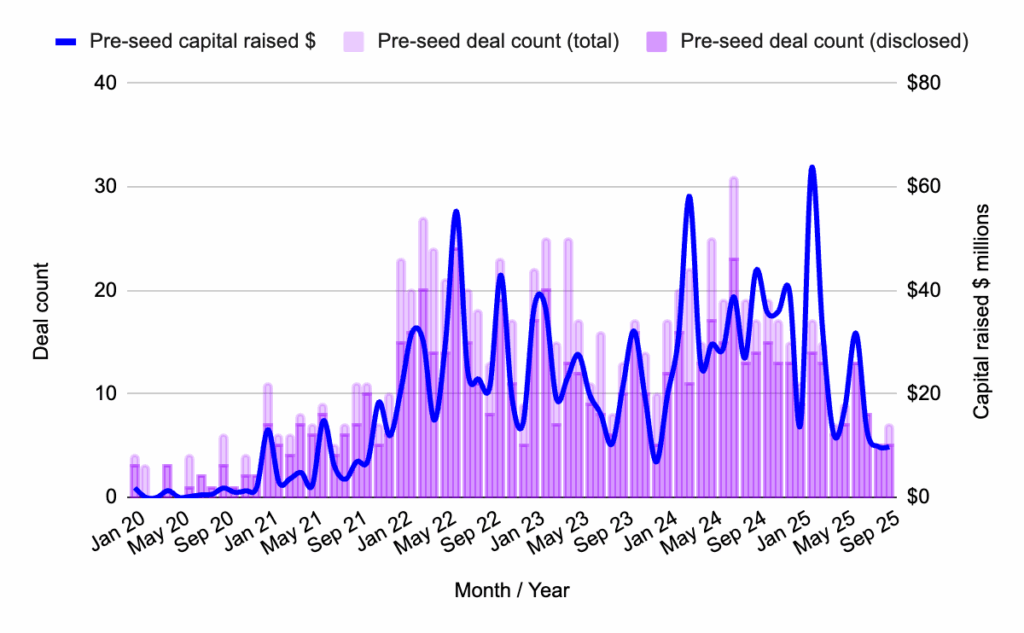
Fundraising data leading up to the conference highlighted a pronounced shift in capital allocation trends across the Web3 venture capital lifecycle. Historically, early-stage allocations—spanning pre-seed, seed, and Series A rounds—dominated the venture landscape. However, data from Messari and Outlier Ventures illustrate a marked contraction in early-stage deal counts, contrasted with a steady concentration of capital in later-stage rounds, specifically Series B and beyond.

This capital concentration is driven primarily by the deployment lifecycle of venture funds raised during the 2020–2021 fundraising boom. Many of these vehicles are now fully allocated, leaving general partners to focus on managing existing portfolio winners, securing liquidity events, and navigating exits rather than initiating fresh, high-risk bets. Furthermore, the scarcity of major new fund launches in the wake of the market peak has reinforced this cautious stance. Despite the slowdown in total deal volume, conviction remains high for founders who can demonstrate tangible user adoption, revenue growth, and product-market fit across multiple market cycles.

Digital Asset Treasuries and Advanced Liquidity Management

As venture capitalists adapt to longer exit timelines and more stringent institutional expectations, liquidity management has emerged as a central pillar of fiduciary responsibility. A major talking point at Token2049 Singapore 2025 was the rapid rise of Digital Asset Treasuries, frequently discussed under the banner of the "DAT Revolution."

Initially conceived as a bridge between traditional finance and decentralized networks, DATs have evolved into sophisticated instruments utilized by funds for short-term capital efficiency, yield generation, and risk mitigation. By integrating liquid assets and yield-generating protocols directly into their operational structures, funds can cushion portfolios against systemic market volatility. However, this evolution introduces structural trade-offs. As more capital is directed toward DATs and later-stage rounds, early-stage startups may experience an extended funding squeeze, requiring founders to rely increasingly on bootstrap models and revenue-first architectures before seeking institutional backing.

VC Insights from Token2049 Singapore 2025

Limited Partner Expectations and the Fundraising Climate

The maturation of the Web3 venture ecosystem is equally evident in the changing behavior of Limited Partners. Institutional investors backing venture funds are enforcing far stricter evaluation criteria, placing immense emphasis on realized returns, operational transparency, and rigorous corporate governance.

Closing a new Web3 venture fund has consequently become a protracted, highly selective endeavor. General partners can no longer rely on thematic narratives or broad market momentum to secure commitments. Instead, successful fundraising requires verifiable track records, institutional-grade reporting, and data-backed performance metrics. This heightened scrutiny signals a healthy consolidation of the market, ensuring that only disciplined, well-managed funds retain access to institutional capital.

Founder Adaptation and Alternative Fundraising Models

Faced with a more rigorous funding climate, Web3 founders are correspondingly adapting their go-to-market strategies. Traditional early-stage fundraising mechanisms, such as Key Opinion Leader rounds and speculative launchpads, have largely receded from prominence. In their place, the ecosystem has witnessed the rise of transparent, market-driven capital formation models.

VC Insights from Token2049 Singapore 2025

Fair launch platforms—exemplified by protocols such as Virtuals and Hyperliquid—alongside community-led token distribution networks like Echo, Coinlist, and Legion, are gaining widespread traction. These alternative mechanisms align the long-term incentives of founders, early adopters, and everyday users, fostering sustainable tokenomics and organic community trust. For founders operating in this environment, the consensus at Token2049 Singapore 2025 was unequivocal: narrative can capture initial market attention, but operational execution and measurable performance are required to sustain it.

Ecosystem Development and Future Outlook

The prevailing consensus emerging from Token2049 Singapore 2025 is that the digital asset venture ecosystem is not contracting, but fundamentally evolving. By replacing speculative exuberance with data-driven discipline, rigorous liquidity management, and institutional governance, the industry has laid a sustainable foundation for its next phase of growth.

While stricter capital allocation and later-stage dominance present short-term hurdles for early-stage innovators, they simultaneously reward resilience, product-market fit, and structural integrity. As venture firms, limited partners, and founders embrace these elevated standards, the Web3 sector is successfully transitioning from an era defined by momentum trading to one anchored in long-term necessity and measurable value creation.

September 11, 2026 0 comment
0 FacebookTwitterPinterestEmail
Web3 & DApps

A New Phase of the Internet: From Execution to Intention

by admin September 11, 2026
written by admin

The architecture of the global internet is undergoing its most profound structural shift since the commercialization of the World Wide Web in the 1990s. While successive technological eras transitioned society from static web pages to interactive social networks, and subsequently into decentralized ownership models via Web3, industry analysts and venture capital firms are now pointing toward an entirely new operational paradigm. According to recent whitepapers released by digital asset investment and research firms like Outlier Ventures, the next evolutionary leap of the internet will not focus on automating execution, but rather on automating intention. This foundational shift marks the emergence of the "Agentic Layer" within what is being defined as the "Post Web"—a technological stratum where autonomous artificial intelligence entities act directly on behalf of human users, interpreting complex goals, making real-time decentralized decisions, and executing multi-step protocols across distributed systems.

To understand the magnitude of this transition, industry experts point to the limitations of previous internet generations. Web1 introduced read-only information networks. Web2 brought read-write capabilities driven by centralized platforms, social media giants, and cloud computing infrastructures. Web3 subsequently introduced a decentralized internet of ownership, leveraging distributed ledger technology (DLT) and smart contracts to trustlessly automate financial transactions and agreements between disparate parties. While Web3 successfully established a new paradigm of programmable money, analysts argue that the Post Web introduces a revolutionary sibling concept: programmable agency. In this new era, digital systems are no longer passive tools waiting for explicit human commands line-by-line; they are active, autonomous participants capable of reasoning, negotiation, and value creation.

From Smart Contracts to Smart Agents: The Rise of the Agentic Layer

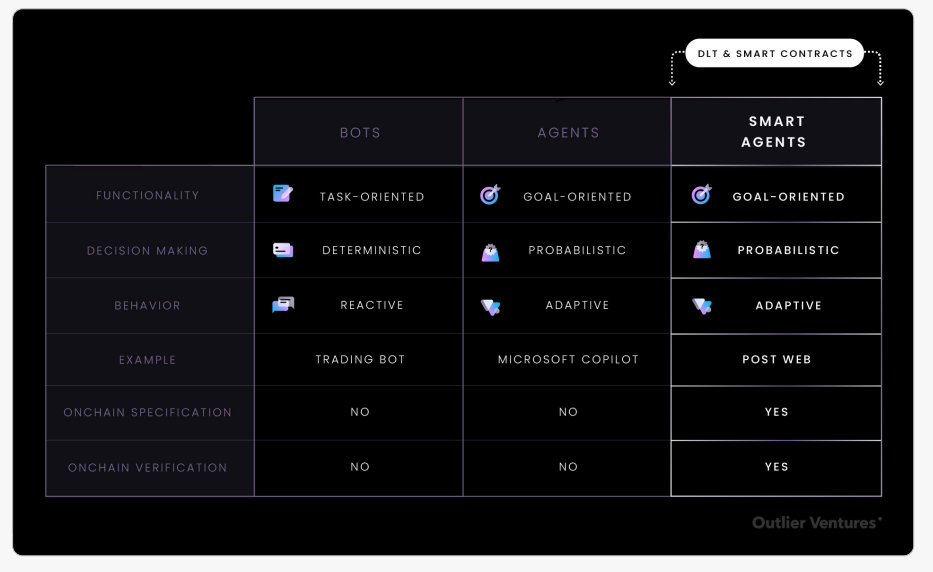
The technological catalyst behind this shift is the evolution of AI agents—systems that bear little resemblance to the rigid, rule-bound bots and scripts that have populated the internet for decades. Traditional bots operate within deterministic parameters, following fixed inputs to produce predetermined outputs. They are task-based, reactive, and completely devoid of learning capabilities. In stark contrast, modern AI agents are probabilistic, goal-oriented systems designed to adapt dynamically to complex virtual environments. They operate proactively, continuously learning from their interactions, optimizing their decision-making processes, and collaborating seamlessly with other autonomous entities.

This behavioral transformation effectively turns digital interactions into living, context-aware processes. Within the framework of the Post Web thesis, a specialized class of these entities known as "Smart Agents" has emerged. Unlike standard large language model chat interfaces that merely consume application programming interfaces (APIs) or data feeds, Smart Agents are capable of directly interacting with distributed ledger technology and smart contracts. They can securely own cryptographic tokens, independently sign transactions, and execute complex legal or financial agreements autonomously. Consequently, Smart Agents function as the primary economic actors of the Post Web, managing digital assets, verifying ownership, enforcing agreements, and navigating digital marketplaces in real time without continuous human intervention.

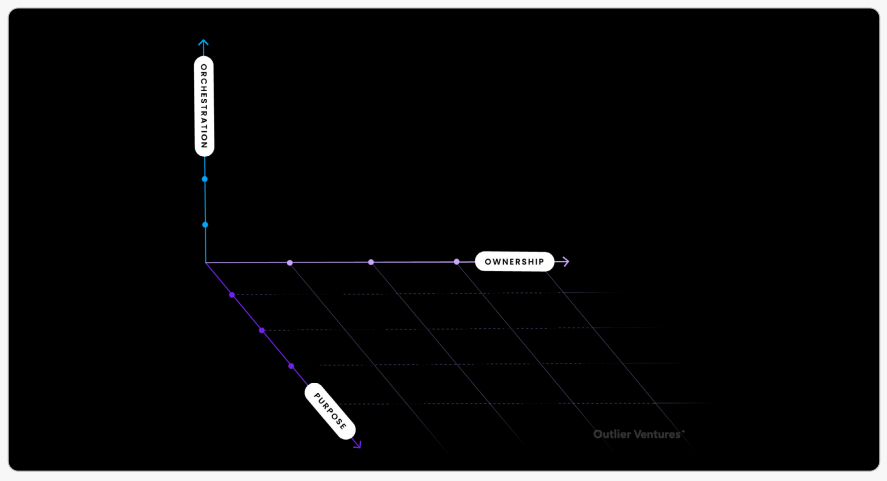
The operational architecture required to support these advanced entities relies heavily on a structured classification system. Industry frameworks categorize Smart Agents along three primary axes: orchestration, ownership, and purpose. Orchestration refers to how agents coordinate their actions, ranging from single-purpose local assistants to complex, multi-agent swarms capable of collective problem-solving. Ownership dictates whether an agent is self-sovereign, corporate-owned, or decentralized through community-governed protocols. Purpose defines the functional domain of the agent, spanning decentralized finance management, automated legal compliance, supply chain logistics coordination, and personal digital concierge services. This diversity of form and function illustrates a future internet that behaves less like a rigid telecommunications network and more like a living, self-optimizing biological ecosystem.

From Smart Contracts to Smart Agents: The Rise of the Agentic Layer

The economic and structural implications of moving from automation to autonomy are far-reaching. In the Web3 era, smart contracts automated trust by executing code without trusted intermediaries, but they still fundamentally relied on human users to supply intention—writing the source code, initiating the transactions, and manually managing the outcomes. The Post Web changes this dynamic entirely by allowing smart agents to interpret human goals expressed in natural language, determine the optimal operational strategy, and negotiate directly with decentralized protocols to achieve desired results. For instance, rather than a human user manually researching cryptocurrency yields, bridging assets across multiple Layer-2 blockchains, and executing swaps, a personal smart agent can interpret a broad financial goal, continuously monitor market conditions, optimize risk parameters, and execute the strategy autonomously while adhering strictly to predefined safety boundaries.

As this agentic infrastructure matures, the question of interoperability and network architecture becomes paramount. Drawing parallels to early internet development and insights from prominent technologists like Chris Dixon, industry observers emphasize that the design of the network ultimately dictates who builds and owns it. Open, permissionless protocol networks built on shared, transparent standards must prevail over closed, rent-extractive corporate silos. Without interoperable standards, the emerging agentic economy risks fracturing into isolated, proprietary gardens that replicate the worst inefficiencies of the legacy web.

To prevent such fragmentation, developers are increasingly focusing on composable communication standards such as Model Context Protocols (MCP), Agent-to-Agent (A2A) frameworks, and Agent Communication Protocols (ACP) pioneered by ecosystems like Virtuals. However, experts stress that these technological standards must be rooted firmly in a Web3 ethos: they must remain open-source, transparent, and anchored to distributed ledgers that hold autonomous agents cryptographically accountable. These open protocols will serve as the connective tissue of the agentic web, ensuring that agents can safely coordinate, transact, and reason across disparate technological boundaries without central points of failure.

From Smart Contracts to Smart Agents: The Rise of the Agentic Layer

The integration of the Agentic Layer into the global technology stack represents a fundamental re-architecting of digital interaction. By shifting the focus from passive user interfaces to active, autonomous participants, the Post Web establishes an intent-based, adaptive, and verifiable digital economy. In this environment, humans, autonomous agents, and decentralized protocols collaborate continuously to optimize efficiency, resource allocation, and value creation. As reinforcement learning models, advanced natural language processors, and decentralized compute infrastructures continue to converge, the internet is evolving into a living network—one where humanity expresses the destination, and autonomous agents handle the journey.

September 11, 2026 0 comment
0 FacebookTwitterPinterestEmail
Cryptocurrency News

Securitize Expands Institutional Collateral Support for BlackRock BUIDL Fund Across Prime Brokerages

by admin September 10, 2026
written by admin

The integration of tokenized real-world assets into institutional trading infrastructure reached a significant milestone as Securitize announced an expansion of collateral support for BlackRock’s USD Institutional Digital Liquidity Fund (BUIDL). Participating crypto prime brokerages have integrated the tokenized Treasury fund into their off-exchange collateral frameworks, allowing qualified institutional market participants to post BUIDL shares as margin and financing collateral.

This development represents a structural shift for tokenized financial instruments, transitioning them from passive, yield-generating blockchain representations into active components of professional trading operations. By bridging traditional fixed-income markets with digital asset prime brokerages, the initiative addresses long-standing capital efficiency challenges for institutional investors navigating the digital asset landscape.

Background and Context of the BUIDL Fund

BlackRock’s entry into the tokenized asset space via the BUIDL fund marked a watershed moment for the intersection of traditional finance and blockchain technology. Launched in early 2024 through a partnership with tokenization platform Securitize, the fund was designed to provide institutional investors with dollar yields by investing in cash, US Treasury bills, and repurchase agreements, while leveraging blockchain rails for issuance and settlement.

Historically, institutional investors faced a fragmented operational environment when managing liquidity across traditional and digital asset venues. Holding cash or short-duration government paper in traditional accounts meant capital was siloed away from crypto trading desks. Conversely, holding capital solely in stablecoins introduced counterparty and regulatory yield concerns. Tokenized money market funds like BUIDL were engineered to solve this friction by maintaining regulatory compliance while settling instantly on public ledgers.

However, early iterations of tokenized funds suffered from a fundamental limitation: they largely functioned as static holdings. Investors could earn yield, but utilizing those assets to support active trading strategies, such as bilateral over-the-counter (OTC) derivatives, spot margin, or structured lending, remained difficult due to a lack of infrastructure integration among prime brokers and custodians.

The Significance of Off-Exchange Collateral Frameworks

The modern crypto prime brokerage landscape has been profoundly shaped by the counterparty failures and liquidity crunches of previous market cycles. Following major corporate insolvencies, institutional risk management frameworks underwent a rigorous overhaul. Market participants rapidly moved away from models that required leaving large asset balances directly on centralized trading venues.

Off-exchange collateral management has emerged as the industry standard for mitigating exchange counterparty risk. Under this model, assets remain securely held with a qualified custodian or embedded within a specialized settlement network, while tripartite agreements or cryptographic proofs allow trading venues to verify that adequate margin backs open positions.

By integrating BUIDL into off-exchange prime brokerage workflows, Securitize and its participating partners have unlocked a vital utility layer. Qualified institutions can now maintain exposure to short-duration US government debt while simultaneously leveraging that capital for trading activities across multiple execution venues. This capability drastically reduces the opportunity cost of holding margin, as funds that previously sat idle can now generate yield while serving as credit support.

Chronology of Institutional Tokenization and BUIDL Growth

The expansion of BUIDL’s utility reflects the rapid acceleration of the real-world asset (RWA) tokenization sector over the past several years:

  • Early 2024: BlackRock launches the USD Institutional Digital Liquidity Fund (BUIDL) on the Ethereum blockchain in collaboration with Securitize, quickly capturing market share to become one of the largest tokenized Treasury products globally.
  • Mid 2024: Assets under management (AUM) in BUIDL surpass major milestones as traditional financial institutions seek secure, on-chain yield alternatives amid fluctuating macroeconomic interest rates.
  • Late 2024: Ecosystem integration deepens as various custodians, secondary market platforms, and transfer agents begin recognizing BUIDL shares for specialized operational use cases.
  • Current Expansion: Securitize officially rolls out expanded prime brokerage collateral support, allowing qualified purchasers to deploy BUIDL shares across multiple off-exchange margin and lending facilities.

Access Restrictions and Regulatory Compliance

A critical facet of the BUIDL ecosystem is its strict adherence to regulatory boundaries. Unlike decentralized finance (DeFi) protocols that offer permissionless access to global retail pools, BUIDL is structured strictly for qualified institutional purchasers.

Participation requires comprehensive onboarding, anti-money laundering (AML) checks, and know-your-customer (KYC) verifications. Transfer restrictions are hardcoded into the smart contracts governing the token, ensuring that shares can only move between pre-approved, whitelisted addresses.

While some proponents of open-access blockchain networks view such restrictions as antithetical to the ethos of decentralization, market analysts emphasize that these guardrails are essential for mainstream institutional adoption. Traditional asset managers, pension funds, and corporate treasuries operate under strict fiduciary mandates that preclude engagement with unverified or unregulated protocols. By maintaining rigorous compliance standards, tokenized products like BUIDL successfully bridge the gap between traditional regulatory frameworks and the high-speed settlement capabilities of distributed ledger technology.

Market Implications and Analysis

The integration of tokenized Treasuries into prime brokerage collateral systems carries several profound implications for the broader financial ecosystem:

  1. Capital Efficiency: Institutions no longer need to choose between earning safe, risk-free yields on government debt and deploying liquid capital for trading. BUIDL collateralization allows firms to achieve dual utility from a single asset pool.
  2. Evolution of Market Plumbing: Market structure updates of this nature signal that tokenized assets are graduating from experimental proof-of-concept projects to core components of institutional financial plumbing.
  3. Risk Mitigation: The expansion of off-exchange collateral solutions reassures risk officers who remain sensitive to systemic contagion risks within the digital asset sector. Keeping assets in regulated custody while leveraging them for trading reduces single-point-of-failure vulnerabilities.

Despite these advancements, structural risks remain. Legal certainty surrounding tokenized securities bankruptcy remoteness, the operational efficiency of redemption mechanisms during periods of extreme market stress, smart contract vulnerabilities, and the complexity of multi-party brokerage integrations continue to be monitored closely by institutional risk committees.

Outlook for Real-World Asset Tokenization

As tokenized Treasuries continue to transition from static yield-generating vehicles to dynamic operational collateral, the boundary lines separating traditional capital markets and digital asset infrastructure will continue to blur. The recent expansion spearheaded by Securitize and BlackRock demonstrates that institutional demand for efficient, secure, and yield-bearing digital instruments is maturing rapidly.

For institutional traders, the ability to deploy BUIDL across prime brokerages transforms the fund from a specialized digital ledger entry into an active trading asset. As additional prime brokers, custodians, and execution venues adopt these interoperable collateral frameworks, the market infrastructure supporting tokenized assets will likely see continued institutional inflows, setting a new operational standard for the future of global finance.

September 10, 2026 0 comment
0 FacebookTwitterPinterestEmail
Blockchain Technology

The Institutional Race for Stablecoin Dominance and the Evolving Regulatory Landscape

by admin September 10, 2026
written by admin

In the contemporary financial sector, the possession of a proprietary stablecoin, a cross-border payments infrastructure, or a blockchain-integrated lending platform has become a requisite for competitive relevance among global banking giants. This shift represents a fundamental evolution in how capital is managed, settled, and deployed across international borders. As U.S. Bancorp joins the ranks of institutions issuing dollar-backed assets, and as incumbents like Circle and Tether aggressively expand their reach, the traditional banking model is undergoing a rapid, technology-driven transformation.

The U.S. Bancorp Initiative and the Shift to Proprietary Stablecoins

U.S. Bancorp (NASDAQ: USB) recently announced the launch of its proprietary dollar-backed stablecoin, USBDC. This development followed the successful execution of a live pilot transaction that facilitated a cross-border payment between the bank’s North American and European entities. By leveraging the Stellar payments network—a partnership first signaled in November of the previous year—U.S. Bancorp is positioning itself to modernize its global cash management operations.

CEO Gunjan Kedia noted that the pilot program was essential for stress-testing critical infrastructure, specifically focusing on minting, redemption, freezing, and clawback capabilities. These technical features are paramount for institutional adoption, where regulatory compliance and risk mitigation are non-negotiable. Jamie Walker, head of digital strategy at the bank, emphasized that the USBDC project is a foundational component of a broader digital asset strategy, with potential use cases extending into liquidity management, collateral mobility, and treasury operations.

U.S. Bancorp’s move mirrors the "deposit token" strategy pioneered by JPMorgan with the launch of JPM Coin (JPMD). These initiatives are not isolated; they are part of a larger trend involving a global consortium of 21 banks. This group recently declared its intention to issue stablecoins pegged to G7 currencies, starting with the U.S. dollar, with plans to introduce euro-backed tokens in the near future. The emergence of these bank-backed assets raises a central question: to what extent can traditional financial institutions displace current market leaders like Tether and Circle, both of which have enjoyed significant first-mover advantages?

Circle’s Strategic Expansion and Global Integration

Circle, the issuer of the USDC stablecoin, is not yielding its market position. The company has undertaken an aggressive acquisition and partnership strategy to cement its infrastructure in international markets. On September 8, Circle announced its agreement to acquire Tazapay, a Singapore-based B2B cross-border payments platform. This all-stock deal, valued at approximately $400 million, is intended to scale Circle’s global payment infrastructure. Tazapay currently serves over 60 banking and fintech partners, with an annualized payment volume exceeding $25 billion, a significant portion of which is already routed through stablecoins.

Circle CEO Jeremy Allaire has characterized the acquisition as a strategic alignment, noting that Tazapay was an early design partner for the Circle Payments Network. By integrating Tazapay’s existing licensing and infrastructure, Circle aims to reduce the friction inherent in international settlements, particularly during hours when traditional banking systems are offline.

This expansion is supplemented by a series of high-profile partnerships. In early September, Circle teamed up with the OKX digital asset exchange to enhance USDC liquidity for spot, margin, and futures trading. Simultaneously, the company partnered with Zand, a digital banking platform in the United Arab Emirates, to facilitate USDC-denominated treasury and settlement operations. These moves suggest that Circle is attempting to build a multi-layered ecosystem that spans retail exchange trading, corporate treasury services, and wholesale cross-border payments.

Regulatory Tensions in Hong Kong

While Circle’s expansion proceeds in many regions, it faces unique regulatory challenges in Asia. A recent deal featuring the USDC logo on the jerseys of the English Premier League’s Chelsea FC has generated confusion among football fans in Hong Kong. This anxiety stems from the Hong Kong Monetary Authority’s (HKMA) strict Stablecoins Ordinance.

The HKMA has authorized only one locally approved stablecoin to date: the HKDAP, issued by Anchorpoint Financial. Because Circle has not yet received an operating license in Hong Kong, some local observers and legal experts have questioned whether the public display of the USDC logo constitutes "active marketing" of an unlicensed financial product. While the HKMA has not taken enforcement action against the brand’s football sponsorships, the ambiguity highlights the precarious nature of operating global digital asset brands in jurisdictions with evolving, strict regulatory frameworks.

Tether, Law Enforcement, and the "Pig Butchering" Crackdown

The stablecoin landscape is further complicated by the ongoing struggle against illicit activity. Tether, the issuer of USDT, has recently been involved in high-profile enforcement actions targeting the "pig butchering" scam industry—a criminal model that has flourished in Southeast Asia.

On September 8, blockchain analytics firm MistTrack identified that nearly $39.3 million in USDT, held across ten addresses on the TRON network, had been frozen by Tether. This action targeted the Xinbi Guarantee platform, a marketplace that provided escrow and support services for scam compounds. The U.S. Treasury Department’s Office of Foreign Assets Control (OFAC) subsequently sanctioned Xinbi, noting that the platform had processed the equivalent of over $24 billion in digital and fiat assets since 2022.

The U.S. Department of Justice (DoJ) confirmed that it had seized infrastructure and wallets associated with the marketplace, specifically thanking Tether for its "proactive assistance." Despite this, the criminal ecosystem has shown resilience; following the freeze, Xinbi reportedly shifted its operations from USDT to USDD, a stablecoin launched by TRON founder Justin Sun that lacks a centralized, protocol-level freezing mechanism. This migration highlights the inherent difficulty in regulating decentralized or semi-decentralized assets when bad actors can simply rotate to platforms that prioritize censorship resistance over regulatory compliance.

Iran and the Geopolitics of Sanctions Evasion

Tether’s involvement in law enforcement actions extends to the enforcement of U.S. economic sanctions. The company has previously confirmed the freezing of hundreds of millions of dollars in USDT linked to Iranian entities. This is part of a larger, systemic effort by the U.S. government, specifically through "Operation Economic Outcast," to sever the financial lifelines used by the Iranian government to facilitate oil exports and fund activities deemed illicit by Washington.

Financial reports indicate that despite these interventions, Iran continues to view digital assets as a viable method for repatriating funds and sustaining its economy under blockade. Businesses in Iran are increasingly adopting cryptocurrency as a standard for export settlements. While experts remain divided on whether digital assets alone can circumvent the cumulative impact of international sanctions, the continued use of USDT and Bitcoin in these corridors remains a focal point for international regulators and national security agencies.

The Future of Onchain Credit and Institutional Lending

Despite the regulatory and geopolitical headwinds, the functional utility of stablecoins is expanding into institutional credit markets. Tether has partnered with Fasanara Capital to launch "StableFund," a private credit vehicle with an initial $400 million commitment, aiming to attract up to $3 billion in institutional capital. This fund is designed to provide financing to small- and medium-sized enterprises that are traditionally underserved by the banking sector, with Tether providing the stablecoin settlement and infrastructure rails.

Visa has also entered the fray, announcing a new approach to onchain credit designed to help stablecoin-linked card programs access working capital. By integrating VisaNet settlement data with onchain lending infrastructure, the payment giant aims to provide lenders with better transparency and performance metrics. Visa reports that its stablecoin settlement volume has increased 15-fold year-on-year, reaching an annualized run rate of $20 billion.

Conclusion

The convergence of traditional banking infrastructure and stablecoin technology marks a pivot point in global finance. Whether through the direct issuance of bank-backed tokens by institutions like U.S. Bancorp, or the infrastructure-heavy expansion of firms like Circle and Tether, the industry is clearly moving toward a model where blockchain serves as the primary settlement layer.

However, this transition is not without significant risk. The challenges posed by regulatory ambiguity in regions like Hong Kong, the ongoing battle against sophisticated financial scams, and the complexities of enforcing international sanctions against state actors suggest that the "stable" in stablecoin remains a work in progress. As these technologies mature, the divide between permissioned, bank-led systems and the broader, more open stablecoin ecosystem will likely determine the future architecture of global commerce. For the foreseeable future, the industry will remain in a state of rapid, often volatile, evolution.

September 10, 2026 0 comment
0 FacebookTwitterPinterestEmail
Blockchain Technology

Nearly One Million Investors Lose $3.8 Billion as President Trump’s $TRUMP Memecoin Crashes 98 Percent

by admin September 10, 2026
written by admin

Nearly one million retail cryptocurrency investors have suffered staggering financial losses totaling $3.8 billion following the dramatic collapse of the $TRUMP memecoin, according to comprehensive blockchain data compiled by analytics firm Nansen. The digital asset, which was introduced by Donald Trump just days before his return to the White House in January 2025, has plummeted nearly 98 percent from its all-time high, wiping out the life savings and speculative investments of roughly two-thirds of all individuals who purchased the token.

The fallout from the $TRUMP memecoin debacle highlights the profound intersections of high-stakes political branding, decentralized finance, and regulatory oversight in the United States. While ordinary investors bear the brunt of the multi-billion-dollar losses, financial disclosures reveal that President Trump himself reaped historic windfalls from the digital asset craze, even as his administration systematically rolled back regulatory enforcement across the broader cryptocurrency sector.

Scale of the Collapse and On-Chain Data Analysis

According to Nansen’s forensic examination of publicly visible blockchain transactions, exactly 988,905 individual accounts had experienced net financial losses on the $TRUMP memecoin as of the end of June 2026. This figure accounts for approximately 65 percent of all unique wallets that ever interacted with or held the token.

The downward trajectory of the asset has been unrelenting. After capturing global attention and soaring to a peak valuation of $75.35 per token, the asset experienced prolonged selling pressure, eventually bleeding out to trade at a modest $1.69. For the vast majority of retail participants—many of whom were drawn to the market by the high-profile presidential endorsement and aggressive social media promotions—the investment has turned into a near-total loss.

Market analysts note that memecoins, by their very nature, lack intrinsic utility, underlying cash flows, or productive economic output. Instead, their valuations are driven entirely by speculative momentum, community sentiment, and viral marketing. When the initial hype surrounding the presidential inauguration subsided, liquidity dried up, leaving late-stage buyers unable to exit their positions without incurring catastrophic haircuts.

Chronology of the Venture: From Inauguration Hype to Regulatory Shifts

The genesis of the $TRUMP memecoin dates back to a pivotal window in early January 2025.

  • Early January 2025: President Trump announces the launch of the $TRUMP memecoin just three days prior to his formal inauguration, catching both traditional financial markets and political observers off guard. The token builds upon prior familial ventures into the digital asset space, most notably World Liberty Financial ($WLFI), a decentralized finance startup co-founded by Trump and his sons.
  • January to February 2025: Driven by intense media coverage and enthusiastic retail buying, the token surges rapidly, reaching an all-time high of $75.35. Concurrently, the broader $WLFI token experiences significant market volatility, ultimately following a downward path similar to its memecoin counterpart.
  • February 27, 2025: In a major policy shift, the Securities and Exchange Commission (SEC) under the newly established administration officially announces that memecoins will not be classified or regulated as traditional securities, offering broad legal immunity to issuers and promoters of purely speculative tokens.
  • Late 2025 to January 2026: The SEC continues its deregulatory push by dropping a series of high-profile enforcement actions and lawsuits against major cryptocurrency exchanges and industry titans, including the Gemini crypto exchange and the Winklevoss twins.
  • June 2026: Blockchain analytics firm Nansen publishes its definitive report showing that nearly 1 million accounts have lost a combined $3.8 billion on the $TRUMP token.
  • Early July 2026: Official financial disclosures reveal that President Trump netted $636 million directly from the $TRUMP memecoin, contributing heavily to a total haul of $1.4 billion generated from cryptocurrency-related ventures over the preceding year.

Presidential Windfalls and Conflict of Interest Concerns

While nearly a million everyday citizens watched their digital portfolios evaporate, the financial upside for the nation’s chief executive proved unprecedented. Recent mandatory financial disclosures reveal that President Trump personally accumulated $636 million from the creation and promotion of the $TRUMP memecoin alone.

When combined with revenues generated from other digital asset initiatives, including World Liberty Financial, Trump’s total earnings from the cryptocurrency industry reached an estimated $1.4 billion over the course of a single year. This sum accounts for a significant portion of the president’s reported income during the period, creating an extraordinary economic alignment between the head of state and a speculative asset class.

Trump memecoin investors lost $3.8 billion, analysis finds

Ethics watchdogs and financial transparency advocates have repeatedly raised concerns regarding potential conflicts of interest. Critics argue that when a sitting president holds direct financial stakes in volatile digital tokens—and simultaneously oversees regulatory agencies that police those exact markets—the potential for perceived or actual regulatory capture is immense. The SEC’s formal declaration that memecoins fall outside federal securities laws, coupled with the systematic dismissal of pending enforcement actions against industry actors, has intensified scrutiny from legal scholars and congressional lawmakers.

Official White House Defense and the Deregulatory Agenda

Defending the administration’s posture, White House officials have consistently framed these policies as part of a broader vision to position the United States as the undisputed global center for financial innovation and blockchain technology.

In response to inquiries regarding the staggering investor losses and the president’s personal earnings, a White House spokesperson issued a concise defense to the media: "President Trump proudly made the United States the crypto capital of the world."

Administration allies argue that deregulation fosters economic growth, encourages venture capital investment, and prevents American fintech companies from fleeing to more accommodating foreign jurisdictions. From this perspective, the risks inherent in speculative memecoins are borne by consenting adults who choose to participate in decentralized, peer-to-peer markets without government paternalism.

Broader Market Implications and Economic Impact

The spectacular rise and fall of the $TRUMP token serves as a watershed moment for the intersection of politics and decentralized finance. Economists and market historians point out that the episode underscores the dangers of celebrity-driven asset bubbles, where parasocial loyalty and political enthusiasm can override standard risk assessment protocols.

Furthermore, the episode has reignited fierce debates within the financial community regarding the appropriate boundaries of consumer protection. Proponents of stricter oversight argue that the lack of disclosure requirements and investor safeguards in the unregulated memecoin sector leaves vulnerable retail participants defenseless against coordinated pump-and-dump dynamics orchestrated by well-positioned insiders.

Conversely, libertarian-leaning market participants maintain that attempting to police memecoins is both futile and contrary to the founding ethos of cryptocurrency, which seeks to eliminate intermediaries and government gatekeepers entirely.

As the dust settles on the $TRUMP token collapse, the broader digital asset landscape continues to operate under a fundamentally altered regulatory regime. Whether the lessons learned from the $3.8 billion loss will temper retail appetite for politically charged speculative assets remains to be seen, but the event has permanently etched its place in the history books of modern American finance and political branding.

September 10, 2026 0 comment
0 FacebookTwitterPinterestEmail
Decentralized Finance (DeFi)

The Sunday Night Float Squeeze: How a Memecoin Turned Tokenized Stocks into a Volatility Engine

by admin September 10, 2026
written by admin

At 23:36:14 UTC on Sunday, August 30, 2026, the Robinhood Chain ecosystem experienced a structural anomaly when the tokenized version of Hims & Hers Health (HIMS) surged to $61.15 within its primary liquidity pool. This price point represented a staggering 112% premium over the stock’s closing price on the New York Stock Exchange (NYSE), which had finalized at $28.84 the previous Friday. The incident, which occurred entirely during the exchange’s weekend downtime, was not the result of corporate news or fundamental shifts in the underlying equity. Instead, it was the byproduct of a liquidity feedback loop initiated by a speculative memecoin dubbed BONER, which had effectively cornered the limited on-chain supply of the tokenized asset.

The Mechanism of the Squeeze

The Robinhood Chain, launched in July 2026 as an Arbitrum Orbit L2, is designed to facilitate the trading of tokenized debt securities that track the performance of traditional equities. These tokens function as claims against a Robinhood subsidiary, redeemable for cash, and are theoretically pegged to the underlying stock price through an elastic supply mechanism. Under normal market conditions, an issuer address mints tokens when the broker acquires shares and burns them upon redemption.

However, the architecture relies on two critical factors: the availability of the minting window and the liquidity of the underlying tokens on the decentralized exchange (DEX). Because the minting process requires the broker to purchase the underlying equity on the NYSE, the system effectively enters a state of supply-inelasticity during weekend hours. When a memecoin, such as the newly deployed BONER, uses the stock token as its primary liquidity pair, it creates a synthetic demand for the stock token. Traders looking to purchase the memecoin must first swap into the stock token, which then serves as the secondary asset in the liquidity pool. As demand for the memecoin increases, the stock token becomes increasingly scarce, driving up the price of the wrapper regardless of the actual equity’s value.

Chronology of the Event

The escalation began in the quiet hours of the weekend. Going into the weekend, the total on-chain supply of HIMS stood at approximately 15,226 tokens—a negligible figure compared to the 225 million shares outstanding on the public markets. The squeeze began to take shape late Sunday evening.

  • Friday, August 28, 21:21 UTC: The supply contracted by 900 tokens due to redemptions, leaving the market thinner heading into the two-day NYSE closure.
  • Sunday, August 30, 22:00 UTC: Buying pressure on the BONER memecoin intensified. As traders sought to enter positions, the routing logic on the DEX forced them to purchase HIMS first.
  • Sunday, August 30, 23:36 UTC: The HIMS token reached its peak on-chain price of $61.15. At this moment, liquidity in the primary HIMS/USDG pool was effectively exhausted, with only a few hundred tokens remaining, leading to extreme price slippage.
  • Monday, August 31, 00:43 UTC: The NYSE-linked brokerage reopened, and the first batch of 1,000 new HIMS tokens was minted to the issuer’s distribution wallet.
  • Monday, August 31, 02:00 UTC: Following the infusion of nearly 19,000 new tokens into the ecosystem over several hours, the premium evaporated, and the tokenized HIMS price realigned within 2% of the official Friday close.

Supporting Data and Market Analysis

The event highlighted a significant vulnerability in the "tokenized equity" model. By examining the block-by-block data, it becomes clear that the "short squeeze" was not a result of traders betting against the stock, but rather a "float squeeze" caused by the physical inability to create new supply during non-market hours.

The following table illustrates the divergence between the on-chain price and the Friday NYSE closing price during the peak of the volatility:

A Memecoin Cornered a Tokenized Stock
Time (UTC) On-chain HIMS Price Premium vs. NYSE Close
Sunday 22:28 $36.22 +25.6%
Sunday 23:02 $39.94 +38.5%
Sunday 23:36 $61.15 +112.0%
Monday 00:43 $54.50 +89.0%
Monday 00:55 $32.37 +12.3%

The rapid normalization of the price following the 00:43 UTC mint demonstrates the effectiveness of the issuer’s arbitrage mechanism. By minting tokens at the Net Asset Value (NAV) and selling them into the high-premium pool, the issuer effectively drained the liquidity of the speculators who had driven the price to unsustainable levels.

Broader Implications for Tokenized Assets

The incident provides a case study in the risks of cross-chain composability. While Robinhood Chain was built to allow for seamless integration with DeFi protocols, the mismatch between the 24/7 nature of blockchain trading and the 9-to-5 schedule of traditional equity markets creates "fault lines."

Market analysts have noted that this event serves as a warning for other tokenized stock issuers. When a wrapper has a low float, it becomes susceptible to manipulation by memecoin ecosystems that are not bound by the same regulatory or market-hour constraints. As long as the minting of new tokens remains contingent on the opening of traditional exchanges, the potential for weekend price decoupling remains high.

Furthermore, the event underscores the importance of inventory management for issuers. To prevent similar volatility in the future, issuers may need to maintain a larger reserve of tokens during weekend periods or implement automated "just-in-time" minting processes that can react to price deviations more rapidly. However, such measures come with capital costs that may discourage the issuance of smaller, less liquid stocks on-chain.

Market Reactions and Future Outlook

While no formal statements have been released by Robinhood regarding the specific HIMS event, the decentralized finance community has responded with a mixture of caution and opportunism. Observers like @0xSammy, who tracked the event in real-time, have pointed out that this playbook is likely to be repeated. With lists of highly shorted stocks being easily accessible, malicious actors can systematically target tokens with thin floats to create artificial price spikes.

The resilience of the memecoin BONER following the event is also noteworthy. Despite the correction in the HIMS price, the memecoin’s valuation remained significantly elevated compared to its pre-squeeze levels, suggesting that the "degenerate" flow driving these tokens is often decoupled from the fundamental value of the assets they are paired against.

For institutional participants, the HIMS squeeze acts as a litmus test for the viability of RWA (Real World Asset) tokenization. The system functioned exactly as designed in terms of correcting the price once the minting window reopened, but the "price discovery" that occurred on Sunday night was entirely artificial. Investors must now contend with a new reality: on-chain prices for tokenized equities are not always representative of the assets they track, especially when those assets are subject to the whims of the memecoin market during weekend trading hours. As the ecosystem matures, the focus will likely shift toward implementing more robust liquidity buffers to ensure that such price distortions do not undermine the utility of tokenized equities for the broader financial market.

September 10, 2026 0 comment
0 FacebookTwitterPinterestEmail
Bitcoin & Altcoins

EF Protocol Cluster Releases Unified Tier List for Hegotäel Upgrade

by admin September 10, 2026
written by admin

The Ethereum Foundation’s Protocol cluster has officially unveiled its comprehensive tier list for the upcoming Hegotäel network upgrade, marking a significant shift in how the ecosystem evaluates and prioritizes Ethereum Improvement Proposals (EIPs). For the first time, the cluster—comprising roughly 60 researchers and engineers—has moved away from fragmented, per-team assessments to present a single, unified roadmap. This strategic consolidation aims to provide the Ethereum community with a transparent view of which technical improvements are slated for implementation, which remain on the bubble, and which have been deprioritized.

The evaluation process, which spanned several months, involved a rigorous audit of 62 distinct EIPs. By utilizing a standardized scoring template, the cluster generated 397 individual grades, resulting in an average of 6.4 independent reviews per proposal. This collaborative effort was designed to address the complexities identified during the preceding "Glamsterdam" upgrade, where the development team learned valuable lessons regarding the dangers of compounding complexity and the necessity of accurate integration-depth sizing.

The Methodology of Prioritization

To ensure objectivity, the Protocol cluster adopted a scoring system where contributors graded EIPs independently on a scale of 0 to 4, ranging from "DFI" (Declined for Inclusion) to "S" (Top-tier/Must-ship). The resulting "steelman" list was finalized after a series of intense working sessions, where proponents and critics debated the merits and potential risks of each proposal.

The scoring framework is explicitly tied to delivery expectations. Proposals designated as "S" or "A" tier are considered locked for the upcoming upgrade, while "B" tier proposals are currently on the bubble, requiring specific technical milestones or further specification before they can be cleared for deployment. "C" tier and "DFI" proposals have been effectively set aside, either due to insufficient necessity, high complexity, or a misalignment with the broader, long-term roadmap.

Key Consensus and Execution Layer Highlights

The consensus layer, responsible for the network’s security and block production, sees EIP-7805 (FOCIL) as a primary "S" tier headliner. FOCIL is designed to provide users with a path to include eligible transactions without relying on centralized builders, a move viewed as critical for maintaining Ethereum’s decentralization. This is expected to ship in conjunction with EIP-8369, which defines the eligibility criteria for transactions and ensures validators can effectively verify inclusion.

On the execution layer, EIP-8141 (Frame Transactions) has been solidified as the headline feature. By introducing a native account abstraction, EIP-8141 offers a pathway toward post-quantum (PQ) signature schemes and improved transaction aggregation. The cluster expects this to be paired with EIP-8250, which implements keyed nonces, allowing multiple users to share a single sender address without transaction collisions—a significant UX improvement for wallet providers and decentralized applications.

Other notable inclusions involve long-term technical debt cleanup. EIP-3298, which focuses on the removal of specific refund mechanisms, is categorized as an "A" tier item, reflecting a broader commitment to simplifying the Ethereum Virtual Machine (EVM) and reducing the testing surface required for future forks.

Chronology of the Development Cycle

The path to the Hegotäel tier list began shortly after the conclusion of the Glamsterdam upgrade. Recognizing that previous development cycles suffered from underestimations of complexity, the EF Protocol cluster initiated a series of group calls throughout the summer of 2026.

By August 28, the team had published a detailed process roadmap to ensure that stakeholders, ranging from client teams like Geth to independent researchers, were aligned on the evaluation criteria. The September 7, 2026, release of the "Current and Emerging Priorities" companion document serves as the foundational North Star for this upgrade. It establishes the criteria by which the cluster measures success, emphasizing that in a complex, decentralized system, the ability to decline low-impact proposals is as vital as the ability to implement high-impact ones.

Data-Driven Governance

The reliance on data-driven decision-making is evident in the treatment of proposals like EIP-8368 and EIP-8372. These proposals, which deal with the recalibration of the state gas limit, are currently marked as "TBD." The cluster has opted to delay a final decision until post-Glamsterdam mainnet data can be fully analyzed, demonstrating a conservative approach to modifying core network parameters.

Furthermore, the cluster has noted that for several "DFI" items, such as EIP-7716 (Anti-Correlation Attestation Penalties), the rejection is not a reflection of the idea’s inherent value but rather a matter of timing and scope. The team highlighted that while reducing centralization forces is a priority, the potential side effects—such as issues arising from multi-client setups during network instability—require significantly more research before they can be safely introduced.

Institutional Reactions and Community Engagement

While the EF Protocol cluster has provided a unified view, the autonomy of individual client teams remains intact. Geth, for instance, maintains its right to ship a standalone tier list, reflecting the multi-client nature of Ethereum that prevents any single organization from unilaterally dictating the network’s technical evolution.

To facilitate an open dialogue, the EF has scheduled a Reddit AMA for September 16, 2026. This session is specifically aimed at allowing champions of "B," "C," and "DFI" proposals to present their case and challenge the cluster’s assessments. This engagement is a hallmark of Ethereum’s governance model, where technical decisions are subjected to public scrutiny before being codified into the protocol.

Implications for the Ethereum Ecosystem

The classification of these 62 EIPs has profound implications for the future of the network. By focusing on "Frame Transactions" and "FOCIL," the Ethereum Foundation is signaling a pivot toward user-centric security and permissionless inclusion. The emphasis on retiring vulnerable cryptography, such as the BLS withdrawal credentials via EIP-8365, shows a proactive stance toward the post-quantum era.

However, the "DFI" status of several account abstraction alternatives, such as EIP-7851 and EIP-7819, suggests that the cluster is prioritizing a singular, cohesive path for account abstraction rather than fragmenting the ecosystem with multiple, overlapping standards. This "one-path" strategy is likely to reduce the maintenance burden for developers, though it may frustrate proponents of alternative designs who believe their specific approaches offer superior flexibility.

The decision to limit the scope of the Hegotäel upgrade to these specific items is designed to ensure stability and predictability. By keeping the consensus layer "light" and deferring complex changes that interact with future, yet-to-be-designed protocols, the developers are attempting to avoid the "feature creep" that has hampered previous software development cycles in the blockchain space.

Conclusion

The Hegotäel tier list is more than a simple sorting exercise; it is a manifestation of the Ethereum Foundation’s evolving governance maturity. By providing a clear, evidence-based roadmap, the Protocol cluster is setting expectations for the next 12 to 18 months of development. As the community moves toward the upcoming AMA, the focus will likely shift to how these technical choices will influence the day-to-day operations of validators, the security of user assets, and the competitive landscape of the Ethereum mempool.

For developers and stakeholders, the message is clear: the era of speculative, loosely-defined EIPs is being replaced by a more rigorous, requirement-heavy process. Success in the Hegotäel cycle will not be measured by the number of proposals shipped, but by the successful integration of the core features that maintain Ethereum’s status as a secure, decentralized, and scalable global settlement layer. The commitment to "steelmanning" the arguments for each proposal—and being willing to update those assessments in response to new data—suggests that the Ethereum protocol remains in a state of continuous, yet carefully managed, refinement.

September 10, 2026 0 comment
0 FacebookTwitterPinterestEmail
Bitcoin & Altcoins

Kraken Launches $20,000 Prop Trading Sweepstakes to Boost Engagement on Its Pro Platform

by admin September 10, 2026
written by admin

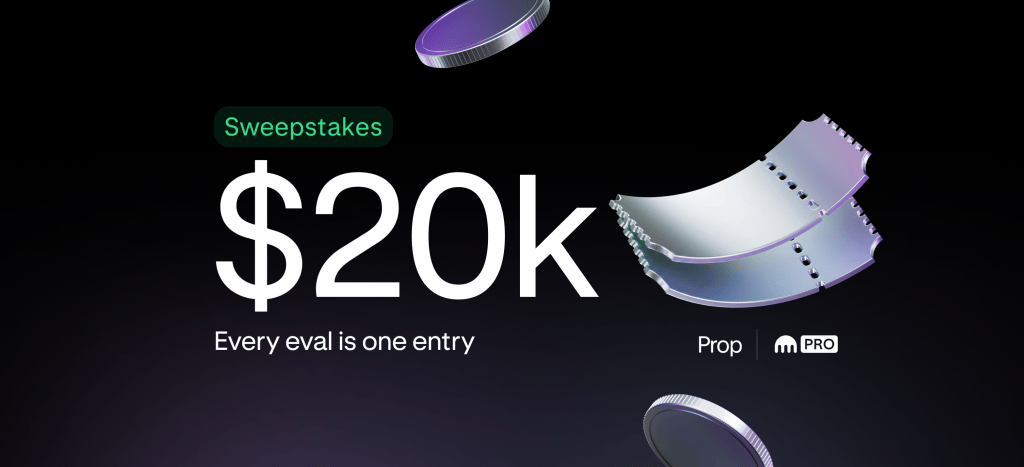
Major cryptocurrency exchange Kraken has officially announced a limited-time promotional sweepstakes tied to its proprietary trading product, Kraken Prop. The two-week campaign offers eligible traders the chance to win a share of a $20,000 cash prize pool simply by purchasing a Pro Prop evaluation after enrolling through the platform. Designed to reward active participants without imposing complex entry barriers, the sweepstakes aligns with Kraken’s broader strategy to drive user acquisition and engagement within its advanced trading ecosystem.

The initiative highlights the growing intersection between retail cryptocurrency trading and proprietary funding models. By integrating promotional incentives directly into its evaluation pipeline, Kraken aims to attract skilled market participants looking to leverage institutional capital. As the digital asset landscape matures, proprietary trading firms and hybrid crypto platforms are increasingly adopting gamified rewards and competitive structures to distinguish themselves in a crowded marketplace.

Mechanics of the Sweepstakes and Prize Distribution

The mechanics of the Kraken Prop sweepstakes are structured to integrate seamlessly into a trader’s existing routine. Participants are not required to input complex promo codes or fulfill separate registration tasks beyond an initial enrollment step. According to the platform’s guidelines, any user who purchases a Pro Prop evaluation during the designated two-week promotional window—following successful in-app or web-based enrollment—is automatically entered into the drawing.

The $20,000 prize pool will be distributed among a total of 56 winners, with all disbursements paid directly in United States Dollars (USD) to the recipients’ Kraken accounts. Winners are granted full flexibility regarding their funds, with the option to either withdraw the cash or reinvest it into additional evaluation attempts. For aspiring proprietary traders, a $100 cash prize can translate into multiple new opportunities to qualify for a funded account, amplifying the potential long-term utility of the reward.

This straightforward approach removes administrative friction, allowing participants to focus entirely on their trading strategies rather than compliance with convoluted contest rules. By keeping the barrier to entry low, Kraken ensures that both seasoned participants and newcomers testing the evaluation waters have an equal opportunity to benefit from the promotion.

Eligibility Criteria and Geographic Restrictions

While the sweepstakes is designed to be widely accessible, participation is subject to strict regulatory compliance and geographic limitations. Kraken has outlined that the promotional offer is restricted to eligible customers residing in jurisdictions where Kraken Prop is legally available.

Notably, residents of several major regions are excluded from participation. These exclusions include the United Kingdom, Canada, India, and the Philippines, alongside specific U.S. states such as Maine, New York, and Florida. These geographic carve-outs reflect the complex and fragmented regulatory environment surrounding digital assets and proprietary trading products globally. Regulatory bodies in these excluded regions maintain stringent oversight—or outright prohibitions—regarding retail access to leveraged trading, speculative financial products, and unregistered investment schemes.

Prospective participants are strongly encouraged to review the official terms and conditions published on Kraken’s legal portal to verify their eligibility before committing capital to an evaluation attempt. Ensuring strict adherence to local laws remains a priority for centralized exchanges operating across multiple international jurisdictions.

Win a share of $20,000 in cash with the Kraken Prop sweepstakes

Step-by-Step Guide for Participants

For eligible traders wishing to participate in the $20,000 sweepstakes, Kraken has streamlined the process into a clear sequence of actions:

  1. Account Verification and Setup: Ensure that your Kraken account is fully active and meets all necessary compliance and verification standards required for trading on the Pro platform.
  2. Access the Promotion: Navigate to the Kraken Pro application or the Pro web interface during the active promotional window.
  3. Enrollment: Locate the promotional page and formally enroll in the sweepstakes using the designated links (krakenpro://userActivationIncentiveDetails/propsweeps26 on mobile or the corresponding web URL).
  4. Evaluation Purchase: Purchase a Pro Prop evaluation after completing the enrollment step. The purchase automatically serves as an entry ticket into the sweepstakes pool.
  5. Monitor and Trade: Proceed with the rigorous evaluation process, applying disciplined risk management strategies while awaiting the official prize drawing.

By embedding the entry mechanism directly into the standard workflow of purchasing an evaluation, Kraken minimizes user error and ensures that every qualifying purchase is accurately tracked within their internal systems.

Understanding the Risks of Proprietary Trading Evaluations

In conjunction with the promotional announcement, Kraken has issued comprehensive risk disclosures regarding the nature of its proprietary evaluation program. The company emphasizes that prop trading evaluations are intentionally rigorous, designed specifically to test and verify a trader’s risk-management capabilities and strategic discipline before any institutional capital is committed by Payward Oceanic Ltd.

Statistics within the proprietary trading sector consistently demonstrate that the majority of applicants fail to pass evaluations on their first attempt. Kraken explicitly notes that there is no guarantee of performance improvement, nor is success guaranteed in any future evaluation cycle. Consequently, prospective participants are advised to purchase evaluations only if they possess absolute confidence in their trading acumen and are fully prepared to absorb the financial risk of non-qualification.

Furthermore, Kraken’s policy dictates that evaluation fees are strictly non-refundable for each individual attempt once trading commences, regardless of the ultimate outcome. This policy underscores the serious financial commitment required from participants, distinguishing the evaluation program from casual promotional contests or sweepstakes involving no financial risk.

Broader Implications for the Crypto Prop Trading Sector

The launch of the $20,000 Kraken Prop sweepstakes arrives at a pivotal time for the digital asset industry. Proprietary trading models, long established in traditional equities and foreign exchange markets, have experienced a surge in popularity within the cryptocurrency sector. Retail traders increasingly seek avenues to trade larger capital allocations without risking substantial personal savings, making funded account programs an attractive alternative.

By combining promotional marketing with its prop trading infrastructure, Kraken is actively positioning itself at the forefront of this trend. Initiatives like this not only stimulate short-term platform activity but also foster a competitive community of traders striving to refine their skills. However, the success of such programs will largely depend on how effectively platforms can balance engaging promotional activities with responsible financial education and risk disclosure.

As regulatory scrutiny on financial promotions intensifies globally, exchanges must navigate a delicate balance between driving user engagement and ensuring absolute transparency. Kraken’s clear communication of eligibility limits and rigorous risk warnings demonstrates an institutional approach to promotional campaigns. For traders who meet the criteria and possess the requisite discipline, the two-week sweepstakes offers a unique opportunity to offset evaluation costs while vying for a share of the $20,000 prize pool.

September 10, 2026 0 comment
0 FacebookTwitterPinterestEmail
Bitcoin & Altcoins

Vitalik Buterin Says Bitcoin Can Survive Future AI Threats

by admin September 10, 2026
written by admin

The digital asset landscape is currently grappling with an intense intellectual discourse concerning the long-term viability of the Bitcoin network in the face of rapid technological evolution. Silicon Valley investor Liron Shapira and Ethereum co-founder Vitalik Buterin have engaged in a high-profile debate on social media, centering on whether breakthroughs in artificial intelligence and quantum computing pose an existential threat to the world’s largest cryptocurrency. This exchange has ignited a broader conversation regarding the rigidity of decentralized systems, the potential for rapid protocol upgrades, and the looming reality of post-quantum cryptography.

The Catalyst: Shapira’s Assessment of Existential Risk

The debate originated when Liron Shapira publicly posited that there was a 50% probability that Bitcoin could face a significant price collapse within the next two years. Shapira’s primary contention is that the rapid advancement of artificial intelligence (AI) is systematically undermining the long-standing assumptions regarding the security and robustness of blockchain infrastructure. He argues that the traditional models of threat mitigation in the cryptocurrency space are becoming obsolete as AI systems gain the ability to probe and exploit vulnerabilities at speeds and scales previously deemed impossible.

Shapira further identified the decline in miner rewards—a byproduct of Bitcoin’s quadrennial halving events—as a compounding factor. As block subsidies decrease, the network’s reliance on transaction fees to incentivize security becomes more pronounced. Shapira suggests that if AI-driven security breaches occur simultaneously with a period of economic pressure on miners, the structural integrity of the network could be severely compromised.

Following pushback from the developer community and insights from AI researcher Eliezer Yudkowsky, Shapira recalibrated his prediction, lowering the probability of such a crash to 40%. Despite this adjustment, his core thesis remains that the decentralized nature of Bitcoin, while a strength in terms of censorship resistance, may prove to be a liability when it comes to the agility required to respond to catastrophic technological shifts.

The Counter-Argument: Buterin’s Optimistic Resilience

Vitalik Buterin, representing the perspective of a core developer and industry pioneer, has taken a firm stance against the narrative of inevitable failure. Buterin’s rebuttal rests on the conviction that Bitcoin is not as static as its critics suggest. He argues that the network possesses latent capabilities for adaptation that can be triggered when necessary.

Buterin posits that the majority of security threats—even those posed by sophisticated AI or early-stage quantum computing—do not necessarily require a unanimous or difficult-to-achieve social consensus to mitigate. According to the Ethereum co-founder, specific upgrades involving mining pools and client-side software could be implemented to patch vulnerabilities without fracturing the network.

"I take the opposite side of that," Buterin stated, emphasizing his long-term confidence in cyber-safety. He maintains that the challenge of the future is not about the permanence of flaws, but about the transition management process. Buterin explicitly noted that he views the risk of a successful breach of Bitcoin’s fundamental hash functions or Proof-of-Work mechanism as remarkably low, suggesting that the architecture is inherently more durable than Shapira’s model predicts.

Chronology of the Debate and Public Response

The dialogue unfolded in stages on the X platform, reflecting the modern speed of industry discourse:

  • Initial Posting: Shapira initiates the discussion by citing AI as a disruptor, establishing the 50% risk threshold.
  • Expert Integration: AI researcher Eliezer Yudkowsky provides context on the exponential nature of technological threats, prompting community analysis.
  • Adjustment Phase: Shapira acknowledges the nuance introduced by external commentators, revising his 40% crash probability.
  • The Buterin Rebuttal: Buterin enters the fray, advocating for a focus on technical agility rather than fatalistic projections.
  • Industry Reflection: The broader crypto-community begins analyzing BIP-360 and other quantum-safe proposals as a direct response to the concerns raised.

Quantum Computing: A Looming Technological Hurdle

While the debate focuses on AI, the shadow of quantum computing looms over the discussion. The G7’s Cybersecurity Working Group has recently signaled that current encryption standards are vulnerable to future high-end computing systems. The consensus among global security experts is that the "harvest now, decrypt later" strategy—whereby malicious actors collect encrypted data today to unlock it once quantum power is available—is a legitimate threat.

Bitcoin faces a unique challenge in this regard. Current estimates suggest that approximately 6.9 million BTC are stored in legacy addresses where public keys have already been exposed. This cache includes the estimated 1.1 million BTC attributed to the network’s pseudonymous creator, Satoshi Nakamoto. These coins are technically more susceptible to quantum-based attacks than newer addresses protected by more robust cryptographic hashing.

To address this, developers have proposed BIP-360, a mechanism that would introduce quantum-safe address types. While this is currently being tested on the Bitcoin testnet, it has sparked significant controversy. Critics argue that forcing a transition—or attempting to move "dormant" coins—would violate the core principles of decentralization and property rights, potentially creating an "authoritarian" precedent that could undermine confidence in the protocol.

Analytical Implications for Network Security

The friction between Shapira’s caution and Buterin’s optimism highlights a fundamental tension in blockchain governance. The central issue is whether a decentralized network can act with the speed of a centralized corporate entity when faced with a "black swan" technological event.

From an analytical standpoint, the implications are three-fold:

  1. Protocol Agility: The debate forces stakeholders to evaluate the efficacy of current upgrade paths. If a security patch requires a soft fork or a hard fork, the speed of adoption is dictated by the consensus of miners and node operators. The concern is that in an emergency, this process could be too slow.
  2. Miner Economics: The long-term security of the network is intrinsically linked to the price of Bitcoin and the hash rate. If security expenditures do not keep pace with the sophistication of attackers—due to lower block rewards or market volatility—the attack surface naturally expands.
  3. Governance vs. Innovation: The resistance to "quantum-safe" upgrades that might impact dormant coins demonstrates the community’s prioritization of immutability over security. This is a classic governance trade-off that will likely define the next decade of Bitcoin development.

Conclusion: A Test of Long-Term Viability

The ongoing discussion between Shapira and Buterin serves as a microcosm for the broader challenges facing the cryptocurrency industry. While the immediate threat level remains a subject of speculative modeling, the discourse underscores a critical transition: from a period of experimental growth to one of institutional-grade security.

The question of whether Bitcoin can evolve to meet the challenges posed by AI and quantum-grade computing is not merely a technical one; it is a question of social and political will. The ability of the network to reconcile its founding principles of immutability with the practical necessity of adapting to a hostile technological environment will ultimately determine its resilience in the 21st century. As the debate continues, the focus will likely shift from the probability of a "crash" to the concrete development and deployment of cryptographic defenses that ensure Bitcoin remains a reliable store of value in an increasingly unstable digital world.

September 10, 2026 0 comment
0 FacebookTwitterPinterestEmail
Newer Posts
Older Posts

Recent Posts

  • Web3 Venture Capital Surges to $7.2 Billion in September 2025 as Late-Stage Deals and Token Megarounds Dominate the Landscape
  • The Evolution of the Web3 Wallet: From Private-Key Vault to the Command Center of the Agentic Web
  • Ethereum Foundation Announces Annual Protocol AMA Session Scheduled for September 16
  • Kraken Expands Its Digital Asset Offerings with the Official Listing of Doppler Finance (Xdp)
  • CSD BR and Ripple Collaborate to Integrate XRP Ledger into Brazilian Financial Market Infrastructure

Recent Comments

No comments to show.
  • Facebook
  • Twitter

@2021 - All Right Reserved. Designed and Developed by PenciDesign


Back To Top
Dr Crypton
  • Home
  • About Us
  • Contact Us
  • Cookies Policy
  • Disclaimer
  • DMCA
  • Privacy Policy
  • Terms and Conditions

We are using cookies to give you the best experience on our website.

You can find out more about which cookies we are using or switch them off in .

Dr Crypton
Powered by  GDPR Cookie Compliance
Privacy Overview

This website uses cookies so that we can provide you with the best user experience possible. Cookie information is stored in your browser and performs functions such as recognising you when you return to our website and helping our team to understand which sections of the website you find most interesting and useful.

Strictly Necessary Cookies

Strictly Necessary Cookie should be enabled at all times so that we can save your preferences for cookie settings.