
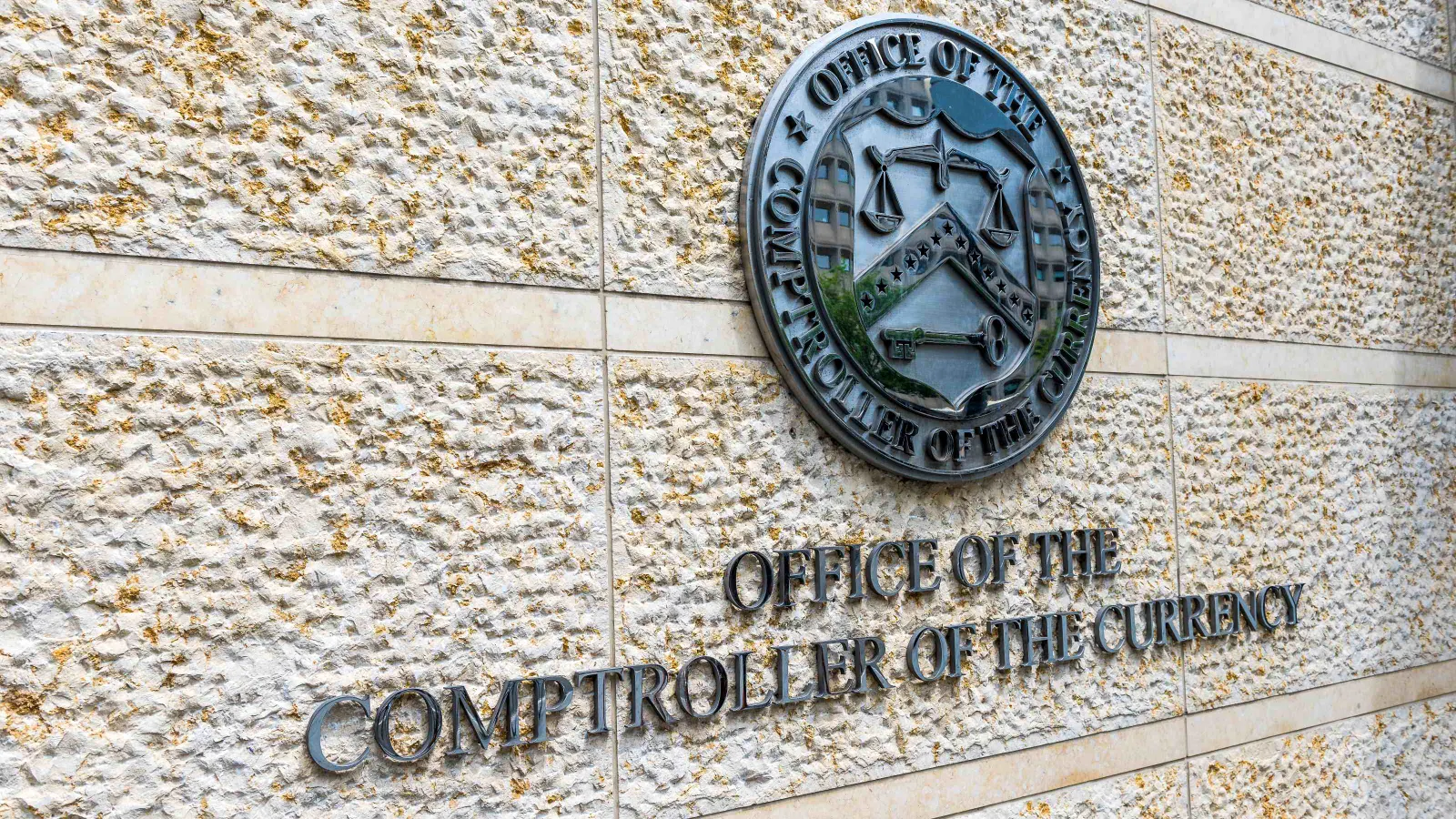
Galaxy Digital, the prominent financial services firm focused on the digital asset ecosystem, has officially submitted an application to the Office of the Comptroller of the Currency (OCC) for a national trust bank charter. This strategic move, announced by CEO Mike Novogratz on October 29, 2026, marks a pivotal moment for the New York-based firm as it seeks to consolidate its diverse array of services under a single, unified federal regulatory framework. By pursuing a national trust charter, Galaxy aims to streamline its operations, which currently span digital asset custody, trading, staking, and fiduciary investment advisory services.
The application reflects a broader trend among major cryptocurrency firms seeking to formalize their standing within the traditional U.S. financial infrastructure. As digital assets increasingly permeate the global financial system, companies like Galaxy are transitioning from decentralized or state-regulated models to federal oversight, aiming to provide institutional clients with the security and regulatory clarity typically associated with national banks.
Strategic Rationale and Operational Scope
Under the proposed structure, the national trust charter would not grant Galaxy the authority to engage in traditional commercial lending or accept consumer deposits in the manner of a retail bank. Instead, the charter would serve as a specialized regulatory vehicle designed to govern trust-like activities. For Galaxy, this means housing its high-volume custody, digital asset trading, and staking operations under the direct supervision of the OCC.
"This is an important next step, allowing us to bring more of our services under a single federal framework and expand how we serve clients as adoption accelerates," Mike Novogratz stated in a press release. The firm, which already maintains over 50 licenses across jurisdictions in the United States, Europe, and Asia, views the federal charter as a necessary evolution. Currently, Galaxy operates under a patchwork of regulatory requirements, including broker-dealer and swap dealer designations, alongside a BitLicense and money transmission licenses granted by the state of New York. The national charter would provide a consistent compliance standard across the United States, potentially reducing the operational friction inherent in navigating varying state-level requirements.
The Growing Trend of OCC Charter Applications
The pursuit of an OCC charter by Galaxy Digital follows a period of heightened activity among fintech and crypto-native firms during President Donald Trump’s second term. The regulatory environment has become increasingly receptive to institutional engagement with blockchain technology, leading to a surge in applications for national trust charters.
This trend was underscored just days prior to Galaxy’s announcement, when Ripple, a key player in the blockchain payments sector, received unconditional approval from the OCC to launch its own national trust bank. This approval signaled a turning point for the industry, suggesting that federal regulators are becoming more comfortable with the integration of digital assets into the national banking system, provided that institutions can meet the stringent capitalization, liquidity, and risk management standards required by the OCC.
Industry Backlash and the Debate Over Financial Stability
While firms like Galaxy and Ripple view the national trust charter as a pathway to legitimacy, the shift has drawn sharp criticism from traditional banking sectors. The Independent Community Bankers of America (ICBA), a trade group representing thousands of community banks, has emerged as a vocal opponent of this regulatory trend.

The ICBA has consistently argued that granting trust charters to non-traditional, crypto-focused entities creates a "gaping hole in financial regulation." In response to the recent wave of approvals, the ICBA initiated a lawsuit against the OCC, alleging that the agency’s expansion of trust charter activity undermines the stability of the financial system. The association’s primary concern is that these institutions can offer "deposit-like" services—such as custody and staking yields—without the commensurate regulatory oversight or the safety net provided by Federal Deposit Insurance Corporation (FDIC) coverage.
"The OCC is allowing non-traditional institutions to bypass the rigorous standards required of chartered banks," a spokesperson for the ICBA noted in a recent briefing. The industry group argues that the inherent volatility of the digital asset market poses a systemic risk that cannot be mitigated by a standard trust charter, which is traditionally intended for passive asset management rather than the active, high-frequency trading often associated with digital asset firms.
Chronology of the Digital Asset Regulatory Shift
To understand the current landscape, it is essential to view the trajectory of digital asset regulation over the past several years:
- 2020-2021: The initial push for "crypto-banks" gains momentum as the OCC, under previous leadership, explores guidelines for how banks can engage with cryptocurrency custody.
- 2023-2024: Regulatory scrutiny intensifies following high-profile industry failures, leading to a temporary slowdown in federal charter approvals.
- 2025: The inauguration of President Donald Trump’s second term signals a shift in the regulatory philosophy at the OCC, with an increased focus on fostering innovation and streamlining the path for fintechs to enter the federal banking system.
- October 2026: Ripple receives final approval for its national trust bank charter, setting a precedent that triggers a new wave of interest from other industry leaders.
- Late October 2026: Galaxy Digital officially files its application, signaling its intention to join the ranks of federally regulated digital asset custodians.
Data-Driven Implications for the Financial Sector
The impact of these charter approvals extends beyond the individual companies. If Galaxy’s application is approved, it will set a significant benchmark for how institutional capital interacts with digital assets. Data from recent market reports suggest that institutional adoption of digital assets has grown by approximately 30% annually since 2024, with a significant portion of that capital originating from pension funds, endowments, and sovereign wealth funds. These entities require the high-level compliance and "qualified custodian" status that a federally chartered bank can provide.

Furthermore, the operational consolidation offered by a national charter could lead to significant cost efficiencies for Galaxy. By streamlining compliance departments and reporting structures to satisfy a single federal entity, the firm could redirect capital toward further product development and expansion. However, the costs of maintaining such a charter are not trivial; national banks are subject to ongoing examinations, capital adequacy requirements, and rigorous cybersecurity audits that far exceed the burden of most state-level money transmitter licenses.
Broader Impact on Global Financial Infrastructure
The move toward federal charters represents a fundamental shift in the architecture of the modern financial system. As the lines between traditional banking and decentralized finance continue to blur, the role of the OCC becomes increasingly central. The agency is now tasked with the delicate balance of promoting economic growth through technological adoption while ensuring that the safety and soundness of the national banking system are not compromised.
For the wider cryptocurrency market, the institutionalization brought by national charters serves as a validation of the asset class. It provides a roadmap for other companies to follow, potentially leading to a more bifurcated market: one side comprised of regulated, federally chartered entities and the other consisting of decentralized, offshore, or purely software-based firms.
Conclusion
Galaxy Digital’s application for a national trust bank charter is a clear signal that the digital asset industry is entering a new phase of maturity. By aligning its operations with federal standards, the company is positioning itself to be a cornerstone of the future financial infrastructure. As the OCC weighs the application against the concerns of community banking groups, the outcome will likely dictate the pace and nature of digital asset integration in the United States for years to come. Whether this trend leads to a more robust, stable financial system or introduces new risks remains a subject of intense debate among policymakers and market participants alike. For now, all eyes remain on Washington as the agency reviews the request, with the industry waiting to see if Galaxy will follow in the footsteps of Ripple in securing a seat at the federal table.

