
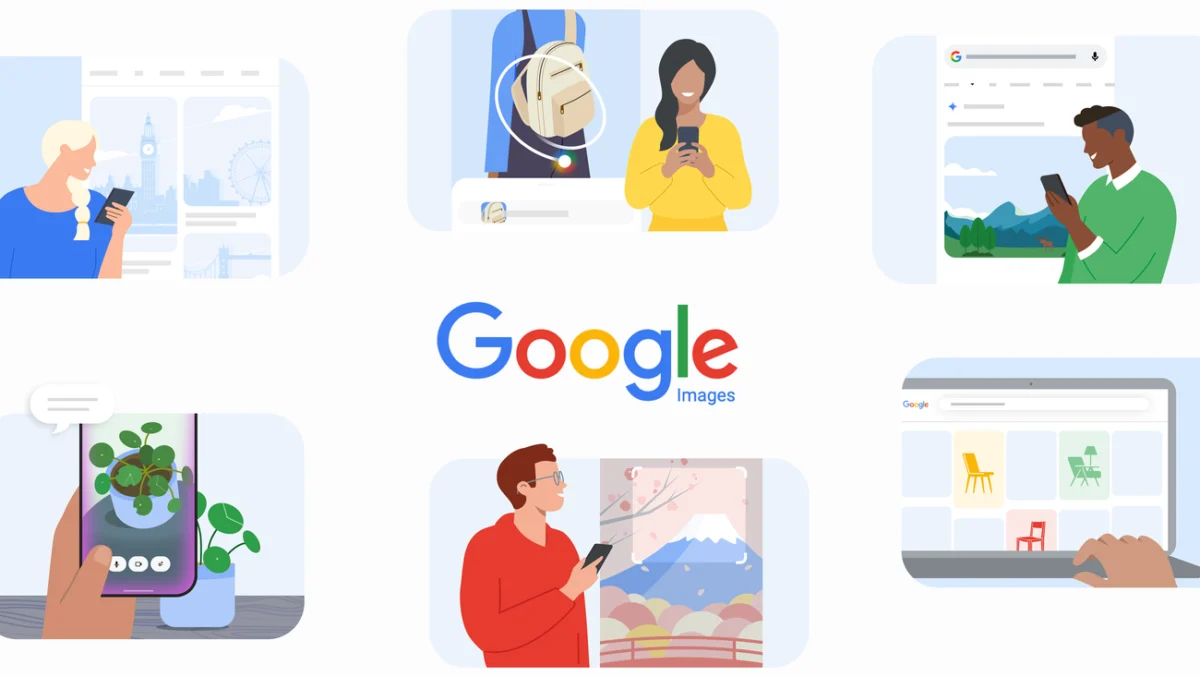
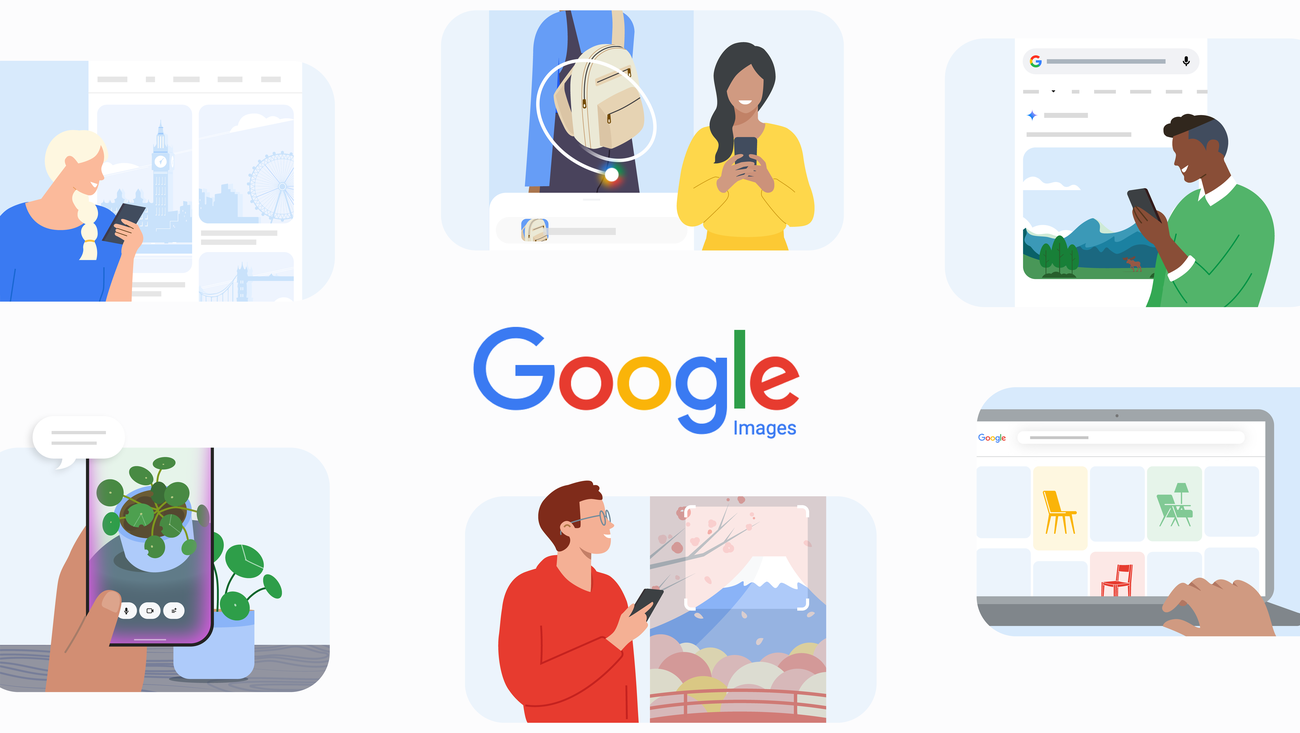
The digital landscape has undergone a profound transformation since the turn of the millennium, shifting from a text-heavy repository of information to a vibrant, multi-sensory environment. This week, Google officially marks the 25th anniversary of Google Images, a milestone that celebrates the evolution of search from simple blue hyperlinks to an immersive, AI-driven experience that allows users to interact with the world through a lens. To commemorate this quarter-century of progress, Google is unveiling a suite of new features designed to streamline visual discovery and creative generation, while reflecting on the technological breakthroughs that have redefined how humanity accesses information.
The centerpiece of this anniversary is a comprehensive redesign of the Google Images homepage. Moving beyond the traditional grid-based layout, the new interface introduces a dynamic, immersive gallery tailored to individual user interests in real time. This update integrates Google’s "Collections" feature more deeply into the browsing experience, allowing users to save ideas and inspiration which then appear as accessible tabs above the main gallery. This shift signals Google’s intent to move Search away from being a purely transactional tool toward becoming a continuous discovery engine. Initially, this revamped experience will roll out to desktop users in the United States, with broader international availability expected to follow.
The Integration of Generative AI in Visual Search
In a significant move to bridge the gap between discovery and creation, Google is also introducing native image generation directly within Search. Utilizing the company’s latest "Nano Banana" model—a cutting-edge iteration of its AI architecture—users can now generate high-quality, custom visuals from simple text prompts within AI Overviews. This feature is designed for instances where the specific image a user envisions does not yet exist on the open web. By embedding this capability into the search flow, Google is effectively transforming the search bar into a creative canvas.
The rollout of image generation in AI Overviews is scheduled to begin over the coming weeks in English-speaking regions that currently support Google’s AI Mode. This development follows a broader industry trend where search engines are increasingly incorporating generative capabilities to maintain user engagement in an era dominated by standalone AI platforms.
A Chronology of Innovation: 2001 to 2026
The history of Google Images is a testament to the idea that user behavior often dictates technological roadmaps. The genesis of the service can be traced back to the 2000 Grammy Awards, where Jennifer Lopez appeared in a now-iconic green Versace dress. The sheer volume of search queries for the dress overwhelmed Google’s text-based systems; users did not want to read about the fashion choice—they wanted to see it. Recognizing this unmet need, Google launched Google Images in July 2001, providing the first dedicated portal for visual web content.
Over the subsequent decades, several key milestones have shaped the service:
- 2009: Similar Images: This feature introduced the concept of visual relationship mapping. By allowing users to find visually related content without needing to refine their text queries, Google began the transition toward "query-less" discovery.
- 2011: Search by Image: The introduction of reverse image search allowed users to use an image as the search term itself. This was a critical tool for verifying the origins of photos and finding higher-resolution versions of existing files.
- 2018: Google Lens: Lens represented a shift from the web to the physical world. By utilizing smartphone cameras, Lens enabled real-time identification of plants, animals, and products, effectively making the physical environment searchable.
- 2022: Multisearch: This marked the beginning of the multimodal era, allowing users to combine images and text in a single query (e.g., taking a photo of a pattern and typing "wallpaper" to find a specific product).
- 2024: Circle to Search: Aimed at the Android ecosystem, this feature removed the friction of switching apps. Users could simply gesture—circle or scribble—over any content on their screen to initiate a search. As of late 2024, this feature is available on over 580 million devices globally.
- 2025: Search Live and AI Mode: Google introduced the ability to share a live camera feed with an AI assistant while conducting a voice conversation. This "video call with Search" allowed for real-time troubleshooting and complex reasoning based on moving visual data.
- 2026: Multi-Object Recognition and the Intelligent Search Box: The latest advancements include the ability for Circle to Search to recognize and deconstruct multiple objects within a single frame. Simultaneously, the search box has been reimagined as an "Intelligent Search Box," allowing for multi-image uploads and nuanced conversational inquiries.
Technical Analysis: The Visual Image Fan-Out Technique
A core component of Google’s recent visual successes is the "visual image fan-out" technique. Traditional image search often relied on metadata and surrounding text to understand an image’s content. However, the fan-out technique allows the AI to break a single image into dozens of sub-queries. By analyzing various segments of a scene—such as the texture of a fabric, the silhouette of a building, or the breed of a dog in the background—the system can synthesize a much deeper understanding of the user’s intent.
This technical leap has been instrumental in the success of "Search Live" and "Multi-Object Recognition." It allows the AI to maintain context even as the camera moves or as the user asks follow-up questions about different elements within a single photo. This level of granularity is what enables the new conversational shopping features, where a user can ask for "barrel jeans that aren’t too baggy" and receive a curated grid of shoppable results that match a specific aesthetic rather than just a keyword.

Strategic Implications and Market Context
The evolution of visual search is not merely a technical achievement; it is a strategic necessity in a competitive digital economy. Industry data suggests that younger demographics, particularly Gen Z, are increasingly turning to visual-first platforms like TikTok, Instagram, and Pinterest for discovery. By integrating immersive galleries and generative AI, Google is positioning itself to retain its dominance as the primary "starting point" for the internet.
Brad Kellett, Senior Engineering Director at Google Search, emphasized that these updates are the culmination of 25 years of work aimed at making the world’s visual information "instantly accessible and useful." The shift from "finding a photo" to "searching the world as you see it" reflects a broader trend in human-computer interaction where the interface becomes invisible, and the interaction becomes more natural and intuitive.
Furthermore, the integration of shoppable results and AI-driven fashion advice represents a significant opportunity for the e-commerce sector. By allowing users to "imagine and shop" in a single flow, Google is shortening the distance between inspiration and purchase. This has profound implications for digital marketing and SEO, as brands must now optimize not just for keywords, but for visual clarity and AI-driven context.

Broader Impact on the Information Ecosystem
As Google Images enters its next quarter-century, the implications of these technologies extend beyond convenience. The ability to generate images from scratch and the sophistication of AI Overviews raise important questions regarding digital literacy and the verification of information. Google has maintained that these updates are built on a foundation of responsible AI, ensuring that generated content is clearly labeled and that search results remain grounded in high-quality web data.
The transition to an "Intelligent Search Box" suggests a future where the distinction between "text search" and "visual search" disappears entirely. In this future, "Search" is a multimodal dialogue—a blend of voice, sight, and text that adapts to the user’s environment. The milestone reached this week serves as both a retrospective of how far visual technology has come and a roadmap for a future where imagination is the only limit to discovery.
In conclusion, the 25-year journey of Google Images from a reaction to a celebrity’s dress to a global AI powerhouse illustrates the rapid pace of digital innovation. By continuing to push the boundaries of what is possible through the "Nano Banana" model and multimodal reasoning, Google is ensuring that visual search remains a cornerstone of the modern internet experience. As these features roll out globally, they will undoubtedly continue to reshape the way we perceive, interact with, and create the visual world around us.

