
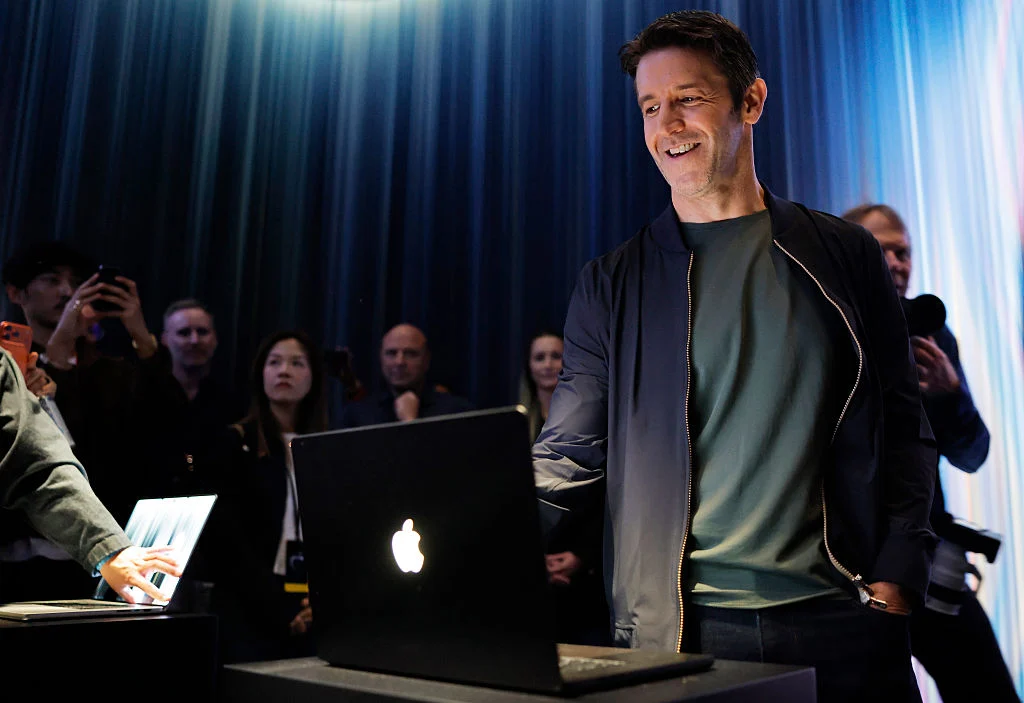
In an extensive interview with Steven Levy published by Wired, newly appointed Apple CEO John Ternus offered a robust defense of the tech giant’s artificial intelligence strategy. Stepping into the role amid lingering industry narratives that frame the Cupertino-based company as a latecomer to the generative AI boom, Ternus pushed back against external criticisms. He emphasized that Apple’s deliberate, measured pacing is a feature, not a bug, designed to prioritize deep integration, user experience, and tangible utility over speculative hype cycles that have dominated the broader technology sector.
The remarks arrive at a critical inflection point for Apple. Over the past several years, Wall Street analysts, consumer tech reviewers, and industry insiders have scrutinized the company for its perceived lag behind competitors such as OpenAI, Microsoft, Google, and Meta. These rivals raced to flood the market with generative chatbots, autonomous agents, and flashy multimodal features. Meanwhile, Apple’s much-anticipated overhaul of its virtual assistant, Siri—designed to harness advanced on-device and cloud-based machine learning—faced multiple development delays before finally rolling out to consumers during the summer.
Despite these hurdles, Ternus—who officially transitioned into the role of chief executive officer at the beginning of September following a long tenure leading hardware engineering—expressed total confidence in the company’s current trajectory. Acknowledging that public opinion is sharply divided over the pace of Apple’s AI evolution, Ternus stated, "Everyone has an opinion, but I really like where we’re at."
The Philosophy of Invisible Integration and Product-Centric AI
At the core of Ternus’s defense is Apple’s long-standing philosophy regarding technology adoption: being first to market is secondary to getting the user experience right. Rather than rushing out standalone AI tools merely to capture headlines, Ternus asserted that Apple is committed to embedding intelligence seamlessly across its hardware and software ecosystem.
"We are absolutely going to leverage AI in our new products," Ternus told Wired. However, he drew a sharp line in the sand regarding the industry’s rush toward artificial intelligence deployment for its own sake. "We don’t want to ship AI for AI’s sake. When we’re doing it right, people won’t have to think about whether it was AI that made this happen or more traditional software. What matters is, did we build something that they really love?"
This philosophy reflects Apple’s historical playbook. The company rarely invents entirely new product categories from scratch; instead, it waits until hardware capabilities, battery efficiency, and software synergy mature to a point where a technology can be refined for mass adoption. From graphical user interfaces and digital music players to smartwatches and wireless headphones, Apple’s strategy has consistently prioritized polished execution over rapid prototyping.
In the context of machine learning, this translates to prioritizing privacy-first, on-device processing via Apple Silicon, ensuring that personal data remains secure while powering intelligent features like predictive text, photo enhancements, context-aware writing tools, and smarter notification summaries.

Addressing the Threat of Autonomous Agents to the App Economy
During the wide-ranging conversation, Steven Levy pressed Ternus on a more existential question facing modern tech platforms: the rise of autonomous AI agents. As software capable of executing complex multi-step tasks across the web gains traction, some futurists predict that traditional application interfaces—the bedrock of Apple’s multi-billion-dollar App Store ecosystem—could eventually become obsolete. If an AI agent can book a flight, purchase groceries, and organize a calendar itinerary directly through conversational prompts, the need for individual dedicated mobile applications diminishes significantly.
Ternus acknowledged the speculative convenience of such a future, albeit with a measured nod to the craftsmanship of human-made products. "That could make life really easy, I suppose," he remarked. However, he quickly pivoted to defend the foundational value of software development, noting that "the creation of products is a deeply human and personal thing, something that we love to do."
This perspective highlights a delicate balancing act for Apple. While the company must evolve its operating systems to support increasingly sophisticated AI capabilities, it also relies heavily on the vibrant developer community that populates the App Store. Dismantling or disrupting the app economy would not only alter user habits fundamentally but also impact a critical revenue stream for Apple’s booming services sector. By emphasizing that AI should serve as an enhancement to human creativity and product development rather than a total replacement for software architecture, Ternus signaled that Apple views intelligence as a tool to empower applications, not erase them.
A Timeline of Transition: From Siri Delays to Executive Leadership
To fully understand Ternus’s defensive yet optimistic stance, it is necessary to examine the chronological sequence of events that shaped Apple’s current landscape:
- Late 2023 to 2024: Competitors rapidly scale up generative AI offerings, releasing standalone applications and embedding large language models into search engines and productivity suites. Apple faces mounting pressure as consumers and investors question its roadmap for conversational intelligence.
- Early 2025: Reports emerge detailing internal challenges at Apple regarding the restructuring of Siri’s foundational architecture to support advanced generative models while maintaining strict privacy standards.
- Summer 2026: Apple officially rolls out the long-awaited, deeply integrated version of Siri, featuring enhanced contextual awareness, personal context retrieval, and cross-app capabilities. Initial reviews describe the rollout as stable and practical, though some critics label it anticlimactic compared to the wild promises made by rival AI startups.
- September 1, 2026: John Ternus officially assumes the role of CEO, stepping into the spotlight with an aggressive mandate to articulate Apple’s vision for the future amidst a shifting technological paradigm.
- Late October 2026: Ternus sits down with Wired’s Steven Levy, using the high-profile interview to formally address the lingering narrative that Apple missed the boat on artificial intelligence.
Industry Implications and Market Analysis
Financial analysts and technology historians note that Apple’s methodical approach carries both distinct advantages and inherent risks. On one hand, Apple commands an installed base of over two billion active devices worldwide. By integrating machine learning natively into the hardware—thanks to dedicated Neural Engines embedded within Apple Silicon chips—the company can deploy AI features at a scale that cash-burning startups and even rival hardware manufacturers struggle to match. Furthermore, Apple’s unwavering commitment to user privacy gives it a competitive edge among consumers increasingly wary of data harvesting by third-party AI models.
On the other hand, the artificial intelligence landscape moves at an unprecedented velocity. Critics argue that consumer expectations are shifting so rapidly that waiting for perfection could cause Apple to lose mindshare among early adopters and younger demographics who view AI as the primary interface for computing. Moreover, as artificial intelligence begins to blur the lines between operating systems, web browsers, and cloud services, Apple faces fierce competition to ensure its ecosystem remains the central hub of the digital experience.
As Ternus steers the company through its next chapter, his public defense makes one thing clear: Apple refuses to be stampeted into a reactive posture. By doubling down on user-centric design, privacy, and thoughtful software integration, the CEO is betting that long-term loyalty will ultimately favor the company that delivers a polished, reliable experience over one that rushes unproven tools to the market. Whether consumers and investors embrace this measured philosophy will define the success of Apple’s next decade of innovation.

