
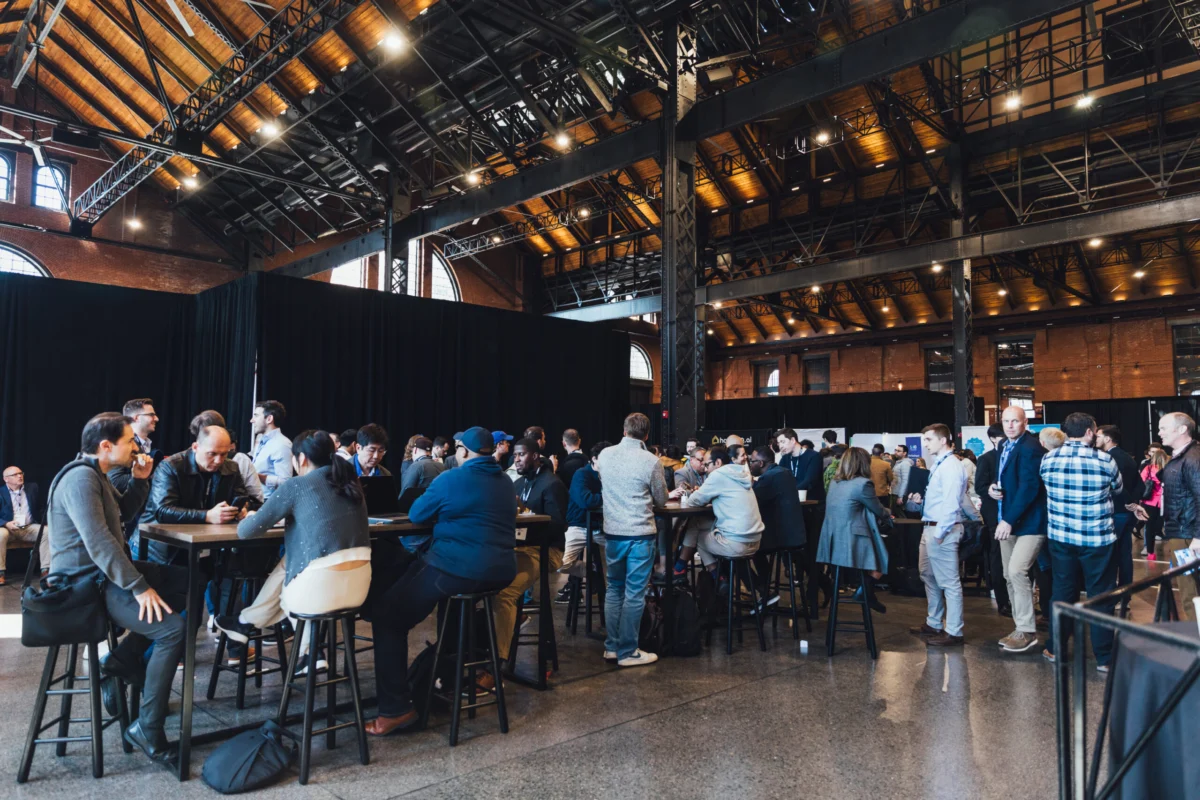
The modern startup landscape is defined less by serendipitous encounters in crowded conference halls and more by intentional, peer-to-peer strategic problem-solving. As the entrepreneurial ecosystem continues to navigate shifting economic paradigms, access to specialized knowledge remains the ultimate competitive differentiator for early-stage and growth-stage companies. Recognizing this paradigm shift, the upcoming TechCrunch Founder Summit 2026, scheduled for November 4 at the historic SoWa Power Station in Boston, is positioning targeted networking and collaborative mentorship at the core of its operational agenda.
Designed specifically to bypass the superficial exchanges typical of conventional tech conferences, the one-day immersive event aims to bridge the gap between burgeoning enterprise leaders and the seasoned investors, operators, and founders who have successfully traversed the treacherous waters of market scaling. By integrating advanced matchmaking infrastructure like Braindate alongside traditional keynote presentations and interactive roundtables, the summit is engineering a blueprint for high-impact professional engagement.
Main Facts of the Founder Summit 2026
The TechCrunch Founder Summit 2026 will convene hundreds of startup founders, venture capitalists, angel investors, and industry operators under one roof in Boston’s vibrant South End district. The event focuses heavily on the friction points inherent in the startup lifecycle—ranging from securing elusive product-market fit to executing enterprise sales strategies and managing the existential risks of premature corporate scaling.
Unlike larger, generalized tech expos that prioritize attendance volume over substantive interaction, the Founder Summit deliberately maintains a curated, intimate scale. This structural choice enables participants to engage deeply with key figures from elite venture capital institutions and high-growth operational backgrounds. Attendees gain full access to an expansive itinerary that includes dynamic stage panels across the Build and Impact tracks, live pitch-testing sessions, a specialized Expo Hall featuring industry-leading service providers, and a dedicated Networking Lounge powered by peer-to-peer knowledge-sharing platforms.

Furthermore, organizers have implemented a promotional ticket structure ahead of the November doors opening, offering a buy-one-get-one-free pass initiative designed to encourage collaborative attendance. This allows primary founders to bring co-founders, technical leads, or strategic partners into the fold at no additional ticket cost, directly expanding the collective strategic capacity of participating early-stage ventures.
Chronology and Background Context of the Event
The evolution of the TechCrunch Founder Summit mirrors the shifting demands of the global venture ecosystem. Over the past decade, startup conferences have increasingly transitioned from broad technological showcases to hyper-focused operational masterclasses. In the wake of macroeconomic tightening, high interest rates, and a heavily scrutinized venture capital environment, founders can no longer rely on abundant capital to mask fundamental operational inefficiencies.
Boston has long served as a critical nexus for technological innovation, anchored by premier academic institutions, a dense biotechnology corridor, and a rapidly expanding enterprise software ecosystem. By anchoring the Founder Summit in Boston’s SoWa Power Station—an industrial architectural landmark transformed into a modern event hub—TechCrunch has intentionally tapped into the city’s rich historical pedigree of engineering excellence and entrepreneurial tenacity.
Planning for the 2026 summit began months in advance, driven by comprehensive feedback from previous iterations where attendees consistently voiced a desire for extended, qualitative follow-ups to stage discussions. The integration of structured conversational formats, such as small-group roundtables and curated 1:1 meetings, represents a direct response to these demands. The timeline leading up to the November 4 event features a rolling announcement of high-profile speakers, agenda reveals, and the opening of the Braindate scheduling portal, allowing participants to pre-plan their networking objectives weeks before arriving on-site.
Supporting Data and Ecosystem Dynamics

Current market analytics underscore the critical necessity of peer networks and strategic mentorship for early-stage survival. According to aggregate venture data, upwards of 70% of early-stage startups fail due to structural miscalculations rather than technological inferiority—most notably premature scaling, misaligned product-market fit, and cash-flow mismanagement.
The economic climate leading into late 2026 places an unprecedented premium on capital efficiency and sustainable growth metrics. Venture deployment, while stabilizing relative to the post-pandemic correction periods, remains highly selective. Investors are increasingly prioritizing startups that demonstrate clear enterprise traction, robust unit economics, and resilient leadership teams capable of navigating market volatility.
Events like the Founder Summit function as critical catalysts within this data-driven landscape. By facilitating direct interactions between founders wrestling with burn rates and seasoned operators who have successfully engineered profitable exits or efficient scale-ups, the summit helps mitigate the isolation often experienced by early-stage entrepreneurs. Data from past Braindate deployments at similar tier-one tech conferences indicate that structured, topic-driven networking sessions result in a significantly higher conversion rate of meaningful, long-term professional relationships compared to traditional open-floor networking formats.
Official Responses and Industry Perspectives
Industry leaders participating in the 2026 summit have emphasized the irreplaceable value of localized, tactical discourse in an increasingly digital business environment. Kent Bennett, a partner at Bessemer Venture Partners, notes that the distinction between a startup that stalls and one that dominates its vertical often hinges on how precisely leadership identifies and acts upon early signals of product-market fit. Bennett, who is slated to speak at the summit, highlights that analytical frameworks must be continuously tested against real-world customer friction—a process best accelerated through peer benchmarking.
Similarly, Dave Balter of True Ventures and Edisyl points to the evolving psychology of modern fundraising. In an era where venture capitalists are inundated with pitch decks, the ability to articulate a compelling, differentiated value proposition within the first few minutes of engagement is paramount. Balter underscores that founders must not only master the mechanics of their financial models but also learn how to frame their narrative to withstand intense investor scrutiny.

Steve Fredette, co-founder of Toast—one of Boston’s most prominent tech success stories—brings an invaluable operational lens to the summit. Having guided a local startup from its nascent stages through rapid scaling, market expansion, and a major public offering, Fredette’s insights on navigating changing macroeconomic tides offer a roadmap for founders currently facing similar growth hurdles. His participation underscores the summit’s commitment to featuring practitioners who speak from direct, hard-won experience rather than theoretical frameworks.
Broader Impact and Strategic Implications
The implications of the TechCrunch Founder Summit 2026 extend far beyond the single-day gathering at the SoWa Power Station. For the regional Boston tech ecosystem, hosting an event of this caliber reinforces the city’s status as a premier global destination for tech entrepreneurship, capable of attracting venture capital and startup talent from across North America.
On a broader industry level, the summit’s emphasis on intentional, challenge-driven networking points toward a permanent evolution in how professional conferences deliver ROI to attendees. As travel and event budgets face continued optimization, participants demand measurable outcomes from their conference investments. By replacing passive listening with active, problem-focused collaboration, initiatives like Braindate set a new standard for event programming.
Ultimately, the convergence of top-tier venture capitalists, seasoned enterprise operators, and ambitious founders at the Founder Summit serves as an incubator for the next generation of market-defining companies. By providing the tools, data, and interpersonal connections necessary to decode complex scaling challenges, the event equips founders not just to survive the current economic climate, but to aggressively architect their next phase of market leadership.

