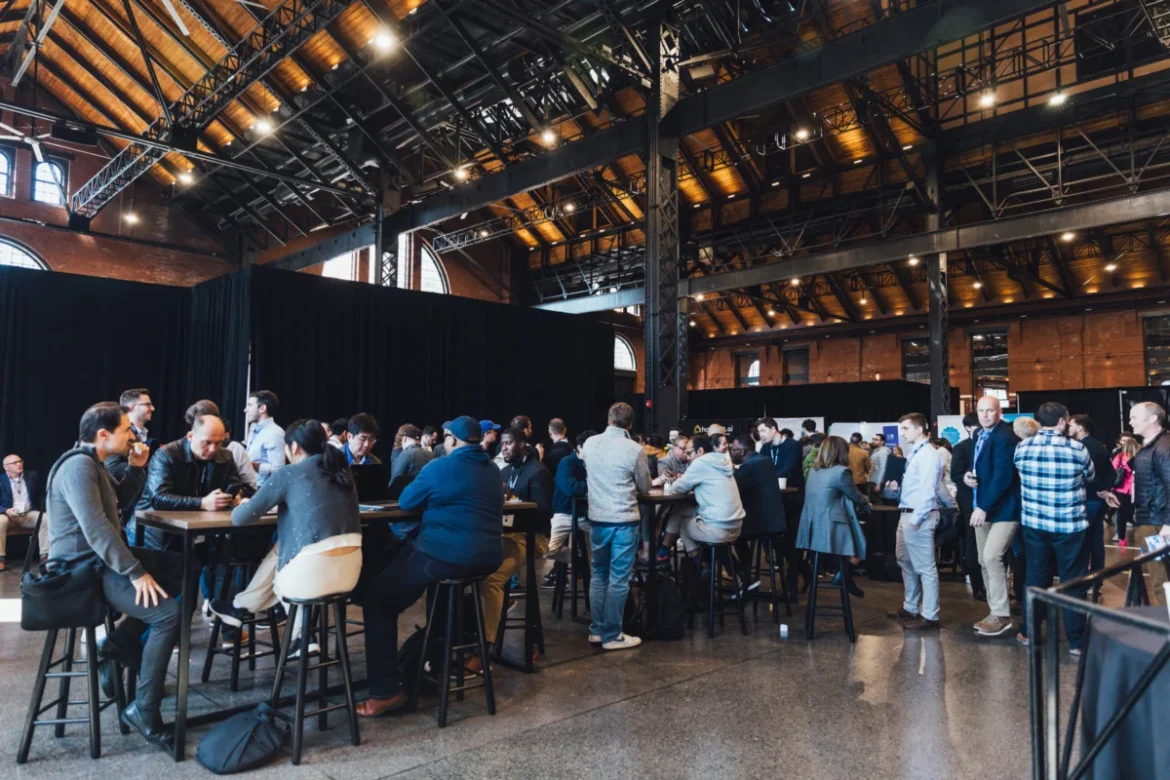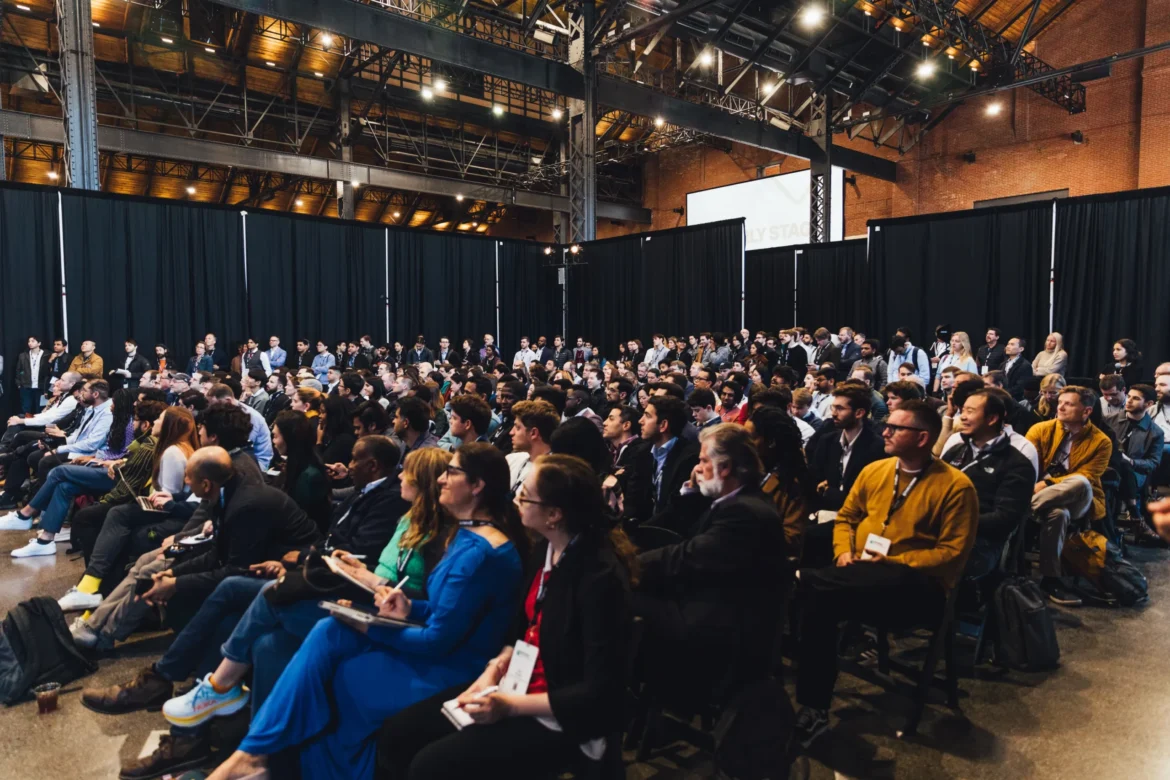
The startup landscape is no longer driven by serendipitous encounters in crowded hallways; it is increasingly defined by intentional, data-backed, and highly curated networking. As the global venture capital market continues to adjust to fluctuating economic cycles, the upcoming TechCrunch Founder Summit, held on November 4, 2026, at Boston’s historic SoWa Power Station, serves as a focal point for this shift. Presented by Fidelity Private Shares, the summit is designed to bridge the gap between high-level discourse and tangible professional outcomes, offering founders and investors a structured environment to foster high-value connections.
The Evolution of Event-Based Networking
For decades, technology conferences relied on the "hallway track"—a chaotic, often inefficient method of networking that prioritized volume over quality. However, as the cost of capital has risen and the timeline to achieve product-market fit has compressed, founders have demanded more from professional gatherings. The 2026 edition of the TechCrunch Founder Summit moves away from the traditional, passive conference model by integrating Braindate technology.
This platform allows attendees to pre-schedule one-on-one and small-group discussions based on specific, high-intent topics. By enabling participants to signal their expertise or their specific pain points—such as navigating a Series A raise or optimizing for burn rate—the summit creates an ecosystem where the value is generated by the participants themselves rather than solely from the stage.

Chronology and Event Infrastructure
The summit is structured to facilitate a progression from theoretical learning to direct application. The day begins with keynote sessions that establish the macroeconomic context of the current startup environment, followed by thematic breakouts that allow for deeper dives into sector-specific challenges.
- Morning Sessions: Focus on industry trends, including AI integration in enterprise software and the changing dynamics of the Boston-based biotech and robotics hubs.
- Mid-Day Networking: The integration of the Braindate Lounge provides a dedicated space for peer-to-peer mentorship, allowing founders to crowdsource solutions for operational bottlenecks.
- Afternoon Tactical Workshops: These sessions, including live pitch feedback, provide a rigorous testing ground for founders to refine their value propositions in front of seasoned investors.
- Evening Synthesis: The closing reception serves as a final, informal venue to consolidate the professional relationships formed throughout the day, removing the pressure of session scheduling.
The event’s footprint extends beyond the SoWa Power Station. Recognizing the density of the Boston innovation corridor, the summit includes a series of satellite events scheduled throughout the week. These localized gatherings allow for deeper, more intimate conversations between international attendees and the regional ecosystem, effectively turning a single-day event into a week-long immersion.
Data-Driven Networking and Industry Context
The emphasis on structured interaction is not merely a stylistic choice; it is a response to evolving industry data. According to recent venture capital sentiment surveys, the primary challenge cited by early-stage founders is the difficulty in accessing "warm" introductions to investors who possess specific domain expertise. Traditional networking events often result in a high "noise-to-signal" ratio, where the effort spent on superficial interactions yields diminishing returns.
By implementing a topic-driven scheduling system, the TechCrunch Founder Summit reduces the search costs associated with finding the right mentor or investor. For an investor, the efficiency of being able to engage with founders who have self-selected into a conversation about, for instance, "SaaS churn reduction," is significantly higher than cold-calling or sifting through mass-market pitches. This efficiency is critical in a 2026 market where investors are increasingly prioritizing high-conviction, low-friction deals.

Official Perspectives and Market Implications
The partnership with Fidelity Private Shares highlights a broader trend: the convergence of financial infrastructure and operational networking. As private market equity becomes more complex, having the right network of advisors and peers is a vital asset for any startup attempting to scale.
"The goal is to ensure that when a founder leaves the SoWa Power Station, they aren’t just leaving with a stack of business cards, but with a clear, actionable path toward their next milestone," a spokesperson for the event indicated. This sentiment reflects a maturation in the conference circuit. The emphasis is shifting from celebrity-speaker-driven content to actionable, peer-to-peer intelligence.
The implications for the broader Boston tech scene are also significant. By centralizing high-potential founders and capital allocators, the summit reinforces Boston’s position as a critical node in the global innovation network. The ability to connect with individuals like Kent Bennett, who focuses on the nuances of product-market fit, or regional experts like Chase Garbarino, who understand the specificities of the Boston startup lifecycle, provides an educational benefit that is difficult to replicate through digital channels alone.
Analyzing the Impact of Intentional Connectivity
The shift toward "intentional networking" is a structural change in how startups are built. By allowing founders to compare notes on capital raises or technical architecture in a curated setting, the summit lowers the barrier to entry for navigating complex business transitions.

- Knowledge Transfer: The ability for a first-time founder to sit with an experienced operator and discuss the transition from MVP to scale is an invaluable, high-velocity learning experience.
- Capital Efficiency: For investors, the ability to observe a founder’s ability to communicate complex ideas in a small-group setting provides a more authentic assessment of leadership than a formal, rehearsed pitch.
- Ecosystem Density: By creating these nodes of interaction, the summit helps to harden the connections between disparate sub-sectors within the technology industry, such as linking deep-tech founders with software-focused VCs.
Final Preparations and Access
As the event approaches, the urgency for registration is driven by both the impending price increase and the necessity of pre-scheduling, as the most popular Braindate sessions often reach capacity well before the event begins. With four days remaining until the doors open, the window for securing access at the current rate is closing.
The value proposition of the summit is clear: in an era of information overload, the scarcest resource is high-quality, trusted, and relevant human connection. By focusing on the intersection of strategic networking and practical, expert-led guidance, the TechCrunch Founder Summit 2026 aims to provide a tangible boost to the trajectory of the startups in attendance.
For those looking to optimize their time, the recommendation is to engage with the digital tools provided by the event organizers immediately upon registration. Reviewing the speaker lineup, identifying the thematic focus of the roundtables, and setting up the initial network connections will ensure that the day in Boston is spent on high-value interactions rather than navigation.
Ultimately, the measure of success for this summit will be the number of long-term business relationships—partnerships, funding rounds, and mentorships—that are initiated within the walls of the SoWa Power Station. The event acts as a catalyst, but the enduring impact rests with the founders and investors who choose to engage with the provided infrastructure to drive their ventures forward. As the startup ecosystem continues to favor agility and data-backed decision-making, events that facilitate such precise, purposeful connections will remain the bedrock of the innovation economy.