
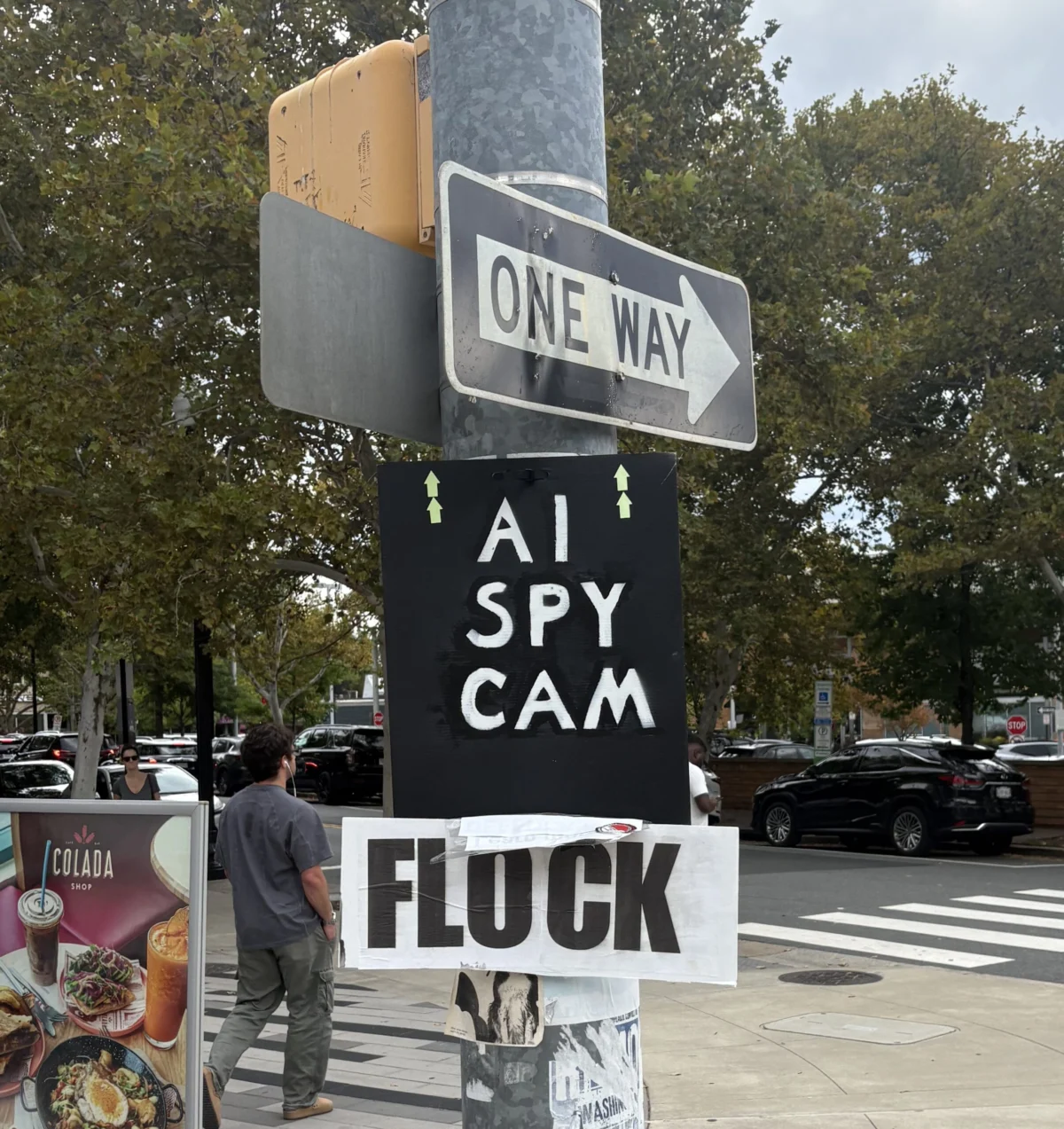
Surveillance technology company Flock Safety has announced a sweeping voluntary buyout program for its approximately 1,500-person workforce, offering what internal communications describe as the most generous severance packages in the company’s history. The move comes as the embattled startup navigates an escalating crisis marked by severe public backlash, canceled municipal contracts, state-level bans, and explosive reports regarding the misuse of its automated license plate recognition (ALPR) systems by law enforcement personnel.
According to internal company documents and subsequent reports, Flock Safety anticipates that a significant portion of its staff will express interest in the voluntary departure program and has indicated that it intends to approve the majority of those requests. Industry observers note that the strategic implementation of buyouts allows the company to gracefully downsize and shed employees demoralized by ongoing public scrutiny, thereby averting the necessity of a traditional, involuntary mass layoff that would further destabilize corporate operations.
The Roots of the Controversy
The unfolding crisis at Flock Safety represents a dramatic shift for a company that had previously enjoyed rapid, largely unopposed growth within the municipal and law enforcement technology sectors. Founded with the mission of eliminating crime through a vast, interconnected network of automated cameras, Flock quickly became a staple for police departments, homeowners associations, and private businesses across the United States. Its high-resolution cameras capture not just license plate data, but vehicle characteristics, making it a powerful tool for tracking vehicular movement in real time.
However, the expansive capabilities of the technology have increasingly clashed with mounting privacy concerns. Civil liberties organizations, privacy advocates, and local communities have grown increasingly vocal about the creation of permanent, searchable databases containing the everyday travel patterns of ordinary citizens. The friction between public safety utility and constitutional privacy rights laid the groundwork for the widespread resistance the company is now experiencing.
A Summer of Escalating Scandals
The tipping point for Flock Safety arrived during the summer months, triggering a cascade of negative publicity and swift political repercussions. In early August, a comprehensive investigation published by The Washington Post brought the issue of internal misuse to the forefront of national discourse. The report identified at least 46 distinct cases in which police officers were accused of using Flock’s vast camera network to stalk, harass, or spy on their wives, girlfriends, or former partners.
The revelation that powerful surveillance tools funded by taxpayers could be so easily subverted for personal harassment shocked the public and galvanized lawmakers. The fallout was immediate and severe. By the end of August, officials in Florida and Texas announced official measures to block and phase out the use of the startup’s technology within their jurisdictions, citing profound privacy and security concerns.

Concurrently, anti-surveillance advocacy groups and municipal tracking agencies documented a historic flight of clients. Data compiled through August indicated that approximately 90 cities nationwide terminated their contracts with Flock Safety within a single month—representing a staggering fourfold increase compared to the attrition rate observed in July. Communities that had once welcomed the promise of enhanced automated policing abruptly canceled their subscriptions, demanding the removal of cameras from public rights-of-way.
Internal Morale and Leadership Response
The rapid deterioration of public trust has inevitably taken a heavy toll internally. In a recent appearance on the All-In podcast, Flock Safety CEO Garrett Langley addressed the crisis candidly, acknowledging that the most severe damage sustained by the company has not been purely financial, but has directly impacted internal morale. Employees, many of whom joined the tech firm with the idealistic goal of enhancing community safety, have found themselves fielding intense public criticism and working inside an organization facing unprecedented regulatory and legal headwinds.
Industry analysts suggest that the voluntary buyout initiative is a calculated maneuver by executive leadership to recalibrate the company’s workforce for a smaller, more specialized operational footprint. Without the buffer of voluntary separations, industry insiders report that the company would have been forced to execute sweeping, involuntary layoffs to adjust for diminished revenue resulting from canceled municipal accounts.
Broader Implications for the Surveillance Industry
The challenges facing Flock Safety highlight a broader, critical juncture for the surveillance tech industry at large. As municipalities increasingly grapple with the ethical implications of smart city infrastructure, companies operating in the public safety sector are discovering that rapid market expansion can be abruptly halted by public resistance to overreach.
The events surrounding Flock serve as a cautionary tale regarding the necessity of robust internal controls, strict accountability measures for end-users, and transparent data governance frameworks. Law enforcement agencies that deploy ALPR technology are now facing intensified scrutiny from state legislatures and municipal councils regarding how data is accessed, audited, and protected from abuse.
As Flock Safety transitions through this period of contraction and internal restructuring, the company’s long-term viability will largely depend on its ability to rebuild trust with local governments, implement stringent safeguards against technology misuse, and navigate an increasingly hostile regulatory landscape. Whether the firm can successfully weather the storm and redefine its operational ethos remains one of the most closely watched developments in the modern technology and public policy sectors.

