
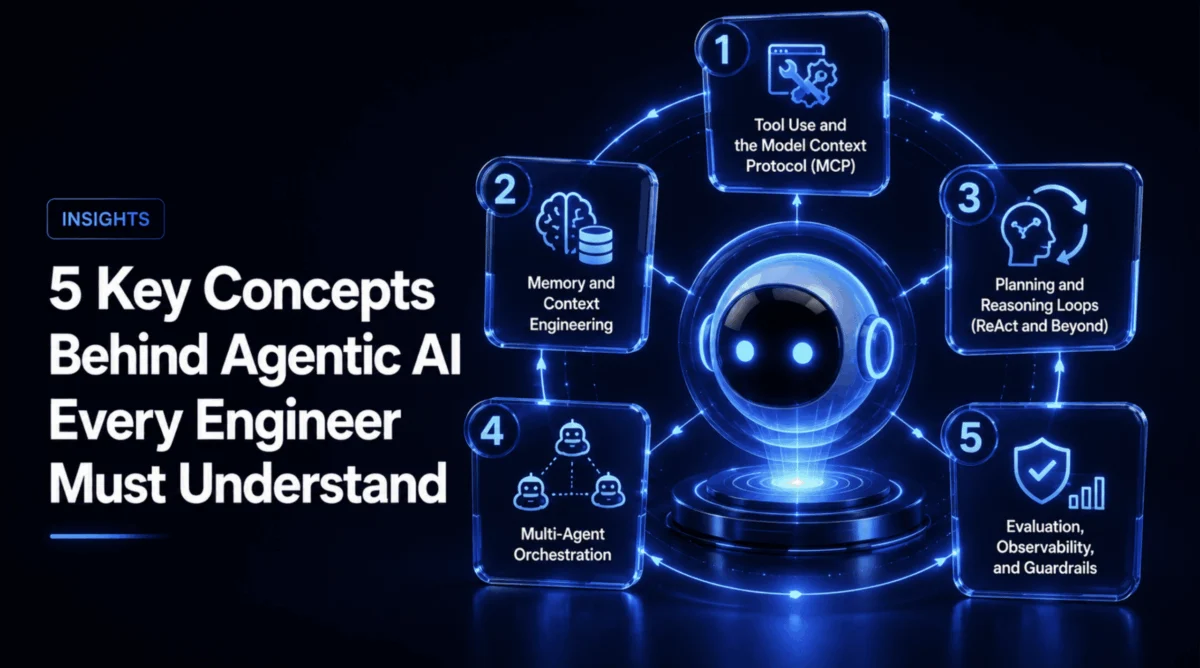
The transition from generative artificial intelligence to agentic systems represents the most significant paradigm shift in software engineering since the move to cloud-native architectures. While the first wave of AI adoption focused on large language models (LLMs) as sophisticated chatbots capable of "telling," the current era is defined by agents capable of "doing." This evolution moves the technology beyond simple text generation into the realm of autonomous execution—checking availability, comparing data across disparate platforms, executing transactions, and managing complex multi-step workflows without constant human intervention. As engineering roadmaps for 2026 increasingly prioritize agentic capabilities, the industry is grappling with a stark reality: despite the immense promise, approximately 88% of AI agent pilots fail to reach production. This high failure rate is rarely a result of the underlying model’s limitations; rather, it stems from a fundamental misunderstanding of the architectural pillars required to support autonomous systems at scale.
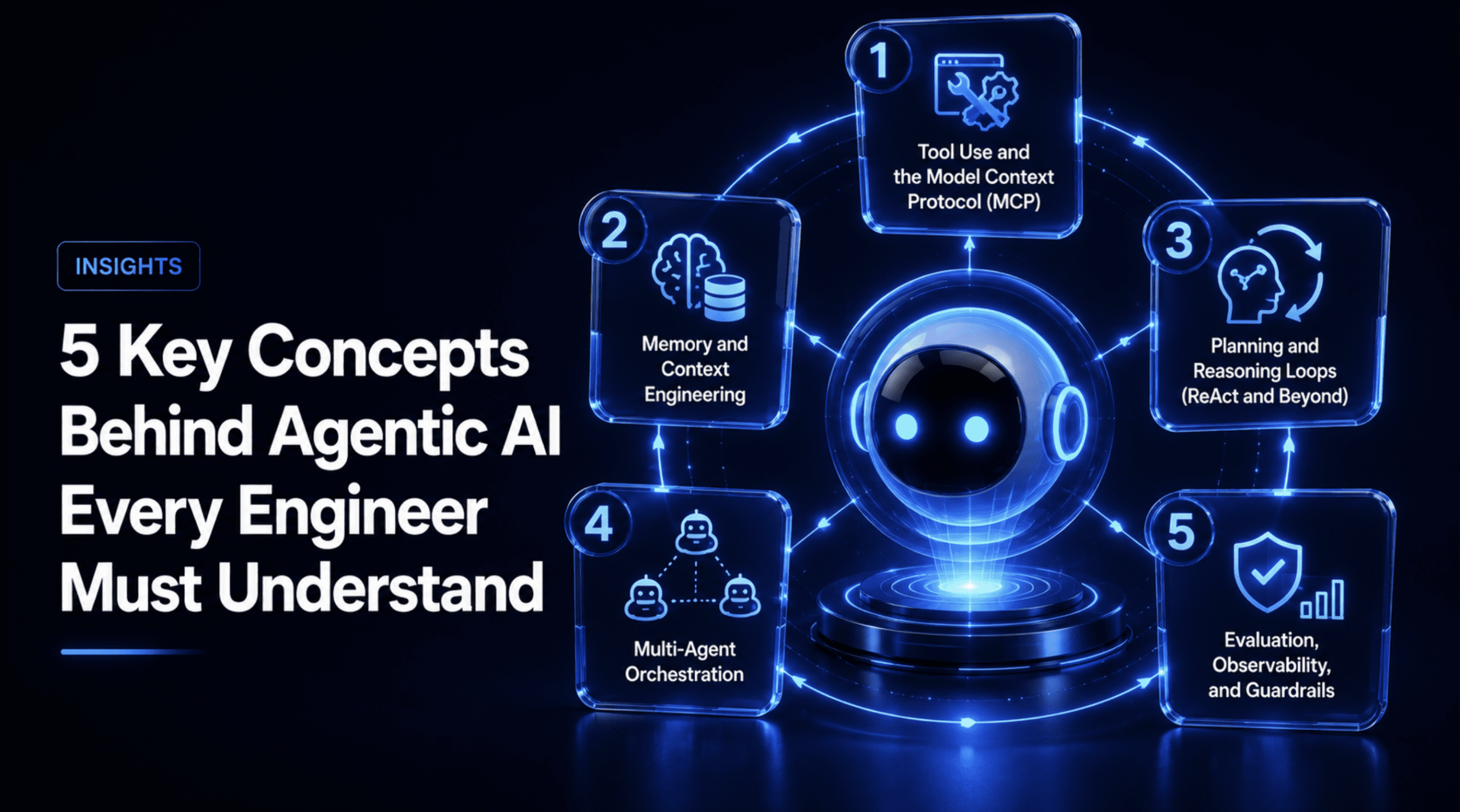
To bridge the gap between experimental demos and production-ready systems, engineers must master five core concepts that govern the stability, interoperability, and intelligence of agentic AI. These concepts—tool use standardization, memory engineering, reasoning loops, multi-agent orchestration, and rigorous evaluation—form the blueprint for the next generation of enterprise software.
1. Tool Use and the Standardization of the Model Context Protocol (MCP)
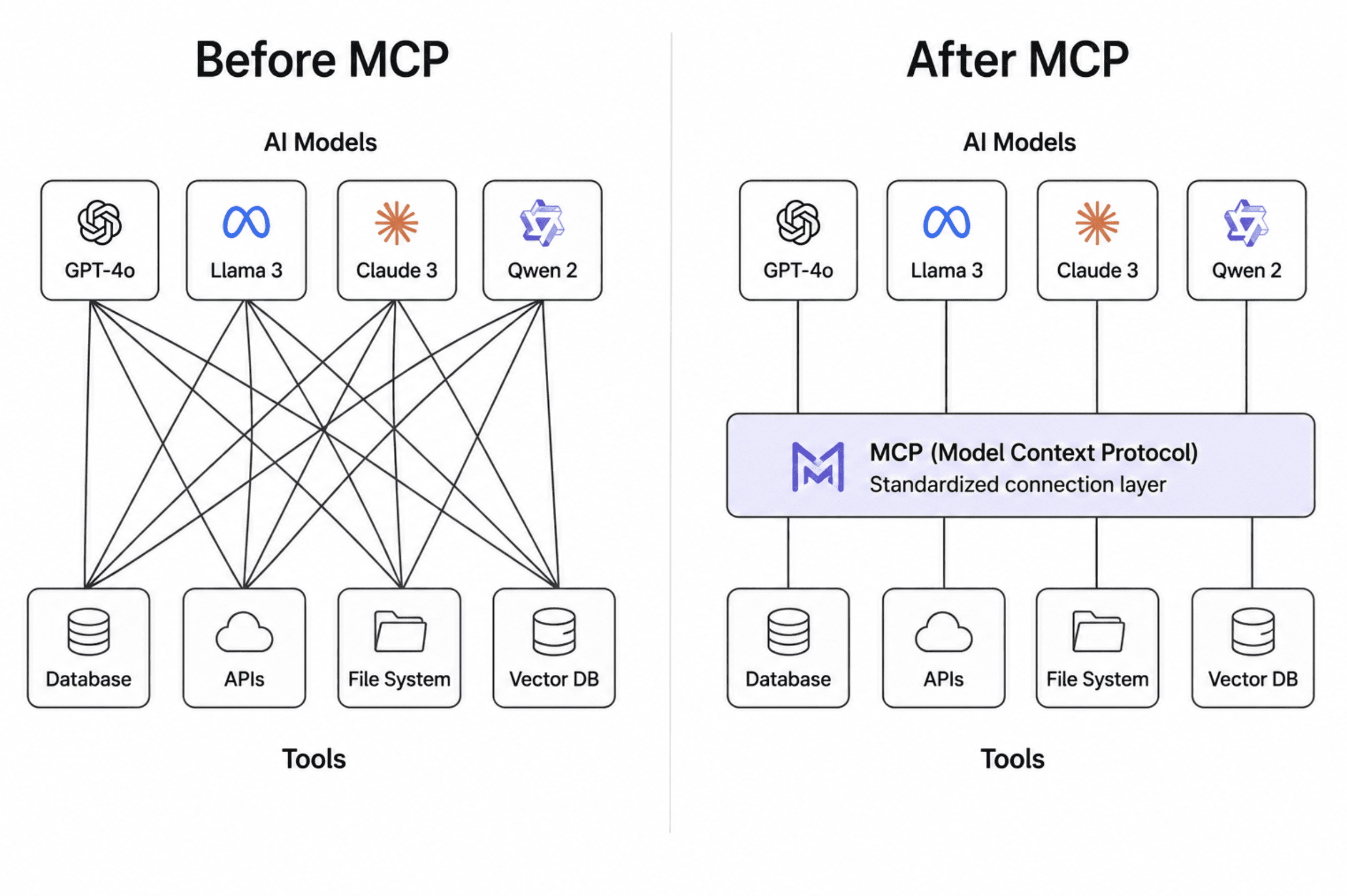
At its core, an LLM is a closed system, limited to the data it was trained on and the text it can generate. For an agent to be effective, it must interact with the "real world" via APIs, databases, and file systems. Historically, this required engineers to build bespoke integrations for every tool-model combination, creating a brittle and unscalable web of code. A system using ten tools across three different models could necessitate dozens of unique, manual integrations.
The landscape changed dramatically in November 2024 with the introduction of the Model Context Protocol (MCP) by Anthropic. Designed to act as a universal bridge, MCP standardizes how models discover and invoke external capabilities. The adoption of this protocol has been unprecedented. By March 2026, official MCP Software Development Kits (SDKs) reached a milestone of 97 million monthly downloads. For context, this level of adoption took the React framework nearly three years to achieve, whereas MCP reached it in just sixteen months.
The institutionalization of MCP reached a turning point in December 2025, when the protocol was donated to the Agentic AI Foundation under the Linux Foundation. This move, spearheaded by co-founders OpenAI and Block, and supported by industry titans including AWS, Google, Microsoft, and Cloudflare, transformed MCP from a vendor-specific tool into shared global infrastructure. For engineers, this means that a model can now query an MCP-compliant server to understand its manifest of capabilities and invoke them using a standardized JSON-RPC pattern. While MCP introduces a slight token overhead compared to direct API calls, its value in handling OAuth, data boundaries, and multi-tenant security makes it the de facto standard for enterprise-grade agentic systems.
2. Memory Architecture and the Rise of Context Engineering
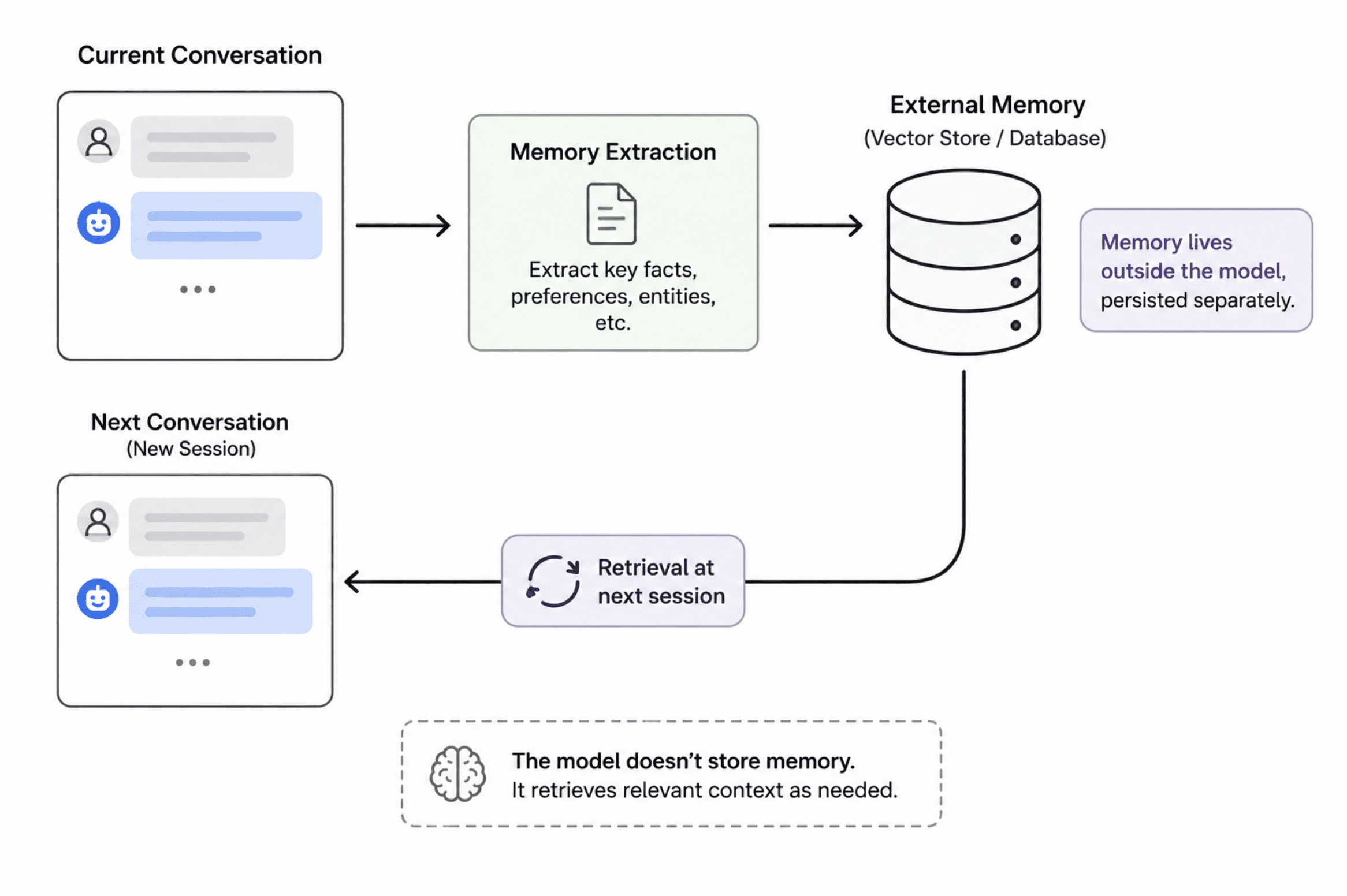
A primary challenge in agentic AI is the stateless nature of LLMs. Without a dedicated memory layer, an agent remains a "goldfish," losing all historical context the moment a session ends. Early attempts at solving this involved simply stuffing past conversation history into the model’s context window. However, as tasks become more complex—spanning weeks or involving multi-user collaborations—this approach becomes prohibitively expensive and technically inefficient.
Modern agentic architecture treats memory as a distinct, sophisticated component. This has led to the emergence of "context engineering" as a discipline superior to simple prompt engineering. The focus has shifted from the volume of information provided to the quality and relevance of that information. The process involves a sophisticated pipeline: during an interaction, a memory layer extracts salient facts and stores them in a vector database or a temporal knowledge graph. When a new session begins, the system utilizes semantic similarity and entity matching to retrieve only the relevant slices of data, which are then injected into the model’s current context.
Tools such as Mem0, Letta, and Zep have become essential in this space. Zep, in particular, utilizes a temporal knowledge graph known as Graphiti to track how facts change over time. This allows agents to answer complex temporal questions—such as how a client’s preferences have shifted over the last quarter—rather than simply recalling the most recent interaction. Engineers are learning that a larger context window is not a substitute for a precise retrieval strategy; it is merely more room for noise if the memory layer is poorly designed.
3. Planning through Reasoning Loops and the ReAct Framework
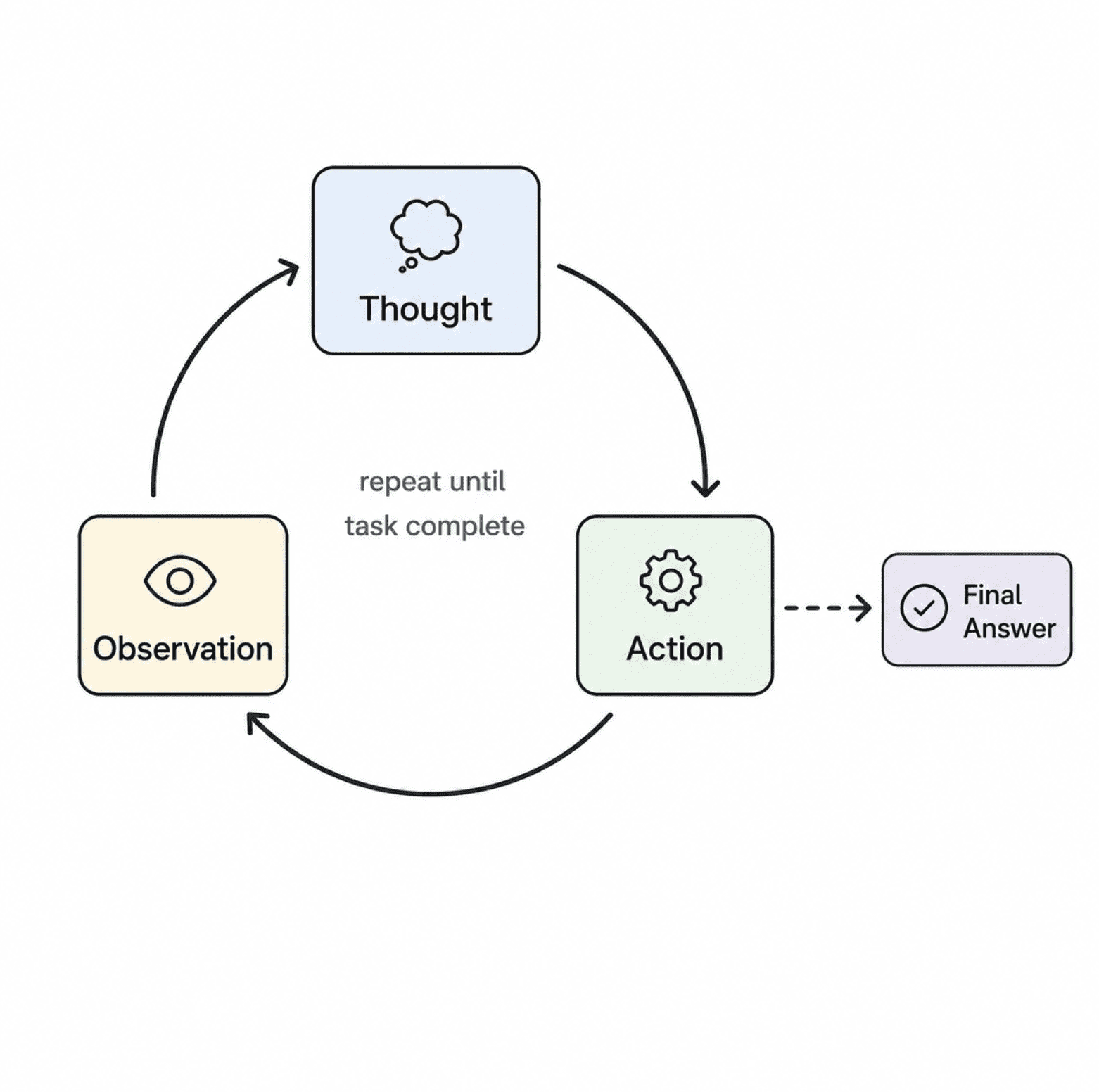
The mechanical distinction between a chatbot and an agent lies in the "loop." An agent must possess the ability to plan a sequence of actions, execute them, observe the outcomes, and adjust its strategy dynamically. This iterative process is largely based on the ReAct (Reasoning and Acting) framework, first proposed by researchers at Google and Princeton in late 2022.
The ReAct pattern involves the model interleaving reasoning steps with action steps. It produces a "thought," executes an "action" (such as a database query), "observes" the result, and then generates a subsequent "thought" based on that observation. This loop continues until the task is completed or an exit condition is met. By 2026, this basic structure has evolved to include advanced self-correction mechanisms and task decomposition.
However, these reasoning loops are often where reliability issues first manifest. If left unmonitored, an agent can enter an infinite loop, rapidly consuming tokens and hitting API rate limits while making no progress toward its goal. Production data suggests that a significant percentage of agent failures are caused by these unchecked cycles. Consequently, engineers must implement "budgets" for reasoning loops, including maximum step counts and cost thresholds, to ensure that the autonomy of the agent does not lead to financial or operational instability.
4. Multi-Agent Orchestration and Interoperability Protocols
As the scope of AI tasks expands, the limitations of a single-agent system become apparent. Attempting to force one agent to manage an entire codebase, a legal brief, and a marketing strategy simultaneously leads to "context dilution," where the model loses track of critical details. The industry solution is hierarchical multi-agent orchestration: a system where an "orchestrator" agent delegates specific sub-tasks to specialized "worker" agents.
The benefits of this approach are quantifiable. For example, Fountain, a global hiring platform, implemented hierarchical orchestration to manage candidate screening. By assigning specific agents to tasks like document verification and initial interviewing, they reduced staffing timelines from weeks to less than 72 hours, representing a 40% improvement in onboarding speed.
To facilitate this, several frameworks have matured. LangGraph offers high-level control and state management for complex workflows, while CrewAI has gained popularity for its role-based approach to agent collaboration. In April 2025, Google introduced the Agent2Agent (A2A) protocol to solve the problem of cross-framework communication. Now an open-source project under the Linux Foundation, A2A allows agents built on different platforms to discover each other and collaborate. While MCP standardizes how agents talk to tools, A2A standardizes how they talk to each other, creating a modular ecosystem where specialized agents can be swapped in and out as needed.
5. Evaluation, Observability, and the Path to ROI
The final and perhaps most critical concept is the implementation of rigorous evaluation and guardrails. The economic disparity in the field is striking: while 88% of projects fail to reach production, the 12% that do succeed report an average Return on Investment (ROI) of 171%. This success is rarely a matter of luck; it is a product of engineering discipline.
Observability in agentic AI requires more than standard logging; it requires "tracing." Engineers must be able to reconstruct the agent’s entire reasoning chain—every thought, every tool call, and every observation. Tools like LangSmith have become the standard for this, allowing developers to debug the "why" behind an agent’s failure. Furthermore, the industry is moving toward "LLM-as-a-judge" evaluation systems. Microsoft’s recent tooling, for example, uses rubric-based evaluators that score agents across weighted dimensions such as accuracy, safety, and efficiency.
Gartner has predicted that over 40% of agentic AI projects will be canceled by the end of 2027 due to escalating costs and inadequate risk controls. To avoid this, organizations are adopting five-point validation checkpoints that cover input sanitization, reasoning alignment, state integrity, tool execution safety, and output verification. These guardrails ensure that the agent operates within defined business logic and ethical boundaries.
Implications and the 2026 Outlook
The integration of these five concepts—standardized tool use, sophisticated memory, structured reasoning, multi-agent orchestration, and rigorous evaluation—is what separates experimental toys from enterprise infrastructure. As we move through 2026, the focus of the engineering community is shifting away from the pursuit of "larger" models toward the creation of more "reliable" systems.
The implications for the workforce and the software industry are profound. We are seeing the rise of the "Agentic Engineer," a role that requires a blend of traditional software architecture skills and new AI-specific competencies. The successful deployment of these systems will likely lead to a massive surge in productivity across sectors like legal, finance, and healthcare, but only if the underlying engineering is sound. For those building in this space, the message is clear: start with a narrow scope, prioritize evaluation from day one, and use standardized protocols like MCP and A2A to ensure your agents are ready for a connected, autonomous future.

