
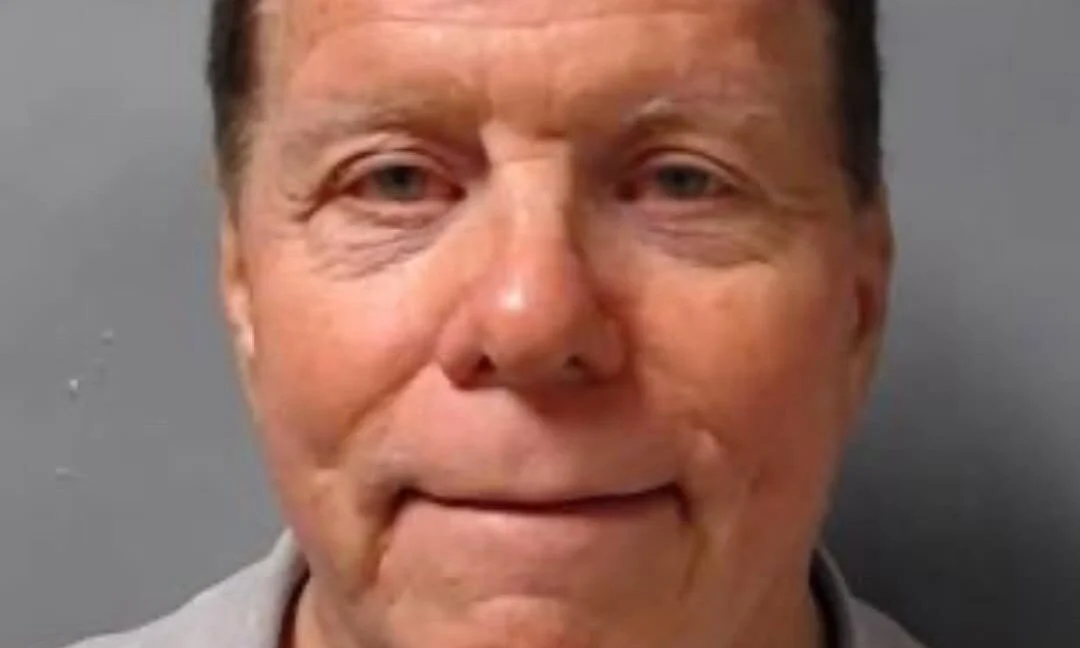
The arrest of a man known to the biotechnology industry as Dr. Richard Graydon has sent shockwaves through the corporate and law enforcement communities, revealing a sophisticated, decades-long deception that allowed a wanted fugitive to ascend to the highest echelons of pharmaceutical leadership. On July 16, 2024, the man law enforcement identifies as a long-term fugitive named Fischer was apprehended by the U.S. Marshals Service and the U.S. Coast Guard while sailing a 56-foot vessel on the East River in New York City. The capture marks the end of a more than 20-year pursuit of a man described by investigators as a "master yachtsman" and "internationally connected" individual who had successfully integrated himself into the multi-billion-dollar biotech sector under a series of meticulously crafted aliases.
The apprehension occurred without incident aboard The Silver Lining, a luxury sailing vessel that served as both a mode of transport and a symbol of the suspect’s high-society persona. While the public identity of the man was that of a distinguished oncologist and drug development veteran, his name had appeared on the rosters of America’s Most Wanted and remained one of Rhode Island’s most enduring cold cases. The contrast between his life as a high-stakes executive and his status as a wanted man highlights significant vulnerabilities in corporate vetting processes and the ease with which a determined individual can exploit the prestige of academic and professional credentials.
A Career Built on Fabricated Excellence
The man known as Richard Graydon did not merely hide in the shadows; he operated in the bright lights of the public markets and scientific innovation. In 2017, he began laying the groundwork for his most recent persona by self-publishing a book titled The Genetic Risks of Cancer: The Effects of DNA, Genomics and Inheritance on Aging and Survival. Though the book failed to garner significant traction or reviews on platforms like Amazon, it served as a crucial piece of "social proof" for his fraudulent resume. In the book’s biography, Graydon presented himself as a seasoned oncologist who had served as a Chief Medical Officer (CMO) within the biotechnology and drug development sectors.
By 2022, this persona had become convincing enough to secure a high-ranking position at Atossa Therapeutics, a Seattle-based clinical-stage biopharmaceutical company focused on oncology. In October 2022, Atossa announced the appointment of Richard Graydon as its interim Chief Medical Officer. At the time, Steven Quay, the CEO of Atossa, publicly praised the hire, citing Graydon’s "deep experience in CAR-T cell therapy" as a perfect fit for the company’s strategic shift toward cell therapy opportunities.
The deception reached its zenith in March 2024, when Immix Biopharma, a company specializing in tissue-specific therapeutics, announced it had hired Graydon as its CMO. The press release issued by Immix was a masterclass in credential inflation. It described Graydon as a board-certified hematologist-oncologist with over two decades of experience. Most notably, the company claimed Graydon had previously held leadership roles at global pharmaceutical giants Merck & Co. and Johnson & Johnson.
According to the Immix announcement, Graydon had led the development and regulatory filing processes for seven of the world’s most successful cancer treatments, including Keytruda, Darzalex, Carvykti, and Imbruvica. These drugs represent the pinnacle of modern oncology; Keytruda alone is one of the highest-selling medicines globally, generating billions in annual revenue. Furthermore, Graydon claimed to hold an MD and a PhD from Stanford University and to have completed his medical training at Harvard’s Massachusetts General Hospital—two of the most prestigious institutions in the world.
The Arrest and the Unmasking
Despite the elaborate professional facade, the U.S. Marshals Service had never stopped looking for the man they knew as Fischer. For over 20 years, he had utilized more than a dozen aliases to evade capture, moving across international borders and utilizing his skills as a yachtsman to remain mobile and difficult to track. His profile in the law enforcement database described him as a "world traveler" who was "internationally connected," suggesting that his ability to secure high-level employment may have been aided by a sophisticated understanding of how to manipulate administrative and regulatory systems.
The breakthrough in the case came in mid-July 2024. Law enforcement tracked the suspect to The Silver Lining as it navigated the waters of New York’s East River. The joint operation between the U.S. Marshals and the Coast Guard was executed with precision to ensure that the suspect, known for his maritime expertise, could not flee. Following his arrest, the biotech companies that had employed him were forced to reckon with the reality that their medical lead was a fugitive with no verifiable medical background.
In the wake of the arrest, investigative journalists and industry analysts attempted to verify the claims made in Graydon’s professional biographies. Inquiries made to Stanford University and Massachusetts General Hospital yielded no records of a "Richard Graydon" receiving the degrees or training specified in his resumes. Similarly, the pharmaceutical companies Merck and Johnson & Johnson have not corroborated his claims of leading their most high-profile drug applications.
Chronology of the Deception
To understand the scale of this impersonation, it is necessary to look at the timeline of the suspect’s known movements and professional milestones:
- Early 2000s: The suspect, identified as Fischer, disappears from Rhode Island, entering a two-decade period of life as a fugitive.
- 2000s–2010s: The suspect adopts at least 12 different aliases, traveling internationally and honing his skills as a yachtsman.
- 2017: The alias "Richard Graydon" surfaces with the publication of The Genetic Risks of Cancer. This marks the transition from simple evasion to active professional impersonation.
- October 2022: Atossa Therapeutics hires Graydon as interim Chief Medical Officer. He is touted as an expert in cell therapy.
- March 2024: Immix Biopharma hires Graydon as CMO, publishing a resume that includes the world’s most successful oncology drugs and Ivy League credentials.
- July 16, 2024: U.S. Marshals and the Coast Guard intercept The Silver Lining on the East River. The suspect is taken into custody.
- July 22, 2024: Immix Biopharma files a report with the Securities and Exchange Commission (SEC) announcing Graydon’s termination.
Corporate and Regulatory Response
The fallout from the arrest was immediate within the corporate sector. Immix Biopharma, which is publicly traded, was required to disclose the termination of its Chief Medical Officer to investors. In its SEC filing, management attempted to downplay the impact of the fraud, stating, "Given his short tenure, management believes there is no material effect on the business." However, the statement did not address the potential reputational damage or the failure of the company’s internal background check protocols.
Atossa Therapeutics, where Graydon served in an interim capacity, has faced similar questions regarding how a man on America’s Most Wanted passed through their vetting process. The biotech industry, which relies heavily on scientific integrity and regulatory compliance, is particularly sensitive to such breaches of trust. The role of a Chief Medical Officer involves overseeing clinical trials, interacting with the Food and Drug Administration (FDA), and making critical decisions regarding patient safety and drug efficacy.
The U.S. Marshals Service issued a brief statement following the arrest, confirming that the suspect was one of Rhode Island’s longest-wanted fugitives. "This arrest is the result of persistent investigative work and the seamless collaboration between federal agencies," the statement noted. While the original charges from 20 years ago remain the primary focus of the legal proceedings, the suspect may now face additional federal charges related to identity theft and corporate fraud.
Broader Implications for the Biotech Industry
The "Richard Graydon" case exposes a significant "blind spot" in the executive recruitment industry. While low-level employees are often subjected to rigorous background checks, C-suite executives are sometimes afforded a level of deference that can lead to lapses in verification. In the biotech sector, where specialized knowledge is paramount, the reliance on "pedigree"—such as claims of Stanford or Harvard degrees—can sometimes supersede the actual verification of those credentials.
Analysts suggest that this incident will likely lead to a tightening of vetting procedures across the industry. Companies may move toward more robust third-party verification services that require primary-source confirmation of every academic degree and past employment claim. Furthermore, the case highlights the risks of the "interim" executive model, where the urgency to fill a role may lead to expedited and less-than-thorough background checks.
The fact that a man with no verifiable medical training was able to hold positions of authority in companies developing cancer treatments raises ethical concerns about the oversight of clinical development. While Immix claimed "no material effect," the presence of a non-physician in a role designed for a board-certified oncologist is a significant deviation from industry standards and safety protocols.
Analysis of a Master Impersonator
Psychological and criminal experts point to the "Richard Graydon" case as a classic example of high-functioning sociopathic evasion. Unlike many fugitives who hide in poverty or isolation, this individual chose to hide in plain sight by assuming a persona of high status. By positioning himself as an expert in a complex, jargon-heavy field like oncology, he was able to use his intelligence to mask his lack of formal training.
His choice of the yachting lifestyle was also strategic. A 56-foot sailing vessel provides a mobile base of operations that can cross maritime borders with less scrutiny than traditional land-based travel. It also provided him with an entry point into wealthy social circles, further insulating him from suspicion. To his neighbors in the marina or his colleagues in the boardroom, he was a successful, educated professional—a "Silver Lining" persona that effectively obscured a two-decade history of flight.
As the legal system begins to process the man known as Fischer, the biotech industry is left to reflect on how a "master yachtsman" managed to navigate the complex waters of pharmaceutical leadership for so long without being detected. The case serves as a stark reminder that in an era of global connectivity, the most effective place to hide may be at the very top of the professional ladder.

