
The intersection of decentralized finance and contemporary art has reached a pivotal juncture with the opening of "Banned from New York," a solo exhibition by the multidisciplinary artist Mike Parisella, known professionally as Slimesunday. Hosted at SuperRare’s Offline Gallery in the heart of New York City’s art district, the exhibition serves as a comprehensive retrospective and a forward-looking manifesto on the state of creative freedom in an era of algorithmic governance. Presented in collaboration with curator Roger Dickerman and the "24 Hours of Art" initiative, the showcase represents Slimesunday’s most ambitious foray into the physical realm, merging high-fidelity digital assets with tactile, mixed-media installations that challenge the prevailing norms of both the traditional art market and the burgeoning NFT ecosystem.
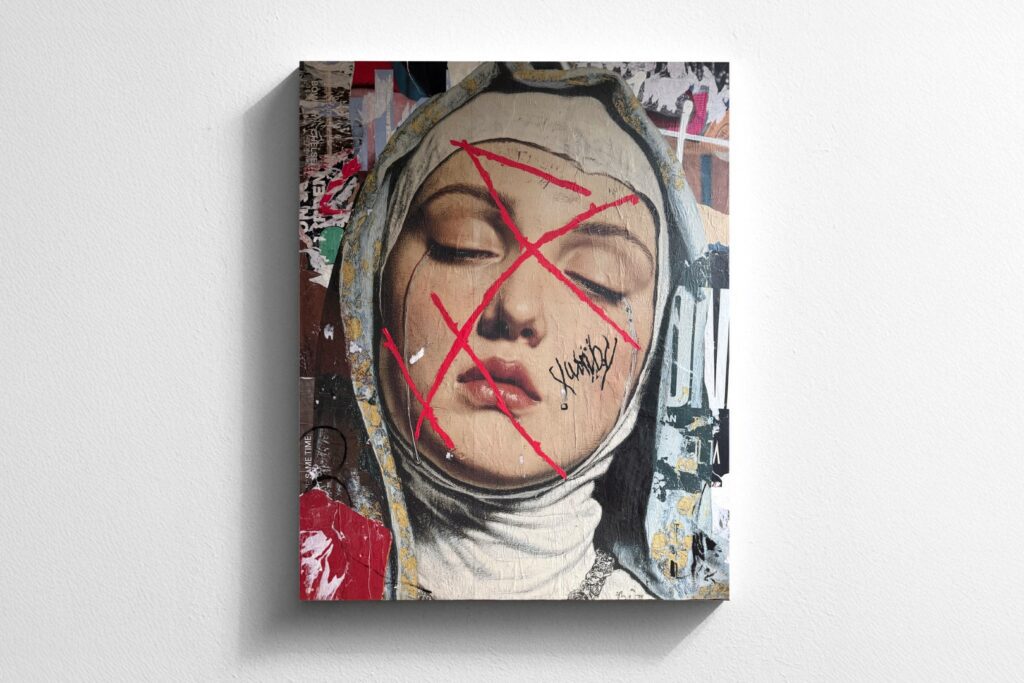
Slimesunday has long occupied a unique position within the digital art hierarchy. While many of his contemporaries focused on the purely aesthetic or speculative aspects of crypto-art, Parisella built his reputation on a foundation of provocative collage and social commentary. Based in Salem, Massachusetts, his work has consistently navigated the "razor’s edge" between mainstream commercial success and platform-wide censorship. His portfolio includes high-profile collaborations with musical icons such as Lana Del Rey, Katy Perry, and Beck, as well as editorial features in Playboy and Penthouse. However, this mainstream visibility has frequently been met with resistance from social media giants; his content has been repeatedly flagged, shadowbanned, or removed, creating a central irony where his work is globally recognized yet systematically suppressed by the very platforms that host it.
The "Banned from New York" exhibition is a direct response to this systemic friction. It is structured not merely as a collection of artworks, but as a cohesive narrative regarding visibility, control, and the "digital church." The exhibition features a diverse array of mediums, including physical sculptures, wheatpaste panels, glitch-based MP4s, and hybrid digital-physical works that utilize blockchain technology to verify provenance and ownership. By bringing these works into a physical gallery setting, Slimesunday and SuperRare are effectively de-platforming the algorithms, forcing a direct, unmediated confrontation between the viewer and the art.
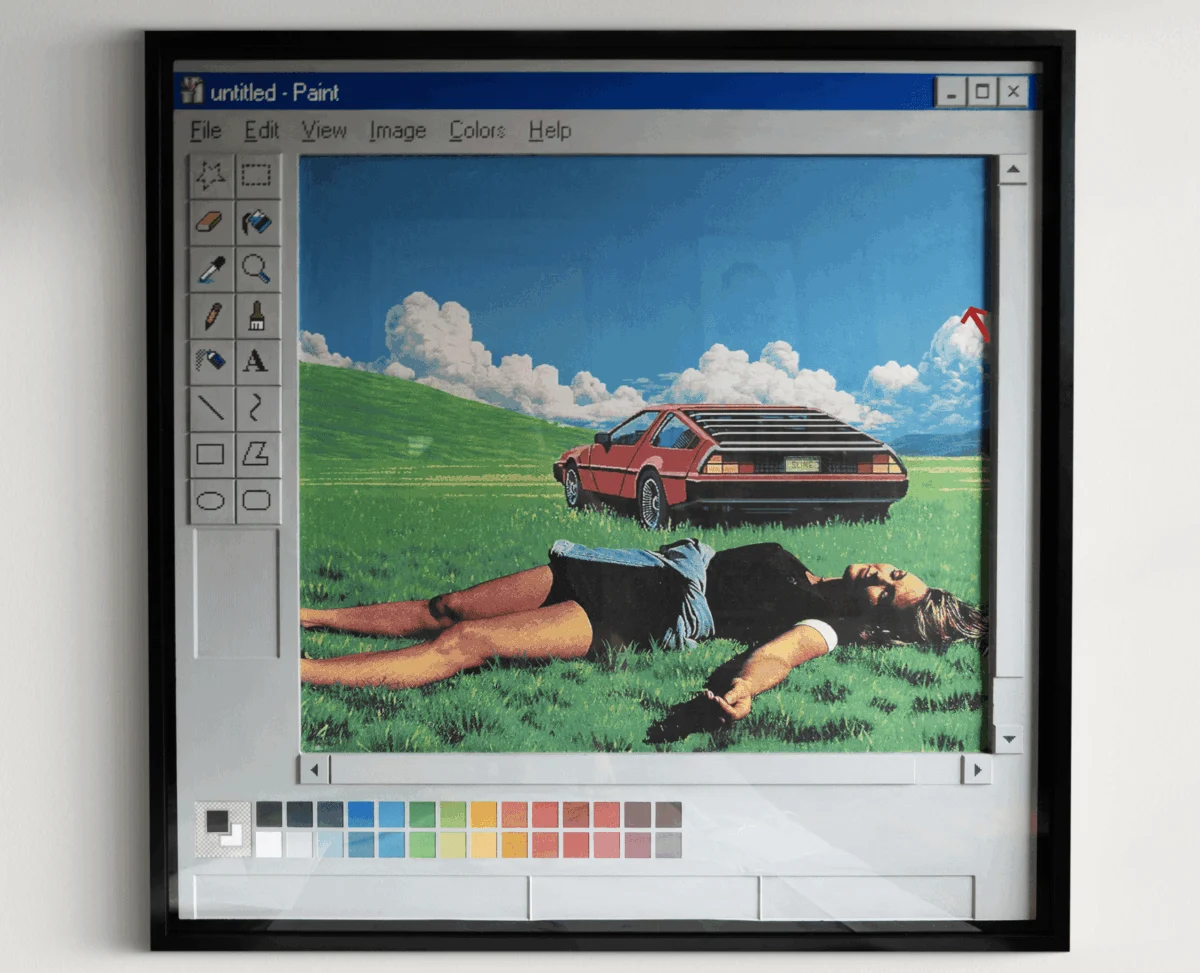
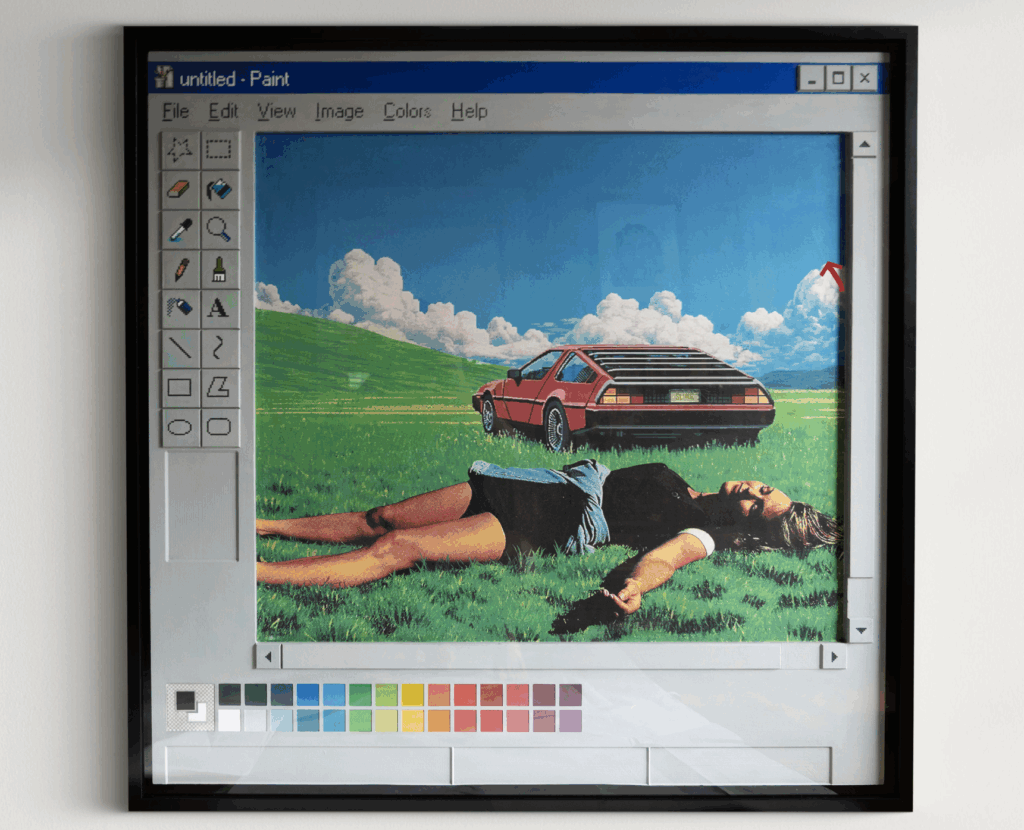
Among the most significant pieces in the collection is "MS Paint" (2024), a physical sculpture valued at $18,000. Carved from High-Density Urethane (HDU) and meticulously hand-painted, the work recreates the user interface of the Windows 98 version of Microsoft Paint. This piece functions as a dual tribute: it honors the primitive digital tools that birthed a generation of internet artists while elevating those tools to the status of fine art objects. By translating a software interface into a heavy, three-dimensional form, Parisella explores the permanence of digital nostalgia.
The exhibition also delves into the socio-political implications of modern legislation and corporate ethics. The piece titled "Weedman," priced at $25,000, serves as a layered critique of the disparate realities of the cannabis industry. Created using a combination of adhesive, cannabis plant matter, and vintage Playboy advertisements, the work highlights the ongoing incarceration of individuals—predominantly from marginalized communities—for cannabis-related offenses, even as the substance becomes a multi-billion dollar legal industry. In a move that underscores the artist’s commitment to his themes, the sale of the piece includes a $10,000 donation to the Last Prisoner Project, a non-profit dedicated to cannabis criminal justice reform. This integration of philanthropy and art demonstrates a shift in the NFT space toward tangible social impact.
Technically, the exhibition showcases Slimesunday’s mastery of the "glitch" aesthetic. Works such as "No Time to Kare" and "Winamp V6.9" (listed at 5 ETH) utilize dithering, pixel-sorting, and low-fidelity animation to evoke the "early web" era of LimeWire and internet forums. These pieces are more than mere aesthetic exercises; they represent a digital archaeology, preserving the visual language of an internet that was once chaotic and unregulated before the advent of centralized social media silos.
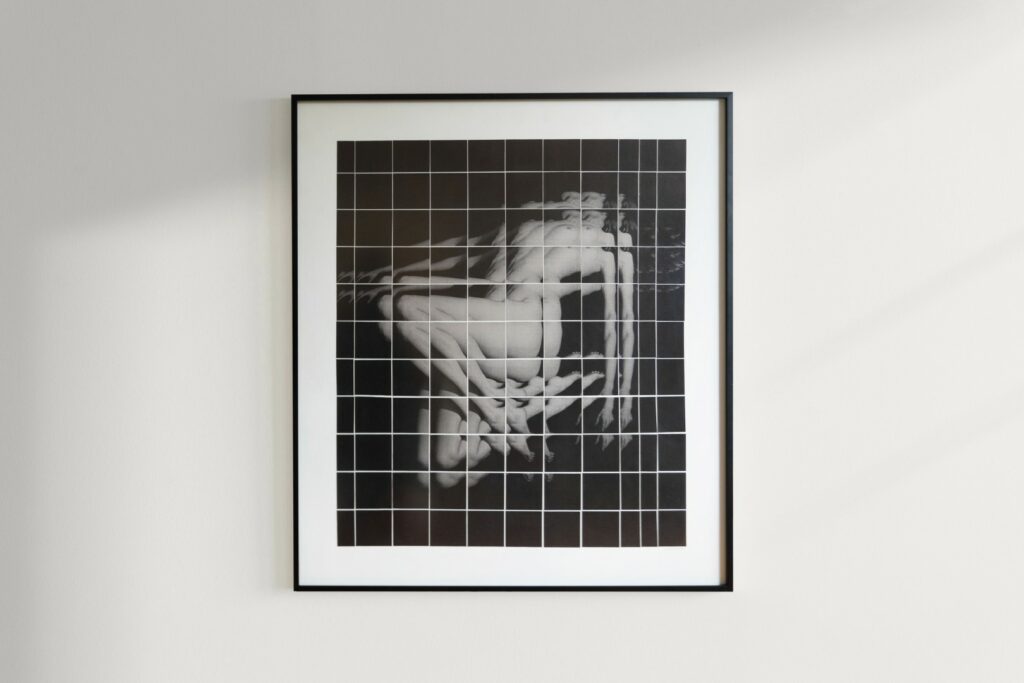
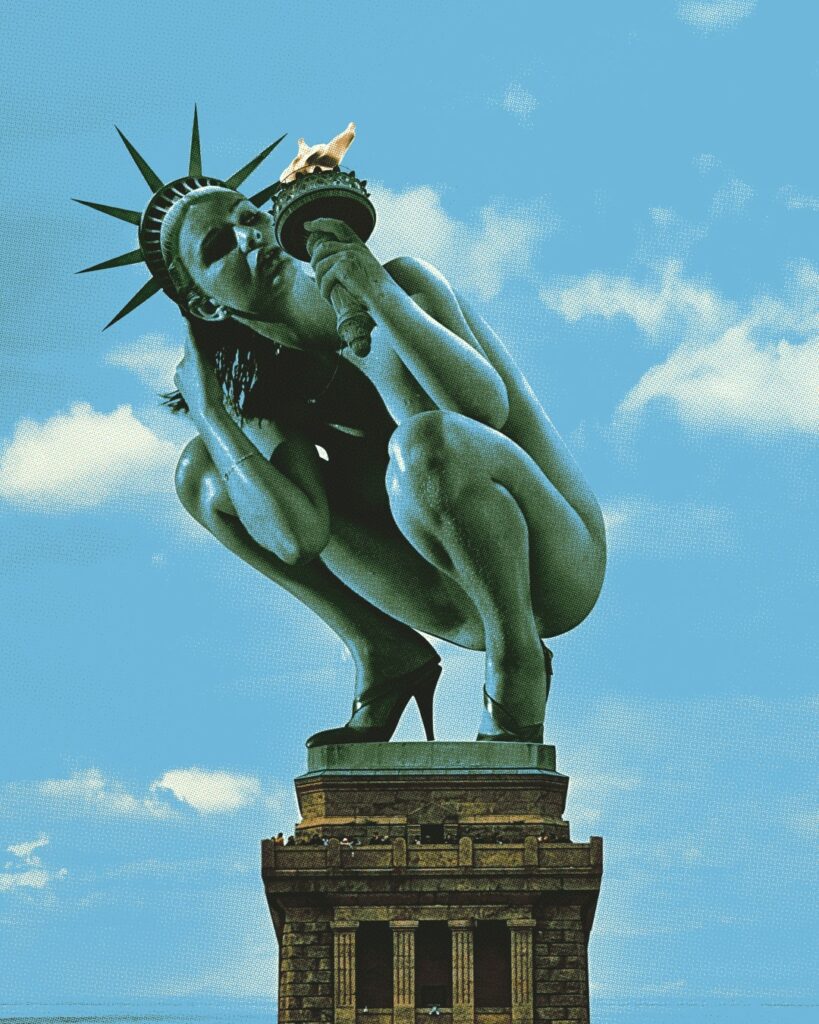
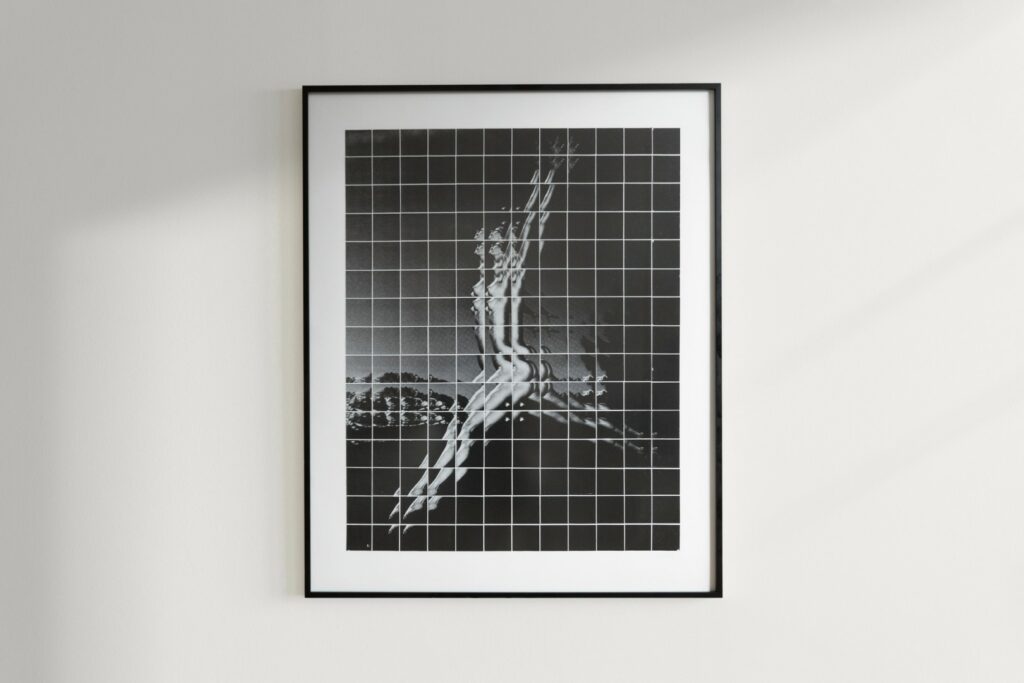
The "Squares Series" (2024–2025) provides another layer of complexity, drawing inspiration from the legendary David Hockney. These works utilize deconstructed prints to blur the lines between nudity and abstract composition. By fragmenting the human form into a series of squares, Slimesunday cleverly bypasses the automated "nudity filters" of modern algorithms, essentially "hacking" the viewer’s perception while remaining compliant with the sterile requirements of platform safety. This commentary on censorship is further echoed in "Lady Liberty," a reimagined icon of freedom that the artist admits "hurts his reach" when posted online due to its provocative nature.
The choice of SuperRare’s Offline Gallery as the venue is a strategic one. As one of the premier curated marketplaces for NFT art, SuperRare has been a leader in the movement to bring digital assets into the "real world." The Offline Gallery serves as a bridge, providing the institutional validation that many traditional collectors require while maintaining the technological edge of the blockchain. The involvement of Roger Dickerman, a prominent figure in the NFT curation space, ensures that the exhibition is positioned within the broader context of art history rather than being dismissed as a transient tech trend.
The chronology of Slimesunday’s career provides essential context for the gravity of this exhibition. After years of building a massive following on Instagram—now exceeding hundreds of thousands of followers—Parisella transitioned into the NFT space in 2020. His collaboration with the electronic musician 3LAU, under the moniker SSX3LAU, resulted in some of the highest-grossing digital art sales of the initial NFT boom, including the "Ultraviolet" collection which generated millions in revenue. However, "Banned from New York" represents a maturation of his brand, moving away from high-volume drops toward high-concept, singular gallery pieces.
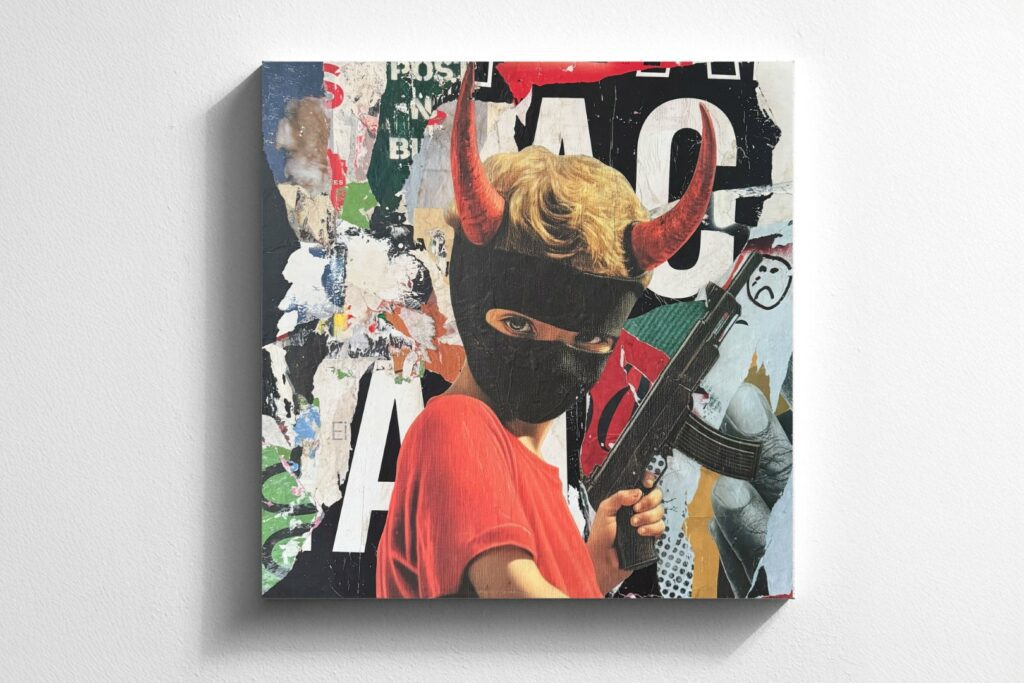
Market analysts note that Slimesunday’s move toward physical-digital hybrids comes at a time when the broader NFT market is seeking stability and "blue-chip" reliability. By producing high-value physical works like "Marked" and "Sunday School Dropout"—the latter of which was famously removed from a previous gallery due to its controversial religious themes—Parisella is diversifying his portfolio and appealing to traditional art collectors who value the physical presence of an object. The price points for the works in this show, ranging from $14,000 to over $25,000, reflect a confidence in the artist’s long-term value.
The broader implications of "Banned from New York" extend to the very definition of artistic "acceptance" in the 21st century. Slimesunday’s assertion that "religion was the original algorithm" and that modern tech platforms are the "new digital church" suggests a profound shift in how culture is curated. In this framework, the "priests" are the developers and policy-makers in "Patagonia vests" who determine what is seen and what is buried. By naming his show "Banned from New York," Slimesunday is not claiming a literal expulsion from the city, but rather a metaphorical one from the digital public square that New York has historically represented.
Official responses to the exhibition have been overwhelmingly positive within the creative community. Fellow artists and collectors have lauded the show as a "brave" and "necessary" confrontation with the sanitized nature of modern digital life. The opening reception on July 31, preceded by a fireside chat between Slimesunday and Roger Dickerman, drew a capacity crowd, signaling a robust appetite for art that refuses to conform to algorithmic standards.
In summary, Slimesunday’s "Banned from New York" is a landmark event that signals the growing sophistication of the digital art movement. It is an exhibition that refuses to be confined to a screen, demanding physical space and intellectual engagement. By blending provocative imagery with deep technical skill and a commitment to social justice, Mike Parisella has solidified his position as a primary voice in the resistance against creative suppression. As the art world continues to grapple with the influence of AI and automated curation, the works presented in this exhibition serve as a vital reminder of the power of human provocation and the enduring necessity of the unfiltered artistic voice. The legacy of this show will likely be measured not just in sales, but in the conversations it has ignited regarding the future of expression in a controlled digital age.

