
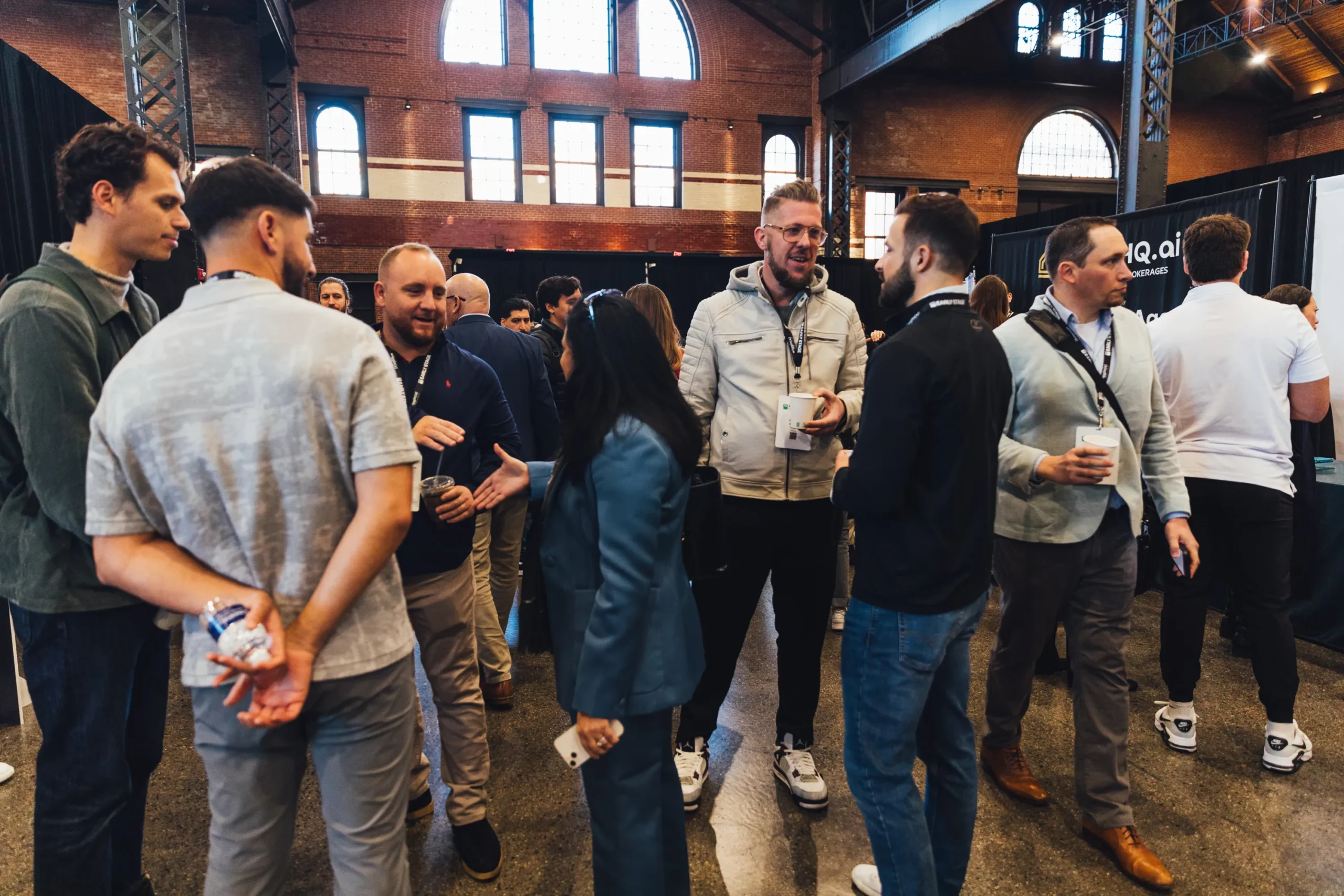
The dynamic landscape of early-stage venture building demands more than just a strong technological thesis; it requires operational agility, strategic distribution, and an active network of forward-thinking peers and investors. On November 4, the tech ecosystem will converge at the historic SoWa Power Station in Boston for the highly anticipated TechCrunch Founder Summit 2026. Designed as a comprehensive, multi-layered bootcamp for entrepreneurs, the one-day event bridges the gap between high-level strategic vision and tactical execution, offering founders a rare opportunity to refine their business models under the guidance of industry veterans, top-tier venture capitalists, and seasoned operators.
As the venture capital environment continues to evolve in response to macroeconomic shifts and technological breakthroughs—most notably in artificial intelligence and enterprise automation—events like the TechCrunch Founder Summit serve as vital barometers for the startup community. Attendees are poised to dissect the changing mechanics of fundraising, product-market fit, and enterprise scaling through a curated schedule featuring dual main stages, interactive roundtables, a live pitch competition, and structured networking.
A Comprehensive Anatomy of the Summit
The structure of the 2026 Founder Summit reflects the multifaceted challenges modern entrepreneurs face. Rather than relying on a traditional single-track conference format, the organizers have divided the day’s core programming into distinct operational phases: the Build Stage, the Impact Stage, specialized roundtables, and live analytical sessions. This multi-tiered approach ensures that whether a founder is wrestling with pre-seed distribution strategies or preparing for a Series A enterprise motion, the curriculum addresses precise operational milestones.
The Build Stage: Mechanics of Early Momentum
Opening the day’s tactical programming, the Build Stage focuses intensely on the foundational mechanics required to transform a promising concept into a viable, growing enterprise. In today’s hyper-competitive market, brilliant code or a novel product feature is rarely sufficient to guarantee customer acquisition.

Addressing this reality, Hunter Worland of NEA is scheduled to lead discussions on how distribution can serve as a startup’s definitive competitive advantage. Worland’s insights will unpack how early-stage teams must engineer their go-to-market motions with the same rigor they apply to product development. Complementing this perspective, Kristen Craft of Fidelity Private Shares will deliver an updated analysis of current fundraising trends. Craft’s session aims to demystify the shifting capital allocation climate, providing founders with actionable intelligence on how venture capitalists are currently evaluating risk, valuation multiples, and milestone achievements.
Further grounding the morning track in daily operational realities, Dave Balter of True Ventures and Edisyl will tackle the art and science of the investor pitch. Balter’s session focuses on a deceptively challenging metric: whether a founder’s initial pitch genuinely earns the right to a follow-up conversation. By breaking down the narrative arcs that resonate with institutional investors, the Build Stage equips founders with immediate takeaways designed to improve storytelling across customer, investor, and recruitment pipelines.
The Impact Stage: Scaling Beyond the Initial Spark
Once a startup achieves initial traction, the strategic imperative shifts dramatically from survival to sustainable scale. The Impact Stage is engineered specifically for founders navigating this high-stakes inflection point, offering a macro-level perspective on product-market fit, enterprise relationships, and long-term organizational leadership.
Steve Fredette, president, co-founder, and director of Toast, brings invaluable local context to the stage. As one of Boston’s most prominent startup success stories, Fredette’s journey offers a blueprint for scaling an enterprise from local disruption to a publicly traded market leader. Following this, Rudina Seseri, founder and managing partner of Glasswing Ventures, will address a perennial tension in entrepreneurship: the delicate balance between aggressive scaling and knowing when to hit the brakes to solidify operational foundations.
The conversation deepens with Kent Bennett of Bessemer Venture Partners, who will reexamine the prerequisites of product-market fit. Bennett’s session encourages founders to critically assess whether their early growth signals genuinely justify pouring capital into expansion, or if premature scaling poses a threat to long-term viability. Rounding out the stage, Chase Garbarino, CEO and co-founder of HqO, will present elements of the Boston Founder Playbook, highlighting the distinct advantages and challenges of building globally ambitious companies outside traditional hubs like Silicon Valley.

Granular Problem-Solving Through Roundtables
While large-stage presentations offer broad strategic alignment, founders frequently encounter unique, highly specific hurdles that require peer-to-peer collaboration and expert moderation. The Founder Summit addresses this through its curated roundtable sessions, designed to foster deep, interactive dialogue.
Chirag Shah of Define Ventures will lead a specialized discussion on the complexities of entering notoriously difficult vertical markets—a challenge that often breaks early-stage companies if mismanaged. In the realm of emerging technology, Shishir Tewari of Procore Technologies will pivot the dialogue surrounding artificial intelligence away from generalized hype toward the rigorous engineering challenge of mitigating hallucinations by embedding robust enterprise context.
Simultaneously, Merve Kitapci of ADIN.AI will dissect the intricacies of enterprise sales cycles, focusing on the strategies required to secure major global accounts prior to a Series A funding round. Exploring frontier concepts, Andy Tang of Draper Associates will moderate a discussion centered on creating markets for entirely novel categories—products for which consumer demand or industry terminology does not yet exist. Additionally, Linden Tibbets of Ifttt will examine how artificial intelligence is fundamentally rewriting historical assumptions regarding lean team sizes, employee productivity, and the output ceiling for small organizations.
Live Pitch Analysis and Real-Time Validation
Theoretical advice regarding fundraising often lacks context until tested against the scrutiny of active investors. To bridge this gap, the summit features the interactive "So You Think You Can Pitch?" session.
During this live segment, courageous founders present their business cases directly to a panel of prominent venture capitalists, including Dave Balter, Chirag Shah, and Simran Suri of Maveron. This exercise transforms standard pitching advice into an observable science. Attendees can witness firsthand which narrative hooks capture institutional attention, where presentations lose momentum, and the precise inquiries investors prioritize during initial evaluations. For any entrepreneur preparing for an upcoming fundraise or strategic pivot, observing these real-time dynamics provides an invaluable masterclass in executive communication.

Intentional Networking and the Braindate Ecosystem
Recognizing that the most transformative conversations frequently occur away from the podium, the TechCrunch Founder Summit integrates the Networking Lounge powered by Braindate. This platform allows attendees to schedule targeted one-on-one meetings or join specialized small-group discussions centered around precise operational challenges.
Whether a participant wishes to debate product-market insights immediately following a main-stage keynote, compare notes with a peer navigating a parallel fundraising cycle, or synthesize lessons from regional playbooks, Braindate converts passive conference attendance into active collaboration. The day’s programming culminates in an exclusive closing reception presented by Fidelity Private Shares, ensuring participants have unstructured time to solidify the relationships forged throughout the event.
Broader Implications and Economic Context
The timing of the TechCrunch Founder Summit 2026 comes at a critical juncture for the broader technology sector. As macroeconomic stabilization meets rapid advancements in applied artificial intelligence and shifting venture deployment strategies, early-stage founders face an increasingly complex operating environment. Investors are no longer rewarding growth at all costs; instead, capital efficiency, clear pathways to profitability, and resilient go-to-market strategies have become non-negotiable prerequisites for funding.
Events like the Founder Summit play a crucial role in disseminating these evolving standards across the startup ecosystem. By democratizing access to institutional knowledge, fostering regional innovation communities outside the San Francisco Bay Area, and facilitating direct interactions between capital allocators and operators, the summit helps stabilize and strengthen the pipeline of next-generation enterprises.
Ticketing and Participation Details
The TechCrunch Founder Summit 2026 takes place on November 4 at the SoWa Power Station in Boston. Comprehensive passes include full access to the Build and Impact stages, roundtable discussions, Braindate networking modules, the Expo Hall, and post-event session archives.

To maximize the collaborative potential of the event, organizers have introduced a promotional initiative allowing attendees to secure a complimentary second pass with the purchase of a standard ticket. This structure encourages co-founders, operational partners, and executive teams to attend together, ensuring organizations can cover maximum ground across the concurrent programming tracks. Tickets and group bundle discounts are currently available via the official TechCrunch events portal.

