
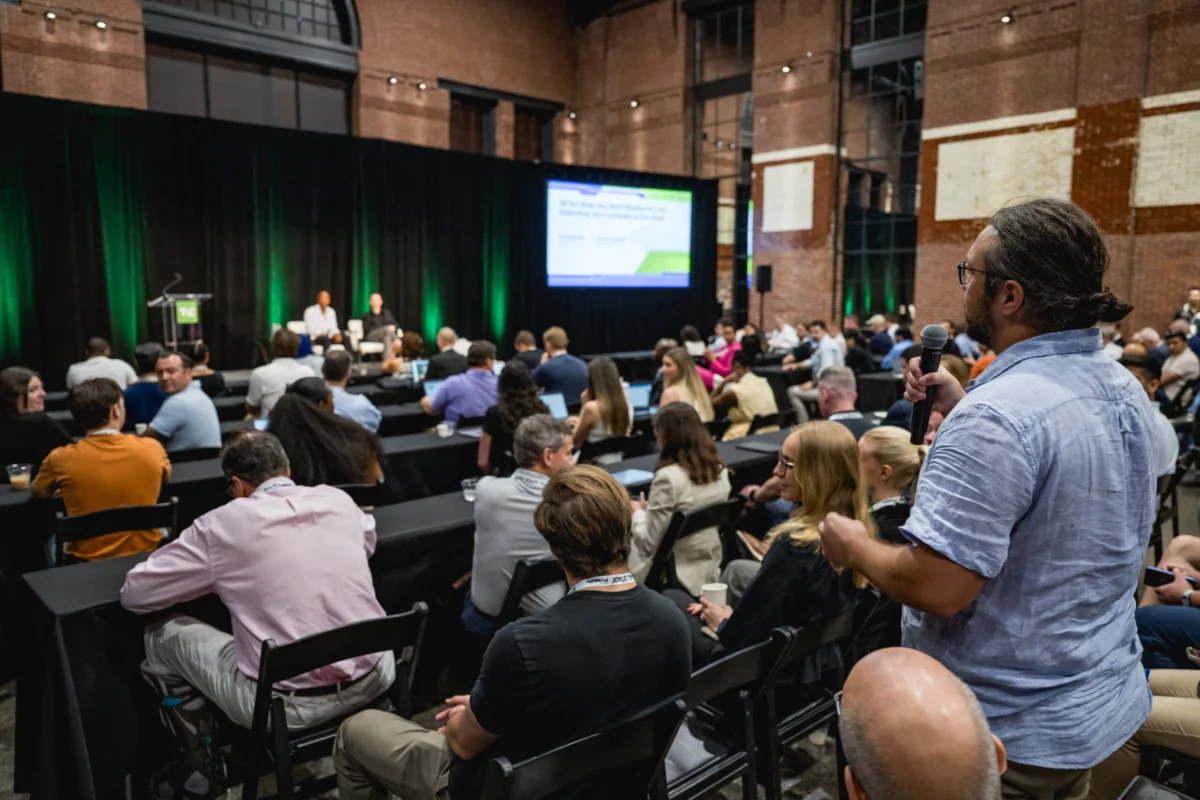
Building a startup is widely recognized as one of the most demanding professional endeavors a person can undertake, rarely achieved in isolation. The most successful founders consistently rely on a robust ecosystem: learning from peers navigating identical obstacles, gleaning strategic insights from veteran operators who have already successfully scaled enterprises, and forging enduring relationships with venture capitalists and angel investors capable of providing critical capital. For entrepreneurs looking to accelerate this growth trajectory, time is running out to secure discounted access to one of the industry’s premier gatherings.
The Early Bird registration window for the TechCrunch Founder Summit 2026 is officially slated to close on June 26 at 11:59 p.m. PT, leaving attendees with just four days to capitalize on savings of up to $190 per pass. Scheduled to take place on November 4 in Boston, Massachusetts, this year’s flagship conference is projected to convene more than 1,000 startup founders, seasoned operators, and prominent investors for an intensive full-day program centered on practical insights, peer-to-peer collaboration, and high-value networking.
Designed from the ground up to address the distinct pain points of company building, the summit serves as TechCrunch’s premier annual event dedicated exclusively to the startup founding community. Whether attendees are in the trenches of pre-seed fundraising, navigating the complexities of scaling recurring revenue, structuring foundational hiring pipelines, or plotting their next major corporate milestone, the conference aims to bridge the gap between ambitious entrepreneurs and the actionable strategies required to propel their businesses forward.
Anatomy of the Startup Ecosystem: The Value of Peer Learning and Operator Insights
The contemporary venture landscape is characterized by shifting macroeconomic conditions, heightened scrutiny on capital efficiency, and rapid technological shifts, particularly within artificial intelligence and enterprise software. In this environment, the traditional playbook for building a venture-backed company has fundamentally evolved. Founders can no longer rely solely on top-line growth metrics; they must demonstrate sustainable unit economics, clear paths to profitability, and resilient operational structures from day one.

Industry analysts note that conferences like the TechCrunch Founder Summit fill a critical vacuum in the early-stage lifecycle. While incubators and accelerators provide foundational structures, peer-to-peer forums offer real-time validation and problem-solving mechanisms that cannot be replicated in a vacuum. By bringing together a diverse cohort of founders who are grappling with similar burn rates, product-market fit hurdles, and management transitions, the event fosters an environment of collective intelligence.
Furthermore, the integration of veteran operators—individuals who have scaled companies from single-digit employee counts to hundreds or thousands of workers—provides attendees with tactical blueprints rather than abstract theories. These operators bridge the chasm between visionary product development and disciplined corporate execution.
Comprehensive Programming Tailored for Every Stage of Growth
The curation of the 2026 agenda focuses heavily on the pivotal decisions that dictate a startup’s long-term trajectory. Through a combination of keynote presentations, intimate breakout sessions, and interactive roundtable discussions, the summit’s programming is systematically segmented to address the multifaceted challenges of company building.
Historically, the event’s curriculum has dissected a comprehensive array of core business functions. Past topics explored by industry experts and participating founders have included navigating initial seed and Series A fundraising rounds in a constrained venture capital market, mastering enterprise sales cycles, developing scalable product-led growth (PLG) motions, structuring equitable equity compensation packages for early employees, building resilient remote and hybrid engineering teams, and preparing for strategic mergers or acquisitions.
These sessions are intentionally designed to move beyond surface-level discourse, offering tangible frameworks that founders can integrate into their daily operations immediately upon returning to their offices. Organizers emphasize that the dialogue remains strictly candid, fostering an atmosphere where speakers and attendees alike openly address the operational missteps, regulatory hurdles, and strategic pivots that characterize entrepreneurial success.

A Legacy of Industry-Leading Speakers and Venture Capital Participation
The credibility of the TechCrunch Founder Summit is largely underscored by the caliber of its past speakers and participating venture capital firms. Over the years, the stage has played host to some of the most influential operators and investors in the technology sector, sharing firsthand accounts of scaling operations, weathering market downturns, and identifying paradigm-shifting innovations.
Previous iterations of the summit have featured prominent leaders such as Jon McNeill, alongside executive voices from an elite cross-section of the venture capital ecosystem. Firms that have consistently engaged with the event include tier-one institutions such as Sequoia Capital, NFX, Underscore VC, Glasswing Ventures, Wing Venture Capital, Construct Capital, Greylock, and Precursor Ventures.
The involvement of these prominent investors highlights the summit’s secondary value proposition: serving as a conduit for capital access. While formal pitch competitions have their place, the organic networking facilitated by a single-day, founder-centric conference often leads to more authentic, long-lasting relationships between emerging entrepreneurs and potential backers.
As preparations for the November 4 event in Boston continue, the 2026 agenda is rapidly taking shape. TechCrunch has announced that additional speakers, panel moderators, and workshop leaders will be revealed in the coming weeks via the official event portal.
In addition to attending scheduled sessions, entrepreneurs eager to take an active role in shaping the day’s discourse have been invited to participate in the event’s "Call for Content." This initiative allows founders and industry experts to submit specific topics for breakout or roundtable discussions. Selected proposals are subjected to community review, with the TechCrunch audience voting directly on which sessions ultimately make the final conference agenda.

Registration Details, Group Discounts, and Economic Implications
With the June 26 Early Bird deadline rapidly approaching, prospective attendees are being urged to lock in their tickets before standard pricing goes into effect. Securing a pass prior to 11:59 p.m. PT on the deadline allows individual registrants to save up to $190.
Recognizing that startups rarely attend conferences in isolation, organizers have also structured tiered group pricing. Teams consisting of four or more individuals—such as a founding team accompanied by key engineering or go-to-market leads—are eligible for discounts of up to 30%. This group incentive is designed to encourage collective learning, ensuring that the strategic insights gathered during the summit can be disseminated and executed across the entire organization.
From a broader economic perspective, gathering over 1,000 founders and investors in a major innovation hub like Boston underscores the resilience and ongoing dynamism of the East Coast technology corridor. While Silicon Valley remains a dominant epicenter for venture capital, regional ecosystems across New England continue to thrive, particularly in sectors such as healthcare technology, robotics, advanced manufacturing, and enterprise software. Events of this scale not only stimulate local hospitality and business economies but also reinforce regional networking loops that keep talent and capital circulating locally.
As the tech sector navigates structural transformations driven by artificial intelligence, automation, and shifting capital availability, the imperative for founders to remain adaptable has never been more pronounced. Events like the TechCrunch Founder Summit 2026 provide a vital forum for navigating these complexities. With only four days remaining to secure Early Bird rates, founders seeking to refine their growth strategies, expand their investor networks, and learn from the industry’s foremost operators have a narrow window of opportunity to commit before costs increase. Registration details, group ticketing options, and ongoing agenda updates can be accessed directly through the official TechCrunch Founder Summit event page.

