
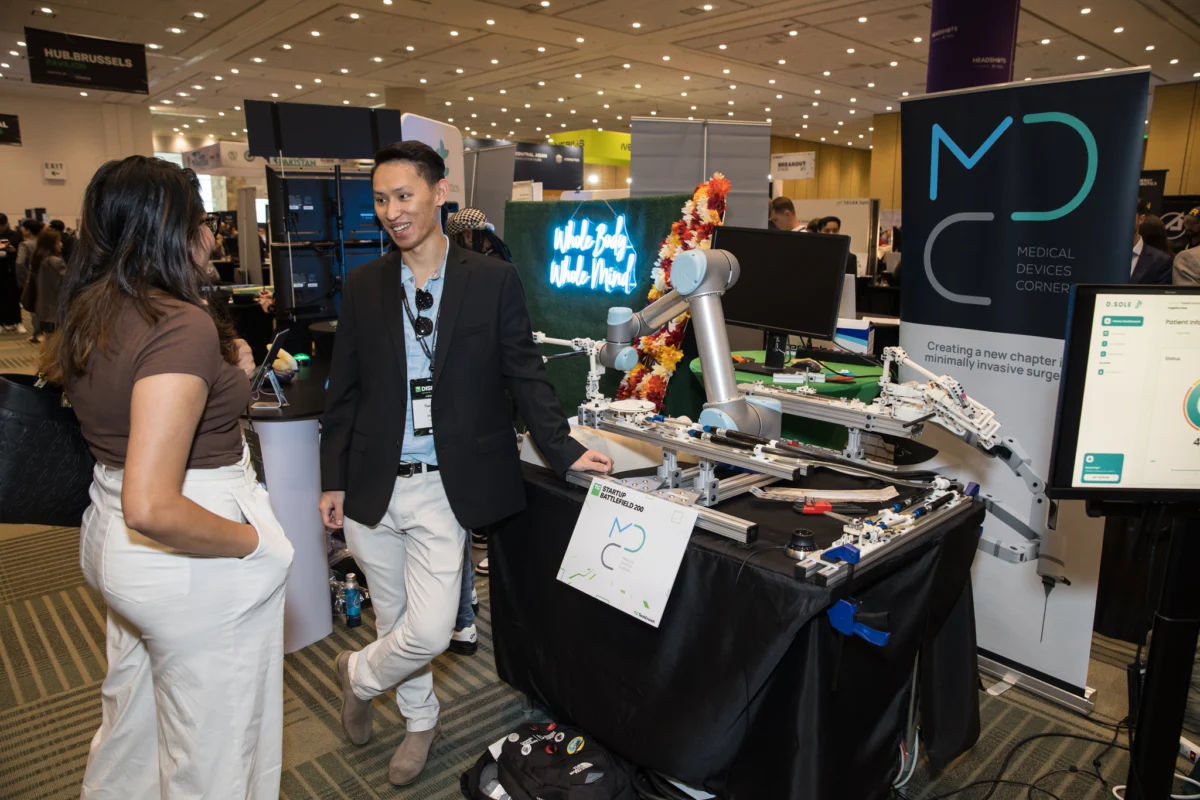
The window of opportunity for early-stage companies to secure a dedicated exhibition space at TechCrunch Disrupt 2026 is rapidly closing, with the final deadline for booking an exhibit table set for Friday, September 18, at 11:59 p.m. PT. As the global technology community prepares to descend upon the Moscone West convention center in San Francisco from October 13 to 15, the pressure is mounting for founders to solidify their presence on the Expo Hall floor. With limited inventory remaining, event organizers have indicated that tables may reach capacity before the official cutoff, effectively ending the chance for late-moving startups to gain a high-visibility footprint at one of the industry’s most consequential gatherings.
The Significance of the Disrupt Expo Floor
TechCrunch Disrupt has long served as a bellwether for the health of the venture ecosystem. Since its inception, the event has functioned as a critical nexus where emerging technologies transition from experimental concepts to market-ready products. The exhibition component is not merely a logistical arrangement but a strategic move for founders; it provides a three-day, high-traffic environment designed to bridge the gap between product development and capital acquisition.
For a startup, an exhibit table—typically measured at 6 feet by 30 inches—acts as a localized command center. Beyond the physical footprint, the exhibitor package is designed to provide comprehensive institutional support, including ten team passes, access to the media-facing press list, and integrated branding across the event’s digital and mobile applications. Furthermore, the inclusion of Silver Tier sponsor branding offers a level of professional credibility that can be instrumental when navigating the high-stakes environment of the Moscone West floor.
Chronology of the 2026 Event Cycle
The lead-up to the 2026 event has been marked by a rigorous, multi-phased approach to curation. The initial call for exhibitors began earlier this year, targeting a diverse cohort of companies ranging from pre-seed ventures to Series A growth-stage entities. Following the September 18 deadline for exhibit tables, the focus of the event will pivot toward the operational execution of the conference.
On September 25, a secondary critical milestone will arrive: the final window for general attendees to secure tickets at a reduced rate. After this date, the pricing structure for standard, founder, and investor passes is expected to increase by as much as $200. This tiered pricing model is a common industry practice, designed to incentivize early commitments while managing the flow of registration data to ensure optimal logistics for the more than 10,000 attendees expected to participate.

Data-Driven Networking and Ecosystem Impact
The scale of TechCrunch Disrupt 2026 is substantial, with organizers anticipating a convergence of over 10,000 founders, venture capitalists, corporate innovators, and policy leaders. The event’s programming is distributed across six industry-specific stages, hosting upwards of 200 sessions. This density of expertise creates a unique environment for what is formally termed "deal flow."
To manage the complexity of these interactions, organizers have increasingly relied on algorithmic intervention. AI-powered matchmaking tools are now a core component of the attendee experience, designed to pair startups with the specific investors and corporate partners that align with their vertical, stage, and geographical focus. The "Deal Flow Cafe" and dedicated Investor-to-Founder networking sessions serve as the physical manifestations of this data-driven strategy, facilitating high-intensity, short-form meetings that are often the catalyst for successful funding rounds.
The presence of the "Startup Battlefield 200"—a curated group of the most promising companies selected from thousands of applicants—further underscores the competitive nature of the event. For those companies not part of the Battlefield cohort, the exhibition tables represent the primary mechanism for gaining exposure to the same audience of elite tech leaders and venture firms.
Economic and Strategic Implications
The decision to participate in an exhibition capacity at a major conference like Disrupt carries significant weight for the growth trajectory of a startup. In the current economic climate, where capital efficiency has replaced the "growth at all costs" mentality of previous years, the ability to demonstrate a product in a high-traffic environment is a valuable asset.
Data from previous years suggests that the primary value proposition for exhibitors is not merely the number of business cards collected, but the quality of the engagement. By placing a product directly in front of the gatekeepers of venture capital, startups can compress months of outbound sales and networking efforts into a 72-hour window. This is particularly relevant for startups operating in sectors currently undergoing rapid transformation, such as artificial intelligence, climate technology, and enterprise software, where the feedback loop between the market and the developer is a key determinant of long-term success.
Furthermore, the integration of press-list access provides an ancillary benefit that is difficult to quantify but essential for brand building. The ability to engage directly with the technology press during a time of peak industry attention can provide the necessary visibility to reach potential customers and talent, in addition to investors.

Official Stance and Attendee Logistics
While the exhibit tables are the focal point for startups, the broader structure of the conference is designed to be inclusive of the wider tech ecosystem. For those who do not secure an exhibit table, the general attendance tier still offers substantial utility. The combination of networking software and physical, industry-centric stages ensures that the exchange of ideas remains the primary output of the event.
Regarding the upcoming deadlines, the official position remains clear: the logistical constraints of the Moscone West venue dictate the cutoff. The September 18 deadline for exhibitors is a firm constraint intended to allow for the administrative processing of floor plans and digital asset integration. The September 25 ticket price increase serves as a final call for the broader professional community to finalize their travel and attendance plans.
The Broader Tech Landscape in San Francisco
The selection of San Francisco as the host city for the 2026 iteration of Disrupt continues a long tradition of centering the event within the primary hub of global venture capital. Despite the shifting dynamics of remote work and the decentralization of some tech sectors, the concentration of institutional capital in the Bay Area remains unparalleled.
The presence of 250+ top-tier tech leaders speaking across the six industry stages suggests a focus on the most pressing challenges facing the industry, ranging from the governance of generative AI to the logistics of global supply chains. For an exhibitor, being present in the room where these discussions take place allows for a level of alignment with current market trends that cannot be replicated through virtual participation alone.
As the industry approaches the October 13 opening date, the atmosphere among potential exhibitors is one of calculated urgency. For the founders who have already booked their space, the focus now shifts to booth design, pitch refinement, and the strategic preparation of their teams. For those still considering their options, the next 24 hours represent a final opportunity to secure a seat at the table.
In summary, TechCrunch Disrupt 2026 remains a cornerstone event for the startup ecosystem. The deadlines of September 18 and September 25 are not merely administrative dates; they are markers in a competitive process that filters for those companies most prepared to engage with the market. Whether through a dedicated exhibition table or general participation, the event offers a comprehensive, albeit demanding, environment for those seeking to accelerate their growth through professional networking, investment, and public exposure. As the clock runs down, the distinction between those who will be on the floor and those who will be observers is being finalized, setting the stage for what is expected to be a pivotal three days for the next generation of tech enterprises.

