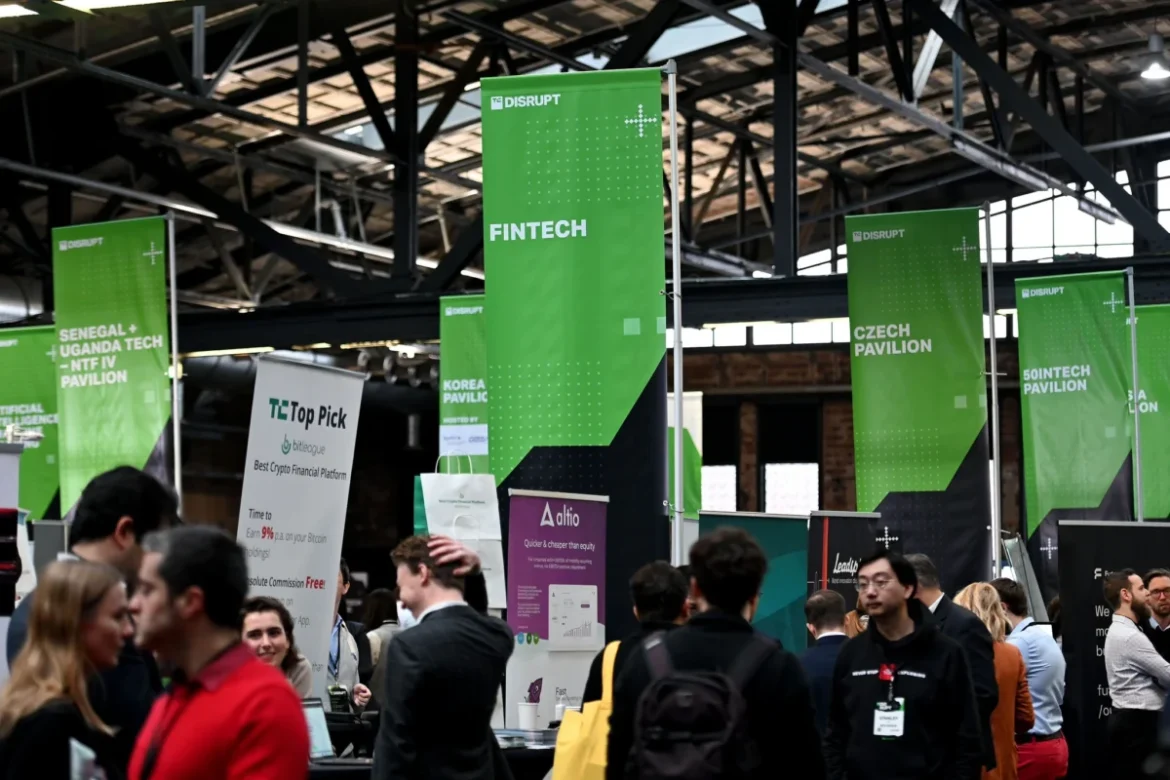
The window for emerging technology companies to secure a dedicated presence at TechCrunch Disrupt 2026 is rapidly closing, with the formal deadline for exhibit bookings set for Friday, October 2, at 11:59 p.m. PT. As the global startup ecosystem prepares to descend upon the Moscone West convention center in San Francisco from October 13 to 15, the final three days of the registration period represent a critical juncture for founders seeking to bridge the gap between early-stage development and institutional scaling. With over 10,000 industry stakeholders—including venture capitalists, enterprise partners, and technical operators—expected to attend, the event serves as a high-velocity crucible for companies aiming to capture market attention in an increasingly crowded tech landscape.
The logistics of this year’s exhibition space reflect a broader trend in how the tech industry approaches face-to-face networking. As the digital transformation of the last decade reaches a point of maturity, physical trade shows have evolved from simple product demonstrations into strategic hubs for high-stakes deal-making. For the roughly 300 startups slated to exhibit, the event is not merely an opportunity for visibility, but a tactical deployment of resources designed to initiate partnerships, secure funding rounds, and pilot products with enterprise-grade clients.
A Brief History of the Disrupt Platform
Since its inception, TechCrunch Disrupt has functioned as a central nervous system for the venture capital and startup community. The event has historically served as a launchpad for companies that have since reached unicorn status, including names like Dropbox, Fitbit, and Cloudflare. The transition of the conference through various formats over the last 15 years reflects the changing priorities of the Silicon Valley economy. While early iterations focused heavily on consumer web applications, the current focus—as evidenced by the 2026 agenda—has shifted toward the integration of generative AI, robotics, sustainable infrastructure, and decentralized finance.
The decision to host the 2026 iteration at the Moscone Center underscores the necessity of San Francisco as a nexus for global capital. Despite the rise of remote work and decentralized hubs in cities like Austin, Miami, and New York, the concentration of institutional investors and specialized technical talent in the San Francisco Bay Area remains the primary catalyst for the industry’s most significant movements.

Strategic Implications of Exhibition Participation
The $12,500 exhibit package, which includes a standardized 6′ x 30" booth space, 10 team passes, and access to proprietary lead-generation tools, is positioned as a comprehensive entry point for growth-stage companies. Beyond the physical footprint, the inclusion of "Silver Tier" branding and access to restricted press lists suggests a calculated effort to provide startups with an asymmetric advantage in media relations.
Analysts note that for a startup, the cost of exhibition is often viewed as a Customer Acquisition Cost (CAC) investment rather than a marketing expense. By positioning a product within the Expo Hall, companies bypass the traditional friction of cold outreach, placing their technology directly in the physical path of decision-makers. The addition of "Deal Flow Café" and specific "Investor-to-Founder" networking sessions further institutionalizes the matchmaking process, reducing the time required for founders to gain face-time with general partners at top-tier venture firms.
Data-Driven Networking
The evolution of the conference, specifically the introduction of AI-powered matchmaking, represents a shift toward algorithmic networking. Attendees now utilize data-processing tools to identify relevant peers and investors based on industry sector, funding stage, and technological focus. This technological overlay is intended to address the "noise" problem common at large-scale tech events, where the volume of participants often leads to a dilution of meaningful connection. By automating the identification of synergies, organizers are attempting to increase the probability of successful outcomes for both the startup exhibitors and the corporate delegates.
The event structure this year covers over 200 sessions across six distinct industry stages. The categorization—AI, fintech, robotics, space, infrastructure, and climate tech—mirrors the current allocation of venture capital. According to recent market reports, while overall venture investment has seen volatility in the current fiscal year, capital directed toward foundational AI and robotics has remained resilient. The presence of these specific tracks suggests that the 2026 event is engineered to facilitate specialized interest rather than generalist discovery.

The Economic Context of 2026
The urgency surrounding the October 2 deadline is indicative of the current market climate, where capital efficiency and rapid validation are prioritized over "growth at all costs." In the current economic cycle, startups are facing higher hurdles for Series A and B funding. Consequently, the ability to demonstrate a clear path to revenue, or at least a high level of user engagement, has become the primary metric for success at events like Disrupt.
Previous participants have frequently cited the "active" nature of the event as its primary value proposition. Unlike academic conferences or industry symposiums, Disrupt is inherently commercial. The feedback loop from potential customers is immediate. For a developer or founder, the ability to observe a user’s reaction to a product in real-time provides insights that are difficult to replicate in an A/B test or a digital focus group.
Looking Toward the Post-Conference Landscape
As the countdown to October 13 begins, the focus for many companies will shift from registration to execution. The logistical requirements—securing hardware, training team members on the "pitch," and coordinating with potential investors for on-site meetings—demand a level of operational maturity.
For those who miss the October 2 deadline, the consequences are largely structural. The loss of a dedicated space in the Expo Hall necessitates a shift in strategy, forcing companies to rely on general attendance, which significantly limits the reach and authority of their presence. Without the institutional infrastructure of an exhibit, a company’s ability to "own" a specific narrative or demonstration is diminished, potentially pushing their growth milestones further into the following fiscal year.

The broader implications of this year’s gathering extend beyond the individual success or failure of participating startups. The collective output of the 300+ companies exhibiting in the hall will serve as a proxy for the health of the broader technology sector. If the exhibition floor is dominated by AI-integrated hardware, for instance, it will signal to the market that the industry is moving past the software-layer hype and into the physical application of these technologies.
Official statements from the organizers emphasize that the 2026 event is designed to be a catalyst for long-term industrial change. By bringing together 250+ top-tier tech leaders, the conference is attempting to bridge the gap between legacy enterprise corporations and the "disruptors" that threaten their market share. The success of this endeavor will be measured by the volume of follow-on funding, mergers, and strategic partnerships announced in the weeks and months following the event.
Final Preparations and Administrative Deadlines
The strict adherence to the October 2, 11:59 p.m. PT deadline is non-negotiable, according to conference organizers. This "hard close" is intended to allow for the finalization of venue maps, branding assets, and the integration of exhibitors into the official event app and matchmaking platform. Companies that fail to meet this threshold will effectively be excluded from the structured networking benefits provided to exhibitors.
For startups that have not yet solidified their presence, the final 72 hours represent an opportunity to re-evaluate their annual marketing and business development strategy. The cost of attendance—when weighed against the potential for a single high-value partnership or a term sheet from a lead investor—is a variable that most high-growth companies must balance against their current cash runway.
As the industry moves toward October, the expectation is that the Moscone Center will serve as the focal point for the final quarter of the year. Whether the 2026 cohort of startups manages to translate their presence into tangible market success remains to be seen, but the infrastructure for those opportunities is, for the next three days, still open to those willing to commit to the stage. With the rapid pace of development in the fields of autonomous systems, climate-resilient infrastructure, and artificial intelligence, the stakes for visibility have arguably never been higher. The upcoming conference in San Francisco is not merely a gathering of companies; it is a declaration of which technologies and teams are prepared to define the economic landscape of the late 2020s.