
The modern smartphone user relies heavily on automated screen captures to navigate daily life, preserving everything from casual dinner reservations and travel itineraries to sensitive passcodes and directions sent by friends. With the rapid evolution of artificial intelligence, operating systems and device manufacturers have integrated powerful AI assistants—such as Meta’s Muse and Apple’s Siri AI—directly into the user interface. These native capabilities allow assistants to analyze whatever is currently displayed on a device screen, offering contextual assistance like automatically parsing calendar events or answering complex multi-app queries. However, this convenience introduces a profound vulnerability for users who prioritize absolute confidentiality, sparking a high-stakes clash between platform-level AI integration and application-level security.
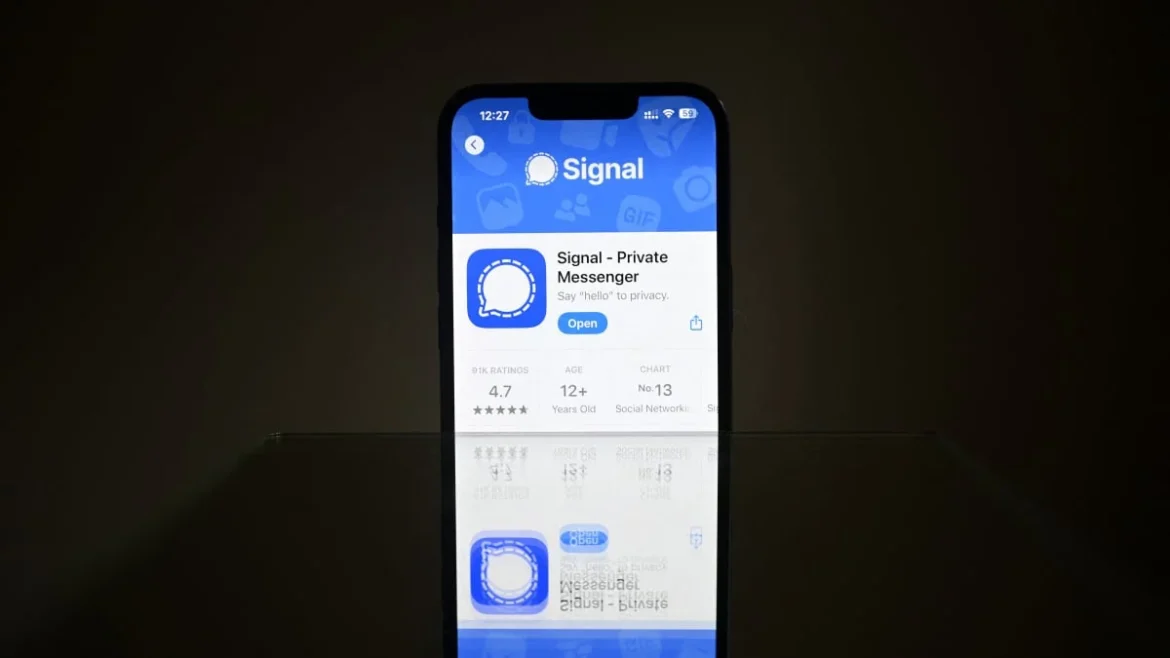
In response to growing apprehension regarding automated data harvesting, the nonprofit messaging platform Signal has announced aggressive new countermeasures designed to shield private communications from the prying eyes of ambient artificial intelligence. Unveiled on Friday, November 20, Signal’s latest security updates implement strict limitations across mobile platforms. Specifically, the application is rolling out automated blocks against unauthorized screenshots on iPhones running iOS 27 and deploying robust screen capture restrictions across supported Android hardware. This proactive stance underscores the fundamental tension between mainstream tech conglomerates pushing pervasive AI ecosystems and specialized services dedicated to zero-knowledge architectures.
The Mechanics of Signal’s New Privacy Defenses
Under the newly deployed configuration, Signal has taken the unprecedented step of enabling protective measures by default to safeguard its user base from passive surveillance. On iPhones operating on iOS 27, the application has introduced a specialized "Block Siri AI" setting that is activated automatically upon installation and updates. Similarly, on compatible Android devices, Signal triggers its native "Screen security" protocol the moment the operating system detects an external assistant attempting to analyze the contents of the active display.
While these safeguards are enabled automatically to protect unsuspecting users, Signal maintains user autonomy by allowing individuals to manually toggle these protections off within the application’s settings menu. Nevertheless, the company explicitly warns that disabling these defenses carries substantial risk, potentially granting an AI assistant with screen-reading privileges complete visibility over both sides of a private exchange.
Meredith Whittaker, President of Signal, emphasized the existential philosophy driving these technical updates in an official company blog post. "Privacy is our mission; it’s why we exist, and we do everything we can to protect it," Whittaker wrote, articulating the core ethos that separates Signal from mainstream social media and messaging ecosystems that monetize user data.
The Vulnerability of End-to-End Encryption
To understand why Signal’s intervention is critical, one must examine how end-to-end encryption functions in practice. End-to-end encryption ensures that messages remain entirely unreadable as they transit across servers from a sender to a recipient. However, once the encrypted data payload arrives at the destination device, the recipient’s hardware must decrypt the ciphertext and translate it back into human-readable words so the user can actually read the communication. These decrypted words inevitably manifest either directly within the application’s chat interface or as push notifications displayed on the device’s home screen or notification shade.
This operational reality creates an inherent loophole. Any AI assistant integrated at the operating system level that possesses permissions to read screen content or notification banners can effortlessly capture these decrypted messages. Once the artificial intelligence ingests the raw text, application developers like Signal lose all authority over how the data is handled. As Signal highlighted in its technical disclosures, the assistant can effortlessly process the sensitive text locally on the device or transmit the raw conversational data to remote cloud servers for further analysis without the user’s explicit secondary consent.
A Real-World Wake-Up Call: The Meta Muse Incident

The theoretical risks of ambient AI scraping transformed into a concrete public relations crisis shortly before Signal’s announcement. Investigative reports published by Reuters revealed that a Meta employee received an automated prompt from the company’s proprietary Muse AI assistant, reminding her to reply to a message sent by her sister. The catch? The original conversation had taken place entirely within Signal, a platform completely detached from Meta’s corporate ecosystem.
Disturbed by the occurrence, the employee published an internal corporate post stating, "This seems like an extreme privacy violation. I definitely did not grant it access to other apps, or recall being asked about this."
In the wake of the disclosure, Reuters collaborated with security researchers from Signal and the AI Now Institute to dissect the technical pathways that allowed such an intrusion to occur. Testing across Android hardware and macOS environments revealed alarming vectors of access. On Android devices, the Meta Muse assistant was able to capture message text directly from system-level notification logs. Meanwhile, on desktop macOS environments, the assistant leveraged broader accessibility frameworks and periodic screenshots to scan active chats.
Crucially, researchers noted that these operations were technically enabled by broad permissions granted by the user during initial operating system setup. In response to inquiries, Meta maintained that its Muse assistant operates strictly within the boundaries of permissions explicitly authorized by the user during configuration, highlighting a systemic gray area where broad initial consents inadvertently grant sweeping surveillance capabilities to modern AI agents.
The Trojan Horse of Accessibility Frameworks
Addressing the root cause of these cross-app leaks, Meredith Whittaker directed sharp criticism toward the foundational architecture of major operating systems, specifically targeting accessibility tools. Originally conceived as vital utilities designed to assist individuals with visual impairments or physical disabilities in navigating complex digital environments, these framework permissions have increasingly been co-opted by software developers.
Whittaker characterized these broad accessibility privileges as digital skeleton keys, granting modern AI agents unfettered access to view, interpret, and act upon data across entirely unrelated applications running on the same device. Because operating systems like Apple’s iOS, Google’s Android, and Microsoft’s Windows often package these permissions into broad, all-or-nothing authorization prompts during system onboarding, average users frequently grant sweeping surveillance rights without realizing the long-term security implications.
In light of this architectural flaw, Signal’s leadership has issued a direct public challenge to the world’s leading tech conglomerates. Whittaker is formally calling upon Apple, Google, and Microsoft to establish greater operational transparency regarding the precise data capabilities of their native AI assistants. Furthermore, Signal demands that these platform giants provide third-party software developers with granular, standardized application programming interfaces (APIs) specifically designed to block unwanted assistant access.
Broader Industry Implications and Future Outlook
Signal’s decisive move marks a significant escalation in the ongoing friction between consumer privacy advocates and the tech industry’s relentless push toward ambient, omnipresent artificial intelligence. As operating system manufacturers increasingly bake AI agents into the core fabric of mobile software—treating the entire screen as a universal canvas for machine learning models—independent applications built on privacy guarantees face an unprecedented defensive challenge.
The action taken by Signal sets a vital precedent for the broader cybersecurity landscape. It forces platform developers to reckon with the unintended consequences of deep system integration and highlights the urgent need for regulatory frameworks that govern how personal data is scraped across application boundaries. For millions of journalists, activists, whistleblowers, and everyday citizens who rely on cryptographic messaging to shield their communications from corporate and governmental surveillance, Signal’s proactive defense provides a temporary yet vital shield against the encroaching tide of automated data harvesting. As the battle lines between total device automation and absolute digital privacy continue to solidify, the choices made by platform gatekeepers and independent developers over the coming months will fundamentally shape the future of personal autonomy in the digital age.
