
The federal government’s food safety infrastructure is currently facing a dual challenge as a significant recall of iceberg lettuce intersects with the emergence of a new, potentially unrelated outbreak of foodborne illness. Taylor Farms, a major supplier of fresh produce, has initiated a voluntary recall of iceberg lettuce sourced from its facilities in Central Mexico following concerns over potential contamination. The recall, which spans 27 states, has drawn criticism from food safety advocates due to what has been described as a vague initial notification process that left consumers and retailers uncertain about the scope of the risk.
According to the U.S. Food and Drug Administration (FDA), the recalled lettuce was distributed to a wide array of commercial and retail entities. While the initial recall notice was sparse on specific retail locations, subsequent reports have confirmed that the affected produce reached Walmart stores, as well as major fast-food chains including Jack in the Box. Furthermore, the lettuce was distributed through large-scale food service providers such as Sysco and US Foods, which supply hospitals, schools, and restaurants across the country. The contamination risk is not limited to whole heads of lettuce; the FDA noted that the product was also utilized in various salad blends, including those mixed with romaine lettuce, significantly complicating the tracking and disposal process for consumers.
The Emerging Mystery: A New Outbreak Investigation
Parallel to the Taylor Farms recall, the FDA identified a new outbreak on Wednesday, the origins of which remain shrouded in uncertainty. At this stage, federal investigators have not definitively linked this new surge in illnesses to the Taylor Farms iceberg lettuce recall, nor have they ruled out a connection. The lack of transparency regarding the geographic location of the cases or the specific food vehicle responsible has raised concerns among public health experts.
A traceback investigation is currently underway, a process that involves meticulously following the supply chain from the point of illness back to the farm or processing facility. However, the FDA has yet to release information concerning the number of individuals affected or the specific pathogen involved in this latest cluster. The agency’s silence has been mirrored by the Centers for Disease Control and Prevention (CDC), with both agencies failing to respond to repeated inquiries from major news outlets, including Ars Technica and the New York Times.
Understanding the Pathogen: The Threat of Cyclospora
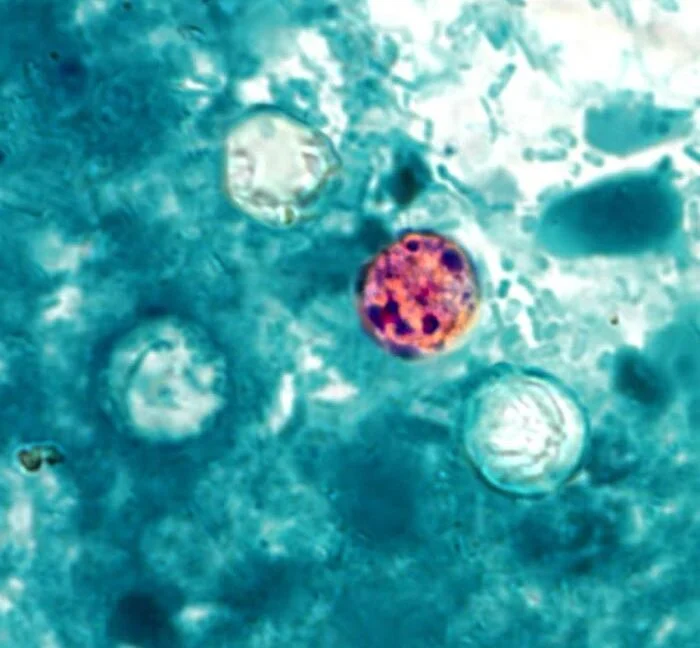
The Taylor Farms recall is specifically tied to Cyclospora cayetanensis, a microscopic parasite that causes an intestinal illness known as cyclosporiasis. Unlike bacterial contaminants like E. coli or Salmonella, Cyclospora is a protozoan typically transmitted when people ingest food or water contaminated with infected feces. In the United States, outbreaks are often linked to imported fresh produce, such as raspberries, basil, snow peas, and leafy greens.
The symptoms of cyclosporiasis can be particularly grueling, often including watery diarrhea, loss of appetite, weight loss, stomach cramps, bloating, increased gas, nausea, and fatigue. If left untreated, the illness can persist for weeks or even months, with symptoms appearing to subside only to return in a relapsing pattern. Because the parasite requires time after being passed in a bowel movement to become infectious for another person, direct person-to-person transmission is unlikely. This makes the contamination of the water supply or soil at the agricultural source the primary focus for investigators.
Chronology of the Recall and Response
The current food safety crisis has developed rapidly over the past several weeks. The timeline highlights the challenges of modern food distribution and the delays inherent in federal reporting:
- Initial Detection: Regulatory agencies in the United States and Mexico identified potential Cyclospora contamination in lots of iceberg lettuce harvested from Central Mexico.
- Recall Issuance: Taylor Farms issued a voluntary recall of iceberg lettuce products. The recall was distributed to 27 states, primarily affecting the Midwest and Eastern United States.
- Retailer Identification: While the initial FDA notice did not list specific stores, independent media investigations and subsequent FDA updates confirmed Walmart as a primary retail partner.
- Food Service Impact: Major distributors Sysco and US Foods notified their clients—including restaurants and institutional kitchens—to cease the use of specific lettuce lots.
- Wednesday Announcement: The FDA officially added a new, unidentified outbreak to its investigation dashboard, sparking questions about a broader systemic failure in the produce supply chain.
Data and Statistical Context of Foodborne Illness
The current situation is part of a broader, more troubling trend in food safety. The FDA is currently managing 10 other open investigations into foodborne outbreaks. These include cases involving Salmonella, E. coli, Clostridium botulinum, and Listeria monocytogenes.
The prevalence of Cyclospora has been particularly high this year. Including the new mystery outbreak, there have been six distinct Cyclospora outbreaks recorded in the current calendar year. This represents a significant burden on public health resources. Historically, the CDC estimates that 48 million people get sick, 128,000 are hospitalized, and 3,000 die from foodborne diseases each year in the United States. The increasing frequency of multi-state outbreaks involving fresh produce suggests that current preventative measures may be insufficient to address the complexities of globalized food sourcing.
Institutional Strain and Regulatory Challenges
The silence from the FDA and CDC regarding the latest outbreak comes at a time when both agencies are reportedly struggling with internal pressures. The Department of Health and Human Services (HHS), which oversees both the FDA and the CDC, has been subject to significant budget and staffing cuts under the current administration.
Public health advocates argue that these cuts have diminished the agencies’ ability to conduct rapid-response investigations and maintain rigorous oversight of the food industry. The Food Safety Modernization Act (FSMA), signed into law in 2011, was intended to shift the focus from responding to contamination to preventing it. However, the implementation of FSMA requires robust funding for inspections and the development of high-tech traceback systems. With reduced staffing, the "traceback investigation" mentioned by the FDA as being "underway" may take longer than usual, potentially leaving contaminated products on shelves for extended periods.
The Difficulty of Traceability in Leafy Greens
One of the primary reasons the Taylor Farms recall list was initially "vague" stems from the inherent difficulty in tracing leafy greens. Unlike a packaged box of cereal with a specific UPC and batch number, lettuce is often harvested from multiple farms, sent to a central processing plant, shredded, washed in communal tanks, and then mixed into various salad blends.
When a contamination event is detected, it is often difficult to pinpoint exactly which head of lettuce went into which bag of salad or which restaurant’s burger garnish. This "commingling" process means that a single contaminated lot from one farm in Mexico can end up in thousands of different products across 27 states. This complexity is why media reports are often the first to identify specific chains like Jack in the Box, as individual corporations often have more direct data on their specific supply shipments than the federal government can aggregate in the early hours of an investigation.
Broader Implications for the Agriculture Industry
The Taylor Farms recall and the simultaneous mystery outbreak have significant economic implications. For Taylor Farms, one of the largest fresh-cut vegetable processors in the world, the recall represents a substantial financial hit and a potential blow to brand reputation. For the broader agriculture industry in Central Mexico, these events can lead to increased scrutiny and potential trade barriers.
Furthermore, these incidents erode consumer confidence. When the FDA cannot provide clear information on where a product was sold or how to avoid it, consumers may choose to avoid certain categories of produce altogether. This "spillover effect" can harm farmers who were not involved in the contamination event, as seen in previous years when entire romaine lettuce harvests were discarded due to localized E. coli outbreaks.
Conclusion and Consumer Recommendations
As the traceback investigation continues, the FDA advises consumers to be vigilant but notes that identifying the recalled lettuce may be difficult given its use in various blends and food service applications. Consumers who have recently purchased iceberg or romaine lettuce blends from Walmart or consumed such products at Jack in the Box in the affected 27 states are encouraged to check for any specific recall notices posted at the point of sale.
The medical community urges anyone experiencing symptoms of cyclosporiasis—particularly persistent, watery diarrhea—to seek medical attention. A specific stool test is required to diagnose the infection, as it is not caught by standard "ova and parasite" exams.
The ongoing situation serves as a stark reminder of the vulnerabilities within the modern food supply chain and the critical importance of well-funded, transparent regulatory oversight. Until the FDA provides more definitive information on the new outbreak and the full extent of the Taylor Farms recall, the public remains in a state of heightened caution regarding one of the most common staples of the American diet.
