
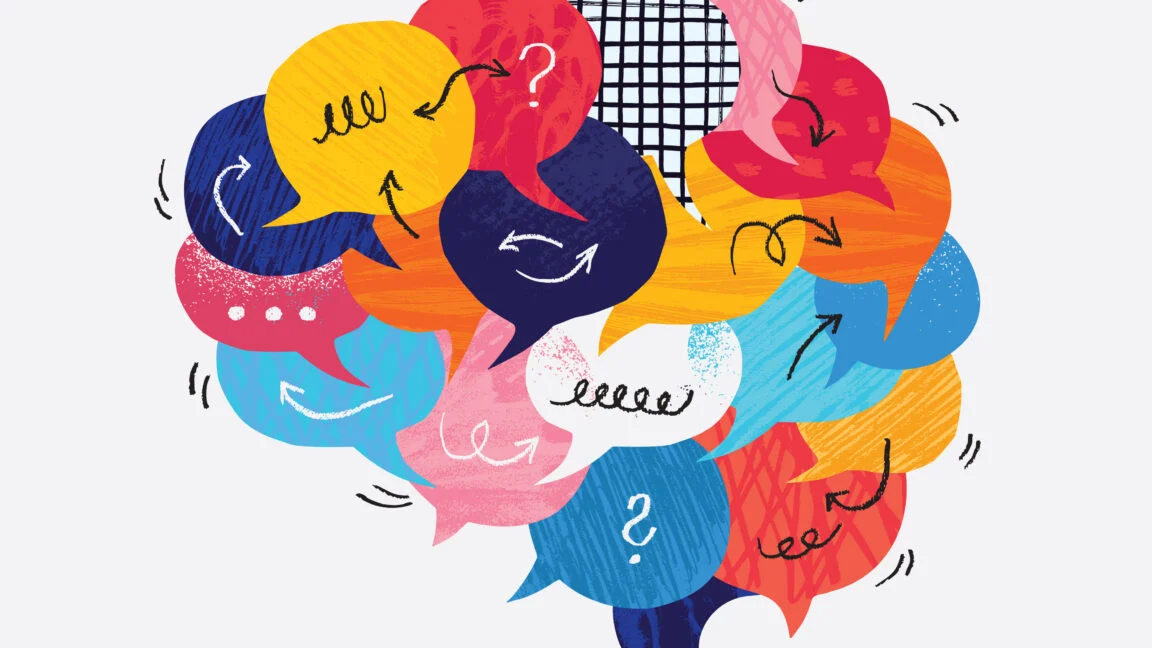
The pervasive myth that language acquisition is a strictly youthful endeavor—a window that slams shut once a person reaches adulthood—has been systematically dismantled by decades of cognitive and linguistic research. While it is true that the mechanisms of learning shift as the brain matures, the fundamental capacity for language acquisition remains a lifelong trait. Far from being a lost cause, adult language learning has emerged as a significant area of interest for gerontologists and neuroscientists, who suggest that the process may serve as a powerful tool for building cognitive resilience in an aging population.
The Developmental Arc of Language Acquisition
To understand how language learning changes over time, one must distinguish between the varying strengths of children and adults. Children, particularly those in the pre-pubescent years, possess a remarkable neurological plasticity that facilitates the acquisition of phonology—the sound systems of a language. This is why children are often able to master native-like accents and intuit complex grammatical structures with less explicit instruction than their adult counterparts.
Conversely, adults approach language with a different set of cognitive advantages. Years of life experience have provided them with a larger vocabulary, a more sophisticated understanding of linguistic concepts, and the ability to employ metacognitive strategies—planning, monitoring, and evaluating their own learning process. While an adult may struggle more with the "musicality" of a new tongue, they often excel at navigating abstract grammatical rules and contextualizing language within broader social frameworks. This shift is not a decline in capability, but a transition in cognitive strategy.
Cognitive Benefits and the Resilience Hypothesis
In recent years, the scientific community has turned its attention to the potential neuroprotective benefits of multilingualism. The evidence, however, is nuanced. While some studies have suggested that bilingualism may delay the onset of symptoms associated with Alzheimer’s disease and other dementias, others have reported mixed findings, suggesting that the relationship is not as straightforward as a simple "cause and effect" mechanism.
The prevailing hypothesis among researchers is that the benefit of language learning may not lie in achieving perfect fluency, but in the sustained cognitive load required to study a new language. Language learning is an inherently demanding task; it requires the brain to store and retrieve new vocabulary, manipulate syntax, and engage in high-level executive functions such as attention switching and inhibition.
Rather than viewing language as a "miracle cure" for aging, experts suggest viewing it through the lens of cognitive resilience. Resilience, in this context, refers to the brain’s ability to maintain function despite the structural changes—such as thinning of the cortex or white matter degradation—that are naturally associated with aging. By engaging in a complex, novel, and long-term challenge like language acquisition, individuals may be "strengthening the scaffold" of their cognitive processes, allowing them to remain mentally agile despite the inevitable biological passage of time.
A Spectrum of Instructional Methods
The search for a "magic formula" regarding how much time one should invest in language learning has proven elusive. Data from various studies demonstrate that the benefits are not strictly tied to the intensity of the classroom experience. Research has tracked participants across a wide spectrum of engagement, from immersive, intensive university-level courses to the incremental, daily habits encouraged by modern mobile applications.
The common denominator among these studies is not the duration or the setting, but the consistency of the engagement. The brain thrives on novelty and sustained effort. Whether an individual dedicates 20 minutes a day to a language app or attends a weekly conversational group, the act of forcing the brain to adapt to new linguistic patterns provides the mental "exercise" necessary for cognitive maintenance. These small, frequent sessions can be just as effective as sporadic, intensive bursts, provided that the learner remains committed over months or years.
Social Connectivity and Cultural Empathy
Beyond the internal cognitive metrics, the social implications of language learning are profound. As people age, the risk of social isolation—a significant factor in declining cognitive health—increases. Learning a language acts as a bridge to new social circles, connecting older adults with diverse groups, both within their local communities and globally.
Interpersonal communication is inherently empathetic. When a person learns a new language, they are not merely memorizing words; they are learning a new way to categorize the world. This process inherently encourages individuals to view life through the perspective of another culture. This shift in perspective can mitigate the narrowness of experience that sometimes accompanies aging, fostering emotional intelligence and a deeper sense of connection to the wider human experience. The byproduct of these interactions—friendships, travel, and cultural exchange—serves as a vital buffer against the loneliness that often compromises the health of the elderly.
Longitudinal Perspectives and Research Implications
The history of linguistic research in aging began with a heavy focus on early-childhood development, but the early 21st century has seen a pivot toward "Lifelong Learning." A timeline of studies, beginning in the late 1990s and continuing through current research in 2024, reveals a trend toward recognizing the "use it or lose it" nature of neuroplasticity.
In the mid-2010s, meta-analyses began to challenge the idea that bilingualism provides a direct "reserve" against pathology. Instead, researchers began to characterize language learning as a "lifestyle factor" that contributes to an overall healthy brain profile. Today, institutions like the University of Colorado Boulder and Griffith University are leading the charge in exploring how these pedagogical strategies can be integrated into public health recommendations.
For policymakers and health professionals, the implications are clear: promoting adult education is not just an investment in human capital or cultural enrichment; it is a public health strategy. If language learning can delay the functional decline associated with aging, even by a few years, the economic and societal impacts could be substantial, reducing the burden on long-term care systems and enhancing the quality of life for millions.
Practical Considerations for the Modern Learner
For those seeking to leverage language learning for brain health, the primary barrier is often psychological: the fear of failure or the belief that they are "too old to learn." To overcome this, experts suggest a shift in focus. The goal should not be native-like proficiency, but rather the enjoyment of the process itself.
- Prioritize Consistency over Intensity: Consistent, daily engagement is more neurologically beneficial than intensive "cramming."
- Embrace the Social Element: Seek out conversation groups or language exchanges. The social interaction component provides an added layer of cognitive stimulation that solo study cannot replicate.
- Choose Relevance: Learning a language that is personally meaningful—perhaps to connect with heritage or for travel—increases motivation and long-term adherence.
- Accept the Plateau: Recognize that progress in language learning is rarely linear. Periods of stagnation are a normal part of the process and do not indicate a failure of the brain to adapt.
Concluding Analysis: The Future of Cognitive Health
The scientific consensus is moving toward a holistic view of the aging brain. We now understand that the brain is not a static object that simply degrades over time, but a dynamic system that responds to the demands placed upon it. By treating language learning as an ongoing, essential form of mental activity, individuals can actively participate in their own cognitive well-being.
While it is important to avoid overstating the evidence—language learning is not a shield against all neurological decline—it remains one of the most effective ways to challenge the mind. The pursuit of a second or third language provides a rare combination of cognitive load, emotional reward, and social connectivity. In an era where aging populations are seeking proactive ways to maintain their independence and mental sharpness, the classroom, the language app, and the conversational cafe represent not just places of study, but foundations for a healthier, more resilient future. The evidence suggests that while the brain may change as we age, the invitation to learn remains open throughout the entire lifespan.
