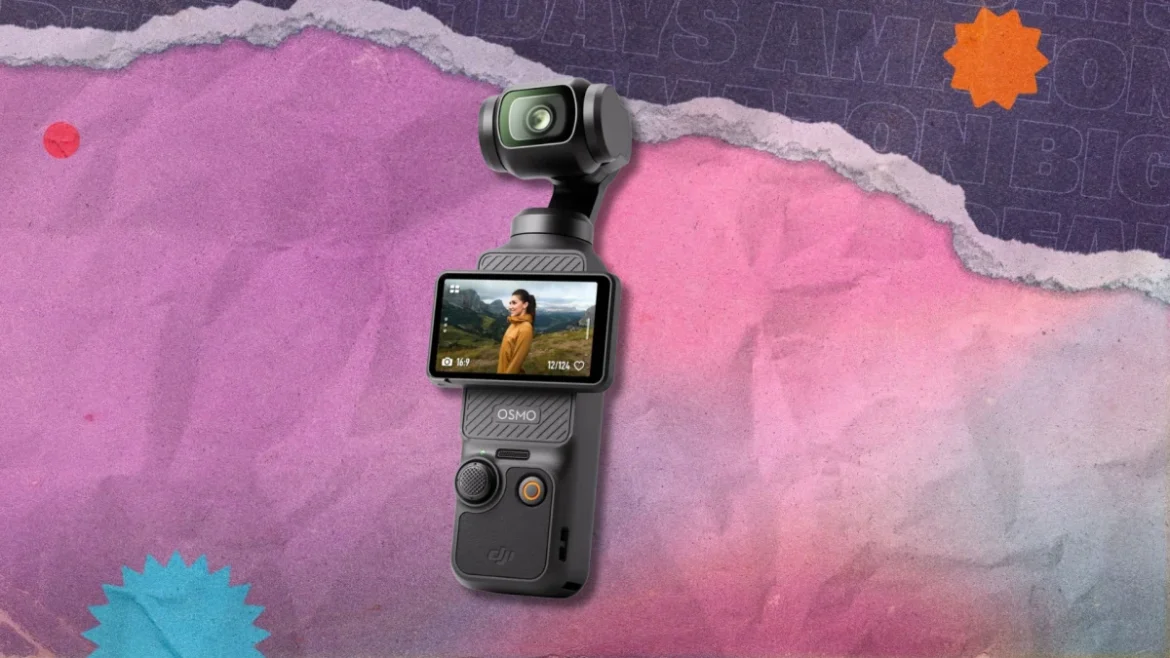
The retail landscape ahead of the upcoming autumn shopping events has begun to yield notable price reductions, highlighted by a significant discount on one of the most sought-after portable content creation tools on the market. As of late September, major online retailers, led by Amazon, have slashed the price of the DJI Osmo Pocket 3 to $439, down from its standard retail price of $499. This 12% markdown represents a $60 savings for consumers looking to upgrade their mobile videography kits without waiting for the official commencement of Amazon’s October Prime Day, which is scheduled to kick off on October 6.
While seasonal shopping events traditionally drive intense consumer activity during a compressed window in mid-autumn, modern e-commerce trends have increasingly shifted toward early-bird promotions. Retailers frequently introduce preliminary discounts days or even weeks prior to major tentpole sales to capture early demand, smooth out logistics, and secure consumer commitments before competitors can counter. For creators, vloggers, and independent journalists, these early-window markdowns provide a strategic opportunity to acquire high-demand hardware away from the frenetic rush and potential stock depletion of the official event days.
Technological Evolution and Core Specifications
The DJI Osmo Pocket 3 occupies a unique niche in the digital imaging ecosystem, bridging the gap between high-end professional cinema cameras and the ubiquitous convenience of smartphone video capture. Released to critical acclaim within the creator community, the device was engineered to address the persistent limitations of mobile journalism and handheld vlogging: stabilization, low-light performance, and quick deployment.
At the core of the Osmo Pocket 3 is a robust 1-inch CMOS sensor, a substantial hardware upgrade from previous iterations that significantly enhances light collection and dynamic range. This larger sensor allows the device to capture pristine 4K video at up to 120 frames per second, catering directly to videographers who require high-frame-rate slow-motion capabilities for dynamic action shots, sweeping landscapes, or moody nocturnal scenes.
Physical versatility remains a hallmark of the hardware. The camera features a rotating 2-inch touchscreen interface, a thoughtful design choice that enables users to effortlessly transition between traditional horizontal (landscape) shooting and vertical framing optimized for platforms like TikTok, YouTube Shorts, and Instagram Reels. Furthermore, the device incorporates advanced 3-axis mechanical stabilization. Unlike digital stabilization, which often results in image cropping and artifacts, mechanical gimbal stabilization physically compensates for hand tremors and movement in real time, yielding cinematic, fluid camera sweeps even while the operator is walking or running.
To maintain frame framing during solo shoots, the Osmo Pocket 3 is equipped with ActiveTrack 6.0 technology. This proprietary tracking software utilizes deep learning algorithms to recognize and lock onto subjects, ensuring that the creator remains centered in the frame without the assistance of a dedicated camera operator. Rapid focusing mechanisms complement the tracking suite, maintaining sharp focus on moving subjects across varying lighting conditions.
Audio Integration and Ecosystem Expansion
Beyond video fidelity, modern content creation heavily relies on clean, broadcast-quality audio. DJI has systematically integrated the Osmo Pocket 3 into its broader ecosystem of wireless audio peripherals. The device features native connectivity to up to two DJI Mic 2 or Mic Mini transmitters simultaneously. This capability allows independent creators, documentary filmmakers, and interviewers to bypass cumbersome external audio recorders, establishing a direct, low-latency wireless audio link that significantly streamlines field production workflows.
The ability to pair directly with professional-grade wireless microphones addresses a historical pain point for mobile creators, who traditionally had to rely on separate audio synchronization during post-production. By unifying high-bitrate visual capture with seamless multi-source audio recording within a pocket-sized form factor, DJI has positioned the Osmo Pocket 3 as an all-in-one production studio suitable for fast-paced journalism, travel blogging, and corporate digital communication.
Market Implications and the October Prime Day Landscape
The decision by retailers to discount the DJI Osmo Pocket 3 by $60 ahead of the official October Prime Day launch reflects broader economic strategies within the consumer technology sector. High-end creator hardware rarely sees aggressive price slashing outside of major shopping holidays like Black Friday, Cyber Monday, and Amazon Prime Day. Consequently, a pre-event discount of this magnitude serves as an indicator of heightened competition among digital marketplace platforms aiming to capture discretionary consumer spending during an economically sensitive period.
Industry analysts note that consumer electronics manufacturers and authorized distributors frequently subsidize these early promotional prices to stimulate unit volume. As smartphone cameras continue to improve, dedicated standalone vlogging cameras must offer undeniable value propositions to justify their purchase price to consumers. By lowering the financial barrier to entry by 12%, retailers can successfully convert fence-sitting buyers who might otherwise have settled for standard smartphone upgrades.
Furthermore, the timing of these deals aligns with the fourth-quarter retail cycle, a critical window during which electronics brands generate a disproportionate percentage of their annual revenue. Early October sales serve as a bellwether for consumer appetite heading into the heavily contested year-end holiday shopping season. If demand for creator-focused tech remains robust despite broader macroeconomic pressures, suppliers can anticipate stable or expanding market share in the burgeoning prosumer video segment.
Broader Context for Content Creators and Independent Media
The democratization of high-end video production equipment has fundamentally altered the media landscape. Tools like the DJI Osmo Pocket 3 enable solo operators, regional news outlets, and independent digital creators to produce broadcast-grade content that rivals traditional studio productions in terms of visual and auditory fidelity.
The accessibility of such technology has profound implications for how news and entertainment are gathered and disseminated. Field reporters can deploy rapidly into remote or volatile environments without the heavy, conspicuous footprint of traditional broadcast cameras. Similarly, educational creators, travel documentarians, and digital entrepreneurs can maintain high production values while operating on lean budgets.
However, the proliferation of advanced mobile imaging tools also introduces new challenges regarding content saturation and quality control. With high-resolution sensors and stabilization accessible to a wider demographic than ever before, the differentiator in digital media increasingly shifts toward storytelling, editorial integrity, and unique perspective rather than technical execution alone. Nevertheless, hardware reliability, ease of use, and efficient workflows remain critical bottlenecks for creators working under tight deadlines.
Purchasing Considerations and Availability
For prospective buyers evaluating the current Amazon promotion, market researchers advise verifying seller authenticity and warranty coverage, as third-party marketplace dynamics can occasionally introduce gray-market goods or unauthorized distribution channels. Purchasing directly from verified storefronts ensures access to standard manufacturer warranties and customer support.
As the October 6 start date for Amazon’s official Prime Day event approaches, consumers tracking high-end electronics will continue to monitor price fluctuations. While it remains uncertain whether the Osmo Pocket 3 will see deeper discounts during the peak of the sale, historical pricing trends suggest that a 12% markdown prior to the event represents a solid, reliable saving for immediate purchasers who require the hardware for upcoming autumn production schedules.
Ultimately, the combination of advanced stabilization, a 1-inch sensor, 4K capabilities, and seamless microphone integration cements the DJI Osmo Pocket 3 as a cornerstone device for modern visual storytelling. Whether utilized by seasoned journalists capturing breaking news on the move or lifestyle vloggers documenting daily narratives, the hardware continues to redefine the boundaries of what is possible within a pocket-sized digital camera footprint.