
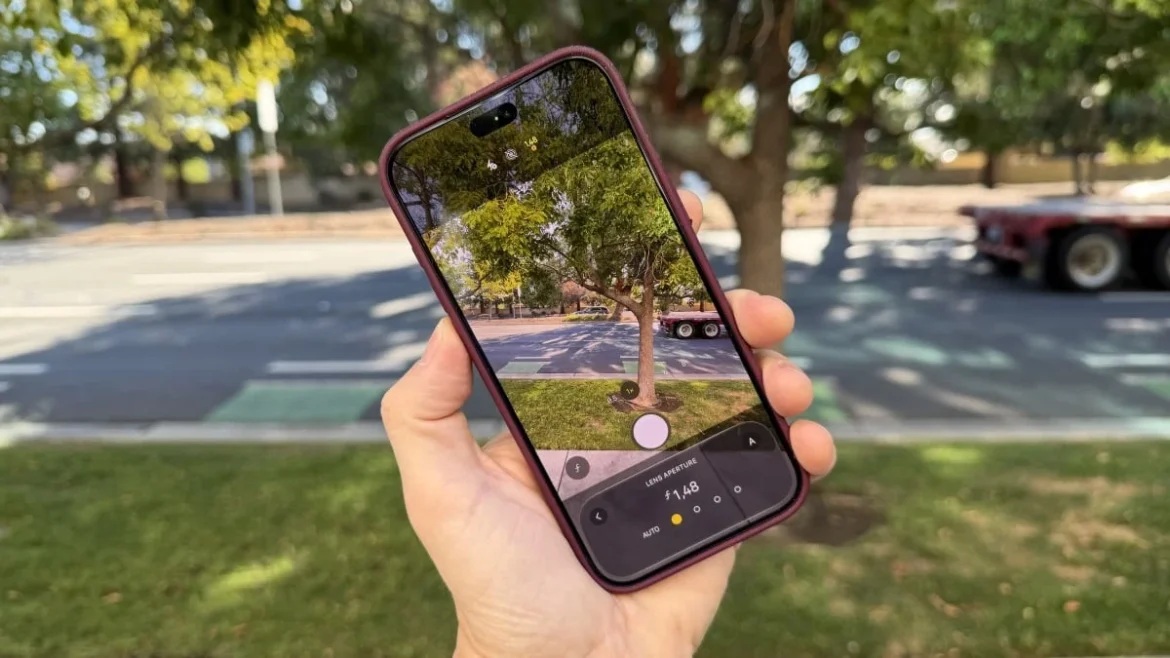
The telecommunications landscape has experienced a notable shift as T-Mobile officially reinstates its aggressive promotional campaigns for Apple’s flagship smartphone lineup. For the past several weeks, prospective upgraders noticed a distinct scarcity of zero-dollar device promotions for the iPhone 17 and early iterations of the iPhone 18 Pro series, as major carriers recalibrated their subsidies following a frantic autumn tech cycle. That dry spell has officially ended. Under a newly launched limited-time promotion, T-Mobile is offering the Apple iPhone 18 Pro completely free of charge, alongside a substantial $1,200 discount on the larger Apple iPhone 18 Pro Max, for customers willing to make the switch and port their existing mobile numbers.
This aggressive push by one of the nation’s leading wireless providers arrives at a fascinating juncture in the consumer technology market. Just last week, Apple dominated industry headlines with the much-anticipated release of its first-ever foldable device, the iPhone Duo. While the revolutionary foldable captured the global spotlight, its debut was accompanied by a considerable amount of discourse, ranging from consumer fascination to initial launch-day technical scrutiny and hardware durability reports. Rather than letting the foldable overshadow the company’s more traditional slab-style flagships, the market is now pivoting back to high-end reliability. T-Mobile’s reintroduced promotions effectively refocus consumer attention onto the proven, robust engineering of the iPhone 18 Pro ecosystem.
Mechanics of the Promotion and Plan Requirements
Securing these flagship devices requires navigating specific carrier criteria designed to secure long-term customer retention. To qualify for a completely free Apple iPhone 18 Pro—or to claim the $1,200 price reduction on the Apple iPhone 18 Pro Max—customers must execute a carrier switch, bringing their current mobile telephone number over from a competing network. Furthermore, participants are required to subscribe to T-Mobile’s premier "Experience Beyond" service tier, which positions itself as a high-capacity, feature-rich rate plan tailored for heavy data users and modern connectivity demands.
The financial architecture of the deal relies on structured carrier billing rather than an immediate point-of-sale discount. The full value of the promotional savings is distributed evenly as monthly bill credits spanning a 36-month payment agreement. This three-year commitment ensures that the carrier offsets the hardware cost over an extended lifecycle.
Consumers must also account for initial out-of-pocket expenses required at checkout. While the monthly hardware installment is neutralized by the credit, buyers are still legally and financially responsible for paying local sales tax on the device’s full, un-discounted retail value upfront. Additionally, T-Mobile assesses a standard device connection fee of $35 per line processed during the transaction.
Industry analysts point out that while these multi-year hardware agreements effectively lock consumers into a single ecosystem for an extended period, the net financial savings for households upgrading multiple lines can be substantial. Breaking the contract prematurely by leaving T-Mobile before the completion of the 36-month term triggers an acceleration clause, rendering the remaining balance of the device immediately due in full.
Background Context: The Evolving Landscape of Carrier Subsidies
The resurgence of high-value smartphone promotions highlights the intensely competitive nature of the United States wireless market. Over the past five years, major carriers have increasingly relied on equipment installment plans tied to multi-year service contracts as their primary mechanism for acquiring high-value postpaid subscribers.
Earlier in the autumn product cycle, carriers exercised caution regarding inventory allocation and promotional depth. The concurrent launches of Apple’s iterative slab phones and the experimental iPhone Duo created an unusually complex inventory management scenario. Supply chain constraints, coupled with higher initial production costs for cutting-edge display and processing technologies, initially forced carriers to keep subsidies tighter than historical norms.
As initial manufacturing yields stabilized and fourth-quarter subscriber acquisition targets came into sharper focus, carriers reassessed their strategies. T-Mobile’s decision to reinstate zero-dollar promotions for the iPhone 18 Pro series signals a return to aggressive market-share acquisition tactics. By targeting switchers—consumers actively willing to abandon rival networks—the carrier aims to capture high-value clientele who typically maintain higher average revenue per user (ARPU) metrics over the lifetime of their accounts.
Consumer Impact and Market Implications
For the average consumer evaluating the smartphone upgrade cycle, the timing of T-Mobile’s renewed promotion offers a strategic window of opportunity. With the iPhone 18 Pro establishing itself as a benchmark for mobile photography, processing power, and battery efficiency, obtaining the hardware without incurring the standard four-figure retail cost significantly lowers the barrier to entry for premium mobile technology.
However, financial advisors and tech consumer advocates consistently urge buyers to look closely at the total cost of ownership. Transitioning to a premium tier like the Experience Beyond plan involves evaluating monthly service costs against existing utility bills. For single-line users or those accustomed to budget-friendly prepaid carriers, the shift to a top-tier postpaid plan must be factored into the overall household budget, ensuring that the monthly service premium does not eclipse the savings realized on the hardware itself.
Ultimately, the return of T-Mobile’s flagship promotion underscores the enduring appeal of traditional high-end smartphones even in the shadow of radical form-factor innovations like foldables. While the industry continues to experiment with dual-screen and folding displays, the core consumer base for reliable, powerful, and durable flagship devices remains massive. For switchers willing to commit to a three-year service agreement, the latest offering provides one of the most cost-effective pathways to owning Apple’s premier mobile hardware.
