
Snapchat has rolled out a suite of generative artificial intelligence features for its premium tier, Lens+, headlined by an innovative tool that allows users to convert standard text messages into original musical compositions. The update, announced on September 21, 2026, also introduces AI-powered photography enhancements, visual remixing options, and dynamic caption styling, signaling the platform’s continued monetization of advanced consumer-facing AI.

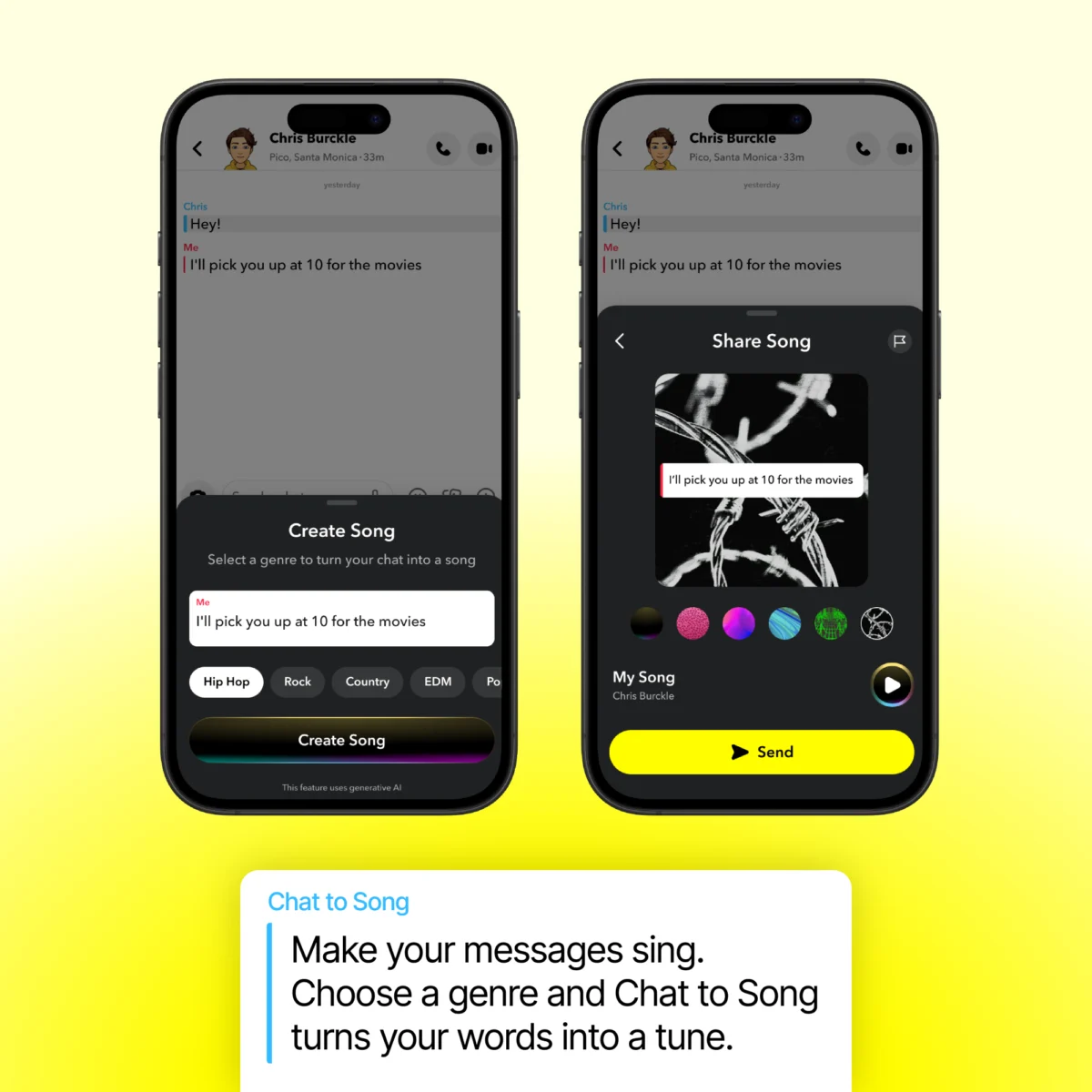
The most notable addition within the new feature rollout is "Create Song." By pressing and holding a message within a chat thread, users can select the "Create Song" prompt and choose from a variety of musical genres, including pop, rock, hip-hop, and country. The system then automatically synthesizes a short, original track featuring the message’s text, which can be previewed and shared directly within the conversation.
Alongside the musical messaging feature, Snap has introduced several complementary visual tools tailored for its subscriber base. "AI Photoshoot" is designed to correct suboptimal snapshots—such as images affected by poor lighting, blinking, or unintended facial expressions—by applying automated retouching and lighting adjustments. Meanwhile, "AI Remix" enables users to reimagine incoming media in a new artistic style as a form of visual reply. Additional upgrades include a generative sticker tool capable of transforming custom or saved stickers into different artistic formats, and text-styling effects that render standard captions in materials like bubble letters, spray paint, foam, or fuzzy textures.

Background and Ecosystem Integration
The rollout of these creative capabilities marks the latest expansion of Lens+, a specialized subscription tier introduced by Snap Inc. last year. Operating as an add-on within the broader Snapchat+ ecosystem—which currently boasts over 25 million paying subscribers worldwide—Lens+ is priced at $7.99 per month. It was originally launched to provide users with exclusive augmented reality lenses, advanced AR effects, and early access to generative capabilities such as the "Imagine Lens" image generator and "AI Clips," which converts single photographs into brief, five-second video loops.
These compute-intensive utilities operate under a monthly generation allowance tied to the subscription fee. By keeping resource-heavy generative features localized primarily within direct messaging and private interactions rather than public surfaces like the Spotlight discovery feed, Snap is carving out a distinct pathway for AI integration that emphasizes personal communication over algorithmic broadcasting.

The introduction of the Lens+ AI toolset follows closely behind another major product launch from the company. On September 10, 2026, Snap debuted "Snapchat Plans," a dedicated event-planning feature that positions the platform in direct competition with specialized coordination tools such as Partiful. Together, these consecutive rollouts demonstrate an aggressive push to diversify platform utility, moving beyond traditional ephemeral messaging into structured social organization and interactive media creation.
Market Implications and Future Outlook
The commercial viability of tools like "Create Song" and "AI Photoshoot" will largely depend on sustained user engagement after the initial novelty fades. As social media platforms navigate the high operational costs associated with generative artificial intelligence, companies are increasingly looking toward subscription-based models to offset infrastructure expenses.

With Snapchat+ crossing the 25-milion-subscriber milestone, analysts note that gating advanced generative features behind the $7.99 Lens+ tier represents a calculated effort to drive average revenue per user (ARPU) upward. Industry observers suggest that if these lighthearted, socially integrated tools successfully incentivize ongoing subscriptions, future updates across the platform will likely mirror this strategy—focusing on incremental, highly shareable utilities designed to integrate seamlessly into existing communication habits among digital natives.

