
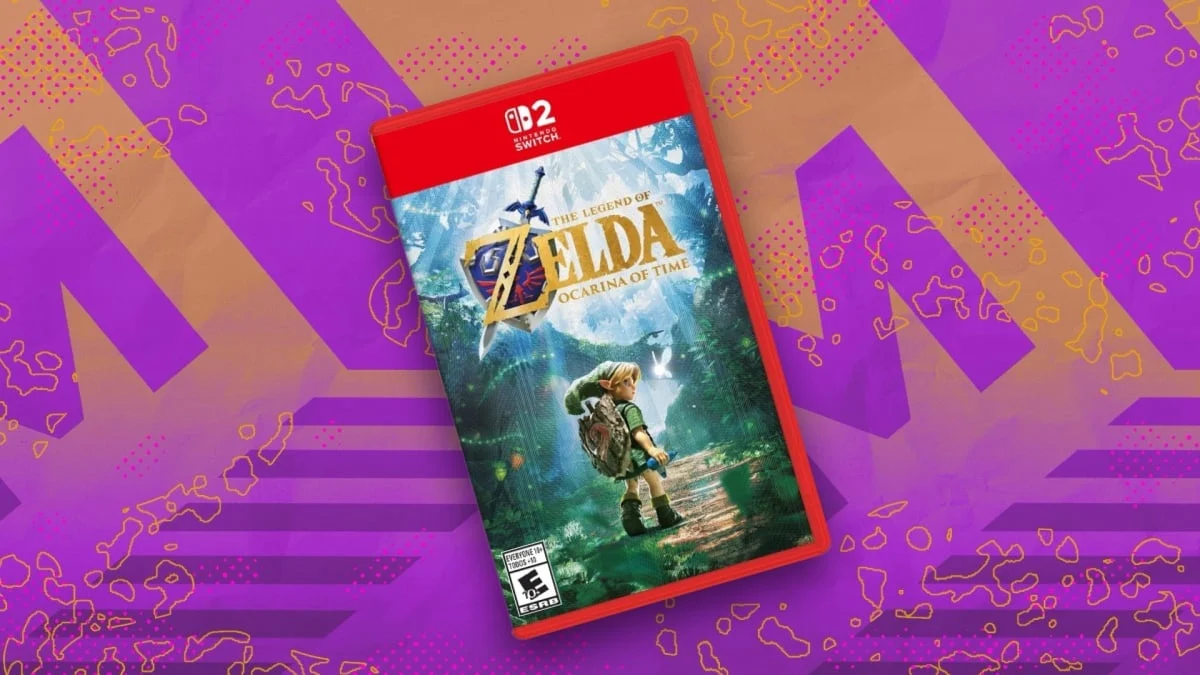
The highly anticipated Nintendo Switch 2 remake of The Legend of Zelda: Ocarina of Time has officially entered the retail landscape, prompting a wave of excitement across the gaming community. With the official release date slated for November 5, major retailers have rolled out early purchasing incentives. Most notably, Amazon has introduced a competitive discount on physical copies of the title, reducing the cost for consumers who prefer tangible media over digital downloads. This early price reduction arrives alongside a flurry of announcements from Nintendo detailing collector-focused physical packaging and a broader slate of hardware releases designed to commemorate the enduring legacy of one of gaming’s most influential franchises.
Physical Preorder Discounts and Retailer Policies
Initial retail listings for the physical edition of The Legend of Zelda: Ocarina of Time on the upcoming Nintendo Switch 2 hardware indicated a standard manufacturer’s suggested retail price (MSRP) of $69.99, aligning with rising industry trends for next-generation software releases. However, Amazon has adjusted its pricing for early adopters, offering the physical cartridge at $59.88, which translates to a savings of $10.11. Digital editions of the game, distributed through the Nintendo eShop, remain listed at the standard digital price point of $59.99.
In addition to the immediate price cut, Amazon has applied its standard pre-order price guarantee to the title. Under this policy, customers who lock in their reservations early are billed the lowest price offered by the retailer between the time the order is placed and the official release date. Should the price drop further prior to shipment, buyers automatically receive the benefit of the lower rate. Conversely, if the price increases, the customer is protected and charged only the lower amount agreed upon at the initial time of purchase. Industry analysts note that such incentives are frequently utilized by major e-commerce platforms to capture market share and secure early sales volume for marquee first-party titles.
Background Context and Franchise Milestones
The announcement of the Ocarina of Time remake coincides with a significant milestone for Nintendo: the 40th anniversary of The Legend of Zelda franchise. Originally launched in 1986 on the Nintendo Entertainment System (NES) by creators Shigeru Miyamoto and Takashi Tezuka, the series has since grown into one of the most critically acclaimed and commercially successful intellectual properties in interactive entertainment history.
Released originally in 1998 for the Nintendo 64, the original iteration of The Legend of Zelda: Ocarina of Time revolutionized three-dimensional game design. It introduced foundational mechanics that became industry standards, including the "Z-targeting" camera lock-on system, context-sensitive button prompts, and a seamless blend of spatial puzzle-solving and real-time combat. The game achieved unprecedented critical acclaim, holding records for years as the highest-rated video game of all time on aggregator platforms such as Metacritic.
The decision by Nintendo to revisit Hyrule in a comprehensive remake specifically tailored for the successor to the Nintendo Switch hardware marks a major strategic effort to bridge classic nostalgia with modern technological capabilities. Recent gameplay footage released by the publisher has highlighted substantial visual overhauls, refined lighting engines, enhanced character models, and quality-of-life adjustments designed to appeal to both veteran fans and a new generation of players.
Collector Editions and Hardware Ecosystem Integration
Beyond software enhancements, Nintendo has structured the launch of the Ocarina of Time remake to serve as a cornerstone for the broader 40th-anniversary celebration. During a recent Nintendo Direct presentation, company executives confirmed that the initial physical print run of the game will feature specialized packaging. This limited collector’s edition will incorporate textured foil cover art, a design choice specifically intended to appeal to physical media collectors and long-term franchise enthusiasts.
The software release is further bolstered by a dedicated hardware rollout scheduled ahead of the game’s debut. On October 29, Nintendo plans to release a suite of themed accessories and hardware variations for the Nintendo Switch 2 ecosystem. This lineup includes a special-edition console featuring iconography from the series, a matching Pro Controller, and a branded carrying case. By synchronizing the hardware release with the software rollout, Nintendo aims to create a unified retail event that maximizes consumer engagement heading into the crucial year-end holiday shopping season.
Chronology of Events and Upcoming Deadlines
The timeline leading up to the November 5 release date is marked by several key dates for consumers and collectors:
- Late September: Initial gameplay footage is publicly showcased, revealing significant technical and artistic changes in the remake, sparking widespread discussion across gaming media and online forums.
- September 29: Major online retailers, including Amazon, open physical and digital preorders, with Amazon introducing an immediate discount on physical copies alongside a pre-order price guarantee.
- October 29: Nintendo releases the 40th-anniversary-themed Nintendo Switch 2 hardware, Pro Controller, and carrying case to the market.
- November 5: The official global release date for The Legend of Zelda: Ocarina of Time remake on the Nintendo Switch 2, encompassing both digital availability on the eShop and physical fulfillment for retail customers.
Broader Industry Implications and Economic Analysis
The pricing strategy surrounding the physical edition of The Legend of Zelda: Ocarina of Time offers insight into current retail dynamics within the video game industry. As the transition toward next-generation hardware accelerates, software pricing has increasingly shifted toward the $70 threshold for major first-party releases. The emergence of early discounts on high-profile physical titles suggests that competitive pressures among online retailers remain fierce, even for premier intellectual properties.
Furthermore, the continued demand for physical editions—demonstrated by consumer interest in the textured foil packaging and cartridge-based media—highlights the enduring market viability of physical game ownership. While digital distribution continues to command a significant share of total software sales, physical media retains a dedicated consumer base, particularly among collectors of historical franchises.
As the November 5 release date approaches, industry observers will closely monitor preorder metrics and supply chain stability for both the software and the associated anniversary hardware. With strong early interest driven by nostalgia, technical enhancements, and competitive retail pricing, The Legend of Zelda: Ocarina of Time is positioned to be one of the defining commercial releases for Nintendo during the current hardware generation cycle.

