• Home
  • About Us
  • Contact Us
  • Cookies Policy
  • Disclaimer
  • DMCA
  • Privacy Policy
  • Terms and Conditions
Dr Crypton
Secure Your Future in Crypto
NFT & Digital Assets

Bounty Temple Launches K-Runes Box on Rarible to Pioneer the Play-to-Earn Evolution Model in Web3 Gaming

by admin July 24, 2026
written by admin

The digital asset landscape is witnessing a strategic pivot in the blockchain gaming sector as Bounty Temple officially launches its K-Runes Box mint on the Rarible marketplace. This release signifies more than a mere collection of non-fungible tokens (NFTs); it represents the operational debut of the Play-to-Earn Evolution (P2EE) model, a framework designed to address the systemic instabilities that led to the decline of the first generation of GameFi projects. By integrating sophisticated economic dampeners and player-centric accessibility features, Bounty Temple aims to transition the industry from a speculative "gold rush" mentality to a sustainable, entertainment-first ecosystem. The K-Runes, minted on the Polygon network, serve as the primary entry point for players into this new environment, offering unique traits and utility that are central to the game’s long-term progression mechanics.

The Context of the GameFi Transition

To understand the significance of Bounty Temple’s approach, it is necessary to examine the historical trajectory of the Web3 gaming sector. Between 2020 and 2022, the "Play-to-Earn" (P2E) model experienced a meteoric rise, characterized by projects like Axie Infinity. These early iterations proved that blockchain technology could facilitate true ownership of in-game assets and provide income opportunities for players. However, the model relied heavily on a continuous influx of new capital to sustain reward payouts. When player growth plateaued, the hyper-inflationary nature of the native tokens led to a rapid devaluation of assets, causing massive player drop-offs and a loss of confidence in the sector.

The industry has since entered a period of "GameFi 2.0" or "Play-and-Earn," where the focus has shifted toward high-quality gameplay and sustainable tokenomics. Bounty Temple’s P2EE model is the latest iteration of this evolution. It acknowledges that for a game to survive, its economy must be able to withstand market volatility and avoid the "death spiral" common in previous models. The launch of the K-Runes Box on Rarible is the first practical application of these theoretical safeguards, providing a case study for whether algorithmic economic management can foster a stable gaming environment.

Bounty Temple's K-Runes Box Live on Rarible.com

Technical Specifications of the K-Runes Mint

The K-Runes Box is currently live as a "blind mint" on Rarible.com, utilizing the Polygon blockchain to ensure low transaction costs and high-speed execution. A blind mint implies that the specific attributes and rarity of the NFT are not revealed until after the purchase is finalized, a mechanic designed to ensure a fair distribution of assets across the community.

Each K-Rune functions as a digital collectible with functional utility within the Bounty Temple world. These assets unlock specific character features and gameplay pathways, acting as a "key" to the broader ecosystem. By launching on Rarible, one of the industry’s most established NFT marketplaces, Bounty Temple leverages a platform known for its commitment to creator royalties and decentralized infrastructure. This partnership ensures that the secondary market for K-Runes remains transparent and accessible to a global audience.

Architectural Innovations: The P2EE Framework

At the core of Bounty Temple’s value proposition are two distinct mechanisms designed to solve the longevity issues of Web3 gaming: the Weather System and the Barrier Effect.

The Weather System: Algorithmic Economic Stability

The most significant challenge for blockchain games is the management of token supply. In traditional P2E games, rewards were often static, leading to oversupply during periods of high activity. Bounty Temple’s "Weather System" functions as an automated central bank for the game’s economy. It monitors the total circulation of assets and tokens, dynamically adjusting the difficulty of rewards and the rate of production based on real-time data.

Bounty Temple's K-Runes Box Live on Rarible.com

If the ecosystem detects an inflationary surge, the "weather" shifts to a more challenging state, slowing down the creation of new assets to preserve the value of existing ones. Conversely, during periods of low activity or deflation, the system can provide incentives to stimulate the economy. This algorithmic approach removes the need for manual developer intervention and provides a predictable, data-driven environment for players and investors alike.

The Barrier Effect: Protecting the New Entrant

Another systemic flaw in early GameFi was the "first-mover advantage," where early adopters accumulated so much power and wealth that new players found it impossible to compete or earn rewards. Bounty Temple addresses this through the "Barrier Effect," which implements a 75-day grace period for new participants.

During this window, new players are shielded from the competitive pressures of veteran users, allowing them to explore the game mechanics, upgrade their K-Runes, and establish a foothold in the economy without being outpaced by "whales" or early-stage speculators. This mechanism is intended to create a "fair launch" experience that remains accessible months or even years after the initial minting event, solving the onboarding friction that has plagued the industry.

Gameplay Mechanics and User Experience

While the economic backend is complex, the user-facing gameplay is designed for accessibility and efficiency. Bounty Temple focuses on a "micro-gaming" philosophy, where sessions are designed to last approximately 15 minutes. This strategy targets the mainstream mobile gaming demographic, which often seeks engaging experiences that can be integrated into daily routines rather than requiring hours of dedicated "grinding."

Bounty Temple's K-Runes Box Live on Rarible.com

The gameplay involves dungeon exploration, strategic decision-making, and character progression. By utilizing the K-Runes obtained during the Rarible mint, players can engage in crafting and forging systems. These systems are designed to be "sink" mechanisms, where players spend tokens and assets to upgrade their characters, thereby removing excess supply from the market and increasing the utility of the underlying NFTs.

Chronology of Development and Market Entry

The launch of the K-Runes Box follows a multi-year development cycle. The project emerged from the post-2022 market correction, with the founding team specifically analyzing the failures of the 2021 bull market.

  • Phase 1 (Conceptualization): Development of the P2EE whitepaper and the mathematical modeling of the Weather System.
  • Phase 2 (Technical Build): Integration with the Polygon network and the development of the smart contracts governing the Barrier Effect.
  • Phase 3 (Community Building): The project established a presence on social platforms, focusing on "education-first" marketing to explain the P2EE model to a skeptical post-P2E audience.
  • Phase 4 (Current): The live minting of K-Runes on Rarible. This phase marks the transition from a closed beta environment to a public-facing economy.
  • Future Outlook: Following the completion of the K-Rune mint, the roadmap includes periodic "content drops," including mini-games and community-driven events, intended to maintain engagement without relying on artificial FOMO (fear of missing out).

Industry Implications and Analysis

The success or failure of Bounty Temple will likely serve as a bellwether for the future of the GameFi sector. Industry analysts suggest that the move toward "Evolutionary" models is a necessary step for blockchain technology to gain mainstream gaming acceptance.

If the Weather System successfully stabilizes the in-game economy, it could provide a blueprint for other developers looking to integrate DeFi (Decentralized Finance) elements into gaming without risking a total economic collapse. Furthermore, the partnership with Rarible highlights a trend toward cross-platform collaboration, where game developers focus on the experience while leveraging specialized marketplaces for liquidity and asset distribution.

Bounty Temple's K-Runes Box Live on Rarible.com

From a broader perspective, the use of the Polygon network for this launch underscores the ongoing dominance of Layer-2 solutions in the gaming space. The requirement for low latency and near-zero gas fees makes Ethereum mainnet impractical for high-frequency gaming interactions. By choosing Polygon, Bounty Temple ensures that the "cost to play" remains low, aligning with its goal of global accessibility.

Official Stance and Community Reaction

While official statements from the development team emphasize "long-term sustainability" and "player-first" design, the community reaction has been one of cautious optimism. Early participants in the Rarible mint have noted that the 15-minute gameplay loop is a significant departure from the labor-intensive models of the past.

Market observers have pointed out that by launching during a period of market consolidation, Bounty Temple is avoiding the "hype bubbles" that characterized earlier projects. This allows for a more organic growth trajectory, where the value of the K-Runes is derived from their utility within a functioning game rather than purely on secondary market speculation.

Conclusion

The launch of Bounty Temple’s K-Runes Box on Rarible represents a critical moment in the maturation of Web3 gaming. By replacing the fragile P2E model with the P2EE framework, the project is attempting to solve the fundamental contradictions of blockchain economies. Through the implementation of the Weather System’s algorithmic stability and the Barrier Effect’s newcomer protections, Bounty Temple is positioning itself as a leader in the next generation of digital entertainment. As the mint continues on the Polygon network, the industry will be watching closely to see if this "evolutionary" approach can finally deliver on the long-held promise of a sustainable, player-owned gaming future.


July 24, 2026 0 comment
0 FacebookTwitterPinterestEmail
FinTech Innovations

Senator Warren Demands Investigation into CFTC Staffing Cuts and Enforcement Decline

by admin July 24, 2026
written by admin

A top Senate Democrat has formally requested a government watchdog to launch a comprehensive investigation into significant staffing reductions at the Commodity Futures Trading Commission (CFTC) and their potential adverse effects on the agency’s crucial market regulatory and enforcement functions. The inquiry, spearheaded by Senator Elizabeth Warren (D-MA), comes amid concerns that a substantial decrease in personnel may be undermining the CFTC’s capacity to oversee American derivatives markets effectively.

Alarming Staff Reductions and Enforcement Trends

The Commodity Futures Trading Commission has experienced a stark decline in its workforce, with agency staff shrinking by approximately 25% since President Donald Trump assumed office in January 2025. This trend has persisted despite public statements from CFTC Chairman Michael Selig indicating an ongoing hiring initiative. However, reports from Politico in June 2026 revealed that the agency was reportedly offering voluntary buyouts and early retirement packages to its employees, raising further questions about the direction of its staffing levels.

Senator Warren articulated her deep-seated concerns in a formal letter addressed to Orice Williams Brown, the acting comptroller of the Government Accountability Office (GAO). "The CFTC has simultaneously seen a precipitous drop in enforcement activity," Warren wrote on Tuesday, July 23, 2026. "Therefore, I request that GAO investigate staffing cuts at the CFTC and their impact on the CFTC’s enforcement capabilities and broader mandate to regulate American derivatives markets."

Warren sounds alarm on CFTC staffing

A Significant Drop in Enforcement Actions and Monetary Relief

The data paints a concerning picture of the CFTC’s enforcement performance. In the calendar year 2024, the agency initiated 58 enforcement actions, successfully recovering $17.1 billion in monetary relief for investors and the markets. In stark contrast, the twelve-month period preceding January 2026 saw a dramatic reduction, with only 11 enforcement actions yielding a mere $1 billion in monetary relief, according to reporting by Reuters. This represents a more than 90% decrease in monetary recovery and a significant drop in the volume of cases brought.

The CFTC, established in 1974, has historically been responsible for regulating futures and options contracts traded on organized exchanges. Following the passage of the Dodd-Frank Act in 2010, its regulatory purview expanded to include swaps, further increasing its responsibilities in safeguarding the financial system.

The Mandate of the CFTC and Growing Responsibilities

"A well-functioning CFTC is vital to promoting the health and stability and integrity of America’s financial markets," Senator Warren emphasized in her letter. "Recent reporting suggests that the CFTC may be inhibited in meeting this mandate due to staffing cuts that threaten to weaken its enforcement."

Warren further alleged that the CFTC’s operational scope has not only remained substantial but has also expanded in recent years. In April 2026, the agency asserted exclusive jurisdiction over prediction markets, a developing area of financial activity. Moreover, anticipated crypto market structure legislation currently making its way through Congress is expected to necessitate significant CFTC resources for its implementation and enforcement, adding another layer of complexity and demand on the agency’s personnel.

Warren sounds alarm on CFTC staffing

Allegations of Industry Influence

Adding a critical dimension to her concerns, Senator Warren suggested that some of the recent staff reductions may have been strategically aligned with the interests of the financial industry. This assertion raises questions about potential undue influence on regulatory staffing decisions.

The Scope of the GAO Investigation

Senator Warren outlined specific areas for the GAO to thoroughly review. Her request includes an examination of the extent to which staff cuts have complied with federal laws and regulations, an assessment of their impact on the agency’s ability to fulfill its statutory mandate, and an evaluation of how these reductions may have affected the prevalence of fraud, waste, and abuse within the CFTC.

The GAO confirmed that it has received Senator Warren’s letter and is currently undertaking its standard process to determine whether and when to initiate such an investigation. "GAO has a process it goes through to determine whether we do work and when, which we are working through right now," a GAO spokesperson stated.

A spokesperson for the CFTC did not immediately provide a comment when reached for inquiry.

Warren sounds alarm on CFTC staffing

Broader Implications for Financial Market Stability

The implications of diminished regulatory capacity at the CFTC extend beyond mere enforcement statistics. A robust and well-staffed CFTC is essential for maintaining confidence and stability in the complex web of derivatives markets, which are deeply interconnected with the broader global financial system. These markets play a critical role in price discovery, risk management, and capital allocation for numerous industries.

The decline in enforcement activity could embolden bad actors, increase systemic risk, and erode investor confidence. The growing complexity of financial products and the increasing interconnectedness of global markets demand a vigilant and adequately resourced regulatory body. Any perceived weakening of the CFTC’s enforcement arm could have far-reaching consequences, potentially leading to increased market volatility, higher incidence of fraud, and greater financial instability.

A Timeline of Concern

  • January 2025: President Donald Trump takes office.
  • January 2025 – Present: CFTC staff levels reportedly decline by approximately 25%.
  • April 2026: CFTC asserts exclusive jurisdiction over prediction markets.
  • June 2026: Politico reports that the CFTC is offering buyouts and early retirement packages to staff.
  • July 23, 2026: Senator Elizabeth Warren formally requests the GAO to investigate CFTC staffing cuts and their impact on enforcement.
  • Ongoing: Congress is considering crypto market structure legislation that could increase CFTC responsibilities.

The call for a GAO investigation underscores a growing concern among some lawmakers and market observers that the effectiveness of critical financial regulatory bodies may be compromised by staffing shortages and potential shifts in enforcement priorities. The outcome of the GAO’s review will be closely watched by industry participants, consumer advocates, and policymakers alike, as it will shed light on the operational health of a key institution tasked with safeguarding the integrity of American financial markets. The future regulatory landscape for derivatives, swaps, and emerging markets like crypto may well depend on the CFTC’s ability to maintain a robust and capable workforce.

July 24, 2026 0 comment
0 FacebookTwitterPinterestEmail
Tech & Startup News

The Impact of AI Safety Guardrails on Cybersecurity Research and National Defense

by admin July 24, 2026
written by admin

The rapid proliferation of generative artificial intelligence has fundamentally altered the landscape of digital security, prompting industry leaders to implement rigorous safety protocols designed to prevent their models from being weaponized by malicious actors. However, a growing chorus of cybersecurity experts, ranging from independent researchers to high-level consultants for government contractors, warns that these very guardrails are becoming a significant impediment to legitimate network defense and offensive security operations. As AI giants like OpenAI and Anthropic tighten their control over model outputs, the unintended consequence is a friction-filled environment where the professionals tasked with securing the world’s digital infrastructure find themselves locked out of the tools they need most.

The Evolution of AI Safety and the Rise of Gatekeeping

The current state of AI governance is characterized by a "vetted access" model. In response to concerns from policymakers and internal safety boards, companies have developed specialized programs aimed at providing a middle ground: allowing trusted entities to bypass some restrictions while maintaining a total block for the general public. OpenAI’s Trusted Access for Cyber program and Anthropic’s Cyber Verification Program (CVP) represent the frontline of this strategy. These initiatives are designed to allow security researchers to use Large Language Models (LLMs) for tasks that would otherwise trigger a "refusal" response, such as analyzing malware or identifying software vulnerabilities.

Despite these efforts, the efficacy of such programs remains a point of contention. Critics argue that the criteria for "trust" are often opaque and that the guardrails remaining in place—even for vetted users—are frequently over-tuned. This has led to a phenomenon where researchers spend more time "negotiating" with the AI to provide a response than they do performing actual security analysis. The core of the issue lies in the dual-use nature of AI; the same logic required to patch a critical flaw is identical to the logic required to exploit it.

A Chronology of Regulatory Friction: The Anthropic Incident

The tension between AI development and government oversight reached a boiling point in the summer of 2026. The following timeline illustrates the volatility of the current regulatory environment:

  • April 2026: Anthropic begins marketing its "Mythos" model, positioning it as a highly powerful tool with significant capabilities. The company emphasizes a cautious release strategy, citing the potential for the model to be misused in "doomsday" cyber scenarios.
  • June 12, 2026: Following reports that external researchers successfully bypassed safety protocols to generate malicious code, the U.S. government imposes unprecedented export control restrictions on Anthropic’s Mythos and Fable models.
  • June 15, 2026: Industry debate intensifies regarding whether the ban was truly about technical "jailbreaks" or a broader move by the government to control high-compute AI assets.
  • July 1, 2026: After an intensive review process, export controls on the Fable 5 model are lifted, returning it to general access. However, Mythos 5 remains restricted, available only to a select group of vetted U.S. organizations under strict government oversight.

This sequence of events underscores the precarious position of AI labs. If they market their models as powerful, they invite regulatory scrutiny; if they implement strict guardrails to appease regulators, they alienate the professional user base that relies on the models for high-stakes defensive work.

The "Hammer" Dilemma: Why Guardrails Hurt Defenders

The argument for lifting or refining guardrails is rooted in the practical realities of cybersecurity. Chris Anley, chief scientist at the NCC Group, famously compares an AI model to a hammer. In the hands of a builder, it is an essential tool; in the hands of a criminal, it is a weapon. Yet, you cannot build a house without the very tool that could also be used to destroy it.

For security professionals, the process of "bug hunting" involves several stages: discovery, verification, and remediation. To confirm that a suspected bug is a genuine vulnerability, a researcher must often attempt to create a "proof of concept" exploit. If an AI model is programmed to refuse any prompt involving "exploit" or "vulnerability," it halts the verification process.

"Fix this code" is perhaps the most common prompt in defensive security. However, to fix a vulnerability, the AI must first understand the vulnerability. By providing a roadmap for a fix, the AI is simultaneously providing a roadmap for an attack. When AI companies attempt to "unpick" these two functions, they often end up breaking the tool for both sides, leaving defenders without the automated assistance they need to keep pace with evolving threats.

Perspectives from the Offensive Security Community

The impact of these restrictions varies across the industry, but a common theme of frustration emerges among those working on "zero-days"—undisclosed vulnerabilities that are highly prized by both intelligence agencies and cybercriminals.

Mark Dowd, a veteran researcher known for identifying flaws in high-security systems like the iPhone, has expressed deep skepticism regarding the role of private AI companies as arbiters of security. Dowd notes that the arbitrary decisions made by corporations about what constitutes "safe" security research often fail to account for the nuances of intelligence operations and national defense. His work, which involves selling zero-days to Western governments, relies on the ability to probe systems without interference.

Other researchers, such as Giuseppe Cali, take a more moderate view, noting that while guardrails are an annoyance, they are not yet a total barrier because AI is primarily used for "support" tasks. Cali uses AI for reverse engineering—translating complex machine code back into a human-readable format—and for building auxiliary tools. However, he remains "jealous" of his bugs, preferring to handle the actual discovery and weaponization himself. For Cali, the human element of the "game" remains superior to current AI, but he acknowledges that as models improve, the friction caused by guardrails will become more pronounced.

The Risk of Data Leakage and the Shift to Open Source

A significant concern for high-level security firms like Crowdfense is the privacy of the data being analyzed. Paolo Stagno, CTO of Crowdfense, points out that using cloud-based frontier models like those from OpenAI or Anthropic carries the inherent risk of data leakage. Feeding a sensitive, multi-million-dollar zero-day into a cloud-based AI could result in that data being absorbed into future training sets or being accessed by the AI provider’s staff.

This privacy concern, combined with the frustration of over-active guardrails, is driving a significant shift in the industry:

  1. Local Execution: Researchers are increasingly moving toward running models locally on their own hardware to ensure data sovereignty.
  2. Open Source Adoption: Models with no built-in restrictions, such as those found on platforms like Hugging Face, are becoming the preferred choice for offensive research.
  3. Foreign Model Dependency: Perhaps most concerning for Western policymakers is the migration of U.S. researchers toward foreign-owned open-source models. Chris Thompson, founder of Offensive AI Con, notes that researchers are being pushed toward Chinese models like GLM. These models are often freely downloadable and lack the stringent, Western-centric guardrails that characterize U.S. frontier models.

Broader Implications: Losing the AI Arms Race

The migration of talent and research toward unrestricted foreign models poses a strategic risk to national security. If U.S. researchers find American AI tools "unusable" for high-end security work, the U.S. risks losing its edge in the global AI arms race.

The "storm" that many experts predict involves a future where cyberattacks are launched at machine speed, using AI to scan millions of lines of code for vulnerabilities in seconds. If the "white hat" defenders are restricted by corporate safety policies while "black hat" attackers use unrestricted, locally-run, or foreign models, the defensive gap will widen.

Furthermore, the "babysitting" approach—as Paolo Stagno describes it—may be creating a false sense of security. While guardrails might stop a low-level "script kiddie" from generating a basic phishing email, they do little to stop a sophisticated state-sponsored actor who has the resources to fine-tune their own unrestricted models.

Conclusion and Fact-Based Analysis

The current trajectory of AI safety suggests a widening rift between the goals of AI developers and the needs of the cybersecurity community. While the intent of guardrails is to prevent a "cyber-apocalypse," the practical application is currently stifling the very people who are meant to prevent it.

To maintain a competitive and secure digital environment, industry analysts suggest several potential paths forward:

  • Expansion of Responsible Access: AI labs may need to move beyond "vetted programs" toward a more robust professional licensing system, similar to how high-grade encryption or specialized medical equipment is regulated.
  • Accountability over Restriction: Rather than blocking the tools, focus could shift toward holding users accountable for how the tools are used, combined with better forensic watermarking of AI-generated code.
  • Bifurcated Model Development: The creation of "Defender-Only" models, trained specifically on security data and hosted on secure government or private clouds, could provide the power of frontier models without the risks associated with general-purpose public AI.

As the "big wave" of AI-driven attacks approaches, the consensus among the security elite is clear: the current system of arbitrary restrictions is a net negative for defense. Without a shift toward more nuanced, professional-grade access, the digital "hammer" may soon be found only in the hands of those who wish to break the house down, rather than those who are trying to reinforce its foundations.

July 24, 2026 0 comment
0 FacebookTwitterPinterestEmail
Tech & Startup News

FDA Probes New Cyclospora Outbreak as Taylor Farms Recalls Lettuce Across 27 States Amid Growing Food Safety Concerns

by admin July 24, 2026
written by admin

The federal government’s food safety infrastructure is currently facing a dual challenge as a significant recall of iceberg lettuce intersects with the emergence of a new, potentially unrelated outbreak of foodborne illness. Taylor Farms, a major supplier of fresh produce, has initiated a voluntary recall of iceberg lettuce sourced from its facilities in Central Mexico following concerns over potential contamination. The recall, which spans 27 states, has drawn criticism from food safety advocates due to what has been described as a vague initial notification process that left consumers and retailers uncertain about the scope of the risk.

According to the U.S. Food and Drug Administration (FDA), the recalled lettuce was distributed to a wide array of commercial and retail entities. While the initial recall notice was sparse on specific retail locations, subsequent reports have confirmed that the affected produce reached Walmart stores, as well as major fast-food chains including Jack in the Box. Furthermore, the lettuce was distributed through large-scale food service providers such as Sysco and US Foods, which supply hospitals, schools, and restaurants across the country. The contamination risk is not limited to whole heads of lettuce; the FDA noted that the product was also utilized in various salad blends, including those mixed with romaine lettuce, significantly complicating the tracking and disposal process for consumers.

The Emerging Mystery: A New Outbreak Investigation

Parallel to the Taylor Farms recall, the FDA identified a new outbreak on Wednesday, the origins of which remain shrouded in uncertainty. At this stage, federal investigators have not definitively linked this new surge in illnesses to the Taylor Farms iceberg lettuce recall, nor have they ruled out a connection. The lack of transparency regarding the geographic location of the cases or the specific food vehicle responsible has raised concerns among public health experts.

A traceback investigation is currently underway, a process that involves meticulously following the supply chain from the point of illness back to the farm or processing facility. However, the FDA has yet to release information concerning the number of individuals affected or the specific pathogen involved in this latest cluster. The agency’s silence has been mirrored by the Centers for Disease Control and Prevention (CDC), with both agencies failing to respond to repeated inquiries from major news outlets, including Ars Technica and the New York Times.

Understanding the Pathogen: The Threat of Cyclospora

The Taylor Farms recall is specifically tied to Cyclospora cayetanensis, a microscopic parasite that causes an intestinal illness known as cyclosporiasis. Unlike bacterial contaminants like E. coli or Salmonella, Cyclospora is a protozoan typically transmitted when people ingest food or water contaminated with infected feces. In the United States, outbreaks are often linked to imported fresh produce, such as raspberries, basil, snow peas, and leafy greens.

The symptoms of cyclosporiasis can be particularly grueling, often including watery diarrhea, loss of appetite, weight loss, stomach cramps, bloating, increased gas, nausea, and fatigue. If left untreated, the illness can persist for weeks or even months, with symptoms appearing to subside only to return in a relapsing pattern. Because the parasite requires time after being passed in a bowel movement to become infectious for another person, direct person-to-person transmission is unlikely. This makes the contamination of the water supply or soil at the agricultural source the primary focus for investigators.

Chronology of the Recall and Response

The current food safety crisis has developed rapidly over the past several weeks. The timeline highlights the challenges of modern food distribution and the delays inherent in federal reporting:

  • Initial Detection: Regulatory agencies in the United States and Mexico identified potential Cyclospora contamination in lots of iceberg lettuce harvested from Central Mexico.
  • Recall Issuance: Taylor Farms issued a voluntary recall of iceberg lettuce products. The recall was distributed to 27 states, primarily affecting the Midwest and Eastern United States.
  • Retailer Identification: While the initial FDA notice did not list specific stores, independent media investigations and subsequent FDA updates confirmed Walmart as a primary retail partner.
  • Food Service Impact: Major distributors Sysco and US Foods notified their clients—including restaurants and institutional kitchens—to cease the use of specific lettuce lots.
  • Wednesday Announcement: The FDA officially added a new, unidentified outbreak to its investigation dashboard, sparking questions about a broader systemic failure in the produce supply chain.

Data and Statistical Context of Foodborne Illness

The current situation is part of a broader, more troubling trend in food safety. The FDA is currently managing 10 other open investigations into foodborne outbreaks. These include cases involving Salmonella, E. coli, Clostridium botulinum, and Listeria monocytogenes.

The prevalence of Cyclospora has been particularly high this year. Including the new mystery outbreak, there have been six distinct Cyclospora outbreaks recorded in the current calendar year. This represents a significant burden on public health resources. Historically, the CDC estimates that 48 million people get sick, 128,000 are hospitalized, and 3,000 die from foodborne diseases each year in the United States. The increasing frequency of multi-state outbreaks involving fresh produce suggests that current preventative measures may be insufficient to address the complexities of globalized food sourcing.

Institutional Strain and Regulatory Challenges

The silence from the FDA and CDC regarding the latest outbreak comes at a time when both agencies are reportedly struggling with internal pressures. The Department of Health and Human Services (HHS), which oversees both the FDA and the CDC, has been subject to significant budget and staffing cuts under the current administration.

Public health advocates argue that these cuts have diminished the agencies’ ability to conduct rapid-response investigations and maintain rigorous oversight of the food industry. The Food Safety Modernization Act (FSMA), signed into law in 2011, was intended to shift the focus from responding to contamination to preventing it. However, the implementation of FSMA requires robust funding for inspections and the development of high-tech traceback systems. With reduced staffing, the "traceback investigation" mentioned by the FDA as being "underway" may take longer than usual, potentially leaving contaminated products on shelves for extended periods.

The Difficulty of Traceability in Leafy Greens

One of the primary reasons the Taylor Farms recall list was initially "vague" stems from the inherent difficulty in tracing leafy greens. Unlike a packaged box of cereal with a specific UPC and batch number, lettuce is often harvested from multiple farms, sent to a central processing plant, shredded, washed in communal tanks, and then mixed into various salad blends.

When a contamination event is detected, it is often difficult to pinpoint exactly which head of lettuce went into which bag of salad or which restaurant’s burger garnish. This "commingling" process means that a single contaminated lot from one farm in Mexico can end up in thousands of different products across 27 states. This complexity is why media reports are often the first to identify specific chains like Jack in the Box, as individual corporations often have more direct data on their specific supply shipments than the federal government can aggregate in the early hours of an investigation.

Broader Implications for the Agriculture Industry

The Taylor Farms recall and the simultaneous mystery outbreak have significant economic implications. For Taylor Farms, one of the largest fresh-cut vegetable processors in the world, the recall represents a substantial financial hit and a potential blow to brand reputation. For the broader agriculture industry in Central Mexico, these events can lead to increased scrutiny and potential trade barriers.

Furthermore, these incidents erode consumer confidence. When the FDA cannot provide clear information on where a product was sold or how to avoid it, consumers may choose to avoid certain categories of produce altogether. This "spillover effect" can harm farmers who were not involved in the contamination event, as seen in previous years when entire romaine lettuce harvests were discarded due to localized E. coli outbreaks.

Conclusion and Consumer Recommendations

As the traceback investigation continues, the FDA advises consumers to be vigilant but notes that identifying the recalled lettuce may be difficult given its use in various blends and food service applications. Consumers who have recently purchased iceberg or romaine lettuce blends from Walmart or consumed such products at Jack in the Box in the affected 27 states are encouraged to check for any specific recall notices posted at the point of sale.

The medical community urges anyone experiencing symptoms of cyclosporiasis—particularly persistent, watery diarrhea—to seek medical attention. A specific stool test is required to diagnose the infection, as it is not caught by standard "ova and parasite" exams.

The ongoing situation serves as a stark reminder of the vulnerabilities within the modern food supply chain and the critical importance of well-funded, transparent regulatory oversight. Until the FDA provides more definitive information on the new outbreak and the full extent of the Taylor Farms recall, the public remains in a state of heightened caution regarding one of the most common staples of the American diet.

July 24, 2026 0 comment
0 FacebookTwitterPinterestEmail
Tech & Startup News

Seth Meyers Joins Growing Chorus of Criticism Against Elon Musks Proposed AI Adaptation of The Odyssey

by admin July 24, 2026
written by admin

The intersection of generative artificial intelligence and classical literature has become the latest flashpoint in the ongoing cultural tension between Silicon Valley and the entertainment industry, as late-night host Seth Meyers recently leveled a scathing critique against Elon Musk’s plans to produce an AI-generated version of Homer’s The Odyssey. During a recent broadcast of Late Night with Seth Meyers, the comedian and writer dissected the technical and narrative logic behind the tech mogul’s latest venture, joining a growing list of public figures who have expressed skepticism regarding the creative viability of AI-driven cinema.

The controversy stems from a series of announcements regarding xAI, Musk’s artificial intelligence startup, and its intentions to leverage the Grok platform to create full-length cinematic content. Specifically, Musk’s proposal to create a "historically accurate" version of the ancient Greek epic has drawn significant scrutiny, both for its reliance on generative tools and its fundamental approach to mythological storytelling. Meyers’ commentary, characterized by a blend of humor and industry-specific critique, highlights the broader anxieties surrounding the replacement of human creative labor with algorithmic output.

The Late-Night Critique: Analysis of Meyers’ Commentary

During his "A Closer Look" segment or similar monologue formats, Meyers addressed the headlines surrounding Musk’s cinematic ambitions with immediate dismissiveness. "Wow, I can’t wait for that to suck," Meyers remarked, setting the tone for a broader discussion on the aesthetic and ethical implications of the project. His critique focused on three primary areas: the derivation of the technology, the likely quality of the dialogue, and the paradoxical nature of the "historically accurate" claim.

Meyers pointedly noted the friction between AI generation and original performance, stating that the project would essentially use "fake actors stolen from real actors to make a fake movie that’s a real version of a fake story." This comment touches upon the central legal and ethical debate currently facing the AI industry—the use of copyrighted materials and the likenesses of human performers to train large-scale generative models. By framing the AI actors as "stolen," Meyers aligned himself with the concerns voiced by organizations such as SAG-AFTRA, which have spent much of the mid-2020s advocating for protections against the unauthorized digital replication of performers.

Furthermore, Meyers poked fun at the current limitations of Large Language Models (LLMs) in capturing the nuance of epic poetry. He improvised a parody of what a Grok-generated script might sound like, imagining a version of Odysseus that speaks with the sterile, overly helpful tone of a customer service chatbot. "Odysseus, you must return home," Meyers posited, followed by the AI’s response: "You got it, I can’t wait to embark on this journey with you! Let’s keep it light and fun! And I’m here for whatever you need." This critique suggests that while AI can replicate the structure of a story, it often fails to capture the gravitas, darkness, and complex human motivation that define classical literature.

The Paradox of Historical Accuracy in Mythology

The most intellectually rigorous part of the critique centered on Musk’s use of the phrase "historically accurate." The Odyssey, attributed to the blind poet Homer, is a foundational work of Western literature composed in the 8th century BCE. However, it is an epic poem rooted in myth, featuring gods, sirens, cyclopes, and supernatural interventions.

Meyers seized on this contradiction, asking, "Also, what do you mean historically accurate? It’s a myth! Are you also making a historically accurate version of The Santa Clause?" The logic presented by Meyers reflects a common criticism of tech-driven storytelling: a tendency to apply literalist, data-driven frameworks to works of art that are inherently metaphorical and symbolic. Historians and classicists have long noted that while The Odyssey may reflect the social structures and maritime geography of the Bronze Age, the narrative itself is not a historical record. Critics argue that an obsession with "accuracy" in a story about a man blinding a one-eyed giant suggests a fundamental misunderstanding of the source material.

Chronology of the AI Cinema Debate

The friction between Musk’s xAI and the creative community has been building since the launch of Grok-1.5 and subsequent video-generation iterations. The following timeline outlines the progression of this specific controversy:

Seth Meyers roasts Elon Musk's 'historically accurate' AI version of 'The Odyssey'
  • Early 2024: xAI announces significant upgrades to Grok, emphasizing its "unfiltered" nature and its ability to process complex narrative structures.
  • Late 2025: Musk begins teasing a foray into "AI-first" entertainment, suggesting that traditional Hollywood studios are bogged down by bureaucracy and "woke" tropes, and that AI can provide a more "objective" form of storytelling.
  • Spring 2026: Reports surface that xAI is developing a proprietary video generation engine capable of producing long-form content. Musk specifically mentions The Odyssey as a pilot project, citing a desire for a version that adheres to "original historical contexts."
  • July 2026: The project gains significant media traction. Guest hosts like Colman Domingo on Jimmy Kimmel Live! begin roasting the concept, followed shortly by Seth Meyers’ viral segment.

Industry Context: The State of AI in 2026

By mid-2026, the entertainment landscape has reached a precarious equilibrium regarding AI. While some independent creators have embraced AI for visual effects and pre-visualization, the major studios remain under strict contractual obligations regarding the use of generative AI in scripts and acting.

Musk’s proposal represents a "third way"—a tech-conglomerate-led production house that bypasses the traditional union-heavy ecosystem of Hollywood. This has led to a polarized reception. Supporters of the project argue that AI could democratize high-budget filmmaking, allowing for epic visuals without the $300 million price tag associated with traditional blockbusters. Critics, however, view it as a threat to the soul of cinema.

Data from recent industry surveys suggest that audience sentiment remains wary. A June 2026 poll indicated that while 40% of viewers are "curious" about AI-generated films, over 65% expressed concern that such films would lack "emotional depth" and "human soul." Meyers’ joke about the "light and fun" ChatGPT dialogue taps directly into this public anxiety.

Comparative Reactions from the Late-Night Circuit

Meyers is not the only voice in the late-night sphere to challenge the xAI project. Colman Domingo, serving as a guest host for Jimmy Kimmel, previously addressed the announcement, focusing on the potential displacement of diverse human voices in favor of a "tech-bro" interpretation of history. The consensus among these cultural commentators appears to be that Musk’s venture is less about the love of Homeric poetry and more about demonstrating the raw power of his proprietary technology.

The "historically accurate" claim has also been a point of contention for other satirists. Daily Show contributors have pointed out that "accuracy" in the context of Musk’s recent ventures often serves as a dog whistle for specific political or social perspectives, further complicating the reception of a text that is nearly three millennia old.

Broader Implications and Future Outlook

The controversy sparked by Seth Meyers’ roast of Elon Musk is more than a simple celebrity feud; it is a microcosm of the larger debate over the future of human expression. As AI tools become more capable of mimicking the "look" of a film, the focus of the critique has shifted toward the "feel" and "intent" of the work.

If Musk proceeds with the AI-generated Odyssey, it will serve as a high-profile test case for the viability of AI cinema. Should the project fail to resonate—as Meyers predicts—it may embolden those who argue that certain aspects of human creativity, such as the interpretation of myth and the performance of tragedy, are inherently non-computable. Conversely, if the technology manages to produce a compelling visual experience, it could mark the beginning of a fundamental shift in how global stories are told and consumed.

For now, the skepticism remains dominant in the cultural mainstream. Meyers’ critique underscores a vital point: storytelling is not merely the assembly of "historically accurate" facts or the generation of high-fidelity images; it is a communicative act between humans. By reducing The Odyssey to a technical challenge for an AI, critics argue that the project misses the very reason the story has survived since the Iron Age. As the industry watches xAI’s next moves, the line between "innovative disruption" and "artistic vacancy" continues to be the subject of intense, and often humorous, national debate.

July 24, 2026 0 comment
0 FacebookTwitterPinterestEmail
Artificial Intelligence & Tech

7 Best Claude Code Alternatives for CLI Agentic Coding

by admin July 24, 2026
written by admin

The landscape of software development is undergoing a seismic shift as the industry moves from basic autocomplete features to fully autonomous "agentic" coding. While Anthropic’s Claude Code has recently dominated headlines as a premier command-line interface (CLI) agent, a burgeoning ecosystem of alternatives is emerging to challenge its dominance. These tools, often referred to as coding-agent harnesses, provide the infrastructure—terminal access, file management, and tool integration—necessary for artificial intelligence models to function as active participants in the development cycle rather than passive advisors.

The primary driver behind the search for alternatives is a combination of cost, model flexibility, and privacy. While Claude Code is powered by the highly capable Claude 3.5 Sonnet model, the proprietary nature of the tool locks users into Anthropic’s pricing and ecosystem. In response, developers are turning toward open-source and multi-model platforms that offer greater control over the "harness"—the system surrounding the AI that manages permissions, context windows, and multi-step task execution.

The Evolution of Agentic Coding Environments

To understand the significance of these CLI agents, one must look at the chronology of AI in software engineering. The journey began with Large Language Model (LLM) chat interfaces like ChatGPT, which required developers to copy and paste code back and forth. This evolved into IDE extensions like GitHub Copilot, focusing on real-time autocomplete. The current "agentic" era represents the third wave, where AI agents possess "agency"—the ability to execute terminal commands, run tests, debug errors, and browse the web autonomously to solve complex tickets.

7 Best Claude Code Alternatives for CLI Agentic Coding - KDnuggets

Data from the SWE-bench (Software Engineering Benchmark) suggests that agentic workflows significantly outperform simple chat-based prompts. Agents that can iterate on their own errors and verify their work through a terminal harness show a marked increase in successfully resolving real-world GitHub issues. As this technology matures, the "harness" has become as important as the model itself, leading to the rise of the following seven CLI-based alternatives.

1. OpenCode: The Open-Source Standard for Model Flexibility

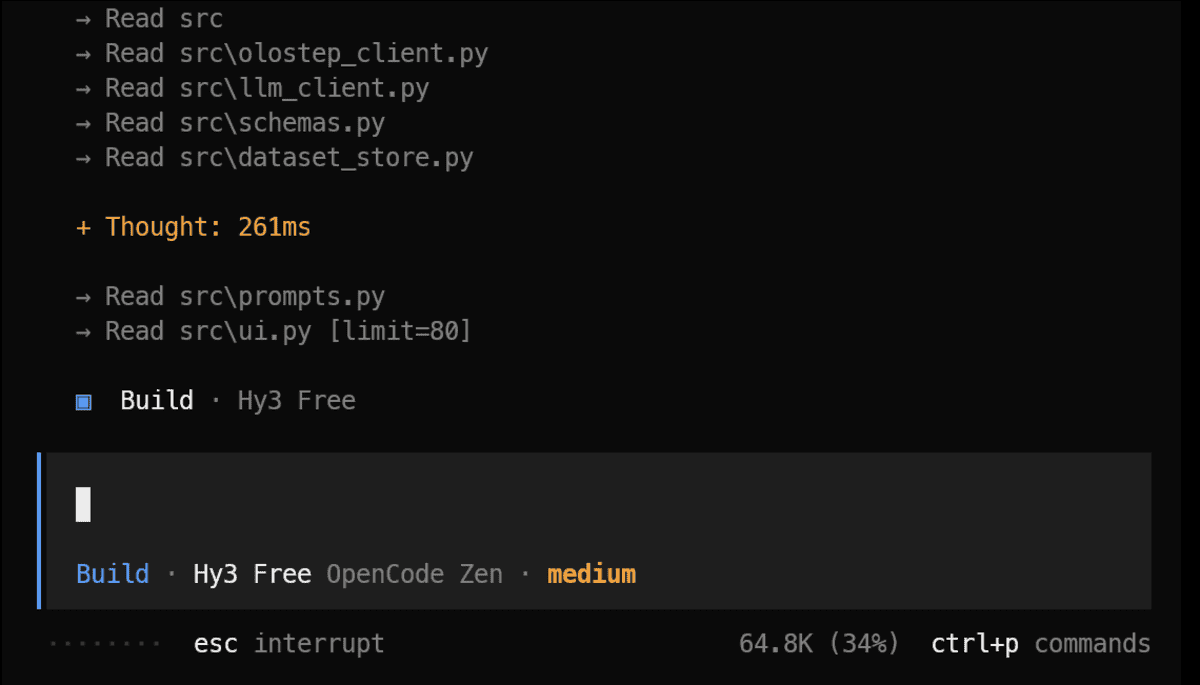
OpenCode has emerged as a leading contender for developers who prioritize transparency and multi-model support. Unlike proprietary systems, OpenCode functions as an open-source agent that integrates across the terminal, integrated development environments (IDEs), and standalone desktop applications.

The technical advantage of OpenCode lies in its automatic loading of language servers. By tapping into existing Language Server Protocol (LSP) infrastructure, the agent gains a deep semantic understanding of various programming languages, allowing for more precise refactoring and bug fixing. Furthermore, OpenCode allows developers to orchestrate multiple sessions simultaneously, creating specialized agents for distinct tasks such as code review or architectural planning. This flexibility ensures that developers are not tethered to a single provider’s uptime or pricing fluctuations.

2. Pi: Prioritizing Extensibility and Token Efficiency

For developers operating in resource-constrained environments or those who prefer a "minimalist" core, Pi offers a lightweight, open-source harness. Pi is designed to keep the system prompt small, which directly translates to lower token consumption and reduced costs when using pay-per-token APIs.

7 Best Claude Code Alternatives for CLI Agentic Coding - KDnuggets

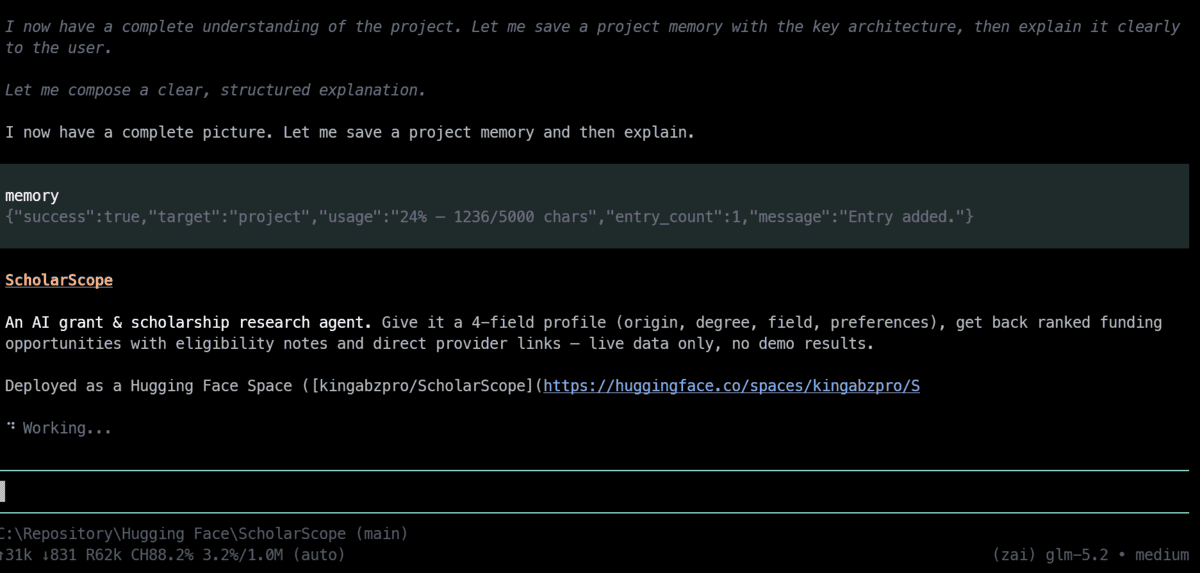
Pi’s architecture is built on a plugin system. Out of the box, it provides basic terminal interaction, but users can expand its capabilities through "skills," reusable prompts, and custom extensions. It currently supports over 15 model providers, including Google’s Gemini, OpenAI’s GPT-4o, and local models via Ollama. A standout feature of Pi is its "branching" capability, which allows a developer to revert to a specific point in a conversation and start a new logic branch without losing the context of the original session—a feature essential for complex debugging where multiple solutions must be tested.

3. Factory Droid: Automation and CI/CD Integration

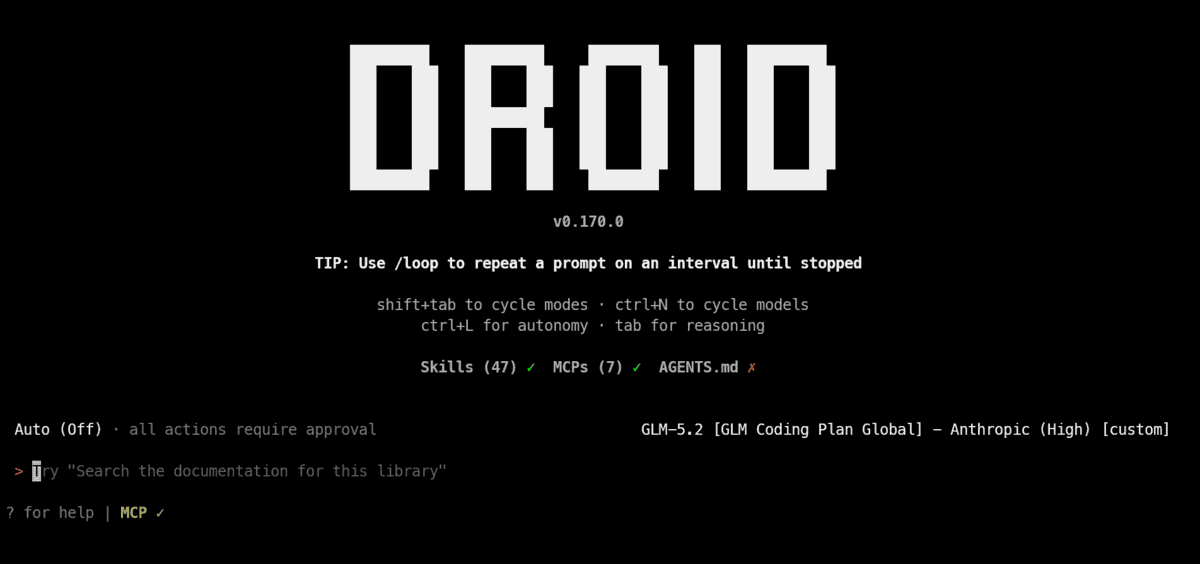
Factory Droid distinguishes itself by focusing on the broader development workflow rather than just interactive chat. While it offers a robust CLI for manual tasks, its "droid exec" mode is specifically designed for non-interactive execution. This makes it a powerful tool for DevOps engineers looking to integrate AI agents into CI/CD pipelines.

Factory Droid utilizes a concept called "Factory Missions," which decomposes large-scale projects into smaller, manageable sub-tasks assigned to specialized sub-agents. For instance, one agent may be tasked with writing unit tests while another focuses on security audits. This division of labor mimics a human engineering team, providing a layer of verification that is often missing in single-agent systems. Its support for Model Context Protocol (MCP) servers further allows it to connect to external databases and APIs, expanding its reach beyond the local file system.

4. Codex CLI: Leveraging the OpenAI Ecosystem

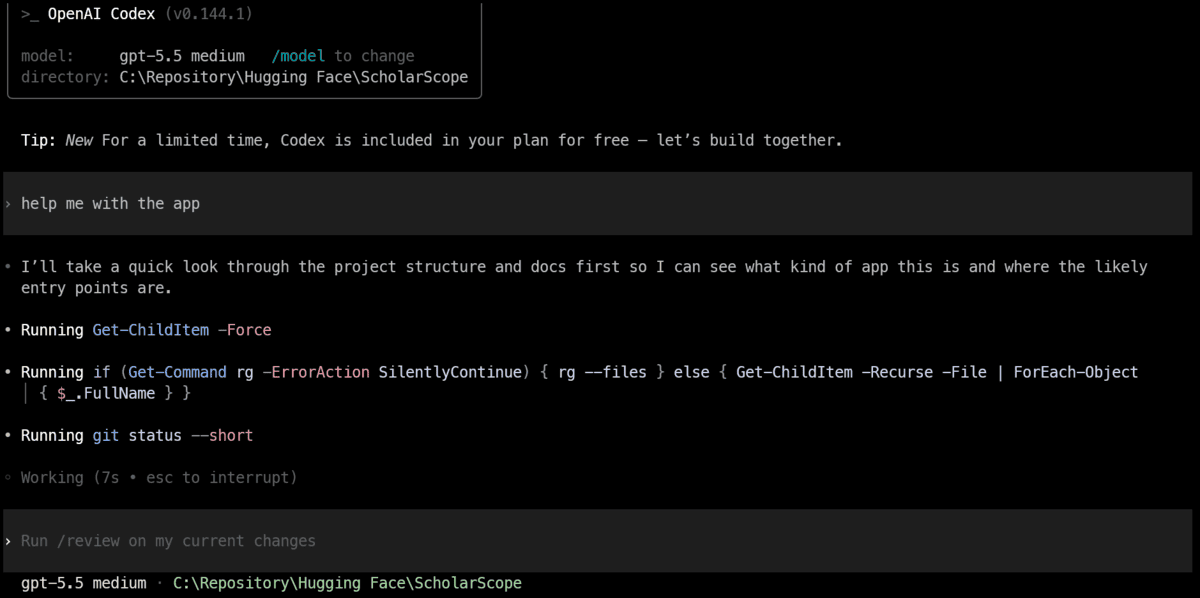
Codex CLI represents OpenAI’s contribution to the agentic terminal space. For developers already invested in the ChatGPT Plus ecosystem, Codex CLI provides a familiar and cost-effective entry point. In many cases, the usage limits included in a standard ChatGPT subscription are sufficient for daily coding tasks, making it a "free" alternative for existing subscribers.

7 Best Claude Code Alternatives for CLI Agentic Coding - KDnuggets

Codex CLI includes a sandboxed environment, a critical security feature that limits the agent’s access to the host machine. This mitigates the risk of an AI accidentally executing a destructive command—a primary concern for enterprises adopting agentic tools. It also supports project-specific instructions, allowing teams to codify their style guides and architectural preferences directly into the agent’s operating parameters.

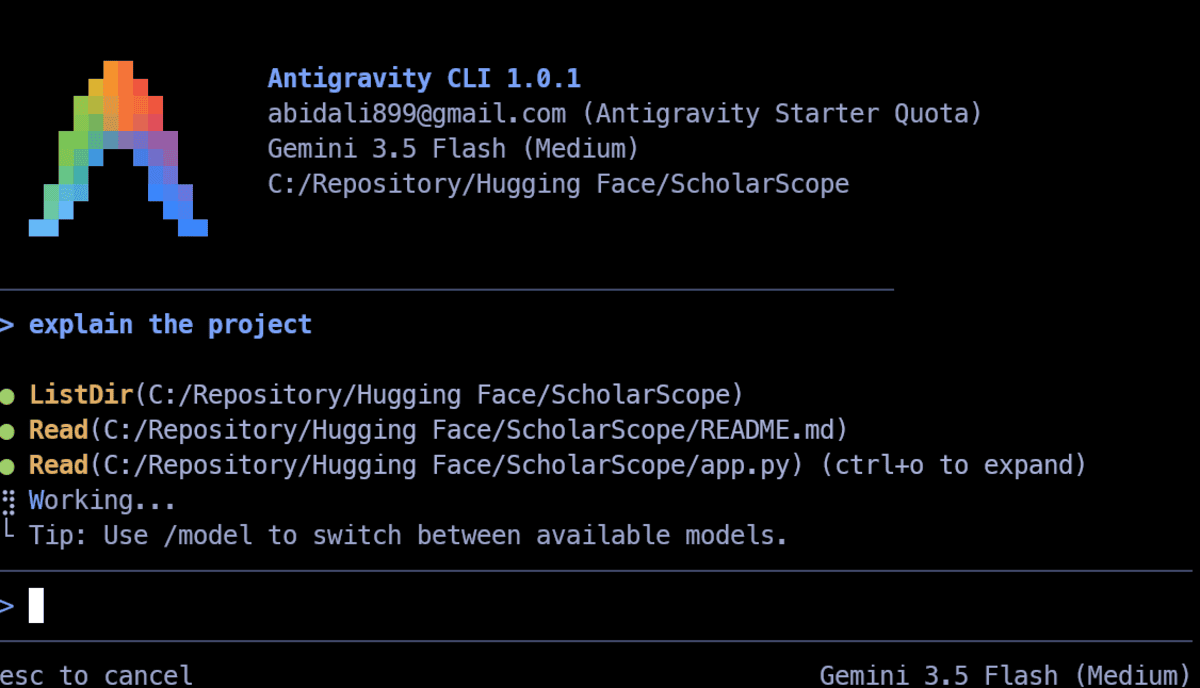
5. Antigravity CLI: Google’s High-Speed Gemini Harness

Antigravity CLI is Google’s answer to the need for a fast, terminal-based coding assistant. Optimized for the Gemini family of models, Antigravity excels in handling large context windows, which is vital for projects with massive codebases. It is particularly well-suited for remote development via SSH, offering a lightweight interface that does not suffer from the latency issues sometimes found in heavy IDE-based agents.

One of the most significant advantages of Antigravity is its multi-agent parallelism. It can research a documentation-heavy problem in the background while simultaneously editing files in the foreground. Because it shares a harness with the Antigravity desktop application, developers can seamlessly transition between a visual interface and the CLI, maintaining a persistent state across both environments.

6. Cline: The Hybrid Approach to Local and Cloud AI

Cline (formerly known as Devins) has gained significant traction in the open-source community for its versatility. It operates both as a CLI and as a plugin for VS Code and JetBrains. Cline is highly regarded for its "Bring Your Own Key" (BYOK) model, which allows developers to swap between high-end models like GPT-4o and cost-effective local models like Llama 3 via Ollama or LM Studio.

7 Best Claude Code Alternatives for CLI Agentic Coding - KDnuggets

Cline’s "headless" execution mode is a favorite among power users who script their development tasks. It includes a built-in browser, enabling the agent to perform end-to-end testing of web applications by interacting with the DOM. The inclusion of a Kanban-style board for task management within the CLI provides a level of organization that helps developers track the progress of complex, multi-file migrations.

7. Goose: A General-Purpose Agent with 70+ Extensions

Goose, developed by Block (formerly Square), is an open-source agent designed to be more than just a coding tool. While it is highly proficient at inspecting files and executing tests, its architecture is built for general-purpose automation. It supports over 70 MCP extensions, allowing it to interact with everything from Slack and Google Drive to specialized data analysis tools.

Goose is particularly valuable for developers who need an agent that can handle the "administrative" side of engineering—writing documentation, analyzing logs, and conducting market research. By supporting a wide array of providers, including Amazon Bedrock and Azure AI, Goose fits easily into enterprise environments that have strict requirements regarding cloud provider lock-in.

Comparative Analysis and Industry Implications

The rapid proliferation of these tools suggests that the "CLI Agent" is becoming the preferred interface for professional developers. According to recent developer surveys, the "context switching" required by GUI-based tools is a significant pain point. By living in the terminal, these agents remain close to the source of truth: the code, the compiler, and the version control system.

7 Best Claude Code Alternatives for CLI Agentic Coding - KDnuggets
Feature Claude Code Open-Source Alternatives (Pi/Cline) Enterprise Agents (Factory Droid)
Model Choice Anthropic Only Multi-model / Local Multi-model / Private
Cost Structure Per-token / Subscription BYO Key (Market Rates) Tiered Enterprise Pricing
Customization Low High (Plugins/Skills) High (Custom Workflows)
Security Cloud-based Local / Air-gapped options Managed / SOC2 Compliant

Industry analysts suggest that the next phase of this evolution will focus on "verification loops." As AI agents become faster at writing code, the bottleneck shifts to human review. Tools like Factory Droid and Antigravity are already addressing this by implementing automated testing and peer-review agents that must "approve" a change before it is presented to the human developer.

Security and Ethical Considerations

The rise of agentic coding is not without risks. Giving an AI model shell access—even in a sandbox—poses significant security challenges. Malicious actors could theoretically use "prompt injection" to trick an agent into exfiltrating environment variables or deleting sensitive data. Consequently, the adoption of these tools is currently highest in "low-stakes" environments, with enterprise adoption lagging until more robust governance frameworks are established.

Furthermore, there is an ongoing debate regarding the "de-skilling" of the workforce. If an agent can handle the majority of debugging and boilerplate tasks, senior engineers worry that junior developers may fail to build the foundational knowledge required for high-level architectural thinking.

Final Thoughts and Recommendations

The choice of a Claude Code alternative depends largely on the developer’s specific needs for autonomy versus control. For those seeking a pure open-source experience with the ability to run local models, Pi and Cline represent the gold standard. They offer the most freedom and the lowest long-term cost for high-volume users.

7 Best Claude Code Alternatives for CLI Agentic Coding - KDnuggets

For teams requiring enterprise-grade automation and integration into existing deployment pipelines, Factory Droid and Goose provide the necessary infrastructure to scale agentic workflows across an organization. Meanwhile, developers already paying for OpenAI or Google Cloud subscriptions should explore Codex CLI or Antigravity CLI to maximize the value of their existing investments.

As the technology continues to mature, the distinction between a "coding tool" and a "teammate" will continue to blur. The terminal, once a place for manual command execution, is transforming into a collaborative space where humans and agents work side-by-side to build the next generation of software.

July 24, 2026 0 comment
0 FacebookTwitterPinterestEmail
Artificial Intelligence & Tech

The Evolution of Enterprise Retrieval-Augmented Generation Moving Beyond String Outputs to Typed Answer Contracts

by admin July 24, 2026
written by admin

The architecture of enterprise-grade artificial intelligence is undergoing a fundamental shift as developers move away from the "naive" implementations of Retrieval-Augmented Generation (RAG) that dominated the early wave of generative AI adoption. In high-stakes corporate environments—ranging from insurance and legal services to medical diagnostics—the industry is beginning to reject the notion of the Large Language Model (LLM) as an all-knowing oracle. Instead, a new technical consensus is emerging: the LLM must be treated as a specialized function within a strictly typed pipeline. This transition, centered on the "typed answer contract," aims to solve the persistent issues of hallucination, lack of auditability, and the "black box" nature of natural language responses.

The Crisis of the String-Based Response

For the past two years, the mainstream narrative of RAG has been straightforward: retrieve relevant document chunks, send them to an LLM alongside a user question, and receive a text string in return. However, this "string-in, string-out" framework is increasingly viewed as a liability in enterprise settings. When an LLM provides a prose-based answer, such as "The premium is $124 per month," it forces downstream systems to re-parse that text to extract usable data. Furthermore, a prose response offers no native way to communicate confidence, cite specific evidence with pixel-perfect accuracy, or signal when a document is missing critical information.

Technical architects are now pushing back against the loose vocabulary often used to describe RAG failures. While "hallucination" is frequently cited as the primary risk, experts define true hallucination as a fabrication stemming from the model’s internal parametric memory. In the context of RAG, most "wrong" answers are actually failures of the upstream chain—poor parsing, inadequate retrieval, or a vague generation contract. By moving toward a structured, typed Pydantic object as the primary output, organizations can pinpoint exactly where a failure occurs, turning a "hallucination" debate into a solvable engineering problem.

Most RAG Hallucinations Are Extraction Errors: Seven Patterns for a Typed Generation Contract

The Seven Patterns of the Typed Answer Contract

The shift toward "Enterprise Document Intelligence" is defined by seven core architectural patterns that replace the naive pipeline with a rigorous, validator-checked contract. These patterns prioritize structural integrity over conversational fluency.

1. The LLM as a Function, Not an Oracle

The foundational shift requires treating the LLM as a data-filling utility. Instead of a text string, the generation "brick" must output a typed Pydantic object. This object includes the value (e.g., a float for a premium amount), the currency, the unit, and specific "fidelity flags." By returning a structured row rather than a sentence, the system ensures that the data is immediately actionable by other software without further interpretation.

2. The No-Compute Discipline

One of the most common sources of silent errors in enterprise AI is "hidden computation." When an LLM is asked to compare values across different currencies or timeframes, it often performs the arithmetic internally using an invisible or outdated exchange rate. The emerging best practice is "Extract, Don’t Compute." The LLM’s role is strictly limited to extracting raw values from the text. The actual calculation—such as converting USD to EUR—is handled by Python code. This creates a transparent audit trail where the extraction, the exchange rate used, and the final comparison are all recorded in a human-readable log.

3. Programmatic Completeness

A recurring failure in RAG is the model’s inability to know what it hasn’t seen. If a list of exclusions in a contract spans three pages but the retrieval system only provides two, a standard LLM will often claim the list is complete based on the provided context. To counter this, the new architecture uses document structure rather than model self-rating. The system checks section boundaries during the retrieval phase; if a section continues onto a page that wasn’t retrieved, the pipeline fetches the additional data automatically. Completeness thus becomes a deterministic fact based on document layout, not a guess by the model.

Most RAG Hallucinations Are Extraction Errors: Seven Patterns for a Typed Generation Contract

4. The Two-Boolean Split for Confidence

Traditional RAG systems often attempt to provide a "confidence score" as a single float (e.g., 0.85). This number is notoriously difficult for orchestrators to act upon. The new standard splits confidence into two distinct booleans: answer_found and complete_answer_found. This allows the system to distinguish between a question that is fundamentally unanswerable from the document and a question that is partially answered but requires further retrieval. This binary clarity allows for more robust automated decision-making.

5. Prompt Assembly and Dispatch

The "mega-prompt"—a sprawling, thousand-line document filled with conflicting instructions—is being replaced by dynamic prompt assembly. At runtime, a dispatcher composes a base prompt with specific "shape fragments" tailored to the question type (e.g., a "Date" fragment for an effective date query). This ensures that if a format error occurs months later, the exact prompt used can be reconstructed from the audit log, facilitating precise debugging.

6. Efficiency in Model Selection

There is a growing realization that "reasoning models" (such as OpenAI’s o1 or similar high-latency architectures) are often over-engineered for structured extraction. When an output is already constrained by a rigid JSON schema, the "thinking" tokens of a reasoning model add significant cost and latency without necessarily improving the accuracy of the extraction. The current trend favors using the smallest, fastest model capable of reliably filling the schema, reserving high-powered reasoning models for complex arbitration tasks.

7. Granular Decomposition for Small Models

While frontier models like GPT-4o can often handle complex, multi-step extraction and formatting in a single call, smaller open-source models (such as Llama 3.2 3B) often struggle with compound schemas. The solution is decomposition. A complex contract is broken into smaller stages: the small model performs a series of simple extractions, Python handles the logic and derivation, and a final optional call formats the result. This approach ensures that even smaller, more cost-effective models can achieve the same accuracy as their larger counterparts without "inventing" derived values.

Most RAG Hallucinations Are Extraction Errors: Seven Patterns for a Typed Generation Contract

Industry Implications and Chronology of Adoption

The evolution of these patterns follows a distinct timeline in the AI industry. In early 2023, the focus was primarily on "Vector Search," where the goal was simply to find the right text. By late 2023 and early 2024, the "Agentic" wave took over, attempting to let LLMs navigate workflows autonomously. However, the current phase, beginning in late 2024, is characterized by "Precision and Validation."

Across sectors, the impact of this shift is profound. In the legal sector, the "two-boolean split" is being used to prevent lawyers from relying on partial contract summaries. In the medical field, the "no-compute" discipline ensures that dosage conversions are handled by validated software rather than probabilistic models. Financial services firms are adopting the "LLM-as-a-function" model to ensure that premium amounts and deductibles can be fed directly into risk-assessment algorithms without human intervention.

Technical Benchmarking and Validation

Data from recent benchmarks involving thirteen different LLMs suggests that the granularity of the "typed contract" is the single most important factor in system reliability. When models are asked to fill a compound schema (extracting raw data while simultaneously performing a conversion), error rates in the derived fields can exceed 20% in mid-sized models. However, when the same task is decomposed—letting the model extract and the code compute—the error rate drops to near-zero, provided the extraction itself is accurate.

The implementation of these patterns is often supported by libraries such as Pydantic for schema definition and validators that run before any data is presented to the end-user. These validators check for "hallucinated" citations by ensuring that every cited line span exists within the document bounds and that the verbatim quotes provided by the model actually match the source text.

Most RAG Hallucinations Are Extraction Errors: Seven Patterns for a Typed Generation Contract

The Path Forward: From Generative AI to Document Intelligence

As enterprise AI matures, the "Generative" aspect of the technology is taking a backseat to its "Intelligence" and "Extraction" capabilities. The goal is no longer to produce human-like prose, but to provide auditable, structured data that can be trusted by professionals. By adopting a "typed answer contract," organizations are building a "feedback loop" where every failure is traceable to a specific field, a specific prompt fragment, or a specific document section.

This architectural discipline marks the end of the "black box" era of RAG. As these seven patterns become standard practice, the focus will shift toward scaling these pipelines across millions of documents while maintaining the same level of precision required for a single, high-stakes query. The repository of patterns and the accompanying "Amplify the Expert" philosophy provide a roadmap for this transition, ensuring that the expert remains in control, empowered by a machine that functions as a precise tool rather than an unreliable oracle.

July 24, 2026 0 comment
0 FacebookTwitterPinterestEmail
Artificial Intelligence & Tech

The latest AI news we announced in May 2026

by admin July 24, 2026
written by admin

The Dawn of the Agentic Gemini Era

The centerpiece of the May announcements was the introduction of Gemini 3.5 and Gemini Omni, marking what Google executives have termed the "agentic era." For years, generative AI was largely defined by its ability to respond to prompts; however, Gemini 3.5 introduces a paradigm shift toward "frontier intelligence for agents." This model is specifically engineered to handle multi-step workflows, allowing the AI to move beyond text generation and into the realm of execution.

Gemini 3.5 is designed to operate autonomously across various applications. For instance, in a professional setting, the model can navigate a user’s inbox, identify action items, cross-reference them with a calendar, and draft responses or schedule meetings without constant human intervention. This "agentic" capability is supported by Gemini Spark, a feature within the Gemini app that acts as a proactive 24/7 partner, anticipating user needs based on historical context and real-time data.

The latest AI news we announced in May 2026

Simultaneously, Google launched Gemini Omni, a multimodal model that redefines creative input and output. Unlike previous iterations that processed modalities in silos, Gemini Omni allows for the seamless combination of video, audio, text, and images as a single input stream. The primary breakthrough here is the ability to generate high-quality, grounded video content that adheres to real-world physics and logic, a feat achieved by training the model on Google’s vast repository of real-world knowledge.

Hardware Reimagined: The Googlebook and Android Halo

To support the high-compute demands of agentic AI, Google announced a significant evolution in its hardware strategy. The "Googlebook," a new category of laptop, was unveiled as a collaborative effort with major hardware partners including Acer, Asus, Dell, HP, and Lenovo. Unlike traditional Chromebooks, the Googlebook is built from the ground up for Gemini Intelligence.

Key features of the Googlebook include:

The latest AI news we announced in May 2026
  • The Magic Pointer: A context-aware navigation tool that provides real-time suggestions based on the content the user is hovering over.
  • Generative UI: The ability for the operating system to build custom widgets and dashboards on the fly to help users organize complex tasks.
  • Cross-Device Synergy: Deep integration with Android phones, allowing for a unified agentic experience where tasks started on a mobile device are seamlessly continued on the laptop.

In the mobile space, Google introduced Android Halo, a dedicated interface designed specifically for managing AI agents. As agents become more active in the background—performing tasks like booking travel or monitoring data—Android Halo provides a non-intrusive "status space" where users can monitor progress and provide contextual approvals. This development addresses a growing concern in the tech industry: how to maintain user control in an increasingly automated environment.

Transforming Search and the Retail Experience

Google Search, the company’s flagship product, underwent its most significant transformation in over 25 years. The traditional search bar has been replaced with an "intelligent Search box" that integrates agentic coding capabilities. This allows users to request the creation of mini-apps or custom dashboards directly within the search interface.

A notable example provided during Google I/O 2026 was the creation of a custom fitness tracker. By simply asking Search to build a tool, the system utilizes Gemini 3.5 Flash to code a generative UI that incorporates real-time data such as local weather, live maps, and gym reviews. This shift moves Search from a directory of links to a platform for instant software creation.

The latest AI news we announced in May 2026

In tandem with Search updates, Google launched Universal Cart. This feature aims to solve the fragmentation of online retail by creating a unified shopping hub. Universal Cart operates across merchants and Google services, meaning a user can add an item to their cart while watching a YouTube review, chatting with Gemini, or reading a promotional email in Gmail, and checkout through a single, secure interface.

Advances in Health, Wellness, and Wearables

The May 2026 updates extended deeply into the healthcare sector. The company launched the all-new Google Health app, which serves as a centralized repository for medical records, wellness data, and AI-driven health insights. The app is designed to be proactive, using predictive modeling to alert users to potential health trends before they become issues.

Complementing the software is the Fitbit Air, Google’s smallest wearable to date. Despite its "discreet pebble" form factor, the device is packed with high-fidelity sensors capable of:

The latest AI news we announced in May 2026
  • 24/7 heart rate and heart rhythm monitoring with Afib alerts.
  • SpO2 and skin temperature tracking.
  • Advanced sleep stage analysis and heart rate variability (HRV) monitoring.

The Fitbit Air represents a shift toward "invisible" technology, where the hardware disappears into the user’s lifestyle while the AI-driven backend provides constant, life-saving oversight.

Scientific Exploration and Environmental Impact

Beyond consumer products, Google’s May announcements highlighted a commitment to solving global challenges through the intersection of AI and quantum science. The company launched the Research Program at the Intersection of Life Sciences & Quantum AI (REPLIQA), a $10 million initiative involving five leading universities. REPLIQA aims to utilize quantum computing to simulate molecular systems at a scale previously impossible, potentially accelerating drug discovery and genomic research.

In the realm of environmental science, the Google DeepMind Accelerator was expanded into the Asia Pacific region. This program provides startups with access to frontier AI models and infrastructure to tackle climate change, energy efficiency, and grid optimization. Google also provided updates on AlphaEvolve, an AI system that has already begun optimizing complex logistical supply chains and electrical power grids, resulting in a measurable reduction in carbon footprints for partner organizations.

The latest AI news we announced in May 2026

Security, Transparency, and the Ethics of AI

As AI becomes more integrated into daily life, the issue of digital trust has moved to the forefront. Google addressed this in May by expanding its content transparency and verification tools. New features in Chrome, Pixel devices, and Google Cloud now provide users with immediate "provenance data," indicating whether an image, video, or piece of text was generated or edited by AI.

This initiative is part of a broader effort to combat misinformation and ensure that the "agentic era" is built on a foundation of transparency. By integrating these tools into the browser and OS level, Google is attempting to standardize how the world interacts with synthetic media.

Chronology of May 2026 AI Announcements

The month followed a strategic rollout designed to build momentum from infrastructure to consumer application:

The latest AI news we announced in May 2026
  1. Early May: Launch of the Google DeepMind Accelerator (Asia Pacific) and AlphaEvolve impact reports.
  2. Mid-May (Google I/O 2026): Keynote announcements of Gemini 3.5, Gemini Omni, and the "Agentic Era" vision.
  3. The Android Show: Introduction of the Googlebook hardware category, Android Halo, and the next generation of Android for cars.
  4. Late May: Launch of the Google Health app, Fitbit Air, and the REPLIQA quantum initiative.

Analysis: The Implications of Proactive Computing

The announcements made in May 2026 suggest a fundamental change in the relationship between humans and computers. For the last several decades, the "User Interface" (UI) was a bridge that required human input to trigger every action. With the introduction of agentic workflows and Android Halo, the industry is moving toward a "User Oversight" model.

Industry analysts suggest that the launch of the Googlebook and the agentic Search experience will put significant pressure on competitors to move beyond simple chatbots. The integration of "agentic coding"—where the AI writes and deploys software on the fly to solve a user’s specific problem—essentially democratizes software development, allowing anyone to create custom tools without knowing a line of code.

Furthermore, the $10 million REPLIQA investment and the advancements in Gemini for Science indicate that Google is positioning AI as the essential tool for the next century of scientific discovery. By combining quantum computing with AI, the company is betting that the most significant breakthroughs in healthcare and environmental science will come from simulated environments rather than traditional trial-and-error laboratory work.

The latest AI news we announced in May 2026

As May 2026 concludes, the tech landscape appears vastly different than it did at the start of the year. The transition from AI as a "feature" to AI as an "agent" is well underway, promising a future where technology is more integrated, more proactive, and more capable of handling the complexities of modern life. Through a combination of frontier models, specialized hardware, and a commitment to scientific research, Google has set a high bar for the remainder of the decade.

July 24, 2026 0 comment
0 FacebookTwitterPinterestEmail
Blockchain Technology

The United Kingdom’s Long-Awaited Crypto Regulatory Framework Nears Implementation, But Industry Readiness Significantly Lags

by admin July 23, 2026
written by admin

The exhaustive wait for a comprehensive regulatory regime for crypto assets in the United Kingdom is drawing to a close, with the Financial Conduct Authority (FCA), the country’s principal financial watchdog, having recently set a definitive date for the introduction of its framework: October 25, 2027. This landmark decision marks a pivotal moment in the UK’s journey to establish itself as a global hub for digital assets. However, a recent study casts a shadow on this optimism, suggesting that despite widespread market enthusiasm for the incoming regime, a substantial portion of UK crypto firms remain alarmingly unprepared for its impending effect. This disjunction between regulatory progress and industry readiness presents a significant challenge for the UK’s ambition to foster a secure yet innovative digital asset ecosystem.

A Decade in the Making: The UK’s Regulatory Journey

For years, the UK has been cautiously navigating the complex waters of cryptocurrency regulation, often adopting a "wait and see" approach while observing global developments. While the European Union pressed ahead with its groundbreaking Markets in Crypto-Assets (MiCA) regulation, a comprehensive framework designed to bring digital assets under a harmonised regulatory umbrella, the UK engaged in extensive consultations. Similarly, as the United States, despite its own legislative hurdles and partisan gridlock, managed to pass substantive stablecoin legislation like the GENIUS Act, the UK continued with further discussions and white papers. This protracted consultative period has been a source of frustration for many in the digital asset industry, who have eagerly awaited regulatory clarity to foster innovation and legitimate growth.

Despite successive governments, both Conservative and Labour, articulating a clear commitment to supporting innovation and positioning the UK as a leading digital asset hub, tangible regulatory progress has been slow. To date, the most notable pieces of regulation governing the crypto space have been the country’s robust anti-money laundering (AML) rules and the financial promotion regime. While essential, the latter has drawn criticism from some industry participants for its implementation, which they argue has sometimes led to indirect regulation and stifled legitimate marketing efforts without a clear, overarching framework. This fragmented approach underscored the urgent need for a cohesive and comprehensive regulatory structure.

Global Context: MiCA and GENIUS Act

To fully appreciate the UK’s journey, it is crucial to contextualize it within the broader international landscape. The EU’s MiCA regulation, finalized in 2023 and gradually coming into effect, represents the world’s first comprehensive regulatory framework for crypto assets. It covers everything from consumer protection and market integrity to operational resilience for crypto-asset service providers (CASPs), stablecoins, and utility tokens. Its ambition is to provide legal certainty and a level playing field across all 27 EU member states, positioning the bloc as a leader in crypto regulation.

Across the Atlantic, the United States has adopted a more piecemeal approach, with various agencies asserting jurisdiction and Congress slowly working towards legislative solutions. The GENIUS Act, while specific to stablecoins, marked a significant step forward, aiming to provide a clear regulatory path for these critical digital assets, particularly concerning their issuance, backing, and redemption mechanisms. The UK’s prolonged consultation period, therefore, often saw it lagging behind these major economic blocs, creating a sense of urgency to catch up and define its unique regulatory stance. The upcoming framework is thus seen as a crucial step for the UK to reassert its ambition on the global stage, aiming to strike a balance between fostering innovation and safeguarding consumers and financial stability.

The FCA’s Landmark Framework: Key Dates and Requirements

The prolonged period of consultation has finally concluded, with the Financial Conduct Authority (FCA) having finalized its rules and set clear implementation dates. According to official announcements, firms seeking to operate under the new regime can apply for authorization between September 30, 2026, and February 28, 2027. This application window is designed to ensure that firms are ready to commence or continue trading compliantly when the new regime officially comes into force on October 25, 2027.

The UK’s new cryptoasset regime represents a significant shift, bringing most crypto activities within the ambit of the Financial Services and Markets Act (FSMA) for the first time, under the Financial Services and Markets Act 2000 (Cryptoassets) Regulations 2026. This means that firms conducting activities such as cryptoasset trading, custody services, dealing, arranging, staking, and qualifying stablecoin issuance will now require explicit FCA authorization. This replaces the previous reliance on anti-money laundering (AML) registration under the Money Laundering Regulations, and importantly, existing AML registrations will not automatically convert into the new comprehensive authorization.

Prudential and Consumer Protections

The framework is designed to align crypto asset services with the robust standards applied to traditional financial (TradFi) services. This includes mandates for prudential requirements, stringent governance structures, operational resilience protocols, and adherence to the FCA’s Consumer Duty. The Consumer Duty, a cornerstone of UK financial regulation, requires firms to act in good faith, avoid foreseeable harm, and enable customers to pursue their financial objectives. Applying this to crypto aims to significantly enhance consumer protection in a historically volatile and often opaque market.

Furthermore, the new regime introduces comprehensive rules on market integrity, cryptoasset admissions and disclosures, and a dedicated market abuse regime. This latter element is particularly noteworthy as it has been specifically adapted to address crypto-specific features, such as assets that may not have a traditional issuer. The framework also mandates rigorous safeguarding of client assets and establishes clear redemption rights for stablecoins, including a critical requirement that systemic stablecoin holders must be able to redeem their holdings at par within 24 hours, with no suspension right. This provision is vital for maintaining liquidity and trust in stablecoins, which are increasingly seen as a bridge between traditional finance and the crypto economy.

Bank of England’s Role: Safeguarding Systemic Stablecoins

In a coordinated approach, the Bank of England (BoE) will play a crucial role in overseeing so-called "systemic stablecoins." These are defined as stablecoins recognized by HM Treasury as posing potential financial stability risks due primarily to their size and interconnectedness within the broader financial system. While the FCA will supervise the conduct, issuance, and consumer protection aspects for systemic issuers, the two regulators will jointly oversee firms once they are recognized as systemic. The BoE’s focus will specifically be on financial stability, resilience, and payment-system risks, leveraging its expertise in macro-prudential oversight.

To ensure the stability of systemic stablecoins, the Bank of England has outlined strict requirements. These include high-quality backing assets, robust governance frameworks, effective redemption at par mechanisms, operational resilience, and comprehensive risk management. Following its June 22 policy statement, the baseline backing-asset split for systemic stablecoins has been set: 70% in short-term UK government debt securities (gilts) and 30% in unremunerated deposits at the BoE. Recognizing the growth trajectories of new entrants, issuers recognized as "systemic at launch" will be granted a temporary step-up allowance, permitting them to hold up to 95% of backing assets in gilts, with the remaining 5% in Bank deposits. This allowance will gradually step down to the 70/30 baseline as these firms scale, providing a transitional period to adapt to the more stringent requirements. This dual-regulator approach is a deliberate strategy to harness the specific expertise of both the FCA and BoE, ensuring a holistic oversight that addresses both market conduct and systemic financial risks.

Industry Readiness: A Mixed Picture of Ambition and Obstacles

While the regulatory path is now clearer, the industry’s state of readiness presents a significant concern. New research from digital assets platform Zumo reveals a UK crypto market caught between ambitious growth aspirations and substantial operational hurdles as the new regime approaches. Early insights from Zumo’s ongoing survey of cryptoasset service providers serving UK clients paint a stark picture: only 10% of providers consider themselves fully prepared for the new rules. This leaves a vast majority facing a scramble to comply.

The potential ramifications of non-readiness are keenly felt within the industry. A significant 70% of firms identify losing the ability to serve their UK customers as a primary risk of not being ready for the new regime. Furthermore, 50% express concerns about facing financial penalties or regulatory sanctions, with the subsequent loss of revenue or market share adding to their anxieties. Nick Jones, Founder and Chief Executive of Zumo, noted, "With the U.K.’s regulatory regime now set in stone, authorization will become a game changer. The early findings from our survey indicate a market caught between ambition and execution; firms have decided the U.K. is worth the effort, but must overcome a number of obstacles to be ready in time to realize the opportunity." Despite this worrying lack of preparedness, Jones found encouragement in the fact that firms are treating readiness seriously and actively seeking the necessary expertise, recognizing that "the cost of getting it wrong is cutting off access to one of the world’s most compelling markets."

The survey also highlighted a dichotomy between awareness and action. While awareness of the incoming regime was universal among respondents, execution of readiness initiatives remains in its nascent stages. Half of the respondent firms were still in the planning phase of their regulatory readiness, and a substantial six in ten were still assessing how to adapt their UK operating models to meet the new requirements. This suggests a significant gap between understanding what needs to be done and actually implementing the necessary changes. The optimism, however, remains: nine out of ten firms intend to apply for authorization during the upcoming window, and 60% expect the new regime to expand their UK business and boost customer interest in crypto as an asset class.

The Cost of Compliance and Operational Overhauls

The challenges extend beyond mere planning. A worryingly high proportion, eight out of ten firms, perceived their risk of not being ready in time as moderate to high. Furthermore, 60% believed their current operating model would be exposed to regulatory enforcement without significant changes. When asked about the root causes of this unpreparedness, 30% identified determining which specific rules apply to them and what permissions are needed as their single biggest challenge. This points to a need for clearer, more granular guidance from the regulator. Additionally, the sheer cost and internal resource demands associated with getting ready were frequently cited as major impediments. Compliance in the financial sector, particularly for new and evolving asset classes, often requires significant investment in legal counsel, new technology, risk management systems, and the hiring or training of specialized compliance officers. For smaller firms, these costs can be prohibitive, potentially leading to market consolidation or exit.

FCA’s Proactive Support: The Pre-Application Service (PASS)

Recognizing the potential for industry-wide unpreparedness, the FCA has taken proactive steps to support firms through the transition. It offers a Pre-Application Support Service (PASS), designed to assist firms in preparing robust applications for authorization. This service includes pre-application meetings with the regulator, providing a crucial opportunity for firms to discuss their business plans and ask specific questions ahead of the official application window.

When Zumo asked firms to rate the fairness of the FCA’s guidance to date, 80% rated it "fair," with none rating it "poor." However, this positive sentiment was tempered by a consistent set of requests from the industry: clearer guidance on regulatory scope and applicability, more time and transitional arrangements, and better signposting of UK-compliant infrastructure and technology solutions. The FCA has actively encouraged firms to utilize the PASS service, emphasizing that early engagement can prevent a last-minute scramble for compliance. As the Zumo survey remains open until September 30, it is hoped that more firms will heed the regulator’s call for early preparation, leveraging available support to navigate the complexities of the new regime. This collaborative approach, where the regulator offers assistance rather than solely enforcing, is crucial for a smooth transition in a rapidly evolving sector.

Broader Implications: Shaping the UK’s Digital Asset Future

The introduction of this comprehensive regulatory framework carries profound implications for the UK’s digital asset market and its broader financial landscape. For consumers, the new regime promises enhanced protection, greater transparency, and a higher degree of trust in crypto asset service providers. The Consumer Duty, coupled with robust rules on market integrity and client asset safeguarding, should significantly mitigate risks associated with scams, fraud, and operational failures. However, this enhanced protection might also lead to fewer choices if some unprepared firms exit the market due to compliance burdens.

For the UK as a financial hub, this framework is a critical step towards realizing its ambition as a global leader in digital assets. By providing legal certainty and aligning crypto with established financial services standards, the UK aims to attract legitimate innovation and institutional investment. The balanced approach, distinguishing between general crypto activities (FCA) and systemic stablecoins (BoE), demonstrates a sophisticated understanding of the varied risks within the digital asset ecosystem. This could serve as a model for other jurisdictions grappling with similar regulatory challenges, positioning the UK at the forefront of responsible crypto integration into the mainstream financial system.

However, the high levels of industry unpreparedness could temporarily impede this vision. If a significant number of firms struggle to meet the 2027 deadline, it could lead to market disruption, reduced competition, and a potential exodus of some players. The success of the regime will ultimately depend on effective implementation, continuous dialogue between regulators and industry, and the industry’s proactive efforts to adapt.

The Shadow of Lobbying: Transparency and Influence in Crypto Policy

Amidst the technical details of regulation and the industry’s compliance challenges, the integrity of the policymaking process itself has come under scrutiny. Earlier in July, revelations emerged regarding significant financial contributions from Thai-based cryptocurrency billionaire Christopher Harborne, a major shareholder in Tether, the world’s largest stablecoin issuer, to Reform UK leader Nigel Farage. This included a reported £5 million "personal gift" to Farage in 2024, prior to his decision to stand in the general election, which was not initially disclosed. Further donations totaling £15 million were made to the Reform party itself between August 2024 and January 2025.

The undisclosed personal gift became the subject of parliamentary investigations, leading to Farage’s resignation as an MP on July 7, though he immediately announced his intention to run again in the ensuing by-election. Farage has maintained that the money was an "unconditional gift" and did not require parliamentary disclosure, famously stating he could spend it on "Ferraris if I want."

This scandal underscores the vital importance of transparency in political donations and the democratic system’s demand for clear disclosures regarding who influences political parties. While Reform UK currently holds a fringe position with only eight MPs in the 650-member House of Commons, recent polling suggests a potential surge in support, increasing focus on the sources of its funding and potential influence.

Farage’s lobbying efforts extend beyond party politics. In June, The Guardian newspaper revealed that Farage had used a private meeting at the Bank of England to urge its governor, Andrew Bailey, to abandon plans for a central bank digital currency (CBDC). A CBDC could potentially pose competition to privately issued stablecoins, such as Tether, in which Harborne holds a significant stake. In a subsequent letter, Bailey confirmed the meeting, stating that Farage made his views "very clear," but firmly asserted that the "intervention" did not alter the Bank’s policy and that he was adept at identifying and discounting lobbying efforts.

Despite Governor Bailey’s assurances, such controversial lobbying from prominent political figures, especially when linked to significant donations from stablecoin stakeholders, can cause unease among other industry advocates like Crypto UK. These groups generally support the current regulatory trajectory and wish to avoid any knee-jerk reactions against crypto stemming from concerns about undue influence. Bailey’s public dismissal of Farage’s lobbying provides a degree of reassurance that the regulatory process remains robust and independent. Given the extensive period of consultation and meticulous development of the rules by both the FCA and BoE, it seems highly improbable that either body would suddenly alter its well-considered approach in response to the demands of a recently embattled political figure.

Conclusion: Navigating the Path to Compliance

The UK’s journey towards a comprehensive crypto regulatory framework has been protracted, but the finalization of rules and the setting of clear timelines mark a significant milestone. The FCA and Bank of England have crafted a nuanced regime designed to foster innovation while ensuring robust consumer protection and financial stability. This framework, drawing parallels with traditional finance, covers a broad spectrum of crypto activities and introduces stringent requirements for stablecoins.

However, the path ahead is not without its immediate challenges. The stark findings from Zumo’s survey highlight a critical gap between the industry’s ambition and its current state of readiness. A majority of firms face substantial work to adapt their operating models, address compliance costs, and gain a clear understanding of the new regulatory landscape. The FCA’s proactive support services, such as PASS, will be vital in helping firms bridge this gap.

While the integrity of the regulatory process has faced scrutiny due to political lobbying, the strong stance taken by the Bank of England governor suggests that the core principles of the framework remain unswayed. For UK crypto firms, the message is clear: the time for deliberation is over, and the focus must now shift unequivocally to preparation and compliance. Ignoring the outside noise and dedicating resources to meeting the October 2027 deadline will be paramount for securing a place in the UK’s evolving and increasingly regulated digital asset market, ensuring its potential as a global hub can be fully realized.

Watch | Unlocking crypto futures: Key takeaways from Blockchain Futurist 2025

July 23, 2026 0 comment
0 FacebookTwitterPinterestEmail
Blockchain Technology

TechCrunch Disrupt 2026 Early Bird Deadline Looms, Offering Critical Edge for Innovators and Investors

by admin July 23, 2026
written by admin

The window to secure preferential access and significant savings for TechCrunch Disrupt 2026 is rapidly closing, with just four days remaining until early bird pricing expires. Scheduled from October 13 to 15 at San Francisco’s Moscone West, the annual flagship event is poised to serve as a pivotal platform for founders, investors, and operators seeking to forge crucial connections and accelerate their ventures. Prospective attendees have until May 29 at 11:59 p.m. PT to save up to $410 on their Disrupt pass, a financial incentive that underscores the event’s broader mission to foster growth and establish credibility within the global tech ecosystem. Missing this deadline not only incurs higher registration costs but also risks forfeiting early strategic advantages in networking and visibility that can define a company’s trajectory in a competitive market.

The Enduring Significance of TechCrunch Disrupt

TechCrunch Disrupt, a cornerstone event in the technology calendar, has historically been more than just a conference; it’s a vital nexus where innovation meets investment and ideas transform into impactful companies. Since its inception, TechCrunch, as a leading technology media property, has cultivated Disrupt into a global forum synonymous with showcasing groundbreaking startups and facilitating high-stakes dialogue among industry leaders. The event’s consistent return to San Francisco, the heartland of technological advancement, reinforces its strategic importance. Moscone West, a state-of-the-art convention center, provides the expansive and dynamic environment necessary to host thousands of attendees, hundreds of exhibiting startups, and a comprehensive agenda spanning multiple stages. The event’s reputation is built on its ability to identify and elevate the next generation of tech giants, providing an unparalleled launchpad for nascent companies and a fertile ground for established players to scout talent and trends. Over the years, Disrupt has been credited with providing early exposure to now-household names, solidifying its status as a critical entry point into the venture capital and startup world.

Beyond Visibility: The Quest for Credibility

TechCrunch Disrupt 2026 Early Bird ticket rates end May 29

In an era saturated with digital communication channels, generating mere "visibility" for a startup has become increasingly straightforward. However, the true challenge, and indeed the more critical objective, lies in cultivating credibility and trust. TechCrunch Disrupt 2026 is meticulously designed to address this distinction, offering a curated environment where superficial exposure gives way to substantive engagement. For founders, the goal extends beyond getting noticed; it’s about being understood, taken seriously, and validated by the individuals who hold the keys to future growth – investors, strategic partners, and early adopters. Investors, for their part, are not swayed by visibility alone; they seek confidence, demonstrated through robust business models, innovative solutions, and articulate leadership. Similarly, potential partners look for trust built on proven capabilities, while early customers prioritize solutions that feel established and validated. Disrupt aims to bridge this gap by creating repeated, meaningful interactions that convert initial awareness into deep-seated trust, fostering a fertile ground for lasting relationships and tangible business outcomes. The event’s structure, encompassing 250+ sessions, roundtables, and discussions, alongside 300+ showcasing startups, ensures that companies are not just seen once, but repeatedly, by the same critical stakeholders. This sustained exposure is the crucible in which credibility is forged, turning fleeting introductions into enduring recognition and ultimately, trust.

A Deep Dive into Disrupt 2026’s Thematic Stages

TechCrunch Disrupt 2026 is structured across six distinct industry stages, each meticulously curated to provide practical, hands-on insights and foster real-time credibility building. This multi-track approach ensures that attendees can tailor their experience to their specific interests and developmental needs, maximizing their engagement with relevant content and connections.

  1. Builders Stage: This stage is dedicated to the practicalities of scaling a company. It brings together experienced founders and operators to dissect the intricacies of growth, fundraising strategies, and execution methodologies. Sessions on this stage delve into operational challenges, product development lifecycles, and team building, offering actionable frameworks derived from real-world success stories. Attendees, particularly early-stage founders and product managers, gain invaluable knowledge that empowers them to speak with greater authority and confidence when discussing their own company’s trajectory and potential with investors and partners. The emphasis is on tangible takeaways that can be immediately applied to a startup’s development roadmap.

  2. AI Stage: Reflecting the transformative impact of artificial intelligence across all sectors, the AI Stage explores how leading companies are implementing AI in practical applications. This includes discussions on foundational AI research, the development of sophisticated machine learning models, and the integration of AI into diverse business processes. Insights come directly from pioneering builders and astute investors at the forefront of AI innovation, helping founders differentiate between hype and proven methodologies. Sessions often cover topics such as ethical AI development, data privacy in AI applications, and the strategic advantages of early AI adoption. For startups navigating the complex AI landscape, this stage provides a grounded perspective, strengthening their credibility with both technical and business audiences by anchoring their approach in validated practices.

    TechCrunch Disrupt 2026 Early Bird ticket rates end May 29
  3. AI in the Real World Stage: Moving beyond software, this stage focuses on the profound ways AI is reshaping the physical world. It brings together founders and operators who are building trusted, scalable AI systems in domains such as robotics, biotechnology, and edge computing environments. Discussions here highlight the unique challenges and opportunities presented by integrating AI with physical infrastructure, where real-world constraints like hardware limitations, environmental factors, and safety regulations define success. Topics might include autonomous systems, AI-powered drug discovery, smart manufacturing, and the deployment of AI in resource-constrained settings. This stage is crucial for those developing hardware-software integrations and deep-tech solutions, offering insights into regulatory landscapes, deployment strategies, and the rigorous validation required for real-world AI applications.

  4. Smart Money Stage: The financial sector is undergoing a profound transformation, with digital innovations constantly reshaping traditional paradigms. The Smart Money Stage explores how founders are at the vanguard of this revolution, driving the future of finance through advancements in stablecoins, payment processing technologies, blockchain applications, and broader fintech infrastructure. This stage aims to cut through the speculative hype often associated with emerging financial technologies, focusing instead on what is demonstrably working and creating tangible value in the digital economy. Panels and keynotes delve into regulatory compliance, security protocols for digital assets, scaling payment solutions, and the evolving landscape of venture capital in fintech. Attendees gain a clear understanding of the opportunities and challenges in this dynamic sector, enhancing their ability to articulate their value proposition to investors and partners within the financial world.

  5. Smart Systems Stage: This stage addresses the critical need for innovation in foundational infrastructure, focusing on how software and intelligent systems are transforming energy, climate, and industrial sectors. Founders and innovators discuss strategies for rebuilding infrastructure, tackling challenges from data center power consumption to grid modernization and resource management. The sessions explore the deployment of smarter, scalable systems designed to foster a more resilient and sustainable future. Topics might include renewable energy integration, carbon capture technologies, smart grid solutions, industrial IoT, and advanced materials. This stage is essential for startups working on climate tech, cleantech, and industrial automation, providing insights into large-scale deployments, regulatory frameworks, and securing capital for infrastructure-heavy ventures.

  6. Disrupt Stage: As the main stage of the event, the Disrupt Stage is where the most influential founders, investors, and operators converge to define the overarching trends and critical conversations shaping the future of technology. Keynotes, fireside chats, and high-level panels feature visionaries discussing macro-economic shifts, paradigm-altering technologies, and strategic imperatives for the tech industry. Being present for these discussions, and having the ability to reference them in subsequent networking, positions attendees within the broader narrative of where the market is heading. This stage offers a panoramic view of the tech landscape, providing context and direction for all other specialized tracks. It is here that the pulse of the industry is most keenly felt, offering invaluable strategic intelligence and inspiration.

The Power of Proximity: Why Showing Up Matters

TechCrunch Disrupt 2026 Early Bird ticket rates end May 29

The sheer scale and focused environment of TechCrunch Disrupt make it an unparalleled opportunity. With over 10,000 founders, investors, and operators converging in San Francisco from October 13-15, the event creates a concentrated ecosystem for evaluation and discovery. This density of talent and capital is not accidental; it is the result of deliberate design aimed at maximizing serendipitous encounters and structured engagements.

Beyond the formal sessions, the event features a vibrant exhibition hall where over 300 startups showcase their innovations. This "Startup Alley" provides a dynamic marketplace for direct interaction, allowing founders to pitch their ideas repeatedly to a diverse audience of potential investors, strategic partners, and media representatives. The repetition of these interactions is a critical element in the journey from mere visibility to established credibility. A brief introduction at one booth might lead to a more in-depth conversation at a networking event, which then blossoms into genuine recognition and familiarity. This iterative process is fundamental to building trust, which is the bedrock of successful business relationships.

Founders and operators who derive the most value from Disrupt are those who actively engage, not merely attend. They are proactively building relationships, reinforcing their presence across multiple conversations, and strategically positioning themselves within the influential networks that dictate the next wave of technological innovation. This involves leveraging the dedicated networking apps, participating in side events, and following up diligently with connections made on-site. The goal is to move beyond transactional interactions to foster genuine rapport and mutual understanding, transforming potential leads into concrete opportunities.

Strategic Implications and Market Alignment

The thematic focus of Disrupt 2026 stages—particularly the emphasis on AI, Smart Systems, and Smart Money—reflects the current global technological landscape and its dominant trends. The acceleration of AI development, coupled with growing investments in climate tech and the ongoing evolution of financial technologies, signals a period of significant disruption and opportunity. Disrupt provides a timely forum for leaders to address these shifts, share best practices, and collectively shape the future. The event’s ability to convene diverse stakeholders allows for a holistic examination of these trends, from their technical underpinnings to their societal and economic implications. For founders, aligning with these discussions provides a clearer understanding of market demand and investor priorities. For investors, it offers curated access to the most promising innovations in these high-growth sectors. The insights gleaned from Disrupt can inform investment strategies, product development roadmaps, and strategic partnerships for the coming year, making attendance a strategic imperative rather than just an optional networking event.

TechCrunch Disrupt 2026 Early Bird ticket rates end May 29

Last Chance for Early Bird Advantage

The impending deadline for early bird savings is not merely a pricing adjustment; it represents the final opportunity to commit to TechCrunch Disrupt 2026 with maximum financial advantage. The savings of up to $410 are substantial, reflecting the premium placed on early commitment and planning. As May 29 at 11:59 p.m. PT approaches, the decision for many is no longer about whether to attend, but rather how effectively they will position themselves to leverage the event for their company’s advancement. Attending Disrupt is an investment in future growth, and securing the early bird rate ensures this investment is made under the most favorable terms. Registering now is a proactive step towards gaining access to invaluable conversations, unparalleled visibility, and crucial connections that can significantly accelerate a company’s trajectory in the dynamic world of technology. The call to action is clear: secure your pass now to ensure you show up ready to move things forward.

July 23, 2026 0 comment
0 FacebookTwitterPinterestEmail
Newer Posts
Older Posts

Recent Posts

  • EF Protocol Cluster Releases Unified Tier List for Hegotäel Upgrade
  • Kraken Expands Its Digital Asset Offerings With the Official Launch of KOR Protocol Token Trading
  • Zcash Ecosystem Faces Pivotal Week with Network Upgrade 7 and Landmark Governance Restructuring
  • Navigating the Digital Identity Crisis: An Illustrated Primer on Anonymous Authentication in the Age of AI and Age-Verification Laws
  • Verifone Integrates Visa Featurespace Adaptive AI to Revolutionize Global Fraud Detection and Payment Security

Recent Comments

No comments to show.
  • Facebook
  • Twitter

@2021 - All Right Reserved. Designed and Developed by PenciDesign


Back To Top
Dr Crypton
  • Home
  • About Us
  • Contact Us
  • Cookies Policy
  • Disclaimer
  • DMCA
  • Privacy Policy
  • Terms and Conditions

We are using cookies to give you the best experience on our website.

You can find out more about which cookies we are using or switch them off in .

Dr Crypton
Powered by  GDPR Cookie Compliance
Privacy Overview

This website uses cookies so that we can provide you with the best user experience possible. Cookie information is stored in your browser and performs functions such as recognising you when you return to our website and helping our team to understand which sections of the website you find most interesting and useful.

Strictly Necessary Cookies

Strictly Necessary Cookie should be enabled at all times so that we can save your preferences for cookie settings.