
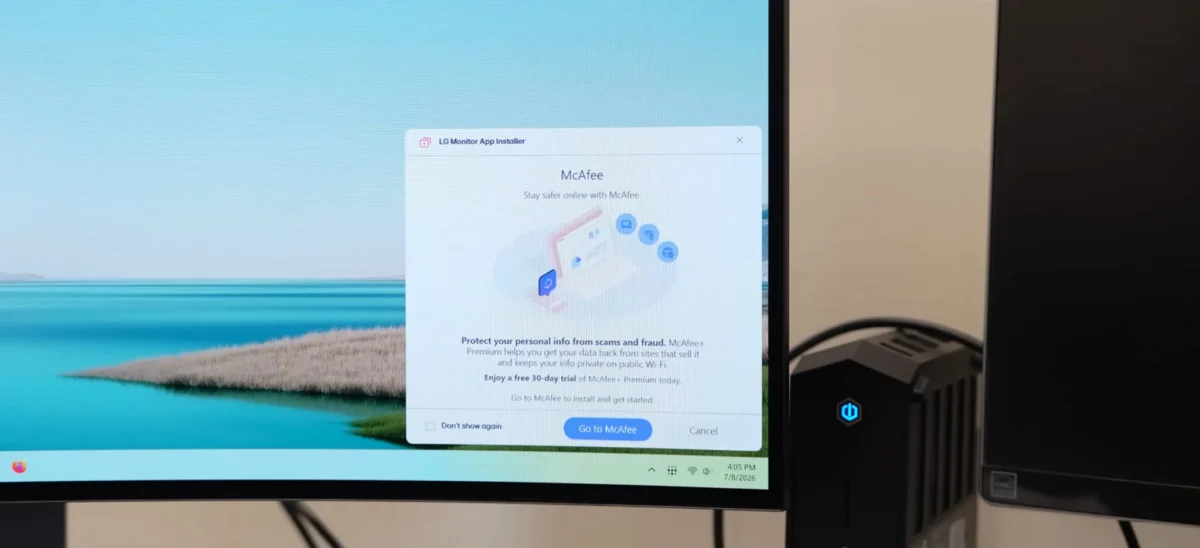
The modern consumer technology landscape is increasingly defined by a shift from one-time hardware sales to recurring revenue models and data-driven ecosystems. While this transition is well-documented in the smartphone and software-as-a-service (SaaS) sectors, it has recently sparked significant controversy in the high-end computer hardware market. LG Electronics, a global leader in display technology, is currently facing intense scrutiny following reports that its monitors are automatically installing a software package known as the "LG Monitor App Installer" on users’ Windows PCs without explicit consent or prior notification.
The issue, which was brought to the forefront by investigative reports from technical outlets such as Gamers Nexus, highlights a growing trend of "software creep" where hardware peripherals—devices traditionally expected to function via simple plug-and-play drivers—are now serving as gateways for invasive telemetry and third-party advertising. The discovery has raised profound concerns regarding consumer privacy, system integrity, and the erosion of user agency in the Windows ecosystem.
The Discovery of LG’s Silent Software Deployment
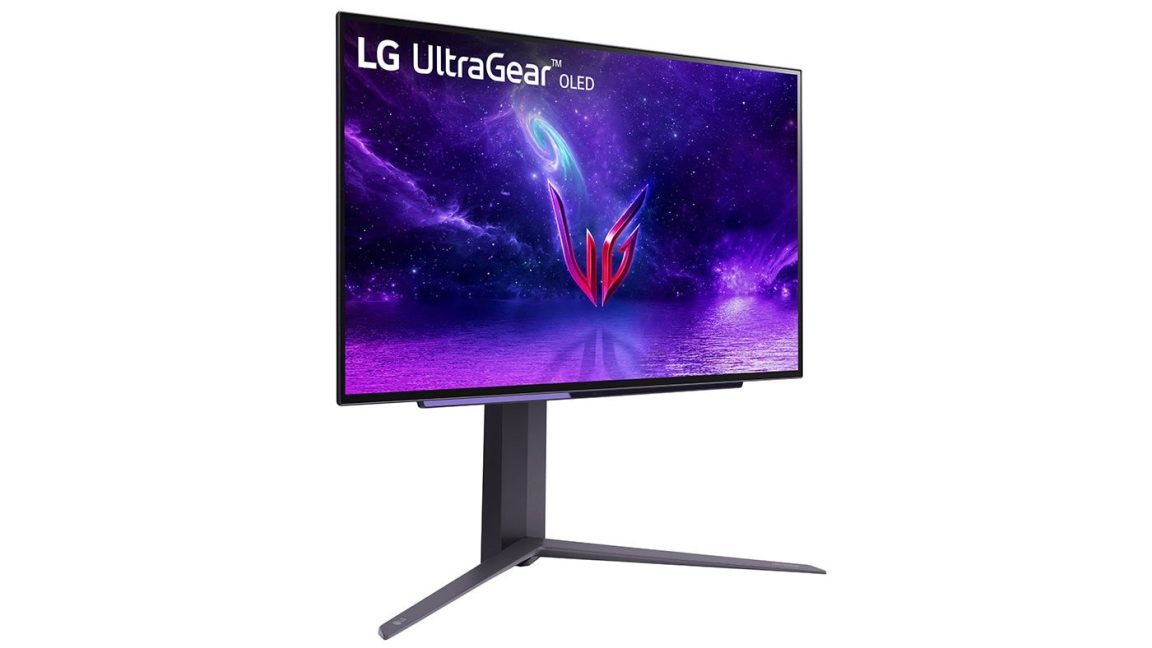
The controversy began to gain momentum when users of premium LG monitors—including models in the UltraGear and UltraWide series that often retail for upwards of $1,000—noticed a new application appearing in their Windows "Apps & Features" list. Labeled "LG Monitor App Installer," the software was not manually downloaded or installed by the users. Instead, it appeared to be delivered silently through the Windows Update infrastructure or via the Microsoft Store’s automated synchronization features.
Steve Burke, the lead researcher at Gamers Nexus, documented the phenomenon, noting that the application often manifests alongside intrusive pop-up advertisements. The most troubling aspect of this deployment is the lack of a "gatekeeper" moment; users are never presented with a prompt asking for permission to install the utility, nor are they given an opportunity to opt-out during the initial hardware setup.
This practice is particularly disruptive given the premium nature of the hardware. Consumers who invest significant capital in high-performance displays generally expect a clean, professional user experience. The forced installation of what many consider "bloatware"—software that provides little to no value to the user while consuming system resources—is seen as a breach of the unspoken contract between a high-end manufacturer and its customers.
Technical Mechanisms: The Role of Microsoft and UWP
The ability for LG to install software silently is not a technical glitch but a feature of the Windows operating system architecture. Microsoft permits what are known as Universal Windows Platform (UWP) device apps to install automatically when a specific peripheral is connected to a computer. According to Microsoft’s developer documentation, this feature is intended to ensure that users have the necessary tools to manage their hardware as soon as it is plugged in.
However, Microsoft’s own documentation acknowledges the potential for friction. A support page for Windows developers explicitly states that the automatic installation feature does not provide a notification to the user, admitting that "some users may find this experience confusing and frustrating and give your app a bad rating." Despite this acknowledgment, the system remains in place, provided the user has not opted out of "Recommended Settings" during the initial Windows installation and is signed into the Microsoft Store with an active internet connection.
In the case of LG, the "Monitor App Installer" acts as a delivery vehicle for other software. Its description on the Microsoft Store indicates that it is designed to help users "easily install and use apps supported by your monitor." One of the primary applications promoted through this installer is McAfee, a third-party antivirus suite. This suggests a commercial motivation, as hardware vendors often receive referral fees or "bounties" for pre-installing third-party software on consumer systems.
Privacy Implications and Data Harvesting
Beyond the annoyance of unwanted software, the privacy implications of the LG Monitor App Installer are severe. Analysis of the application’s permissions reveals that once installed, the software technically possesses permission to access "all system resources." This is a broad and powerful level of access that bypasses the "sandboxing" typically associated with modern applications.
According to Burke’s analysis, the installer’s data collection policy is exceptionally broad. The software is authorized to collect:
- Precise geolocation data.
- Device-specific identifiers and hardware configurations.
- Online activity and browsing history.
- Contact lists and user credentials.
- Financial transaction data.
The justification for a monitor utility requiring access to a user’s contacts or financial transactions remains unclear. In the context of cybersecurity, such broad data collection is often classified as "telemetry overreach." For professionals working in sensitive environments—such as government, finance, or healthcare—the silent installation of a data-harvesting tool via a monitor represents a significant security vulnerability.
A Growing Industry Trend of Hardware-Linked Bloatware
LG is not the first hardware manufacturer to face criticism for these practices. The industry has seen a steady increase in "companion apps" that act as persistent background processes.
- Razer: The company’s "Synapse" software has long been criticized for its "forced" installation behavior when a mouse or keyboard is connected, often requiring a cloud login to access basic hardware features like RGB lighting control.
- Logitech: Users have reported similar experiences with G Hub and other productivity software suites that install automatically and consume significant system memory.
- Asus and Gigabyte: Motherboard manufacturers have been caught using a Windows feature called the "Windows Platform Binary Table" (WPBT) to inject software installers directly from the BIOS/UEFI into the Windows operating system. In 2023, Gigabyte faced a security crisis when researchers discovered that its auto-update mechanism contained vulnerabilities that could be exploited by malicious actors to install malware.
The LG incident is viewed as particularly egregious because, unlike a gaming mouse or a motherboard, a monitor is generally considered a "passive" output device. Most users do not expect—nor do they need—a software suite to manage a display that can be adjusted via an on-screen display (OSD) menu.
Chronology and Scope of the Issue
The practice of auto-installing LG software appears to have been in place for several years, but its scope has recently expanded. Reports indicate that the software is now being pushed to legacy hardware. Steve Burke noted that he began seeing the pop-up advertisements on LG monitors that were purchased over three years ago. This suggests that LG is retroactively applying these software-delivery tactics to its existing install base via firmware updates or Windows Update driver packages.
The list of affected monitors continues to grow as users report the issue across various online forums and social media platforms. While LG has not provided an exhaustive list of affected models, the "Monitor App Installer" has been confirmed to appear on:
- The LG UltraGear gaming lineup (various sizes).
- The LG UltraWide productivity series.
- The LG 4K UHD consumer monitors.
Official Responses and Lack of Accountability
When reached for comment by Ars Technica and other media outlets, LG’s response has been minimal. A company representative acknowledged the receipt of inquiries regarding the purpose of the installer, the specific models affected, and the privacy concerns raised by the data collection policies. However, as of the latest reports, LG has failed to provide a comprehensive explanation or a justification for the silent installation of the software.
Microsoft has also remained largely silent on the specific implementation by LG, pointing instead to its existing documentation which allows such practices. The lack of a clear regulatory framework or industry standard for "peripheral software" leaves a vacuum that manufacturers are currently filling with profit-driven telemetry tools.
Broader Implications for the PC Ecosystem
The LG controversy serves as a microcosm of the "enshittification" of hardware—a term coined by author Cory Doctorow to describe the process by which platforms and products gradually degrade in quality as they are optimized for data extraction and advertising revenue.
When a consumer purchases a $1,200 monitor, they are essentially the product’s owner. However, by forcing software onto the system, the manufacturer asserts a level of ongoing control over the user’s environment. This creates several long-term risks:
- System Stability: Background installers and "helper" apps can cause conflicts with other software, leading to system crashes or reduced performance.
- Security Risks: Every piece of silently installed software increases the "attack surface" of a PC. If the LG installer is compromised, every system with an LG monitor becomes a target.
- Trust Erosion: Consumers may become hesitant to purchase premium hardware from brands that prioritize advertising revenue over user experience.
As of mid-2024, the tech community continues to monitor the situation. Privacy advocates are calling for Microsoft to change the default behavior of Windows to require an explicit "Yes/No" prompt before any peripheral-linked software is installed. Until such changes are made, the burden remains on the consumer to audit their installed applications and manually remove software that they did not authorize.
The incident with LG serves as a stark reminder that in the modern digital age, even a piece of hardware as fundamental as a computer monitor can become a conduit for data harvesting and unwanted advertising if left unchecked by consumer pushback and regulatory oversight.

