
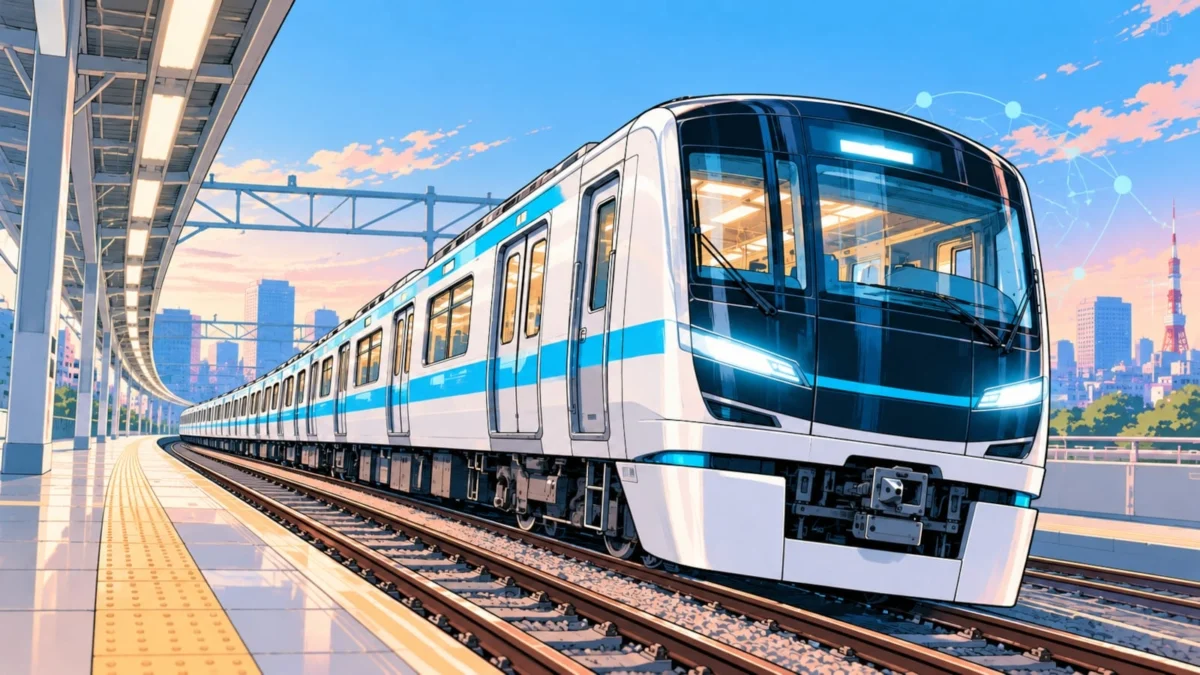
Major Japanese private railway operator Keio Corporation has confirmed that it suffered a severe ransomware attack over the weekend, resulting in disruptions to various internal business systems and customer-facing operations. The incident, which was detected in the early hours of Saturday, September 26, 2026, prompted the corporation to isolate its network infrastructure to contain the threat and prevent further unauthorized access. While critical railway transit operations remained safe and fully functional, the hospitality and payment processing divisions experienced notable operational friction.
The cyberattack on Keio Corporation highlights an escalating trend of digital extortion targeting critical infrastructure providers, transport networks, and hospitality giants globally. As organizations increasingly digitize their operations to enhance efficiency and customer experience, they inadvertently expand their digital attack surface, offering malicious actors lucrative targets for extortion and data theft.
Chronology of the Incident and Immediate Response
The security breach at Keio Corporation unfolded over a critical 48-hour window during the final weekend of September 2026. According to official corporate statements and internal technical logs, the timeline of the event highlights rapid containment efforts by the organization’s cybersecurity personnel:
Early Hours of Saturday, September 26, 2026: An anomalous system failure was flagged by internal monitoring systems across corporate servers. Subsequent analysis by IT security staff confirmed a targeted ransomware deployment within the group’s internal networks.
Immediate Containment Phase: Acting swiftly to mitigate potential lateral movement across the network, Keio Corporation executives and IT administrators ordered an emergency shutdown of affected network segments. This containment strategy successfully isolated core railway signaling and transit control networks from the compromised environment.
Morning of September 26, 2026: Formal notifications were dispatched to local law enforcement agencies, including the Tokyo Metropolitan Police. Concurrently, Keio engaged external cybersecurity experts and forensic investigators to trace the vector of the intrusion and assess the scope of data exfiltration.
Subsequent Days: Official disclosures were published on corporate portals, including the main Keio Corporation investor relations page and the Keio Plaza Hotel Tokyo website. These notices alerted the public, business partners, and patrons to potential delays and processing errors within specific hospitality services.
Scope of Impact: Hospitality vs. Transit Operations
Keio Corporation operates as a multifaceted enterprise holding substantial assets in both transportation and hospitality. Fortunately, the ransomware attack was successfully restricted from infiltrating operational technology (OT) systems governing the company’s railway lines.
Keio operates an 85-kilometer railway network encompassing 69 stations across the Tokyo metropolitan area, serving hundreds of thousands of commuters daily. Had the ransomware successfully compromised the supervisory control and data acquisition (SCADA) or signaling networks, the economic and societal disruption would have been catastrophic. Instead, the intrusion was successfully ring-fenced within the corporate and enterprise resource planning (ERP) networks, spilling over primarily into the hospitality division.
The hospitality arm of Keio Corporation, which includes a portfolio of 25 hotels—most notably the prestigious Keio Plaza Hotel Tokyo—bore the brunt of the technical failure. Local Japanese media outlets reported that payment gateway systems, reservation databases, and administrative booking platforms experienced intermittent outages. Consequently, guests checking into the hotels encountered manual processing delays, and certain customer-facing digital services were temporarily suspended while technicians worked to restore secure backups.
Corporate Profile of Keio Corporation
To understand the magnitude of the target, one must examine the economic and operational footprint of Keio Corporation. Established as a cornerstone of modern Japanese urban transit and urban development, the company commands significant commercial gravity:
Workforce: Over 2,200 direct employees, supported by thousands of contractors and subsidiary personnel.
Financial Standing: Generates an estimated annual revenue of approximately $2.6 billion, derived from a diversified portfolio spanning passenger rail transit, real estate development, retail, and hotel management.
Infrastructure: Manages 85 km of dedicated track, 69 railway stations, and 25 commercial hospitality properties.
Given these metrics, Keio represents a high-value target for financially motivated cybercrime syndicates. Large enterprises with diverse revenue streams and high public visibility are frequently targeted because their operational reliance on continuous uptime increases the pressure to resolve incidents quickly, occasionally leading to extortion payouts—though no such ransom payment has been confirmed or demanded publicly in this case.
Official Statements and Ongoing Investigations
In an official public filing released following the detection of the breach, Keio Corporation detailed its immediate actions:
"In the early hours of September 26, 2026, we confirmed a ransomware attack on our group’s servers. We have reported the incident to the police and are conducting an investigation into the attack’s route and damage with the cooperation of external experts."
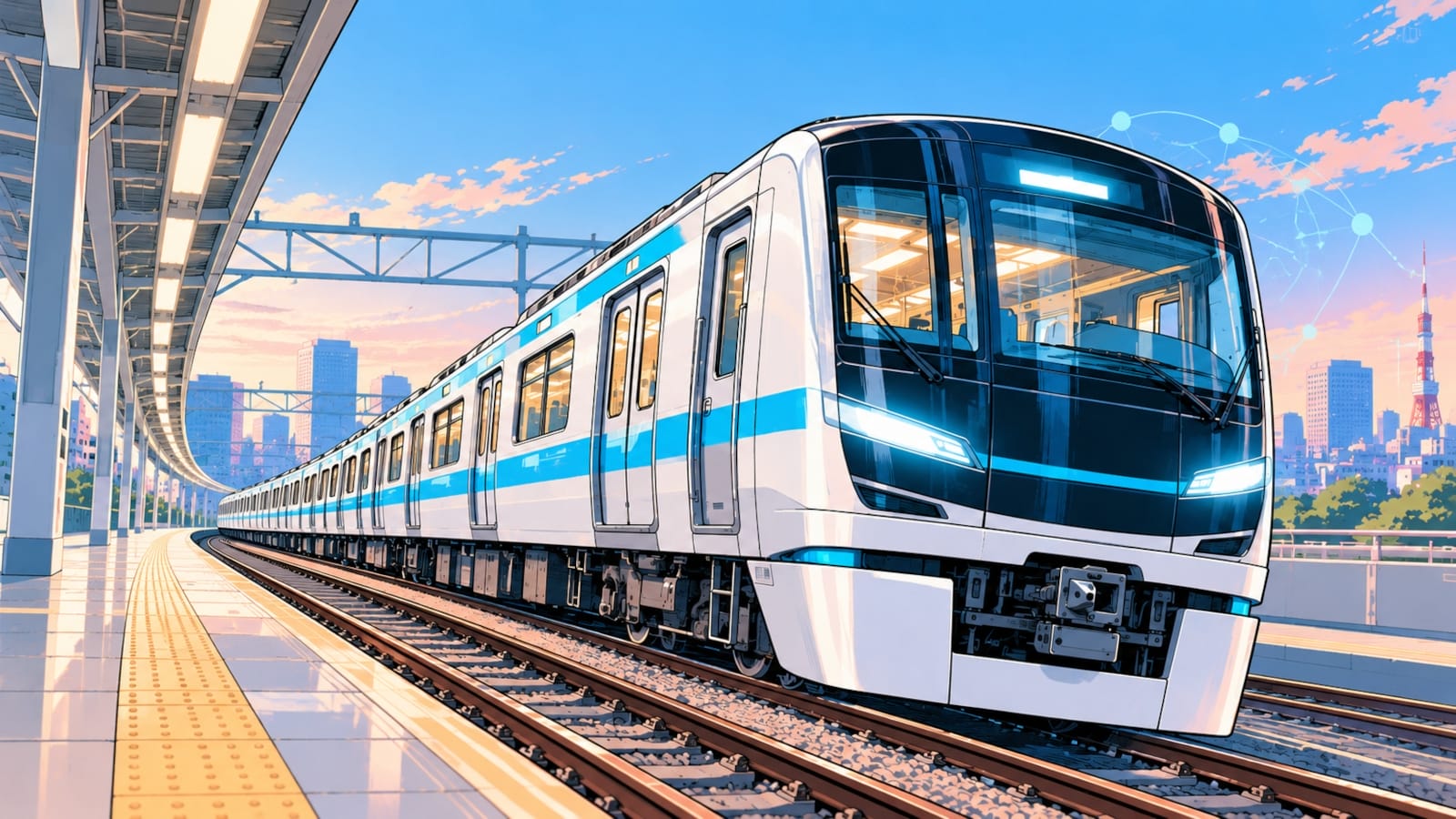
As of the current reporting period, no prominent ransomware leak site or criminal syndicate has publicly claimed responsibility for the attack on Keio Corporation. Security researchers are actively monitoring underground forums, dark web leak blogs, and known affiliate channels to identify the exact ransomware variant utilized in the intrusion. Common enterprise-targeting strains, such as LockBit, BlackCat, or Akira variants, are frequently scrutinized in incidents of this scale, though definitive attribution requires deep forensic analysis of the compromised binaries and encryption artifacts.
Parallel Cyber Incident: The Tokyo Metro Security Breach
Compounding public anxiety regarding the security of Japan’s vital transportation infrastructure, a separate and distinct cyber incident was simultaneously disclosed by Tokyo Metro over the same weekend.
Tokyo Metro, another colossal transit operator in the capital region, revealed that unauthorized external actors had breached its digital perimeter. Unlike the Keio ransomware incident, which paralyzed enterprise systems and payment workflows, the Tokyo Metro breach manifested primarily as a data exposure event. Attackers successfully accessed a database containing approximately 59,000 member email addresses.
To contextualize the scale of Tokyo Metro’s operations, the transit network is among the busiest in the world:
Network Reach: Operates nine distinct subway lines spanning 195 kilometers.
Station Footprint: Encompasses 180 individual subway stations across Tokyo.
Passenger Volume: Carries an average of 7 million passengers daily.
Despite the massive volume of daily commuters, Tokyo Metro officials emphasized that the breach was strictly confined to an administrative membership database. Critical operational systems, signaling infrastructure, and train navigation networks remained entirely uncompromised. Furthermore, Tokyo Metro representatives confirmed that the specific vulnerability exploited by the threat actors has been identified, patched, and closed.
Is There a Coordinated Campaign Against Japanese Transport?
The simultaneous occurrence of cyber security incidents at two of Tokyo’s premier rail operators—Keio Corporation and Tokyo Metro—has naturally sparked speculation regarding a coordinated state-sponsored or financially motivated cyber campaign targeting Japan’s critical infrastructure sector.
Cybersecurity analysts and intelligence experts urge caution against premature conclusions. While the timing is undeniably coincidental and striking, the nature of the two attacks differs fundamentally. Keio Corporation suffered a destructive ransomware deployment aimed at extortion and operational disruption within its enterprise and hospitality networks. Conversely, Tokyo Metro experienced a targeted data access incident focused on exfiltrating user registry data.
At present, no concrete technical indicators link the two breaches to the same threat actor, infrastructure, or attack vector. It remains entirely plausible that these events represent opportunistic exploitation by disparate cybercriminal groups capitalizing on common enterprise software vulnerabilities or weak credential management during the same calendar period.
Broader Industry Implications and Cybersecurity Analysis
The twin incidents involving Keio Corporation and Tokyo Metro serve as a stark reminder of the persistent and evolving threat landscape facing global transit and hospitality sectors. Several critical takeaways emerge from these security events:
The Convergence of OT and IT Networks: While Keio successfully isolated its railway operations from its corporate network, the intrusion demonstrates how easily compromise at the enterprise level can bleed into customer-facing payment and administrative systems, causing reputational damage and financial loss.
Supply Chain and Vendor Vulnerabilities: Modern transportation networks rely heavily on third-party software vendors for ticketing, customer loyalty programs, reservation engines, and enterprise resource planning. Securing these complex digital supply chains remains one of the greatest challenges for modern Chief Information Security Officers (CISOs).
Regulatory Pressures and Disclosure Transparency: Japanese corporate governance structures have historically favored conservative disclosures during crises. However, the swift public announcements made by both Keio and Tokyo Metro reflect an evolving regulatory expectation toward transparency, timely reporting, and collaboration with law enforcement.
The Imperative of Proactive Defense: As AI-powered cyberattacks and automated vulnerability exploitation become more prevalent, static perimeter defenses are no longer sufficient. Organizations must adopt zero-trust architectures, rigorous identity and access management (IAM) protocols, and continuous endpoint detection and response (EDR) mechanisms.
Looking Ahead
As the investigations by Keio Corporation, Tokyo Metro, and Japanese law enforcement agencies progress, further details regarding the entry vectors and identities of the perpetrators are expected to emerge. For Keio, the immediate priority remains stabilizing the hospitality division’s payment systems, verifying the complete integrity of all corporate backups, and confirming whether any sensitive customer or business partner data was definitively exfiltrated.
For the broader Japanese transit sector, these weekend incidents will likely catalyze a comprehensive security audit across all municipal and private transport operators, reinforcing the reality that critical infrastructure is permanently on the front lines of the modern cyber conflict.

