

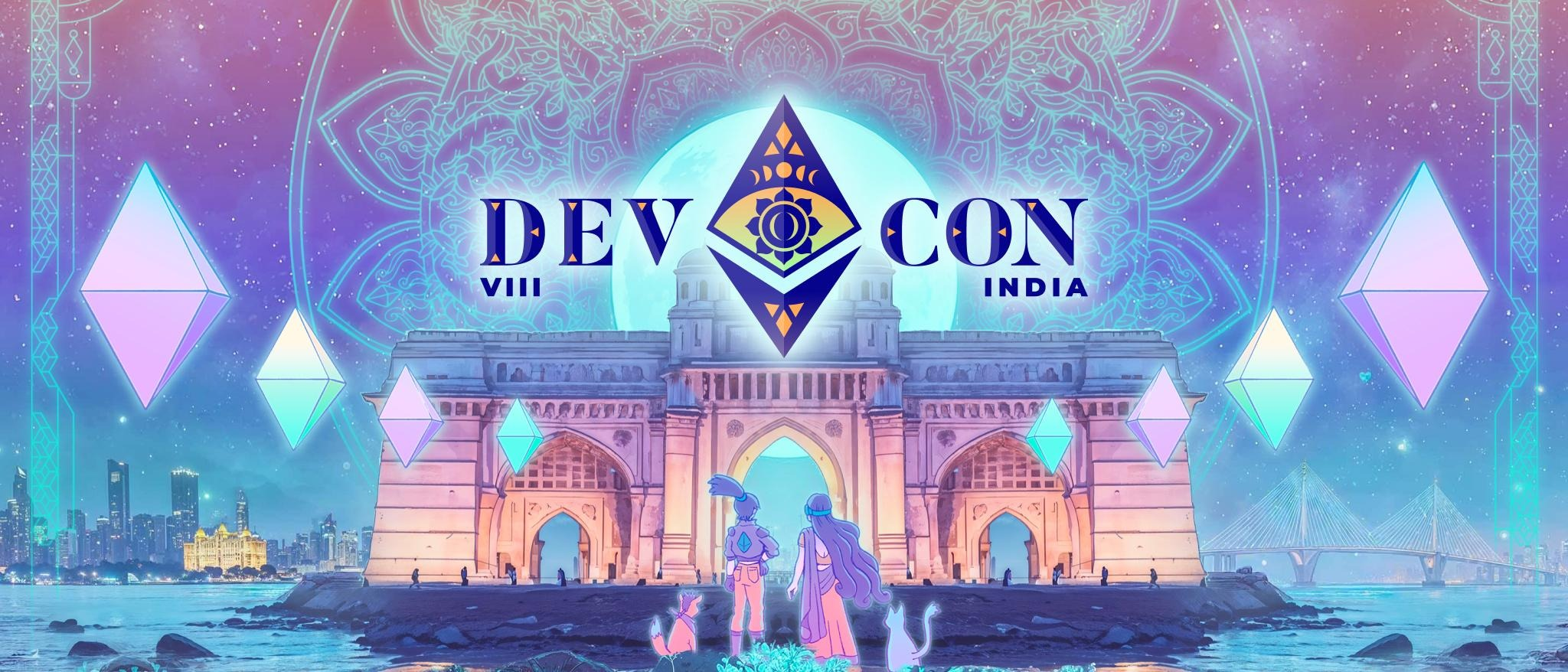
The Ethereum Foundation’s flagship event, Devcon 8, concluded its four-day run at the Jio World Convention Centre (JWCC) in Mumbai, India, leaving a profound impact on the trajectory of decentralized technology. Held from November 3 to November 6, the conference served as a nexus for thousands of developers, researchers, policymakers, and industry pioneers, cementing India’s role as a primary engine for global blockchain innovation. As the ecosystem pivots toward a future defined by scalability, privacy, and digital sovereignty, the Mumbai gathering functioned not merely as a technical symposium, but as a strategic milestone for the maturation of Ethereum.
The event, which drew attendees from every corner of the globe, showcased a shift in focus from theoretical blockchain research toward practical, real-world application. With 51% of the participant base hailing from India, the demographic composition of the conference provided a clear signal that the next generation of Ethereum’s core contributors is being forged in the rapidly expanding technological hubs of the subcontinent.
A Strategic Chronology of Devcon 8
The four-day schedule was meticulously curated to balance high-level academic inquiry with the grassroots energy of the developer community. The inaugural day set the tone, focusing on protocol health and the immediate technical challenges facing the Ethereum mainnet. Researchers and engineers engaged in deep-dive sessions regarding the post-merge roadmap, emphasizing the urgency of post-quantum cryptography—a critical area of research as advancements in computing power threaten current encryption standards.
Mid-week proceedings shifted toward the intersection of technology and societal utility. The "Academic Track" emerged as a highlight, bridging the gap between ivory-tower theoretical computer science and the pragmatic requirements of decentralized finance (DeFi) and public infrastructure. By Wednesday, the atmosphere at the JWCC was electric, characterized by collaborative "build-a-thons" and workshops that allowed participants to pressure-test new zero-knowledge (ZK) rollup solutions and privacy-enhancing protocols.
The final day was dedicated to the synthesis of ideas. Rather than closing with singular announcements, the event concluded with a series of community-led forums, where the focus shifted to long-term sustainability—not only of the network but of the developer communities themselves. This holistic approach ensured that the knowledge shared during the event was not siloed but was instead integrated into the broader, ongoing mission of the Ethereum Foundation.
Data-Driven Insights and Ecosystem Growth
The scale of Devcon 8 was unprecedented in the region, supported by a logistical operation involving 225 volunteers from 22 countries. This international volunteer force facilitated the execution of hundreds of sessions, ensuring that the complex, technical subject matter remained accessible to the global audience.
Engagement metrics provided by the event’s interactive platform, Meerkat, illustrated the level of intellectual rigor present throughout the week. Attendees submitted over 2,000 inquiries to speakers, with a 40% response rate that highlighted a commitment to transparency and knowledge dissemination. The high volume of "supervotes" on technical questions indicated that the audience was not merely passive but was deeply engaged in the nuances of protocol governance and security architecture.

Furthermore, the "Road to Devcon" initiative served as a vital precursor, distributing grants to 30 community-led organizations and facilitating 40 individual events across 22 Indian cities. This groundwork effectively decentralized the conference’s reach, ensuring that the benefits of the gathering were felt well beyond the walls of the Mumbai convention center.
Institutional and Academic Integration
A defining feature of this year’s gathering was the visible presence of government representatives and non-governmental organizations (NGOs) exploring the integration of Ethereum into digital public infrastructure (DPI). A standout moment occurred during a fireside chat between Ethereum co-founder Vitalik Buterin and policy expert Siddharth Shetty. Their discussion on the convergence of Ethereum’s open-source architecture with India’s existing digital public goods served as a blueprint for how decentralized ledgers can support sovereign identity, secure data exchange, and financial inclusion at scale.
This dialogue represents a departure from earlier years of the crypto-industry, where the focus was primarily on speculative markets. The emphasis at Devcon 8 was firmly on "verifiable technology"—the idea that for an internet to be truly open and secure, its underlying protocols must be mathematically verifiable and resistant to centralized capture.
Analytical Implications for the Ethereum Roadmap
The technical developments discussed in Mumbai suggest that the ecosystem is entering a phase of "hardening." While earlier iterations of Devcon were centered on the transition to Proof of Stake, Devcon 8 was defined by the quest for universal accessibility. The discourse surrounding zero-knowledge proofs (ZKPs) has moved from experimental status to practical implementation, with several teams demonstrating cross-layer interoperability that could finally solve the fragmented user experience that has historically hindered mass adoption.

From an analytical standpoint, the success of the Mumbai event highlights a shift in the center of gravity for developer talent. By investing heavily in the Indian market, the Ethereum Foundation has successfully tapped into a massive pool of technical talent that is now uniquely positioned to influence the next decade of blockchain development. The implication for the global market is significant: as these local builders integrate Ethereum into regional infrastructure, the network effects will likely compound, making Ethereum the default layer for decentralized applications globally.
Official Responses and Future Outlook
Reflecting on the success of the event, the organizing team noted that the collective effort of the Ethereum Foundation, local partners, and the global developer community was the primary catalyst for the conference’s smooth operation. By emphasizing inclusivity, the organizers managed to lower the barrier to entry for students and early-career developers, fostering an environment where mentorship was as common as high-level networking.
As the curtains closed on Mumbai, the focus immediately transitioned to the future. The announcement of Devcon 9, scheduled for October 12–14, 2027, in Lisbon, Portugal, serves as the next waypoint in the Ethereum roadmap. Lisbon, with its burgeoning status as a European tech capital, is expected to provide a different but equally vital context for the continued evolution of the protocol.
The Ethereum Foundation has encouraged all participants to engage with the post-event surveys by December 1, 2026. This data-driven approach to organizing future gatherings confirms that the foundation views these events not as one-off celebrations, but as iterative, essential components of the development process.

Conclusion: A Legacy of Collaboration
The legacy of Devcon 8 will be measured not just in the number of attendees or the volume of code committed during the week, but in the enduring connections forged between the global Ethereum community and the burgeoning Indian technology sector. By providing a platform for critical discourse on privacy, security, and institutional utility, the event has reaffirmed Ethereum’s position as the primary substrate for an open and verifiable internet.
As the industry looks toward Lisbon in 2027, the lessons learned in Mumbai—particularly regarding the importance of local community engagement and the necessity of bridging the gap between academic theory and public policy—will undoubtedly guide the next phase of the Ethereum ecosystem. The path forward is clear: the focus must remain on strengthening the protocol, expanding the reach of decentralized technologies, and ensuring that the internet of the future remains a public good. For the thousands who gathered in Mumbai, the work continues long after the final session has ended, with a shared commitment to building a more resilient, transparent, and equitable digital world.

