
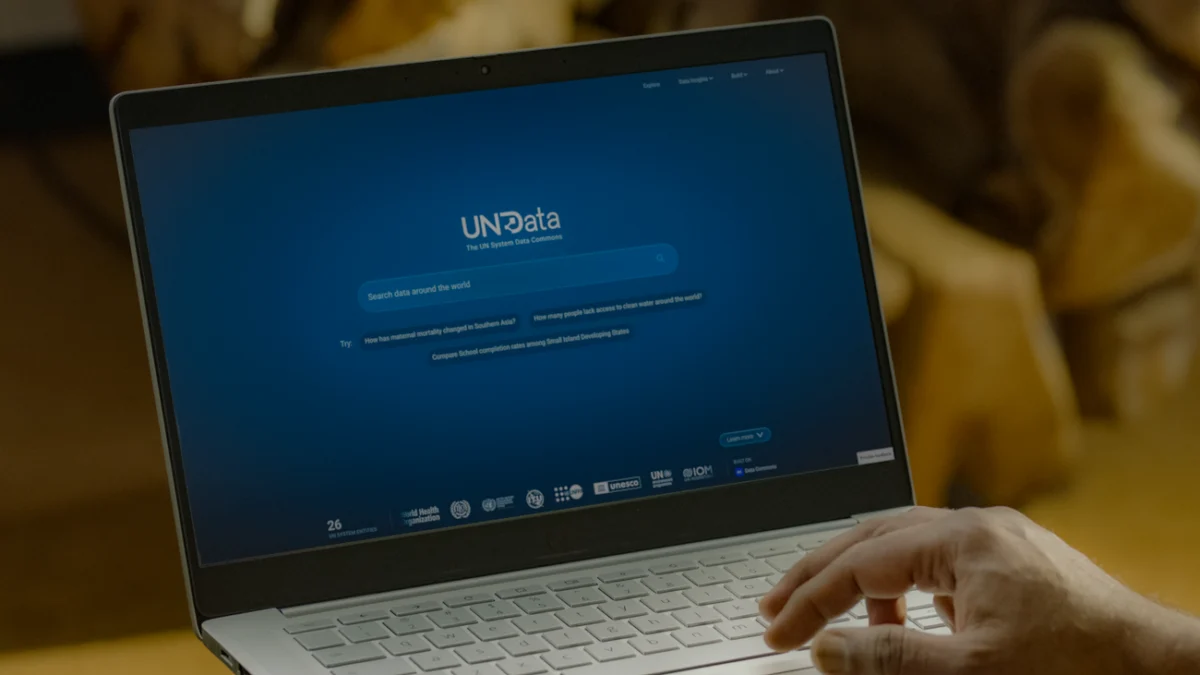
For decades, the United Nations has functioned as the world’s primary repository for socioeconomic, health, and environmental statistics. However, these figures have traditionally been siloed within individual agencies—such as UNICEF, the World Health Organization (WHO), and the UN Development Programme (UNDP)—each utilizing proprietary formats, unique nomenclatures, and disparate digital infrastructures. This lack of interoperability has meant that analysts often spent upwards of 80% of their time on "data janitorial work"—cleaning, reformatting, and mapping variables—before they could even begin the substantive analysis required to inform policy. The UN System Data Commons addresses this by applying a standardized, AI-ready architecture, effectively allowing disparate datasets to "speak the same language."
The Evolution of Global Data Integration
The genesis of this project lies in the urgent need to track the Sustainable Development Goals (SDGs). With the 2030 deadline for the SDGs approaching, the UN identified a critical bottleneck: the inability to synthesize cross-domain data in real time. For instance, understanding the correlation between childhood nutrition, educational attainment, and long-term economic mobility required manual cross-referencing of reports from different agencies, which often used incompatible geographic or temporal reporting structures.
The development of the platform follows a multi-year technological pivot. In early 2023, the UN began exploring how Google’s "Data Commons" infrastructure—an open-source project designed to make public datasets interoperable—could be scaled for global intergovernmental use. With support from Google.org provided to the UN Foundation, a pilot program was launched to test the feasibility of a centralized knowledge graph. This effort culminated in the current launch, which acts as a foundational layer for future AI-driven research.
Technical Architecture and AI Readiness
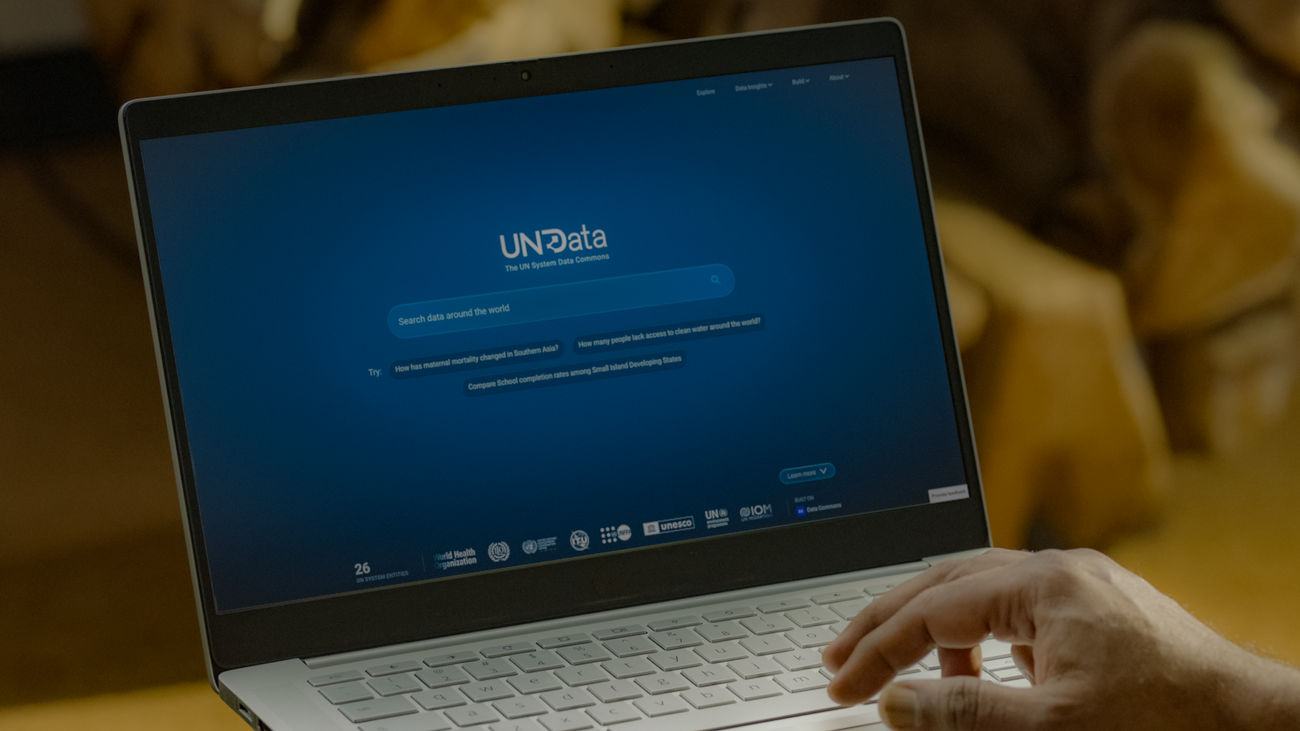
The platform is built on the Model Context Protocol (MCP), an open standard that allows AI agents to interface directly with data sources. This is a significant advancement over traditional database searching. By providing an "AI-ready" interface, the UN System Data Commons enables researchers to use natural language queries to retrieve information.
Instead of searching for a CSV file and manually building a chart, a policy analyst can now prompt an AI assistant to "compare the rate of stunting in sub-Saharan Africa against local access to sanitation over the last decade." The system autonomously fetches the authoritative data, aligns the geographic and temporal coordinates, and generates an interactive visualization. This "agentic" approach to research is intended to democratize data access, moving it out of the hands of technical specialists and into the reach of journalists, policymakers, and program managers who may not possess advanced data science training.
Supporting Data and Impact Metrics
The scope of the project is massive. As of its launch, the platform aggregates hundreds of thousands of individual data points. The UN has set an ambitious internal target: the integration of 80% of all UN system statistical datasets by 2027.
To ensure the integrity of this information, every data point on the platform is validated by UN statisticians. This human-in-the-loop verification is a core component of the platform’s value proposition. In an era where AI-generated content often faces scrutiny regarding hallucinations or inaccuracy, the UN System Data Commons provides a "grounded" source. The platform essentially acts as a verified knowledge base for large language models (LLMs) and other AI systems to reference, reducing the likelihood of AI-generated misinformation in policy papers.
Implications for Global Governance
The broader implications of this platform for global governance are substantial. First, it fosters evidence-based transparency. When data is accessible and readable, it becomes easier for the public and international oversight bodies to hold governments and agencies accountable for their progress on specific commitments, such as the reduction of child poverty or the implementation of renewable energy initiatives.
Second, the platform serves as a catalyst for cross-sector collaboration. By allowing for the discovery of intersections between disparate fields—such as the impact of climate change on migration patterns or the link between health outcomes and infrastructure investment—the UN is enabling a more holistic approach to complex crises. Experts note that "wicked problems"—those characterized by high complexity and multiple stakeholders—are rarely solvable by looking at a single metric. By unifying the UN’s data ecosystem, the organization is providing the necessary infrastructure to model these complex relationships.
Challenges and Future Hurdles
Despite the promise of the platform, several challenges remain. The primary obstacle is the continued digitization of legacy records. Many UN entities still rely on historical, paper-based reporting or localized, non-digital databases. Bringing these into a modern, machine-readable format is a labor-intensive process that will require sustained funding and technical cooperation from member states.
Furthermore, there is the issue of "data sovereignty." As global statistics are centralized, questions regarding who owns, manages, and updates this data become paramount. The UN has emphasized that the Data Commons is an open-source, non-proprietary resource, designed to remain neutral and accessible to all nations regardless of their technological infrastructure. However, ensuring that this platform remains equitable for developing nations—which may have less robust data collection capabilities—is a central focus for the steering committee overseeing the project.
Official Response and Strategic Vision
Prem Ramaswami, Head of Data Commons, has characterized the initiative as a "foundational shift" in the digital architecture of the UN. In official briefings, UN representatives have highlighted that the platform is not merely a technical upgrade but a strategic necessity for the 21st century. The goal is to evolve from an organization that produces static reports to one that provides dynamic, actionable insights in real time.
"We are moving from a world where data is a static document to a world where data is a living, interconnected asset," one UN official noted during the launch. By enabling AI to act as a research assistant, the UN is essentially expanding its research capacity without necessarily increasing its headcount, allowing current staff to pivot from data processing to high-level analysis and strategy.
Looking Ahead
The rollout of the UN System Data Commons is expected to proceed in phases. The immediate next steps include expanding the integration of climate-related datasets, which are currently among the most highly requested by member states. Additionally, the platform is expected to introduce more advanced API capabilities, allowing third-party developers to build applications that tap directly into the UN’s knowledge graph.
For the international research community, the impact will likely be felt in the speed and accuracy of academic and policy-driven research. As the platform matures, it will likely become the standard reference point for anyone seeking to understand global trends. The ability to filter by location, theme, or demographic, combined with the assurance of UN-validated, high-integrity data, positions this initiative as perhaps the most significant digital milestone in the history of the UN’s statistical work.
As the platform continues to grow, it will serve as a testament to the power of open-source technology in the public sector. By bridging the gap between raw, siloed statistics and actionable intelligence, the UN System Data Commons is setting a new benchmark for how global institutions can leverage technology to tackle the challenges of a rapidly changing world. The path toward 2027, and the 80% integration goal, will be closely watched by data scientists and policy analysts alike, as the success of this project could serve as a model for other large-scale international efforts to harmonize information and foster global cooperation.

