
For the modern independent fashion designer, the romanticized image of sketching in a studio is often eclipsed by the grueling reality of administrative overhead. The industry standard involves a chaotic blend of factory logistics, supply chain management, and vendor coordination, which collectively consume the vast majority of a designer’s daily schedule. As New York Fashion Week (NYFW) approaches, the pressure to produce high-quality, cohesive collections under strict financial and temporal constraints reaches a boiling point. Recognizing this, Google’s Envisioning Studio, in partnership with Google Labs, launched a strategic initiative to streamline these creative workflows, aiming to replace friction with digital precision.
The Technological Bridge: Google Flow
At the heart of this initiative is Google Flow, an AI-powered creative studio designed to lower the barrier to entry for complex project management. Unlike traditional CAD software or static design programs, Google Flow utilizes natural language processing, allowing users to describe their workflows and desired outcomes in plain text. This enables designers to construct bespoke, task-specific tools without needing formal software engineering expertise. By integrating these custom AI agents into their pre-show preparation, designers like Jane Wade and Sergio Hudson have managed to transition from manual, error-prone planning to data-driven, virtualized production.
Chronology of the Collaboration
The collaboration began months before the first model stepped onto the runway at New York Fashion Week. The initial phase focused on identifying the primary "pain points" for independent labels. For Jane Wade, the hurdle was the sheer volume of styling combinations and the time-intensive nature of manual casting and fittings. For Sergio Hudson, the challenge was primarily spatial and budgetary—specifically, the cost of iterating on runway set designs.
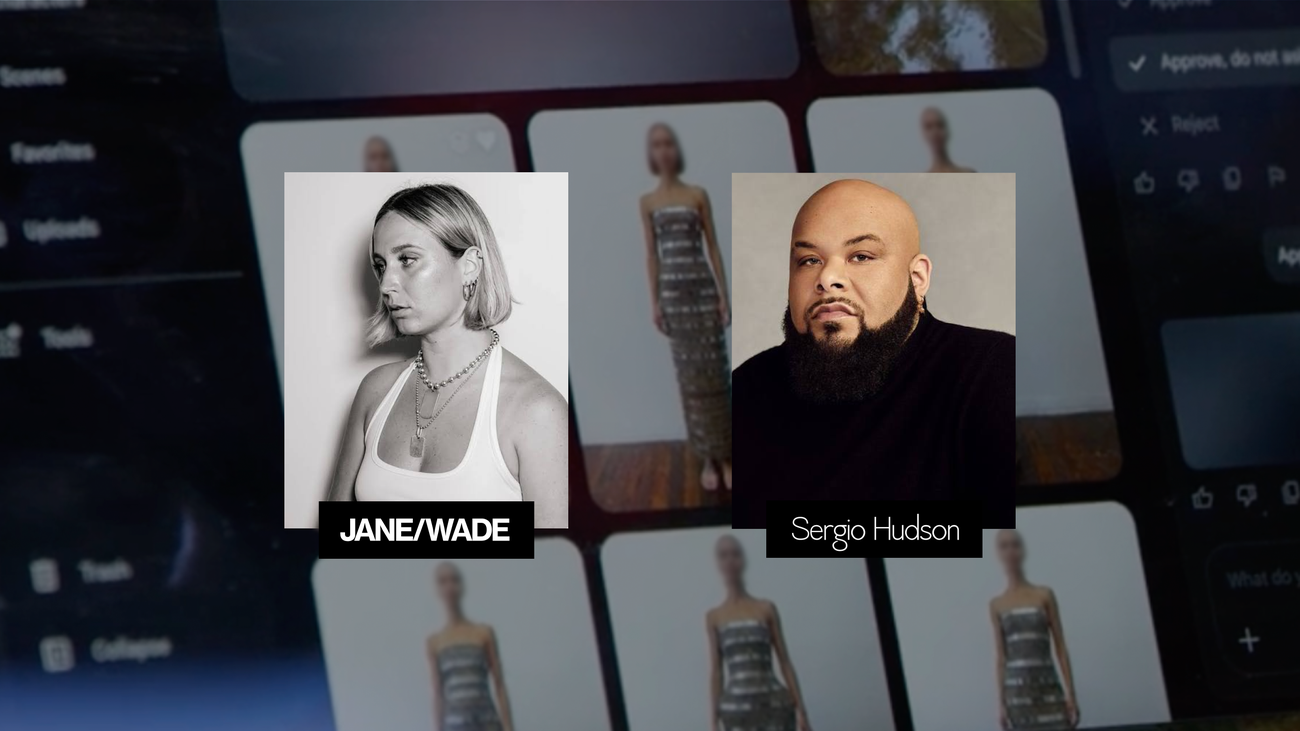
By the second quarter of the year, Google engineers were embedded with both design teams. The engineers observed the standard "fitting" process, which typically spans three days of physical labor, and identified areas where virtual simulation could expedite decision-making. By mid-summer, the beta versions of the specialized tools—Styling Suite for Wade and Runway Visualization for Hudson—were operational. These tools were tested against real-world constraints, with final refinements implemented just weeks before the start of the September fashion calendar.
Digital Styling and the Evolution of the Fitting Room
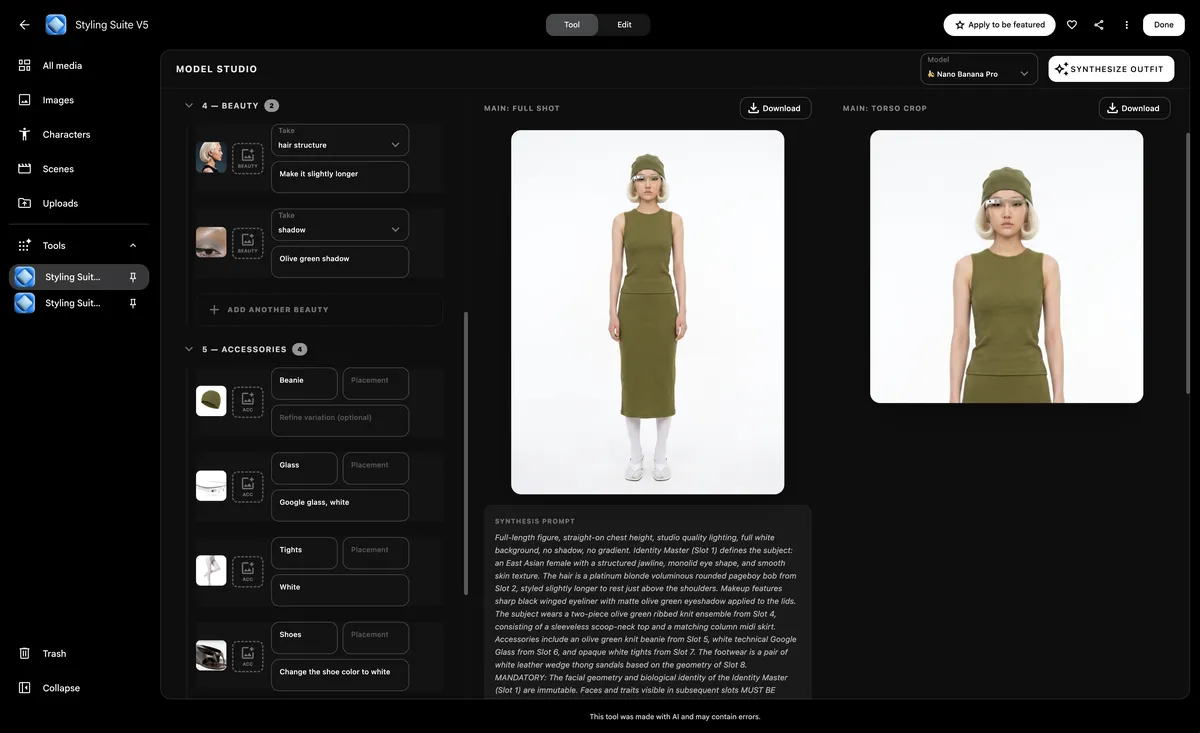
Jane Wade’s Styling Suite represents a significant shift in how designers approach the "total look." In traditional runway prep, designers spend hours physically arranging garments, accessories, and footwear on models to gauge visual balance. This process is inherently wasteful, often requiring the production of multiple fabric samples that may never make it to the final show.
The Styling Suite tool allowed Wade to create digital twins of her models, complete with accurate proportions. She could then iterate through thousands of combinations of hair, makeup, shoes, and clothing. By viewing these combinations in a high-fidelity digital environment, Wade could identify structural issues or color imbalances long before the physical garments were finalized. This capability not only reduced the amount of textile waste but also allowed for a more adventurous exploration of silhouettes, as the "cost" of failure was reduced to a few minutes of digital input rather than days of labor and material costs.
Budgetary Precision in Runway Staging
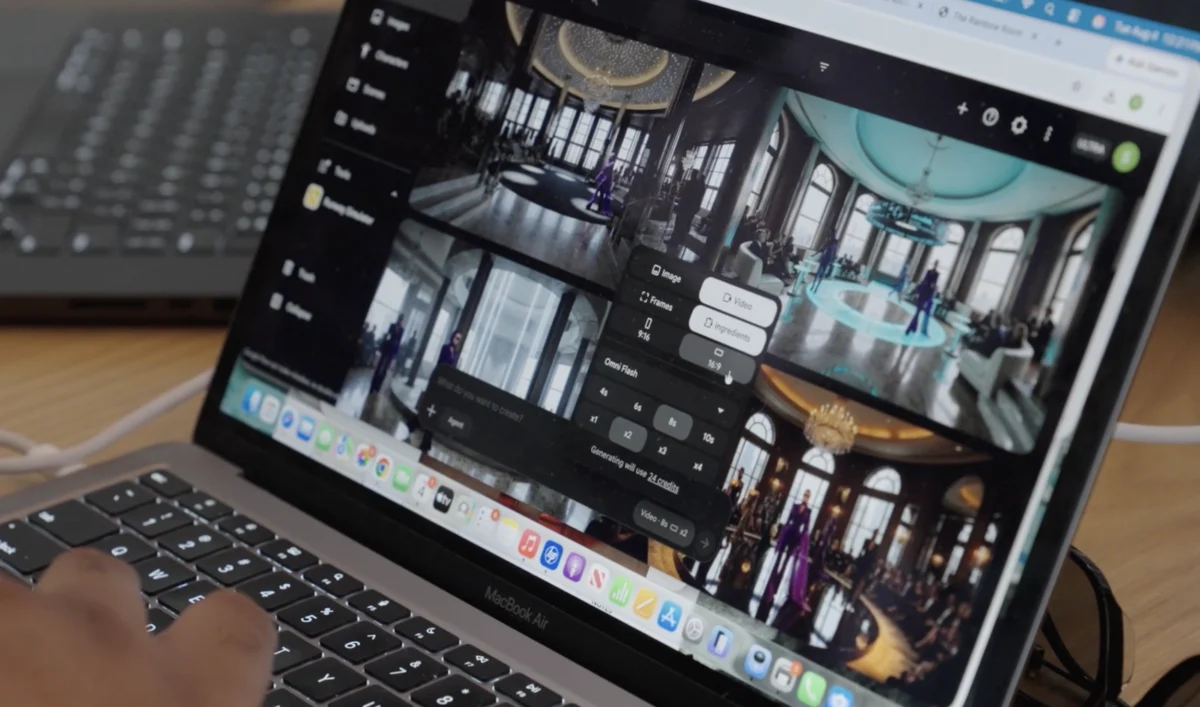
Sergio Hudson’s challenge was one of physical logistics and financial management. Staging a runway show in New York City is a multi-million-dollar undertaking for larger houses, but for independent designers, every dollar must be carefully allocated. Historically, changing the lighting, floor plan, or prop arrangement of a show required hiring 3D artists to render new plans, a process that is both slow and expensive.

The Runway Visualization tool developed for Hudson functioned as a virtual architect. It allowed the designer to manipulate the show environment in real-time. By inputting specific budget constraints, the tool could suggest lighting setups and prop placements that remained within his financial parameters. Furthermore, the tool simulated the movement of models through the venue, allowing Hudson to refine walking paths to ensure optimal visibility for the audience. This level of granular control meant that the production team could enter the venue with a finalized plan, significantly reducing the overtime hours typically required to troubleshoot set design on-site.
Supporting Data and Industry Implications
The fashion industry is currently under immense pressure to modernize its operations. According to recent reports from McKinsey & Company regarding the "State of Fashion," the industry is grappling with supply chain volatility and a growing demand for sustainability. Digital tools that minimize sample production—a major contributor to industry waste—are no longer considered luxury additions; they are becoming essential for survival.
Industry analysts suggest that the integration of generative AI into the creative workflow can reduce development lead times by as much as 30% to 50%. By removing the necessity for physical iteration in the early stages, designers can reallocate resources toward fabric sourcing, artisan labor, and brand storytelling. This shift marks a transition from "reactive design," where creators fix problems as they arise, to "predictive design," where potential issues are identified and mitigated in a virtual space.
Official Perspectives and Future Trajectory
Representatives from Google’s Envisioning Studio emphasize that the goal of this collaboration was never to replace the designer’s intuition, but to augment it. "The designer remains firmly in the driver’s seat," stated a spokesperson for the project. By co-creating tools that work within existing creative processes rather than forcing designers to adapt to rigid software, Google has created a blueprint for how AI can serve the creative arts.
The success of the Wade and Hudson collaborations indicates that the fashion industry is ripe for a technological pivot. While there remains a segment of the industry that views AI with skepticism, the concrete results seen at New York Fashion Week—increased efficiency, reduced waste, and sharper production quality—provide a compelling counter-argument.
Broader Impact on the Creative Economy
The broader implication of this initiative is the democratization of advanced technology. By making tools like Google Flow accessible to independent designers, the barrier to high-level production is lowered. In the past, only the largest fashion houses had the capital to invest in proprietary 3D visualization software or extensive digital studios. Now, independent creators can leverage similar capabilities, allowing them to compete on a more level playing field.
As AI continues to evolve, the distinction between "creative" and "technical" roles will likely continue to blur. Designers of the future will be expected to possess a baseline proficiency in managing digital workflows. However, as evidenced by the work of Wade and Hudson, this does not mean the end of the human touch. On the contrary, by outsourcing the administrative and logistical burden to AI agents, designers are actually freed to spend more time on the core of their craft: the artistic expression of their vision.
Moving forward, the goal for Google is to move these AI-assisted workflows out of the "pilot" phase and into the mainstream. By providing a platform where any designer can build a bespoke tool using only natural language, the potential for innovation is limited only by the designer’s imagination. Whether it is optimizing a supply chain or visualizing a complex runway show, the future of fashion is being rewritten in code—a quiet, digital revolution happening behind the scenes of the most visible runways in the world. As these technologies mature, they promise a more sustainable, efficient, and creatively empowered future for the global fashion industry.

