
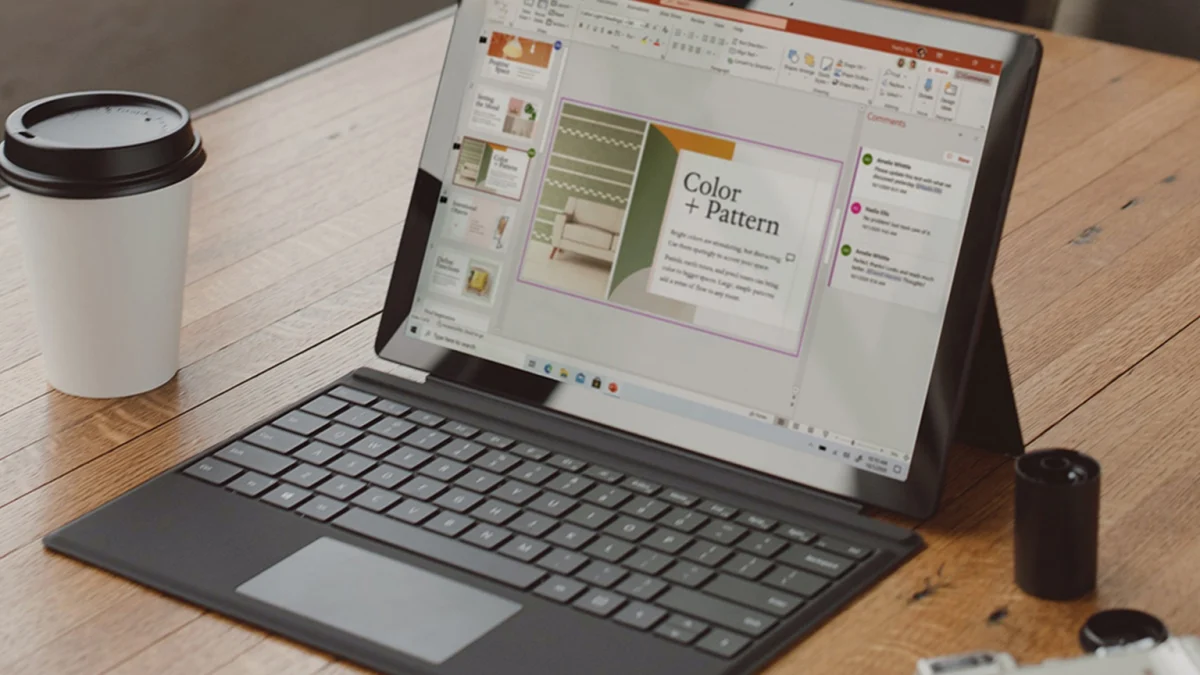
In an era dominated by subscription-based software models, consumers and businesses alike increasingly experience subscription fatigue. For years, tech giants have pivoted away from traditional perpetual software licenses toward recurring cloud-based billing models. While these subscription services offer regular updates and multi-device cloud integration, they also impose a continuous, compounding financial burden on users who simply require stable, core productivity tools. Addressing this widespread consumer frustration, a significant retail promotion offers a lifetime license to Microsoft Office Professional 2021 for Windows at a steep discount, reducing the standard $219.99 retail price down to $27.97. Available through November 16, this promotion represents one of the final opportunities for users to secure a fully featured, permanent software suite without entering into an ongoing financial contract.
The Mechanics and Value of Perpetual Licensing
The software package featured in the promotion is not a stripped-down student edition, cloud-restricted web app, or temporary trial. Microsoft Office Professional 2021 for Windows includes the complete suite of industry-standard productivity applications designed for local installation on a single Windows PC. The software bundle comprises Microsoft Word for word processing and document generation, Microsoft Excel for complex data analysis, financial modeling, and spreadsheet management, and Microsoft PowerPoint for professional presentations. Furthermore, the suite incorporates Microsoft Outlook for comprehensive email management and calendar organization, alongside database management through Microsoft Access and desktop publishing capabilities via Microsoft Publisher.
Unlike Microsoft 365—which requires a continuous monthly or annual fee to maintain access—Office 2021 operates on a perpetual license model. Under this framework, a single upfront payment grants the user lifetime rights to the software version installed on their machine. The application functions locally without requiring an active internet connection for everyday tasks, eliminating the risk of sudden service disruptions caused by expired billing cycles, failed credit card authorizations, or lapsed subscriptions.
The Evolution of Productivity Software: Perpetual vs. Subscription Models
To understand the significance of the Microsoft Office 2021 discount, it is necessary to examine the broader historical shift in software distribution. For decades, the standard model for personal computer software involved purchasing a physical disc or digital installer with an endless right to use that specific version. Consumers bought Office 97, 2003, 2007, or 2010 once, and the software remained functional indefinitely on their hardware.
However, around 2011, Microsoft introduced Office 365 (subsequently rebranded as Microsoft 365), marking a strategic corporate transition toward Software-as-a-Service (SaaS). This shift offered distinct advantages for software developers: predictable recurring revenue streams, continuous integration of cloud storage via OneDrive, and seamless multi-platform deployment across Windows, macOS, iOS, and Android devices. For enterprises and heavy collaborators, the SaaS model streamlined version control and made rolling out updates frictionless.
Conversely, the subscription model created distinct friction for budget-conscious consumers, independent contractors, students, and small-business owners who did not utilize cloud-based collaboration features or require bleeding-edge iterative updates. For these users, paying an annual fee year after year for word processing and spreadsheet capabilities often exceeded the lifetime utility of the software. A perpetual license bridges this gap, catering specifically to users who prioritize long-term fiscal predictability over cloud-synced features and frequent cosmetic redesigns.
Financial Implications and Market Analysis
At the promotional price of $27.97, the cost savings relative to the manufacturer’s suggested retail price (MSRP) of $219.99 amounts to a reduction of approximately 87 percent, saving buyers over $192. Financial analysts note that promotional pricing of this nature typically occurs through authorized volume-licensing distributors and secondary digital software marketplaces. These platforms specialize in liquidating surplus enterprise license keys, enabling individual consumers to benefit from corporate-tier purchasing power.
When evaluated against the standard pricing of a Microsoft 365 Personal subscription—which generally retails for approximately $69.99 annually—the economic advantages of the Office 2021 lifetime license become immediately apparent. Purchasing a single year of Microsoft 365 already costs more than double the promotional price of the Office 2021 perpetual license. Over a standard three-to-five-year hardware upgrade cycle, a user relying on a subscription model would spend between $210 and $350, whereas the perpetual license user incurs a single, unrepeating expense of under $30.
This stark financial disparity explains the sustained high demand for legacy and standalone perpetual software releases. Even as Microsoft continues to direct its primary marketing efforts toward cloud subscriptions, the enduring popularity of Office 2019, 2021, and anticipated future perpetual releases demonstrates that a substantial segment of the global market firmly rejects the perpetual rental economy for core desktop applications.
Technical Requirements and Installation Process
The deployment mechanism for discounted software licenses has evolved to prioritize user convenience and immediate access. Upon completing the purchase transaction, buyers receive instantaneous digital delivery of their product key along with direct download links hosted by verified distribution partners.
Technical specifications for Microsoft Office Professional 2021 dictate that the software requires a compatible personal computer running Windows 10 or Windows 11. Because the applications are installed locally, system performance remains robust, unencumbered by the background synchronization processes often associated with cloud-reliant software suites. The installation procedure involves redeeming the provided product key directly through official Microsoft account portals or the installer interface, ensuring genuine software validation and access to standard security patches and stability updates provided by Microsoft for the 2021 lifecycle.
Security, Support, and Long-Term Viability
A common inquiry among consumers purchasing discounted software keys involves the legitimacy and long-term security of the product. Industry experts emphasize that legally acquired product keys originating from excess enterprise channels function identically to retail keys purchased directly from major brick-and-mortar electronics retailers.
Regarding software updates, Microsoft provides a defined support lifecycle for its perpetual Office releases. Office Professional 2021 falls under Microsoft’s Fixed Lifecycle Policy, which guarantees mainstream support—including regular security updates, stability patches, and bug fixes—for a minimum of five years from the date of the product’s general release. This ensures that users operating Office 2021 remain fully protected against emerging digital vulnerabilities, matching the security standards required by corporate environments and educational institutions.
Furthermore, promotions distributed through established digital marketplaces generally include customer support guarantees to assist users with installation troubleshooting, account binding, and key activation. This minimizes technical friction and provides consumers with institutional backing throughout the setup phase.
Broader Economic Context and Consumer Trends
The timing of deep discounts on perpetual software highlights a broader shift in consumer behavior characterized by tightening household budgets and increased scrutiny of recurring monthly expenditures. In recent years, consumers have grown increasingly weary of "subscription creep"—the cumulative financial weight of maintaining dozens of separate monthly subscriptions for streaming media, cloud storage, productivity suites, utility software, and mobile applications.
Financial literacy advocates and consumer advocacy groups frequently advise households to audit their recurring digital expenses, noting that small monthly fees often compound into significant annual expenditures. By opting out of software subscriptions and transitioning essential utilities like office suites to permanent licenses, consumers can effectively permanently eliminate recurring line items from their personal budgets without sacrificing operational capability.
Furthermore, small businesses and freelance professionals operating on tight profit margins benefit significantly from cost-containment strategies involving perpetual licensing. Eliminating recurring software licensing overhead allows small-scale enterprises to allocate capital toward growth, marketing, and hardware upgrades rather than ongoing software maintenance fees.
Conclusion: Evaluating the Final Window of Opportunity
As the deadline for the Microsoft Office Professional 2021 promotion approaches on November 16 at midnight, consumers are faced with a clear choice regarding their software infrastructure. For individuals currently contending with expiring trial versions, cumbersome annual renewal fees, or the prohibitive costs of standard retail software packages, the current discount offers a pragmatic, cost-effective alternative.
By combining the full professional-grade suite of Word, Excel, PowerPoint, Outlook, Access, and Publisher into a single, unrepeating purchase of $27.97, the promotion effectively removes the financial barrier to entry for essential workplace tools. While the digital landscape continues its aggressive march toward cloud-first, subscription-based ecosystems, the enduring appeal of the perpetual license proves that ownership and economic predictability still hold profound value for modern computer users.

