
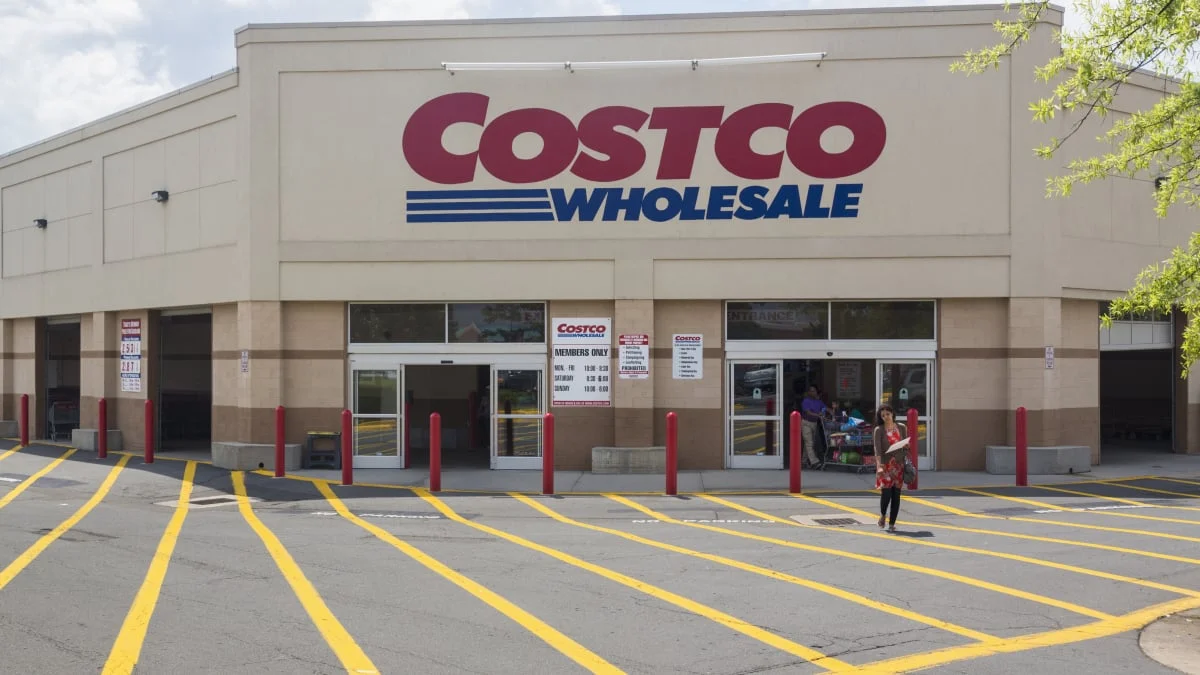
Finding reliable ways to manage household budgets has become a primary focus for millions of consumers navigating persistent inflation, shifting supply chains, and fluctuating grocery prices. For decades, warehouse clubs have positioned themselves as a strategic countermeasure to the rising cost of living, offering deep discounts on bulk quantities of everyday essentials. Among these retail giants, Costco Wholesale stands out as a dominant player, boasting a loyal membership base numbering in the tens of millions worldwide. A newly launched promotion through digital marketplace StackSocial provides an additional incentive for prospective shoppers considering a commitment to the warehouse club, bundling a standard membership with a digital gift card designed to offset initial out-of-pocket expenses.
Under the terms of the limited-time offer, new customers who purchase a one-year Costco Gold Star Membership for $65 and enroll in automatic membership renewal will receive a $20 Digital Costco Shop Card delivered via email. This structured deal aims to lower the barrier to entry for shoppers who have weighed the upfront cost of club membership against potential long-term savings on groceries, household goods, fuel, and specialized services. As consumer spending habits continue to evolve in response to economic pressures, promotional incentives of this nature highlight the competitive strategies retailers use to attract and retain members in a crowded marketplace.
Understanding the Costco Gold Star Membership Structure
A Costco Gold Star Membership serves as the baseline individual tier for access to the warehouse chain’s expansive brick-and-mortar locations and digital storefronts. Priced at $65 annually, the membership grants the primary cardholder entry to more than 500 warehouse facilities across the United States, as well as international locations. Along with the primary card, each membership includes one complimentary Household Card, which can be issued to any individual aged 18 or older residing at the same residential address.
The value proposition of a Costco membership extends far beyond traditional grocery shopping. Beyond aisles stocked with bulk-packaged produce, meats, pantry staples, and the company’s popular private-label brand, Kirkland Signature, warehouse locations frequently feature ancillary services designed to consolidate household errands. Members routinely utilize on-site Costco Gas Stations, which often offer fuel at prices significantly lower than surrounding commercial competitors. Additional integrated services include Costco Tire Centers, optical departments, pharmacies, and photo centers.
Furthermore, Costco maintains partnerships that extend membership perks into other sectors of consumer spending, including travel services, home improvement installations, auto insurance, and financial products. For households seeking to streamline their monthly expenditures, the ability to source multiple goods and services under a single corporate umbrella remains a compelling draw.
The Mechanics of the StackSocial Promotional Offer
The current promotional campaign, executed in partnership with third-party digital retailer StackSocial, introduces a structured incentive for first-time subscribers. To qualify for the $20 Digital Costco Shop Card, applicants must complete a specific sequence of actions during the registration process.
First, the customer must purchase a new one-year Gold Star Membership through the designated promotional portal at the standard annual rate of $65. Second, the subscriber must opt into Costco’s auto-renewal program, a mechanism designed by the retailer to reduce membership lapse rates by automatically charging the designated payment method when the annual renewal date arrives.
Once the transaction is successfully processed and the auto-renewal preference is registered, the qualifying $20 Digital Costco Shop Card is dispatched electronically. According to fulfillment guidelines, the digital card typically arrives in the customer’s registered email inbox within two weeks of successful enrollment. The card functions as digital currency and can be applied toward purchases at any physical Costco warehouse location or online at Costco.com. However, certain restrictions apply; notably, the digital shop cards are not accepted at Costco Food Court locations, nor can they be redeemed for cash, except where required by law.
It is important to note that this specific promotion is strictly limited to new members. Individuals who currently hold an active Costco membership, as well as those whose memberships have expired within a specified recent timeframe, are generally excluded from qualifying for introductory incentives of this nature. This eligibility restriction reflects standard retail acquisition marketing practices, which prioritize net-new customer acquisition over the retention of existing account holders.
Broader Economic Context and Consumer Spending Trends
The timing of membership promotions often aligns with broader macroeconomic indicators. Over the past several years, consumer price indices for food at home have experienced notable volatility, prompting shoppers to reevaluate where and how they purchase groceries. Bulk purchasing has re-emerged as a popular strategy for mitigating unit-cost inflation, as buying non-perishable goods, paper products, and frozen items in larger quantities typically yields a lower price per ounce, pound, or item.
Warehouse clubs operate on a unique business model compared to traditional supermarkets or big-box retailers. While standard grocery stores derive the majority of their profit margins directly from the markup on merchandise, warehouse clubs like Costco generate a significant portion of their operating income from membership fees. This structural distinction allows warehouse operators to price merchandise much closer to wholesale cost, passing substantial savings along to the consumer while relying on the stability of recurring annual membership dues to ensure financial health.
By offering a $20 digital shop card effectively subsidizing a portion of the initial $65 membership fee, promotional partners lower the psychological and financial friction associated with joining. For a budget-conscious consumer, receiving a digital card equivalent to nearly a third of the annual membership cost provides an immediate return on investment, making the decision to test out the warehouse shopping experience more financially palatable.
Chronology of Membership Fee Adjustments and Market Position
Costco’s pricing strategy has historically prioritized long-term member loyalty over aggressive short-term price hikes. For many years, the standard Gold Star Membership remained fixed at $60 annually. However, reflecting cumulative inflationary pressures and rising operational costs—including employee wages, logistics, and supply chain management—the company adjusted its membership fees.
In late 2024, Costco implemented its first membership fee increase in seven years, raising the annual cost of a Gold Star Membership from $60 to $65, and the Executive Membership from $120 to $130. Despite modest fee adjustments, renewal rates have remained exceptionally high, consistently hovering above 90% in North America and globally. This metric underscores the strong brand loyalty and perceived value that members associate with the service.
Promotional collaborations with platforms like StackSocial have served as a recurring channel for acquiring new members who might otherwise hesitate at the higher price threshold. By pairing the new $65 baseline fee with a $20 promotional credit, the effective cost for the first year is temporarily brought back down closer to historical pricing tiers, stimulating acquisition velocity during key retail periods.
Strategic Implications for Retail Competitors
The competitive landscape for bulk retail and membership-based shopping is fierce, featuring major industry players such as Sam’s Club (owned by Walmart) and BJ’s Wholesale Club. Each of these entities frequently deploys introductory membership discounts, gift card bundles, or discounted annual rates to capture market share.
In this competitive ecosystem, promotional offers function as a vital tool for customer acquisition. When prospective members compare the upfront costs of competing warehouse clubs, introductory perks often serve as the decisive factor. By securing partnerships with established digital platforms, Costco ensures its brand remains top-of-mind for consumers actively searching for ways to economize.
Furthermore, driving new members into physical warehouses has a secondary economic benefit for the retailer. Industry data consistently demonstrates that warehouse club members tend to spend more per visit than traditional grocery shoppers, driven by the "treasure hunt" atmosphere created by rotating inventory, seasonal displays, and impulse purchases of high-value items. Once a consumer is inside the warehouse utilizing their membership, the likelihood of basket expansion increases significantly.
Fact-Based Analysis of Membership Value
For consumers evaluating whether a Costco membership makes financial sense for their household, a basic cost-benefit analysis is essential. At a net cost of $45 for the first year (after accounting for the $20 digital shop card and the standard $65 annual fee), a member needs to generate enough savings through lower prices on groceries, fuel, and household items to recoup that expenditure.
For a family of four or even a two-person household consuming regular quantities of staple goods, achieving $45 in annual savings is often easily attainable within the first few shopping trips, particularly when purchasing items like fresh meat, dairy, coffee, and cleaning supplies. Moreover, households with high daily commuting distances frequently report that the savings accumulated by utilizing Costco’s competitively priced fuel stations alone can cover the entirety of the annual membership fee over the course of a year.
However, financial advisors often point out potential pitfalls for smaller households or individuals living alone. The primary challenge of warehouse club shopping is portion control and storage space. Purchasing bulk quantities of perishable items can lead to food waste if not consumed before expiration, which ultimately negates the initial financial savings. Additionally, the temptation to purchase non-essential items due to bulk packaging can inflate total checkout totals.
Conclusion and Outlook for Prospective Shoppers
The availability of the StackSocial promotion provides a timely opportunity for consumers who have contemplated joining the warehouse club system but delayed due to the membership fee. By combining the standard $65 Gold Star Membership with a $20 Digital Costco Shop Card upon auto-renewal enrollment, the promotion offers a practical way to test the utility of bulk shopping while mitigating initial costs.
As retail dynamics continue to adapt to shifting economic realities, membership-based warehouse clubs remain a cornerstone of American consumer behavior. Whether this specific promotional window prompts a surge in new sign-ups will depend on individual household budgeting needs, but the underlying appeal of bulk savings, integrated services, and private-label value ensures that warehouse retail will maintain its robust market position for the foreseeable future.

