
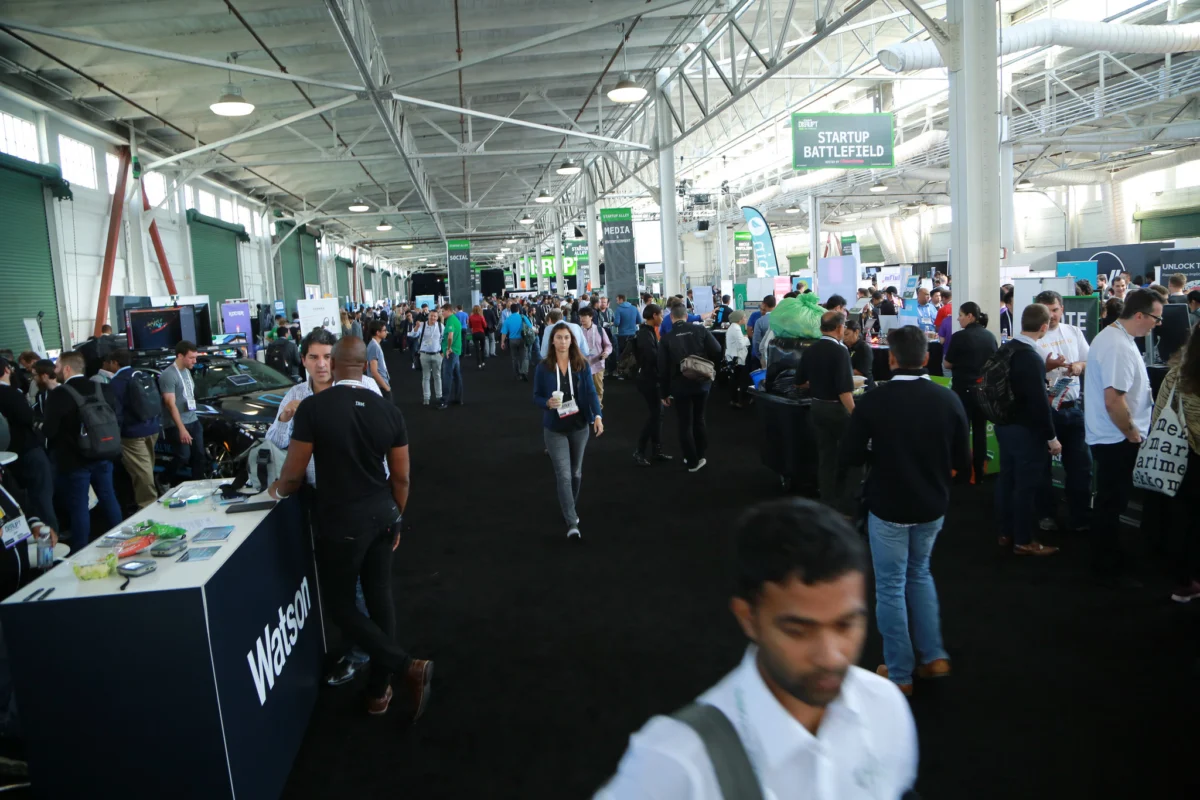
The window for emerging technology companies to secure a physical presence at the highly anticipated TechCrunch Disrupt 2026 is rapidly closing. As of Friday, September 18, organizers have confirmed that the opportunity to book an exhibit table in the Expo Hall will officially terminate at 11:59 p.m. PT. This deadline represents the final opportunity for founders and early-stage entrepreneurs to register their companies for a direct showcase at the event, which is scheduled to take place from October 13 through October 15 at the Moscone West convention center in San Francisco.
TechCrunch Disrupt, widely regarded as one of the most significant touchpoints for the global startup ecosystem, has served for over a decade as a primary launchpad for innovation. The event functions as a centralized marketplace where the intersection of venture capital, emerging technology, and industry leadership is formally facilitated. With the clock ticking on exhibit availability, the pressure for startups to finalize their logistics is mounting, as the limited inventory of tables is allocated on a strict first-come, first-served basis.
The Strategic Value of Physical Presence
For a startup, the decision to invest in an exhibit table—priced at $12,500—is often viewed as a calculated marketing and business development expense. The package includes a dedicated 6-foot by 30-inch workspace, ten team passes, and access to premium networking tools. Beyond the physical infrastructure, the primary value proposition lies in the demographic composition of the attendees. With over 10,000 participants expected, the Expo Hall acts as a microcosm of the current tech industry, attracting a high density of decision-makers.
Market analysis of previous Disrupt iterations suggests that the "collision rate"—the frequency at which a startup founder makes a meaningful, high-value connection—is significantly higher for those occupying the Expo Hall compared to general attendees. By positioning a product or service directly in the path of venture capitalists, potential enterprise clients, and journalists, exhibiting startups gain a quantifiable competitive advantage. This visibility is essential in an era where digital noise often obscures genuine innovation. By securing a table, firms are not merely purchasing space; they are purchasing proximity to the individuals capable of accelerating their growth trajectory.

Chronology of the Event and Registration Milestones
The lead-up to TechCrunch Disrupt 2026 has been marked by a series of strategic milestones designed to manage the influx of participants while ensuring the quality of the attendee pool. The current exhibition deadline follows months of early-bird registration and thematic programming announcements.
- September 18, 11:59 p.m. PT: Final deadline for all startup exhibit table bookings.
- September 25: Official conclusion of regular ticket pricing, after which admission costs for general attendees are expected to increase by approximately $200.
- October 13–15: The live event at Moscone West. The schedule is structured to move from foundational networking and keynotes on day one to intensive deal-making and competitive pitches by the final day.
This timeline reflects a deliberate effort by organizers to consolidate the industry’s focus. The progression from registration to the final event allows attendees and exhibitors to utilize AI-powered matchmaking platforms in the weeks preceding the conference, ensuring that when the doors open in San Francisco, the most relevant parties are already aware of each other’s presence.
Supporting Data and Industry Context
The significance of the 2026 event must be viewed through the lens of the current economic climate in the technology sector. After a period of tightened venture capital spending throughout 2024 and 2025, indicators suggest a market shift toward "pragmatic innovation." Investors are increasingly prioritizing startups that can demonstrate immediate, scalable utility rather than those relying solely on long-term growth projections.
According to industry reports, events like TechCrunch Disrupt have seen a steady increase in "corporate innovation" teams—representatives from Fortune 500 companies seeking to partner with or acquire smaller, agile startups. The 300+ startups expected to be present at this year’s conference represent a curated selection of the broader market. The inclusion of the "Startup Battlefield 200" underscores the competitive nature of the event, where startups are not just exhibiting but are actively being vetted by a panel of expert judges and investors.
Perspectives on Networking and Ecosystem Impact
Industry observers have noted that the "Deal Flow Café" and "Investor-to-Founder" networking sessions represent the modern evolution of professional conferencing. These sessions replace the serendipitous encounters of the past with structured, data-driven interactions. By leveraging algorithms to connect founders with investors whose mandates align with their specific vertical—whether it be generative AI, climate tech, or cybersecurity—the event maximizes the return on time invested.

For those who do not secure an exhibit table, the opportunity to connect remains substantial. The event features over 200 sessions spread across six industry-specific stages. These stages serve as a conduit for intellectual capital, with 250+ top-tier tech leaders providing insights into the challenges and opportunities defining the next decade. The educational component of the conference is designed to complement the commercial aspect, ensuring that even those without a booth can refine their business strategy through peer-to-peer learning and executive panels.
Broader Implications for the Tech Landscape
The convergence of 10,000 tech leaders in San Francisco for three days has broader implications for the regional and global economy. San Francisco remains the epicenter of global venture capital activity, and the presence of such a concentrated group of industry influencers at Moscone West typically correlates with a surge in follow-up funding announcements and strategic partnerships in the final quarter of the year.
The decision to limit the number of exhibit tables is a strategic choice by the event organizers to maintain a high "signal-to-noise" ratio. By capping the number of exhibitors, TechCrunch ensures that each participant is afforded a degree of visibility that would be impossible in a larger, less structured environment. However, this scarcity creates a "fear of missing out" (FOMO) dynamic, which, while beneficial for event organizers, also forces startups to make rapid, high-stakes decisions regarding their annual marketing budget.
Conclusion: The Final Opportunity
As the deadline of September 18 passes, the focus of the event will shift from exhibitor recruitment to operational execution. Startups that have failed to secure a table will find themselves in the position of needing to navigate the conference floor as general attendees, a task that requires a more aggressive, guerilla-style approach to networking.
For those who have successfully booked their space, the next few weeks will be dedicated to perfecting their demos, training their team members on elevator pitches, and preparing the collateral necessary to capture lead information effectively. The 2026 iteration of TechCrunch Disrupt is poised to be a barometer for the health of the startup ecosystem, and for the firms involved, it remains one of the few places where a single interaction can fundamentally alter the trajectory of a company. The final hours for participation are now in effect, signaling the end of the planning phase and the beginning of the intense, three-day showcase that defines the autumn tech calendar.

