
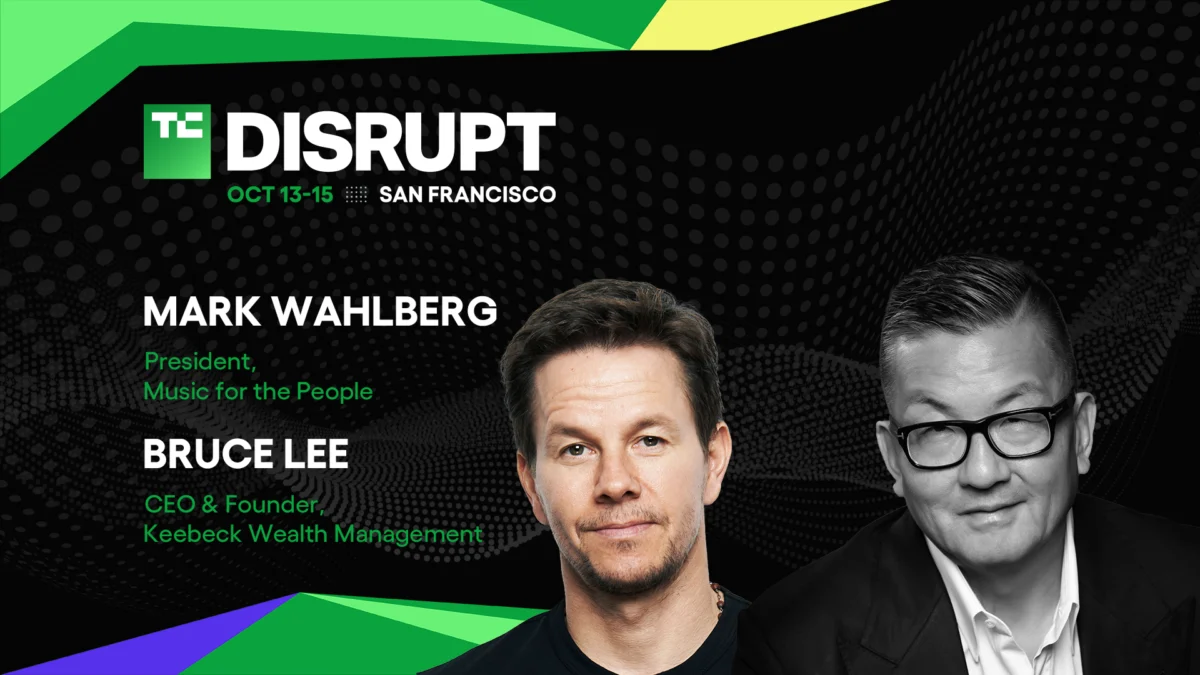
Mark Wahlberg’s trajectory from a pop culture icon to a multifaceted business mogul represents one of the most successful transitions from the entertainment sector to the world of institutional finance and venture capital. While his filmography—highlighted by Academy Award-nominated performances in The Fighter and breakout roles in Boogie Nights—has kept him in the global spotlight for three decades, his influence now extends into the boardrooms of burgeoning startups and the strategic planning of wealth management firms. This October, Wahlberg will take the main stage at TechCrunch Disrupt 2026 in San Francisco to provide a granular look at the discipline, mentorship, and analytical rigor that define his current business philosophy.
The Evolution of a Multi-Hyphenate Mogul
The transition from Hollywood star to venture capitalist is rarely linear, yet Wahlberg has navigated this path by leveraging his personal brand to cultivate a diverse portfolio. His business ventures include a robust production company, an expansive restaurant footprint, and significant holdings in the apparel and fitness industries. Beyond these commercial interests, his philanthropic efforts, most notably the Mark Wahlberg Youth Foundation, have provided a foundation for community engagement, supporting inner-city youth for over 25 years.
However, the upcoming session at TechCrunch Disrupt marks a shift in focus. Wahlberg will be joined by Bruce K. Lee, the founder and CEO of Keebeck Wealth Management. This partnership is emblematic of a broader trend: high-net-worth individuals from the entertainment industry are increasingly moving away from passive celebrity endorsements toward active, institutional-level investing. Under the guidance of seasoned financial experts like Lee, Wahlberg has transitioned his focus toward the complexities of the healthcare and wellness sectors, signaling a move toward long-term, high-impact capital allocation.
Chronology of an Entrepreneurial Pivot
To understand the significance of this shift, one must look at the timeline of Wahlberg’s career expansion. In the early 2000s, Wahlberg focused primarily on establishing his production credentials, eventually leading to the success of HBO’s Entourage. By the 2010s, he had diversified into consumer-facing brands, such as his activewear and restaurant enterprises.
The current decade has been defined by a transition toward private equity and venture capital. By aligning himself with institutional advisors, Wahlberg has begun to treat his capital with the same intensity he once reserved for film production. This maturation process involves the unlearning of traditional “celebrity-driven” investment instincts in favor of data-driven market analysis and risk assessment—a topic he intends to explore in detail during his fireside chat at Disrupt 2026.

The Institutionalization of Celebrity Capital
Industry analysts have noted that the “celebrity investor” archetype is undergoing a professionalization phase. Where once athletes and actors were known for speculative bets on retail or hospitality, current market data shows a pivot toward specialized technologies, particularly in health-tech, AI, and biotechnology.
According to recent industry reports on private wealth management, the shift among high-profile individuals toward venture capital has seen a 15% year-over-year increase in participation in Series A and Series B funding rounds. Wahlberg’s specific interest in healthcare reflects a broader societal move toward preventative wellness and life-science innovation. By working with firms like Keebeck Wealth Management, Wahlberg is moving away from the “gut-check” style of investing that characterizes many celebrity portfolios and toward a strategy based on rigorous due diligence, long-term exit planning, and portfolio diversification.
Strategic Implications for the Tech Ecosystem
The presence of a high-profile figure like Wahlberg at a premier technology event such as TechCrunch Disrupt serves as a barometer for the intersection of culture and capital. For startup founders, the primary interest lies in the “deal flow” and the strategic value of high-profile backers.
Wahlberg’s participation is expected to address the mechanics of this access. He is set to discuss how he utilizes his reputation to build trust in competitive markets and how he navigates the inherent volatility of the startup landscape. For the tech ecosystem, his insights offer a rare glimpse into the "other side" of the cap table. Founders will be looking for answers regarding what a sophisticated investor—one with the benefit of decades of experience in high-pressure creative industries—looks for in a pitch.
TechCrunch Disrupt 2026: The Global Stage
TechCrunch Disrupt 2026, scheduled for October 13–15 at the Moscone West center in San Francisco, continues to serve as the industry’s central hub for innovation. The event is slated to host over 10,000 attendees, featuring more than 250 industry leaders across 200 sessions. The inclusion of the Wahlberg-Lee session reflects the event’s broader mission to bridge the gap between legacy industries and cutting-edge technology.
The event’s agenda is meticulously designed to cover the full lifecycle of a startup, from ideation to IPO. By placing Wahlberg’s discussion within the context of these broader sessions, the organizers are providing a holistic view of the modern business environment. Attendees can expect to hear about the specific challenges of scaling in the current economic climate, the role of mentorship in avoiding catastrophic business failures, and the importance of adapting to rapid technological shifts.

Professional Analysis: The Path Forward
From a structural standpoint, the partnership between Wahlberg and institutional managers like Lee is a model for how public figures can effectively mitigate the risks associated with venture investing. Many celebrity-backed ventures fail due to a lack of operational discipline or a failure to distinguish between "brand value" and "business value." Wahlberg’s public commitment to learning the "institutional-level" ropes suggests a pivot toward sustainable growth rather than the short-term gains often associated with high-profile brand associations.
Furthermore, the focus on healthcare technology is a calculated strategic move. As global populations age and the demand for personalized health solutions increases, the healthcare sector has become one of the most stable and high-growth areas for venture capital. Wahlberg’s move into this space, combined with the analytical backing of wealth management experts, provides a blueprint for others in his field to follow.
Final Preparations for Attendees
As the September 25 deadline for ticket price increases approaches, the anticipation surrounding the keynote sessions at Disrupt 2026 continues to mount. The event remains a critical juncture for startup founders, venture capitalists, and corporate strategists alike. The session with Wahlberg and Lee is anticipated to be one of the most attended, as it represents a confluence of media, finance, and technology that defines the contemporary business era.
For those planning to attend, the event offers more than just networking; it provides an opportunity to observe how seasoned professionals synthesize decades of career experience into a coherent, forward-looking investment strategy. By analyzing the mistakes of the past—which Wahlberg has promised to address candidly—and understanding the mechanics of modern capital allocation, attendees will gain actionable insights into how to survive and thrive in an increasingly volatile global economy.
In conclusion, the conversation between Mark Wahlberg and Bruce K. Lee at TechCrunch Disrupt 2026 is more than a celebrity appearance; it is a serious examination of the professionalization of the modern investor. As the lines between entertainment, technology, and finance continue to blur, the lessons shared on the main stage in San Francisco will likely resonate far beyond the walls of the Moscone Center, shaping the way investors and founders alike approach the next decade of innovation.

