
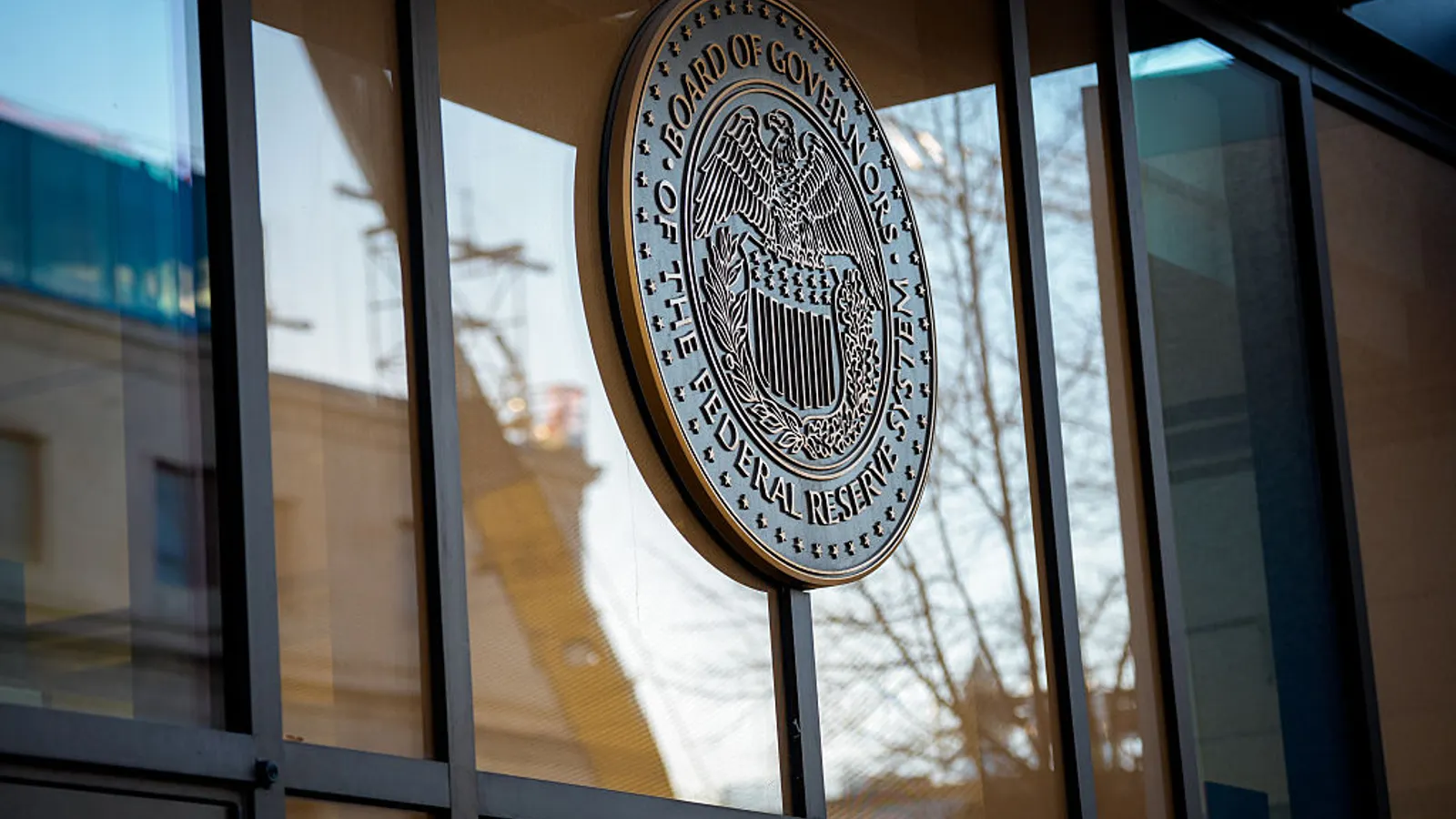
James Burns, formerly the chief lending officer at Heritage State Bank in Lawrenceville, Illinois, has been permanently barred by the Federal Reserve from participating in the banking industry. The Federal Reserve’s enforcement action, issued on July 16, 2026, stems from Burns’s repeated approval of loans based on appraisals that significantly overstated the value of the underlying collateral. This misconduct directly contributed to substantial financial losses for the acquiring institution, First National Bank of Carmi (now First Bank), following the 2020 merger.
The Federal Reserve’s order details a pattern of egregious violations that compromised the safety and soundness of Heritage State Bank and inflicted financial harm on its successor. Burns, who held the critical position of chief lending officer from 1999 until the bank’s acquisition, is accused of deliberately approving four loans where property appraisals were manipulated to reflect artificially inflated values. This practice, according to the Fed, was a clear breach of fiduciary duty and an unsafe or unsound banking practice.
Beyond these four specific instances, the regulatory body also found that Burns neglected his supervisory responsibilities by failing to ensure that at least 25 other loans or loan renewals underwent appraisals conducted by licensed professionals. Furthermore, he reportedly overlooked significant discrepancies and inconsistencies within the appraisals he did receive. This negligence allowed loans to be underwritten with collateral valued at levels far exceeding their actual worth, a fact starkly revealed when First National Bank of Carmi (FNBC) conducted its own re-appraisals after the merger.
A Pattern of Deception and Financial Fallout
The full extent of Burns’s actions became evident when FNBC initiated foreclosure proceedings on some of the loans that had been approved under his tenure. The subsequent sales of the foreclosed properties yielded considerably less than their original appraised values, resulting in direct financial losses for FNBC. The Federal Reserve’s assessment highlighted that Burns’s conduct not only violated banking laws and regulations but also demonstrated personal dishonesty and a willful disregard for the bank’s financial stability.
The Federal Reserve’s press release, dated July 16, 2026, explicitly stated, “Burns’s conduct constituted violations of law or regulation, breaches of fiduciary duty, or unsafe or unsound banking practices, and involved his personal dishonesty or demonstrated his willful or continuing disregard for the Bank’s safety and soundness.” This strong condemnation underscores the severity of the alleged transgressions.
Burns has reportedly consented to the Federal Reserve’s enforcement order and has agreed to abide by its terms, which include a permanent prohibition from participating in the banking industry in any capacity. This means he is barred from serving as an officer, director, employee, or shareholder of any federally insured financial institution.
Chronology of Misconduct and Acquisition
The timeline of events leading to this regulatory action paints a clear picture of sustained problematic practices:

- 1999 – 2020: James Burns serves as Chief Lending Officer at Heritage State Bank in Lawrenceville, Illinois. During this period, the alleged fraudulent loan approvals and appraisal neglects are believed to have occurred.
- 2020: Heritage State Bank is acquired by First National Bank of Carmi (FNBC). This acquisition triggers a post-merger review of Heritage State Bank’s loan portfolio by FNBC.
- Post-2020: FNBC identifies significant discrepancies between the original appraisals of collateral for loans approved by Heritage State Bank and its own subsequent re-appraisals. This discrepancy reveals that collateral was valued at substantially higher figures than its true market worth.
- Recent Years: FNBC proceeds with foreclosures on some of the affected loans. The sale of these properties results in financial losses for FNBC, as the sale prices fall far short of the original appraised values.
- July 16, 2026: The Federal Reserve issues its formal enforcement action, banning James Burns from the banking industry. The announcement details the nature of his misconduct and the rationale behind the ban.
This chronological breakdown illustrates that the issues were not isolated incidents but rather a sustained pattern of behavior that persisted for a considerable duration, impacting the financial health of the bank and ultimately its acquirer.
Supporting Data and Regulatory Context
While specific financial figures of the losses incurred by FNBC were not publicly disclosed in the Federal Reserve’s announcement, the language used – "substantially less than the original appraisal value, causing a loss to FNBC" – indicates a significant impact. Such practices can have a cascading effect on a bank’s balance sheet, impacting its capital adequacy, profitability, and overall stability.
The Federal Reserve’s mandate includes ensuring the safety and soundness of the U.S. banking system. Actions like these are taken to deter misconduct, protect depositors and shareholders, and maintain public confidence in financial institutions. The penalties for approving loans based on fraudulent appraisals can be severe, including hefty fines, restitution, and, as in Burns’s case, permanent exclusion from the industry.
The regulatory framework governing appraisals is designed to provide an objective valuation of collateral, which is crucial for risk management in lending. Licensed appraisers are expected to adhere to strict professional standards and ethical guidelines. Any deviation from these standards, especially when done intentionally to inflate values, is considered a serious offense. The fact that Burns allegedly failed to ensure appraisals were conducted by licensed professionals further compounds the seriousness of his alleged actions.

Reactions and Broader Implications
Attempts to reach First Bank (formerly First National Bank of Carmi) for comment on the situation were unsuccessful. A call to its main line on Tuesday morning went unanswered, and a specific request for comment directed to CEO Nikki Roser had not been immediately returned. This lack of immediate response is not uncommon in situations involving regulatory actions and ongoing legal or investigative processes.
The implications of this Federal Reserve ban extend beyond James Burns himself. It serves as a stark reminder to all banking professionals of the critical importance of ethical conduct and adherence to regulatory requirements. For financial institutions, it underscores the need for robust internal controls, diligent oversight of lending practices, and thorough due diligence during mergers and acquisitions.
The incident may also prompt increased scrutiny of appraisal practices within the industry, particularly in regions where property values have seen significant fluctuations. Regulators often use such enforcement actions to signal their commitment to upholding standards and to deter future misconduct.
The Federal Reserve’s action reinforces the principle that individuals who engage in fraudulent or reckless behavior that jeopardizes the stability of financial institutions will be held accountable. The permanent ban ensures that James Burns will not be in a position to repeat such actions within the regulated banking sector. The long-term impact on First Bank will depend on the extent of the actual losses and their management, but the regulatory intervention aims to rectify past wrongs and prevent future ones.

