
The digital age has ushered in an era of unprecedented connectivity, yet with it comes a growing concern for personal privacy. In the United States, a significant portion of the population relies on Apple’s iMessage for daily communication. While Apple has long touted the end-to-end encryption of its messaging service, a critical feature remains conspicuously absent: disappearing messages. This omission, particularly in the context of escalating digital surveillance fears, leaves millions of users vulnerable to the permanent archiving of potentially sensitive conversations.
The urgency of this issue is amplified by the current socio-political climate. Many federal employees and government contractors, along with individuals in sensitive professions, are experiencing heightened anxiety about their online speech, including private communications. This fear extends beyond public social media posts to encompass private text messages, creating a chilling effect on open discourse. While not the most dire of global crises, the potential for personal repercussions based on digital footprints, even those intended to be private, affects a significant number of citizens. This concern transcends political affiliation, impacting individuals across the spectrum who are simply seeking to protect their livelihoods and their families.
Apple iMessage: Encrypted, But Secure?

For a vast majority of iPhone users, often referred to as "normies" in tech circles, iMessage serves as the default messaging application. Its ubiquitous presence on Apple devices makes it the primary communication channel for many. Visually, iMessage is distinguished by the "blue bubbles" that appear when communicating with other Apple users, contrasting with the "green bubbles" of SMS messages sent to non-Apple devices.
Apple has consistently promoted iMessage as an end-to-end encrypted service since its inception in 2011. This means that messages are encrypted on the sender’s device and can only be decrypted by the intended recipient. Crucially, Apple itself does not possess the keys to decrypt these messages, ensuring a significant layer of privacy. The company’s commitment to this security standard is documented in its platform security guides and has even evolved to include post-quantum security measures, aimed at protecting communications from future threats posed by quantum computing. While a minor vulnerability was identified and swiftly patched by Apple a few years ago, the overall encryption protocol has demonstrated robustness.
However, encryption in transit is only one facet of digital security. The true measure of a messaging platform’s security lies in how it handles messages once they reach their destination and how long they are retained. This is where iMessage, despite its strong encryption, falls short.
The persistent storage of messages, often indefinitely, transforms iMessage into an unintended digital archive of users’ lives. Many users report being able to retrieve messages dating back a decade or more. While this might seem harmless for casual exchanges, it poses a significant risk for sensitive conversations. Personal thoughts, political opinions, private jokes, or even discussions with legal implications can be permanently stored on devices and in backups, accessible through simple search functions or by anyone gaining unauthorized access to a device or its associated cloud storage.

The Need for Ephemeral Communication
The absence of a disappearing messages feature in iMessage is not merely an inconvenience; it is a significant privacy failing. In an era where digital footprints are increasingly scrutinized, users deserve the assurance that their private conversations can be ephemeral, much like a phone call or an in-person discussion. The ability to set a time limit for message retention provides users with control over their digital legacy, allowing for candid and uninhibited communication without the lingering fear of future repercussions.
This functionality is a standard feature in virtually every other major messaging application available today. Platforms such as WhatsApp, Facebook Messenger, Signal, Snapchat, and even Telegram offer "disappearing messages" or similar features. This functionality typically allows users to set a timer for how long messages remain visible in a conversation, after which they are automatically deleted from all participating devices. Some platforms further enhance this by excluding disappearing messages from device backups, ensuring their complete removal.
The implications of disappearing messages extend beyond mere technical deletion. The very presence of such a feature sends a powerful message to users: that their privacy is valued and that their conversations are intended to be transient and secure. This fosters a sense of trust and confidence, particularly for users who have grown wary of data retention practices by technology companies.

Apple’s Conspicuous Omission
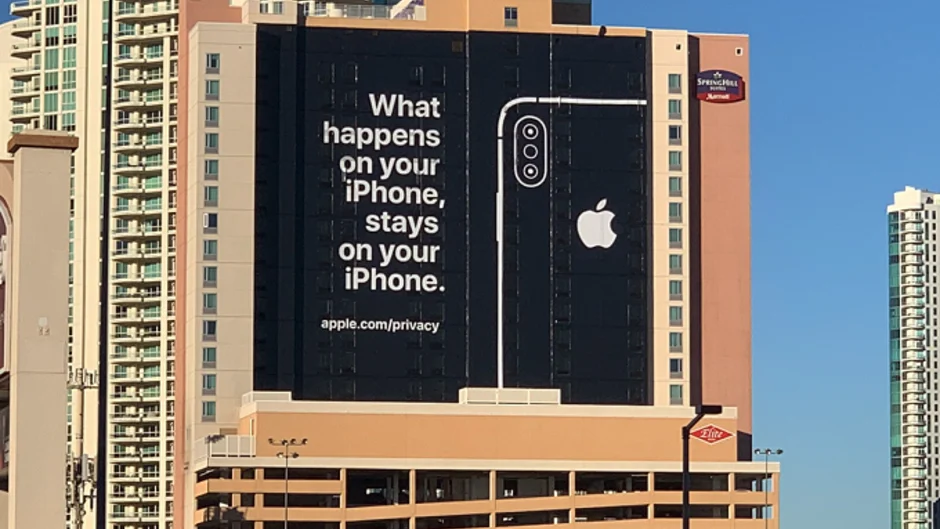
The persistent lack of a disappearing messages feature in iMessage is perplexing, especially given Apple’s brand image, which often emphasizes privacy and security. The company’s marketing frequently highlights its commitment to protecting user data, making this omission all the more baffling.
Industry experts and privacy advocates have attempted to elicit explanations from Apple for this oversight. While Apple security personnel have provided detailed responses regarding other privacy concerns, such as the implementation of end-to-end encrypted iCloud backups, their explanations for the absence of disappearing messages are often met with silence or vague acknowledgments.
Speculation abounds regarding Apple’s reluctance. Some suggest it could be related to potential government pressure, fearing that offering such a feature might invite increased scrutiny or demands for data access. Others hypothesize technical limitations or an outdated architecture within the Messages app that hinders the implementation of new features. Regardless of the underlying reasons, the current situation places Apple significantly out of step with the industry standard.

A Monument to Misaligned Priorities
The irony is stark: Apple has invested resources in developing post-quantum encryption for iMessage, a technology designed to protect against threats that do not yet exist, while failing to implement a basic privacy feature that addresses immediate and tangible risks. Users are afforded protection against hypothetical future threats from quantum computers, yet their most sensitive conversations can be easily accessed from their phones or backups by anyone who can bypass a passcode. This misalignment of priorities is a critical concern for users in 2025.
Technical Considerations and User Actions
While the plea for Apple to implement disappearing messages is clear, there are a few technical notes for users seeking to enhance their privacy within the iMessage ecosystem.

Firstly, the "Keep Messages" setting within the iPhone’s Settings app allows users to set a duration for message retention on their device. Options range from 30 days to 1 year, or "Forever." While this setting can limit the storage time of messages on an individual device, it does not automatically delete messages from the recipient’s device or from backups. Furthermore, it applies globally to all conversations, not on a per-chat basis, and deleting old messages might mean losing valuable historical data.
Secondly, users are strongly advised to enable Apple’s Advanced Data Protection (ADP) feature. ADP extends end-to-end encryption to iCloud backups, ensuring that only the user can access their backed-up data, including iMessages. This is distinct from disappearing messages, as it primarily safeguards backups rather than ephemeralizing conversations on the device itself. However, it significantly enhances the security of stored messages.
Thirdly, Apple’s "Messages in iCloud" feature, designed to sync messages across devices, has been advertised as end-to-end encrypted. However, this claim can be misleading. If iCloud Backup is used without ADP (the default for new iPhones), the encryption key for "Messages in iCloud" is backed up to Apple’s servers in a format accessible by Apple. This means Apple, or anyone with access to an Apple account password, could potentially access the content of these messages. Activating ADP mitigates this risk by ensuring the encryption key itself is end-to-end encrypted.
Conclusion

The demand for disappearing messages in iMessage is not a niche technical request; it is a fundamental privacy expectation in the modern digital landscape. Apple’s continued omission of this standard feature, despite its strong encryption protocols, leaves a significant gap in user privacy. By implementing disappearing messages, Apple can align its messaging platform with industry best practices, reaffirm its commitment to user privacy, and provide its vast user base with the confidence to communicate freely and securely. The technology exists, the need is evident, and the time for Apple to act is now.

