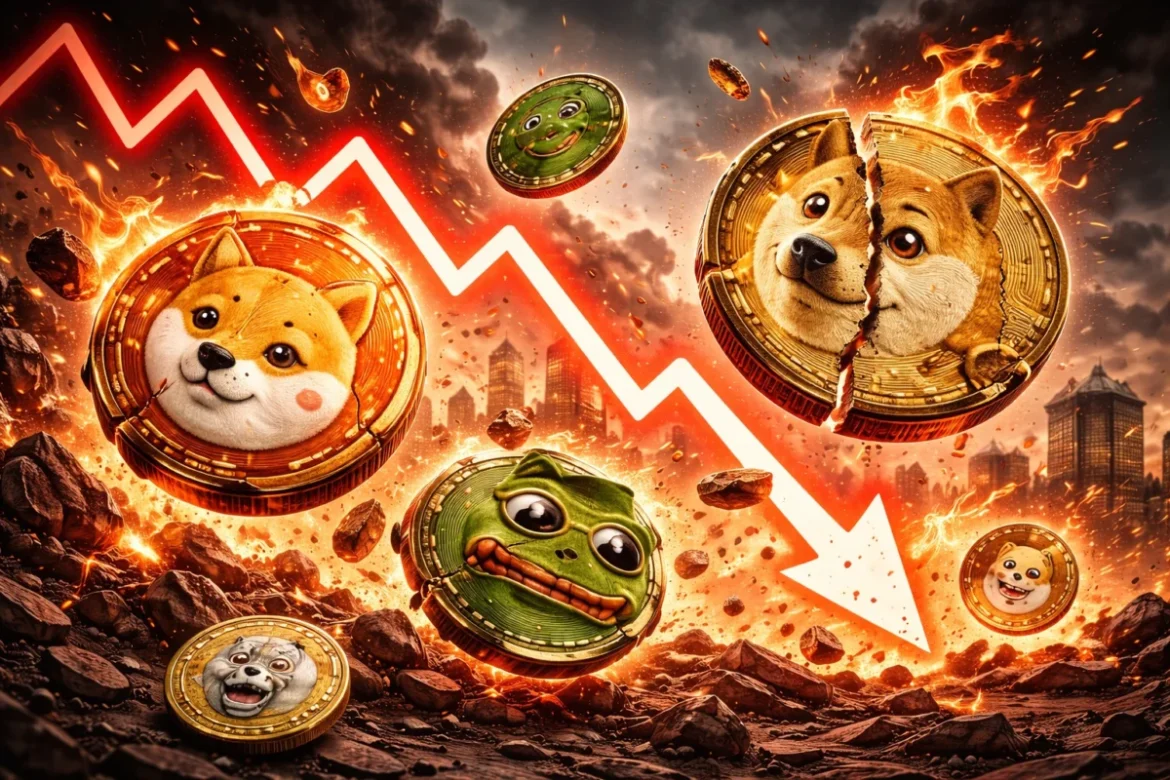
The global market for Non-Fungible Tokens (NFTs) underwent a transformative cycle between 2021 and 2025, evolving from a speculative frenzy into a nuanced ecosystem centered on intellectual property (IP) and digital property rights. What began as a "perfect storm" of macroeconomic liquidity and cultural isolation during the COVID-19 pandemic eventually faced a brutal market correction, leading to a consolidation that favored assets with historical significance or tangible real-world utility. As of November 2025, the market has largely shed the "NFT" moniker in favor of "digital collectibles," signaling a maturation of the technology behind the asset class.
The Macroeconomic Catalyst: Forging the Speculative Empire
The rapid ascent of the NFT market in 2021 is inextricably linked to the global economic response to the COVID-19 pandemic. To prevent a total economic collapse during widespread lockdowns, the U.S. Federal Reserve enacted unprecedented monetary easing, cutting the federal funds rate to a range of 0% to 0.25%. Simultaneously, the Coronavirus Aid, Relief, and Economic Security (CARES) Act injected trillions of dollars of liquidity into the economy through stimulus payments and business support.
This environment created a unique class of "armchair gamblers"—investors with excess time and liquidity who sought high-risk, high-reward assets. While traditional equities and cryptocurrencies like Bitcoin saw significant gains, NFTs represented the absolute apex of the risk curve. The market moved from a niche technological experiment to a global phenomenon in March 2021, when the auction house Christie’s sold a digital collage by the artist Beeple for $69.3 million. This event provided the "proof of concept" for digital scarcity, establishing a new lexicon for digital ownership that defied traditional financial valuation models.
The Social Genesis: From Art to Status Symbols
While high-value digital art initiated the boom, the true engine of the NFT empire was the "Profile Picture" (PFP) collection. Projects like CryptoPunks, launched in 2017, and the Bored Ape Yacht Club (BAYC), launched in 2021, became "blue-chip" assets. These were not merely digital images; they functioned as verifiable social signifiers. By displaying a specific NFT as a social media profile picture, owners could signal wealth and "insider" status within a digital-native community.
The social mechanics of these collections created a self-reinforcing feedback loop. As celebrities and high-profile influencers acquired these assets, the "emotional dividends" of ownership increased, driving demand higher. The blockchain’s public ledger allowed for the verification of these "performative" assets, creating exclusive digital clubs. However, this model relied heavily on community-driven hype and speculative momentum, leaving it vulnerable to shifts in investor sentiment and broader economic conditions.
Anatomy of a Market Collapse: 2022–2024 Chronology
The transition from the 2021 peak to the subsequent "Crypto Winter" was marked by a series of macroeconomic and industry-specific shocks. By mid-2022, inflation in the United States peaked at 9.1%, prompting the Federal Reserve to begin a cycle of aggressive interest rate hikes. This reversal of monetary policy effectively "sucked the air" out of speculative markets. NFTs, often the first assets to be liquidated during a de-risking phase, saw trading volumes plummet.
The downturn was accelerated by catastrophic failures within the cryptocurrency industry:
- May 2022: The collapse of the Terra/Luna ecosystem wiped out $40 billion in market value, shattering investor confidence in decentralized finance.
- November 2022: The bankruptcy of FTX, one of the world’s largest cryptocurrency exchanges, led to a deep freeze in liquidity and heightened regulatory scrutiny.
- September 2023: Market reports indicated that 95% of the more than 73,000 NFT collections tracked had reached a market capitalization of zero.
By 2024, the "blue-chip" projects that once commanded million-dollar valuations had seen their floor prices drop by over 90%. The Bored Ape Yacht Club, which peaked at a floor price of approximately 150 ETH (roughly $400,000 at the time), began a long descent, eventually settling at a fraction of its former value.
Data Analysis: The State of the Market in November 2025
Real-time market data from November 5, 2025, reveals a market that has consolidated around two distinct value propositions: historical provenance and utility-driven IP. The 24-hour trading data shows a market that is highly active despite the bearish short-term trend in floor prices.
Table 1: Market Performance of Top Collections (Nov 5, 2025)
| Collection | Floor Price (USD) | 24h Volume | 24h Change (%) |
|---|---|---|---|
| CryptoPunks | $117,633 | $1.35M | +325.48% |
| Pudgy Penguins | $18,758 | $268,140 | -34.82% |
| Bored Ape Yacht Club | $19,564 | $367,200 | -42.15% |
| Milady Maker | $11,364 | $534,480 | +143.75% |
| Meebits | $1,114 | $215,640 | +601.68% |
The data highlights a significant "flight to quality." CryptoPunks, as one of the earliest PFP projects, has reclaimed its position as the premier digital asset, treated by collectors as a "digital antique." Conversely, the near-parity between Pudgy Penguins and Bored Ape Yacht Club represents a tectonic shift in the market. Pudgy Penguins, which was acquired by new leadership in 2022, pivoted toward a "retail-first" strategy, focusing on tangible products and intellectual property licensing.
The Utility Thesis: Real-World Revenue and IP
The rise of Pudgy Penguins serves as the primary case study for the "Utility Thesis." Unlike projects that relied solely on community hype, the Pudgy Penguins team launched "Pudgy Toys," a line of physical plushies sold in major retailers like Walmart and Target. By March 2025, the brand had sold over 2 million toys and generated more than $13 million in retail revenue.
This shift has forced a re-evaluation of how digital assets are priced. The market is increasingly rewarding projects that generate external revenue and build durable consumer brands. This trend is further evidenced by the entry of utility-based tokens into the top ranks, such as "Infinex Patrons," which offer functional access to financial platforms rather than purely aesthetic or social value.
The Great Rebranding: From NFTs to Digital Collectibles
By 2025, the term "NFT" had become culturally toxic, associated in the public mind with scams, environmental concerns, and lost savings. In response, major corporations have successfully integrated the underlying technology while abandoning the three-letter acronym.
- Starbucks: Utilized the technology for its "Odyssey" loyalty program, referring to the assets as "Journey Stamps."
- Nike: Integrated digital wearables through its .SWOOSH platform, branding them as "Virtual Creations."
- Reddit: Successfully onboarded millions of users to the blockchain by calling their assets "Collectible Avatars."
This "invisible" adoption suggests that the technology’s future lies in its utility as a backend infrastructure for digital ownership rather than as a standalone financial instrument.
The Philosophical Imperative of Digital Ownership
The persistence of blockchain-based assets is driven by a fundamental flaw in the current digital economy: the "licensing" model of Web2. When consumers "buy" a digital movie on Amazon or a game on a console, they do not own the asset; they are granted a revocable license. Recent incidents where Sony and Nintendo shut down access to entire digital libraries have highlighted the precarious nature of digital "purchases."
Blockchain technology provides the only existing method for tracking provenance and ownership outside of a single corporation’s private servers. This shift from "licensing" to "digital personal property" is the core value proposition that ensures the technology’s survival. The "right-click-save" critique, common during the 2021 boom, is increasingly viewed as a misunderstanding of the technology’s purpose, which is to provide a public, immutable record of transactions.
Conclusion: A Maturing Ecosystem
The "NFT Empire" of 2021-2022 has fallen, but it has been replaced by a more stable and diversified digital asset class. The speculative mania that drove valuations to irrational heights has been purged, leaving behind a market that prioritizes historical significance, intellectual property, and functional utility.
As the technology becomes further integrated into retail, gaming, and authentication, the distinction between "digital" and "physical" property will continue to blur. The era of the speculative JPEG may be over, but the era of verifiable digital ownership is only beginning. The consolidation of 2025 suggests that while the names and marketing strategies have changed, the fundamental need for persistent, owner-controlled digital assets remains a cornerstone of the modern digital economy.