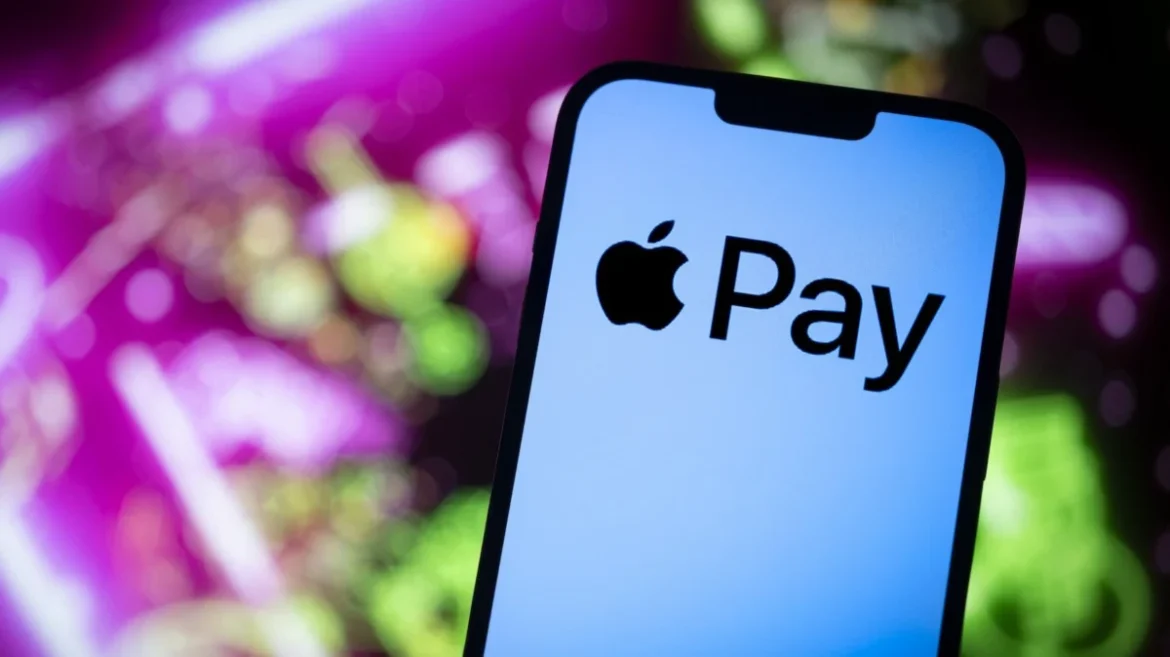
The arrival of Apple Pay in India marks a watershed moment for the Cupertino-based technology giant’s strategy in the world’s most populous nation. After years of speculation and persistent rumors, Apple is finally debuting its contactless payment service in the Indian market, beginning with a strategic partnership with Axis Bank. While the rollout signifies a major expansion of Apple’s services ecosystem in India, the launch is characterized by a limited scope, reflecting the unique structural challenges of the local digital payments landscape.
The Strategic Rollout and Initial Limitations
As of Tuesday, Apple is initiating a phased entry into the Indian market. The service will initially be limited to eligible Axis Bank credit cards operating on the Visa and Mastercard networks. Notably, the rollout does not include support for India’s domestic RuPay network, nor does it encompass a wide array of other major domestic lenders.
The availability of the service will also be constrained by the existing payment infrastructure. Consumers will be able to utilize Apple Pay for online transactions and at physical point-of-sale terminals that have been specifically enabled for Apple’s contactless technology. This creates a fragmented user experience: a transaction might succeed at a terminal managed by a tech-forward independent payment provider, only to fail at an adjacent terminal where the underlying acquiring bank has not yet completed the necessary integration.
The Shadow of UPI: A Different Payment Paradigm
To understand the scale of the challenge Apple faces, one must look at the dominance of the Unified Payments Interface (UPI). Unlike the United States or various European markets, where card-based contactless payments have long been the gold standard, India has leapfrogged traditional card infrastructure entirely.
Developed by the National Payments Corporation of India (NPCI), UPI is a real-time, bank-to-bank payment system that allows users to transfer funds instantly via mobile devices using a Virtual Payment Address (VPA) or by scanning QR codes. Since its inception, UPI has become the backbone of the Indian digital economy, processing billions of transactions monthly. Because UPI removes the need for physical cards and expensive terminal hardware, it has achieved near-universal adoption among merchants, from street-side vendors to luxury retail outlets.
Apple Pay, by contrast, is a card-based tokenization service. It requires individual card issuers—the banks—and payment infrastructure providers to invest in specific integrations. This fundamental difference in architecture makes Apple’s path to widespread adoption significantly more complex than that of its competitors in the Indian market.
Commercial Friction and the Economics of Adoption
At the heart of the slow rollout are the commercial terms Apple is seeking from India’s financial institutions. Industry insiders suggest that Apple is requesting a fee of approximately 20 basis points on transactions processed through its platform.
For many Indian banks, this fee is a point of contention. The margin on digital payments in India is razor-thin, often ranging between 40 and 50 basis points. Demanding nearly half of that margin to facilitate a payment service is a difficult proposition for large lenders, many of whom have already spent years subsidizing the growth of the UPI ecosystem. Consequently, major institutions such as HDFC Bank, ICICI Bank, and SBI Card remain on the sidelines, with negotiations over revenue sharing and technical integration protocols reportedly ongoing.
A Long-Term Play for a Premium Demographic
Despite the dominance of UPI and the friction regarding fees, analysts argue that Apple is playing a long game. The company is not necessarily looking to displace UPI, but rather to cater to a specific, high-value demographic.
Apple’s user base in India—while smaller than that of Android manufacturers—consists largely of affluent consumers who utilize premium credit cards. These users are exactly the target market for high-margin financial services. For banks, the potential to capture or retain high-net-worth customers by offering them the convenience of Apple Pay provides a strong incentive to eventually reach an agreement with Apple, even if the initial margins appear unappealing.
Furthermore, for Apple, this launch is a strategic tool for user retention. By deepening the integration of its Wallet app into the daily financial lives of Indian iPhone users, Apple creates a "walled garden" effect that reinforces brand loyalty. Even if Apple Pay remains a niche service relative to the total volume of UPI transactions, the ability to monetize these payments provides a new, recurring revenue stream in one of the world’s fastest-growing smartphone markets.
The Broader Context of Apple’s India Expansion
The introduction of Apple Pay is the latest in a series of calculated moves by Apple to transform India from an import-heavy market into a global manufacturing and services hub.
- Manufacturing Prowess: India now accounts for approximately 25% of global iPhone production. This figure is projected by industry analysts and government officials to climb to between 30% and 35% within the next five years, as Apple continues to diversify its supply chain away from China.
- Retail Presence: The opening of Apple’s first official retail stores in Mumbai and Delhi in 2023 marked a symbolic shift in the company’s commitment to the region.
- Market Share Growth: According to Counterpoint Research, Apple’s share of the Indian smartphone market by value hit 28% in 2025, a significant climb from 23% in 2024. This trend underscores a broader shift in consumer behavior in India, where there is an increasing preference for premium, aspirational devices.
Official Responses and Industry Silence
As of the time of writing, Apple, Axis Bank, HDFC Bank, ICICI Bank, and SBI Card have declined to provide formal comments on the specific details of the rollout or the ongoing negotiations regarding commercial terms. This silence is typical of the highly competitive and sensitive nature of the Indian fintech sector, where regulatory scrutiny from the Reserve Bank of India (RBI) is intense and public disclosure requirements are stringent.
Future Implications and Market Outlook
The entry of Apple Pay will likely trigger a ripple effect across the Indian fintech sector. First, it will put pressure on other card issuers to prioritize Apple’s platform to remain competitive for premium cardholders. Second, it may accelerate the adoption of contactless NFC-enabled terminals among mid-to-large-sized retailers who have previously relied solely on QR code scanners.
However, the "UPI-first" nature of the Indian consumer remains the single largest barrier. For Apple Pay to achieve mass-market success, it would eventually need to integrate directly with the UPI ecosystem—a move that would fundamentally change its business model and likely involve a different set of negotiations with the NPCI and regulatory authorities.
For now, the launch is a controlled experiment. Apple is testing the appetite of its Indian customer base for its premium payment services while navigating the intricate web of banking regulations and existing payment rails. While it is unlikely to disrupt the status quo of UPI in the short term, the arrival of Apple Pay serves as a clear signal: Apple views India as a mature market worthy of its full suite of services, and it is prepared to build the necessary infrastructure to compete, one transaction at a time.