
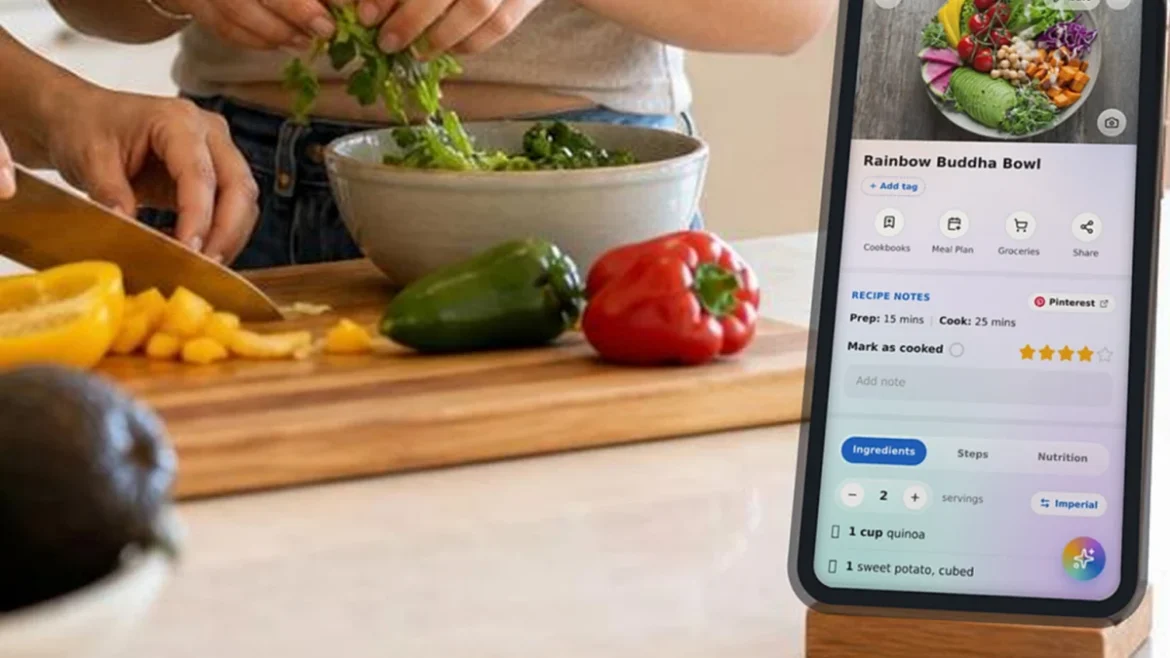
The modern culinary landscape is defined by an unprecedented paradox: home cooks have access to more recipes than at any point in human history, yet deciding what to make for dinner remains a nightly source of stress. Across platforms like TikTok, Instagram Reels, Pinterest, and countless food blogs, inspiring dishes are constantly being published, bookmarked, screenshot, and swiftly forgotten. This digital accumulation has created a new kind of modern clutter—a chaotic repository of scattered URLs, camera roll screenshots, and bookmarked videos that rarely translate into actual meals. To address this friction between digital inspiration and daily execution, a new wave of artificial intelligence-powered culinary tools has emerged, aiming to bridge the gap between saving a recipe and serving it. Among these, platforms like ReciBites are attempting to redefine how households organize their kitchens, turning disparate digital snippets into cohesive meal plans, nutritional insights, and streamlined grocery shopping lists.
The Evolution of Recipe Management: From Index Cards to the Cloud
For generations, family recipes lived in wooden boxes filled with handwritten index cards, clipped newspaper columns, and dog-eared pages of beloved cookbooks. As the internet matured, these physical collections migrated to bookmarks folders, Pinterest boards, and desktop bookmarking tools. However, the proliferation of short-form video content on social media platforms over the past decade drastically accelerated the fragmentation of culinary inspiration.
Today, a single week of scrolling might yield a pasta recipe saved from a TikTok video, a dessert tutorial found on Instagram Reels, a slow-cooker meal discovered via Pinterest, and a traditional family recipe preserved as a blurry snapshot of a grandmother’s notebook. While these platforms make discovering food effortless, they are not designed for organization. They lack the structural framework necessary to turn a ten-second video into a step-by-step cooking guide, let alone a weekly grocery list.
Recognizing this operational inefficiency, software developers have increasingly turned to machine learning and artificial intelligence to parse unstructured content. Modern recipe management applications no longer require users to manually type out ingredients and instructions. Instead, advanced Optical Character Recognition (OCR) and computer vision allow apps to ingest screenshots, handwritten notes, and video links, automatically extracting text, ingredient measurements, and cooking steps. This technological leap represents a fundamental shift in how digital data is translated into physical, real-world utility.
Streamlining the Culinary Workflow: Features and Functionality
At the core of platforms designed to combat recipe clutter is automated ingestion and intelligent organization. Users can seamlessly import content from virtually any digital medium—including major social networks like Facebook, YouTube, and TikTok, alongside traditional websites and physical media. To prevent these imported collections from devolving into a digital mirror of a cluttered kitchen drawer, built-in duplicate detection algorithms scan repositories to identify and merge identical or near-identical recipes.
Beyond simple storage, the integration of artificial intelligence allows for deep nutritional analysis. Once a recipe is imported, the software breaks down the ingredients to calculate precise calorie counts, macronutrients, and key dietary indicators. This capability caters to a growing demographic of consumers who track their nutritional intake for fitness, medical, or lifestyle reasons. Furthermore, smart dietary alert systems flag ingredients that conflict with user-specified preferences, such as allergens, religious dietary restrictions like halal, or specific nutritional goals such as high-protein or low-sugar diets. In cases where a recipe contains a restricted or disliked ingredient, the system can suggest personalized substitutions, adapting the dish on the fly without compromising its core flavor profile.
The utility of these platforms extends past individual recipe optimization into macro-level household management. By connecting saved recipes directly to an automated weekly meal planner, users can map out their culinary schedule days in advance. Once the weekly menu is established, the application generates a consolidated grocery list. This feature addresses one of the most tedious aspects of meal preparation by automatically merging duplicate ingredients across multiple recipes—such as combining the garlic requirements of three different dinners—and organizing the final shopping list by supermarket aisle. Additional tools, such as serving-size scalers, measurement converters, and interactive step-by-step cooking modes, ensure that the transition from planning to cooking remains seamless.
Addressing Food Waste and Community Cooking
In addition to organizing existing recipes, modern culinary applications are increasingly incorporating generative AI to tackle the perennial question of what to cook when the refrigerator is nearly empty. By inputting a list of miscellaneous leftover ingredients, users can utilize built-in AI cooking assistants to generate customized recipes on demand. This functionality not only reduces cognitive fatigue at the end of a long workday but also plays a tangible role in mitigating household food waste—a significant economic and environmental challenge globally.
Moreover, developers are recognizing the inherently social nature of food. While traditional recipe blogs often feature comment sections filled with strangers, newer platforms emphasize peer-to-peer connectivity. Users can add friends and family members to their network, allowing them to view what their social circle is saving, planning, and cooking. This shifts the inspiration paradigm from algorithmic feeds populated by internet personalities to trusted recommendations from people within one’s own social sphere.
Economic Context and Market Accessibility
As the market for productivity and lifestyle software matures, companies are exploring various monetization models, ranging from recurring monthly subscriptions to lifetime access licenses. Promotional pricing structures, such as temporary discounts reducing lifetime access fees from higher retail valuations down to more accessible entry points (such as ReciBites Plus being offered at $39.99 compared to its standard $360 baseline), reflect the competitive nature of the software-as-a-service (SaaS) landscape. These pricing strategies are designed to lower the barrier to entry for consumers hesitant to commit to perpetual subscription fees, fostering wider user adoption in a crowded market of digital organization tools.
Broader Implications for the Home Economy
The proliferation of AI-driven meal planning tools carries broader implications for household economics and time management. In an era marked by rising grocery costs and busy work schedules, efficient meal planning is no longer merely a hobbyist pursuit; it is a vital strategy for financial and nutritional health.
When consumers fail to plan their meals, they are statistically more likely to resort to last-minute dining out, expensive food delivery services, or the purchase of redundant grocery items that ultimately spoil. By streamlining the entire lifecycle of a meal—from discovery and nutritional analysis to automated grocery shopping and preparation—smart kitchen apps offer measurable utility. They reduce financial waste at the supermarket, minimize food spoilage at home, and reclaim valuable hours that would otherwise be spent manually organizing recipes or wandering supermarket aisles without a structured list.
As artificial intelligence continues to mature and integrate deeper into daily domestic routines, the boundary between digital media and physical household tasks will continue to blur. What began as a chaotic influx of social media food videos is steadily being transformed into an organized, quantifiable, and efficient component of modern household management. Whether through automated grocery consolidation, smart nutritional tracking, or AI-assisted leftover cooking, these technological solutions signify a permanent evolution in how society interacts with food in the digital age.
